

A dachshund is a small German hound originally bred to hunt badgers, available in standard (16–32 lb) and miniature (11 lb or less) sizes with smooth, long-haired, or wire-haired coats. Expect a bold, vocal, affectionate companion living 12–16 years that needs weight control and back-conscious handling because of elevated IVDD risk.
A dachshund can be an affectionate, entertaining family companion, but it isn’t a low-effort dog. Expect a strong hunting instinct, a loud bark, independent decisions during training, and a meaningful risk of back disease. The breed originated in Germany, where its long, low body helped it pursue badgers underground. Before choosing one, consider whether your household can manage daily exercise, weight, handling, and potential veterinary costs for 12–16 years.
Dachshund Breed Profile at a Glance: Size, Lifespan, Energy, and Key Risks
| Trait | Standard Dachshund | Miniature Dachshund | Notes |
|---|---|---|---|
| Weight | Usually 16–32 pounds | 11 pounds or less at 12 months | Dogs between these weights are sometimes called “tweenies,” an informal term. |
| Typical height | About 8–9 inches | About 5–6 inches | Both have the breed’s long, low build. |
| Lifespan | About 12–16 years | About 12–16 years | Individual outcomes vary. |
| Energy | Moderate | Moderate | Both need walks, sniffing, and play. |
| Shedding | Varies by coat | Varies by coat | All three coat types shed; none is hypoallergenic. |
| Grooming | Low to higher, depending on coat | Same | Wire-haired coats may need professional hand-stripping. |
| Barking | Often substantial | Often substantial | Alert barking can be managed, but expect some noise. |
| Apartment fit | Possible with a plan | Possible with a plan | Consider noise, potty access, stairs, and time alone. |
| Key risks | IVDD, excess weight, dental and other health issues | Similar risks | Back health deserves particular attention. |
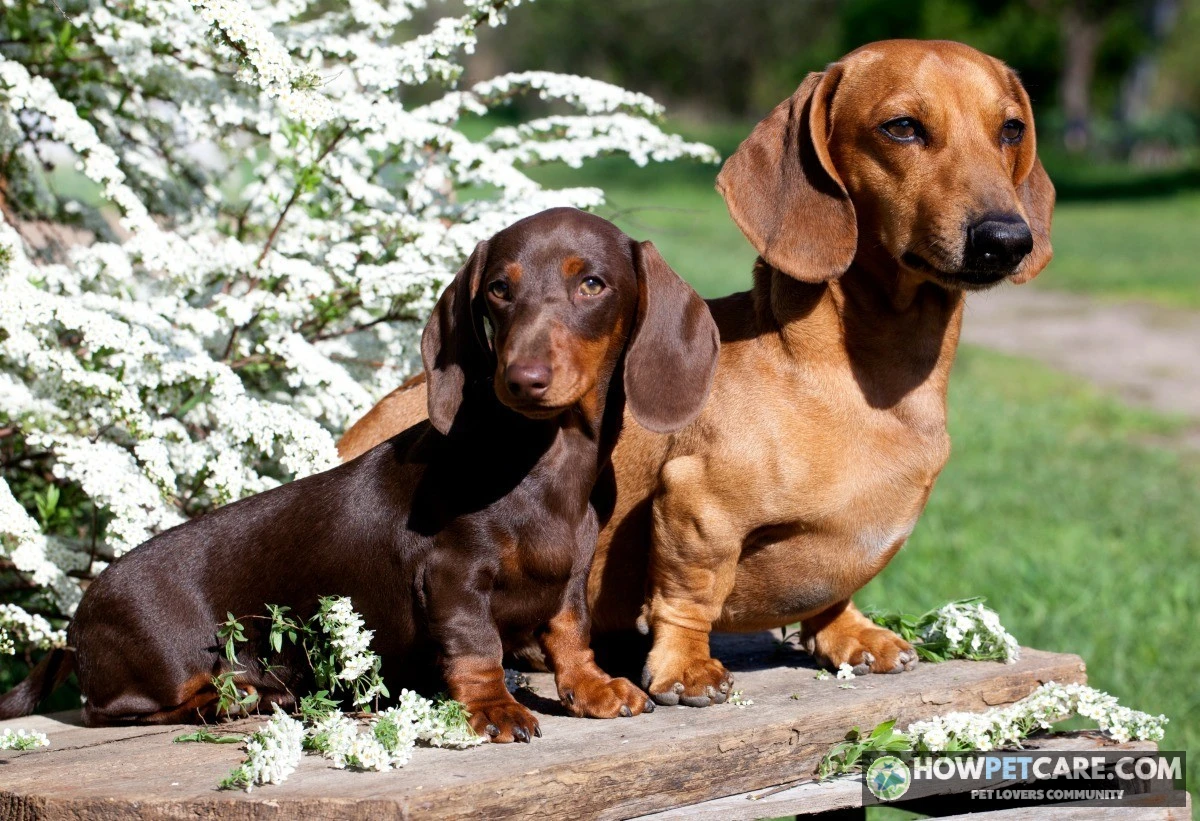
Good fit: You want a bold, affectionate companion and can make room for training, back-conscious routines, and veterinary care. Poor fit: You need a reliably quiet dog, have no workable plan for stairs, or routinely leave a dog alone for a full workday without support.
If you notice back pain or weakness in a dog you already own, skip ahead to the IVDD symptom chart. Weakness or an inability to walk warrants urgent veterinary attention, not a wait-and-see approach or unguided cage rest.
Standard vs Miniature Dachshund and the Three Coat Types
Standard vs miniature: which size fits your home?
The American Kennel Club (AKC) recognizes dachshunds as one breed, with standard and miniature weight classifications rather than separate breeds. A miniature is 11 pounds or less at 12 months; standards typically weigh 16–32 pounds. An adult between those ranges is still a dachshund, even if someone calls it a “tweenie.”
A miniature may be easier to carry through a stairwell or lift into a car. A standard is larger and may feel more substantial around careful older children, but it’s also heavier to support if injured. Neither size eliminates spinal risk, barking, or the need for training.
Smooth, long-haired, and wire-haired coats compared
Each size can have any of the three coat types. Temperament tendencies are general impressions, not guarantees. Meet the individual dog and ask about its behavior and family history.
| Variety | Typical weight and height | Shedding | Grooming needs | Temperament tendencies | Best for |
|---|---|---|---|---|---|
| Standard smooth | 16–32 lb; about 8–9 in | Light to moderate | Weekly rubber-mitt brushing | Alert and independent; individuals vary | Owners who prefer simpler coat care |
| Standard long-haired | 16–32 lb; about 8–9 in | Moderate | Brush 2–3 times weekly; check feathering | Sometimes described as calmer; not guaranteed | Owners comfortable with regular brushing |
| Standard wire-haired | 16–32 lb; about 8–9 in | Variable | Brush regularly; periodically hand-strip | Often described as outgoing; individuals vary | Owners willing to learn or arrange coat care |
| Miniature smooth | 11 lb or less; about 5–6 in | Light to moderate | Weekly mitt brushing | Bold despite its small size | Homes wanting a smaller dog and simple coat care |
| Miniature long-haired | 11 lb or less; about 5–6 in | Moderate | Brush 2–3 times weekly; prevent tangles | Affectionate but still potentially vocal | Owners who enjoy brushing and can manage noise |
| Miniature wire-haired | 11 lb or less; about 5–6 in | Variable | Brushing plus periodic stripping | Often characterized as lively; lines vary | Owners prepared for a smaller dog with more coat work |
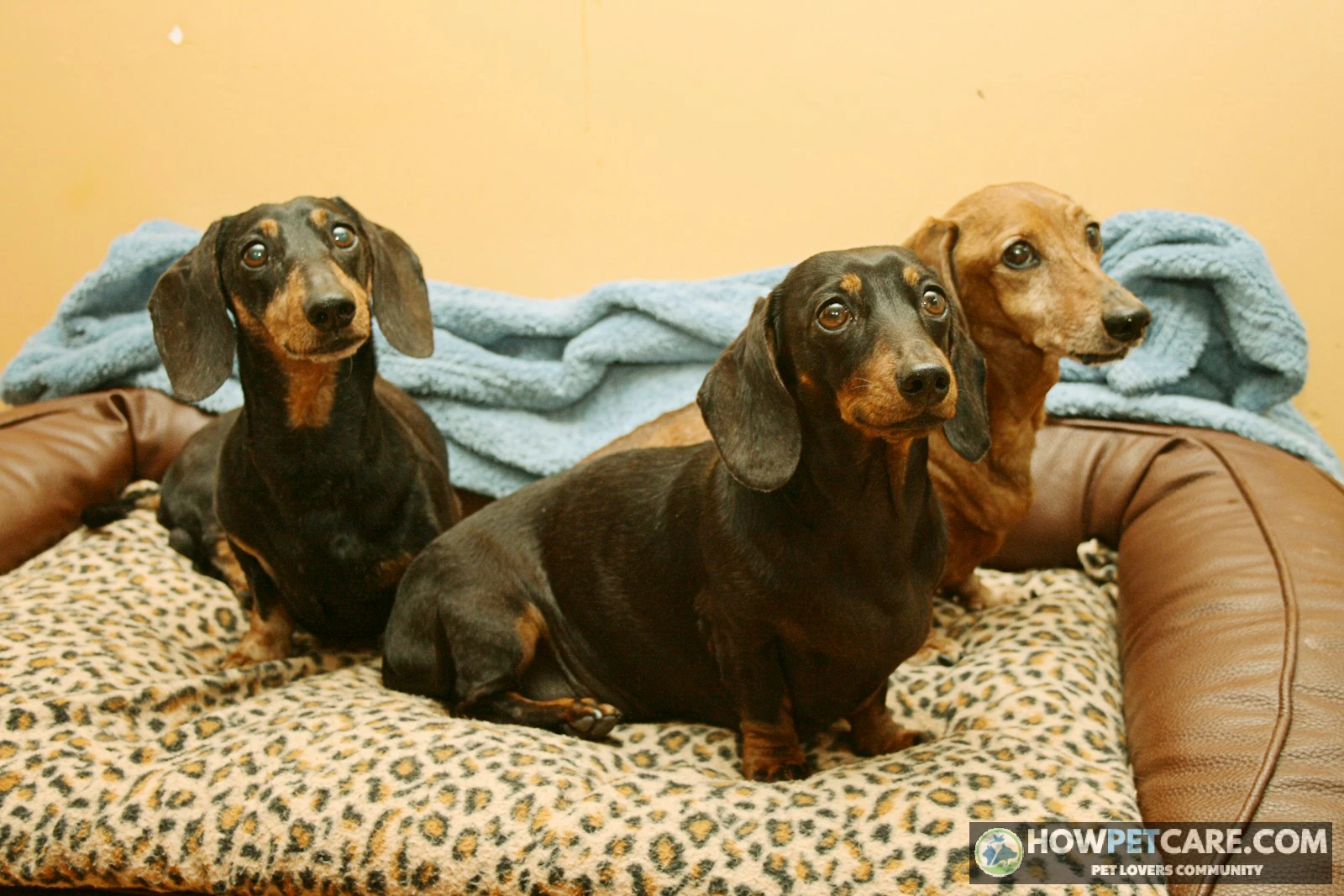
These size figures are typical breed-profile figures, not a promise about an individual puppy’s adult measurements. When choosing a companion, the dog’s observed temperament is more useful than personality descriptions associated with its coat. The three coat varieties do have different grooming needs.
For a long-haired dachshund, pay particular attention to tangles behind the ears and in the chest and leg feathering. Smooth coats benefit from a rubber mitt, though short hairs will still turn up on clothes and furniture. Wire coats need brushing and, to maintain their characteristic texture, periodic removal of loose dead hair.
All varieties need regular nail trims, ear checks, and toothbrushing with dog-safe toothpaste. Bathe your dog when dirty or as your veterinarian advises; excessive bathing can dry the skin. No dog is completely hypoallergenic, so if someone in your home has allergies, spend time around the breed before committing.
How to hand-strip a wire-haired dachshund at home

Hand-stripping removes ready-to-shed outer hairs rather than cutting them. Ask an experienced groomer to show you how first, especially if the dog has sensitive skin or mats, or is uncomfortable being handled.
-
Check the coat
Work on a clean, dry coat when dead outer hairs release readily. If they don’t come away easily, stop and ask a groomer whether the coat is ready.
-
Remove a little hair
Use your thumb and finger, or a stripping tool as a grip rather than a blade. Hold the skin gently and pull a few loose hairs in the direction of growth.
-
Work in short sessions
Move section by section without repeatedly working the same spot. Stop if the dog is uncomfortable or the skin looks irritated.
-
Handle sensitive areas carefully
Leave the face, ears, belly, and other sensitive areas to a professional if you’re unsure. Reward calm handling and end before the dog becomes distressed.
Some owners choose clipping for comfort or convenience, but it can change the coat’s texture and appearance. A professional groomer can help you decide what suits your dog.
 You might be wonderingPon dog breedPON Dog Breed Guide: Costs, Care, Temperament and FitRead the answer
Dachshund Temperament: Barking, Stubbornness, and Trainability
The honest downsides: stubbornness, barking, and digging
Dachshunds are often curious, affectionate, funny, and attached to their people. Their history as a hunting dog breed also helps explain why they investigate scents, dig, burrow under blankets, and pursue small moving animals. A blanket pile or supervised digging area gives those instincts an appropriate outlet.
Their bark can be surprisingly loud for their size. A passing dog, a hallway noise, boredom, or an exciting scent may trigger it. Training can reduce nuisance barking, but if you choose the breed, expect some alerting.
Training a dachshund: what works and what to skip
An independent dog isn’t an unintelligent one. Keep sessions short and upbeat, reward the behavior you want, and practice in gradually more distracting places. Food rewards and praise are useful; harsh punishment can undermine trust and learning.
For house-training, take the dog to the same appropriate spot after waking, eating, and play, and reward promptly outdoors. Supervise indoors and clean accidents with an enzymatic cleaner. A crate can help with management when introduced positively, but it isn’t a substitute for potty breaks, exercise, or companionship.
Puppy socialization checklist
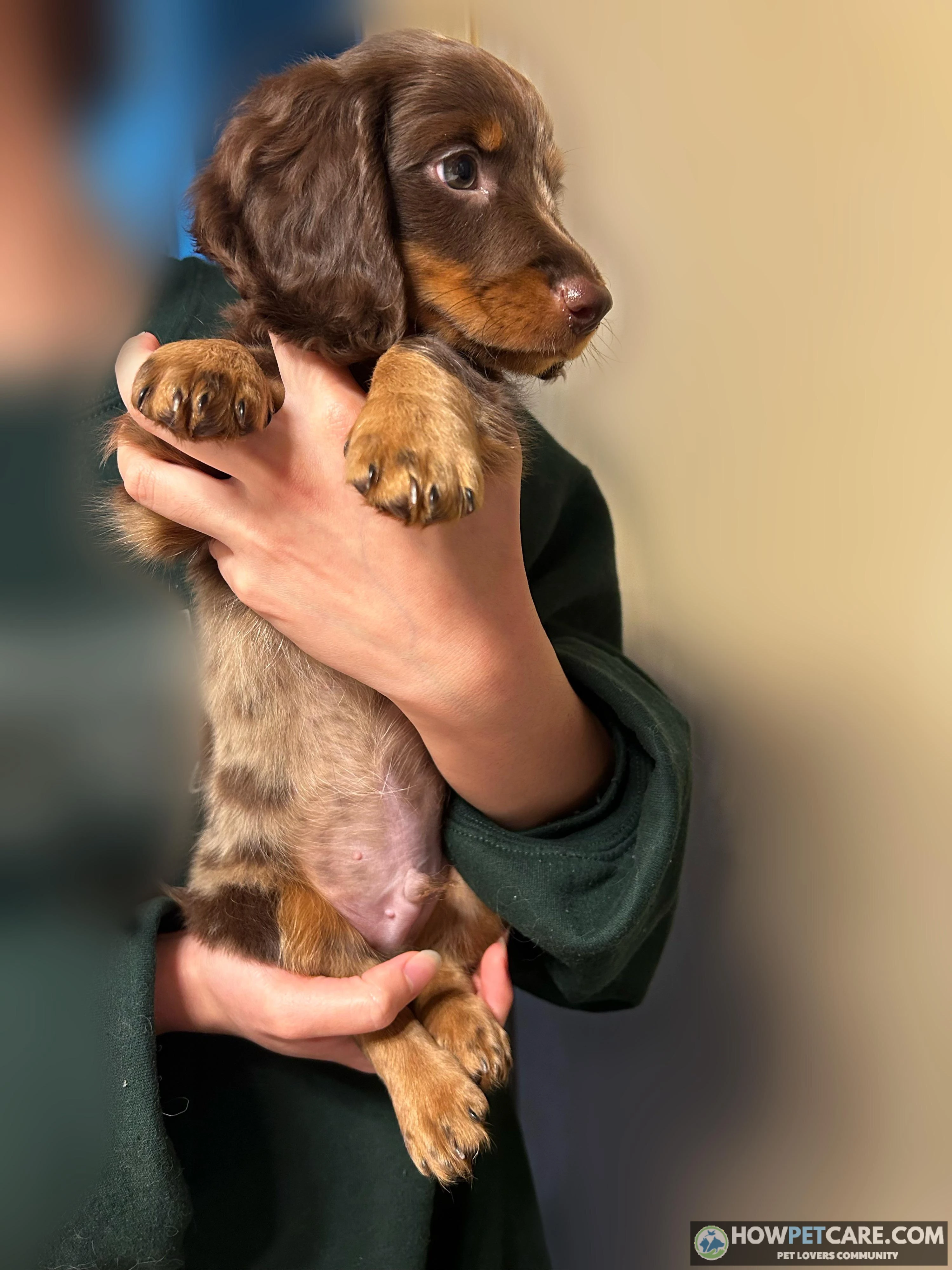
Early puppy socialization should make ordinary life feel safe, not overwhelm the puppy. Introduce people, gentle handling, household sounds, surfaces, car travel, and suitable dogs at the puppy’s pace. Ask your veterinarian how to balance early exposure with infection risk before vaccinations are complete.
Practice lifting with one hand under the chest and the other supporting the hindquarters. Pair brief nail, ear, and grooming handling with rewards. Individual experiences and training matter more than assumptions about whether a wire-haired, smooth, or long-haired dachshund will be the easiest pupil.
Is a Dachshund a Good Family Dog? Kids, Apartments, and Work Schedules
Dachshunds and children
A dachshund can be a good family dog when children are respectful and adults supervise. Teach children to let the dog approach, avoid disturbing it while sleeping or eating, and play on the floor rather than carrying it. Young children shouldn’t lift the dog or encourage it to jump off furniture. Give the dog a quiet place to retreat.
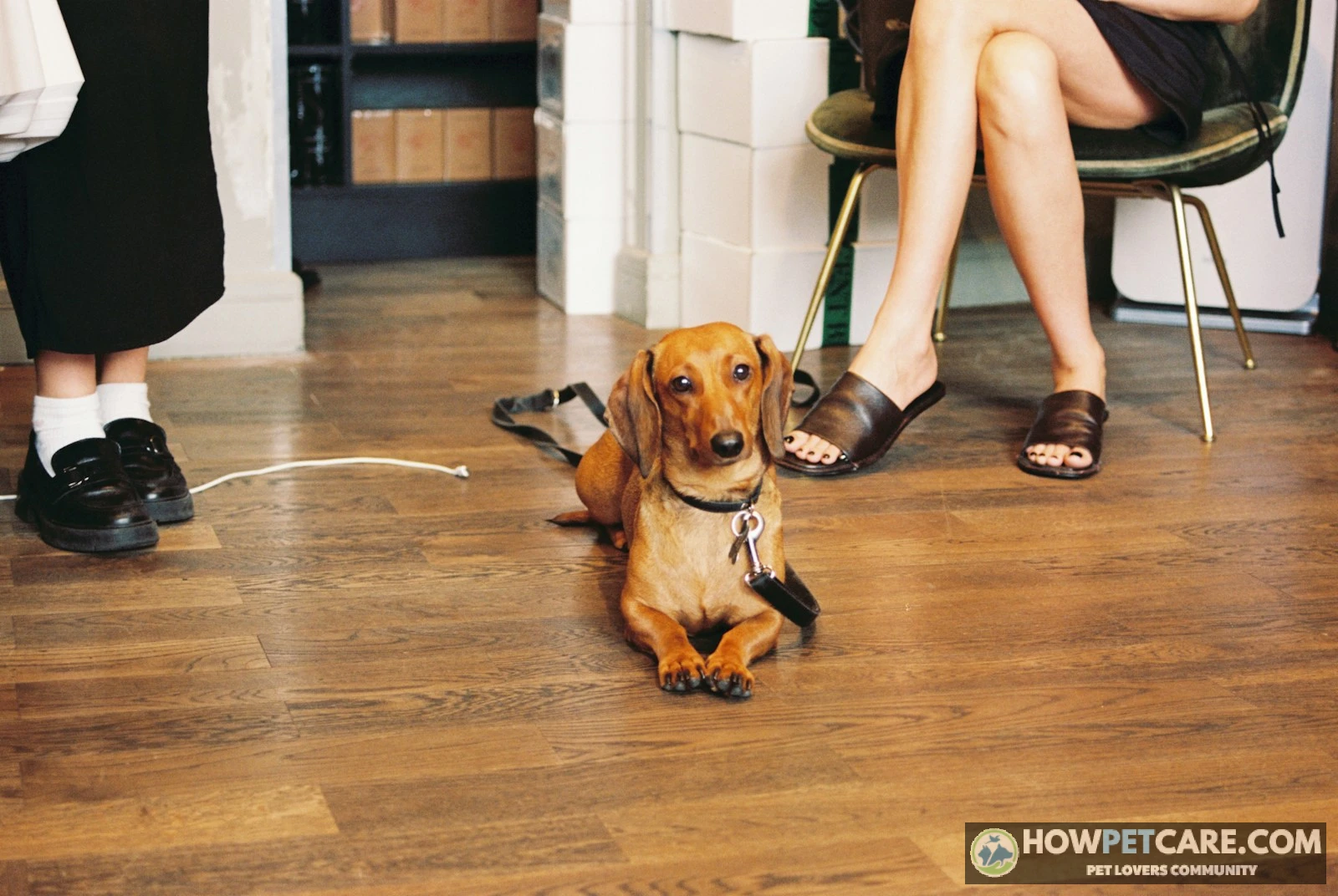
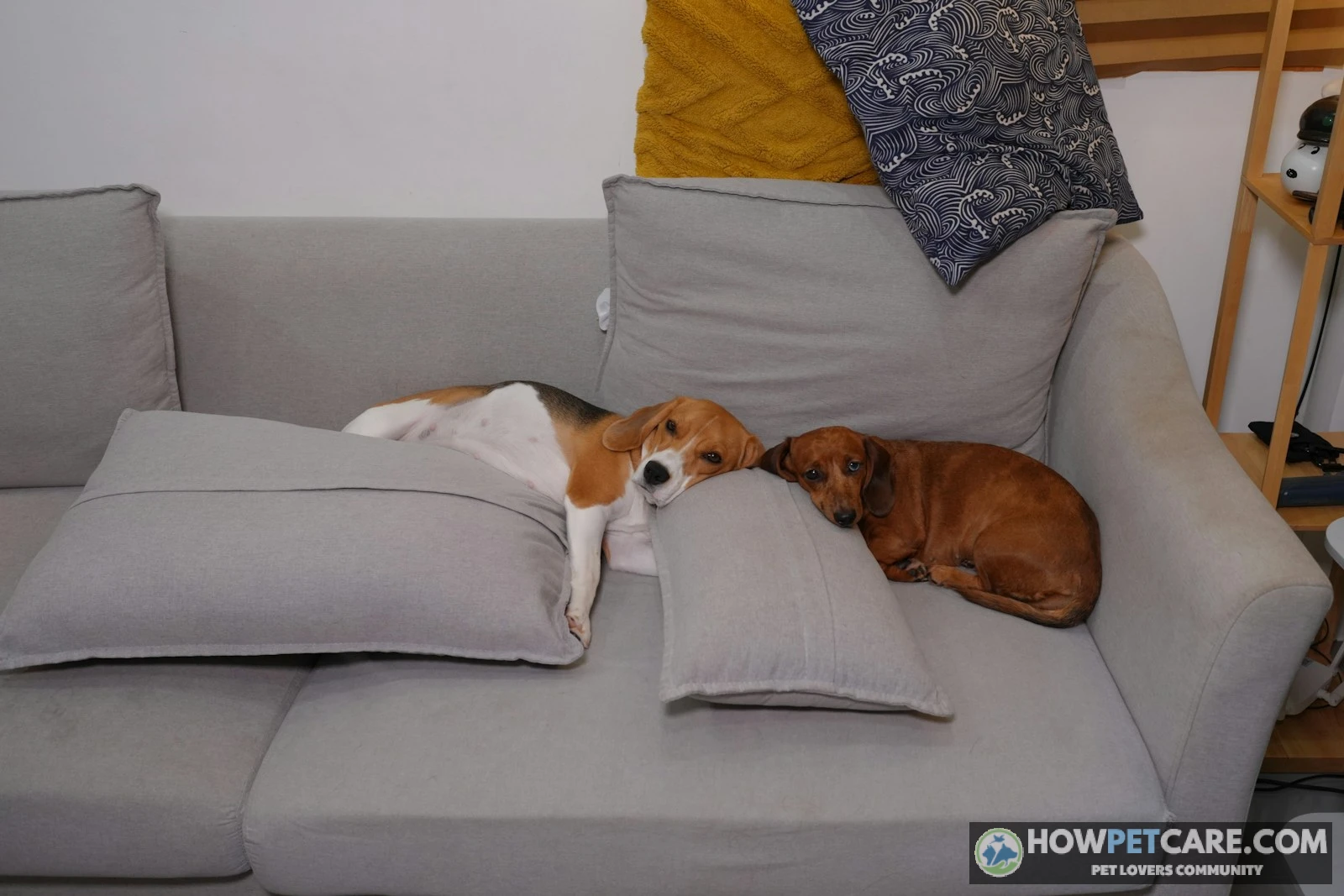
Other dogs can be good companions with careful introductions. Cats may coexist successfully, but supervise introductions and provide the cat with escape routes. Rabbits, hamsters, and other small animals should be securely separated: prey drive is a real consideration.
Apartment living and long workdays
A small home can work if the dog’s physical and social needs are met. Before committing, check:
- Noise: Can you manage alert barking without frequent neighbor complaints?
- Access: Is there an elevator, or can you safely carry the dog when needed? Plan for a possible back episode as well as ordinary days.
- Potty breaks: Can you reach an appropriate area regularly, including in bad weather?
- Work schedule: Puppies need frequent breaks and supervision. An adult may manage periods alone after gradual training, but a full workday without a break or support is a poor starting plan.
A midday walker, trusted helper, or suitable daycare may fill gaps. Choose daycare for the individual dog, not simply because it’s convenient: some dogs find busy groups stressful or play too roughly.
Fixing barking, digging, and separation anxiety
For barking, reduce predictable triggers where practical, reward quiet pauses, and practice a calm response before the dog reaches full volume. A sniffing walk or food puzzle before a departure can provide useful enrichment. For digging, offer a designated outdoor patch or supervised indoor alternative and reward its use.
Howling, destruction, or accidents specifically associated with departures can signal separation distress, although other medical or behavioral causes are possible. Record what happens when you leave, speak with your veterinarian, and consider a qualified reward-based behavior professional. Gradual alone-time training is more appropriate than punishment; a crate alone doesn’t cure anxiety.
Dachshund Lifespan and Common Health Problems to Watch For
How long do dachshunds live?
A dachshund’s typical lifespan is approximately 12–16 years. Genetics, preventive care, body condition, and the illnesses an individual develops all influence its life and quality of life. Keep that long commitment in mind when planning housing, schedules, and finances.
Health problems by life stage
Intervertebral disc disease (IVDD) is a health concern that can shape your decision. Dachshunds’ inherited body structure is associated with early disc degeneration, and a commonly cited estimate is that around one in four experience IVDD; the figure varies with the population and definition studied. A dog can develop disc disease despite conscientious care.
Other concerns to discuss with a veterinarian include excess weight, dental disease, ear problems, progressive retinal atrophy (PRA), patellar luxation, and, in some miniature lines, Lafora disease. Eye and other inherited problems vary by family line. Have new symptoms evaluated rather than automatically attributing them to breed or age.
Plan routine veterinary examinations at least annually, with the interval adjusted for age and health. Ask about dental care, parasite prevention, vaccination, weight checks, and senior screening. The next two sections cover practical back protection and what to do if symptoms appear.
How to Prevent IVDD in a Dachshund: A Daily Back-Protection Routine
IVDD occurs when a spinal disc degenerates and may bulge or rupture, potentially pressing on the spinal cord. Genetics plays a major role, so no ramp, exercise program, or supplement can guarantee prevention. The aim is to maintain fitness and a healthy weight while reducing avoidable strain and making changes in movement easy to notice.
Weight, ramps, and handling
Aim for a lean body condition: you should be able to feel the ribs beneath a thin covering, see a waist from above, and notice an abdominal tuck from the side. Ask your veterinary team to demonstrate a body-condition score; a score around 4–5 out of 9 is often the target for an adult. Excess weight puts additional load on the body and is an important issue to address.
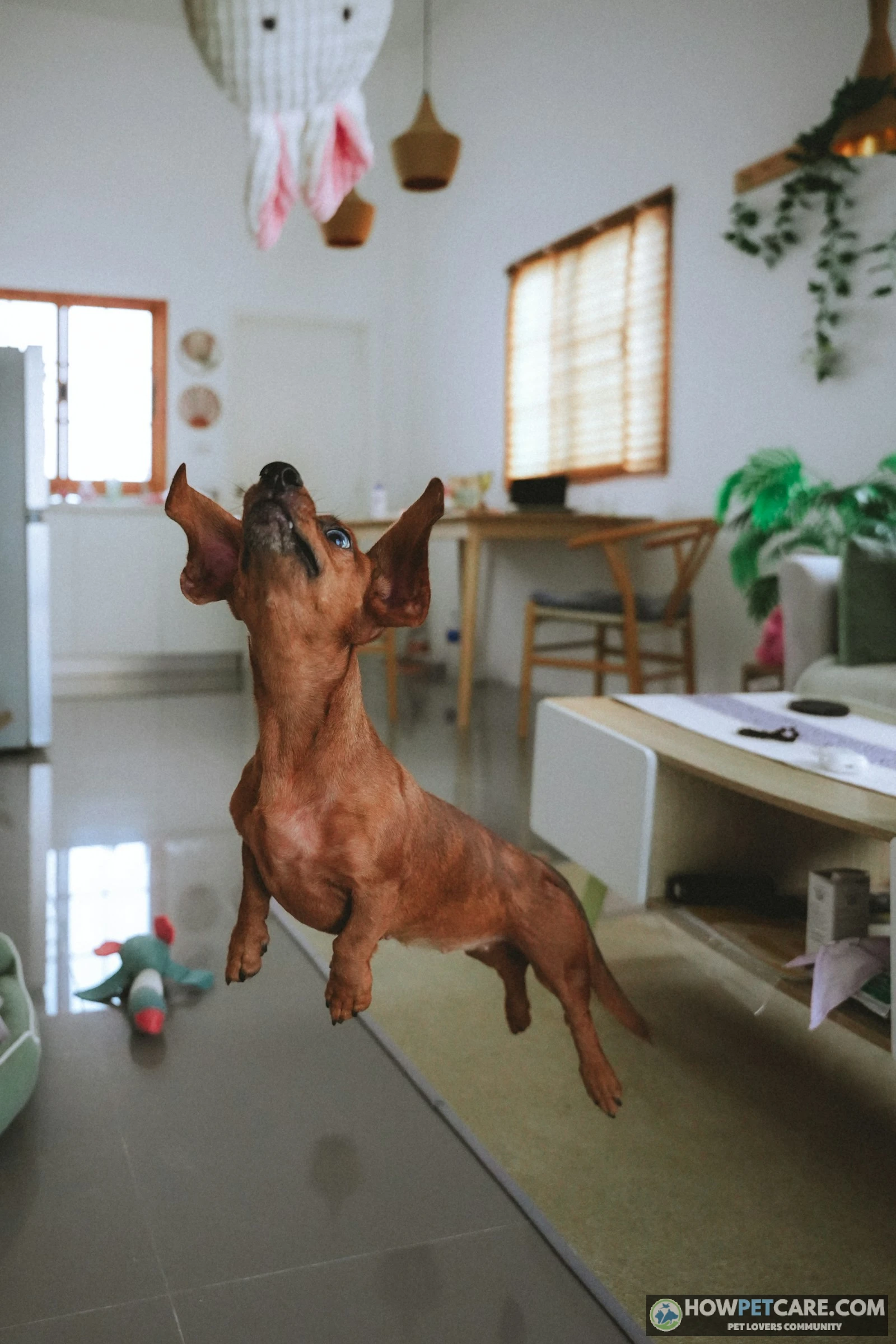
Use a stable, nonslip ramp or suitable pet steps where the dog regularly accesses furniture. Teach the dog to use it with rewards rather than assuming it will understand. Block access to high furniture if jumping remains tempting, and plan how to limit repeated stair running. These are sensible precautions, not proof that an individual episode can be prevented.
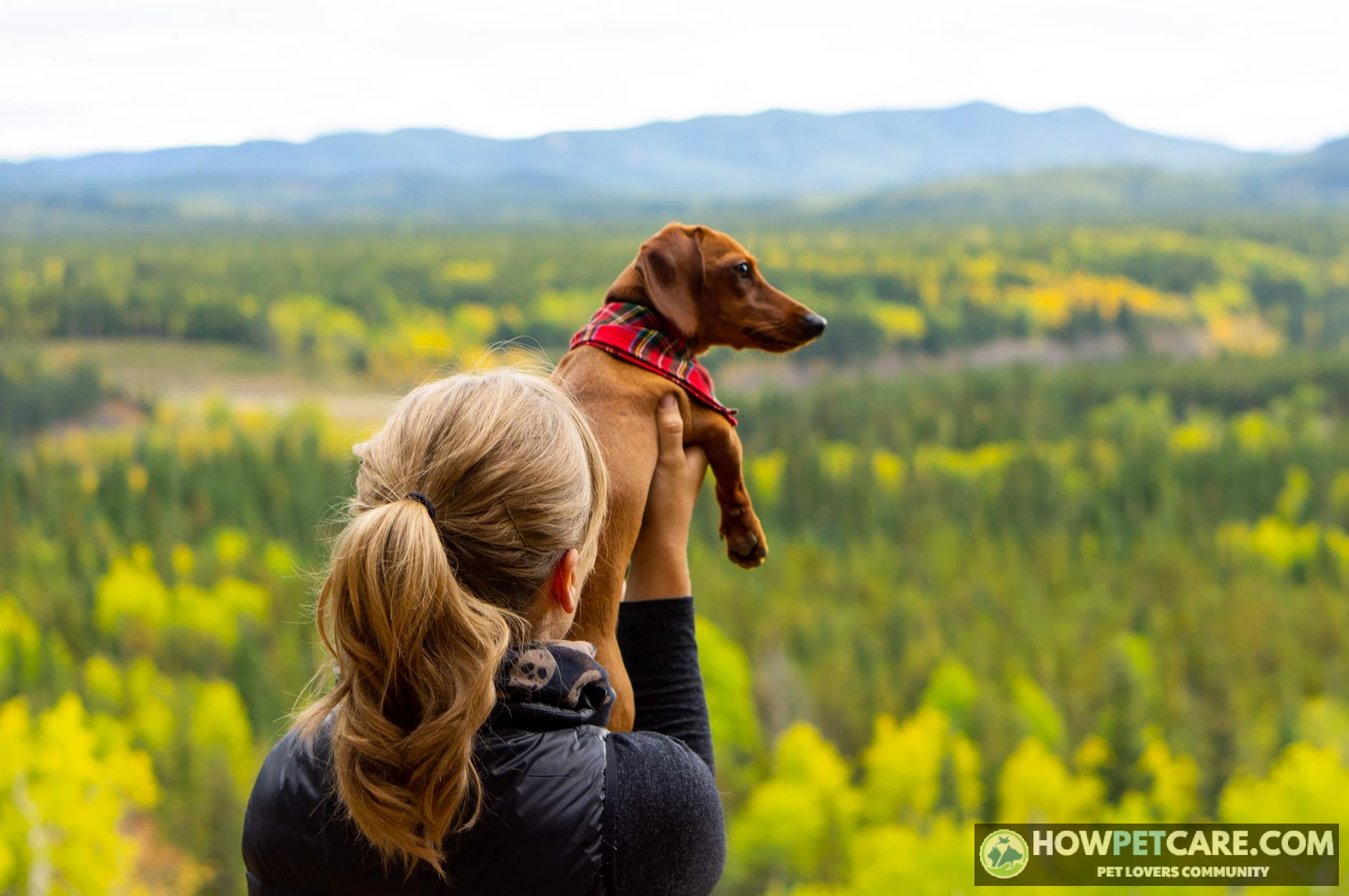
When lifting, place one hand beneath the chest and the other beneath the hindquarters, keeping the body supported and roughly level. Avoid lifting only under the front legs. A well-fitted chest harness can help distribute leash pressure away from the neck, although a harness doesn’t prevent IVDD.

Setting up your home for a dachshund
Add nonslip runners where the dog turns or plays, and keep ramps secure. Discourage repeated jumping from heights, rough collisions with larger dogs, and prolonged begging on the hind legs. Choose controlled walks and sniffing games over forced high-impact activity. Ask your veterinarian about conditioning or rehabilitation exercises if your dog has weakness, pain, or a previous back episode.
A lean, active dachshund can still develop IVDD. Don’t blame yourself or delay veterinary care because you’ve followed a back-safety routine.
Daily and weekly back-safety checklist
- Morning: Check that ramps and nonslip surfaces are secure; offer a measured meal and a comfortable walk.
- During the day: Limit unsupervised furniture jumping and provide a potty break and enrichment.
- Evening: Offer a second measured meal and walk; notice reluctance to move, an unusual posture, or changes in gait.
- Regularly: Check nails, assess waist and ribs, and weigh the dog about monthly or as your vet recommends.
IVDD Symptoms by Grade (1–5): When to Monitor, See a Vet, or Go to the Emergency Room
IVDD grade chart: what you will see and what to do
Veterinarians use neurological findings to describe severity; grading systems can differ. This chart is an action guide, not a way to diagnose your dog. Pain, weakness, and paralysis can have other causes, and a dog can worsen quickly.
| Grade | What you may see | Urgency | Action to take | Typical veterinary approach |
|---|---|---|---|---|
| 1 — pain without obvious weakness | Yelping, trembling, a hunched posture, stiffness, or reluctance to move | Contact a vet promptly; aim for assessment within 24 hours, sooner if pain is severe | Restrict movement and call the vet; monitor closely for deterioration | Examination; a vet may recommend restricted activity and medication or further tests |
| 2 — walking with weakness | Wobbling, crossing legs, dragging toes, or knuckling | Same-day veterinary assessment | Restrict movement, support the body, and call ahead | Neurological assessment; management depends on findings |
| 3 — unable to walk, with some voluntary movement | Cannot walk independently but may still move the legs | Emergency assessment | Go to an emergency or specialty hospital promptly | Imaging and specialist evaluation; surgery may be recommended |
| 4 — paralysis with deep pain sensation | No voluntary leg movement; deep pain sensation is present on a veterinary exam | Emergency | Go now; do not try to test sensation yourself | Urgent neurological assessment and imaging; surgery is commonly considered |
| 5 — paralysis without deep pain sensation | Paralysis with absent deep pain sensation on a veterinary exam | Highest-urgency emergency | Go immediately to an emergency hospital; ask about specialty care | Urgent assessment and discussion of surgery and prognosis |
Emergency signs: do not wait
Weakness, dragging a limb, inability to stand or walk, paralysis, loss of bladder control, or rapidly worsening pain need urgent veterinary advice. If your regular veterinarian can’t assess the dog promptly, call an emergency hospital while arranging transport. Severe pain warrants emergency care even if the dog can still walk.
Deep pain sensation isn’t the same as seeing a leg twitch. Only a veterinary professional should assess it; don’t pinch your dog’s toes. A grade doesn’t by itself determine whether surgery is necessary. Timing and treatment depend on the examination, imaging, progression, and specialist judgment, so don’t wait for a particular number of hours before seeking help.
For transport, keep the dog as still as practical in a padded carrier or on a supportive surface. Support chest and hindquarters together when moving it. Note when signs began and how they changed. Don’t give human painkillers unless a veterinarian specifically directs you to do so.
Confinement while arranging care can limit movement, but don’t choose weeks of cage rest instead of an examination for a weak or paralyzed dog. A veterinarian must decide whether medical management, imaging, surgery, or another approach is appropriate.
Crate rest, surgery, and recovery expectations
A veterinarian may recommend strict activity restriction and medication for some dogs, while others need advanced imaging and may be referred for surgery. X-rays can help assess some causes of pain but don’t by themselves show the spinal cord as MRI or CT can. Recovery plans can involve restricted activity, rehabilitation, and, for some dogs, help with bladder care. Recurrence is possible, so discuss a long-term plan before discharge.
Specialty imaging and surgery can each cost thousands of dollars. Request an itemized estimate that includes hospitalization, medication, follow-up, and rehabilitation where applicable. Insurance may exclude a condition once symptoms or related history are documented, so review your policy in advance.
How Much to Feed and Exercise a Dachshund at Every Life Stage
Feeding amounts by weight, age, and activity
The right portion is the amount that maintains an appropriate body condition, not a fixed number of cups for every dachshund. A starting estimate for an adult is resting energy requirement, or RER = 70 × body weight in kilograms raised to the 0.75 power, multiplied by roughly 1.4–1.6 for some neutered adults. Individual needs can be lower or higher; ask your veterinarian to personalize the target.
| Example | Approximate starting calories per day | How to use the estimate |
|---|---|---|
| Adult miniature, 10 lb | About 300–350 kcal | At 360 kcal per cup, roughly 0.8–1.0 cup daily if food provides all calories |
| Adult standard, 20 lb | About 510–590 kcal | At 360 kcal per cup, roughly 1.4–1.6 cups daily if food provides all calories |
| Puppy | Use a complete puppy food and a vet-guided growth target | Divide the daily ration into several meals; reassess as the puppy grows |
| Senior or less-active adult | Individualize rather than automatically applying a fixed reduction | Monitor weight and muscle; ask the vet about changes in appetite or mobility |
These are daily totals, not amounts per meal. Check the actual label: foods differ substantially in calories per cup and per gram. For example, if the daily target is 320 kcal and 20 kcal comes from treats, divide the remaining 300 kcal by a food’s 360 kcal per cup: about 0.83 cup of food for the day. A kitchen scale is more repeatable than an unmarked scoop. Keep treats at roughly 10% or less of total calories and count training rewards.
Puppies commonly need three or four small meals when young, moving toward two as they mature; your veterinarian can adapt the schedule and quantity to the puppy. Adults generally do well with two measured meals. Recheck weight and body condition regularly, and ask for help if ribs become difficult to feel, the waist disappears, or the dog loses weight unexpectedly. Don’t put a growing puppy on a restrictive diet without veterinary guidance.
Glucosamine, chondroitin, and omega-3 products aren’t proven ways to prevent IVDD in an individual dachshund. Discuss any supplement with your veterinarian, particularly if the dog takes medication or has another condition.
Safe exercise for puppies, adults, and seniors
- Puppies: Favor short, self-paced play and gentle exploration on level, nonslip ground. Avoid forced long runs, repeated jumps, and repeated stair climbing. There’s no universally validated minute limit that makes every puppy’s exercise safe; ask your vet to tailor activity to growth and fitness.
- Adults: Many healthy adults enjoy roughly 30–60 minutes of activity across the day, divided between walks, sniffing, and play. Build up gradually and adjust for fitness, weather, and veterinary advice; a dog with a back history may need a different plan.
- Seniors: Offer shorter, comfortable outings as needed, maintain nonslip footing and ramp access, and report slowing down or reluctance to move. Don’t assume pain is simply old age.
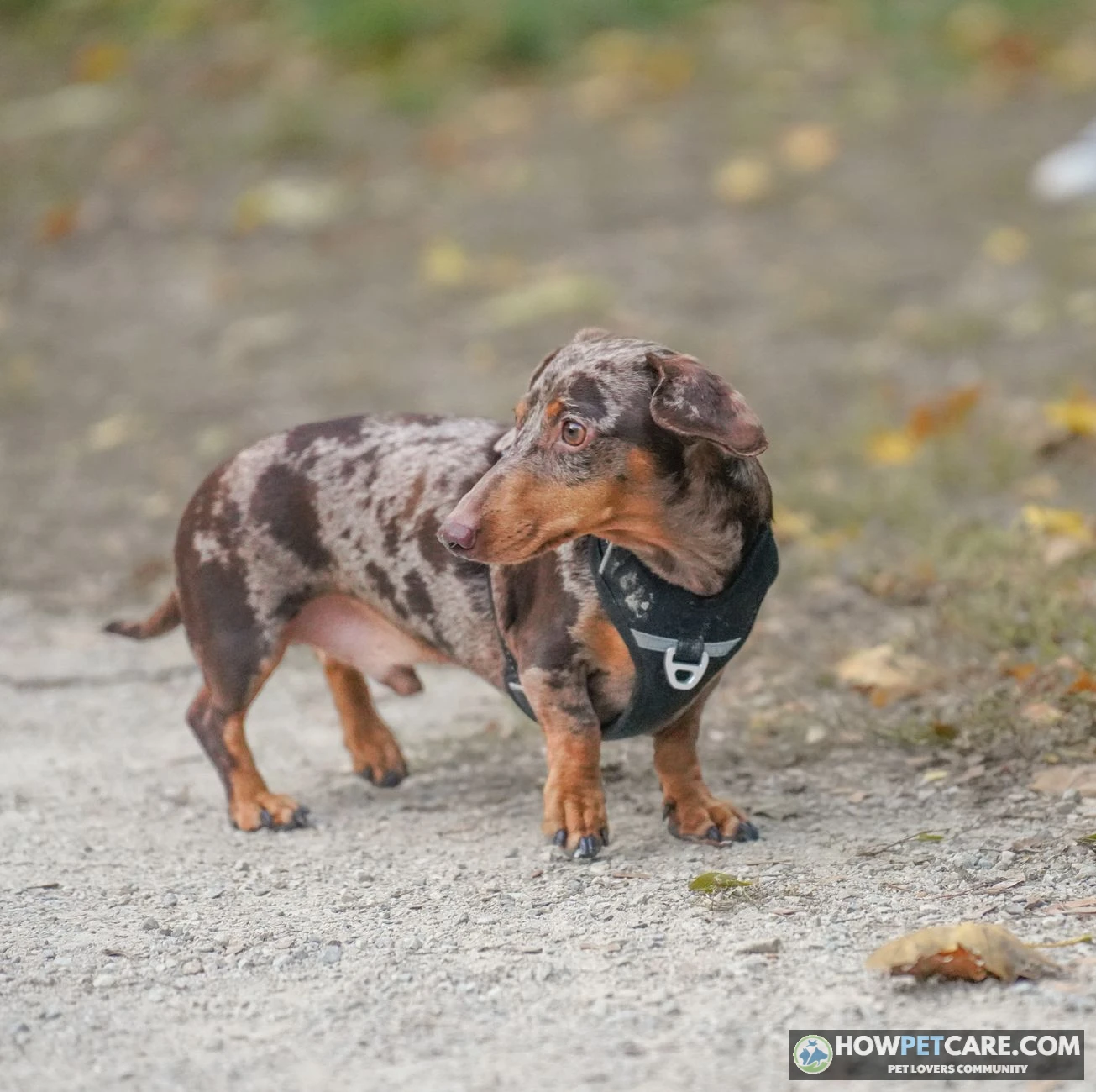
What a Dachshund Really Costs in the US, and How to Choose a Responsible Breeder or Rescue
Puppy price, first-year costs, and monthly budget
In the United States, a practical 2026 planning allowance, rather than a verified national price quote, is approximately $800–$3,000 or more for a breeder puppy and $100–$500 for a rescue or shelter adoption. Prices vary widely by location and organization, and a high price doesn’t establish responsible breeding.
A working ongoing budget might be $100–$250 per month for food, routine care, preventives, insurance, and basic supplies. Grooming or local veterinary prices can push some households higher. First-year spending also includes an examination, vaccines, possible spay or neuter, a microchip, training, a carrier or crate, and home adaptations. Request local estimates rather than treating the monthly range as a quote.
At $100–$250 per month, 12–16 years of routine spending alone is roughly $14,400–$48,000, before an adoption or purchase fee, setup costs, or major emergencies. Specialty MRI or CT may cost roughly $2,000–$4,000, and surgery roughly $3,000–$8,000 or more; these are broad budgeting illustrations, not guaranteed or comprehensive estimates. Ask whether imaging, hospitalization, and follow-up are included, and expect substantial regional variation.
Compare insurance deductibles, annual limits, reimbursement, waiting periods, and exclusions for hereditary or pre-existing conditions. Have an emergency fund or another realistic payment plan even if you buy insurance.
Breeder checklist and red flags
This is a health and welfare checklist, not a guarantee that a puppy will never become ill. Ask the breeder or rescue for records you can review, and discuss them with your veterinarian.
- Ask about cord1 PRA DNA status and how the parents’ results informed the pairing; ask about Lafora disease testing where relevant to miniature lines.
- Request eye-exam and patella evaluation records where appropriate, and ask which tests the Dachshund Club of America recommends for the particular variety.
- Ask about diagnosed back disease, seizures, and eye problems in close relatives. A common breed-associated FGF4 variant doesn’t give a simple “IVDD-proof” clearance.
- Ask to meet the mother when feasible, see where puppies are raised, review vaccination and deworming records, and understand the contract and return policy.
- Ask how puppies are socialized and what support is offered if problems arise.
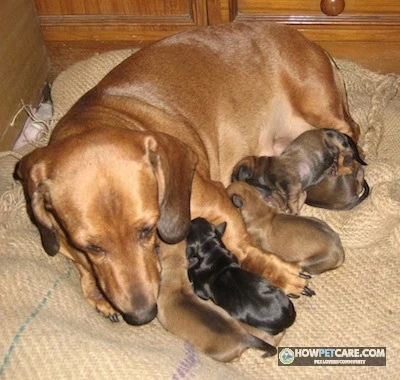
Do not support dapple-to-dapple breeding. Puppies inheriting two dapple patterns can have serious congenital hearing and vision problems. A dog with disabilities deserves care and a home; the ethical concern is deliberately producing or marketing a risky pairing.
Other red flags include refusal to share health information, pressure for an immediate deposit, promises of a back-problem-free dog, and “rare color” marketing used in place of welfare evidence. An unavailable sire or a remote adoption isn’t automatically proof of poor practice, but you should be able to verify the source and ask detailed questions. AKC and Dachshund Club of America resources can help you develop questions and understand breed standards.
Dachshund rescue: what to ask
Ask a rescue about known back episodes, current medication, handling tolerance, house-training, behavior when left alone, and responses to children, cats, and other dogs. Information may be incomplete, especially for a newly arrived dog. If available, a foster-to-adopt arrangement can help assess fit; clarify veterinary responsibilities and return arrangements before committing.
Is a Dachshund Right for You? A Decision Checklist and First 30 Days Plan
Quick self-assessment: should you get a dachshund?
Before deciding, answer these questions honestly:
- Can everyone in the household accept barking, digging instincts, and patient reward-based training?
- Is there a workable plan for stairs, furniture access, lifting, and nonslip flooring?
- Can the dog receive regular exercise, potty breaks, and companionship around work or school schedules?
- Can you cover routine care and arrange for a potentially expensive back emergency?
- Are you prepared to monitor weight and adapt care over a possible 12–16-year lifespan?
A miniature can be easier to lift; a standard may appeal to someone comfortable handling a heavier dog. Choose a smooth coat for simpler brushing, a long coat if you enjoy regular grooming, or a wire coat if you’re willing to learn or arrange stripping. Choose the individual dog for temperament and household fit, not coat stereotypes.
If several answers are no, consider waiting or discussing a different dog with a reputable rescue. A smaller dog of another breed isn’t automatically free of health or behavior needs, but an individual with a different care profile may suit your household better.
Your first-month setup plan
Before arrival: Identify a primary and emergency veterinarian, check insurance terms, and set up a secure rest area, fitted harness, stable ramps, and nonslip routes. Decide who handles walks, feeding, and potty trips.

In the first week: Arrange a veterinary visit, review existing records, establish a weight baseline, and start a predictable feeding and house-training schedule. Introduce the crate, harness, and ramp gradually with rewards.
Through the first month: Practice gentle grooming and supported lifting, build short training sessions into the day, and make a puppy socialization plan with your vet. Keep introductions positive and track any concerns about pain, mobility, appetite, or time alone.
Shortlist two or three breeders or rescues, use the health and welfare questions above, and choose only when both the dog and the practical plan fit your household.
 You might be wonderingPoodle breed guidePoodle Breed Guide: Standard vs Miniature vs Toy ComparedRead the answer
FAQ
Dachshund vs corgi: which is the better pet?
A dachshund is smaller, more independent, and more prone to spinal problems, while a corgi is a sturdier herding dog that sheds heavily and usually needs more activity. Corgis can also have back problems, but IVDD is more common in dachshunds, so the better pick depends on your tolerance for shedding, your activity level, and whether you can manage spine-safe routines.
Are dachshunds hypoallergenic?
No dog breed is completely hypoallergenic. Smooth and wire-haired dachshunds shed lightly and long-haired ones shed moderately, but all of them produce dander and saliva proteins that can trigger allergies, so spend time with the breed before committing.
Is a male or female dachshund better?
Both sexes make good pets, and individual temperament and training matter more than sex. Males are often slightly larger and may be more clingy, while females can be more independent, but spay/neuter timing, early training, and weight control matter more for health.
Why do dachshunds burrow under blankets?
Dachshunds were bred to follow prey into underground burrows, so tunneling into blankets, cushions, and bedding is a natural instinct that also gives them warmth and security. Offering a burrow-style bed or a blanket pile is a safe way to satisfy it.
Do dachshunds get along with cats and other dogs?
Many do when raised together and socialized early, but they have a strong prey drive and can chase cats or small pets. Introduce new animals slowly, supervise at first, and give the cat vertical escape spaces.
Do dachshunds need to be bathed often?
Usually not; most dachshunds need a bath every 4-8 weeks, or when they are dirty or smelly. Over-bathing can dry the skin, and wire-haired dachshunds should be bathed less often so that their coat texture is kept.