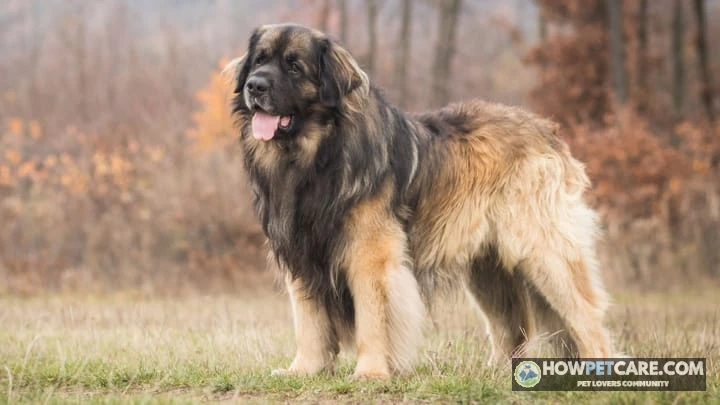

Leonbergers are giant, gentle dogs weighing 90–170 lb and typically living 7–9 years. They require extensive daily grooming, regular health screenings for LPN and LEMP conditions, a prophylactic gastropexy, and a sizeable budget—around $9,000–$14,000 upfront and $5,000–$9,000 each year, plus higher veterinary medication and insurance costs.
The Leonberger is an imposing working dog whose appearance echoes the heraldic lion of its German hometown. Many prospective owners gravitate to the breed for its calm temperament, lush double coat, and distinctive black mask. Yet bringing a 150‑pound giant into your home presents serious logistical realities: tremendous physical bulk, rigorous genetic testing requirements, demanding coat‑blow cycles, and substantial financial commitments.
Heinrich Essig established the breed in the 1840s in Leonberg, Germany, crossing the Saint Bernard, Newfoundland, and Pyrenean Mountain Dog to produce a companion fit for European royalty. Today, the Leonberger serves as a versatile family companion and working dog, holding 96th place out of 210 breeds in American Kennel Club (AKC) popularity. Determining whether this giant fits your household means taking a hard look at physical measurements, health vulnerabilities, behavioral needs, and ongoing ownership expenses.
Leonberger Size, Lifespan, and Physical Breed Standards
The AKC standard describes the Leonberger as a massive, muscular, balanced dog showing unmistakable sexual dimorphism. Mature size varies widely between sexes. Males reach 28 to 31.5 inches at the withers and weigh 110 to 170 pounds, while females measure 25.5 to 29.5 inches tall and weigh between 90 and 140 pounds.
Prospective owners must confront the sobering biological reality of giant breeds: the average lifespan of a Leonberger dog is roughly 7 years, typically spanning 7 to 9 years.
Sexual Dimorphism: Sizing Differences Between Males and Females
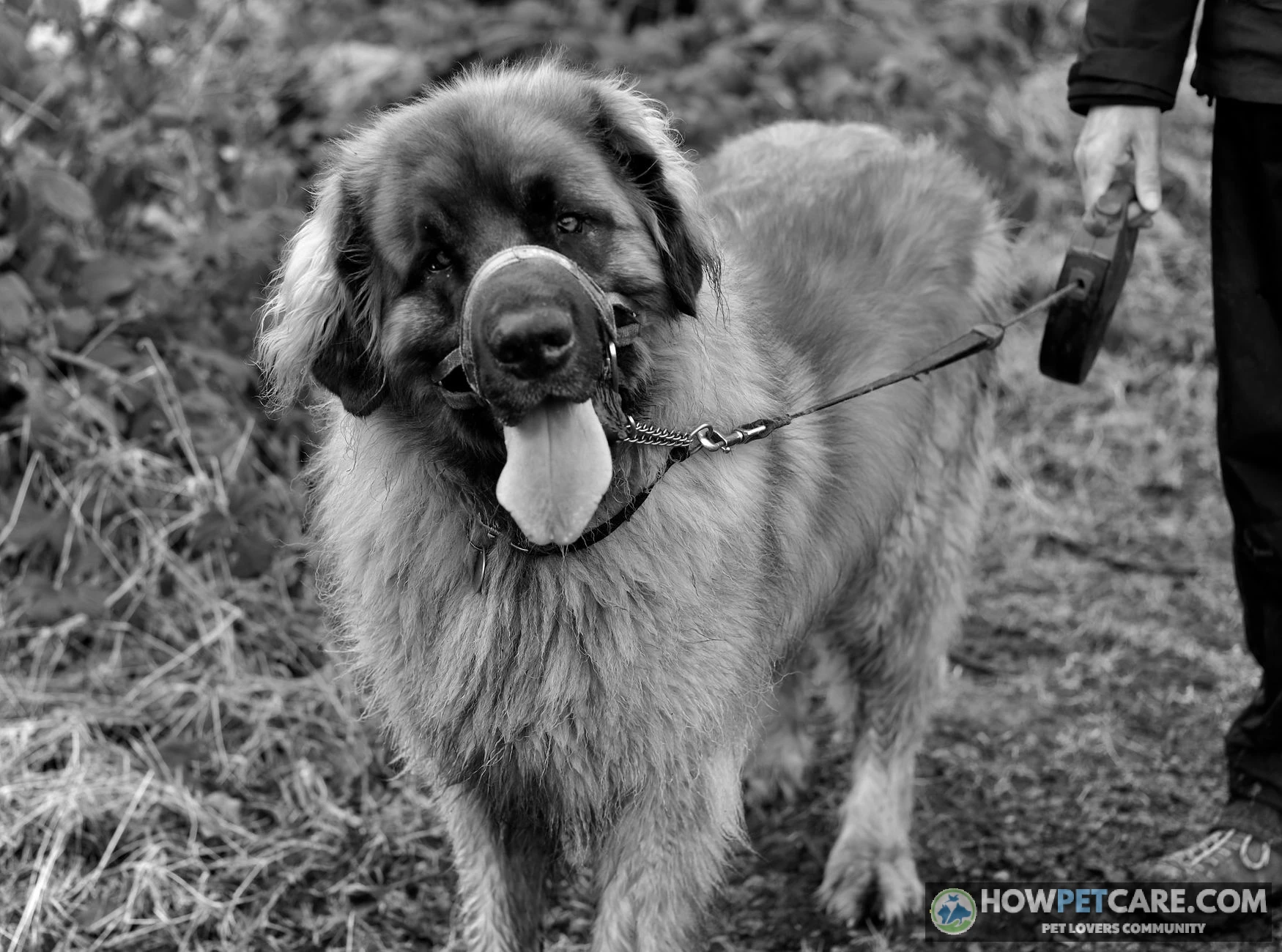
Sexual dimorphism is pronounced across the breed. A mature male presents a broad head, heavy bone structure, and a prominent mane blanketing the neck and chest. Bitches display more refined feminine lines, featuring a narrower muzzle, lighter bone, and a smaller ruff.
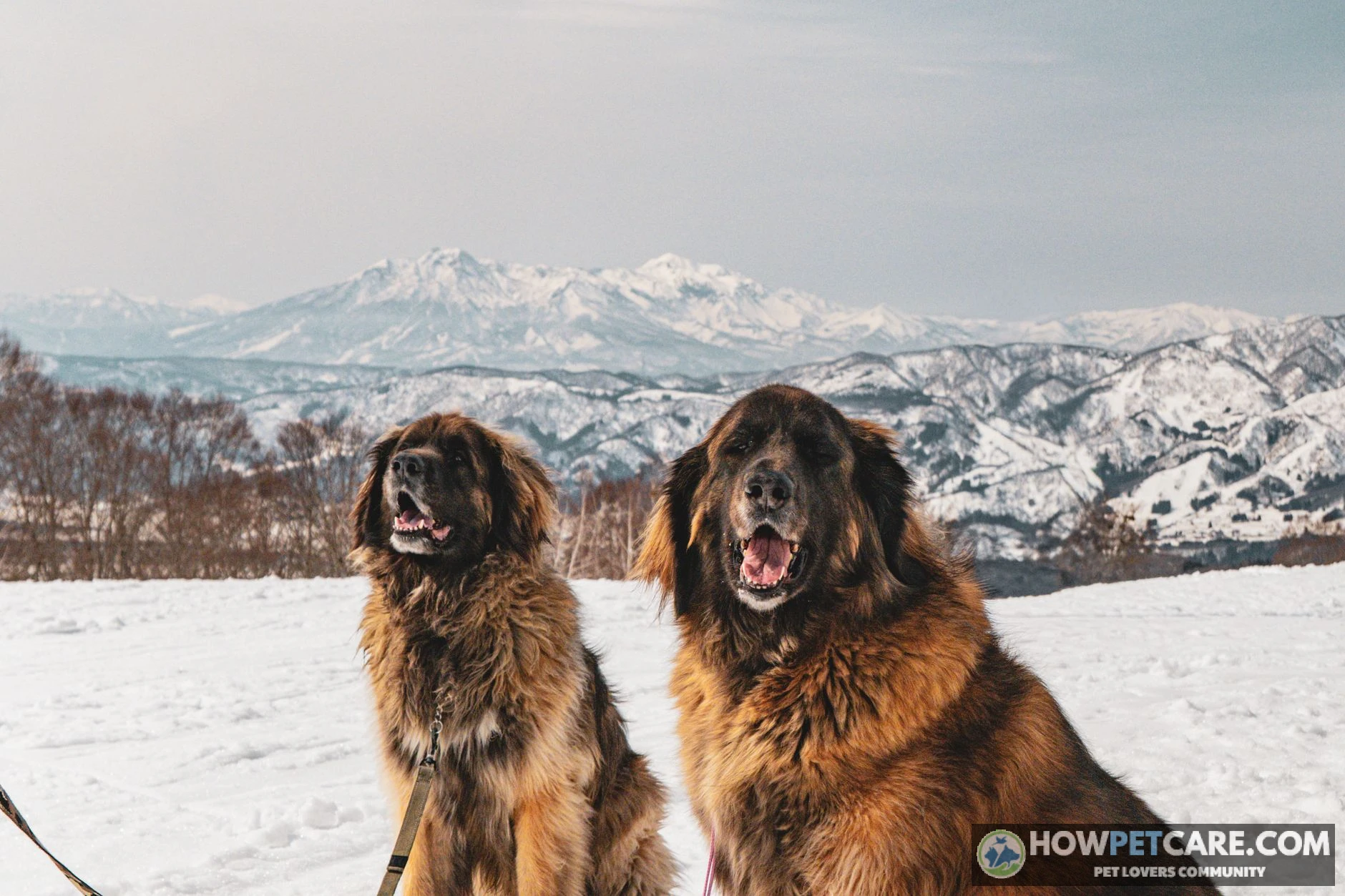
Even with a lighter frame, females still carry the mass of a true giant dog. These physical differences directly shape daily handling. Guiding an eager 160‑pound male on a lead demands considerably more upper‑body leverage and rigorous early training than managing a 100‑pound female.
Coat Structure and Distinguishing AKC Breed Standard Features
The breed standard establishes several essential physical hallmarks:
- Facial Mask: A deep black mask covers the muzzle and extends up to or over the eyes, creating the breed’s trademark calm and expressive look.
- Ear Placement: Medium‑sized, fleshy, triangular ears hang flat and close to the head.
- Paws: Large, rounded feet feature tight, arched toes supported by substantial webbing, an anatomical inheritance from their Newfoundland ancestry that makes them strong swimmers.
- Coat Architecture: The breed carries a dense, water‑resistant double coat designed to endure severe alpine winters. The outer coat is medium to coarse, lying flat against the body, while the undercoat is thick and woolly.
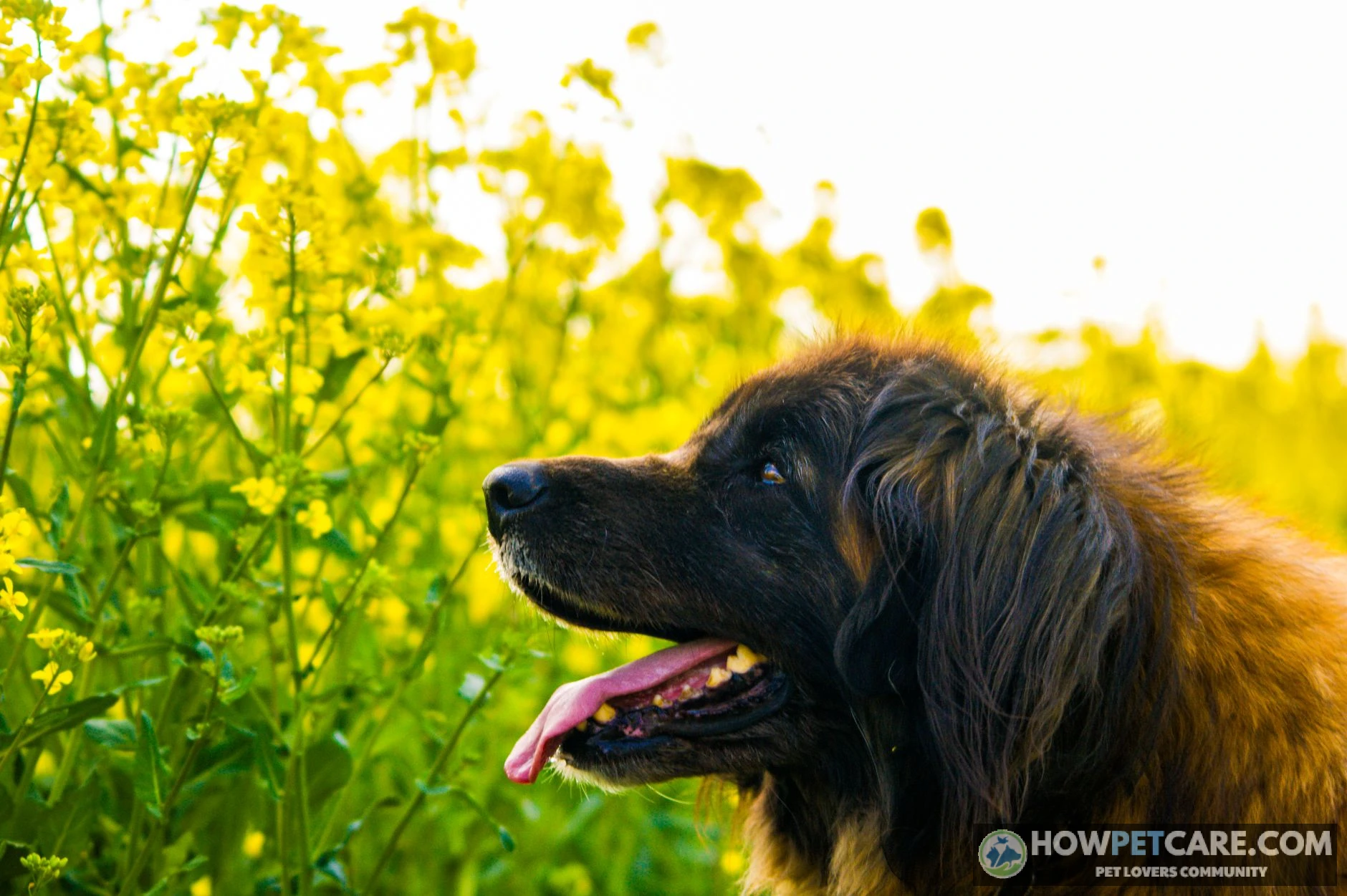
Recognized coat shades include lion‑yellow, golden, red, and red‑brown, frequently tipped with black hairs, though the undercoat must coordinate with the outer coloring. AKC conformation rules require a natural presentation; trimming or clipping draws severe penalties, with an allowance made only for cleaning up stray hair between foot pads.
Leonberger Temperament: Family Living, Working Drive, and Social Dynamics
The typical Leonberger temperament is steady, confident, affectionate, and composed. Neither skittish nor sharp, an adult handles novel environments with quiet poise. Their low, resonant bark easily deters unwanted visitors, yet they lack hair‑trigger territorial instincts and greet invited guests with calm reserve. Indoors, they stick close to their people, often moving quietly from room to room to remain nearby.
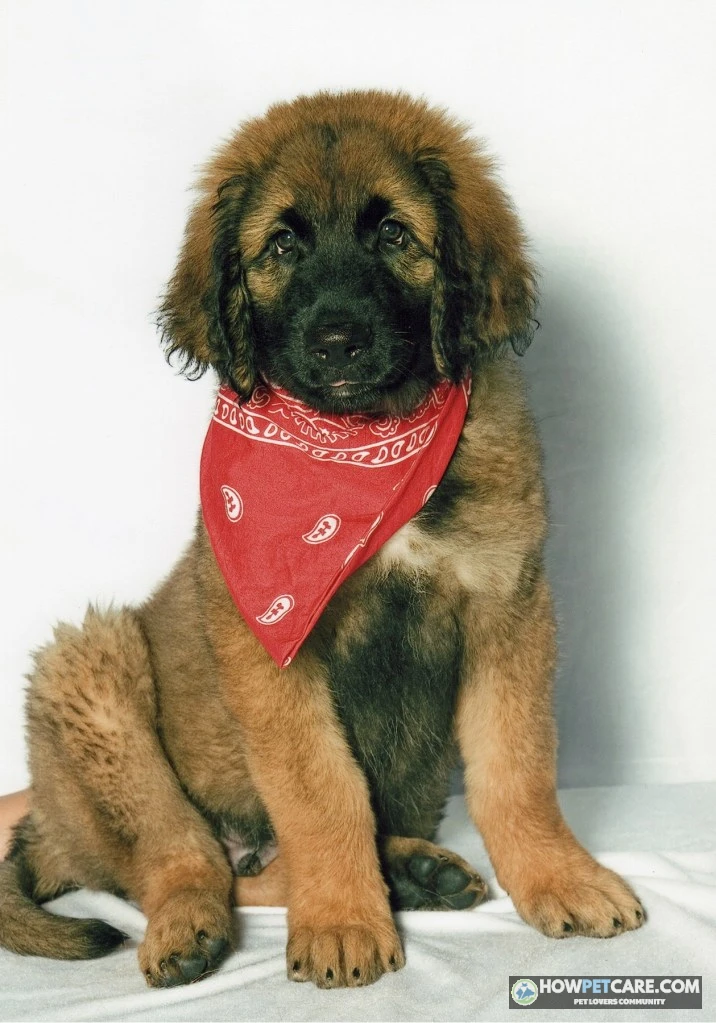
Leonberger puppies undergo an essential neurological development window that closes at 20 weeks of age. Controlled, positive exposure to varied urban surfaces, ambient loud noises, unfamiliar people, and stable adult dogs during this early period is mandatory to prevent neophobia and preserve their steady adult disposition.
Living with Children and Multi‑Pet Households
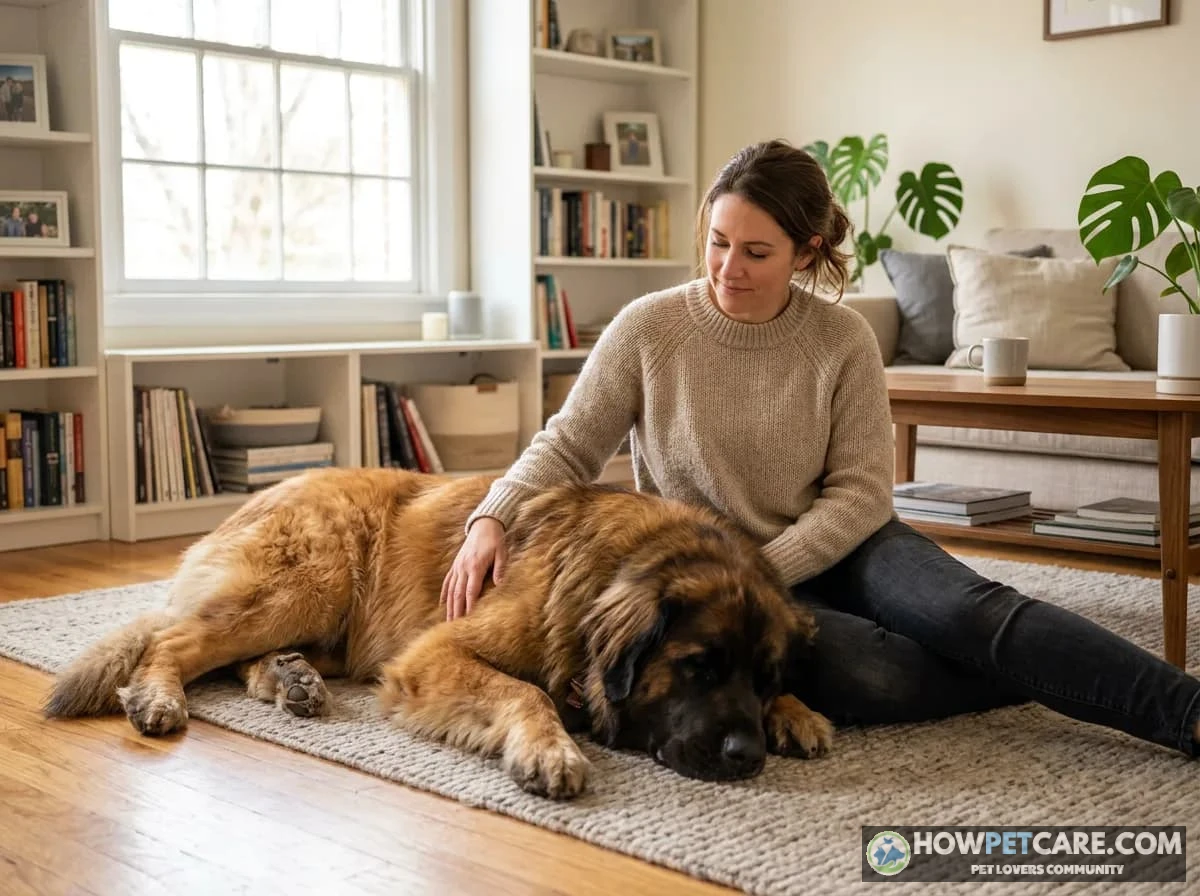
With children, a mature Leonberger shows remarkable patience, tolerating clumsy handling that would unnerve more reactive dogs. Even so, young adolescents require careful supervision. An adolescent between 6 and 18 months weighs 80 to 120 pounds while retaining puppy impulse control. Sudden zoomies, accidental hip checks, or bounding greetings can easily topple small children or unsteady adults.
Multi‑pet dynamics are usually smooth. Leonbergers generally show low to moderate prey drive when raised with indoor cats and small dogs. Teaching a puppy early that other household pets are off‑limits builds peaceful coexistence. Outdoor wildlife may prompt a chase response, making solid yard fencing necessary. Among other dogs, they usually show polite, non‑confrontational body language.
Leonberger Training Tips: Adolescent Management and Socialization Milestones
Training any giant breed demands establishing reliable leash manners, doorway patience, and cooperative handling before the animal’s weight eclipses your own. Leonbergers thrive on positive reinforcement, clicker mechanics, and high‑value food rewards. Aversive handling or heavy‑handed corrections backfire quickly, prompting sensitive young dogs to shut down or brace in stubborn opposition.
Prioritize these four developmental milestones:
- Early Leash Manners: Teach loose‑leash walking on a flat collar or front‑clip harness well before 6 months of age, nipping pulling habits in the bud before adult size kicks in.
- Threshold Boundaries: Require your puppy to pause and wait at every exterior door and car tailgate to avoid risky bolting.
- Early Physical Handling: Regularly handle paws, ears, gums, and tail, readying the dog for stress‑free veterinary work and routine grooming.
- Controlled Off‑Leash Recall: Pair an emergency whistle with prime protein treats to build a reliable recall in open terrain.
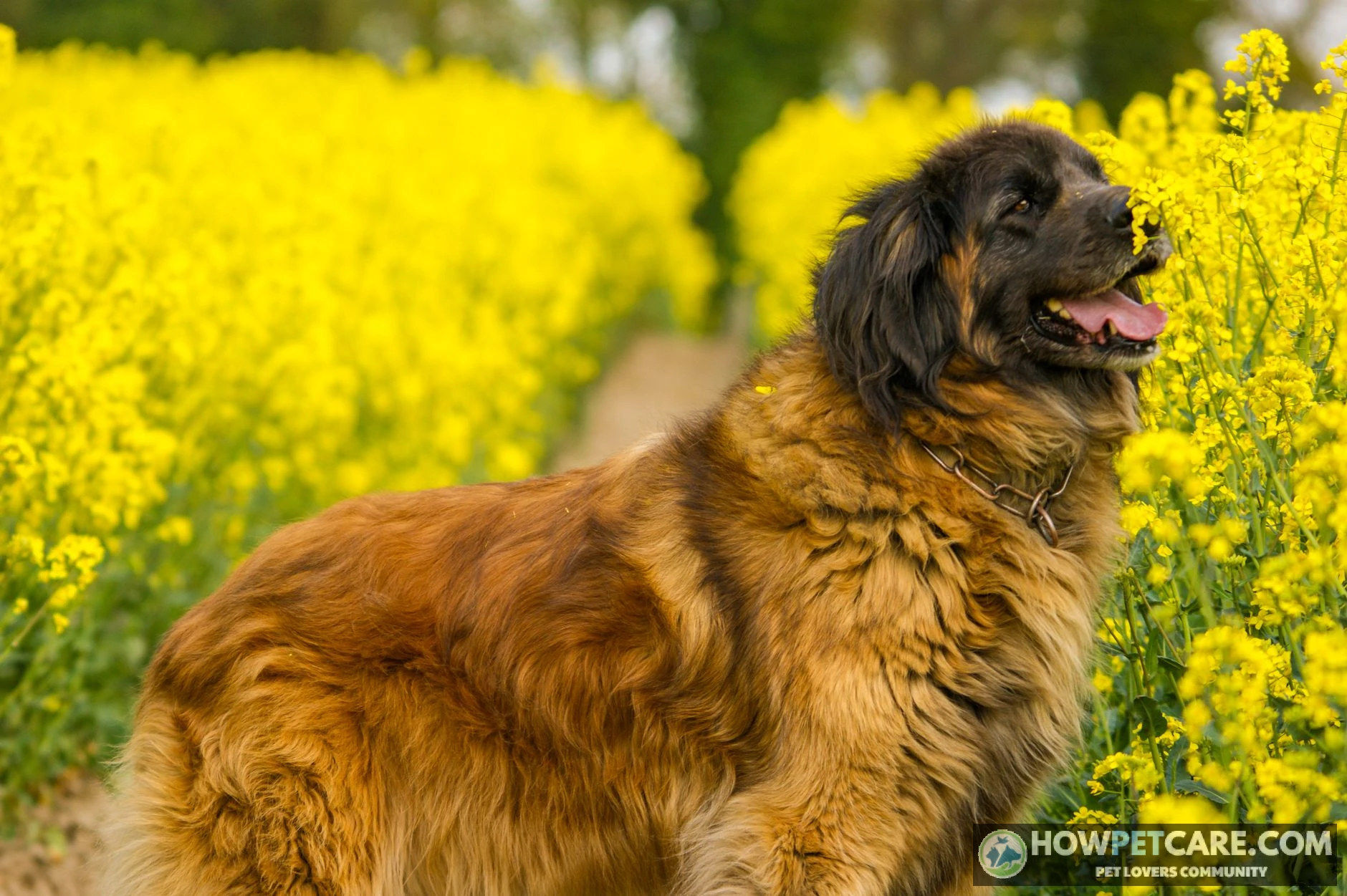
Adult Leonbergers need 60 to 90 minutes of daily sustained exercise to keep their heart healthy and stop boredom from turning destructive. Good options include steady road walks, hikes along dirt trails, carting, and swimming. Keep young dogs off hard asphalt for distance running while their skeleton matures.
 You might be wonderingMonkey dogMonkey Dog Explained: Affenpinscher Breed Guide, Cost & CareRead the answer
Leonberger vs. Saint Bernard and Newfoundland: The Giant Breed Comparison
Many buyers weigh the Leonberger against its foundation ancestors, the Saint Bernard and the Newfoundland. All three are large and naturally gentle, but their daily maintenance, energy, and household tidiness vary considerably. (In contrast to guarding flock breeds like the Tibetan Mastiff, which exhibit severe territorial suspicion and sharp aloofness, the Leonberger and its Alpine ancestors prioritize cooperative, human‑centric companionship.)
| Breed | Average Weight Range | Drool Volume | Daily Exercise Demand | Grooming Maintenance Level | Working Temperament |
|---|---|---|---|---|---|
| Leonberger | 90–170 lbs (Females: 90–140 lbs, Males: 110–170 lbs) | Low to None ("Dry‑mouthed" tight flews; minimal slobber outside immediate post‑drink drips) | 60–90 min (High stamina; capable of distance hiking, drafting, and off‑leash agility) | High (Double coat; heavy line‑combing required; extreme twice‑yearly coat‑blow cycles) | Affectionate, composed, moderate watchdog drive, low environmental reactivity |
| Saint Bernard | 120–180+ lbs (Females: 120–140 lbs, Males: 140–180+ lbs) | Heavy to Severe (Pendulous lips and open flews create continuous drool requiring constant wipes) | 30–45 min (Low stamina; brief moderate walks; vulnerable to rapid overheating) | Moderate to High (Available in smooth or rough coat; less undercoat density than Leonberger) | Gentle, patient, lower arousal threshold, low prey drive, protective family sentry |
| Newfoundland | 100–150 lbs (Females: 100–120 lbs, Males: 130–150 lbs) | Moderate to Heavy (Significant slobbering, especially after drinking, exercise, or in warm ambient temps) | 45–60 min (Moderate stamina; exceptional swimming capacity; lower land‑speed drive) | Very High (Dense, oily, water‑resistant undercoat prone to pelted mats without daily detangling) | Docile, calm, exceptional swimming/water rescue instinct, negligible territorial drive |
Saliva management marks the sharpest practical divide in the house. Saint Bernards and Newfoundlands have loose, pendulous flews that channel drool onto floors and furniture. The Leonberger has tighter lip conformation. It is essentially a dry‑mouthed giant; you will wipe the occasional wet muzzle after a drink, but you won’t need drool rags tucked in every pocket.
Leonbergers also possess far more athletic stamina than Saint Bernards. Where a Saint Bernard often tires after a half‑hour stroll, a Leonberger tackles rugged trails or draft exercises with ease. That heavy coat still requires careful warm‑weather care: the breed thrives in freezing snow but struggles quickly once humidity and heat climb past 75°F (24°C).
Foundational Health Risks: Genetic Screening and Bloat Prevention Protocols
Protecting a giant breed means staying ahead of known hereditary conditions. Conscientious breeders test their stock thoroughly before breeding. Always ask to inspect official documentation from the Canine Health Information Center (CHIC) or the Orthopedic Foundation for Animals (OFA).
                    GIANT BREED MUSCULOSKELETAL PROTOCOL
┌────────────────────────────────────────────────────────────────────────┐
│ DIETARY TARGETS (Months 2–18)                                          │
│ • Crude Protein: 22%–26% (Avoid >30% sport formulas)                   │
│ • Crude Fat: 12%–15%                                                   │
│ • Dry Matter Calcium: 1.1%–1.4% (Never add calcium supplements)        │
│ • Calcium-to-Phosphorus Ratio: Strict 1.1:1 to 1.3:1                   │
│ • Adult Transition: Shift off giant puppy food at 12–14 months         │
├────────────────────────────────────────────────────────────────────────┤
│ DEVELOPMENTAL EXERCISE BENCHMARKS                                      │
│ • Months 2–5:   Zero open stairs; non‑slip runners on slick floors;    │
│                 Max 15–20 min free‑roam play on grass per session.     │
│ • Months 6–12:  No jumping from vehicles/furniture; no forced jogging; │
│                 Max 30 min continuous leash walks on soft trails.      │
│ • Months 13–24: Growth plates fuse completely (18–24 months);           │
│                 PennHIP/OFA screens; defer high‑impact carting/agility │
│                 until definitive 24‑month joint clearance.             │
└────────────────────────────────────────────────────────────────────────┘
Joint preservation requires steady attention. Hip and elbow dysplasia remain real hazards in heavy working dogs. Lowering these risks takes careful pedigree selection alongside strict physical boundaries while the puppy grows. Cardiac exams should clear sires and dams of dilated cardiomyopathy (DCM) and subaortic stenosis (SAS), while regular ophthalmic exams rule out inherited cataracts.
Deciphering Genetic Panels: LPN1, LPN2, LPPN3, and LEMP Testing
The breed carries several inherited neurodegenerative disorders that responsible breeding programs actively screen for. Reputable breeders provide clear documentation for these specific DNA markers:
- Leonberger Polyneuropathy Type 1 (LPN1): A severe, early‑onset degenerative neuropathy causing progressive hind‑limb weakness, muscle atrophy, and laryngeal paralysis, typically manifesting before three years of age.
- Leonberger Polyneuropathy Type 2 (LPN2): A dominant form of polyneuropathy that typically surfaces later in life (between 3 and 8 years), presenting with gait abnormalities, ataxia, and exercise intolerance.
- Leonberger Polyneuropathy Type 3 (LPPN3): A mutation identified in the CNTNAP1 gene that causes juvenile‑onset neuropathy, leading to generalized muscle wasting and respiratory distress.
- Leukoencephalomyelopathy (LEMP): A juvenile‑onset central nervous system disease that destroys white matter in the spinal cord and brainstem, causing severe ataxia, abnormal posturing, and limb hypermetria without muscle pain.
Breeding stock must be tested for these conditions. Pairings capable of yielding dogs with double copies of recessive mutations or single copies of dominant traits like LPN2 must be avoided.
Prophylactic Gastropexy: Mitigating Fatal Bloat in Deep‑Chested Dogs
Gastric Dilatation‑Volvulus (GDV), commonly known as bloat, is an acute, life‑threatening medical emergency for which deep‑chested giant breeds like the Leonberger are at high risk. In GDV, the stomach fills with gas and twists along its axis, obstructing blood flow, causing rapid tissue necrosis, and triggering cardiovascular collapse. Without immediate surgical intervention, GDV can turn fatal within a few hours.
Recognizing GDV symptoms demands immediate emergency veterinary intervention: non‑productive retching (trying to vomit without producing material), visible distention or hardness of the cranial abdomen, excessive drooling, rapid shallow breathing, and pacing with a hunched posture. Differentiate cosmetic post‑exercise drooling from the thick, continuous, foamy saliva that accompanies painful abdominal distress.
Because of this risk, veterinarians frequently recommend a prophylactic gastropexy. During this procedure, the surgeon tacks the stomach’s pyloric antrum to the right abdominal wall. Gastropexy cannot stop the stomach from swelling with gas, but it prevents the fatal twist (volvulus).
Surgeons often complete gastropexies laparoscopically through small incisions. The optimal window lands between 12 and 18 months, usually alongside spaying or neutering to avoid multiple rounds of anesthesia. Anesthesia carries unique risks in giant dogs, so completing both procedures in a single session saves money and reduces medical exposure.
Leonberger Grooming Requirements and the Coat‑Blow Survival Protocol
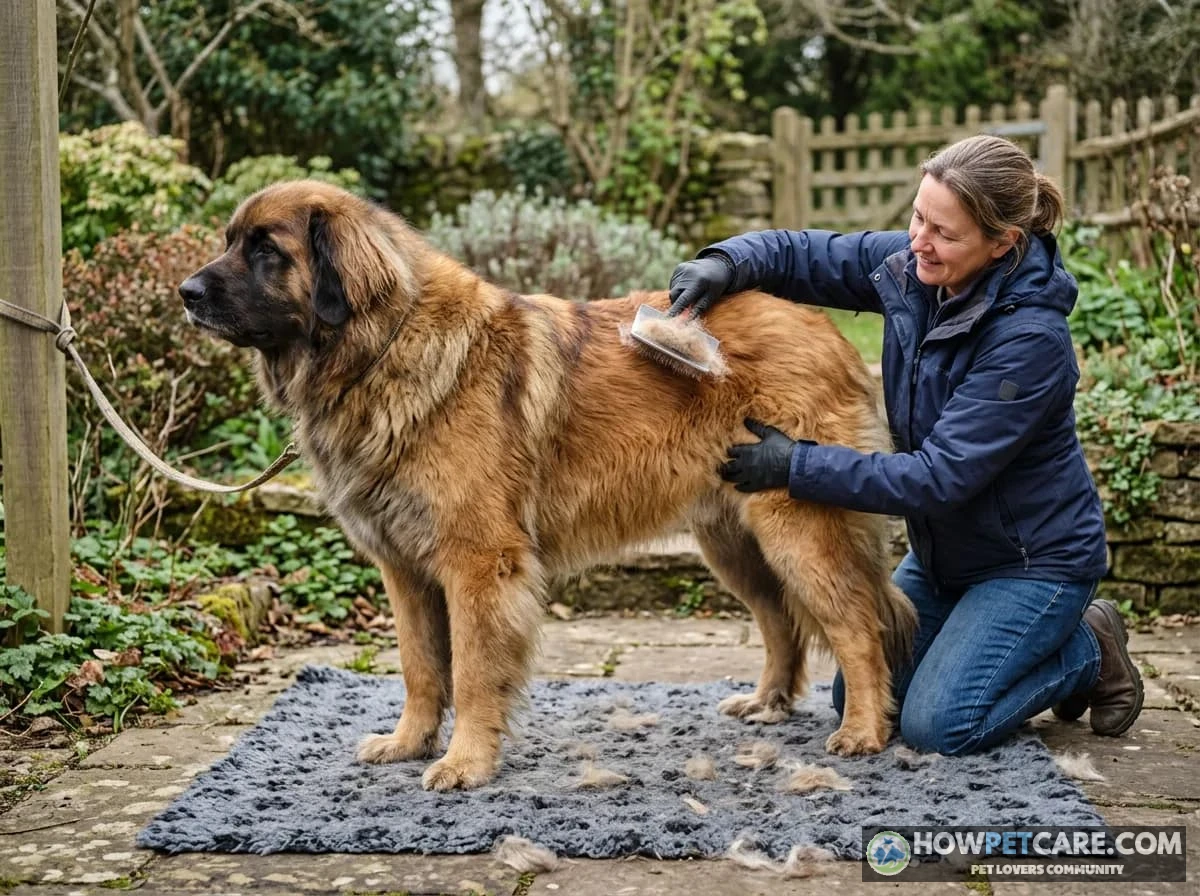
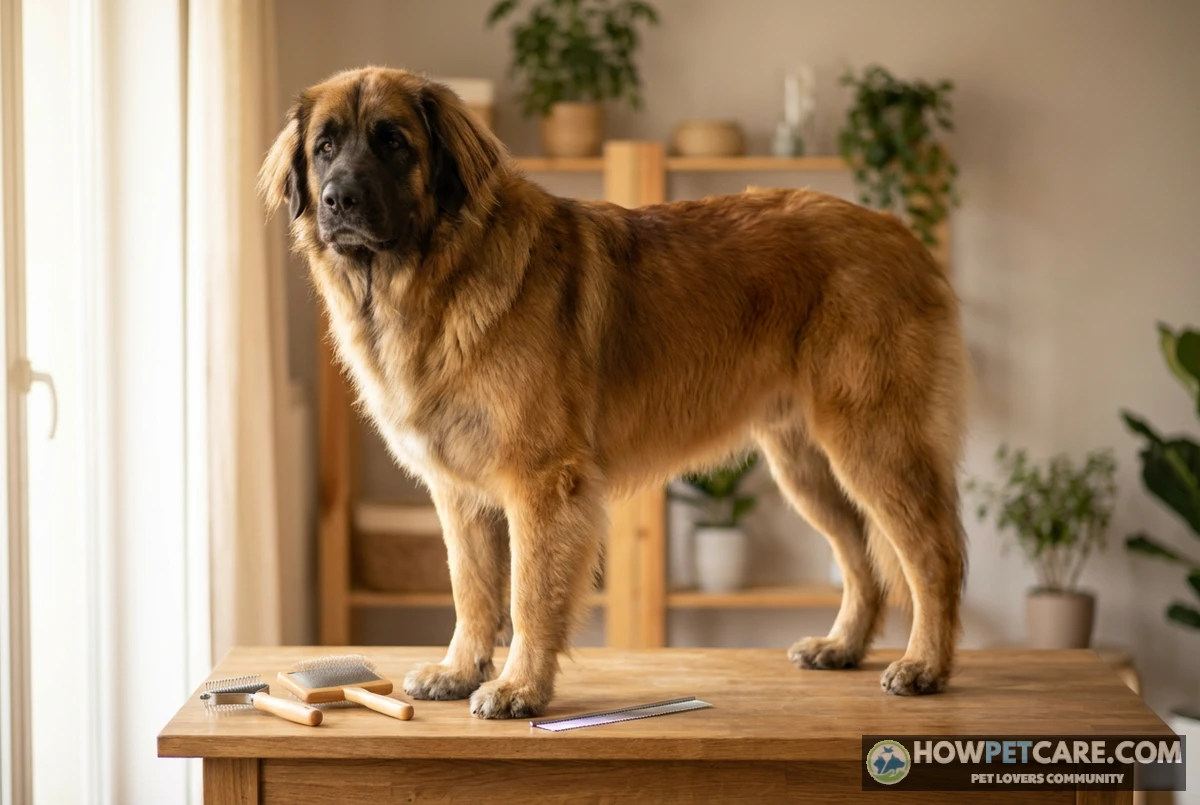
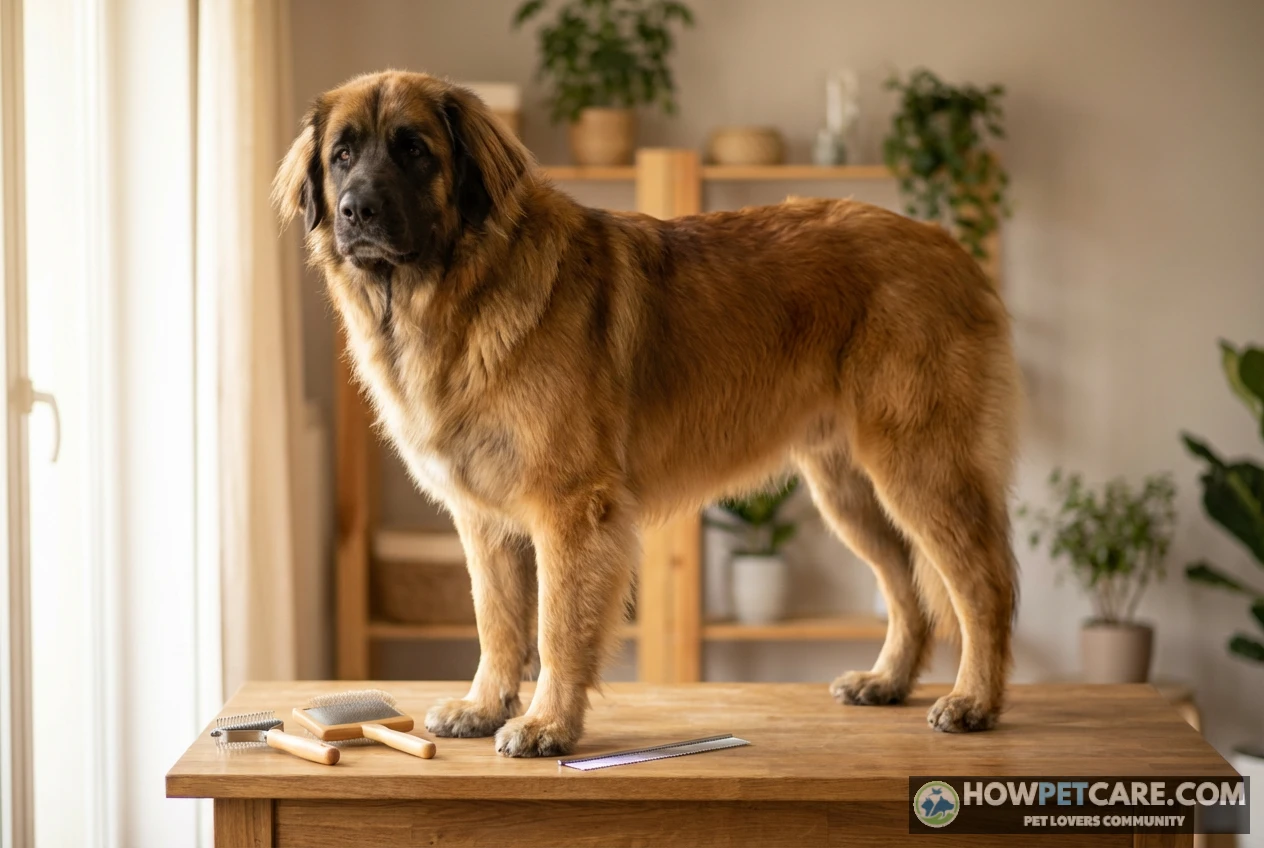
Keeping a Leonberger coat in good condition takes regular physical labor. The dense undercoat sheds year‑round and releases in massive waves twice each year as the seasons shift. Weekly line‑combing keeps friction‑heavy zones from matting: check behind the ears, across the dense neck ruff, under the armpits, through the groin, and down the rear breeches.
Essential grooming tools include:
- A long‑pinned, flexible slicker brush for surface clearing and detangling.
- A heavy‑duty undercoat rake with rotating teeth to penetrate the dense wool.
- A 10‑inch stainless steel greyhound comb (coarse/medium split) to check work down to the skin.
- A high‑velocity forced‑air dryer (minimum 4.0 horsepower) to dislodge loose undercoat and fully dry the skin.
- Heavy‑duty nail clippers or a rotary grinder, used every two weeks to maintain short, compact paws.
Mechanical Deshedding Protocol for Bi‑Annual Coat Blows
During seasonal coat blows, loose undercoat piles up faster than ordinary brushing can lift it. Soaking a tangled coat binds dead fur into felted sheets against the skin, locking in moisture and irritation. Use this sequence to strip out dead hair cleanly:
-
Dry High‑Velocity Force Blowout
Take the dry dog outdoors or into a wash stall before applying any water. Run your high‑velocity dryer across the coat on ambient heat using a cone nozzle. Direct air 1 to 2 inches from the skin at a 45‑degree angle to blow out loose undercoat without tangling the topcoat.
-
Targeted Mechanical Line‑Combing
Systematically part the coat down to the skin with your non‑dominant hand and brush downward with the rotating‑tooth rake. Work through friction zones first: behind the ears, the ruff, armpits, and rear breeches.
-
Hydro‑Bath and Deep Conditioning
Soak the coat thoroughly with lukewarm water, which takes 5 to 8 minutes to penetrate the water‑resistant outer coat. Apply a diluted de‑shedding shampoo, massage with a rubber curry brush, and follow with a moisturizing conditioner. Let it sit for 10 minutes to relax hair follicles before rinsing until water runs clear.
-
Damp High‑Velocity Drying & Finish Combing
Blow dry the damp coat with your forced‑air dryer to lift remaining dead hair from the follicles. Follow the airflow path with your stainless steel greyhound comb, gently untangling any remaining tufts by hand rather than pulling through damp resistance.
Tool Selection: High‑Velocity Dryers and Rakes vs. Shaving Risks
Investing in proper dryers and rakes removes any impulse to shave a double‑coated dog. Never clip a Leonberger down to the skin: doing so damages the coat’s natural structure without reducing shedding. The woolly undercoat generally outpaces the guard hairs during regrowth, leaving behind a dull, fuzzy coat that tangles constantly.
Clipping also strips away vital insulation. A double coat blocks out freezing air in winter and slows heat transfer during summer. Exposing fair skin to direct sunlight also leaves the dog vulnerable to sunburn and solar dermatitis.
The True Cost of Ownership: First‑Year Outlay and Recurring Giant‑Dog Budgets
Caring for a 150‑pound dog creates steep financial demands. Food, supplies, and medications scale directly with mass. You need a realistic budget to provide for a Leonberger over its full lifespan.
| Expense Category | First‑Year Initial Cost | Annual Recurring Cost (Years 2–8) | Giant‑Breed Cost Drivers |
|---|---|---|---|
| Acquisition & Health Testing | $2,500–$4,000 | $0 | Preservationist breeder pricing with verified OFA hips/elbows, eye certifications, and clear LPN1/LPN2/LPPN3/LEMP parentage |
| Giant Puppy & Adult Food | $1,600–$2,000 | $1,800–$2,400 | Consumption peaks at 4 to 6 cups daily (roughly 45–60 pounds of specialized dry kibble per month per adult dog) |
| Heavy‑Duty Equipment | $800–$1,200 | $150–$300 | XXL wire crates (54‑inch), thick orthopedic memory foam beds, vehicle ramps, and a high‑velocity grooming dryer |
| Parasite Preventatives | $350–$450 | $450–$600 | Dosing formulas require combining multiple commercial weight tiers for dogs over 130 lb |
| Comprehensive Pet Insurance | $1,400–$2,000 | $1,800–$3,200 | Giant breeds carry higher actuarial risk profiles; premiums climb steadily with age to cover bloat, cardiac care, and orthopedic support |
| Veterinary & Prophylactic Care | $2,200–$3,500 | $600–$1,200 | Includes elective prophylactic gastropexy ($1,200–$2,000 alongside spay/neuter at 14–18 months) and weight‑scaled pre‑op anesthesia |
| Professional Grooming | $400–$600 | $600–$1,000 | Full salon appointments demand 2.5 to 4 hours of intensive table labor, triggering large‑dog weight surcharges |
| ESTIMATED TOTALS | $9,250–$13,750 | $5,400–$8,700 | Excludes emergency critical care margins (a dedicated emergency reserve of $3,000 to $5,000 is strongly recommended) |
Best Food for Leonberger Puppies and Musculoskeletal Growth Control
Raising a giant puppy requires moderating physical growth rather than maximizing weight gain. Gaining pounds too quickly stresses immature, uncalcified joints, dramatically increasing the risk of developmental conditions like hip dysplasia and osteochondrosis dissecans (OCD).
A sound Leonberger puppy diet must be tailored for giant breeds, offering moderate calories and tight calcium controls (1.1% to 1.4% dry matter) with a calcium‑to‑phosphorus ratio held between 1.1:1 and 1.3:1. Avoid high‑protein working diets formulated for adult performers. Never give calcium supplements; young puppies cannot regulate intestinal calcium uptake.
Switch from puppy food to an adult formula between 12 and 14 months of age. That timing aligns with the closing of initial growth plates while providing steady nutrients for muscular and ligament development until skeletal maturity at 24 months.
The Non‑Linear Scale: Veterinary Dosing and Medication Costs
Veterinary dosing runs on weight. Because of that, treating a 150‑pound Leonberger costs dramatically more than treating a 65‑pound Golden Retriever. Flea, tick, and heartworm preventatives show this jump immediately: most manufacturers cap their largest packages at 120 or 132 pounds, so owners of large males must buy two different weight‑bracket doses every single month.
This pricing curve affects every prescription: oral antibiotics, anti‑inflammatory medications, surgical recovery boarding, and pre‑anesthetic sedation. In urgent medical situations, stabilizing a giant dog or repairing an orthopedic injury drains emergency funds fast. Securing a dependable pet insurance policy or maintaining a dedicated savings reserve is vital.
Readiness Checklist and Ethical Sourcing: Is a Leonberger Right for You?
Before deciding to bring a Leonberger home, weigh your physical setup and routine against these basic realities:
- Space and Physical Setup: Leonbergers are quiet roommates, but their physical frame requires clear floor plans, generous vehicle cargo areas, and room for massive bedding. A securely fenced yard (at least 5 feet high) with ample shade offers safe room for daily exercise.
- Physical Handling Capability: Every handler in the house must possess the leverage and calm confidence to control a 140+‑pound dog during high‑distraction events or medical emergencies.
- Grooming Dedication: You need 2 to 3 hours every week for hands‑on line‑combing, along with the stamina to work through seasonal coat blows without turning to electric clippers.
- Financial Stability: Your budget must comfortably absorb $5,000 to $8,000 each year for food, medical prescriptions, insurance, and routine upkeep without stress.
Work strictly with preservationist breeders focused on health, temperament, and genetic viability. A reputable breeder will produce registered CHIC or OFA certificates for both parents, showing passing results for hips, elbows, eyes, and hearts, plus clear statuses across LPN1, LPN2, LPPN3, and LEMP panels. Walk away from commercial puppy mills, classified brokers, or sellers promoting "rare oversized" lines that skip standard screening.
If adoption fits your plans, look to the Leonberger Club of America (LCA) Rescue Network or dedicated regional giant‑breed groups across the country. These rescue networks evaluate temperaments, manage foster care, and place sound dogs into matching homes. Meeting the physical, medical, and training demands of this breed pays dividends in a calm, loyal companion.
 You might be wonderingPon dog breedPON Dog Breed Guide: Costs, Care, Temperament and FitRead the answer
FAQ
What two dog breeds make a Leonberger?
The Leonberger was created in the 1840s by Heinrich Essig of Leonberg, Germany, by crossing a Newfoundland with a Saint Bernard, with subsequent outcrosses to the Pyrenean Mountain Dog to establish its distinct size and coat.
Do Leonbergers make good guard dogs?
Leonbergers make capable watchdogs that deter intruders with their imposing size and deep bark, but they lack aggressive territorial defense and typically welcome invited guests with calm friendliness.
Can a Leonberger live in an apartment?
While adult Leonbergers have calm indoor temperaments, apartment living is generally discouraged due to their physical bulk, difficulty navigating tight hallways, and the severe joint stress that multiple flights of stairs impose on growing puppies.
Are Leonbergers hypoallergenic?
No, Leonbergers are not hypoallergenic; they carry a heavy double coat that sheds continuously year‑round, drops immense amounts of undercoat twice a year, and produces substantial amounts of dander.