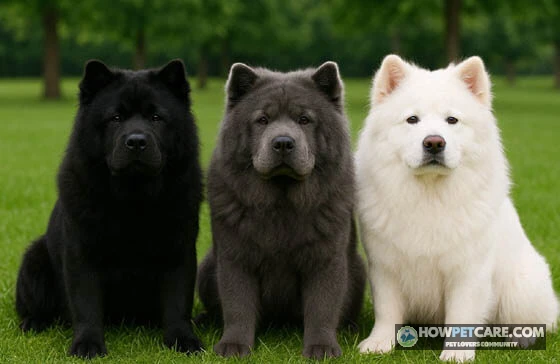

The most commonly listed Chinese dog breeds recognized by the AKC are:
- Shih Tzu – small companion, 10–16 years, high grooming needs
- Pug – small companion, 12–15 years, heat-sensitive flat face
- Pekingese – toy companion, 12–15 years, heavy coat care
- Chinese Crested – hairless or powderpuff, 13–18 years, lowest shedding
- Chow Chow – medium-large, 8–12 years, independent and reserved
- Shar-Pei – medium-large, 8–12 years, wrinkled skin needs daily care
- Tibetan Mastiff – giant guardian, 10–12 years, for experienced owners only
Rare native dogs such as the Xiasi Quan, Chongqing Dog, and Kunming Wolfdog are not standardized in the U.S.
The Chinese dog breeds most familiar to people in the United States include the Shih Tzu, Pug, Chow Chow, Shar-Pei, Pekingese, and Chinese Crested. Broader lists often include the Tibetan Mastiff, along with native Chinese working dogs that are rare or not standardized by major U.S. kennel organizations. The count depends on whether Tibetan-origin breeds and regional working dogs are included; there is no universally accepted official total.
For many apartment dwellers and first-time owners, a Shih Tzu or Pug is a more practical starting point than a Chow Chow, Shar-Pei, or Tibetan Mastiff. But small doesn’t always mean easy. Flat-faced breeds can have serious breathing and heat limitations, while a Shih Tzu’s coat needs regular care. Use the comparison below to narrow your options before reading the breed profiles.
Chinese Dog Breeds at a Glance: The Full List and Quick Comparison
Breed lists vary because “Chinese dog breed” can describe a breed developed within the borders of modern China, one historically associated with Chinese communities, or one a kennel club recognizes as originating in China. Some lists include Tibetan breeds; others separate them because of their distinct Himalayan origins. Rare regional and working dogs add further variation.
The American Kennel Club (AKC) recognizes the Shih Tzu, Pug, Pekingese, Chinese Crested, Chow Chow, Shar-Pei, and Tibetan Mastiff. Recognition means a breed has an AKC standard and can participate in its recognized-breed events. It doesn’t settle every historical question about the breed’s earliest origin. Rare native dogs may have regional or international recognition, but shouldn’t be treated as standardized AKC breeds.
The figures below offer practical comparisons, not guarantees for individual dogs. Exercise and grooming estimates vary with age, health, coat, climate, and lifestyle. Grooming prices are broad U.S. estimates and depend on location and service. Health-risk tiers highlight likely care considerations, not an individual dog’s prognosis. Heights and weights follow commonly cited breed-standard ranges; lifespans are reported breed estimates rather than guarantees.
Why breed-count claims range from 6 to 12
The familiar six-breed list generally names the Pug, Shih Tzu, Chow Chow, Shar-Pei, Pekingese, and Chinese Crested. Add the Tibetan Mastiff, and the total becomes seven. Include the Lhasa Apso, Tibetan Spaniel, Tibetan Terrier, or regional working dogs, and a list can reach 12 or more.

There’s no universally agreed count because registries, historians, and general-interest lists use different definitions. This guide separates the seven commonly listed, AKC-recognized breeds above from Tibetan breeds and less-standardized native dogs. That distinction avoids suggesting that every dog from China is a formally recognized breed.
Master comparison table: size, lifespan, grooming, exercise, health risk
| Breed | Height | Weight | Lifespan | Exercise (min/day) | Grooming load | Health-risk tier |
|---|---|---|---|---|---|---|
| Shih Tzu | 9–10.5 in | 9–16 lb | 10–16 years | 20–30 | High: brush 10–15 min most days or maintain a short clip; professional grooming every 4–6 weeks, about $60–$110 | High: airway and eye concerns |
| Pug | 10–13 in | 14–18 lb | 12–15 years | 20–30, heat-limited | Medium: brush 5–10 min, 3–4 times weekly; clean skin folds 2–3 times weekly | High: airway, eye, and neurologic concerns |
| Pekingese | 6–9 in | Under 14 lb | 12–15 years | 15–30 | High: brush 15–20 min most days; professional grooming every 4–8 weeks | High: airway, eye, back, and kneecap concerns |
| Chinese Crested | 11–13 in | 8–12 lb | 13–18 years | 20–40 | Hairless: weekly bath and skin care; powderpuff: daily brushing; regular dental care for both | Medium-high: dental, skin, and kneecap concerns |
| Chow Chow | 17–20 in | 45–70 lb | 8–12 years | 40–60 | High: brush about 20 min, 3–4 times weekly; daily during heavy shedding; deshedding session about $80–$150 | High: joint, eyelid, and ligament concerns |
| Shar-Pei | 18–20 in | 45–60 lb | 8–12 years | 30–60 | Medium coat, high skin-care needs: dry folds for 5–10 min daily | High: skin, eyelid, and Shar-Pei fever concerns |
| Tibetan Mastiff | 24–26+ in | 70–150 lb | 10–12 years | 60–90 | High seasonal load: brush 20–30 min, 2–3 times weekly; daily during heavy shedding | High: joint, thyroid, bloat, and size-related costs |
| Rare native dogs: Xiasi Quan, Chongqing Dog, Kunming Wolfdog, Chinese rural dogs | About 16–27 in, varies | About 25–90 lb, varies | No reliable pooled U.S. figure | Often 60+ for working types | Usually low to medium, but varies by dog | Unknown: limited standardization and data |

Treat the exercise and grooming figures as starting points, not veterinary prescriptions. For flat-faced dogs, stop activity if breathing becomes labored and avoid strenuous exercise in heat. Rare native dogs lack consistent breed-wide statistics, so their ranges are deliberately broad rather than precise.
Are Tibetan Breeds Chinese? Settling the Geography Question
The Tibetan Mastiff, Lhasa Apso, Tibetan Spaniel, and Tibetan Terrier are Tibetan breeds by their historical geographic identity. They developed in the Himalayan region of Tibet. Its political relationship with China helps explain why some broad lists group them under “Chinese dogs.” Kennel-club origin labels also vary in how they represent Tibet in relation to China.
For a breed guide, the clearest distinction is that these are Tibetan or Himalayan breeds, not breeds that originated in the Chinese heartland. They may appear on broader Chinese-dog lists because of geography, political classification, or an inclusive definition. The Tibetan Mastiff is a large guardian associated with livestock protection and Himalayan communities; its history doesn’t make it interchangeable with the smaller Chinese companion breeds.
The label depends on the question. If “Chinese” refers to modern national or registry grouping, some lists include Tibetan breeds. If it refers to a distinct origin tradition, they belong separately. The Lhasa Apso, Tibetan Spaniel, and Tibetan Terrier are not AKC synonyms for Chinese breeds; their names and breed histories identify them as Tibetan.

Breed Profiles With Real Numbers: Size, Lifespan, Temperament and Daily Care
Shih Tzu, Pug, and Pekingese: the companion-dog trio
These small companion dogs can suit compact homes, but their coat care, activity needs, and heat tolerance differ. Shih Tzus are generally sociable and adaptable. Their long coats need frequent brushing or a shorter, regularly maintained clip. Plan for daily walks and play totaling roughly 20–30 minutes, adjusted to the dog’s breathing and fitness.
Pugs are affectionate and playful, and they’re often happy with short walks and indoor games. Their reported height is 10–13 inches, weight 14–18 pounds, and lifespan 13–15 years. Flat faces can make breathing and temperature regulation difficult, so keep exercise gentle and limit heat exposure. Pugs shed more than their short coats suggest, and their facial folds need routine cleaning and drying.
Pekingese were bred as close companions and are often independent and self-possessed. Their small size and modest exercise needs can suit a quiet household, but their long coats take substantial brushing. A short muzzle also creates heat and airway concerns. They may be less tolerant of rough handling than a sturdier, more easygoing family dog.
Pugs, Shih Tzus, and Pekingese are brachycephalic breeds. A flat face is more than a cosmetic feature: it can be associated with airway obstruction, noisy breathing, reduced exercise tolerance, and heat sensitivity. Pugs and Pekingese are specifically noted for higher respiratory and heat-related risk.

Chow Chow and Shar-Pei: the powerful spitz-type and wrinkle breeds
The Chow Chow is a substantial, independent dog that can be reserved with strangers. Its thick coat needs repeated brushing, particularly during seasonal shedding. It generally needs more exercise than the small companion breeds and isn’t a natural match for every busy apartment or first-time owner. The blue-black tongue is a familiar breed trait; the Shar-Pei also has dark blue-black tongue pigmentation, and the Chongqing Dog is reported to share this feature.
The Shar-Pei is compactly muscular and may be aloof with unfamiliar people. Its distinctive folds need to stay clean and dry because persistent moisture can contribute to irritation. Shar-Pei fever is a breed-associated inflammatory condition; eyelid problems and skin disease are other concerns. The coat may be easier to brush than a Chow’s, but overall care isn’t low-maintenance.

Chinese Crested: hairless vs. powderpuff
Chinese Cresteds come in hairless and powderpuff varieties. Hairless dogs have hair on parts of the head, feet, and tail, while powderpuffs have a full coat. Hairless doesn’t mean grooming-free: the skin may need bathing, moisturization, and protection from sun and cold. Powderpuffs need regular brushing to prevent tangles. Dental care matters for both varieties.
This small, often lively companion can adapt to apartment life with daily play and walks. Its delicate build calls for careful handling around young children. The breed is among the lower-shedding options, but no breed can be guaranteed to cause no allergy symptoms.

Tibetan Mastiff and the rare natives: Xiasi Quan, Chongqing Dog, Kunming Wolfdog, Chinese rural dogs
The Tibetan Mastiff is a giant, independent guardian breed. It needs room, secure management, substantial coat care, and an owner prepared for its size and temperament. It isn’t a sensible default for a first-time owner or a small apartment. Its height, weight, and care needs are far removed from those of the small Chinese companion breeds.
The Xiasi Quan is a regional breed from Guizhou; reports describe fewer than 300 remaining in the province. Treat that figure as a reported local estimate, not a verified global population count. The Chongqing Dog is another regional Chinese breed, but consistent U.S. size, lifespan, and health data are limited.
The Kunming Wolfdog was developed in China from German Shepherd and wolfdog ancestry beginning in the 1950s for military and rescue work. Its working background makes it a poor choice for someone seeking a low-exercise companion. “Chinese rural dogs” is a broad term for village dogs, not one standardized breed. Individual appearance, temperament, and needs vary widely.
The rare dogs named here aren’t equivalent to AKC-recognized breeds. Some may have regional or other registry status, while others lack standardized recognition in the United States. Limited data also means a health-risk tier or typical lifespan can’t responsibly be presented with the same confidence as for established breeds.

Shedding, hypoallergenic claims, and “Teacup” Shih Tzus
Shih Tzus and Chinese Cresteds are often considered lower-shedding options. A Pekingese may also shed less visibly than many double-coated breeds, but still needs extensive coat care. Low shedding doesn’t mean hypoallergenic. People with dog allergies can react to proteins in dander, saliva, and urine, not just loose hair. No dog breed is reliably allergy-proof.
“Imperial Shih Tzu” and “Teacup Shih Tzu” are marketing labels, not separate AKC-recognized breeds. Unusually small size doesn’t make a dog a distinct, healthier variety. Very small dogs may be more vulnerable to injury and other health problems, so don’t treat the label as a quality guarantee.

The Chinese Crested Origin Controversy: China, Mexico, or Africa?
The modern breed’s name points to China, but its earliest origin is disputed. One theory proposes that Chinese trading ships kept hairless dogs as ratters and that Chinese breeding and trade helped shape the modern breed. Chinese Crested dogs were reportedly kept on Chinese commercial ships in the 18th century to control rats and disease. That account helps explain the association with China, though it doesn’t prove where the hairless trait first arose.
Other theories connect hairless dogs to Mexico’s Xoloitzcuintli or to hairless dogs documented in Africa and elsewhere. Dogs can move between regions along trade routes, and a shared trait alone doesn’t establish direct ancestry. The evidence doesn’t support a simple, confident claim that the breed began exclusively in any one of these places.
| Theory | What supports it | What remains uncertain | Assessment |
|---|---|---|---|
| Chinese trading-ship ratters | Historical accounts connect hairless dogs with Chinese ships and ports | The evidence does not pinpoint where the hairless mutation first appeared | Plausible connection to development of the modern breed |
| Mexican Xoloitzcuintli lineage | Hairless dogs have a long history in Mexico, and dogs could move through trade | Similarity does not prove direct descent or a clear timeline | Possible influence, not settled origin |
| African or other hairless dogs | Hairless dogs appeared in more than one region and could travel | Resemblance alone cannot establish ancestry | Possible broader background, with limited certainty |
Editorial verdict: The Chinese Crested’s name and modern breed history are connected to China, but its ultimate genetic birthplace is unsettled. The modern breed likely took shape through international movement and breeding, while the hairless trait may have a broader geographic history. Registry origin labels reflect convention as well as evidence; they aren’t a definitive genetic verdict.

Health Risks and Screening Tests by Breed: What Insurance Actually Costs
A breed profile can identify risks to discuss with a veterinarian, but it can’t predict an individual dog’s health. Ask for named test results rather than relying on a general claim that a dog was “vet checked.” Available screening differs by breed and country; a veterinarian or breed-health organization can clarify which evaluations apply.
| Breed | Common hereditary conditions | Screening or history to discuss | Insurance consideration |
|---|---|---|---|
| Pug | Brachycephalic airway disease, corneal ulcers, patella and hip issues; Pug dog encephalitis is a concern | Airway assessment, eye exam, patella and hip evaluation; family neurologic history | Airway or eye signs documented before enrollment may be treated as pre-existing |
| Shih Tzu | Airway and eye problems, patellar luxation, possible kidney or urinary concerns | Airway assessment, eye exam, patella evaluation; relevant family history | Existing airway or eye symptoms can affect coverage |
| Pekingese | Airway and eye issues, patellar problems, back or disc concerns | Airway assessment, eye exam, patella evaluation, back history | Flat-face and eye-related care can raise claim concerns |
| Chinese Crested | Dental disease, patellar luxation, Legg-Calvé-Perthes disease, skin problems | Patella and eye evaluations; applicable DNA testing and dental history | Dental and skin needs may warrant close review of policy terms |
| Chow Chow | Hip or elbow dysplasia, entropion, cruciate injuries, hypothyroidism | Hip and elbow evaluation, eye exam, thyroid and orthopedic history | Orthopedic treatment can be costly; check waiting periods and exclusions |
| Shar-Pei | Entropion, skin-fold disease, Shar-Pei fever and related amyloidosis, joint problems | Eye and skin history, hip and elbow evaluation, family history of fever or kidney disease | Recurring skin or inflammatory problems may affect coverage |
| Tibetan Mastiff | Hip or elbow dysplasia, hypothyroidism, bloat risk | Hip and elbow evaluation, thyroid and eye history, family bloat history | Giant-breed medication, imaging, and procedures can cost more |
| Rare native dogs | Data are limited; risks vary by lineage and working type | Request any available joint, eye, and veterinary records; clarify lineage | Unknown breed classification can make coverage and pricing less predictable |

OFA and PennHIP are examples of named joint-evaluation programs; CAER is an eye-exam program. Not every test is suitable or required for every dog. For dogs with flat faces, ask a veterinarian about breathing function, not just appearance. If you have a Shar-Pei, discuss recurrent fever or swelling with a veterinarian; don’t attempt to diagnose Shar-Pei fever at home.
Insurance premiums depend on location, age, deductible, reimbursement level, insurer, and the dog’s medical history. No dependable single premium applies to a breed nationwide. Policies commonly treat signs documented before coverage as pre-existing conditions, so read exclusions and waiting periods before choosing a plan. Breeds with notable airway, eye, skin, orthopedic, or giant-breed risks may involve greater lifetime care costs, but an individual dog’s needs can differ substantially.
Breed-associated risks are reasons to plan veterinary conversations, not proof that an individual dog is ill. Seek prompt veterinary advice for breathing distress, eye pain, heat illness, sudden swelling, or other urgent symptoms.
Match a Chinese Breed to Your Life: Renters, Toddlers, First-Timers, Allergy Sufferers
A good match takes account of the dog’s daily needs and your household’s limits. Small size doesn’t automatically mean quiet, low-shedding, or easy to care for. Breed tendencies don’t guarantee how an individual dog will behave, either; supervision and respectful handling matter with every dog.
| Owner profile | Best-fit breeds | Breeds to approach cautiously | Why |
|---|---|---|---|
| Apartment renter | Shih Tzu, Pug, Pekingese, Chinese Crested | Tibetan Mastiff; Chow Chow or Shar-Pei where lease or shared-space rules are restrictive | Small breeds need less room, but barking, elevators, stairs, heat, and grooming still matter |
| Family with toddlers | Shih Tzu or Pug with close supervision | Pekingese, fragile Chinese Crested puppies, and dogs uncomfortable with handling | Young children need coaching; no breed should be left unsupervised with a toddler |
| First-time owner | Pug or Shih Tzu | Chow Chow, Shar-Pei, Tibetan Mastiff | Companion breeds are often more manageable than independent guardian types, though health and care demands remain |
| Allergy-sensitive household | Consider a careful real-world trial with Shih Tzu or Chinese Crested | Any breed assumed to be allergy-proof | Low shedding is not a guarantee against allergy symptoms |
| Experienced owner seeking a guardian or working dog | Chow Chow, Shar-Pei, or Tibetan Mastiff only if needs fit | Rare working breeds without reliable background information | Temperament, socialization, exercise, and management demand experience |
Best Chinese dog breeds for apartments and renters
Shih Tzus, Pugs, Pekingese, and Chinese Cresteds are small enough for many apartments. Before choosing one, check lease rules, elevator access, and whether the dog can manage stairs safely. Consider noise, too: a small dog can still bark, and neighbors may be close. Pugs and other flat-faced dogs need special caution in hot weather and shouldn’t be expected to keep up with long, strenuous walks.
A Chow Chow or Shar-Pei may adapt to a smaller home if its exercise, training, and social needs are met. Both can be reserved, though, and may be less straightforward in shared hallways or busy buildings. A Tibetan Mastiff is generally a poor fit for a typical apartment because of its giant size, guardian nature, and substantial exercise and management needs.

Best for families with toddlers and other pets
A Shih Tzu or Pug may suit a family looking for an affectionate companion, provided adults supervise every interaction and teach children to leave the dog alone while eating or resting. Individual temperament and socialization matter more than a breed label. Introduce other pets carefully and provide a safe space where the dog can retreat.
Pekingese may be less tolerant of grabbing or rough play, and their small size makes injury a concern. Chow Chows and Shar-Pei can be reserved or independent, so they aren’t automatic choices for a household with young children or frequent visitors. A Chinese Crested’s delicate build also calls for careful handling. No breed is “safe with toddlers” without active adult supervision.

Best for first-time owners
For many beginners, a Pug or Shih Tzu is more approachable than an independent guardian breed. Both are companion dogs that can live in smaller homes, but they still need consistent routines, patient training, and preventive veterinary care. A Pug’s coat may be easier to brush than a long-coated Shih Tzu’s; Shih Tzus need a firm grooming plan.
Chow Chows, Shar-Pei, and Tibetan Mastiffs can be more challenging for inexperienced owners because of their independence, guardian tendencies, or size. That’s not a judgment about every individual dog. It’s a reason to match your skills and time to the breed’s likely needs.
For allergy sufferers: separating evidence from marketing
If allergies are a concern, don’t rely on a “hypoallergenic” label. Spend time around the specific dog, ideally more than once, and talk with an allergist if symptoms are significant. A Shih Tzu or Chinese Crested may shed less than a heavily shedding breed, but neither is guaranteed to prevent a reaction. Coat care can reduce loose hair in the home without removing allergenic proteins.
Before committing to a breed, spend time with adult dogs—not only puppies—in a setting where you can observe their energy, coat, and response to handling. For allergies, notice your symptoms during and after the visit; a brief, symptom-free meeting is not a guarantee.
What It Costs to Get One: Prices, Breeders, Adoption, and Rare-Breed Reality
This guide isn’t a puppy-pricing, breeder-vetting, or adoption-logistics resource. Dog ownership costs go well beyond the initial fee: veterinary care, food, preventive medication, training, grooming, and emergency savings all affect whether a match is sustainable. For a Shih Tzu or Pekingese, professional coat care may be a recurring expense. For a giant breed, food and medical procedures can cost more because of its size.
Rare native breeds such as the Xiasi Quan, Chongqing Dog, Kunming Wolfdog, and Chinese rural dogs aren’t standardized, routinely available U.S. companion breeds. Independently verify claims that an uncommon native breed is readily available in the United States. The Xiasi Quan population figure sometimes cited for Guizhou is fewer than 300, but it’s a reported local estimate, not a confirmed global census. A rare label alone says nothing about health, temperament, or suitability for a household.
If you later research a specific dog, independently verify applicable health records and registration, and consult a veterinarian about the dog’s needs. Don’t treat a registry label, a “teacup” claim, or a seller’s description as a substitute for an individual health assessment.

Your Decision Checklist: Choosing Your Chinese Dog Breed in Five Steps
-
1. Check your space and rules
Confirm your lease, household, outdoor access, stairs, and tolerance for barking or grooming. Rule out a giant guardian breed if your home or management experience cannot support it.
-
2. Match exercise to your real schedule
Use the comparison table as a starting point. Decide whether you can consistently provide the breed’s walks, play, and enrichment, while adjusting for age, health, and weather.
-
3. Budget for care, not just the first day
Include routine veterinary care, food, grooming, preventive care, and a plan for unexpected bills. Flat-faced, wrinkled, and giant breeds have different potential care burdens.
-
4. Review breed-relevant health information
Ask what examinations or screening apply to the breed and review actual records with a veterinarian. A general “vet checked” statement is not a substitute for named results.
-
5. Meet adult dogs and assess the fit
Observe adult dogs’ energy, handling tolerance, and social behavior. If allergies or children are part of your household, assess those needs directly and plan ongoing supervision.
A quick match: renters with grooming time can consider a Shih Tzu; people seeking a small, playful companion may consider a Pug if they’re prepared for airway and heat limitations; quieter adult homes may suit a Pekingese. Allergy-sensitive readers can trial a Shih Tzu or Chinese Crested without assuming either is hypoallergenic. Experienced owners with suitable space may consider a Chow Chow, Shar-Pei, or Tibetan Mastiff after researching the specific breed’s temperament and care.
Before deciding, ask which health evaluations are relevant, what daily grooming and exercise actually involve, and how the dog behaves around children, strangers, and other pets. If the answers don’t fit your home, choose another match. The right Chinese dog breed is the one whose everyday needs your household can reliably meet, not the one with the most appealing history or the smallest label.
| Breed | Height | Weight | Lifespan | Exercise (min/day) | Grooming Load | Common Hereditary Conditions |
|---|---|---|---|---|---|---|
| Chinese Crested | 11–13 in | 8–12 lb | 13–18 years | 20–40 | Hairless: weekly bath and skin care; powderpuff: daily brushing; regular dental care for both | Dental disease, patellar luxation, Legg-Calvé-Perthes disease, skin problems |
| Chow Chow | 17–20 in | 45–70 lb | 8–12 years | 40–60 | High: brush about 20 min, 3–4 times weekly; daily during heavy shedding; deshedding session about $80–$150 | Hip or elbow dysplasia, entropion, cruciate injuries, hypothyroidism |
| Pekingese | 6–9 in | Under 14 lb | 12–15 years | 15–30 | High: brush 15–20 min most days; professional grooming every 4–8 weeks | Airway and eye issues, patellar problems, back or disc concerns |
| Pug | 10–13 in | 14–18 lb | 12–15 years | 20–30 | Medium: brush 5–10 min, 3–4 times weekly; clean skin folds 2–3 times weekly (heat-limited exercise) | Brachycephalic airway disease, corneal ulcers, patella and hip issues; Pug dog encephalitis is a concern |
| Shar-Pei | 18–20 in | 45–60 lb | 8–12 years | 30–60 | Medium coat, high skin-care needs: dry folds for 5–10 min daily | Entropion, skin-fold disease, Shar-Pei fever and related amyloidosis, joint problems |
| Shih Tzu | 9–10.5 in | 9–16 lb | 10–16 years | 20–30 | High: brush 10–15 min most days or maintain a short clip; professional grooming every 4–6 weeks, about $60–$110 | Airway and eye problems, patellar luxation, possible kidney or urinary concerns |
| Tibetan Mastiff | 24–26+ in | 70–150 lb | 10–12 years | 60–90 | High seasonal load: brush 20–30 min, 2–3 times weekly; daily during heavy shedding | Hip or elbow dysplasia, hypothyroidism, bloat risk |
| Rare native dogs: Xiasi Quan, Chongqing Doghttps://howpetcare.com/chinese-dogs/, Kunming Wolfdog, Chinese rural dogs | About 16–27 in, varies | About 25–90 lb, varies | Not in source | Often 60+ for working types | Usually low to medium, but varies by dog | Data are limited; risks vary by lineage and working type |

FAQ
Which Chinese dog breed has a blue-black tongue?
The Chow Chow is the breed famous for its blue-black tongue; the Shar-Pei also has a bluish-black mouth and tongue. In both breeds the dark pigmentation is a breed-standard trait, not a health concern.
Are Chinese dog breeds good pets for first-time owners?
Several are. The Pug and Shih Tzu are generally the easiest for novices thanks to their manageable size and sociable temperament, while breeds like the Chow Chow and Tibetan Mastiff are strong-willed and better suited to experienced owners.
Do any Chinese dog breeds actually not shed?
The hairless Chinese Crested sheds very little, and the Shih Tzu and Pekingese shed minimally because their coats behave more like human hair. No breed is truly non-shedding or fully hypoallergenic, but these three are the lowest-shedding options among Chinese breeds.
How long do Chinese dog breeds live?
Most small Chinese breeds live 12–16 years (Shih Tzu, Pekingese, Chinese Crested), while larger breeds like the Chow Chow average 9–12 years and the Tibetan Mastiff around 10–12 years. Smaller companion dogs generally outlive the giant guardian breeds.
Is the Chinese Imperial or Teacup Shih Tzu a separate breed?
No. ‘Imperial’ and ‘Teacup’ Shih Tzu are marketing terms for Shih Tzus bred at the small end of the standard, not distinct breeds. Extremely small dogs can carry extra health risks, so size claims should be weighed carefully.