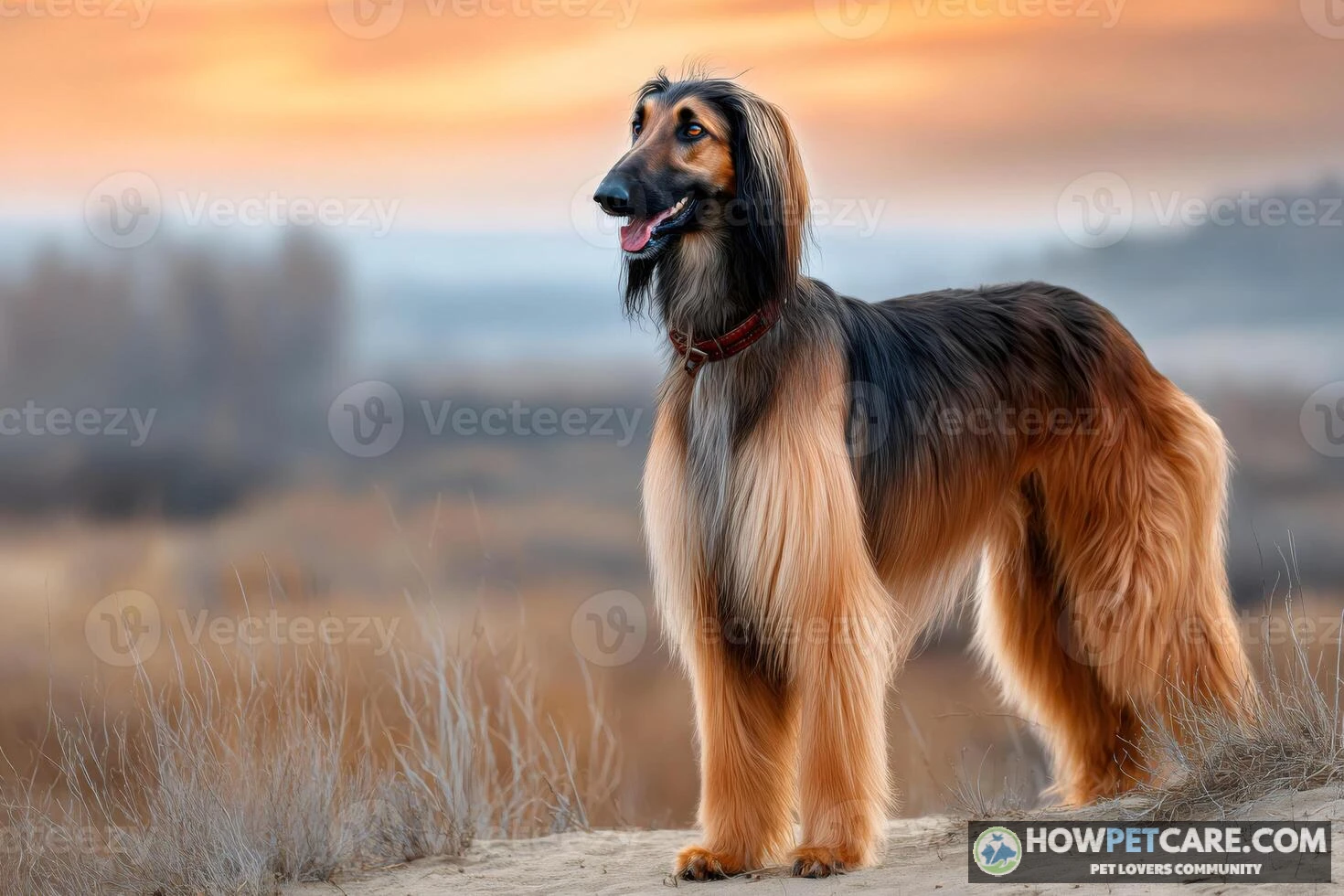

An Afghan Hound suits owners who enjoy intensive coat care and appreciate an independent sighthound with a strong chase instinct. Plan on about 60 minutes of daily exercise, 20–30 minutes of grooming most days, and a securely fenced running area. It’s a poor fit for anyone wanting easy training, reliable off-leash recall, or a low-maintenance coat.
An afghan hound can be a rewarding companion if you enjoy intensive coat care and appreciate an independent dog with a strong instinct to chase. It’s not a good choice if you want reliable off-leash recall, easy training, or a low-maintenance coat. Before bringing one home, plan for daily brushing, roughly an hour of activity on most days, a secure place to exercise, and a substantial ownership budget.
Is an Afghan Hound Right for You? The Short Verdict
Our verdict: Choose an Afghan Hound if you can make grooming part of your routine, provide safe exercise, and enjoy a dog that may not respond to every request immediately. For most first-time owners, a less demanding breed is the more practical choice. If your lifestyle depends on off-leash hiking or you can’t keep your small pets safe, don’t choose an Afghan Hound.
Quick stats snapshot
- Breed group: American Kennel Club (AKC) Hound Group; a sighthound, meaning a dog developed to hunt primarily by sight.
- Origin: Afghanistan, where the breed developed as a hunting hound.
- Height: The AKC breed standard describes an ideal of about 27 inches for males and 25 inches for females, with some variation.
- Weight: Approximately 60 pounds for males and 50 pounds for females; individual dogs vary.
- Life expectancy: A useful planning range is 12–14 years, although some sources give a wider range.
- Coat: Long and silky, with substantial grooming requirements.
- Puppy price: Research supplied for this guide puts a pet puppy around $1,000 and some show-line puppies at $2,500–$5,000; verify local quotes rather than treating those figures as a current national average.

Who should and should not get an Afghan Hound
The 60-second Afghan Hound fit test
Check each statement that describes your household:
- ☐ Someone can provide regular companionship, toilet breaks and care throughout the day; a puppy needs substantially more frequent attention than an adult.
- ☐ You have reliable access to a securely enclosed running area. A 5–6-foot fence is a useful starting point to discuss with a rescue or breeder, not a guarantee that every dog will be contained.
- ☐ You can spend about 20–30 minutes most days on coat care, plus time for baths and drying.
- ☐ You can accommodate roughly $1,500–$4,500 or more in ordinary annual expenses, with an emergency reserve on top.
- ☐ Children and visitors can follow rules about gentle handling and supervision.
- ☐ Small pets can be kept safely separated if the dog shows interest in chasing them.
- ☐ You can exercise the dog without relying on off-leash recall in open areas.
- ☐ You find an independent personality appealing rather than frustrating.
Score: Seven or eight checks suggest a strong starting fit. Four to six mean you should resolve the gaps before proceeding. Three or fewer suggest another breed may suit you better. This score is a decision aid, not a behavioral test. Unsafe containment, an inability to protect small pets, or a household that can’t supervise children are reasons to wait regardless of the total.
Afghan Hound Temperament: Independence, Aloofness and Prey Drive
The Afghan Hound dog breed combines affection for familiar people with an independent temperament. Many are reserved with strangers, while some are playful at home. Personality, socialization and previous experience all matter. Aloof doesn’t have to mean fearful, and independence doesn’t mean a dog can’t learn.
A sighthound may notice and pursue a fast-moving animal before its owner can react. Treat prey drive as a management issue, not a training challenge you can assume will disappear.

Children, cats and other dogs
Afghan Hounds can be good family dogs in households that respect their space. Older children who can follow handling rules may find it easier to live safely with a large, sensitive dog. Toddlers aren’t an automatic disqualification, but close adult supervision, separation when needed, and a dog comfortable with children are essential. Never leave a young child alone with any dog.
Some Afghan Hounds live with cats or other dogs, especially after careful introductions, but familiarity with one animal doesn’t guarantee safety with another. A rabbit, running cat or small dog can trigger a chase. Ask a rescue about the individual dog’s observed behavior, and keep animals securely separated when safety is uncertain.
Afghans aren’t usually selected as watchdogs. They may bark at unfamiliar activity or when distressed or bored, but don’t assume an individual dog will be silent.
Training an independent sighthound
Use short sessions with food, play or another reward the dog values. Teach a name response, loose-leash walking, handling for grooming, and calm settling. Introduce new people and environments gradually and positively, especially during puppyhood.
Practice recall inside a secure enclosure, but keep a leash on outside it. A well-rehearsed cue is useful if a gate opens; it isn’t insurance against a chase. A properly fitted martingale collar or secure harness can help reduce the risk of a dog slipping out of its equipment.

Male vs. female Afghan Hounds
Males are generally larger; the standard’s height ideals differ by about two inches. Claims that males are invariably more clownish or females more reserved aren’t dependable enough to choose a puppy by sex alone. Ask about the individual dog’s confidence, sociability and response to handling instead.
 You might be wonderingBig dogsBig Dogs Guide: Top 20 Breeds, Real Costs, Care, and HousingRead the answer
How Much Does an Afghan Hound Cost? Puppy Price and Annual Ownership Budget
The purchase price is only the beginning. Grooming, food, preventive care and an emergency plan remain expenses throughout the dog’s lifetime. The figures below are illustrative US planning allowances for 2026, not verified national price averages or quotes; obtain estimates from local providers before committing.
Puppy price tiers
The available breed research cites roughly $1,000 for a pet puppy and $2,500–$5,000 for show lines. These figures don’t establish a reliable 2026 national average: availability, location, pedigree and what a breeder includes can change the price considerably. A higher price doesn’t prove good health testing or ethical breeding.
Rescue and adoption fees
For planning, allow approximately $150–$500 for adoption, then confirm the fee and included veterinary care with the organization. An adult may already be house-trained and have an observable temperament, but may also need dental care, coat rehabilitation, training or a gradual adjustment to the home. Ask what the rescue knows about handling, separation, children and other animals.
First-year vs. annual ownership totals
The following budget uses a $1,000–$5,000 puppy; substitute the adoption fee if adopting. It assumes an existing secure exercise area and excludes major illness, travel and boarding.
| Expense category | First-year estimate | Ongoing annual estimate | Notes |
|---|---|---|---|
| Puppy purchase | $1,000–$5,000 | — | Rescue allowance: $150–$500 instead |
| Exams, vaccines and routine procedures | $400–$900 | $300–$600 | Ask what the adoption fee or breeder already covers |
| Parasite prevention | $200–$400 | $200–$400 | Depends on products and local risks |
| Food | $600–$900 | $600–$900 | Depends on food and portion size |
| Grooming tools and supplies | $100–$250 | $50–$150 | Initial tools cost more; home grooming still takes time |
| Professional grooming | $0–$1,800+ | $0–$1,800+ | Optional; price depends on coat condition and frequency |
| Crate, lead, bed and other supplies | $300–$700 | $100–$200 | Replace equipment as needed |
| Insurance premium or emergency savings contribution | $400–$700 | $400–$700 | An allowance, not a guarantee of coverage or adequate savings |
| Estimated total | $3,000–$10,650+ | $1,650–$4,750+ | Add fencing, boarding and nonroutine treatment separately |

For a simple lifetime illustration, a $4,000 first year plus 12 subsequent years at $2,500 comes to $34,000 over 13 years. This is a budgeting scenario, not a prediction; inflation and serious illness could increase the total. A new fence can add substantially to the first year, so get an installation quote rather than relying on a generic allowance.
Insurance may exclude pre-existing conditions and impose deductibles, limits and waiting periods. If you’re self-funding, build an emergency reserve separately from routine care; your veterinarian or emergency hospital can help you estimate a realistic local target.
Finding reputable breeders and rescues
Start with the Afghan Hound Club of America and regional breed clubs for education and referral options. AKC Marketplace listings can be a starting point for questions, not proof that a breeder meets your standards. Ask for verifiable health results, a written contract, information about the parents and a return policy. A low price alone isn’t proof of a problem, but missing records, pressure to pay immediately and refusal to answer questions are reasons to walk away.
Afghan Hound Grooming Requirements: A Step-by-Step Routine With Tools
The long, silky coat is the breed’s most visible commitment. Hair can tangle where it rubs: behind the ears and elbows, under the collar, and on the legs. A full-coated adult may need 20–30 minutes of attention most days, with longer sessions when the coat is changing or already tangled. Use this as a starting schedule, not a promise that every coat will take the same time.
Daily and weekly grooming schedule
Gather a pin brush, a long-tooth metal comb, a slicker brush, conditioning spray, dog-safe shampoo and conditioner, towels, and a dryer with a safe cool or low-heat setting. A nail grinder or dog nail clippers and a dog toothbrush round out the kit.
-
Check and lightly mist
Look for debris, skin irritation and tangles. Lightly mist the coat with a dog-safe conditioning spray rather than pulling a brush through dry tangles.
-
Brush in layers
Part the hair and line-brush small sections from near the skin outward. Work gently, supporting the hair at the base; don’t scrape the skin.
-
Test with the comb
Run the long-tooth comb through each finished section. If it catches, return to the tangle with your fingers and brush rather than forcing it.
-
Inspect friction spots
Check behind ears and elbows, under the collar, between the legs and around the feet. Use the slicker carefully on small tangles where appropriate.
| Task | Planning frequency | Tools and time |
|---|---|---|
| Mist, line-brush and comb | Most days | Pin brush, metal comb and spray; approximately 20–30 minutes |
| Inspect friction spots | Daily | Fingers and comb; included in the brushing session |
| Brush teeth | Daily if possible | Dog toothbrush and dog-safe toothpaste |
| Check ears and nails | Weekly | Vet-recommended ear product if needed; nail clippers or grinder |
| Foot and sanitary-area tidy | About every 2–4 weeks if needed | Ask a groomer to demonstrate safe clipping |
| Full bath and dry | About every 1–3 weeks as coat and lifestyle require | Dog shampoo, conditioner, towels and dryer; allow ample time |

Don’t insert cotton swabs into the ear canal. Ask your vet about odor, redness, discharge or persistent scratching. Introduce nail and tooth care gradually with rewards.
Bathing and drying
Work out manageable tangles before bathing: water and agitation can tighten them. Wet the coat thoroughly, apply diluted dog-safe shampoo as directed, rinse, condition and rinse again. Blot with towels rather than rubbing, then dry completely in sections while gently brushing. Keep the dryer moving and use a comfortable temperature. A high-velocity dryer can frighten a dog, so introduce it gradually.

Dealing with mats and coat changes
Adolescent coat change can make maintenance especially demanding around one to two years of age. Allow extra time and check the skin closely. Never cut a tight mat out with scissors: skin can be pulled into it and injured. Ask a professional groomer or veterinarian to remove severe mats safely.
Afghan Hounds may leave less loose hair around the home than some breeds, but they still shed and their coat can mat. No dog is truly hypoallergenic: allergens also come from saliva, skin and urine. If someone has allergies, spend time with individual dogs and discuss the risk with an allergist before committing.
Professional grooming costs and clipping options
A planning allowance is $75–$150 or more per visit, but a long, dense or matted coat can cost more. At eight visits a year, that allowance is $600–$1,200; 12 visits would be $900–$1,800, before surcharges. Request a written quote for bathing, drying, brushing and any mat removal.
A groomer can discuss a shorter pet trim if the full coat is unmanageable. Clipping may alter the coat’s appearance or regrowth, and a shorter coat still needs skin and nail care. Don’t let mats persist simply to preserve length.

Afghan Hound Exercise Needs: Reconciling 45 Minutes vs. 2 Hours
For a healthy adult, plan about 60 minutes of daily activity as a starting point: typically two leash walks totaling 45–60 minutes, with a short, secure opportunity to run several times a week. On run days, the total may be longer. Adjust for the dog, weather and veterinary advice; some individuals need more activity.
Published guidance ranges from 45–60 minutes to around two hours. Those figures may count different combinations of walks, play and free running, and dogs vary. The sources don’t establish that counting methods alone explain the difference. Start with the practical schedule above, assess the individual dog and increase activity appropriately rather than assuming a fixed number suits every Afghan.

Daily exercise by age
- Puppy: Offer several short, self-paced play and exploration sessions and frequent toilet outings. Avoid forced distance running and repetitive high-impact exercise while the puppy grows; ask your vet for a plan suited to its age.
- Adult: Aim for the 60-minute starting point, combining walks with sniffing, training and access to safe running.
- Senior: Keep movement regular but shorten or slow walks if needed. Stiffness, reluctance to move or a sudden drop in stamina warrants a veterinary check.
Pacing, destructive behavior or reactivity can have several causes, including discomfort or separation distress. Don’t assume that adding exercise alone will fix them.
Safe sprinting and lure coursing
Walk for several minutes before allowing a healthy adult to run. Use a fully enclosed area with secure gates, suitable footing and no gaps; inspect it before releasing the dog. Let the dog choose when to stop, provide water, and avoid extreme heat.
Lure coursing gives a sighthound an opportunity to chase a moving lure in an organized setting. Check the event’s containment, eligibility and safety rules; don’t assume every course is fenced. Puzzle feeders and scent games provide additional enrichment but don’t replace walks.

Even a dog that responds beautifully at home may chase wildlife near traffic. A fence height alone doesn’t guarantee containment; check gates, gaps, footing and the individual dog’s jumping or digging ability.
Afghan Hound Health: Lifespan, Common Problems and What to Ask Your Vet
A 12–14-year planning horizon makes preventive care and a long-term financial plan important. Before choosing a puppy, ask for screening results for both parents. Before adopting, request available medical records and arrange an initial veterinary examination.
Common conditions and warning signs
- Hip dysplasia: Abnormal hip development can cause pain or mobility problems. Ask about hip evaluations in both parents and discuss limping or stiffness with your vet.
- Cataracts and other eye disease: Cataracts can impair vision; some may appear early in life. Ask for eye examination records and report cloudiness or changes in vision.
- Chylothorax: This serious condition involves lymphatic fluid collecting in the chest. Afghan Hounds are among the breeds in which it has been reported. Labored or rapid breathing, reduced stamina or persistent coughing requires prompt veterinary attention; breathing distress is an emergency.
- Bloat and gastric dilatation-volvulus (GDV): A deep-chested dog can develop a distended stomach that may twist. Afghan Hounds are among the breeds for which bloat is a concern. Restlessness, repeated unproductive attempts to vomit, a swollen abdomen, weakness or collapse require immediate emergency care.
- Thyroid disease: Ask your veterinarian whether symptoms such as unexplained weight or coat changes justify testing; those signs can have multiple causes.

Call the emergency hospital while arranging immediate transport. Don’t wait for the abdomen to look swollen or attempt home treatment.
Feeding more than one meal and avoiding hard exercise immediately around meals are reasonable management practices, but they don’t guarantee GDV prevention. Discuss individual risk and whether preventive gastropexy is appropriate with your veterinarian.
Anesthesia sensitivity and choosing a vet
Some sighthounds can respond differently to certain anesthetic drugs, and their lean build makes individualized planning important. This doesn’t mean anesthesia is automatically unsafe or that every Afghan requires the same protocol.
When selecting a veterinarian, ask whether the team has managed sighthounds under anesthesia, how it chooses and adjusts drugs for the individual, and how it monitors breathing, blood pressure, oxygenation and temperature. Ask who monitors the dog during recovery and where to go after hours. Drug selection and dosing depend on the procedure and patient; don’t insist on a specific drug or a blanket lean-body-weight formula without veterinary direction.
Health screenings to demand from breeders
Ask for registered names or identification numbers so you can independently check results in the Orthopedic Foundation for Animals (OFA) database where available. Request hip evaluations and current eye examination documentation for both parents, including CAER records when available; CERF is an older eye-registry term. Ask the breed club and your veterinarian which additional tests are recommended at the time of breeding.
A routine vet check isn’t a substitute for inherited-disease screening. Ask about relatives’ longevity and known health problems, including bloat, eye disease and chylothorax. Screening reduces uncertainty; it can’t guarantee a healthy puppy.
What and How Much to Feed an Afghan Hound at Every Life Stage
Choose a complete and balanced food labeled for the dog’s life stage. The amounts below are illustrative starting points, not breed-specific prescriptions. Calories per cup vary substantially by product, and age, body condition, neuter status and activity change requirements. Use the package’s calorie information and adjust with your vet.
| Life stage | Meals per day | Approximate daily amount | Notes |
|---|---|---|---|
| Puppy | 3–4, then adjust with age | Follow the food’s growth chart for current and expected adult weight | Choose a growth diet appropriate for large-size dogs; portions change rapidly |
| Adult | 2 | Example: 1,200–1,600 calories, or about 3–4 cups of a food containing 400 calories per cup | This is an illustration, not a requirement; a different food changes the cup count |
| Senior | 2 or as advised | Start with the adult portion and adjust to body condition | Some seniors need fewer calories; others need more support to maintain weight |

Puppy feeding schedule
A large-breed puppy formula supports controlled growth. Divide the manufacturer’s suggested daily amount into meals, measure it, and track growth with your veterinarian. Avoid adding calcium or other supplements unless the vet recommends them. Treats count toward the day’s intake.
Adult portions and calories
For the example in the table, divide the day’s food between two meals. At 400 calories per cup, a 1,200-calorie ration equals three cups; a 1,600-calorie ration equals four. Check the bag rather than using those cup amounts for every food.
An Afghan is naturally lean, but its coat can hide changes in condition. Feel for the ribs and ask the vet to demonstrate body-condition scoring; don’t assume visible bones always mean either ideal weight or illness. Food costs in the budget table are planning allowances, not a substitute for a quote on your chosen diet.
Senior diet adjustments
Reassess weight and muscle regularly. A senior dog may need a different calorie level or a therapeutic diet because of a medical condition; age alone doesn’t establish the right portion. Ask your vet before adding joint supplements or changing food for suspected illness.
Afghan Hound vs. Saluki, Borzoi and Greyhound: Choosing Among Sighthound Breeds
All four breeds can have a strong chase instinct and need secure management. The comparison describes broad tendencies, not guarantees about any individual dog.
Side-by-side comparison
| Trait | Afghan Hound | Saluki | Borzoi | Greyhound |
|---|---|---|---|---|
| Build | Tall, lean, long-coated | Lean, with smooth or feathered coat | Very tall, long-coated | Tall, lean, short-coated |
| Grooming | Very high for a full coat | Lower; feathering needs attention | Moderate; regular brushing | Low; short coat is comparatively easy to maintain |
| Activity | Daily walks and secure running opportunities | Active; secure running opportunities | Daily walks and safe running opportunities | Daily walks and safe running opportunities; many settle well indoors |
| Training | Independent; reward-based practice | Independent and often reserved | Independent and sensitive | Individual; many adapt well to reward-based routines |
| Off-leash management | Secure enclosure recommended | Secure enclosure recommended | Secure enclosure recommended | Secure enclosure recommended |
| Household fit | Owner who enjoys coat care | Active owner wanting less coat work | Owner comfortable with a very large dog | Owner seeking a lower-grooming sighthound |

For people considering an Afghan Hound vs. Saluki, coat care is a major practical difference. A Borzoi also has a substantial coat and is larger. A Greyhound may be a more approachable choice for someone seeking less grooming, including in an apartment with suitable exercise access. Adoption histories and training vary, so don’t assume a retired racer is already comfortable with stairs, cats or being alone.
How popular is the Afghan Hound today?
The Afghan Hound is less commonly encountered than many familiar US breeds, so finding a suitable puppy or rescue may take patience. A verified current AKC registration rank isn’t available in the evidence for this guide; don’t use a 2006 ranking as a measure of 2026 popularity. Check the AKC’s most recent published ranking and its data year before quoting a number. Registration rankings measure registrations, not every dog living in the country.
Afghan Hound mixes
An Afghan Hound Poodle mix is a cross between the two breeds, not a standardized breed with predictable traits. Coat texture, shedding, size and temperament can vary, even within a litter. Don’t assume the cross is hypoallergenic or requires less grooming; assess the individual dog and the health testing of both parents.
Your Next Steps: A Pre-Contact Checklist for Breeders and Rescues
Decision checklist
- ☐ Confirm access to a secure exercise area and a daily routine that accommodates walks and companionship.
- ☐ Try a grooming session with an owner or groomer, and budget for supplies or professional help.
- ☐ Calculate your own first-year costs, including any fencing, and establish an emergency fund or assess insurance terms.
- ☐ Agree on child supervision and a safe separation plan for small pets.
- ☐ Identify a veterinarian comfortable discussing sighthound anesthesia and an emergency hospital before you need one.
- ☐ Meet adult Afghan Hounds at a breed club event or dog show, and ask owners what daily life is actually like.
Questions to ask before contacting a breeder or rescue
Prepare these questions, then compare the answers with your household’s needs:
- Health: What hip and eye screening did each parent receive, and can I verify the results? What is known about health and lifespan in related dogs?
- Temperament: How does this dog respond to handling, unfamiliar people, children and other animals? What observations support that assessment?
- Early care or history: Where were the puppies raised, and can I meet their mother when appropriate? For an adult, what is known about its previous home, grooming and training?
- Contract: What care is included in the fee? Is there a written return or take-back policy if the placement doesn’t work?
- Support: What guidance is available for settling in, coat care and future questions?

Contact the national breed club or a regional Afghan Hound rescue to learn about the process and expected wait. Be ready to answer their questions too: a careful match is more useful than the fastest available dog.
 You might be wonderingHound dog breedsHound Dog Breeds: Choosing the Right Scent or SighthoundRead the answer
FAQ
Are Afghan Hounds hypoallergenic?
No. Afghan Hounds shed relatively little, but no dog breed is truly hypoallergenic because allergens come from dander, saliva, and urine. Allergic owners should spend time with the breed before committing.
What is an Afghan Hound poodle mix?
It is a crossbreed of an Afghan Hound and a Poodle, sometimes called an Afghan Poodle. Traits vary widely, but the coat is often wavy or curly and still needs frequent grooming.
Do Afghan Hounds bark a lot?
Not usually. They are generally quiet, though they may bark at unfamiliar sights or when bored or under-exercised.
Can Afghan Hounds live in apartments?
They can if they get daily walks and access to a securely fenced area for sprinting. They are quiet indoors, but their size and exercise needs make small spaces challenging.
Can an Afghan Hound be trusted off-leash?
Generally no. Strong prey drive and independence mean they may chase and ignore recall, so off-leash time should be limited to securely fenced areas.