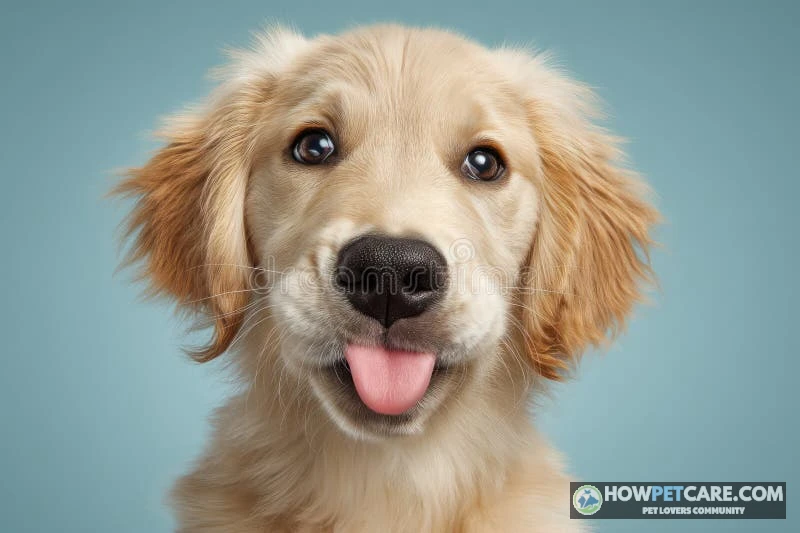

Puppy eyes are a real canine facial expression in which a dog raises its inner eyebrows to make its eyes look larger and more infant-like, usually to request food, attention, or access. The expression is shaped by domestication, is not proof of sadness, and should be judged by context, duration, and any eye-health red flags.
Puppy dog eyes are a real canine facial expression: a dog raises its inner eyebrows so its eyes look larger, sadder, and more infant-like, usually to ask a human for food, attention, or access. It isn’t proof your dog feels sad, and it isn’t always begging. It’s a communication signal shaped by domestication. Knowing whether to read it as a request, ignore it, or treat it as a possible health warning starts with seeing the movement for what it is.
Puppy Dog Eyes Explained: What the Expression Actually Is
What puppy eyes look like
When a dog gives puppy eyes, the inner corners of its eyebrows lift, widening the eye opening and creating a soft, melancholy gaze that resembles a human infant’s expression. The rest of the face often stays still: ears may hold their usual position, the mouth may close, and the head may tilt slightly. The effect is short-lived and usually tied to a moment—dinner time, a reaching hand, or a pause during a walk. Because the movement can be subtle, some owners miss it entirely and only notice the resulting "big, sad look."

The levator anguli oculi medialis muscle and canine facial expression
The visible lift comes from a muscle called the levator anguli oculi medialis, or LAOM, which raises the inner eyebrow. Domestic dogs possess this muscle; gray wolves generally don’t, and the difference is thought to result from roughly 33,000 years of domestication in which humans favored dogs with appealing facial movements. The eyebrow-raising muscles contain fast-twitch fibers that can act in under 100 milliseconds, allowing quick, expressive shifts that catch a person’s attention. Domestic dogs also have a much higher share of fast-twitch mimetic muscle fibers than wolves, whose facial muscles are dominated by slower fibers suited to extended movements such as howling.
A second muscle, the retractor anguli oculi lateralis (RAOL), works with the LAOM to widen the eye aperture, further enhancing the infant-like look. Together these muscles let dogs produce an expression wolves can’t easily replicate, and they do it specifically around humans rather than around other dogs.

Constant puppy-eye appearance versus active signaling
Not every dog that looks like it has puppy eyes is actively signaling. Brachycephalic and short-muzzled breeds can look like they permanently wear the expression because of skull shape, large eyes relative to the face, and facial folds—not because the LAOM is firing at that moment. An owner should treat the expression as communication only when it appears in context and fades when the interaction ends. If the look is constant regardless of what’s happening, it’s more likely conformation than communication.

Why Dogs Make Puppy Eyes at Humans
Evolution and domestication of the puppy eyes expression
Dogs evolved dedicated eye muscles absent in gray wolves, enabling the inner-brow raising that produces puppy dog eyes. The trait is attributed to tens of thousands of years of domestication, with humans inadvertently selecting for the eye movement because it resembled caregiving cues. The expression is described as almost entirely absent in wolves, the ancestors of domestic dogs.
Oxytocin, mutual gaze, and the dog-human bond
Dog-human mutual gazing triggers an oxytocin feedback loop not seen between humans and wolves. About 30 seconds of eye contact can raise oxytocin in both humans and dogs, which helps explain why the expression is so difficult to resist. Oxytocin-treated dogs seek more eye contact with their owners, reinforcing the bond each time the gaze is returned.
Neoteny and why baby-like faces work on humans
Dogs retain neotenized, baby-like features such as large eyes, and domestication likely selected dogs with traits humans find appealing or useful. The LAOM muscle raises the inner eyebrow, and shelter dogs using it are more likely to be adopted. Puppy eyes tap into human caregiving instincts precisely because they mimic the proportions of an infant’s face—large eyes, rounded features, and a helpless expression.

Are puppy eyes manipulation or communication?
Whether puppy eyes are manipulative depends on how you define the word. From the dog’s perspective, it’s an honest social signal that has worked in the past: the expression precedes food, attention, or access, and the dog repeats what succeeds. From the human perspective, it can feel like emotional manipulation because the look hijacks caregiving instincts. Science doesn’t establish that dogs feel guilt or consciously calculate the effect. It’s more accurate to call the expression learned communication reinforced by the dog-human bond, rather than proof of a specific emotion such as sadness.
Do wolves make puppy eyes?
Wolves generally don’t make puppy eyes. The inner-eyebrow raising movement is almost entirely absent in wolves, and dog puppies make eye contact with humans earlier than hand-raised wolf puppies, which show avoidant or aggressive behavior toward humans. Wolf eye contact is often threatening rather than affiliative, and their facial musculature lacks the dedicated LAOM that lets dogs lift the inner brow so quickly and visibly.
 You might be wonderingPuppy vaccine schedulePuppy Vaccination Schedule: Week-by-Week First-Year GuideRead the answer
Breed Differences: Which Dogs Show the Strongest Puppy Eyes
Not every dog breed possesses a well-developed levator anguli oculi medialis muscle, and even among those that do, skull shape changes how visible the movement is. The table below summarizes likely expression strength by breed group, framed as informed likelihoods based on anatomy rather than guaranteed traits.
| Breed group | Expression strength | Levator anguli oculi medialis development | Typical context |
|---|---|---|---|
| Companion / brachycephalic breeds (e.g., Cavalier King Charles Spaniel, Pug, French Bulldog) | Very strong, often persistent-looking | Often well-developed; skull shape also makes eyes look larger | Resting face, close human contact, food requests |
| Toy and companion breeds with moderate muzzles (e.g., Golden Retriever, Labrador Retriever) | Strong and frequent | Well-developed in many individuals | Greeting, begging, play initiation |
| Sporting / working breeds (e.g., Border Collie, German Shepherd) | Moderate but functional | Present; expression often tied to task focus | Eye contact during training, herding, or waiting for cues |
| Sighthounds and long-muzzled breeds (e.g., Greyhound, Saluki) | Weaker or less obvious | Less visually prominent due to longer muzzle and skull shape | Brief check-ins rather than sustained sad-eyed looks |
| Breeds with very short muzzles and heavy facial folds | May look like puppy eyes even when not signaling | Hard to separate active movement from fixed conformation | Resting appearance; assess behavior, not just face |

Breeds with the strongest inner-eyebrow raising
Companion breeds selected for baby-like faces tend to show the strongest and most frequent inner-eyebrow raising. Golden Retrievers, Labrador Retrievers, Cavalier King Charles Spaniels, and similar breeds often combine a well-developed LAOM with a strong motivation for human contact, making the expression easy to spot during greeting or begging.
Breeds that show puppy eyes least
Sighthounds and long-muzzled breeds generally show weaker or less obvious inner-brow movement. Their skull shape makes the muscle action less visually prominent, and they may offer brief check-ins rather than sustained sad-eyed looks. A weak visible signal doesn’t mean the dog lacks the muscle; it means the anatomy and head shape make it harder to see.
Working breeds and functional eye contact
Working and sporting breeds such as Border Collies and German Shepherds use eye contact functionally—during training, herding, or while waiting for cues—rather than as a purely manipulative solicitation. Their expression may look like puppy eyes to an owner, but in context it’s often task-directed attention. Owners of these breeds should read the body language around the eyes, not just the eyes themselves.
The Science Behind Puppy Eyes: Studies, Sample Sizes, and Limitations
Shelter adoption study: what it found and its limits
A 2013 study of 27 shelter dogs found that puppies making the expression more often were adopted faster. Shelter studies cited in popular coverage show dogs using puppy eyes are adopted faster by up to 15 percent. The sample was small, breed-skewed, and conducted in a shelter environment, so the results may not transfer to home behavior or to every breed equally. The finding is correlational: it links frequent expression with quicker adoption but doesn’t prove the expression caused the outcome.
Oxytocin and mutual gaze study: what it found and its limits
Research shows that dog-human mutual gazing triggers an oxytocin feedback loop, and that about 30 seconds of eye contact can raise oxytocin in both humans and dogs. These studies typically involve small numbers of owner-dog pairs in controlled settings, and lab behavior may not match what happens at the dinner table. The oxytocin loop supports the bond explanation but doesn’t prove that a dog using puppy eyes is experiencing or manipulating a specific human emotion.

What the science can and cannot tell us
The evidence supports that dogs have facial muscles wolves lack, that mutual gaze raises oxytocin in both species, and that shelter dogs using the expression are adopted more quickly. It doesn’t prove that dogs feel sadness when making puppy eyes, that every breed expresses the trait equally, or that the expression is a conscious tactic. Readers should treat the science as strong on anatomy and weak on claims about canine intentions.
Puppy Eyes versus Eye-Health Red Flags: When to See a Vet
Normal puppy eyes: duration, context, and resolution
Normal puppy eyes are brief, context-linked, and resolve when the interaction ends. The expression may last seconds to a minute and stops once the food is given, the attention is offered, or the dog realizes the request won’t be granted. It doesn’t come with discharge, squinting, redness, or pawing at the eye.
Visible red flags: droopy lids, third eyelid, discharge, and more
Eye-health red flags include droopy lids, a visible third eyelid, discharge, redness, cloudiness, squinting, or pawing at the eye. These signs aren’t part of normal communication and may indicate irritation, ulcer, dry eye, infection, or other conditions requiring veterinary evaluation.
When to call the vet: explicit thresholds
Contact your veterinarian the same day if you notice any discharge that changes color or thickness, squinting, pawing at the eye, or sudden cloudiness. A visible third eyelid at rest warrants a veterinary visit within 24 hours. Persistent redness beyond one day, new or worsening droopy lids, or any vision changes also warrant prompt veterinary evaluation. These are thresholds for seeking care, not diagnoses.
Senior dogs and age-related eye changes
Senior dogs may develop lens cloudiness, dry eye, or other age-related changes that can be confused with the soft look of puppy eyes. New or worsening eye changes in an older dog should prompt a veterinary eye exam rather than an assumption that the dog is simply communicating.
| Sign | Normal puppy eyes | Possible health problem | Action threshold |
|---|---|---|---|
| Droopy lids | Brief, context-linked, resolves after interaction | Entropion, ectropion, weakness, pain | Same-day vet call if new, worsening, or paired with squinting |
| Visible third eyelid | Not normally visible during calm interaction | Irritation, ulcer, dry eye, illness | Vet within 24 hours if visible at rest |
| Discharge | None beyond occasional clear tear | Infection, allergy, foreign body, corneal issue | Same-day vet call for color change, thickness, or odor |
| Squinting | Rare; may occur during bright light | Pain, corneal injury, uveitis, glaucoma | Urgent same-day evaluation |
| Cloudiness | None; eyes should look clear | Cataract, corneal disease, inflammation | Prompt vet exam, especially if sudden or vision changes |
| Redness | Brief excitement-related pinkness can occur | Conjunctivitis, injury, dry eye | Persistent redness beyond one day warrants vet contact |
| Pawing at eye | None | Pain, foreign body, injury | Same-day vet call |
| Duration | Seconds to a minute; stops when trigger ends | Persistent or recurring | If it lasts beyond the interaction, treat as possible health issue |
This section is not a substitute for veterinary care. If you’re unsure whether your dog’s eye appearance is normal, contact your veterinarian.

How to Respond to Puppy Eyes: A Step-by-Step Owner Protocol
Trigger identification: food, attention, or access
Before reacting, pause for about three seconds and identify the trigger. Is the dog asking for food, attention, play, or access to a room or outdoors? Naming the trigger determines whether saying yes fits your schedule, your dog’s health, and your training goals.
The six-step response protocol
Use this protocol whenever your dog offers puppy eyes for food, attention, or access.
- Pause and identify the trigger (three seconds): Ask whether this is food, attention, play, or access.
- Decide before reacting: Say yes only if the timing fits your plan; otherwise proceed to the no script.
- If no, ignore completely for 15 to 30 seconds: No eye contact, no talking, no touching, no sighing, no laughing. Use a neutral phrase once, then stop: "I’m not available for that right now."
- Redirect after the expression softens: Ask for one known behavior, such as "Sit" or "Go to your mat."
- Reward only the replacement behavior: Give the treat, attention, or access after the puppy eyes stop and the requested behavior happens. Say, "Good sit. Here you go."
- Stay consistent across all family members and dogs: Every person uses the same words and timing; one inconsistent giver resets the pattern.
Timed ignore intervals:
- First begging attempt: ignore for 15 seconds.
- Repeated attempt within two minutes: ignore for 30 seconds.
- After a successful replacement behavior: reward within two seconds.
When to give in and when to hold the line
There’s no set waiting period before giving in to puppy eyes. Giving in immediately after the expression teaches the dog that puppy eyes work. A better approach is to wait until the dog stops offering the expression and performs a calm alternative behavior, then reward that instead. If the timing fits your plan—for example, it’s mealtime and the dog is sitting calmly—you can say yes, but reward the calm behavior, not the expression itself.
Multi-dog households and observational learning
In multi-dog households, one dog can learn puppy eyes by watching another receive rewards for the expression. Apply the protocol to all dogs simultaneously, using the same words and timing. If one person in the household shares food "just this once," the pattern resets for every dog.
Minute-by-minute dinner-table begging walkthrough
Scenario: You are eating dinner. Your dog places its chin on your knee and gives puppy eyes.

- 0:00 — Dog makes eye contact and raises inner eyebrows. You pause chewing and identify the trigger: food begging.
- 0:03 — You decide not to share. You look at your plate, say once, "I’m not available for that right now," then stop all interaction.
- 0:18 — Dog continues staring. You keep eyes on your plate, turn your body slightly away, and do not speak.
- 0:30 — Dog shifts to sitting. You wait two seconds to confirm the expression has softened.
- 0:32 — You say, "Sit," then "Good sit," and drop one approved treat on the mat, not from the table.
- 0:45 — Dog returns to the table. You repeat the 30-second ignore without adding new words.
- 1:15 — Dog lies on its mat. You praise calmly and continue eating.
What not to do: do not say "No" repeatedly, push the dog away, make eye contact, or share a bite "just this once."
Welfare Implications: Breeding for Baby-Like Faces
Neoteny and selectively bred baby faces
Selecting for permanently baby-like faces can create chronic health and welfare costs. Neoteny makes dogs appealing, but exaggerated features—large eyes, short muzzles, heavy facial folds—can cause discomfort and disease throughout a dog’s life.
Health trade-offs in brachycephalic and short-muzzled breeds
Brachycephalic conformation is linked to eye exposure, corneal injury, and breathing problems. Because the eyes may protrude or the lids may not close fully, short-muzzled breeds have higher baseline eye-health risk than longer-muzzled dogs. A constantly sad look may be fixed anatomy rather than communication, and it may signal a lifetime of medical management.

What responsible owners and breeders should consider
Prioritize health and function over exaggerated cuteness when choosing or breeding dogs. A breed that looks like it always has puppy eyes may require more veterinary care, and owners should understand those trade-offs before bringing a dog home.
Your Puppy-Eyes Action Plan: Observation, Response, and Next Steps
Weekly puppy-eyes observation checklist
- Record when puppy eyes appear: mealtime, guest arrivals, play, or before going outside.
- Note how long the expression lasts and whether it stops when the trigger ends.
- Check for discharge, cloudiness, squinting, redness, or a visible third eyelid each week.
- Compare both eyes for asymmetry, droopiness, or new changes.
- Log whether family members respond consistently or if one person rewards the expression.

Communication, begging, or health issue: quick decision guide
- Is the expression tied to a clear trigger such as food, attention, play, or access? Yes → likely communication or begging.
- Does it stop within about a minute after the trigger ends? Yes → likely normal puppy eyes.
- Is there discharge, cloudiness, squinting, pawing, or a visible third eyelid? Yes → possible health issue; contact your vet.
- Are the lids droopy, red, or asymmetric compared with the other eye? Yes → possible health issue; contact your vet.
- Is the dog also showing pain signs such as whining, head shaking, or avoiding light? Yes → possible health issue; contact your vet.
- Is the face short-muzzled or heavily folded, making the look appear constant? Yes → separate resting conformation from active signaling.
- Is the dog a senior with new or worsening eye changes? Yes → schedule a veterinary eye exam.
- If none of the health signs are present and the behavior is brief and trigger-linked, treat it as communication: redirect, do not reward begging, and reward an acceptable replacement behavior.
When to call a trainer or veterinarian
Call your veterinarian if any health red flag appears or persists beyond the thresholds listed above. Contact a qualified trainer if puppy eyes have become persistent begging that the six-step protocol doesn’t improve within two to four weeks of consistent use. Health concerns take priority over behavior concerns.
Next steps for owners
Start by observing your dog for one week, using the checklist above. Apply the six-step protocol consistently the next time puppy eyes appear at the table or door. Schedule a vet visit promptly if you see discharge, squinting, a visible third eyelid, or other red flags. When the behavior is brief, trigger-linked, and healthy, respond with calm redirection—and enjoy the bond that makes the expression so hard to ignore in the first place.
 You might be wonderingSpayed meaningWhat Does Spayed Mean? Definition and Spay vs Neuter GuideRead the answer
FAQ
How do I get my dog to make puppy eyes?
You cannot train a dog to create the expression on command because it depends on facial anatomy and genuine social context. Try capturing the moment naturally when your dog seeks food or attention, then reward calm behavior afterward rather than the expression itself.
What is the meaning of puppy eyes in dogs?
Puppy eyes are a canine facial expression in which a dog raises its inner eyebrows to make its eyes look larger and more infant-like, usually to elicit care, attention, or food from a human. It is best understood as social communication rather than proof of a specific emotion like sadness.
How long should I wait before giving in to puppy eyes?
There is no set waiting period; giving in immediately after the expression teaches the dog that puppy eyes work. A better approach is to wait until the dog stops offering the expression and performs a calm alternative behavior, then reward that instead.