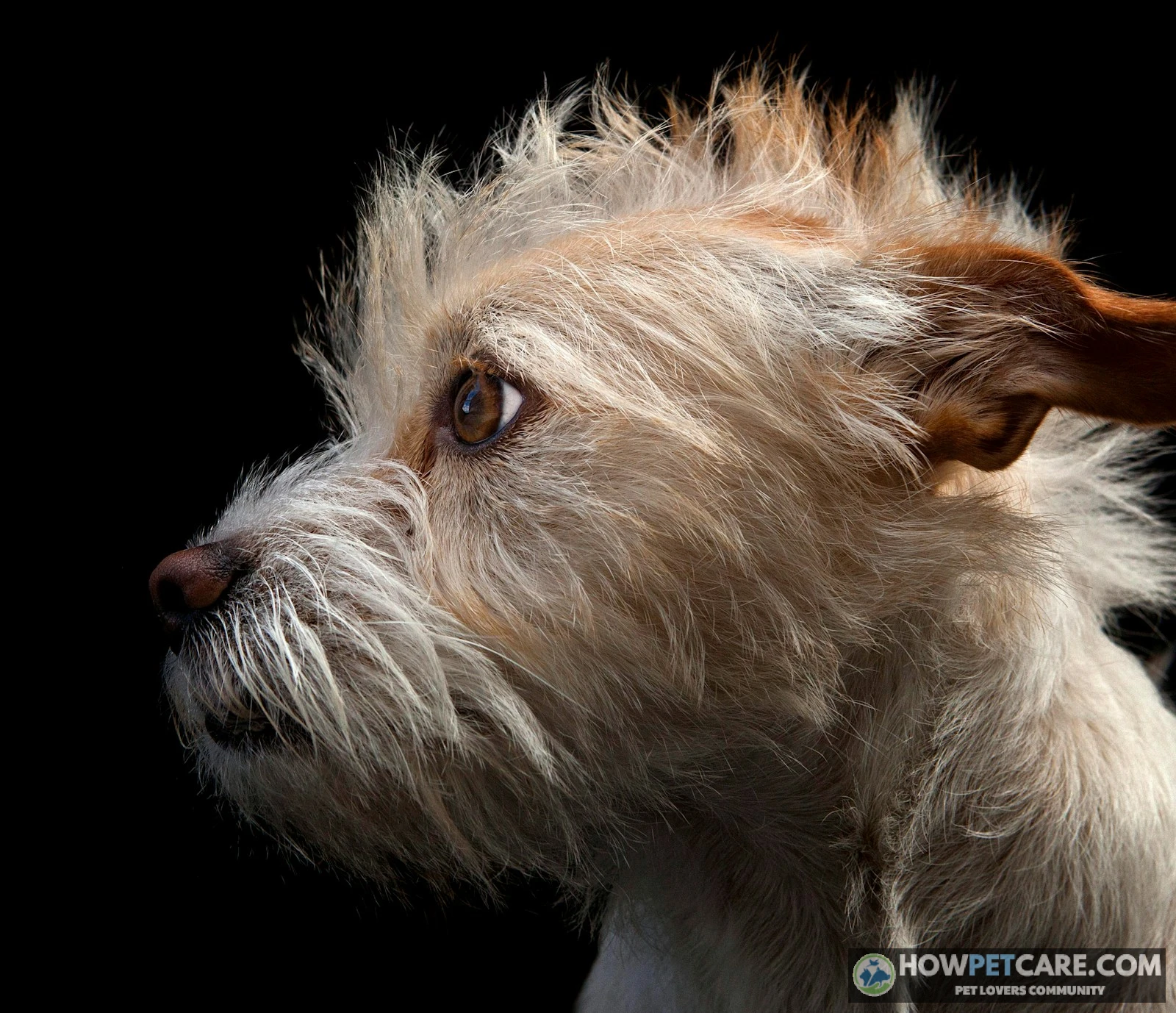

“Monkey dog” is a nickname for the Affenpinscher, a rare toy breed whose German name translates as “monkey terrier.” Standing 9–11.5 inches and weighing 7–10 pounds, it has a flat, whiskered face and monkey-like expression. The term can also refer to coffee brands, costumes, and viral memes.
“Monkey dog” is a common nickname for the Affenpinscher, a rare toy breed known for its flat face, prominent chin, whiskered muzzle, and expressive features. The name may turn up in a meme or an online search, but the dog behind it has a distinct personality and care needs worth understanding before you decide whether one fits your home.
Monkey Dog Meaning: The Affenpinscher, and What Else the Term Can Refer To
The breed most closely associated with the “monkey dog” nickname is the Affenpinscher. Its name comes from German: Affe means monkey or ape, and Pinscher means terrier. Translations such as “monkey terrier” and “monkey-faced dog” refer to the same breed, not a separate variety.
The phrase doesn’t always refer to a dog, though. Online searches can also bring up unrelated products and internet content:
- Specialty Coffee Brands: Independent coffee roasters and international cafes use “Monkey Dog” as a name for espresso blends or merchandise.
- Costumes and Toys: Retailers use the label for plush animals, Halloween dog costumes, and novelty hoodies with ears and whiskers.
- Memes and Viral Videos: Short-form video platforms use the phrase to tag unusual haircut transformations, grooming mishaps, or primates acting like dogs.
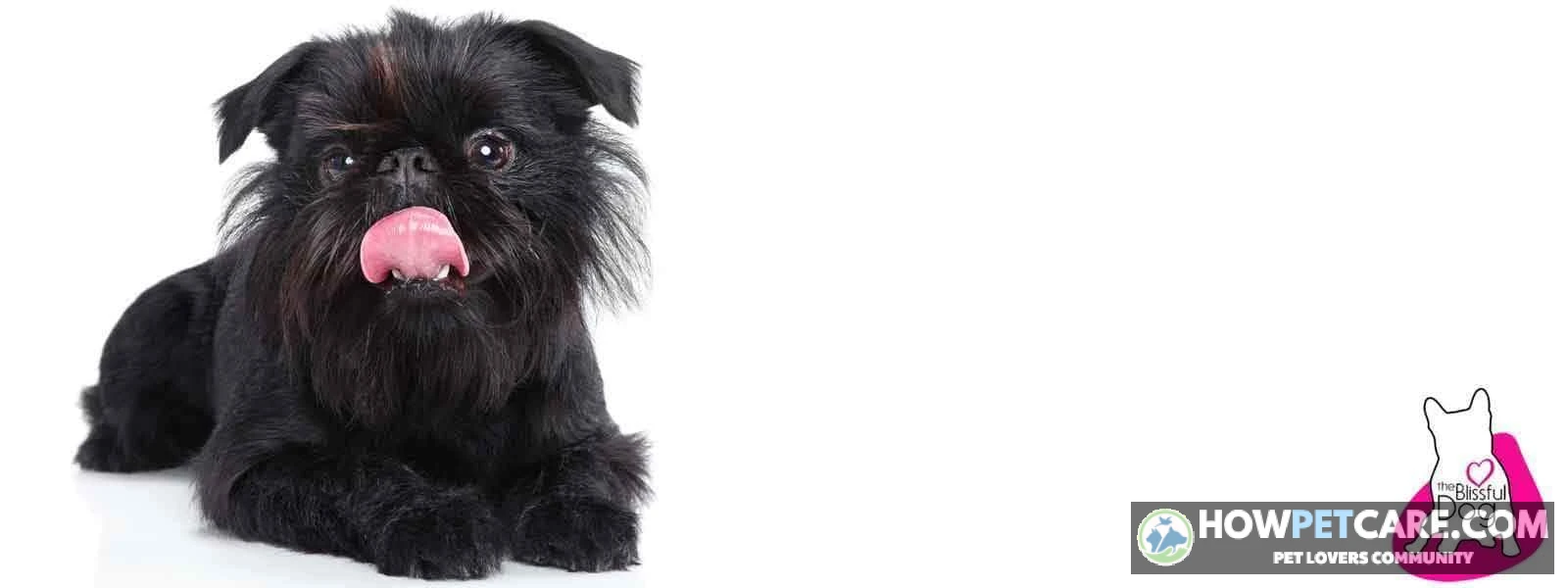
- Other Miniature Canines: Other small breeds, such as the Brussels Griffon, have a similar whiskered, flat-faced expression that can prompt people to use the same description.
If you’re looking for a coffee blend, novelty costume, or viral clip, this guide covers something different: the real-life Affenpinscher, its care needs, and the costs of ownership in 2026.
Affenpinscher Breed Profile at a Glance: Size, Lifespan, Energy and Grooming
Major kennel organizations provide a useful starting point for understanding the breed. The table below outlines the Affenpinscher’s physical traits and what to expect from daily life.
| Trait | Affenpinscher detail | Source or note |
|---|---|---|
| Height | 9–11.5 in at the shoulder | AKC breed standard |
| Weight | 7–10 lb | AKC breed standard |
| Lifespan | About 12–15 years | AKC; individual dogs vary |
| Energy | Moderate: daily walks plus play; needs mental work | Ratter/terrier background |
| Trainability | Smart but independent and sometimes stubborn | Use short, positive sessions |
| Grooming | Weekly brushing; periodic hand-stripping preserves wiry texture | See grooming section |
| Shedding | Low, not zero; not truly hypoallergenic | AKC lists low shedding |
| Barking | Alert watchdog; can be vocal | Start quiet-cue training early |
| Apartment fit | Strong if barking, exercise, and alone-time needs are managed | Size helps; temperament decides |
| Kids / pets / alone time | Usually better with respectful older kids; may chase small pets; dislikes long isolation | Supervise and socialize early |
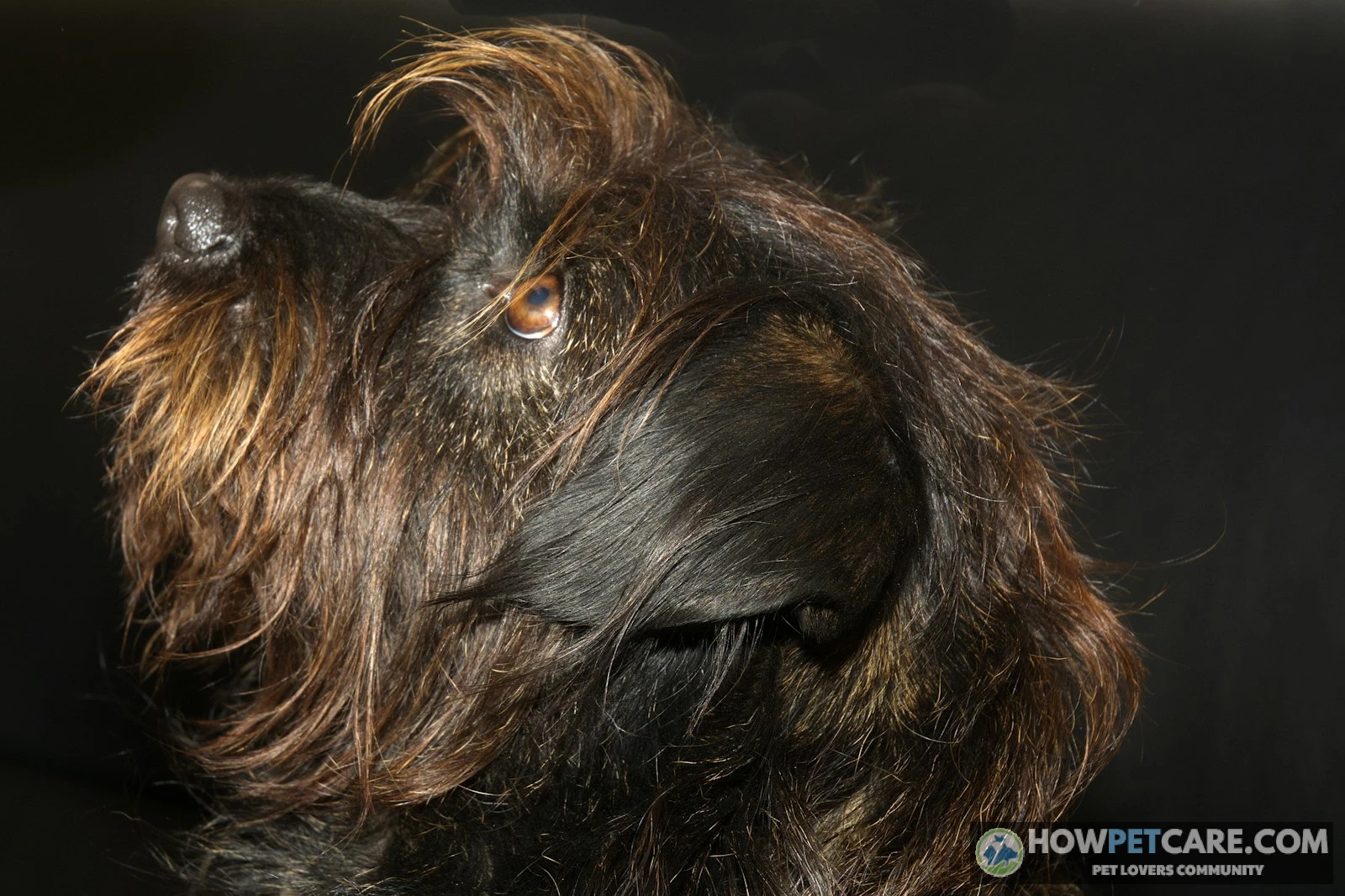
The breed’s dense, wiry coat, prominent lower jaw, and dark, watchful eyes give it an inquisitive expression. According to the American Kennel Club (AKC) breed standard, these compact dogs carry themselves confidently despite their small stature.
Developed in Central Europe during the 17th and 18th centuries, the breed’s earliest ancestors caught rats in stables, kitchens, and shops. Breeders gradually developed smaller companion dogs while preserving their spirited working nature. The breed gained wider attention when an Affenpinscher named Banana Joe (Ch Banana Joe V Tani Kazari) won Best in Show at the 2013 Westminster Kennel Club Dog Show.
These figures reflect established breed averages, but every dog has its own personality. Consider the temperament, health history, and parental traits of any puppy or adult rescue dog you meet.
Affenpinscher Temperament and Daily Life: Apartments, First-Time Owners, Kids and Other Pets
An Affenpinscher brings a bold personality to a small body. Owners often describe these dogs as fearless, affectionate, and loyal to their families. Their history as vermin hunters shows in their alert, inquisitive attention to their surroundings.
They need moderate exercise. A couple of daily walks and indoor play sessions help meet their physical needs and prevent boredom. Puzzle toys and obedience games give their active minds an outlet for that terrier-like drive.
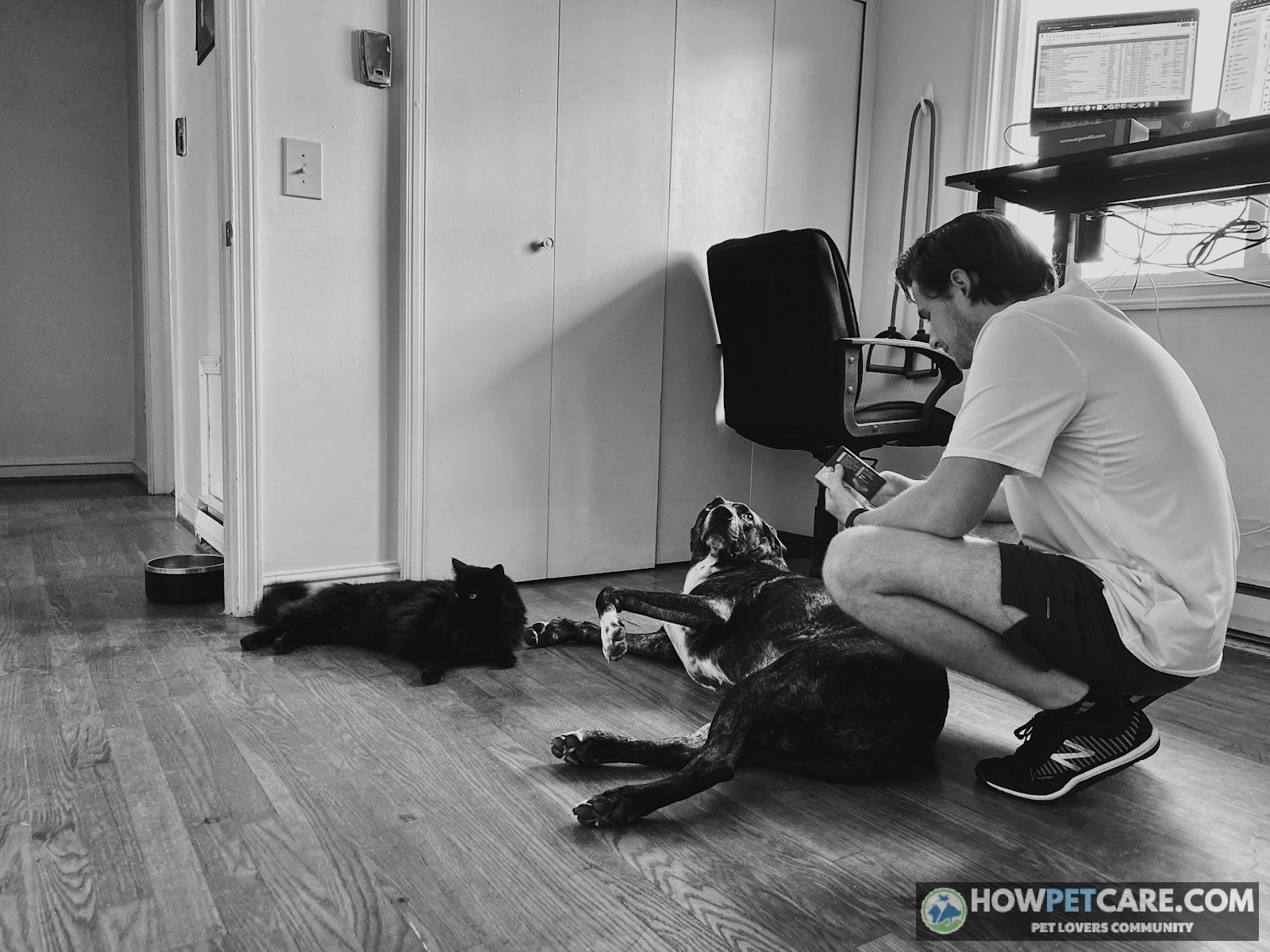
Their size makes them well suited to apartments, but their voices are another consideration. Affenpinschers are watchful dogs that may announce visitors or hallway noises. Teaching a quiet cue early can help when you share a building with neighbors.
Take care around children and other animals. Affenpinschers are sturdy for toy dogs, but rough handling by toddlers can still injure them. They tend to do best with older, respectful children who understand a dog’s boundaries. Their instinct to hunt small pests can also lead them to chase cats, rabbits, or rodents, making early socialization important.
First-time owners can do well with an Affenpinscher if they commit to consistent, positive-reinforcement training. The breed is clever but can be stubborn and independent. Someone looking for a completely compliant, docile lap dog may find its mischievous streak a challenge.
Affenpinscher Health Issues: Brachycephalic Airways, Syringomyelia and Other Small Breed Risks
Affenpinschers are generally hardy for a toy breed, but owners should be aware of specific genetic and structural health risks. Veterinary literature identifies several conditions associated with the breed.
Brachycephalic Obstructive Airway Syndrome (BOAS) is a primary concern. Their shortened faces can be accompanied by narrowed nostrils, an elongated soft palate, or restricted windpipes. Although their brachycephalic traits are generally less pronounced than those of heavily flattened breeds like Pugs, airway resistance remains a recognized risk.
Airway anatomy also contributes to heat sensitivity. Affenpinschers can struggle to regulate their body temperature in hot, humid weather. Watch for these signs of respiratory distress or heat exhaustion:
- Noisy, raspy, or labored breathing
- Excessive, frantic panting
- Bright red, pale, or bluish gums
- Physical collapse or extreme lethargy
If your dog shows signs of heat distress or severe breathing obstruction, move them immediately to an air-conditioned or shaded area. Cool their body with room-temperature or cool water—never ice-cold water, which can constrict blood vessels and worsen shock. Take the dog to an emergency veterinary hospital immediately.
Veterinary studies of toy breeds also examine neurological conditions such as syringomyelia, a complex spinal cord disorder that causes fluid-filled cavities near the brain. Other small-breed orthopedic and systemic risks include patellar luxation (slipping kneecaps), mitral valve heart disease, early-onset dental crowding, and inherited cataracts. Reputable breeders screen parent dogs for cardiac, ophthalmologic, and patellar health to reduce these risks.

How Much Does an Affenpinscher Puppy Cost? Purchase Price and Yearly Ownership Costs
A rare toy breed requires a realistic budget for both the initial purchase and ongoing care. These estimates can help you plan for the expenses of an Affenpinscher.
| Expense | One-time or recurring | Estimated range | Notes and source |
|---|---|---|---|
| Puppy purchase | One-time | $2,500–$4,000 | PetMD-cited reference range; health-tested, contract-backed puppies often sit at the top; very low prices are a red flag |
| Initial vet exam, vaccines, parasite screening | One-time | $150–$400 estimate | Varies by region and what the breeder already completed |
| Spay or neuter | One-time | $200–$600 estimate | Sometimes delayed for toy breeds; ask your vet about timing |
| Microchip | One-time | $25–$75 estimate | May be bundled by breeder or rescue |
| Crate, bed, leash, bowls, gate, ID tags | One-time | $150–$400 estimate | Buy once, buy safe; avoid tiny parts that can be swallowed |
| Food | Recurring | $200–$600 per year estimate | Toy-breed portions are small; quality and treats move the total |
| Routine vet care | Recurring | $300–$800 per year estimate | Wellness exam, vaccines, dental checks, fecal/heartworm prevention vary by clinic |
| Pet insurance | Recurring | $300–$900 per year estimate | Roughly $25–$75/month for many toy dogs; priced higher for brachycephalic risk |
| Grooming or professional stripping | Recurring | $300–$1,200 per year estimate | DIY brushing costs little; pro stripping every 6–10 weeks raises cost |
| Training/socialization | Recurring | $100–$500 first-year estimate | Puppy class plus refreshers; private help costs more |
| Boarding, sitters, licensing, misc. | Recurring | $110–$850 per year estimate | License often $10–$50; travel and long workdays drive sitter costs |
| Planning total | Recurring | About $1,200–$3,500+ per year estimate | Excludes emergencies; keep an emergency fund because airway, dental, and neurological issues can be expensive |
Purchase prices vary by region, pedigree, and whether a puppy is intended for the show ring or a companion home. Heavily discounted puppies advertised online may come from backyard breeders or puppy mills that don’t provide genetic health clearances. Choosing a health-tested puppy can reduce the risk of costly health problems later.

Affenpinscher vs Brussels Griffon, Miniature Pinscher and Pug: Which Monkey-Faced Toy Breed Fits You?
These toy breeds can look similar, but their coats, energy levels, and care needs differ. A side-by-side comparison can help narrow your choice.
| Trait | Affenpinscher | Brussels Griffon | Miniature Pinscher | Pug |
|---|---|---|---|---|
| Size / weight | 9–11.5 in; 7–10 lb | About 7–10 in; often 8–10 lb | 10–12.5 in; 8–10 lb | About 10–13 in; 14–18 lb |
| Lifespan | About 12–15 years | About 12–15 years | About 12–16 years | About 12–15 years |
| Coat and shedding | Wiry, usually black; low shedding | Rough or smooth; rough sheds less, smooth sheds more | Smooth, short; moderate shedding | Smooth double coat; heavy shedding for the size |
| Grooming | Weekly brushing; hand-stripping keeps texture | Rough coat needs stripping/clipping; smooth is easier | Easiest coat: quick brush and nails | Easy coat but wrinkles need cleaning |
| Energy | Moderate; playful, busy, curious | Moderate; clownish but heat-sensitive | High; fast, athletic, escape-prone | Low-moderate; playful but overheats easily |
| Temperament | Confident, mischievous, loyal, stubborn | Sensitive, people-focused, sometimes needy | Bold “big dog” attitude, less monkey-faced | Charming, food-motivated, sociable |
| Brachycephalic/airway risk | Mild-moderate flat-face risk; watch heat | Higher flat-face risk than Affenpinscher | Low; longer muzzle | Highest airway risk in this group |
| First-time fit | Possible with patient positive training | Good for gentle, home-centered owners | Better for active owners who like boundaries | Friendly but heat/airway care is non-negotiable |
| Kid/pet fit | Older respectful kids; may chase small pets | Often affectionate; fragile with toddlers | Better with older kids; strong prey/chase drive | Usually sturdy companion; still supervise with toddlers |
The Affenpinscher and Brussels Griffon have close historical ties: both contributed to each other’s development in Europe. The Griffon comes in several coat colors (red, black-and-tan, belge) and smooth or rough varieties, while the Affenpinscher is known for its crisp, wiry black coat.
The Miniature Pinscher shares the “pinscher” name and a feisty spirit, but its smooth coat and longer muzzle give it a different appearance. The Pug has a sturdier, heavily brachycephalic build. It sheds heavily for its size and needs attentive wrinkle cleaning.
How to Groom an Affenpinscher’s Wiry Coat: Hand-Stripping Step by Step
The Affenpinscher’s weather-resistant wiry coat needs particular care to maintain its texture. Hand-stripping removes dead hairs by hand rather than cutting them.
-
Brush and detangle
Gently remove surface knots with a slicker or pin brush, then run a fine metal greyhound comb down to the skin. Never strip over mats.
-
Check the skin
Check for irritation, parasites, sores, or unusual lumps before pulling any hair. Stop immediately if the skin looks inflamed.
-
Work in small sections
Place your dog securely on a non-slip mat. Hold the surrounding skin taut with one hand and work in the direction of hair growth, from the neck toward the tail.
-
Pull dead coat
Grasp a small pinch of hair between your thumb and a stripping knife or stone. Keep your wrist straight and pull sharply with the grain. If your dog reacts in pain or the hair resists, it isn’t ready.
-
Finish details and bathe
Tidy the beard, eyebrows, and furnishings sparingly by hand. Trim the paw pads with blunt scissors, bathe your dog after the coat settles, and offer plenty of rewards.
Clipping is faster, easier, and less expensive than hand-stripping, but it alters the hair follicles and can leave the coat softer and faded over time. Hand-stripping preserves its harsh, protective texture and rich color. If you’re new to the technique, consider asking a professional groomer to demonstrate it before you try it at home.
How to Find a Reputable Affenpinscher Breeder or Rescue (and Avoid Puppy Mill Scams)
Affenpinschers are relatively uncommon, so finding a healthy puppy calls for patience and care. Scammers and commercial puppy mills often target people looking for rare breeds online.
Use this checklist before committing to a breeder or rescue:
- Verify Health Testing: Ask for documented, verifiable health clearances for both parents, including cardiac, patellar, and eye evaluations, from databases such as the Orthopedic Foundation for Animals (OFA).
- Inspect the Environment: Insist on meeting the dam in person or by live video call, and look at where the puppies are raised. Walk away from parking-lot handoffs.
- Expect Screening Questions: A responsible breeder will ask detailed questions about your schedule, housing, and commitment to grooming.
- Review Written Contracts: Look for a comprehensive purchase agreement with a health guarantee and a lifetime take-back clause in case your circumstances change.
- Beware the Waitlist: Ethical breeders produce limited litters. A seller who claims to have multiple rare breeds constantly available may be running a puppy mill.
- Confirm Veterinary Records: Each puppy should leave with documented vaccination and deworming logs signed by a licensed veterinarian.
- Avoid Payment Traps: Don’t wire money, pay by cryptocurrency, or send untraceable gift cards before verifying the breeder’s legitimacy.

If you’re looking to adopt an adult dog, breed-specific rescues and toy-breed organizations offer alternatives. Expect an application and reference checks, and be prepared to wait because the breed is rare.
Is an Affenpinscher Right for You? Who Should Skip This Breed and Your Next Steps
The breed’s strengths and challenges can help you decide whether it fits your household.
Pros:
- Charming, comical appearance and plenty of personality
- Compact toy size suited to smaller living spaces
- Low dander and minimal shedding compared with heavy-coat breeds
- Loyalty and affection toward family members
Cons:
- Significant purchase and specialized grooming costs
- Potential breathing limitations and heat sensitivity due to brachycephalic traits
- An independent, stubborn streak that calls for patient, consistent training
- Limited rescue availability and breeder waitlists because of the breed’s rarity
Who should skip this breed: People seeking an entirely docile, effortless lap dog; households with boisterous toddlers; owners who work long hours away from home without a pet sitter; and anyone who can’t budget for routine grooming and specialized veterinary care.
Who is likely to thrive: Patient, attentive owners who appreciate a feisty companion, commit to early socialization, and enjoy an active relationship with a clever toy dog.
Your next steps: Revisit the budget table, look for local breed club meetups where you can observe adult Affenpinschers, and consult your veterinarian about a preliminary wellness plan tailored to toy-breed health.
1What does the German word 'Pinscher' translate to in the context of the Affenpinscher's breed name?
The German word 'Pinscher' translates directly to terrier, reflecting the breed's historic role as a vermin hunter.
2Which specific dog brought wider public recognition to the Affenpinscher breed by winning Best in Show at the 2013 Westminster Kennel Club Dog Show?
Ch Banana Joe V Tani Kazari gained national fame for the breed after winning Best in Show at Westminster in 2013.
3Why are Affenpinschers generally better suited for homes with older, respectful children rather than toddlers?
Despite their sturdy nature for a toy breed, their small body frame makes them vulnerable to injury from clumsy or rough toddler play.
4Which physical sign indicates potential respiratory distress or heat exhaustion in an Affenpinscher?
Abnormal gum coloration indicates impaired oxygen intake and vascular strain associated with heat distress or airway blockage.
5What is the recommended emergency protocol regarding water temperature when cooling an overheated Affenpinscher?
Gradual cooling with cool or room-temperature water safely reduces core body temperature without triggering dangerous vascular constriction.
6What is the estimated purchase price range cited for a health-tested Affenpinscher puppy from a reputable source?
Because the breed is rare and requires extensive parental health testing, puppies from contract-backed breeders fall within this range.
7How do the coat and grooming requirements of a Pug differ from those of an Affenpinscher?
Unlike wiry-coated Affenpinschers, Pugs shed significantly more hair and need specialized skin fold care to prevent moisture buildup.
8What is the primary drawback of using electric clippers on an Affenpinscher's coat instead of hand-stripping?
Cutting wiry hair removes the mature outer guard hairs, causing the regrowth to lose its harsh texture and rich color intensity.
9Which seller practice serves as a warning sign of a potential puppy mill scam when searching for an Affenpinscher?
Ethical breeders focus on limited litters; maintaining continuous stock of several rare breeds signals commercial breeding facilities.
10Which activity helps satisfy an Affenpinscher's active mind and terrier-like drive while keeping them mentally engaged?
Mental exercise such as puzzle toys engages their inquisitive intelligence and prevents boredom in working-derived toy breeds.
| Breed Name | Size / Weight | Lifespan | Coat and Shedding | Grooming Needs | Energy Level | Temperament | Brachycephalic / Airway Risk | Suitable Owner / Household Fit |
|---|---|---|---|---|---|---|---|---|
| Affenpinscher | 9–11.5 in; 7–10 lb | About 12–15 years | Wiry, usually black; low shedding | Weekly brushing; hand-stripping keeps texture | Moderate; playful, busy, curious | Confident, mischievous, loyal, stubborn | Mild-moderate flat-face risk; watch heat | Possible with patient positive training for first-time owners; suitable for older respectful kids; may chase small pets |
| Brussels Griffon | About 7–10 in; often 8–10 lb | About 12–15 years | Rough or smooth; rough sheds less, smooth sheds more | Rough coat needs stripping/clipping; smooth is easier | Moderate; clownish but heat-sensitive | Sensitive, people-focused, sometimes needy | Higher flat-face risk than Affenpinscher | Good for gentle, home-centered owners; often affectionate; fragile with toddlers |
| Miniature Pinscher | 10–12.5 in; 8–10 lb | About 12–16 years | Smooth, short; moderate shedding | Easiest coat: quick brush and nails | High; fast, athletic, escape-prone | Bold “big dog” attitude, less monkey-faced | Low; longer muzzle | Better for active owners who like boundaries; better with older kids; strong prey/chase drive |
| Pug | About 10–13 in; 14–18 lb | About 12–15 years | Smooth double coat; heavy shedding for the size | Easy coat but wrinkles need cleaning | Low-moderate; playful but overheats easily | Charming, food-motivated, sociable | Highest airway risk in this group | Friendly but heat/airway care is non-negotiable; usually sturdy companion, still supervise with toddlers |
FAQ
Are Affenpinschers hypoallergenic?
No dog is completely hypoallergenic, because allergens come from dander, saliva and urine as well as hair. Affenpinschers shed little, which helps some allergy sufferers, but anyone with allergies should spend time with the breed before committing.
Are there differences between male and female Affenpinschers?
No well-documented breed-specific temperament or care differences exist between the sexes. Individual personality, early socialization and training matter more, so ask the breeder about the parents’ temperaments.
How much should I feed an Affenpinscher?
Portions depend on the food’s calorie content, the dog’s age, weight and activity level. Start with the amount on the food label, split it into meals, and ask your vet to adjust it, because toy breeds gain weight easily.
What should I do if my Affenpinscher struggles to breathe or overheats?
Move the dog to a cool, shaded or air-conditioned space, offer small amounts of water, and cool the body with room-temperature or cool (not ice-cold) water. Call a veterinarian or emergency clinic immediately, because overheating and airway distress can become life-threatening quickly.
What vaccines does an Affenpinscher puppy need?
Puppies generally receive the core vaccines against distemper, parvovirus, adenovirus and rabies, plus others a vet recommends for your area. Your veterinarian will set the exact schedule, which usually begins at several weeks of age and continues through puppyhood.
Do Affenpinschers bark a lot?
They can be vocal, especially when alerting to noises or when bored. Early training and enough daily mental stimulation help, but you should still expect some barking, which matters in apartments.