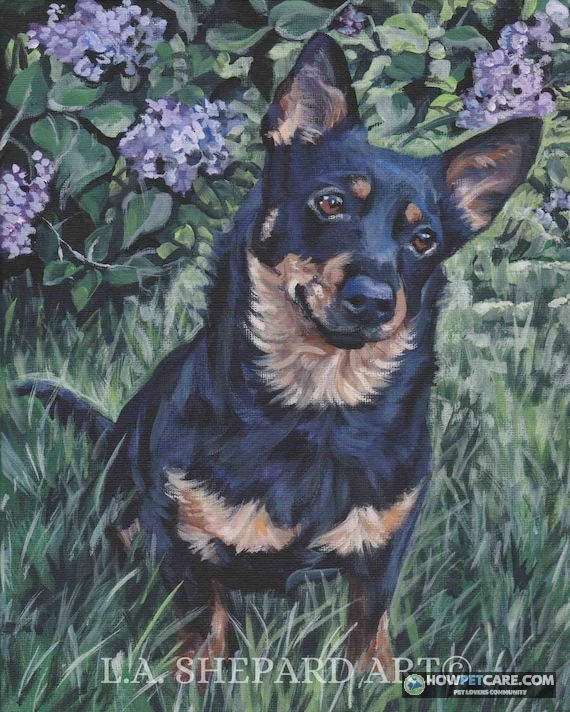

The best-supported Lancashire Heeler lifespan figure is a 15.4-year average, reported by a 2024 Dogs Trust study in Scientific Reports — the longest-lived breed in its dataset. General breed profiles more often quote 12–15 years. Treat both as population context, not a prediction for an individual dog.
How Long Do Lancashire Heelers Live? The Evidence-Based Answer
The best-supported reported average lifespan for a Lancashire Heeler is 15.4 years, drawn from a 2024 Dogs Trust study in Scientific Reports. That study ranked the breed as the longest-lived in its dataset. Keep in mind that this is a population-level finding, not a promise that any individual dog will reach that age.
You’ll often see a Lancashire Heeler life expectancy quoted at roughly 12–15 years. That range still works as a general expectation, though the 15.4-year figure ties more directly to recorded data. In the same Dogs Trust research, the average for purebred dogs came to 12.7 years.
So how long do Lancashire Heelers live? The most defensible short answer to the Lancashire Heeler lifespan question: published estimates commonly land at 12–15 years, while the Dogs Trust study reported a 15.4-year average. The gap exists because estimates and measured study results aren’t the same thing. Below, I’ll explain the difference, compare the breed with similar dogs, and walk through the health checks and care that can protect an individual dog’s well-being.
Why Sources Report 9-14, 12-14, 12-15 and 15.4 Years
Lifespan figures vary because breed profiles tend to repeat estimates without naming a dataset. A number can feel authoritative simply from being repeated, even when nobody can trace where it started. The 15.4-year result is different: it comes from a named study drawing on Dogs Trust data.
The figures also describe different kinds of information. A lifespan range is usually an expectation or a summary estimate; a study’s average is calculated from the data gathered for that research. Neither one tells an owner exactly how long a particular dog will live.
Where each lifespan figure comes from
| Reported lifespan | Typical source type | Cited data behind it? | Likely explanation for the difference | Reliability |
|---|---|---|---|---|
| 9–14 years | Older breed guides, including PetGuide’s summary | No traceable breed-specific dataset in the verified evidence available for this article | May reflect an older estimate or limited anecdotal information; without a traceable source, its origin cannot be confirmed | Low as a current benchmark |
| 12–14 years | Breed or kennel-club-style estimates | No measured dataset identified in the verified evidence available for this article | May be an estimate based on experience rather than recorded deaths | Unclear; treat as an estimate |
| 12–15 years | Common breed-profile range | General sources report it, but the range itself is not tied here to a study | A widely repeated expectation, not necessarily a directly measured average | Useful as a broad expectation, with source limitations |
| 15.4 years | Dogs Trust study published in Scientific Reports in 2024 | Yes; the study reported this breed-level result | A measured study finding rather than an unsourced profile range | Best-supported figure in the verified evidence, with study limitations |
Don’t treat the 9–14-year figure as equally well supported just because a breed guide prints it. The verified material doesn’t establish which original sample or method produced it, so calling it flatly outdated would go further than the evidence allows. Safer to label it an unverified older estimate and give more weight to the traceable study result.
Is 15.4 years more reliable than 12-15?
For a data-backed benchmark, yes. The 15.4-year figure is more reliable because it traces to a named study, whereas the commonly repeated 12–15-year range is an estimate. That doesn’t mean every Lancashire Heeler should reach 15.4 years, or that the result applies identically to dogs in every country. A population average can absorb both dogs that die young and dogs that live well past it.
 You might be wonderingAnxious dog breedsAnxious Dog Breeds: Ranked by Anxiety Type, With Study DataRead the answer
Inside the Dogs Trust Study: Sample, Method and What 15.4 Years Represents
The 15.4-year figure comes from a broad Dogs Trust study published in Scientific Reports in 2024. According to the verified research notes, it draws on UK-based veterinary-record and owner-reported data and identifies the breed’s result as an average lifespan. The same study reported a 12.7-year average for purebred dogs and 12.0 years for crossbred dogs.
A reported figure like this tells you more than an unsourced range, but it isn’t a guarantee or a precise forecast for any single dog. The verified evidence here doesn’t provide the Lancashire Heeler sample size, confidence interval, or enough methodological detail to state those specifics responsibly. And because the breed is relatively uncommon, its estimate may be less precise than figures for breeds represented by many more dogs. Anyone wanting to make a more specific claim should consult the underlying article for its exact sample and statistical uncertainty.
The study’s UK data may not perfectly represent Lancashire Heelers living in the United States. Nor does the available evidence establish a breed-specific comparison by sex, so owners shouldn’t assume females of this breed outlive males just because that pattern shows up in general dog populations.
For US readers, the American Kennel Club recognized the Lancashire Heeler in 2024 and placed it in the herding group. Those facts help pin down which breed we’re talking about, but they don’t change what a lifespan average means.
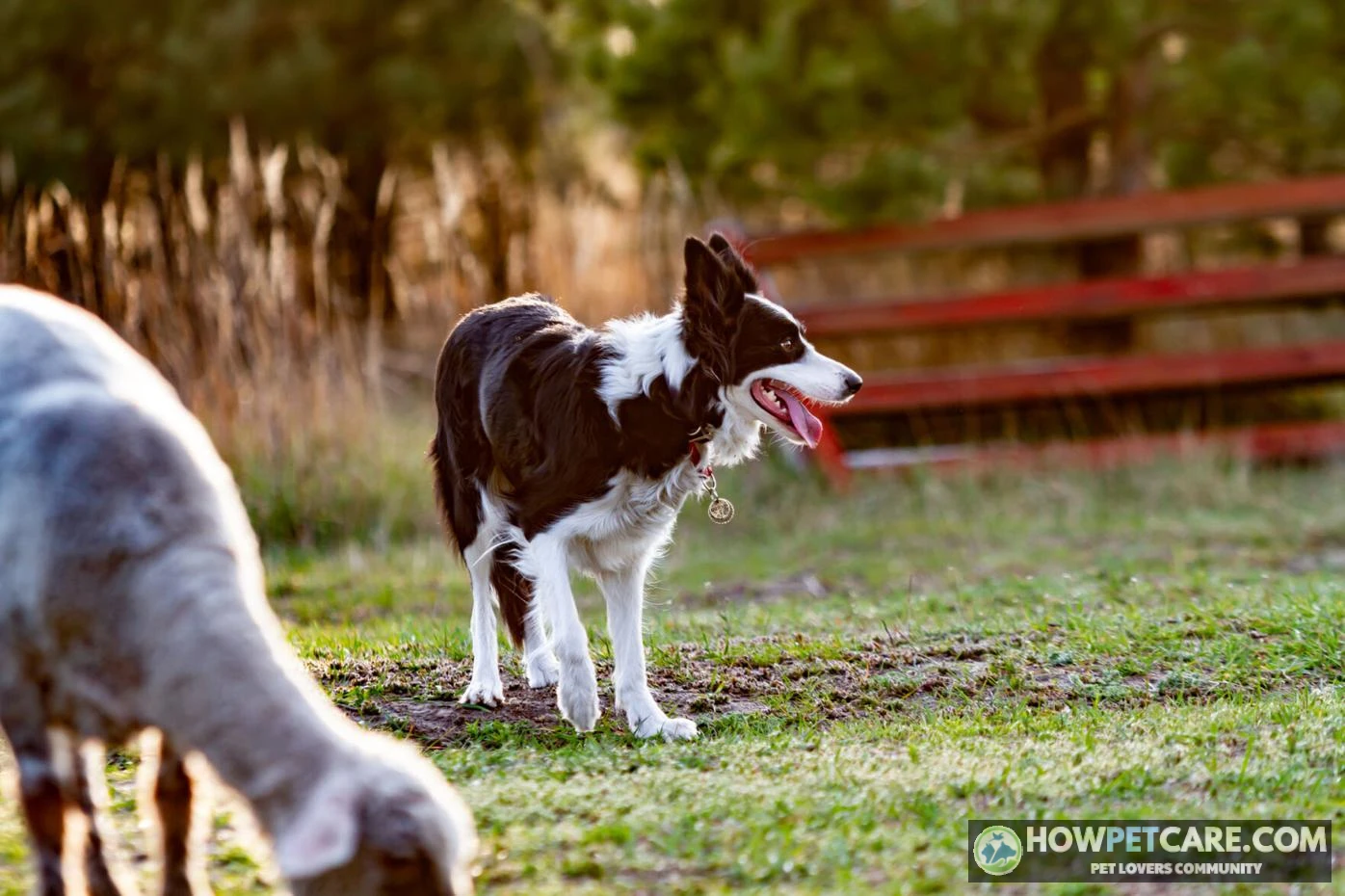
Lancashire Heeler vs Other Small Breeds and the All-Dog Average
The comparison below separates what the verified evidence supports from breed-specific numbers I couldn’t confirm. Dropping in exact Cardigan Welsh Corgi or Manchester Terrier figures would mislead you, since there’s no traceable value for them in the Dogs Trust ranked data.
| Breed or group | Average lifespan (years) | Difference vs Lancashire Heeler | Breed group or type | Notes |
|---|---|---|---|---|
| Lancashire Heeler | 15.4 | — | Small herding breed | Reported in the 2024 Dogs Trust study; the breed ranked highest in that dataset |
| Cardigan Welsh Corgi | Not verified here | Not calculated | Herding breed | A useful comparison, but an exact Dogs Trust figure is not available in the verified evidence |
| Manchester Terrier | Not verified here | Not calculated | Terrier | A similar small-breed comparison; an exact Dogs Trust figure is not available in the verified evidence |
| Purebred dogs, all breeds | 12.7 | 2.7 years lower than the Lancashire Heeler result | Reference group | Dogs Trust study average |
| Crossbred dogs, all breeds | 12.0 | 3.4 years lower than the Lancashire Heeler result | Reference group | Dogs Trust study average |
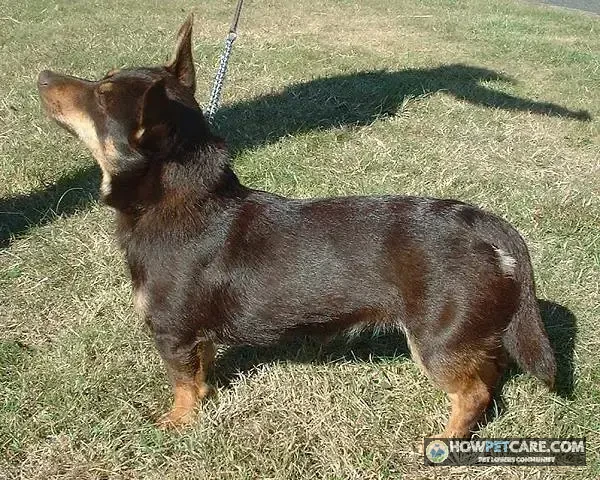
The study’s breed ranking puts the Lancashire Heeler near the top of the published data, but that doesn’t mean the breed will outlive every individual Cardigan Welsh Corgi or Manchester Terrier. Breed averages are population comparisons, not promises about a single dog. And the verified evidence doesn’t support any specific explanation for why the Heeler differs from either named breed.
Which Lancashire Heeler Health Problems Shorten Life and Which Are Manageable
The Lancashire Heeler health problems that breed information tends to flag are inherited eye conditions and patellar luxation. They don’t all carry the same risk. Some mainly affect comfort or vision, while serious, untreated disease can take a real toll on welfare. The evidence here doesn’t identify breed-specific leading causes of death, so no cause-of-death ranking or percentages should be inferred.
| Condition | Can it shorten life? | Severity range | Screening or test | Management or treatment |
|---|---|---|---|---|
| Primary lens luxation (PLL) | Potentially, indirectly: a displaced lens can cause pain and serious eye complications if not treated | Can become a serious, urgent eye problem | DNA test and veterinary eye exams | Prompt veterinary assessment and treatment; ask a veterinarian about the options for an affected dog |
| Collie eye anomaly (CEA) | Usually not in mild cases; severe disease can affect vision and quality of life | Varies from mild findings to significant eye disease | DNA testing and eye examination | A veterinary eye professional can explain the individual result and follow-up |
| Persistent pupillary membranes (PPM) | Typically no; it is often a minor finding | Often mild, though an eye exam determines significance | Eye examination | Often no treatment is needed, but follow veterinary advice |
| Patellar luxation | Usually a mobility and pain concern rather than a direct life-shortening condition | Can range from mild to more serious | Veterinary examination; ask about an Orthopedic Foundation for Animals (OFA) patella evaluation for breeding dogs | Maintain a healthy weight and discuss pain or mobility changes with a veterinarian |
Eye conditions: PLL, CEA and PPM
Primary lens luxation is an inherited eye condition where the lens shifts out of its normal position. It can turn painful and needs prompt veterinary attention. A DNA test exists, which makes testing relevant when you’re evaluating breeding dogs. The test flags inherited risk, but it doesn’t replace an eye examination or veterinary care.
CEA varies in severity. Mild cases may barely affect daily life, while more serious eye changes can impair vision. PPM is generally considered more manageable and often has little effect on lifespan, though an eye-care professional can decide whether a given finding needs monitoring.
Joint problems: patellar luxation
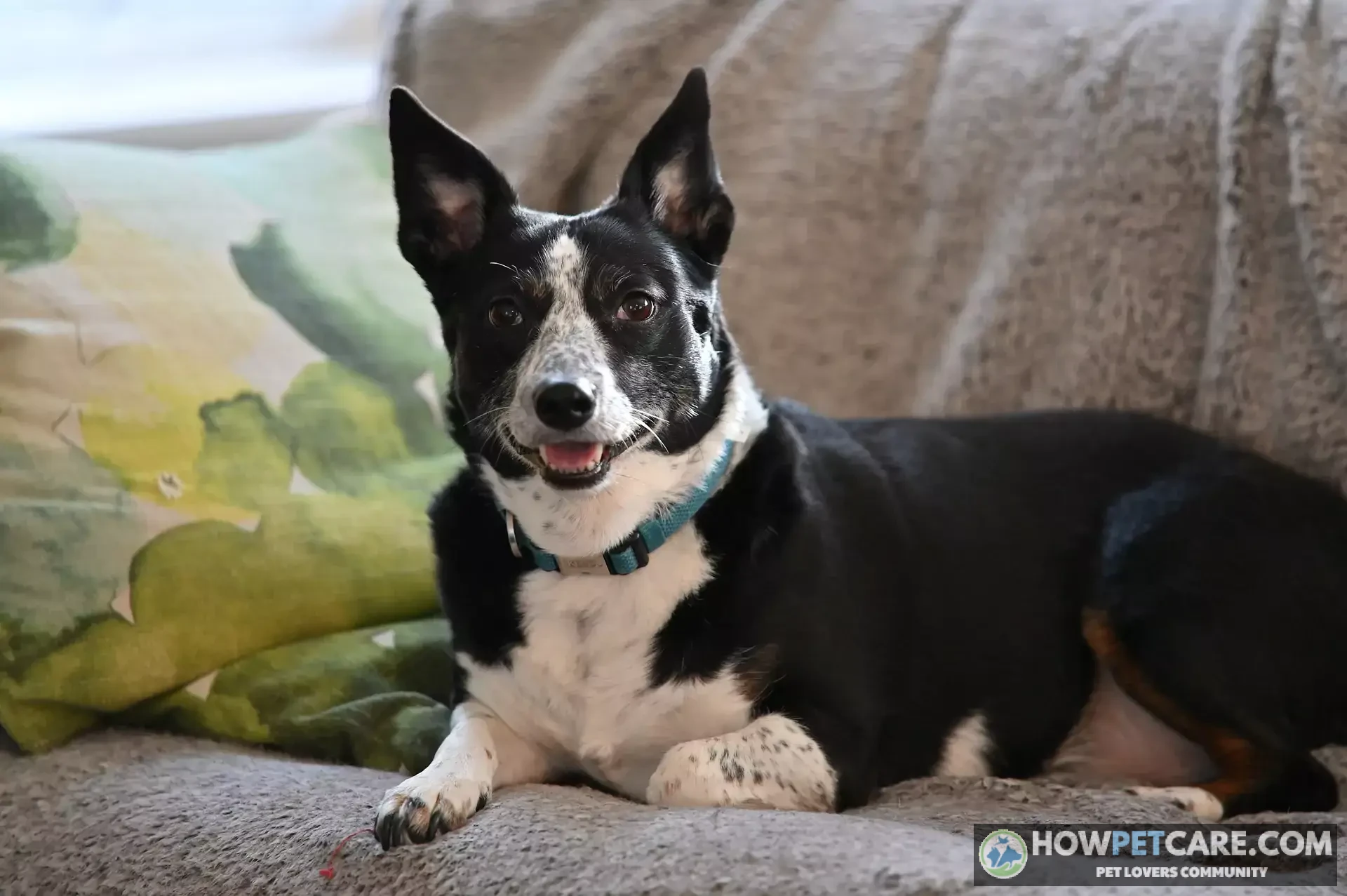
Patellar luxation happens when the kneecap slides out of its normal position. It can interfere with comfortable movement, but it isn’t automatically a life-shortening diagnosis. Have a veterinarian look at any dog that skips, hops, or seems reluctant to use a leg. Keeping a dog lean helps spare its joints unnecessary pressure. Extra weight stresses the musculoskeletal system and chips away at fitness in a small breed like this.

What we do and do not know about causes of death
The verified evidence points to a gap in breed-specific statistics on the leading causes of death for Lancashire Heelers. So it would be inaccurate to name PLL, cancer, heart disease, kidney disease, or anything else as the breed’s leading cause of death without suitable data. Focus instead on the risks you can act on: arrange the recommended screening, deal with eye or mobility changes early, keep your dog at a healthy body condition, and follow your veterinarian’s preventive-care advice.
Lancashire Heeler Age in Human Years and Life-Stage Screening Timeline
There’s no exact conversion from dog years to human years. The familiar rule that one dog year equals seven human years is a rough shortcut, not a reliable way to figure out a Lancashire Heeler’s age. Small dogs don’t even age at the same pace across their whole life. As a small breed, the Lancashire Heeler tends to mature quickly in its early years and then age more slowly than a larger dog, so any straight-line conversion understates a young adult’s maturity and overstates an older dog’s. Lean on a veterinary life-stage assessment rather than treating a conversion chart as a prediction.
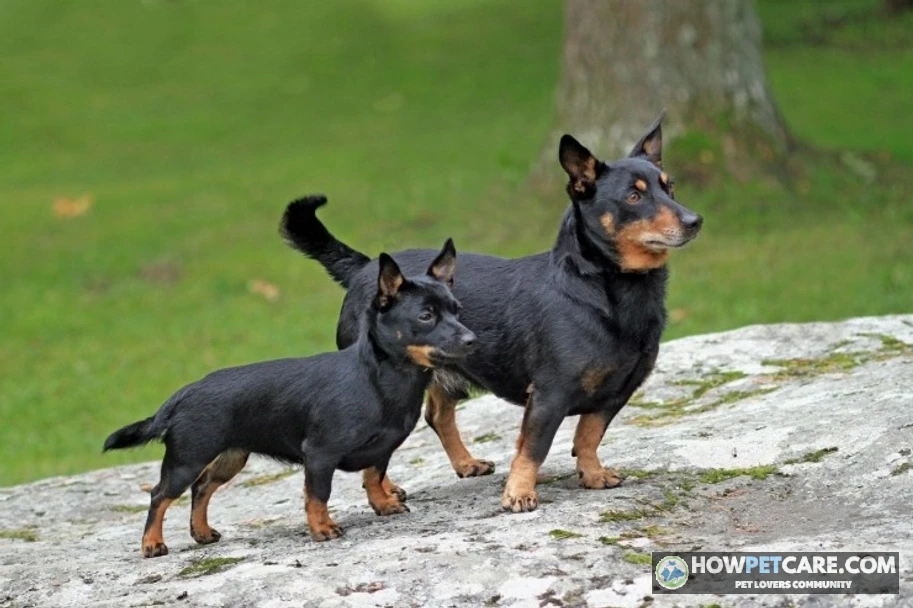
Small breeds often count as senior around 8–10 years, but the right threshold depends on the individual dog and your veterinarian’s judgment. As a practical rule, talk about moving to twice-yearly checkups once your Heeler enters its senior years, or sooner if a health issue calls for closer monitoring.
Puppy and young adult checks
- Before you bring a puppy home, ask for the parents’ available PLL and CEA results and documentation of any patella evaluation.
- Arrange a vet visit soon after the puppy arrives. Have the veterinarian review the breeder’s records, examine the eyes and knees, and set a weight and body-condition baseline.
- If eye screening wasn’t done or the records are incomplete, ask whether a veterinary ophthalmologist should examine the puppy, and when to schedule it.

Adult years: annual routine
- Keep the annual wellness visit and log weight and body condition so gradual changes are easier to catch.
- Ask for an oral and dental check at routine visits, and follow your veterinarian’s advice on home care and professional cleaning.
- Ask how often eye rechecks make sense for your dog, especially with a known inherited risk or any change in vision.
- Report limping, hopping, hesitation on the stairs, eye pain, or sudden behavior changes instead of waiting for the next routine appointment.
Senior dog care: what changes and when
- At senior onset—often around 8–10 years for a small dog—talk about moving from annual to twice-yearly vet visits.
- Ask whether bloodwork, blood pressure measurement, and other tests suit your dog, and how often to repeat them.
- Review dental health, vision, mobility, pain, and body condition at each follow-up. Testing schedules should reflect your dog’s health and the veterinary findings, not an automatic one-size-fits-all calendar.
- Adjust activity as needed. Shorter, more frequent walks and comfortable, lower-impact play often suit an older dog better than long or strenuous outings. Check with your veterinarian before making substantial changes, especially if the dog has a medical condition.
- Reassess food portions and energy needs if activity drops or weight shifts. A senior diet isn’t automatically required; pick food with your veterinarian based on the dog’s condition.
How to Help Your Lancashire Heeler Reach the Upper End of Its Lifespan
No care plan can promise a particular lifespan. The most useful approach is to cut avoidable health risks and catch problems early. Responsible breeding and genetic health testing help flag inherited risk, while routine care supports comfort and general health.
Questions to ask a breeder about health testing
Ask to see records for both parents instead of taking a verbal assurance that they’re healthy. Request PLL DNA results and CEA testing information, and ask whether the breeding dogs have had a patella evaluation, such as one through the OFA. A veterinarian or qualified eye professional can help interpret the records when their meaning is unclear.
Ask when the most recent eye exams were done and whether the breeder has produced puppies with eye or knee problems. A clean result or screening record can reduce uncertainty, but it can’t guarantee that a puppy will never develop a health problem or reach a particular age. Screening also doesn’t replace exams throughout the dog’s life.

Daily habits that protect longevity
- Keep your dog lean. Ask your veterinarian to assess body condition and recommend an appropriate feeding plan. Extra weight stresses the joints—a real concern for a small dog with possible patellar problems.
- Build a dental routine. Brush regularly if your dog tolerates it, and ask how often professional dental care makes sense. Dental care is a core part of preventive health, but don’t treat it as a guarantee of longer life.
- Provide regular, suitable activity. Lancashire Heelers are herding-type dogs, so give them chances to move and to work their minds. Match intensity and duration to age, fitness, and veterinary advice; ease the impact or split activity into shorter sessions as your dog ages.
- Keep up with preventive visits and screening. Bring changes in eyesight, mobility, appetite, or behavior to your veterinarian promptly. Early evaluation matters most for painful eye conditions.
- Follow an individualized food plan. Choose a complete diet and portion size with your veterinarian, and revisit the plan when weight, activity, or health changes.

The clearest evidence-based distinction is between measurable risks and broad good practice. Genetic tests and veterinary exams can identify or monitor specific conditions; weight control, dental care, and suitable activity are sensible measures rather than a guaranteed way to extend life.
Your Next Steps: A Longevity Checklist for Buyers and Current Owners
If you are considering a puppy:
- Treat 15.4 years as a study benchmark, not a guarantee.
- Ask for the parents’ PLL DNA results, CEA testing records, and patella evaluation documentation.
- Plan an early vet visit and ask which eye and joint checks are appropriate.
If your Heeler is an adult:
- Keep the annual wellness visits and ask for a body-condition and dental review.
- Discuss eye screening, and report changes in vision or movement promptly.
- Set up a practical dental routine and keep activity suited to your dog’s fitness.
If your Heeler is a senior:
- Ask your veterinarian whether it’s time to move to twice-yearly visits; small dogs often count as seniors around 8–10 years, but the timing is individual.
- Review mobility, pain, vision, dental health, and body condition at each visit.
- Talk through whether bloodwork, blood pressure checks, or changes to food and exercise make sense.
The most reliable current benchmark in the verified evidence is the Dogs Trust study’s 15.4-year result, while 12–15 years remains a commonly reported general range. Treat either figure as context—not a promise—and work with your veterinarian to manage the risks that can be screened for and the health changes you can act on.
 You might be wonderingLow energy dog breedsLow Energy Dog Breeds: 12 Calm Companions ComparedRead the answer
FAQ
What is primary lens luxation and does it affect Lancashire Heelers?
Primary lens luxation (PLL) is an inherited condition in which the lens of the eye slips out of position, which can cause pain, glaucoma and vision loss. It is known in Lancashire Heelers, and a DNA test is available, so responsible breeders test their breeding dogs for it.
Are Lancashire Heelers good family dogs?
They can be good companions for active families, since they are small, affectionate and energetic herding-type dogs. They need daily exercise, mental stimulation and early training, and they suit households that can provide these.
Do female Lancashire Heelers live longer than males?
Across all dogs, some large datasets show females living slightly longer, but that does not necessarily apply to one breed. Check whether the Dogs Trust study reports a breed-level sex split before assuming a difference.
Which DNA tests and screenings should a Lancashire Heeler breeder provide?
Ask for PLL DNA test results, a CEA DNA test or eye exam by a veterinary eye specialist, and a patella evaluation such as OFA. The breeder should show results for both parents rather than just say the dogs are healthy.
Do Lancashire Heelers have many health problems?
The breed has a few known inherited conditions, mainly affecting the eyes and knees, and several can be screened for before breeding. The Dogs Trust figure of 15.4 years suggests these have not prevented the breed from living long on average.