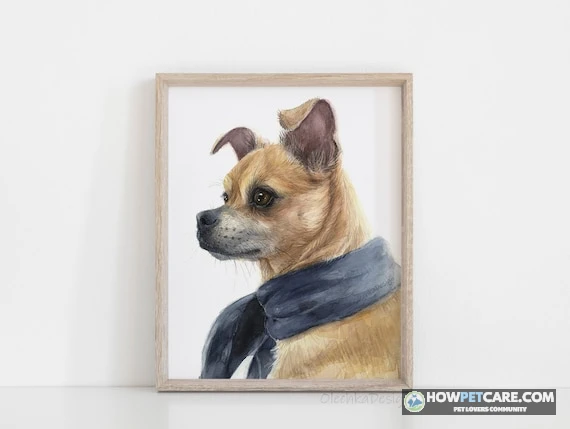

A Chihuahua Pug mix — called a Chug, Pughuahua, or Pugwawa — is a first-generation cross between a purebred Chihuahua and a purebred Pug. Chugs typically weigh 10–20 lb, stand 8–14 in tall, live roughly 10–16 years, and blend the Chihuahua’s alertness with the Pug’s sociable nature.
Is a Chihuahua Pug Mix Right for You? The Decision in Brief
A Chug (also called a Chihuahua‑Pug mix, a Pughuahua, or a Pugwawa) is a first‑generation cross between a purebred Chihuahua and a purebred Pug. The American Kennel Club does not recognize the Chug as a breed, so its appearance, size, and temperament can vary widely. For a beginner, this mix offers a compact companion that may suit apartment living, along with health and behavior traits from both parent breeds. Chugs blend the Chihuahua’s alertness with the Pug’s sociability, but may also inherit brachycephalic airway problems, patellar luxation, and moderate shedding.
Chug Fit Scorecard: Score Your Household in 2 Minutes
Give yourself 0, 1, or 2 points for each line, then use the verdict key.
- Space and noise: 0 = shared walls and strict noise rules; 1 = apartment with tolerant neighbors; 2 = detached home or barking is manageable.
- Time at home: 0 = away 9+ hours most days; 1 = away 5‒8 hours; 2 = home often or can use a walker/day care.
- Training patience: 0 = want an instantly obedient first dog; 1 = can do short daily sessions; 2 = enjoy training a clever, sometimes stubborn dog.
- Heat and breathing tolerance: 0 = hot climate, want running/hiking partner, dislike snorting/noisy breathing; 1 = warm climate with indoor cooling; 2 = cool/moderate climate and willing to watch breathing closely.
- Budget cushion: 0 = only adoption/purchase fee saved; 1 = can cover routine care plus about 1,000 emergency buffer; 2 = can cover insurance plus2,000–4,000+ for airway, dental, eye, or orthopedic surprises.
- Kids and handling: 0 = toddlers who grab or drop; 1 = kids 8+ who can be coached; 2 = adults/teens or very supervised gentle children.
Verdict: 0‑4 = probably not yet, or compare parent breeds/rescue adult first; 5‑8 = maybe, if you choose an adult with known behavior and budget for vet risk; 9‑12 = reasonable Chug candidate, provided you accept barking, shedding, stubbornness, and breathing‑risk variability.
If you score 9‑12, you may be a good fit for a Chug, but be ready for the realities of owning a designer mix.
Chug Size and Lifespan: Reconcile the Conflicting Numbers
How to interpret a Chug puppy’s adult-size estimate
Published height and weight figures for a Chihuahua Pug mix fall into two common ranges:
- Height: 6‑12 in. (often cited when the Chihuahua parent is tiny) vs. 10‑14 in. (when the Pug side dominates). There is no standardized breed specification, and veterinarians and breeders may measure at the shoulder differently.
- Weight: 10‑20 lb. (most frequent) vs. 6‒8 lb. or up to 20‑25 lb. (extreme parent influences). Weight varies most because later‑generation crosses may inherit the Pug’s stockier frame or the Chihuahua’s petite build.
- Lifespan: Sources cite 10‑13, 12‑15, or 13‑16 years. Shorter estimates may reflect airway, dental, eye, or orthopedic problems; longer ranges assume lower body weight, good conditioning, and prompt veterinary care.

Practical estimate: Plan for an adult Chug of roughly 10‑20 lb and 8‑14 in at the shoulder. Use a 10‑16‑year planning window for lifespan, while keeping in mind that each dog’s health will shape its longevity.
Why F1 and later‑generation Chugs can look different
An F1 (first‑generation) cross pairs one pure Chihuahua with one pure Pug, giving the puppy a roughly even blend of genes. Later, breeders may back‑cross, breed an F1 to a Pug, or breed an F1 to a Chihuahua, creating later‑generation mixes. Each cross can shift traits such as coat length, ear set, and tail curl. Even littermates may look more like one parent than the other, and generational differences help explain the wide size ranges in published lists.

When you meet a Chug puppy, ask the breeder for the parents’ measured heights and weights, not just visual estimates. A photo of the parents standing side‑by‑side gives a clearer picture of the likely adult size range for the litter.
Chug Quick Facts: Which Numbers Are Most Supported?
Weight: Plan for roughly 10‑20 lb as an adult. Published lists often cluster around 10‑20 lb; lower claims near 6‒8 lb usually assume a very small Chihuahua parent, while higher claims near 20‑25 lb can reflect a heavier Pug parent or later‑generation variation.
Height: A practical shoulder‑height estimate is 8‑14 in. Sources differ: some cite the tiny end of Chihuahua mixes, while others use Pug height. There is no standard for an F1 Chihuahua Pug hybrid.
Lifespan: Use 10‑16 years for planning, not as a promise. Shorter reports may reflect small samples or dogs with airway, dental, eye, or orthopedic problems; longer reports often assume lower body weight, good conditioning, and prompt vet care.
Reality check: Ask for the parents’ weights, heights, ages, and vet history. For a puppy, a range and parent photos are more honest than a breeder’s single guaranteed number.
Chug Size, Lifespan, and Care Estimates: Reported Ranges and Practical Guidance
| Measure or need | Reported or practical range | Why figures vary | How to use the estimate |
|---|---|---|---|
| Adult weight | 10‑20 lb (some 6‒8 lb or up to 20‑25 lb) | Parent dominance and generation | Expect the middle range; plan for a 12‑15 lb adult as a realistic baseline |
| Height at shoulder | 6‑12 in (or 8‑14 in) | Measurement conventions and which parent contributes height | Use 10‑12 in for planning, but be ready for the taller end if the Pug side is strong |
| Lifespan | 10‑13, 12‑15, or 13‑16 years | Health, weight, and access to veterinary care | Budget for a 12‑13 year average, but be prepared for either side of the range |
| Daily exercise | 30‑60 min (split into 2‑3 sessions) | Brachycephalic heat intolerance limits stamina | Start with 30 min and add minutes as the dog builds fitness; avoid hot weather sessions |
| Food portions | 0.5–1.5 cups per day (varies with weight) | Metabolism, activity level, life stage | Measure daily based on body condition; a vet can fine‑tune the exact amount |
| Grooming frequency | Weekly brushing for short coats; 2–3 times per week for longer/dense coats | Coat type inherited from parents | Brush regularly to control shedding; no coat makes a Chug reliably hypoallergenic |
These figures offer a practical overview while recognizing that mixed-breed dogs vary.
Chug vs. Chihuahua vs. Pug: Which Fits Your Household?
Which Should You Get: Chug vs. Chihuahua vs. Pug
| Decision criterion | Chug | Chihuahua | Pug | Best fit cue |
|---|---|---|---|---|
| Adult size predictability | Low to moderate; often around 10‑20 lb, F1 varies | More predictable tiny companion, commonly under ~6 lb for breed standard | More predictable stocky small dog, often ~14‑18 lb | Choose Chug only if size range is acceptable |
| Breathing/heat risk | Variable; can inherit Pug airway risk | Lower brachycephalic risk than Pug/Chug, but tiny‑dog issues exist | Highest concern: BOAS, heat intolerance, eye exposure | Avoid Pug‑leaning dogs if you need heat‑hardy exercise partner |
| Barking/alertness | Can be alert like Chihuahua or sociable like Pug; not reliably quiet | Often vigilant and vocal | Often people‑focused; snorting/snore may replace some barking | Thin walls favor calm adult rescue, not a guaranteed quiet puppy |
| Trainability | Smart but may be stubborn or attachment‑prone | Bright, portable, may be one‑person and stubborn | Food‑motivated, clownish, can be distractible | Beginner can succeed with routines, but not automatic ease |
| Kids under 8 | Supervision and gentle handling required; size is fragile | Fragile; may snap if frightened or handled roughly | Sturdier than Chihuahua but eyes/airway need protection | Young kids often fit a sturdier adult rescue better |
| Seniors | Good lap size if calm adult and care needs are manageable | Very portable; can be sharp‑tempered or fragile | Affectionate, but heat/airway bills can be higher | Seniors should prioritize known adult temperament and low care burden |
| Multi‑pet homes | Variable; early socialization matters | May be bossy despite size | Often sociable, but food guarding and breathing limits possible | Meet the actual dog; do not assume mix is automatically dog‑friendly |
| Acquisition cost | Designer pricing can be high despite mixed status | Often lower purchase cost, but tiny‑dog vet needs remain | Purebred price can be high; rescue may reduce fee | Do not pay a premium for the label alone |
Chug, Chihuahua, and Pug: Side‑by‑Side Ownership Comparison
| Trait | Chug | Chihuahua | Pug |
|---|---|---|---|
| Adult size (weight) | 10‑20 lb, variable | <6 lb (breed standard) | 14‑18 lb |
| Height (shoulder) | 8‑14 in | <6 in | 10‑12 in |
| Typical temperament | Affectionate lap dog, alert, sometimes stubborn | Alert companion, can be one‑person | Sociable, clownish, food‑motivated |
| Exercise needs | 30‑60 min daily (split sessions) | 20‑30 min daily | 30‑45 min daily (heat‑limited) |
| Health risk level | Moderate (inherits brachycephalic, patellar luxation) | Lower airway risk, but tiny‑dog issues | High (BOAS, eye exposure, heat intolerance) |
| Barking tendency | Variable, can be alert‑vocal | Often vocal, warns of strangers | Generally quiet, snorting replaces bark |
| Good with young kids? | Needs supervision, fragile size | Not recommended for toddlers | Requires gentle handling, eye/airway protection |
| Shedding | Moderate, varies by coat | Low to moderate | Moderate, short coat sheds year‑round |
| Hypoallergenic? | No – coat can be short or medium but still sheds | Generally not hypoallergenic | Not hypoallergenic |
Use this comparison as a starting point. A purebred Chihuahua may suit someone seeking a predictable tiny companion; a purebred Pug offers more consistency in size and appearance. A Chug brings mixed-breed variability in size, looks, and health risk.

Temperament, Barking, and Family Fit: Kids, Pets, and Apartment Life
Are Chug dogs good family pets?
Chugs are often described as lap dogs and companion dogs that like to stay close to their owners. They may combine the Chihuahua’s alertness with the Pug’s affection, making them both watchdogs and snugglers. Temperament varies, though. Many are stubborn and may attach themselves to one person, especially when the Chihuahua side is stronger. Early socialization and consistent, positive training can help manage these tendencies.

Training, barking, and living with other pets
Some owners expect a designer dog to be easy to train, but intelligence and behavior vary in mixed breeds. Chugs can learn basic commands. A Pug’s food motivation may make one distractible, while the Chihuahua’s independent streak can show up as stubbornness. Short daily sessions (10‑15 min), high‑value treats, and upbeat reinforcement can help.
Barking also varies. Some Chugs alert-bark at strangers or unusual noises, like Chihuahuas; others are quieter and more Pug-like, with snorts and sighs instead of barking. Early socialization with different people, sounds, and dogs can reduce excessive alerts.
Regular exposure to doorbell sounds and visitor greetings during the first six months helps a Chug learn that not every stimulus deserves a bark.
Their small size can work in an apartment, but barking may be difficult with thin walls. A calm adult rescue or well-socialized puppy may adapt better than an anxious, under-socialized dog. Introduce other pets gradually and supervise meetings. A Chug may inherit the Pug’s sociability with dogs, but can also be bossy like a Chihuahua.
Children under eight need supervision. Rough play can injure a Chug’s small frame, and some dogs have a low tolerance for handling. Teach children to approach gently, leave ears and tails alone, and interact only with an adult watching.
A Chug can suit a family prepared to train consistently, respect the dog’s size, and provide the mental stimulation and socialization many mixed-breed dogs need.
Health Risks and Care by Life Stage
Puppy, adult, and senior care priorities
Puppy stage (0‑3 months)
- Vaccinations and deworming should follow the vet’s schedule; early health monitoring can catch inherited airway issues.
- Socialization matters. Introduce the puppy to different surfaces, people, and mild noise to help prevent fear-based barking later.
- Feeding: Choose a high-quality puppy diet and offer 3‑4 small meals a day, adjusting for weight and body condition. Overfeeding can lead to obesity, which worsens brachycephalic breathing.
- Exercise: Take short, gentle walks (5‑10 min) 2‐3 times daily. Avoid hot pavement and overexertion; brachycephalic puppies tire quickly.

Adult stage (1‑3 years)
- Weight management is a priority. Keeping the dog lean reduces strain on its airway, joints, and heart.
- Routine vet checks: Schedule annual exams and dental cleanings, and ask about patellar luxation screening.
- Exercise: Aim for 30‑60 min of activity, split into morning and evening sessions when temperatures are cooler. Indoor play can supplement walks.
- Grooming: Brush weekly to control shedding. Clean facial folds daily to prevent skin infections, especially if the Pug side contributes deeper wrinkles.
Senior stage (7+ years)
- Health monitoring: More frequent vet visits (every 6 months) can track arthritis, dental disease, and airway function.
- Joint support: Low-impact activities and, if a vet recommends them, glucosamine supplements can ease patellar luxation signs.
- Exercise: Reduce intensity; 20‑30 min of leisurely walks is usually sufficient. Keep indoor play calm to avoid overexertion.
- Nutrition: Switch to a senior formula if the vet advises, with attention to joint health and dental care.
Breathing and heat warning signs
A Chug with the Pug’s flat face may develop brachycephalic obstructive airway syndrome (BOAS). Watch for:
- Persistent gagging, coughing, or noisy breathing at rest.
- Excessive drooling and panting even in cool environments.
- Collapse or bluish gums during activity or heat exposure.
- Reverse sneezing episodes that last longer than a few seconds.
Seek veterinary attention promptly if you notice these signs. Weight control, limited exercise in hot weather, and sometimes surgery can help manage the condition. Early detection matters.
Always keep a Chug indoors during peak heat (above 80°F/27°C). Provide cool bedding, fresh water, and avoid car rides with the windows cracked. Brachycephalic dogs overheat quickly, and a heat stroke episode can be fatal.
These risks are possible, not guaranteed. Responsible breeding and proactive care can reduce the chance of severe complications.

What a Chug Really Costs: Puppy Price, Adoption, and Annual Budget
Puppy price versus rescue fee
Designer-dog prices reflect market perception as much as genetics. A typical breeder puppy price for a Chihuahua Pug mix ranges from $500 to $1,500+, depending on location, breeder reputation, included veterinary care (first shots, microchip, deworming), and whether the puppy is an F1 or later‑generation. A higher price does not guarantee health or temperament; it may reflect marketing and pedigree paperwork.
Rescue/adoption fees are usually much lower. Expect $50 to $500 for an adult Chug or Chihuahua‑Pug mix through shelters, rescue groups, or Petfinder listings. Many rescues include spay/neuter, first vaccinations, and microchip in the fee, making adoption a less expensive way to bring home a companion while giving a dog a second chance.
First‑year and annual ownership expenses
| Cost category | Typical planning range | What may be included | Factors that change the cost |
|---|---|---|---|
| Purchase or adoption | Puppy: about $500–$1,500+; rescue: about $50‑$500 | Dog itself, sometimes initial vet care | Region, breeder practices, organization services |
| Initial vet work | $200‑$800+ | Exam, vaccines, microchip, spay/neuter if not included | Age of dog, existing health records, clinic rates |
| First‑year supplies | $150‑$500 | Harness, crate, gates, ID tag, bowls, bedding, toys | Quality of items, brand preferences |
| Food and treats | $25‑$75/month | High‑quality dry/wet food, occasional training treats | Dog size, dietary needs, brand choices |
| Routine annual vet | $200‑$600/year | Exam, vaccines, parasite prevention, dental monitoring | Location, insurance coverage, additional testing |
| Grooming | $0‑$40/month DIY; more if using a groomer | Brusher, nail trims, occasional baths, wrinkle care | Coat length, groomer rates, at‑home vs. professional |
| Insurance or savings | $20‑$70/month insurance, or build $1,000‑4,000 fund | Coverage for accidents, hereditary conditions | Age of dog, deductible, provider |
| BOAS/heat‑risk buffer | $0‑$5,000+ possible | Breathing treatments, surgery, emergency care | Severity of airway issues, emergency visits |
First‑year total = acquisition + initial vet + supplies + 12 × monthly food + 12 × monthly insurance/savings + routine vet + buffer. Based on mid-range estimates, many families spend $1,800–2,500 in the first year, with annual ongoing costs around $1,200–1,800.

Consider setting aside savings for veterinary expenses, especially with a brachycephalic mix. If possible, choose a pet insurance plan that covers airway, eye, patella, and dental conditions; the premium can be an affordable hedge against the $5,000+ BOAS emergency.
Chug Cost Worksheet: Copy, Fill In, and Add a BOAS Buffer
| Cost category | Typical planning range | Your estimate | Notes |
|---|---|---|---|
| Purchase or adoption | Puppy: about $500‑$1,500+; rescue: about $50‑$500 | $___ | Price is not proof of health or quality |
| Initial vet work | $200‑$800+ | $___ | Exam, vaccines, microchip, spay/neuter if not included |
| First‑year supplies | $150‑$500 | $___ | Harness, crate, gate, ID tag, bowls, bedding, toys |
| Food and treats | $25‑$75/month | $___ | Base amount on weight, calories, body condition |
| Routine annual vet | $200‑$600/year | $___ | Exam, vaccines, parasite prevention, dental monitoring |
| Grooming | $0‑$40/month DIY; more if using a groomer | $___ | Weekly brushing for short coats; more for dense/long coats |
| Insurance or savings | $20‑$70/month insurance, or build $1,000‑4,000 fund | $___ | Ask whether airway, eye, patella, dental are covered |
| BOAS/heat‑risk buffer | $0‑$5,000+ possible | $___ | Breathing distress, surgery, imaging, or emergency care can be costly |
Formula: First‑year total = acquisition + initial vet + supplies + 12 × monthly food + 12 × monthly insurance/savings + routine vet + buffer.
Red flag: pause if a seller demands fast payment, refuses records, guarantees adult size or health, or charges premium designer prices without parent health information. Compare rescue and parent-breed options.
Find a Chug Responsibly: Breeder Checks, Rescues, and Next Steps
Breeder‑vetting checklist
- ☐ Meet the puppy where it was raised; ask to see at least the mother and, if possible, the father or parent records.
- ☐ Request full vet records – vaccines, deworming, microchip, exam notes, and any airway, eye, patella, or dental findings.
- ☐ Observe the parents breathing at rest and after light activity; avoid a mating that produces heavily snorting, distressed, or heat‑intolerant dogs.
- ☐ Ask how puppies are socialized – household sounds, handling, people, surfaces, and gentle separation practice.
- ☐ Clarify return policy – a responsible seller should have a written clause if the match fails.
- ☐ Determine generation – F1 Chihuahua x Pug or later‑generation, and what range the breeder honestly expects.
- ☐ Reject guarantees of exact adult weight, coat, temperament, or health for a first‑generation mix.
- ☐ Beware of price outliers – far above local market without documented care, health screening, or lifetime support.
- ☐ Watch for pressure tactics – "reserve today," cash‑only urgency, no visits, or shipping‑only puppies.
- ☐ Compare with adoption – an adult Chug‑like mix may give clearer size, barking, and health information.

Rescue and adoption search
- Search Petfinder and Adopt‑a‑Pet for "Chug," "Chihuahua mix," and "Pug mix."
- Contact Chihuahua Rescue & Transport and ask whether they accept Chihuahua‑Pug mixes; verify current intake policies.
- Reach out to the AKC Rescue Network for referrals to regional Chihuahua and Pug rescues.
- Ask Pug Rescue of North Carolina and Homeward Bound Pug Rescue whether they take mixed‑breed intakes; many accept "Pug‑type" mixes.
- When contacting a rescue, request a behavioral description and known health information; most reputable groups can provide a vet health assessment.
Final decision checklist
- Do you have space and neighbor tolerance for occasional barking? (Score 0‑2 points)
- Can you commit time for daily training and enrichment? (Score 0‑2 points)
- Can your budget cover routine care plus a $2,000‑4,000 BOAS buffer? (Score 0‑2 points)
- Are you prepared to supervise children and handle a small, fragile dog? (Score 0‑2 points)
- Are you open to an adult rescue if a puppy’s variability feels too risky? (Score 0‑2 points)
Add up your points. 0‑4 – consider a purebred Chihuahua or Pug, or wait for a rescue adult; 5‑8 – an adult Chug with known temperament could work; 9‑12 – you are a solid candidate for a Chug if you accept barking, shedding, stubbornness, and breathing‑risk variability.
Choosing a Chug means accepting the uncertainty that comes with a mixed breed. Vet breeders or rescues carefully, and weigh size, health, cost, and lifestyle before bringing one home.
Remember: a Chug is a designer dog, but responsible ownership depends on realistic expectations, proactive health care, and a commitment to training and socialization. Use the scorecard above to gauge your readiness, and let the breeder‑vetting checklist guide your search for a healthy, happy companion.

| Dog Breed or Mix | Adult Weight Range | Height at Shoulder | Typical Temperament | Daily Exercise Needs | Health Risk Level | Barking Tendency | Shedding Level |
|---|---|---|---|---|---|---|---|
| Chug | 10‑20 lb, variable | 8‑14 in | Affectionate lap dog, alert, sometimes stubborn | 30‑60 min daily (split sessions) | Moderate (inherits brachycephalic, patellar luxation) | Variable, can be alert‑vocal | Moderate, varies by coat |
| Chihuahua | <6 lb (breed standard) | <6 in | Alert companion, can be one‑person | 20‑30 min daily | Lower airway risk, but tiny‑dog issues | Often vocal, warns of strangers | Low to moderate |
| Pug | 14‑18 lb | 10‑12 in | Sociable, clownish, food‑motivated | 30‑45 min daily (heat‑limited) | High (BOAS, eye exposure, heat intolerance) | Generally quiet, snorting replaces bark | Moderate, short coat sheds year‑round |
FAQ
What is a Chihuahua Pug mix called?
It is most commonly called a Chug; pug Chihuahua mix and Chihuahua pug hybrid are also used. The American Kennel Club does not recognize the Chug as a purebred breed.
Do Chugs shed, and are they hypoallergenic?
Chugs can shed, with the amount and coat type varying between dogs. No Chug coat is reliably hypoallergenic.
Can Chug puppies be left alone during the workday?
Young puppies need frequent toilet breaks, feeding, and gradual alone-time training, so a full workday alone is not appropriate. Adult Chugs also benefit from companionship and a planned break if left for extended periods.
How can I tell whether a Chug puppy is having breathing trouble?
Seek veterinary advice for persistent labored breathing, collapse, blue or pale gums, or distress that worsens with heat or mild activity. Do not assume noisy breathing is harmless just because a dog may have a Pug parent.
Are Chug dogs aggressive?
Chugs are not typically aggressive; they are usually affectionate companion dogs that bond closely with their owners. However, the Chihuahua side can bring wariness of strangers or snapping if frightened, so early socialization and gentle handling matter.