
There is no single official ranking, but a 13,700-dog University of Helsinki owner survey and clinical experience point to breeds worth screening by anxiety type:
- Noise sensitivity: Lagotto Romagnolo, Shetland Sheepdog, Border Collie
- Fear of strangers or new situations: Spanish Water Dog, Chihuahua, German Shepherd
- Distress when left alone: Vizsla, Toy Poodle, Siberian Husky
- Repetitive behaviors: Soft Coated Wheaten Terrier and other terriers/herders
- Lower-risk alternatives: Labrador, Golden Retriever, Greyhound (individual history still matters most)
Dog Breeds Most Prone to Anxiety, Ranked by Anxiety Type
Lagotto Romagnolos, Spanish Water Dogs, Shetland Sheepdogs, and other breeds often come up in discussions of canine fear and anxiety. But there’s no reliable single ranking of the most anxious dog breeds. One dog may fear fireworks but feel comfortable alone; another may handle noise well but panic when a person leaves.
A 2020 University of Helsinki study led by Salonen surveyed owners of approximately 13,700 Finnish pet dogs and examined anxiety-related traits and breed differences. Salonen and colleagues reported that noise sensitivity was the most commonly reported anxiety-related trait in the sample, and that about one in five dogs in the survey showed fear of strangers, other dogs, or new situations. The survey offers useful insight into patterns, but it can’t diagnose an individual dog or establish a universal breed ranking.
The matrix below is an owner’s comparison guide, not a numerical ranking. Each listed trigger is a concern to screen for, not a proven dominant anxiety type for every dog of that breed. The available evidence doesn’t support a breed-specific percentage or odds ratio for any row, so none is included.
| Breed | Anxiety type to check | Other concerns to ask about | Study figure | Temperament or practical context | First-time owner consideration |
|---|---|---|---|---|---|
| Lagotto Romagnolo | Noise sensitivity | Novel situations, time alone | Breed-specific figure not available here | An alert working dog may notice changes in its environment. | Ask about reactions to household sounds and fireworks. |
| Spanish Water Dog | Fear of unfamiliar people or situations | Noise sensitivity | Breed-specific figure not available here | A reserved response to strangers can be hard to distinguish from fear without observing how the dog recovers. | Plan gradual introductions rather than forced greetings. |
| Shetland Sheepdog | Noise sensitivity or unfamiliar situations | Stranger-directed fear | Breed-specific figure not available here | Herding dogs often pay close attention to movement and sound. | Consider how the dog handles a busy, noisy household. |
| Border Collie | Noise sensitivity | Repetitive behavior, frustration | Breed-specific figure not available here | This working breed typically needs substantial activity and chances to use its skills. | Budget time for training, enrichment, and rest. |
| German Shepherd Dog | Fear of unfamiliar situations | Noise, distress when alone | Breed-specific figure not available here | A large, vigilant dog needs thoughtful management around triggers. | Look for recovery and manageable responses, not confidence on command alone. |
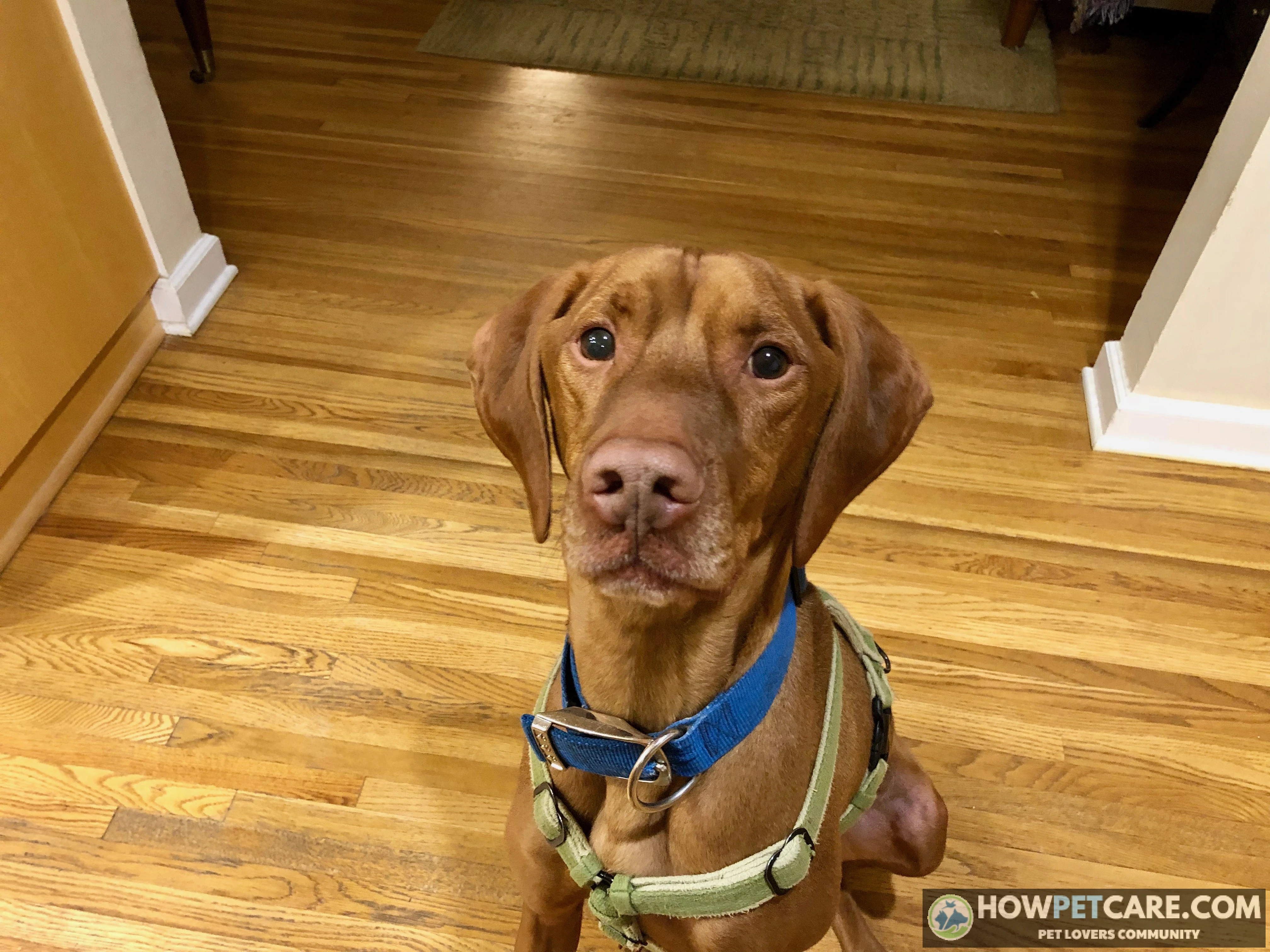
| Vizsla | Distress when left alone | Noise sensitivity | Breed-specific figure not available here | Close work with a handler is part of the breed’s background. | Make a realistic plan for exercise and gradual practice being alone. |
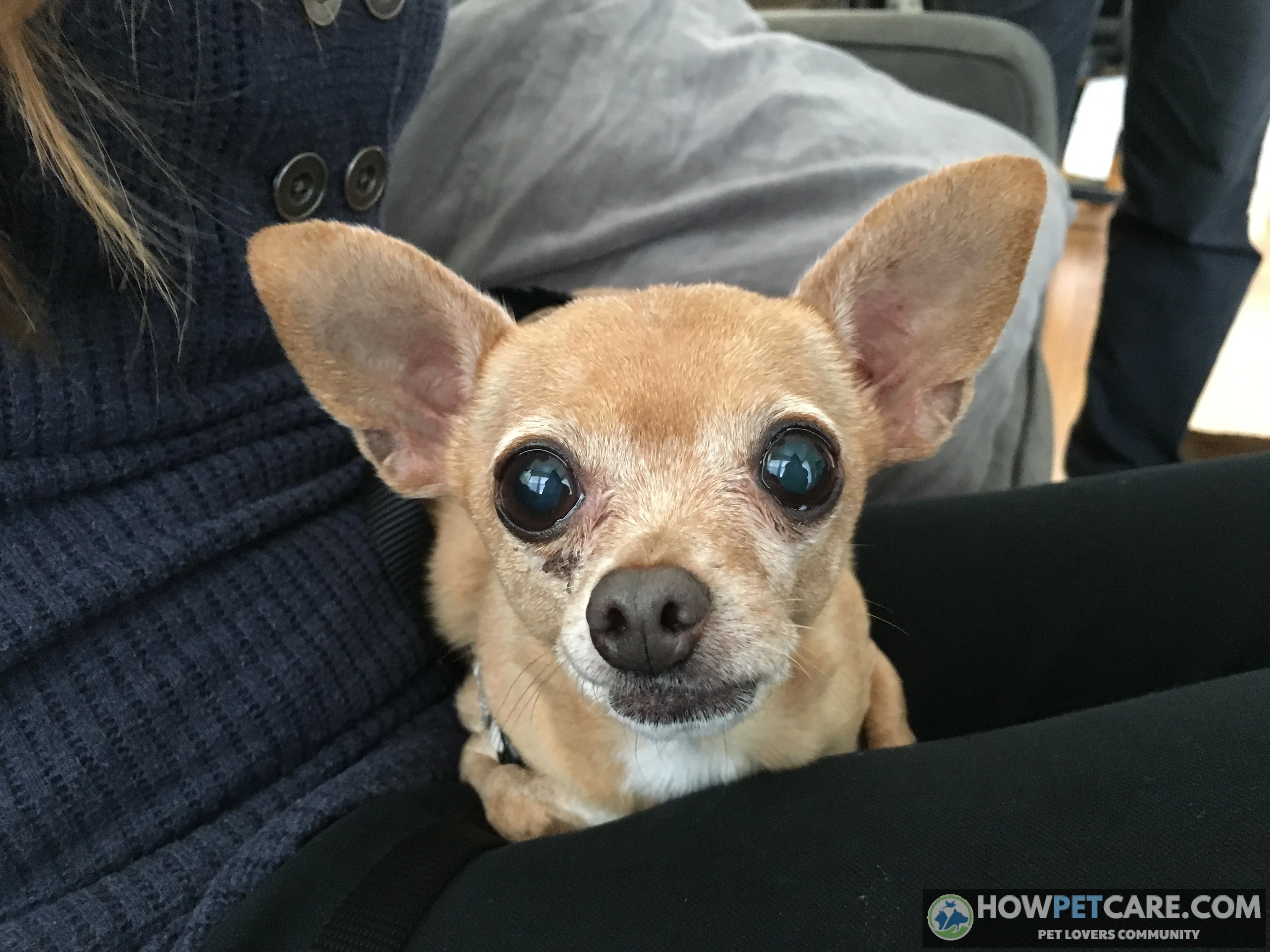
| Chihuahua | Fear of unfamiliar people or handling | Noise sensitivity, distress when alone | Breed-specific figure not available here | A small dog may find looming people and unavoidable handling intimidating. | Let the dog approach, and take small signs of fear seriously. |
| Toy Poodle | Distress in unfamiliar situations | Noise, time alone | Breed-specific figure not available here | A small companion dog may be sensitive to changes in routine. | Teach handling and alone time gradually. |
| Miniature Schnauzer | Responses to noises or unfamiliar people | Distress when alone | Breed-specific figure not available here | Alert barking can reflect normal communication, fear, or frustration. | Look for the trigger before trying to suppress the barking. |
| Soft Coated Wheaten Terrier | Repetitive behavior or arousal | Noise, unfamiliar situations | Breed-specific figure not available here | A lively terrier may need help learning when to settle. | Repeated spinning or tail-chasing calls for a veterinary assessment. |
| Siberian Husky | Distress or frustration when confined or alone | Escape behavior | Breed-specific figure not available here | Exercise needs and a tendency to explore can make alone time at home more challenging. | Use a camera to distinguish escape attempts from panic. |
| Shiba Inu | Fear of unfamiliar handling or situations | Noise sensitivity | Breed-specific figure not available here | A dog that prefers space may find forced interaction stressful. | Use cooperative handling and let the dog disengage. |
A row doesn’t mean the behavior is typical of every dog in that breed. It’s a useful question to ask a breeder, foster caregiver, shelter, or veterinarian.
Noise phobia and thunderstorm anxiety: the breeds with the highest reported rates
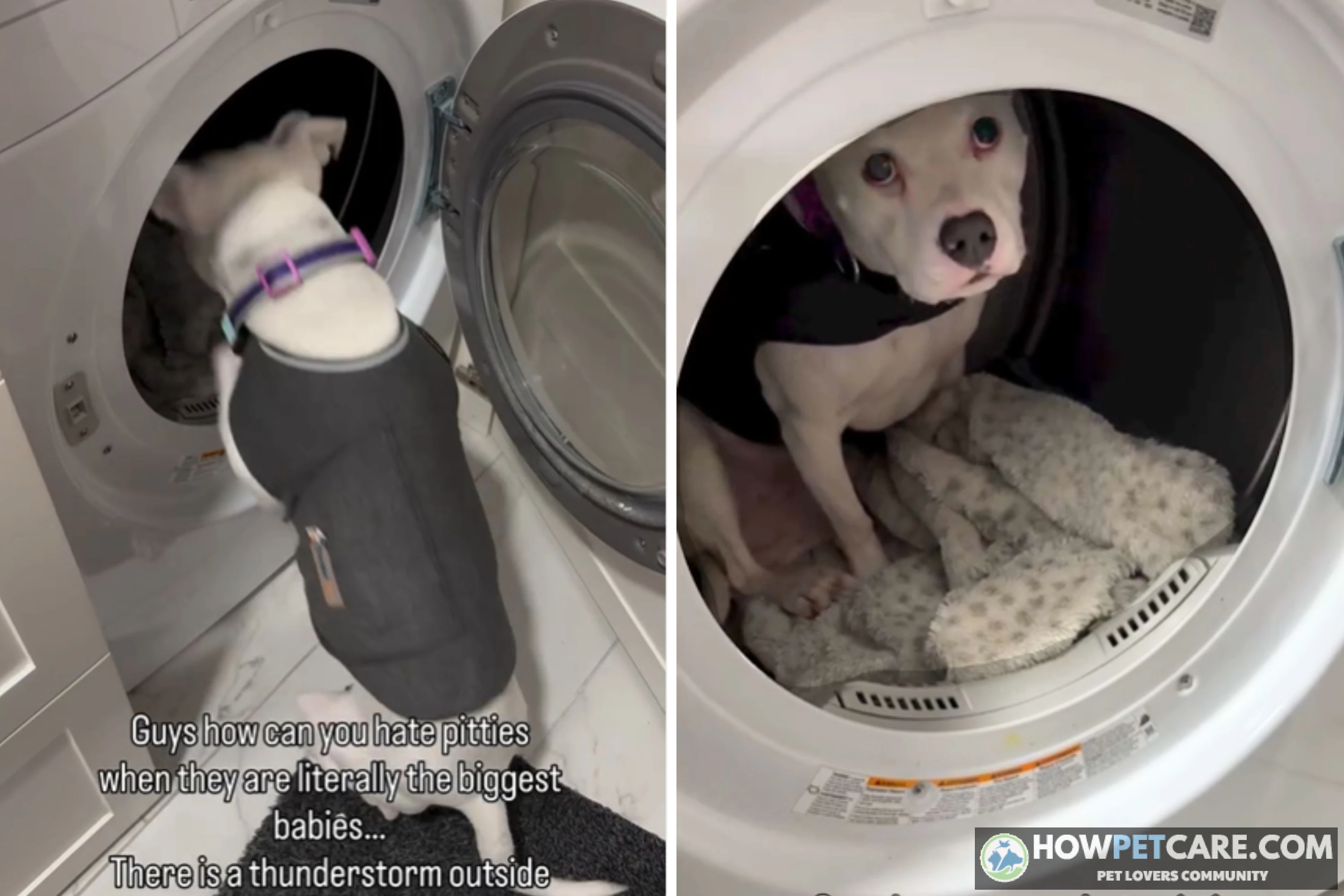
Noise sensitivity means a dog reacts fearfully to sound; a noise phobia involves a severe fear response. Fireworks, thunder, construction, and smoke alarms can all become triggers. Lagottos, Shelties, and Border Collies are worth asking about when noise is a concern, but the table doesn’t prove they occupy the top three places in a study.
A dog with thunderstorm anxiety may react to more than thunder. Changes in light, wind, rain, and other cues can signal an approaching storm. So a dog that tolerates a recording may still need help during a real storm.
Fear of strangers and new situations
A Spanish Water Dog, Sheltie, Chihuahua, or German Shepherd that hangs back from a stranger isn’t automatically anxious. Notice whether the dog can choose a comfortable distance, take food if it normally would, and recover after the person moves away. Persistent freezing, retreat, or escalating barking suggests the situation is too difficult.
Compulsive and repetitive behaviors by breed
Repetitive spinning, tail-chasing, licking, or shadow-chasing can have several causes, including medical problems, frustration, or a compulsive disorder. Terrier and herding-breed owners may notice repetitive movement, but the behavior alone doesn’t establish a breed-based diagnosis. Record an episode and ask a veterinarian to assess it, especially if the dog can’t easily stop or is injuring itself.

How to read the numbers: prevalence vs. odds ratio
Prevalence is the proportion of dogs in a group reported to have a trait. An odds ratio compares the odds of a trait between groups; it isn’t a percentage or an individual dog’s chance of developing a problem. Owner surveys can reveal associations, but reporting differences, the dogs sampled, and small breed groups can affect comparisons.
Dog Breeds With the Worst Separation Anxiety, Including Small Breeds
Separation anxiety is distress linked to being apart from a person or people to whom the dog is attached. It differs from noise sensitivity, boredom, or simply preferring company. The evidence available here doesn’t establish which breed has the worst separation anxiety.
Breeds with the strongest separation-anxiety signal
Vizslas, Toy Poodles, and other companion-oriented dogs are often described as closely attached to their people. That makes it worth asking how an individual dog handles departures; it doesn’t prove the dog has a clinical disorder. Huskies and other active dogs may also be destructive when alone, but confinement frustration, unmet activity needs, and separation distress call for different responses.
Before choosing a dog, ask a foster caregiver or breeder what happens when the dog is left alone. Does it settle, eat, vocalize, pace, or scratch at exits? A household’s schedule and the dog’s experience being alone may matter more to the immediate plan than its breed label.
Small dog breeds prone to anxiety: what the data shows
Chihuahuas and toy or companion dogs can experience fear and separation distress, but small size doesn’t diagnose anxiety. People may pick up, crowd, or handle a small dog without warning, leaving it less room to move away than a larger dog might have. Give the dog a choice, introduce handling gradually, and seek help if it freezes, snaps, or consistently avoids interaction.
Breeds that are clingy but not clinically anxious
Following you around the house isn’t enough to diagnose separation anxiety. A dog that follows you but relaxes, eats, and sleeps after you leave may simply enjoy your company.
Check this before assuming anxiety: use a camera during ordinary departures. Distress that starts around departure—especially pacing, drooling, sustained vocalizing, or escape attempts—can point to a separation-related problem. Relaxed chewing or occasional mischief without other signs of distress may point elsewhere. The detailed comparison and camera plan appear in the signs section.
 You might be wonderingLancashire dog breeds live spanLancashire Heeler Lifespan: What the Dogs Trust Data ShowsRead the answer
Calmer Dog Breeds and Lower-Risk Alternatives for First-Time or Anxious Owners
A calm-looking dog isn’t necessarily a low-anxiety dog. Sleep needs, exercise, training, health, and the home environment all affect how manageable a dog feels. For a first-time owner, an adult dog with a known history of settling and tolerating routine absences is often easier to assess than a puppy whose adult behavior is still developing.
Lower-anxiety breeds and why they score lower
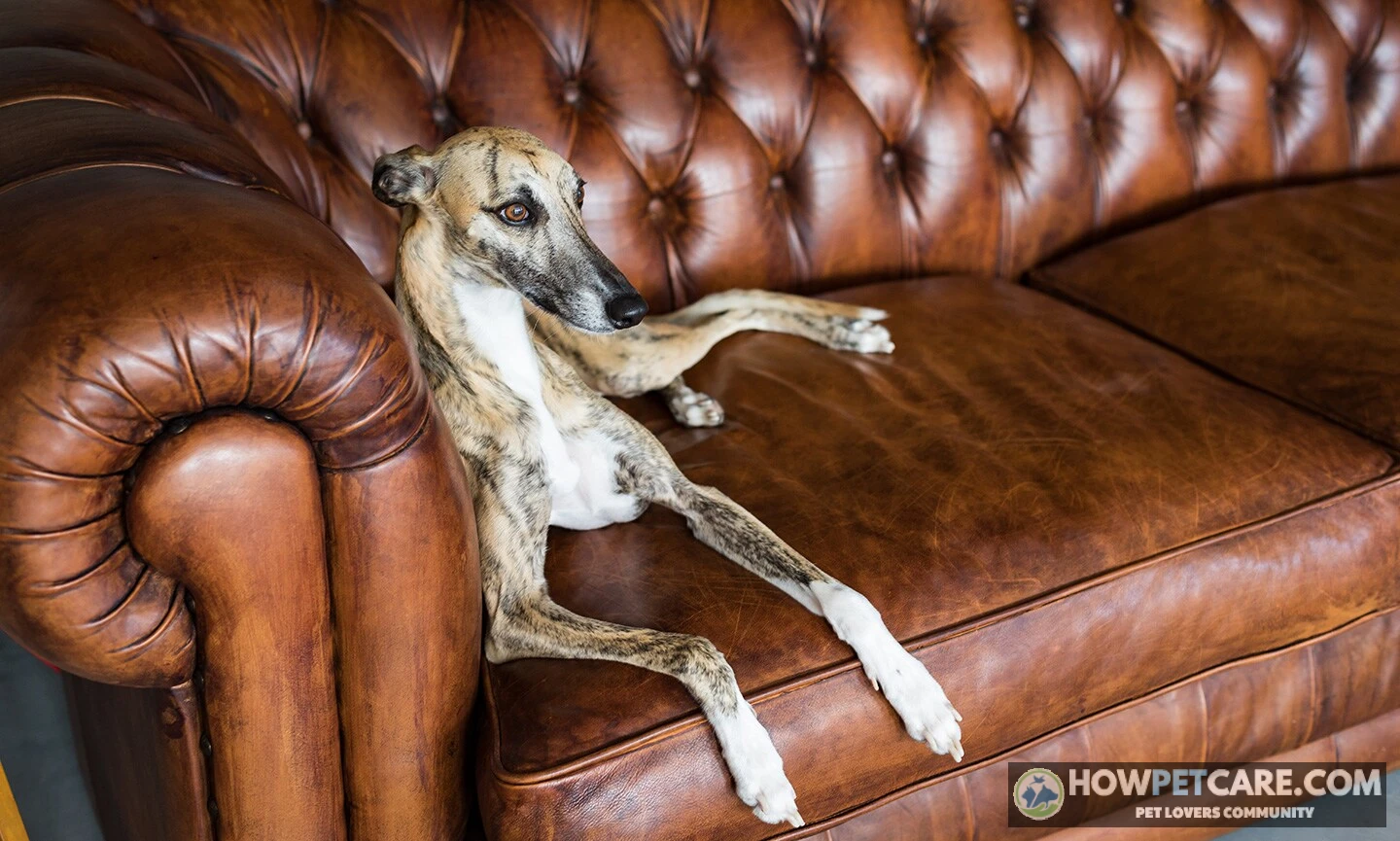
Labrador Retrievers, Golden Retrievers, and Greyhounds are worth considering if you’re looking for a sociable or quieter companion, but none is guaranteed to be less anxious. Labradors and Goldens can be energetic, especially when young. Greyhounds may be quiet indoors but still need support with unfamiliar environments, small animals, or being alone. Ask about the individual dog’s behavior rather than treating these breeds as a verified low-anxiety ranking.
Swap guide: high-risk breed to similar lower-risk breed
These are starting points for meeting dogs, not promises that the alternative has a lower measured anxiety rate:
- Like the Border Collie’s trainability? Meet an adult Labrador with a documented off-switch. Expect substantial exercise and training with either dog.
- Like the Vizsla’s affectionate nature? Meet an adult Golden Retriever whose foster can describe its behavior alone. Both breeds need companionship and activity.
- Like the German Shepherd’s size? Meet a settled adult Greyhound if a quieter indoor routine appeals. The breeds differ considerably in guarding tendencies and exercise style.
- Like a small companion dog? Compare individual adult Toy Poodles and Chihuahuas in foster homes. Pay close attention to handling and departures rather than assuming one breed is safer.
Which breeds first-time owners should avoid or prepare for
Think carefully before choosing a Border Collie if you can’t provide structured activity and recovery time, a large German Shepherd if you aren’t prepared to manage fearful reactions safely, or a Vizsla if your household requires long absences from the outset. These are preparation issues, not blanket reasons to reject a breed.
If you’re an anxiety sufferer seeking a dog, prioritize a predictable individual whose care fits your capacity and budget. A dog can offer companionship or serve as an emotional support animal, but it can’t replace mental health treatment. Even a dog with a calm history can develop fear after illness, a frightening event, or inadequate exposure.
Does Breed Decide Anxiety? Genetics, Socialization, and How to Screen a Mixed-Breed or Rescue Dog
Genetics vs. environment: what the research says
Breed can help you frame questions about a dog’s likely needs; it can’t predict how that individual will respond to a storm or a departure. The Finnish survey found breed differences in anxiety-related traits, but it was an owner survey, not a test showing that breed alone caused an individual dog’s behavior.
Early experience, health, age, learning, and the current household all matter. For a practical decision, a foster’s account of a dog’s behavior during real departures is more relevant than a visual guess about ancestry. DNA results may suggest ancestry, but they can’t diagnose anxiety or replace a behavioral history.
Puppy anxiety and the socialization window
Good socialization means introducing a puppy to people, sounds, surfaces, and everyday routines at a level it can handle. Pair manageable experiences with food or play, let the puppy move away, and stop if it becomes overwhelmed. Coordinate outings with your veterinarian’s advice on vaccination and disease risk.
Fearful phases can occur as puppies develop, but don’t assume persistent or worsening puppy anxiety will disappear. Get help early rather than forcing repeated exposure in the hope the puppy will get used to it.

Adoption screening checklist for mixed breeds and rescues
A shelter is a stressful setting, so a single visit can’t reliably rule anxiety in or out. Ask staff to guide interactions, and don’t deliberately startle or restrain the dog.
- ☐ Watch natural recovery. If an ordinary environmental sound occurs, notice whether the dog can reorient or engage again. Don’t create a loud noise as a test.
- ☐ Let the dog approach. A stranger can sit or stand sideways and give the dog room. Watch for loose curiosity, avoidance, freezing, or barking with retreat.
- ☐ Ask about handling. Have staff describe grooming and veterinary handling. Don’t lift lips or handle paws if the dog is uncomfortable.
- ☐ Ask about departures. Foster-home video or observations of the dog truly alone are more informative than a brief separation from one handler while another person remains.
- ☐ Request context. Ask about kennel behavior, noise reactions, previous returns, medical concerns, and what helps the dog settle.
- ☐ Discuss a trial. If available, foster-to-adopt can show how the dog responds to your home and schedule. Agree on support and return arrangements in advance.
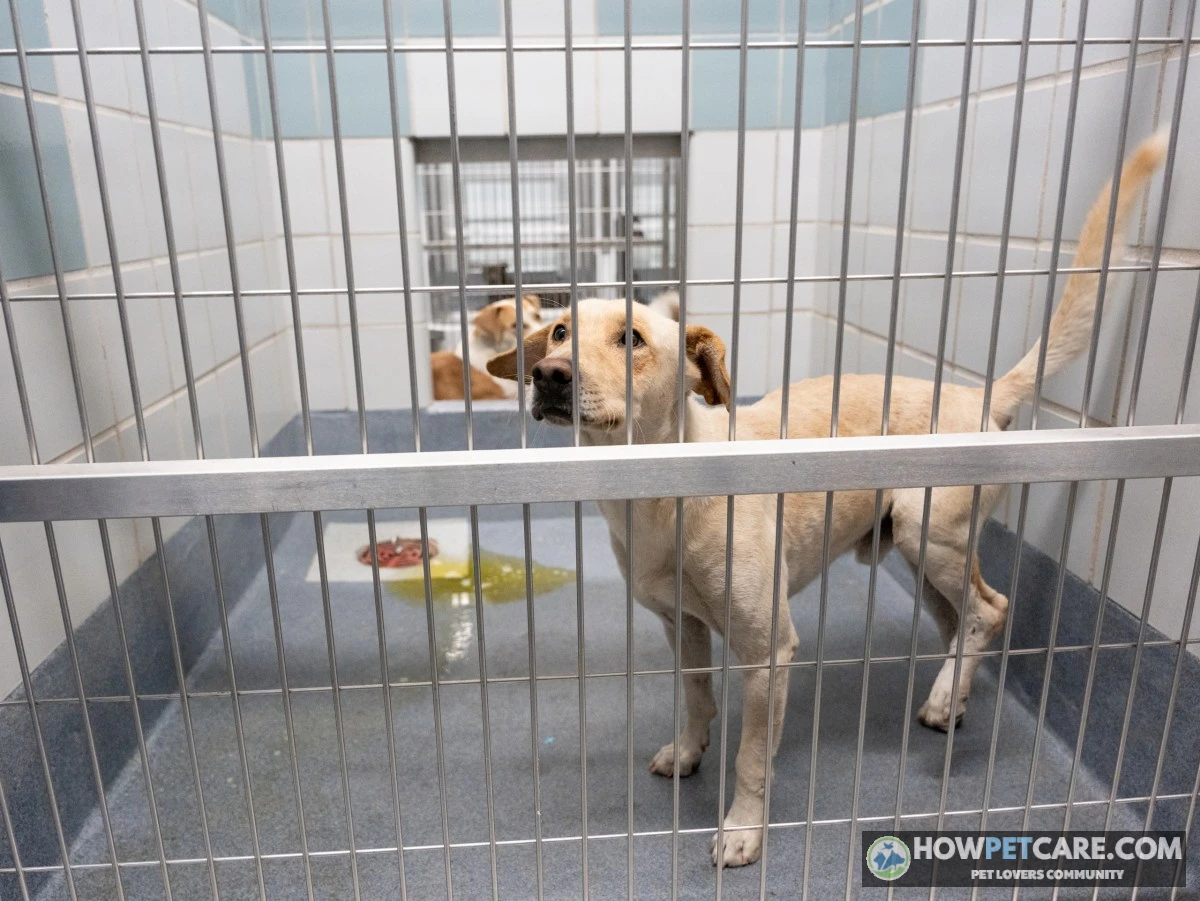
Fearful behavior isn’t a verdict on a dog’s adoptability. It helps you match the dog with a household that can provide the space, care, and professional support it needs.
Signs of Anxiety in Dogs, and How to Tell Separation Anxiety From Boredom
Canine stress signals from subtle to severe
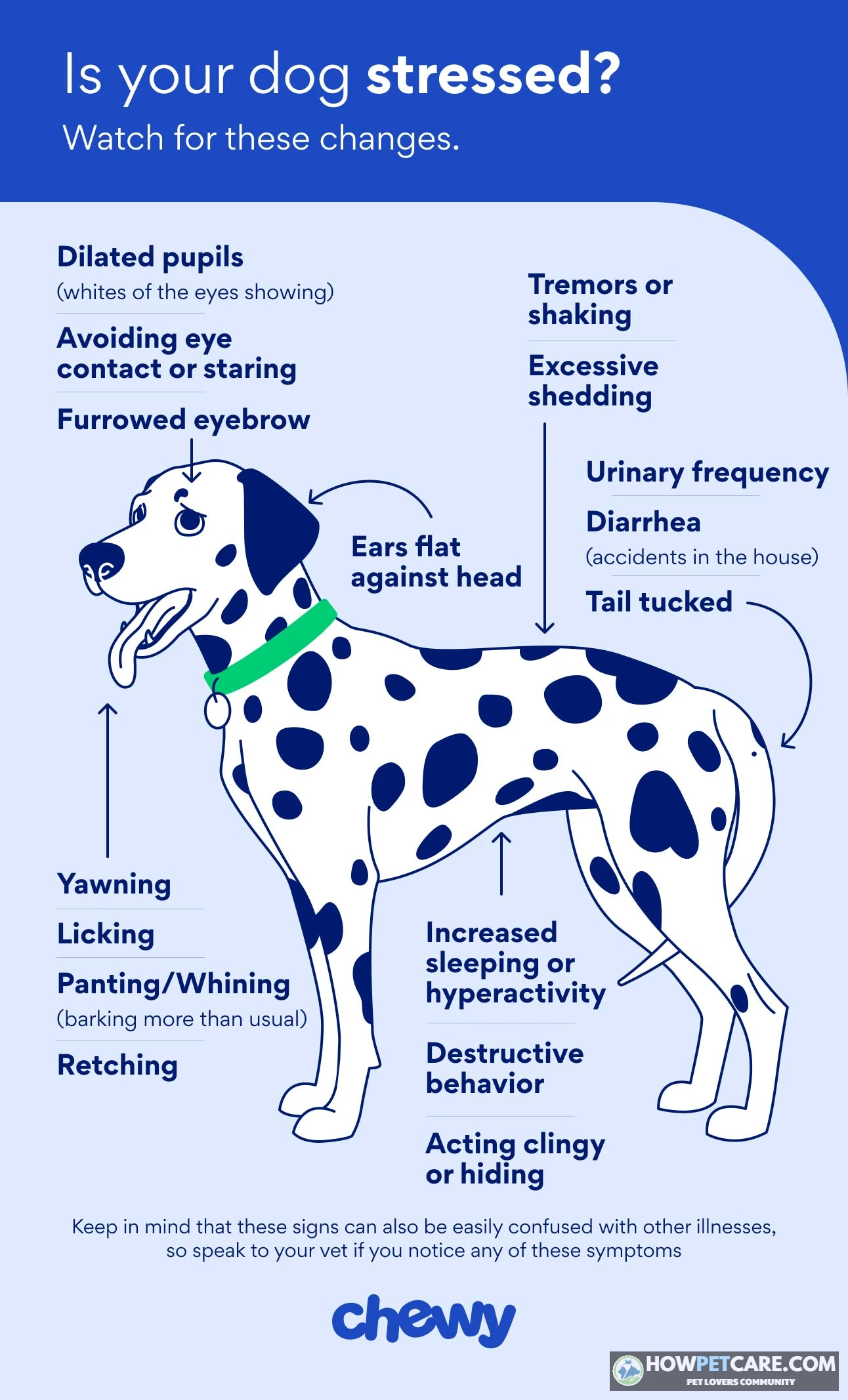
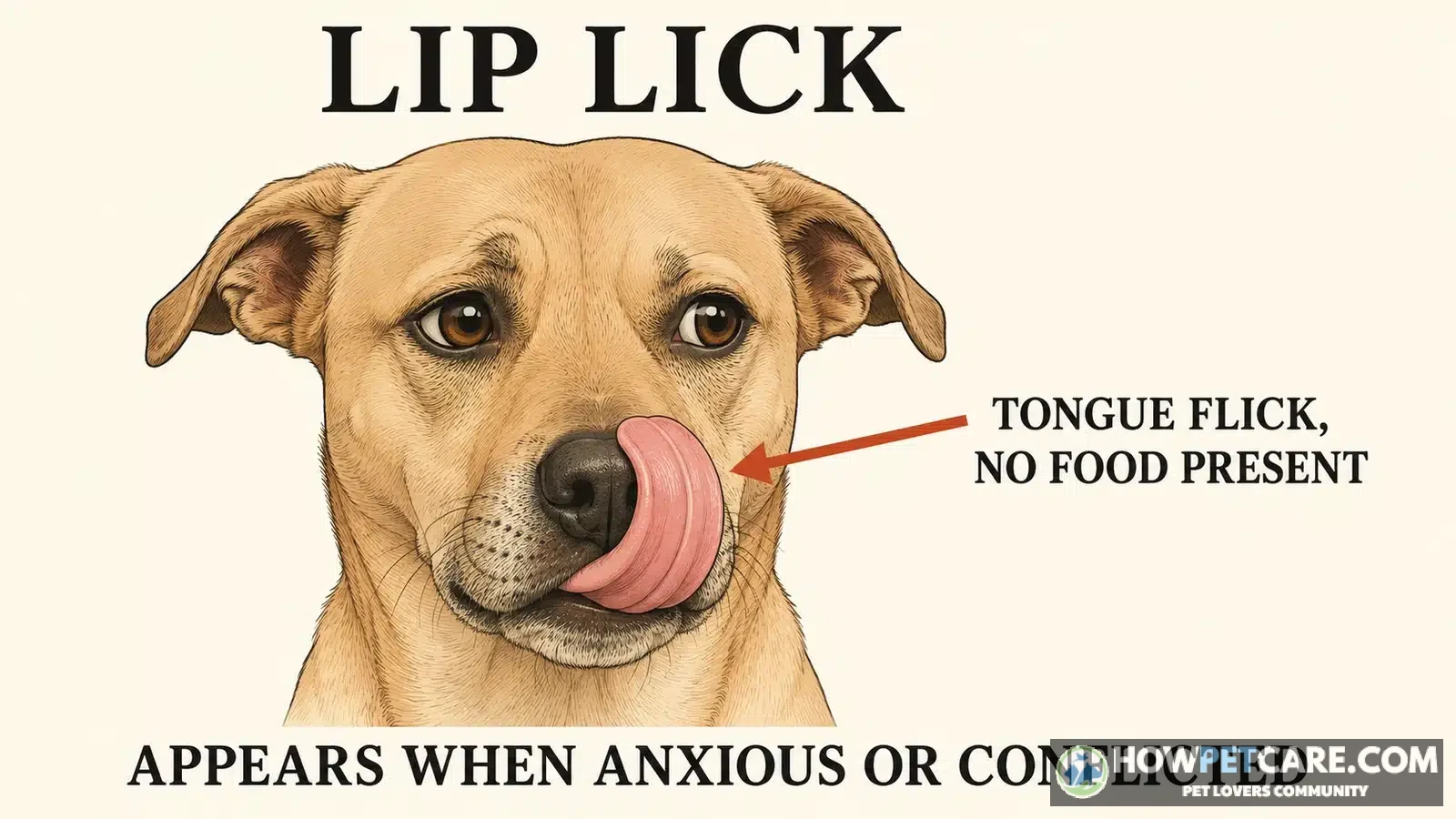
Stress signals can be subtle: a turned head, lip lick, yawn, lowered posture, tucked tail, or showing the whites of the eyes. Context matters—a dog may yawn when tired or pant after exercise. Look for a change in the dog’s usual behavior around a particular trigger.
More obvious signs include trembling, pacing, hiding, persistent panting, drooling, vocalizing, escape attempts, or refusing food the dog normally wants. Fear can also contribute to growling, snapping, or biting when a dog can’t get away. Destructive behavior, house-soiling, and appetite changes need context and may have medical causes.
Anxiety, boredom or under-exercise? A diagnostic table-style checklist
Use these patterns as clues, not as a scored diagnosis. A dog can experience anxiety and have unmet activity needs at the same time.
| What you notice | More consistent with separation distress | More consistent with boredom or unmet needs |
|---|---|---|
| Timing | Pacing, vocalizing, or escape attempts begin as departure approaches or shortly afterward. | Chewing or activity occurs at varied times, including when people are home but occupied. |
| Target | Scratching at doors, windows, or a crate accompanies other signs of distress. | The dog explores or chews accessible objects without other clear signs of panic. |
| Food | The dog stops eating a normally valued treat when alone. | The dog eats or plays normally during the absence. |
| Routine change | Appropriate exercise alone doesn’t resolve the distress. | Enrichment and suitable activity reduce the behavior. |
| Return home | The dog may be highly aroused, though greeting alone isn’t diagnostic. | The dog may greet happily and settle; greetings vary widely. |
House-soiling can occur with separation distress, but urinary, digestive, age-related, and other health problems must also be considered. A dog that eats while alone can still have anxiety. No single sign or checklist score confirms or rules it out.
The home camera test
If ordinary absences are already part of the routine, record the first 30 minutes of several departures. Note departure cues, when behavior begins, vocalizing, movement, eating, escape attempts, and whether the dog eventually rests. Save representative clips for your vet.
Don’t deliberately leave a dog alone longer to test it if you already know it panics or risks injury. Arrange coverage where possible, and seek professional advice promptly.

Punishing destruction, barking, or house-soiling after you return doesn’t teach a frightened dog to feel safe alone. It can add fear and make the behavior harder to assess.
Do Calming Products Work? An Evidence Grade for Vests, Pheromones, Supplements, and More
The evidence grades below are practical descriptions, not guarantees. Product studies vary in design, and a result for one formulation or situation doesn’t prove that every similar product works. Prices vary by retailer and location; confirm costs before buying.
| Aid | What it targets | Evidence grade | What the research shows or cannot establish | Approximate US cost | Best used for |
|---|---|---|---|---|---|
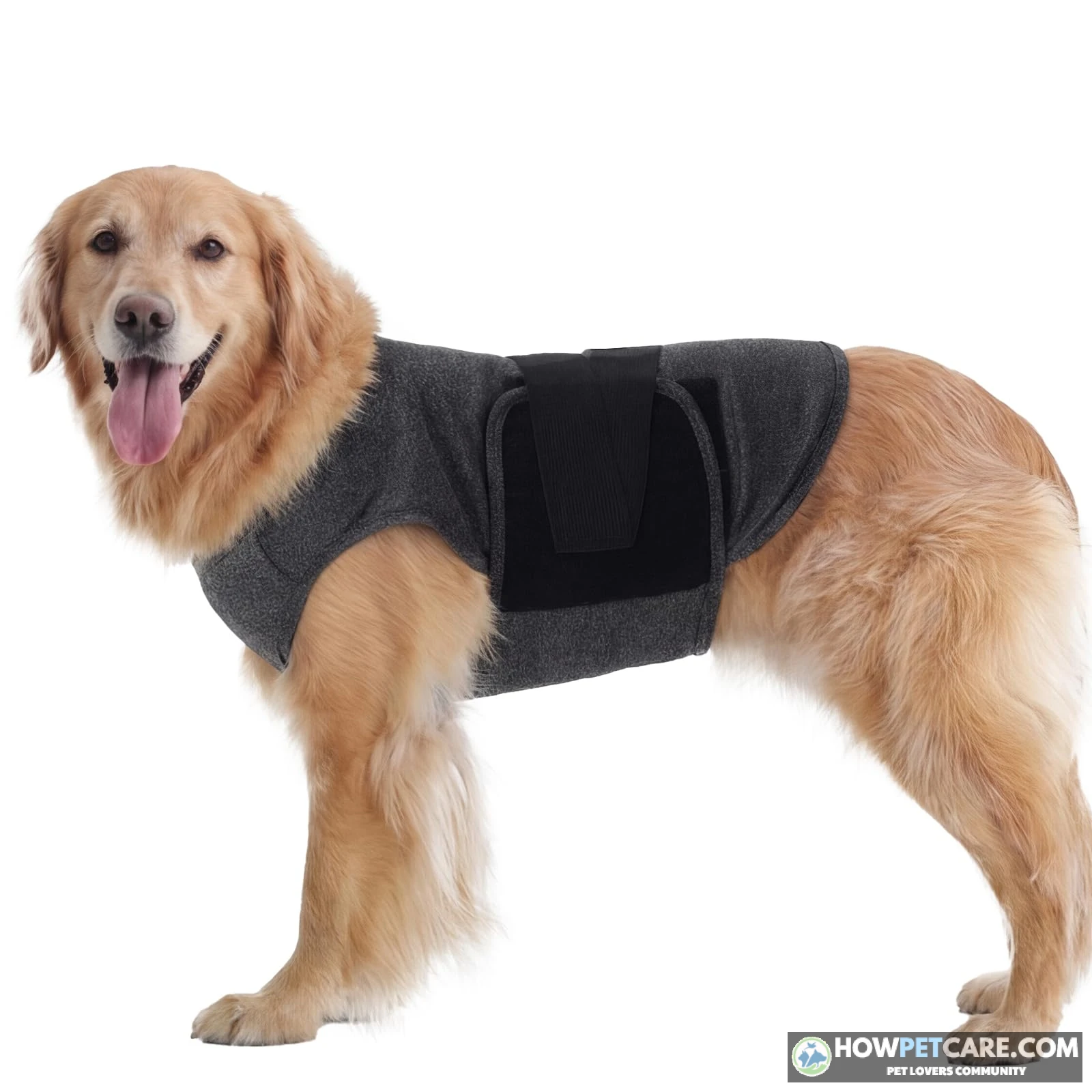
| Pressure wrap | Noise or situational fear | Mixed and limited | Responses vary; a wrap isn’t a substitute for a treatment plan. | Roughly $30–$60 once | An optional trial for a dog comfortable wearing it. |
| Dog-appeasing pheromone diffuser or collar | Stress in a particular setting | Mixed and limited | Some studies suggest benefit in certain settings; results aren’t consistent enough to promise an effect. | Roughly $20–$50 initially, plus refills | An adjunct alongside environmental changes and training. |
| L-theanine or alpha-casozepine supplement | Mild stress | Limited | Small studies of particular products don’t establish interchangeable benefits across brands. | Roughly $20–$50 per month | A vet-discussed adjunct, not treatment for panic. |
| Melatonin | Situational stress | Limited | Evidence for canine anxiety is insufficient to predict benefit for an individual dog. | Varies by formulation | Only after checking the product and its use with a vet. |
| CBD | Anxiety claims | Uncertain | Product quality and anxiety evidence vary; interactions and adverse effects are concerns. | Roughly $30–$80 per month | Discuss with a vet rather than replacing established care. |
| Music or white noise | Masking outside sounds | Limited for treating anxiety | Sound may help mask a trigger, but it doesn’t reliably treat a phobia. | Free to the cost of a speaker or fan | A low-cost layer in a safe room. |
| Crate | A familiar resting place | Situational, not an anxiety treatment | A crate the dog chooses to use may be comfortable; confinement can worsen panic in some dogs. | Roughly $40–$150 once | Dogs already relaxed in the crate, with the door managed appropriately. |
| Food puzzle | Boredom and enrichment | Useful enrichment; anxiety benefit varies | It gives a dog an activity but doesn’t show that the dog feels safe alone. | Roughly $10–$40 each | Dogs that can use it safely and willingly. |
| Anxiety-focused diet | General stress | Limited and product-specific | Claims about one diet can’t be assumed to apply to another. | Varies | Discuss nutritional needs and evidence with a vet. |
Pressure vests and wraps
Introduce a wrap gradually, when the dog is already comfortable. It should fit without restricting movement or breathing. Remove it if the dog freezes, struggles, overheats, or seems more distressed. Don’t leave it on unattended without veterinary guidance.
Pheromone diffusers and collars
A diffuser or collar may be worth discussing as one layer of support, especially during a change in environment. Decide in advance how you’ll assess it: record the trigger and the dog’s behavior before and after use, while keeping in mind that other changes can affect the result.
Supplements, CBD and calming treats
Ask your vet to review ingredients, other medications, and your dog’s health before giving supplements. Human products may contain ingredients that are unsafe for dogs. A “clinically proven” label isn’t enough: look for a published controlled study of the actual product, the situation tested, and how improvement was measured.
Crate training and enrichment: when they help and when they backfire
Crate training can create a pleasant resting place if the dog chooses to enter and stays relaxed. It isn’t a remedy for confinement panic. If a dog claws at the door, drools heavily, or risks injury while confined, arrange a safer setup and ask a professional for an individualized plan.
A Step-by-Step Desensitization and Counterconditioning Plan for Thunderstorm and Fireworks Anxiety
Desensitization means exposing a dog to a manageable version of a trigger and gradually increasing the difficulty. Counterconditioning pairs that trigger with something the dog values, such as food, to help change its emotional response. The dog needs to stay comfortable enough to learn. A panicked dog needs more distance or a quieter setting, not a harder exercise.
Before you start: set up a safe space and a baseline
Choose a quiet interior room or another place the dog already likes. Add bedding, close the curtains, and use a fan or white noise if helpful. Let the dog come and go when it’s safe. If the dog has severe noise phobia or a history of escape or injury, ask your vet for a plan before trying sound work.

The protocol, step by step
-
Choose a quiet starting point
Play a fireworks or thunder recording at a very low volume. The dog should remain loose, able to move away, and willing to take a favorite treat.
-
Pair sound with food
While the quiet sound plays, offer small treats. Stop the sound and treats together, then give the dog a break.
-
Keep sessions brief
Practice for a few minutes when the dog is rested. Record the volume and the dog’s response rather than aiming for a deadline.
-
Increase gradually
After repeated relaxed sessions, raise the volume slightly. Progress may take weeks or longer, and some dogs need professional help.
-
Step back at stress signs
If the dog freezes, pants, leaves, or stops eating, stop the recording. Next time, start at an easier level or seek guidance.
-
Practice different sounds carefully
Once the dog is comfortable, try another recording at a low level. Recordings can’t reproduce every feature of a real storm.
Don’t add flashes or turn recordings up very loud just to simulate a storm. Each new cue can be frightening in its own right, and a speaker can’t reproduce the sensations of real thunder. Progress means the dog is comfortable, not that it has reached a particular volume.
Adapting the steps for separation anxiety
For separation distress, adjust the length of the absence, not the sound volume. Begin with a movement the dog can tolerate, such as approaching the door, then build toward stepping out briefly and returning before distress begins. Practice keys or shoes separately if those cues trigger worry. A camera helps you see what happens after the door closes.
Real departures can exceed what the dog can currently handle, so arrange a sitter, trusted person, or other coverage where feasible during training. A qualified professional can help if even very brief departures trigger distress.
What to do on the night of a real storm or fireworks
Close curtains, make the safe space available, mask sound where practical, and secure doors and gates. Stay with and comfort the dog if it seeks you out; don’t force contact. If the dog may need prescription support for predictable events, discuss options with your vet in advance.
Forcing a dog to endure a frightening sound or absence until it stops reacting can intensify fear. Stop the exercise and make the next attempt easier.
When to See a Vet or Veterinary Behaviorist, and How Anxiety Medication Fits With Training
Red flags that mean you should not wait
Contact a veterinarian promptly for a sudden behavior change, escape attempts that could cause injury, self-injury, severe panic, growling or snapping around people, or a bite. Seek urgent veterinary care for an injury or immediate safety concern. Don’t wait for a training trial if the dog is suffering or anyone is at risk.
For milder signs, book an appointment if they persist, interfere with daily life, or don’t improve with a consistent plan. Pain, sensory changes, urinary problems, and cognitive decline are among the issues a vet may consider.
Vet, veterinary behaviorist or trainer: who does what
Your regular veterinarian can assess your dog’s health, discuss treatment, and make referrals. A board-certified veterinary behaviorist is a veterinarian with specialist training in behavior who can diagnose and prescribe. A qualified reward-based trainer or behavior consultant can help put a plan into practice. Ask about credentials, experience with the specific problem, and coordination with your vet.
Bring camera clips, a list of triggers and timing, a record of medications and supplements, and your dog’s medical history. If aggression is involved, tell the clinic before arrival so staff can plan a safer visit.

Fluoxetine, trazodone and other options explained
Fluoxetine and clomipramine are longer-acting medications a veterinarian may consider for separation-related problems. Certain canine products containing these drugs are approved for separation anxiety in the United States when used with behavior modification; the vet decides whether a particular product is appropriate. Benefits can take weeks to assess.
A vet may prescribe trazodone or gabapentin for particular situations or as part of a broader plan; their use for canine anxiety is generally extra-label. Your vet may also discuss a dog-specific medication approved for noise aversion. The right choice depends on the dog’s health, trigger, other drugs, and response.
Possible adverse effects vary by medication and may include sleepiness, gastrointestinal upset, or changes in behavior. Report concerning effects to the prescribing vet. Don’t use human medication, change a dose, combine products, or stop a prescription without veterinary direction.
Medication plus training: why the combination works
The goal is to reduce distress enough for the dog to function and learn, not to erase its personality. A medication plan may make gradual training possible while the household manages exposure to triggers. Some dogs need medication for an extended period; others can eventually taper under veterinary supervision. The vet should review progress and adjust the plan with you.
What Managing an Anxious Dog Realistically Costs
These costs are planning examples, not verified national averages or quotes. US fees vary substantially by location, clinic, dog size, medication, and complexity of care. Ask providers for written estimates, including follow-ups and any testing.
Cost by tier: products, training, specialist, medication
A home setup can be inexpensive if you already own a camera, bedding, and a fan. Private behavior support and veterinary care can cost considerably more. A specialist consultation may include a written plan but not follow-up visits, so confirm what’s included.
Ask about generic medications when appropriate, remote follow-ups where permitted, and veterinary school behavior services. Group classes aren’t a substitute for an individualized plan for a panicked or aggressive dog. If you’re considering pet insurance, check behavior coverage, exclusions, and pre-existing-condition rules before enrolling.
Three example budgets for a first year
The following are illustrative arithmetic examples, not sourced price surveys. Each includes an assumed regular veterinary assessment; actual estimates may be higher or lower. Ongoing figures assume no new major equipment purchase and may not fit a dog whose treatment changes.
| Scenario | Products and home setup | Trainer or behaviorist fees | Medication and vet monitoring | Estimated first-year total | Estimated ongoing yearly cost |
|---|---|---|---|---|---|
| Mild noise sensitivity | $100 | $0 | $150 vet assessment; no medication assumed | $250 | $150 for an assumed annual vet review |
| Moderate separation distress | $100 | Four private sessions at an assumed $150 each: $600 | $300 for vet visits; no medication assumed | $1,000 | $450 for two assumed sessions and vet review |
| Severe anxiety with specialist care | $150 | Specialist consultation and follow-ups assumed at $1,000 | $600 for medication and vet monitoring | $1,750 | $1,100 for assumed follow-ups, medication, and monitoring |
These examples aren’t recommendations to skip care or medication at a particular severity. Prioritize a veterinary assessment and a suitable behavior plan; optional products are less useful if they delay those steps.
Your Next Step: A Decision Guide Based on Your Dog’s Breed, Signs, and Severity
Choosing a dog: Use the breed matrix to prepare questions, then focus on the individual dog’s history and your household’s capacity. Ask about noise, handling, recovery, and actual time alone. Consider a foster-to-adopt arrangement if available.
Seeing mild signs: Record ordinary departures, note the trigger, and check whether suitable exercise and enrichment change the pattern. Set up a safe resting place. If you’re practicing noise desensitization, start at an easy level.
Seeing panic, injury risk, sudden change, or aggression: Contact your veterinarian promptly. Ask whether a veterinary behaviorist or qualified behavior consultant should join the plan. Don’t wait for a home trial to fail.
For a manageable first week, spend days one and two observing and logging. Contact the vet immediately if a red flag appears. Over the remaining days, arrange a safe space and appropriate activity, then try a brief, low-intensity training session only if your dog stays comfortable. Set a follow-up date with your vet or trainer rather than assuming a fixed schedule will suit every dog.
Before that follow-up, check that you have:
- ☐ Recorded the main trigger and saved useful video.
- ☐ Discussed possible health contributors with your vet when indicated.
- ☐ Chosen any calming aids as optional support, not a replacement for care.
- ☐ Requested a realistic estimate for professional help and monitoring.
- ☐ Identified what improvement will look like for this dog.
Breed can guide the questions you ask; the dog’s observed response should guide your next step. With a plan matched to the trigger and its severity, many dogs can make meaningful progress.
 You might be wonderingDoberman pinscher dogDoberman Pinscher Dog: Costs, Health & Is It Right for You?Read the answer
FAQ
Are small dogs more anxious than large dogs?
Some large surveys have linked smaller body size to more fearfulness and noise sensitivity, but breed, early experience and owner factors also play a role. Small size is a risk factor at the group level and does not predict any single dog.
Do dogs grow out of anxiety?
Puppies can pass through normal fearful phases, but chronic fear and separation anxiety usually persist or worsen without training. Early help with a trainer or vet gives the best chance of improvement.
Will getting a second dog help a dog with separation anxiety?
Usually not. A dog with separation anxiety is distressed by the absence of its person, so a companion dog rarely fixes it, and the second dog may pick up the stress behaviors.
Can an anxious dog be cured?
Many dogs improve a great deal, and some lose their symptoms completely. Anxiety is often something owners manage over the long term with training, environment changes and sometimes medication.
What kind of dog is a good match for a person who has anxiety?
Choose an individual dog with a steady, low-reactivity temperament that fits your daily routine and energy, instead of relying on a breed label. A dog needs consistent care and training, so it should not be treated as a substitute for therapy or medical care.