
Daily parrot care comes down to five essentials:
- Food: a formulated pellet diet (60–75% of intake) plus fresh vegetables — never all-seed.
- Housing: a wide cage with natural perches of varied diameters, placed in a social room away from the kitchen.
- Sleep: 10–12 hours of uninterrupted darkness and quiet every night.
- Enrichment: 2–4 hours of daily out-of-cage time, foraging toys, and social interaction.
- Health: an annual exam with an avian veterinarian and weekly weight checks on a gram scale.
Learning how to care for a parrot means doing more than cleaning a cage and pouring seeds into a dish. Parrots are wild, undomesticated flock animals with the problem-solving intelligence of a five-year-old child and the emotional volatility of a two-year-old toddler. Keeping one healthy means meeting its social, physical, and nutritional needs every day. This beginner guide offers a veterinarian-aligned framework for housing, feeding, scheduling, budgeting, and addressing common behavior issues before and after your bird arrives.
How to Care for a Parrot: What Every Parrot Needs Each Day
Every companion parrot needs five core elements of care: a formulated pellet-based diet supplemented with fresh vegetables, a safe and spacious enclosure, 10 to 12 hours of dark and quiet sleep, daily out-of-cage enrichment, and preventive avian veterinary care. Without any one of these, parrots can develop serious physical and behavioral conditions, from chronic feather plucking to fatal metabolic disease.
The essentials at a glance
A parrot’s needs at home reflect its life in the wild. Wild parrots forage over miles of forest, navigate complex flock hierarchies, and rely on fresh foliage, clean rain, and direct sunlight. In captivity, you become your bird’s flock and its provider of physical stimulation.
- Formulated nutrition: An all-seed diet causes vitamin A deficiency, obesity, and fatal hepatic lipidosis (fatty liver disease) [#N]. Your bird needs a formulated, veterinarian-approved pellet diet paired with daily fresh vegetables and limited fruit.
- Spacious housing: The cage should be a safe retreat, not a permanent prison. It needs multiple natural-wood branches of varied diameters, stainless steel bowls, and foraging toys.
- Uninterrupted sleep: Parrots require 10 to 14 hours of total darkness and silence each night to regulate their endocrine systems and prevent chronic territorial aggression.
- Social connection: Parrots are prey animals that rely on the safety of a flock. Isolating a parrot in an empty room produces severe separation anxiety and chronic screaming.
- Preventive medicine: Standard dog-and-cat veterinarians generally lack avian training. Every parrot needs an initial wellness exam and an annual checkup with a board-certified avian veterinarian.
How much time and commitment to plan for
Plan for between 1 and 2 hours of direct, hands-on care every day, along with several hours of passive social presence. Active care includes chopping fresh produce, scrubbing dishes, changing cage liners, running short training sessions, and supervising flight or out-of-cage play. Passive interaction might mean letting your bird perch nearby on a play gym while you work, read, or watch television.
A parrot’s lifespan also deserves careful thought. Small species like budgies often live 5 to 10 years (and up to 15 with exceptional nutrition), while medium birds like cockatiels and conures routinely reach 20 to 30 years. Large species such as Amazons, cockatoos, and macaws can thrive for 50 or 60 years. Adoption is often a multi-decade or lifelong legal commitment. Designate a formal secondary guardian and include written care instructions in your estate planning in case your bird outlives you.
Choosing a Beginner Parrot Species That Fits Your Budget, Noise Tolerance and Lifespan
Choosing the wrong species is the number one reason birds are surrendered to rescues. Beginners may buy a large, charismatic parrot in hopes of a talking companion, then find themselves overwhelmed by ear-splitting decibels, aggressive biting, and destructive chewing. Smaller and medium-sized species offer companionship, humor, and intelligence while remaining manageable in standard residential homes.
Beginner species compared side by side
The table compares four accessible beginner species with one advanced species, included as a benchmark for what not to adopt as a first-time owner.
| Species | Adult size | Noise level | Typical lifespan | Approximate purchase price (USD) | Beginner suitability and main catch |
|---|---|---|---|---|---|
| Budgerigar (budgie) | 6–8 in / 30–40 g | Low–moderate; chatter, rarely ear-splitting | 5–10 years (up to 15 with great care) | $20–80; adoption often $10–25 | Best true beginner bird: cheap to keep, hardy, trainable. Catch: short lifespan can surprise kids; needs a friend or lots of human time |
| Cockatiel | 12–13 in / 80–100 g | Moderate; whistles and flock calls at dawn/dusk | 15–25 years | $75–250 | Gentle, affectionate, apartment-feasible. Catch: dusty feathers (bad for allergy-prone owners); hens can develop egg-laying issues |
| Parrotlet | 4–5 in / 25–35 g | Low–moderate; high-pitched but small volume | 15–20 years | $150–400 | Big personality in a tiny body, suits small homes. Catch: feisty and nippy if not handled daily; needs consistent training |
| Green-cheeked conure | 10 in / 60–80 g | Moderate–high; quieter than most conures but still screeches | 20–30 years | $250–600 | Playful, cuddly, clownish — the popular ‘first real parrot.’ Catch: 30-year commitment, beaky/nippy phase, too loud for thin walls |
| African grey | 13 in / 400+ g | High volume potential; famous talker | 40–60 years | $1,500–3,500 | Included as a warning: brilliant but prone to plucking and anxiety, outlives most owners. Not a beginner bird — revisit after experience |
As a rule of thumb, every step up in size roughly doubles noise, mess, cage cost, and lifespan. If you’re renting or unsure, start at the top of the table rather than the bottom.
Matching a species to your home and schedule
In an apartment, condominium, or shared rental, noise tolerance is the primary constraint. Budgies and parrotlets produce a steady stream of soft chirps, chitters, and warbles that rarely penetrate drywall. Cockatiels whistle melodically, though males emit piercing flock calls at sunrise and sunset. Even relatively quiet conures like the green-cheeked conure can make sharp, grating screeches when startled or calling for you. Aratinga conures (such as sun conures), large cockatoos, and macaws can produce vocalizations exceeding 100 decibels—enough to prompt landlord warnings and neighbor complaints.
Your schedule matters just as much. If you work away from home 8 to 10 hours a day, keeping a single, solitary parrotlet or conure will quickly breed behavioral dysfunction unless you can guarantee intense engagement every morning and evening. For anyone weighing parakeet lifespan expectations against hands-on time, budgies housed in bonded pairs in an expansive flight cage can thrive with less direct physical handling, making them a better fit for professionals with busy routines.
Get your bird from a reputable preservation breeder who socializes chicks, or adopt from a verified avian welfare rescue. Avoid commercial pet mill retailers, where birds may be unweaned, poorly socialized, or carrying subclinical viral infections. Wherever you acquire your bird, schedule a comprehensive new-bird exam with an avian veterinarian within the first 72 hours.
 You might be wonderingChicken care guideChicken Care Guide: Everything Beginners Need to KnowRead the answer
Setting Up a Safe Home: Cage Size, Placement and a Bird-Proofing Checklist
In the wild, open airspace offers safety. A house, by contrast, presents dozens of potentially lethal hazards. Preparing your home means choosing an enclosure that prevents injury and removing toxic substances that most dog or cat owners never have to consider.
Cage size, bar spacing and perches
A bird cage can never be too large, but it can easily be too small. At an absolute minimum, your parrot must be able to fully spread both wings in every direction without touching bars, perches, or toys, with ample room to hop and flutter between perches. Prioritize horizontal width over vertical height; birds fly horizontally, not like helicopters.
- Budgies and parrotlets: Minimum 18" x 18" x 24" wide; bar spacing must be no wider than 1/2 inch to prevent head entrapment.
- Cockatiels and small conures: Minimum 24" x 24" x 30" wide; bar spacing should measure 1/2 inch to 5/8 inch.
- Medium parrots (Pionus, Senegals): Minimum 32" x 24" x 36" wide; bar spacing 5/8 inch to 3/4 inch.
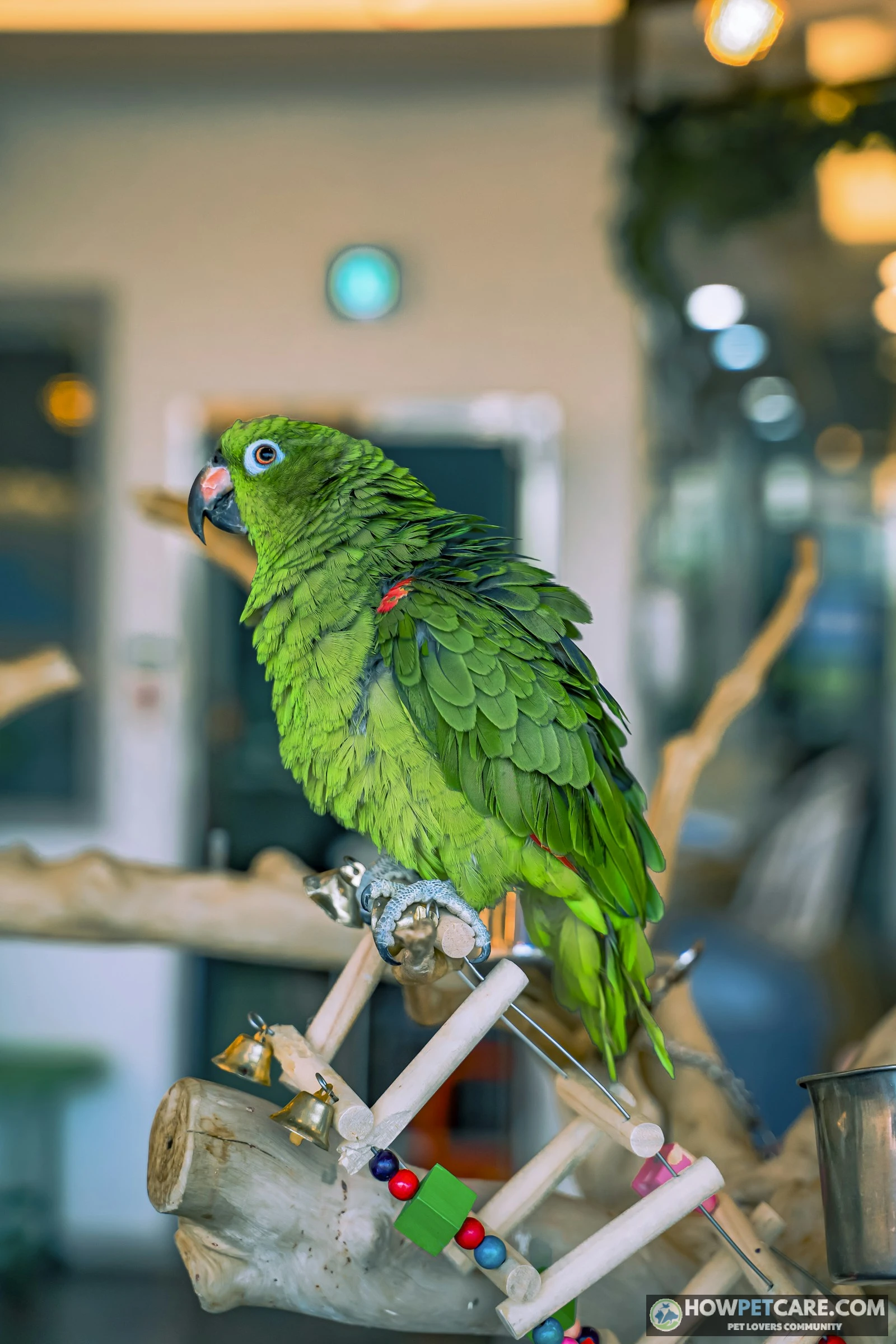
Choose a cage made of non-toxic, lead-free powder-coated metal or medical-grade stainless steel. Avoid cheap galvanized metal cages; chewing on galvanized wire causes zinc toxicity.
Replace uniform dowel perches. Standing on identical smooth wooden dowels day after day causes bumblefoot (pododermatitis), a painful pressure sore condition that can penetrate bone. Instead, use natural branches of varied diameters, such as untreated manzanita, dragonwood, bottlebrush, or apple wood. Place perches so your bird’s tail feathers don’t rub against the cage bars. Position food and water dishes higher up, away from perches where droppings could land in them.
Where to put the cage in your home
Put the cage in an active area where your family naturally spends time, such as a family room or living room. Parrots are social and suffer psychological decline when relegated to a quiet spare bedroom or dark basement.
Keep these placement rules in mind:
- Anchor against a solid wall: A cage in the center of a room or directly in front of an exposed window leaves a prey animal feeling perpetually targeted by overhead predators.
- Isolate from the kitchen: Airborne cooking hazards will kill your bird within minutes.
- Avoid thermal shock: Keep the cage away from drafts, exterior door sweeps, and direct blasts from heating or air-conditioning vents. Maintain a stable ambient temperature between 70°F and 80°F (21°C to 27°C).
- Provide full-spectrum UV light: Standard window glass filters out 100% of beneficial UVB light. Indoor birds need dedicated avian UVB lighting (emitting safe levels of UVA and UVB) for 6 hours a day to synthesize vitamin D3 and regulate calcium metabolism. Place the lamp overhead, never through glass or plastic.
Toxic foods and household dangers to remove first
A bird’s respiratory system is uniquely efficient. Parrots have rigid lungs connected to nine thin-walled air sacs that circulate air bidirectionally. Because they process gas far more efficiently than mammals, airborne toxins that humans can’t even smell are rapidly fatal to birds.
Polytetrafluoroethylene (PTFE), commonly known as Teflon, is fatal to parrots [#N]. When nonstick pans, waffle makers, air fryers, space heaters, or self-cleaning ovens heat up, they release invisible, odorless fluorinated gases. Inhaling these fumes causes acute pulmonary hemorrhage and suffocation within minutes. Discard all nonstick cookware before bringing a parrot home. Never use scented candles, plug-in air fresheners, incense, aerosol sprays, or tobacco/vape products anywhere in the house.
Several common pantry foods also cause acute avian poisoning:
- Avocado: Contains the fungicidal toxin persin, which causes cardiac arrhythmia, myocardial necrosis, and rapid death.
- Chocolate and caffeine: Contain theobromine and caffeine, which trigger hyperthermia, seizures, tachycardia, and cardiac arrest.
- Onions and garlic: Contain allicin and sulfur compounds that destroy red blood cells, inducing severe hemolytic anemia.
- Fruit seeds and pits: Apple seeds, peach pits, apricot pits, and cherry pits contain cyanogenic glycosides that metabolize into lethal cyanide.
- Alcohol and excessive sodium: Parrots have minuscule liver and kidney capacities; even microscopic quantities can cause osmotic fluid imbalance, renal shutdown, or central nervous system depression.
Bird-proofing checklist: room by room
Before opening the cage door, walk through every room with this checklist:
- Kitchen: Nonstick cookware eliminated; stovetop cold; garbage cans covered; standing water in sink drained.
- Living Room: Ceiling fans turned off (spinning blades cause catastrophic impact trauma); blinds drawn over large clear windows to prevent high-speed collisions; heavy cords covered with split-wire loom; toxic houseplants (such as philodendron, dieffenbachia, pothos, and lilies) relocated.
- Bathrooms: Toilet lids securely closed (birds drown instantly in open bowls); medicines and cosmetics sealed in drawers.
- Exterior Access: Windows shut and screens checked for holes; exterior doors locked; family members alerted that the bird is loose.
- Pet Separation: Cats, dogs, and ferrets moved to separate, closed rooms. Cat saliva carries Pasteurella multocida, a bacterium lethal to birds; even an accidental scratch requires emergency antibiotic therapy.
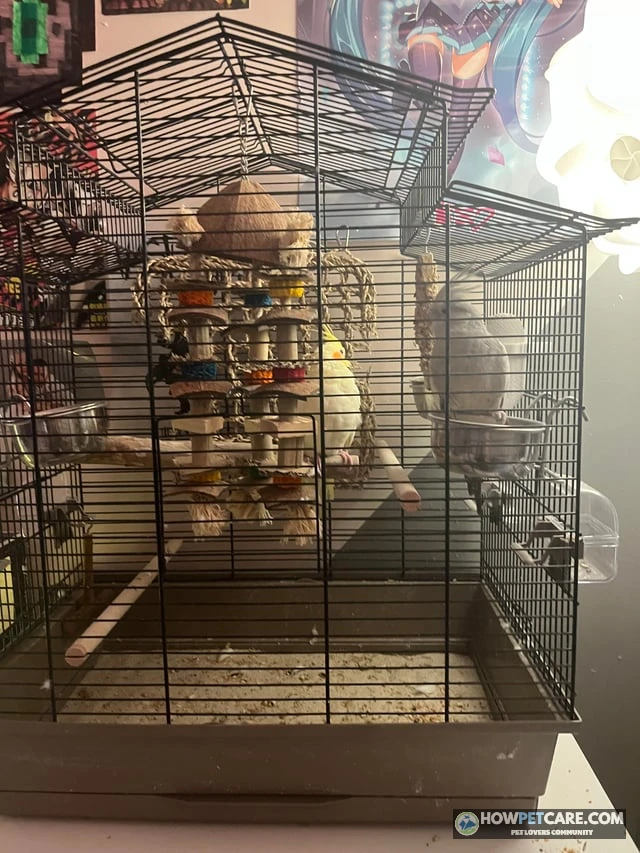
What to Feed a Parrot: A Reconciled Diet Table and How to Switch From Seeds to Pellets
For decades, commercial pet stores promoted dry seed mixes as complete parrot food. Modern veterinary science has debunked that practice. Dry seeds are deficient in calcium, vitamin A, trace minerals, and essential amino acids, while carrying fat levels upwards of 40% to 50%. An all-seed diet guarantees obesity, feather dystrophy, immune failure, and early mortality.
Parrot diet table: pellets, produce and treats
New owners often encounter conflicting diet recommendations. Some avian rescue groups recommend 60% pellets and 30% to 40% fresh vegetables, while leading avian veterinary manuals recommend 75% to 80% pellets [#N].
The guidelines serve different stages of care. The 75% to 80% pellet recommendation is an intensive baseline used by veterinary hospitals when rehabilitating malnourished seed-addicted birds to guarantee essential micronutrient intake. The 60% pellet standard is an ongoing maintenance target for an experienced bird already eating a wide variety of nutrient-dense fresh vegetables. The table brings those numbers together in a practical framework.
| Food category | Recommended share of diet | Where sources disagree | Examples | Notes for seed-to-pellet transition |
|---|---|---|---|---|
| Pelleted parrot food | 60–75% | ‘60%’ is the maintenance floor; ’75–80%’ is the conversion-phase target | Species-appropriate formulated pellets, plain (not dyed) | Start at the high end while converting; relax toward 60–65% once the bird reliably eats pellets |
| Fresh vegetables | 20–30% | Some sources lump fruit in here — don’t; fruit should be a fraction of produce | Dark leafy greens, bell peppers, carrots, sweet potato, broccoli, squash | Produce is the easy sell — most seed-eaters accept veggies before pellets, so use it to build the habit |
| Fruit | ~5% (inside the produce share) | Frequently over-fed because birds love it | Berries, apple (no seeds), papaya, banana | High sugar; treat as garnish, not a food group |
| Seeds, nuts and treats | No more than 5–10% | Old advice made seeds the base of the diet — that is outdated | Millet spray, a few sunflower seeds, walnut pieces | Do not cut to zero during transition; taper it, or the bird loses weight |
| Water | Fresh daily, changed 1–2x | — | Clean bowls or a bottle the bird knows how to use | Droppings or food in the bowl = change immediately |
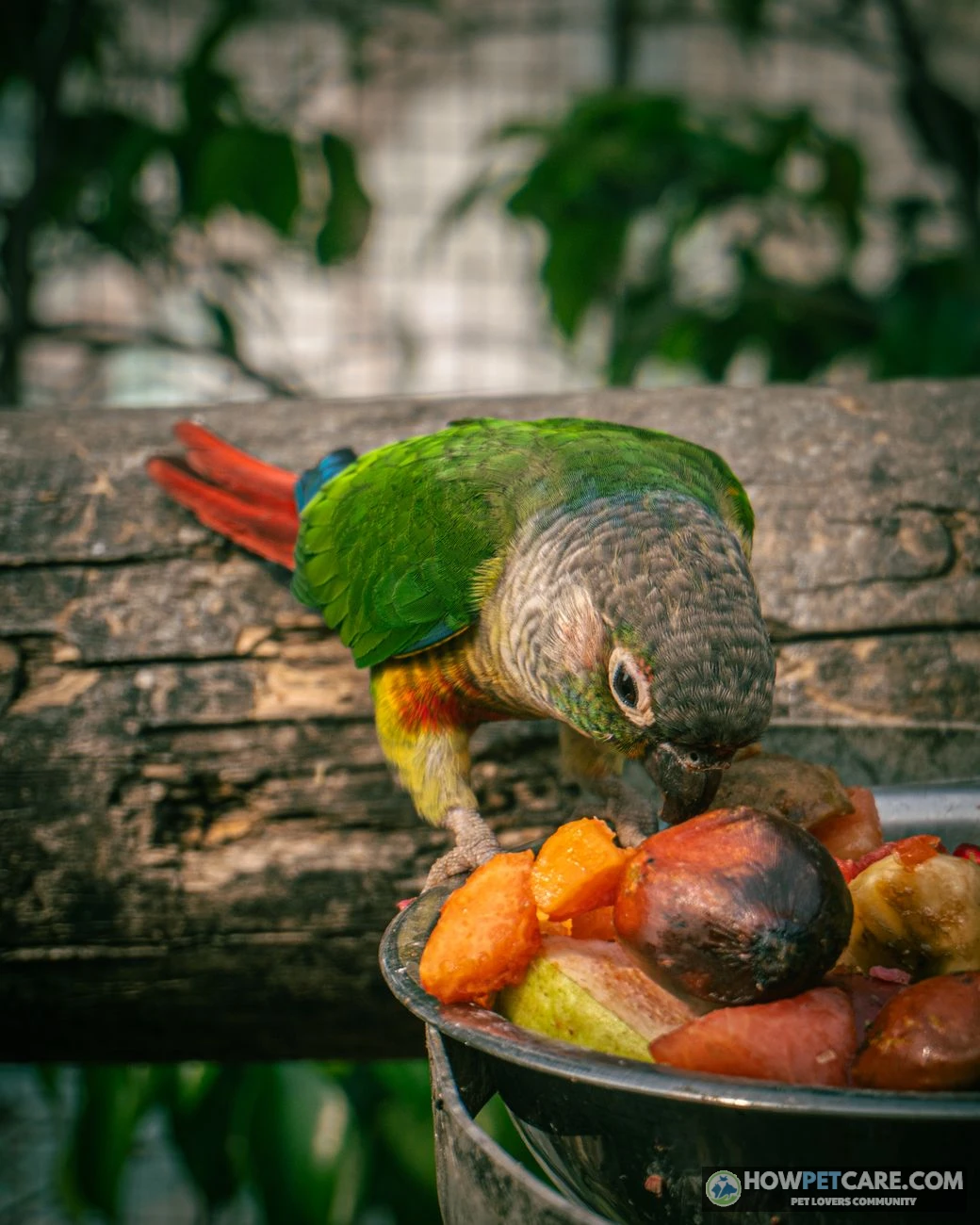
Needs vary by species. Small granivores like budgies and cockatiels can comfortably tolerate 10% high-grade seeds in their maintenance diet, whereas large South American parrots like macaws need occasional raw walnuts or macadamia nuts to fulfill their natural requirement for healthy monounsaturated fats.
How often to feed your parrot
Feed your parrot twice a day to mirror wild foraging rhythms. Wild parrots feed intensely in the early morning and again before twilight.
In the morning, offer daily chop: a freshly prepared mix of raw vegetables, steamed sweet potato, and leafy greens. For a small bird like a cockatiel, 1 to 2 tablespoons of chop is plenty; larger birds take 1/4 to 1/2 cup. Leave fresh chop in the cage for no longer than 2 to 4 hours. Produce oxidizes quickly and harbors rapid bacterial growth in warm rooms, so remove anything uneaten before noon.
In the afternoon and evening, offer the measured ration of formulated pellets. Dry pellets available during the day give your bird steady calories without the risk of spoilage. Empty, rinse, and refill water bowls at least twice daily. Parrots often dip their food in water, creating a bacteria-laden soup that needs prompt changing.
A safe 4–8 week seed-to-pellet transition
Never switch a parrot from seed to pellets cold turkey. Parrots don’t instinctively recognize manufactured pellets as food. Replace seed with pellets overnight and a stubborn bird will literally starve to death next to a full bowl of food.
For a safe conversion, get a digital gram scale that measures in 0.1-gram increments. Weigh your bird every morning before breakfast. Healthy birds experience normal daily weight fluctuations of 1% to 2%. If your bird drops more than 5% of its baseline body weight, immediately stop the transition step, restore seeds, and consult your veterinarian.
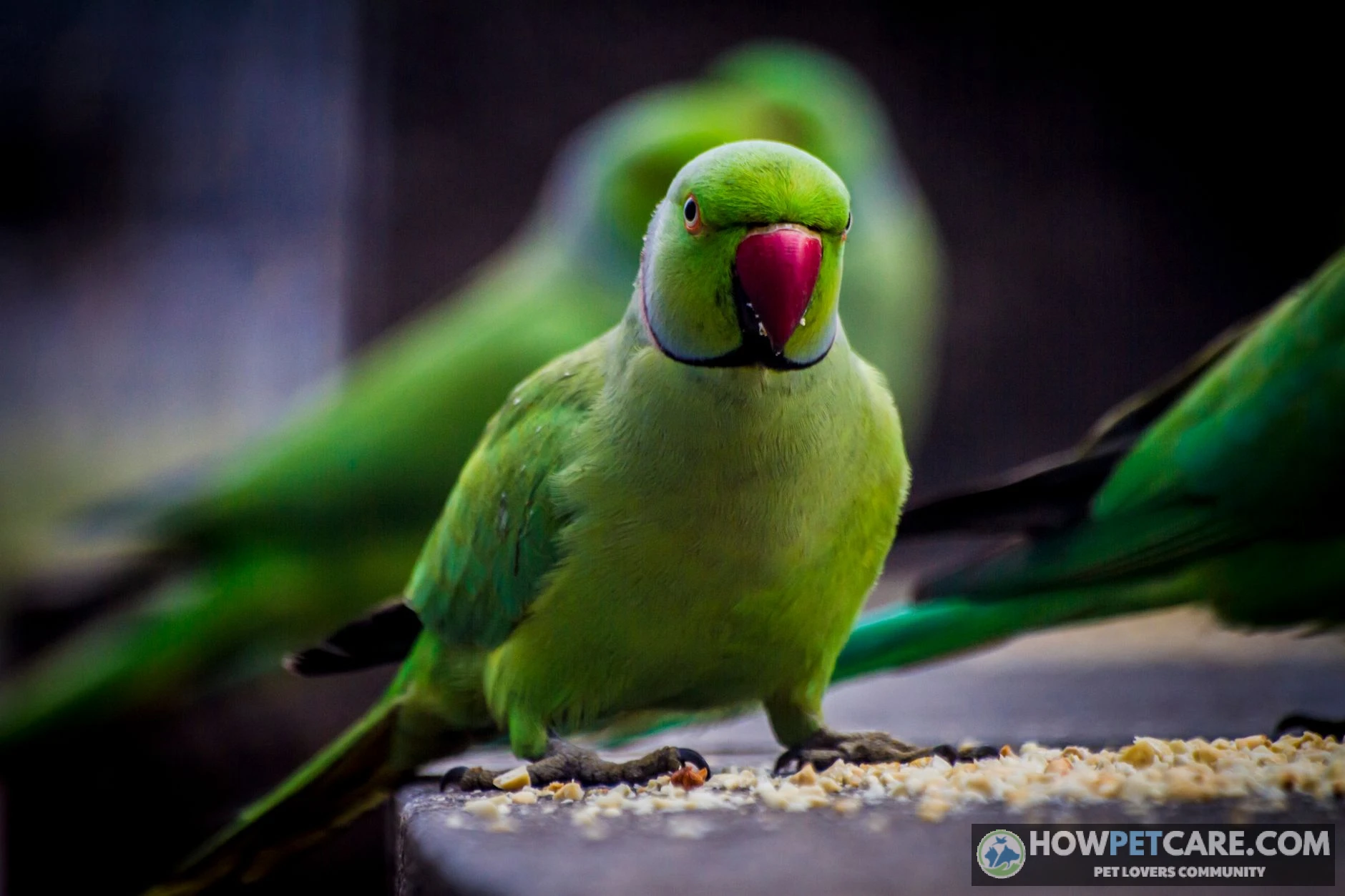
-
Step 1: Baseline and Morning Pellet Introduction (Weeks 1–2)
Weigh the bird daily. In the morning, when hunger peaks, offer a clean dish containing 100% pellets for one hour. After one hour, remove the pellets and provide their standard seed dish mixed with 25% pellets. Crush a few pellets into dust and sprinkle them over the seeds so the bird accidentally ingests the taste while hulling seed.
-
Step 2: The 50/50 Equal Ratio (Weeks 3–4)
Offer a morning mixture of 50% pellets and 50% seed. Moisten the pellets slightly with pure unsweetened organic cranberry juice or warm water to create a soft mash that clings to seed hulls. Monitor droppings: as the bird ingests pellets, droppings will change from dark green and watery to firmer, brownish-khaki pellets.
-
Step 3: Inverting to Pellet Dominance (Weeks 5–6)
Shift the mix to 75% pellets and 25% seed. Seed is no longer offered freely in a bowl; reserve seeds exclusively for evening foraging puzzles or hand-delivered training rewards.
-
Step 4: Maintenance Diet Achieved (Weeks 7–8)
The main dish is now 100% formulated pellets. High-value seeds (like spray millet or sunflower kernels) are strictly limited to less than 10% of total daily intake, delivered solely as positive reinforcement during handling and flight training.
A Daily and Weekly Parrot Care Routine You Can Print
Parrots thrive on a predictable routine. In nature, the flock follows a circadian schedule: waking at sunrise, flock calling, morning feeding, midday rest and preening, afternoon foraging, and evening roosting. Inconsistent schedules induce chronic stress, screaming, and hormonal confusion.
Sample daily schedule, hour by hour
Use this printable schedule as a starting point. Adjust the clock hours to fit your work shifts, provided the order of activities and sleep duration remain intact.
| Time block | Task | Why |
|---|---|---|
| 7:00–7:15 am | Uncover cage; 60-second health check (alert? droppings normal? ate overnight?) | Catches illness early — parrots hide it until it’s serious |
| 7:15–7:30 am | Fresh water, fresh produce bowl, pellet top-up | Produce goes in while bird is hungriest |
| 8:00–9:00 am | Out-of-cage block #1: free flight/perch time, training session, breakfast together | Covers social needs before you leave for the day |
| 9:00 am | Bird returns to cage; hide 2–3 foraging items, leave a shreddable toy | Keeps the bird working while you’re away |
| 12:00–3:00 pm | Quiet period — cage covered halfway or moved to calm spot if noisy | Midday rest; prevents the over-stimulated evening screech |
| 4:00–5:30 pm | Out-of-cage block #2: interaction, play, foraging session | Second social block; aim for 2–4 hours total out daily |
| 6:00 pm | Dinner: evening pellets + small veg portion; remove morning produce leftovers | Perishables out within 2–4 hours to prevent spoilage |
| 7:30 pm | Calm interaction only — no rough play | Winds the bird down for sleep |
| 8:00 pm | Cover cage in a dark, quiet room | Parrots need 10–12 hours of uninterrupted dark sleep; chronic short sleep causes biting and plucking |
Weekly and monthly care checklist
Keep up with these recurring tasks to maintain hygiene and safety:
- Daily: Replace cage substrate paper; thoroughly wash food and water bowls with hot water and dish soap; wipe down major perch drop zones; perform a visual physical exam.
- Weekly: Remove all perches and toys; scrub off dried droppings using hot water and white vinegar or veterinary F10SC disinfectant; inspect toys for fraying ropes, loose threads, or fractured plastic; weigh your bird on the gram scale and record the number in a logbook.
- Monthly: Deep-clean the entire cage frame; wash down cage bars; rotate three to four toys out for alternative designs to prevent mental habituation; vacuum and clean walls behind the cage setup.
Bathing, nails and beak maintenance
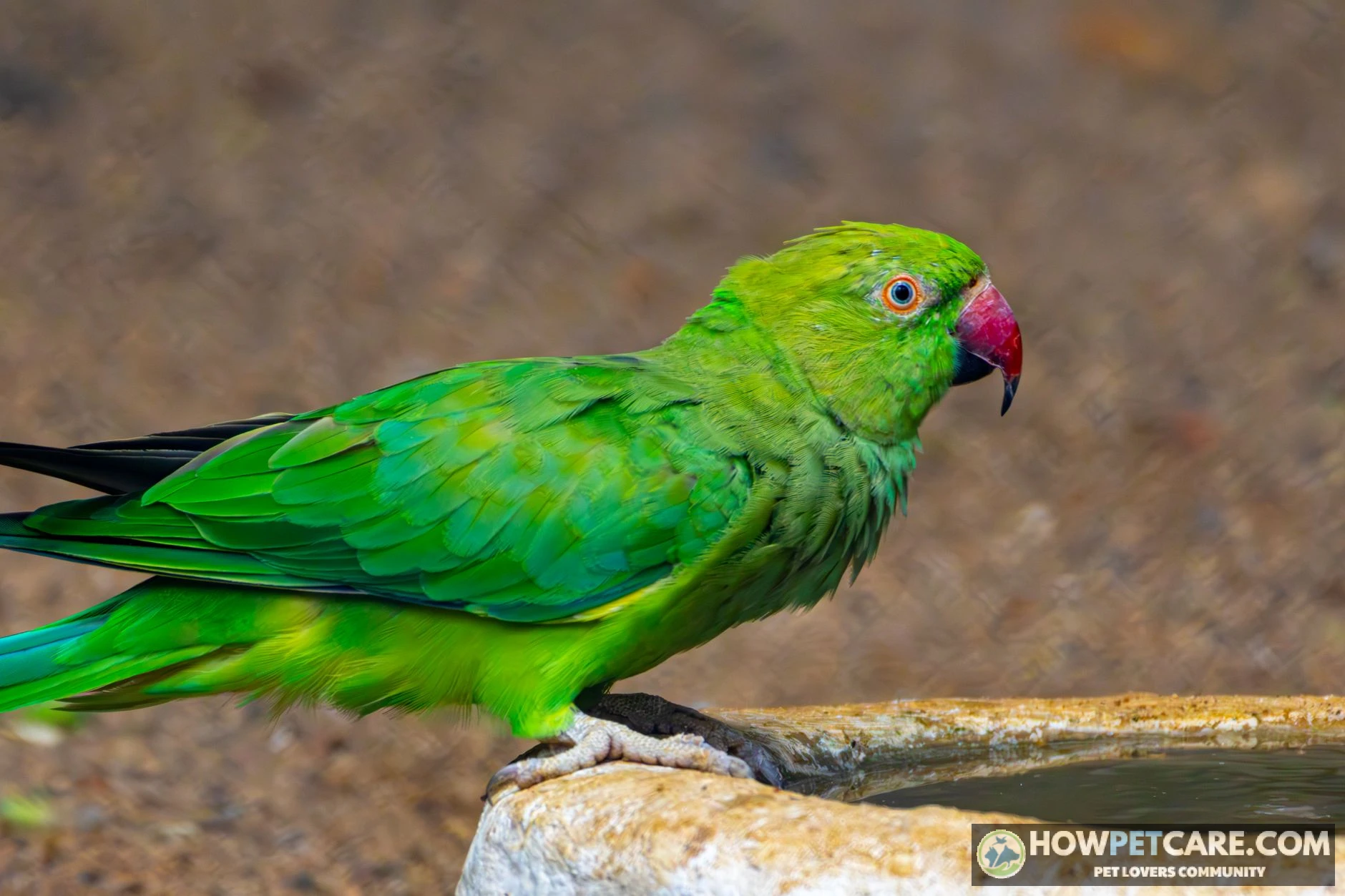
Feather hygiene is important for thermoregulation and skin health. Offer your parrot bathing opportunities two to three times a week. Provide a shallow, heavy ceramic dish filled with 1/2 inch of lukewarm water, or use a clean plant mister bottle to mist water gently above the bird, letting droplets drift down like rain. Never spray directly into a bird’s face. After bathing, keep the bird in a warm room away from cold drafts until completely dry.
Trim nails when they become sharp enough to break skin or cause the bird’s toes to lift off flat surfaces. Have an avian vet or certified groomer show you how to locate the quick—the central blood vessel inside the nail—before trying to trim them yourself. If you accidentally clip the quick, immediately apply styptic powder or cornstarch with firm pressure.
Beaks rarely need manual trimming when a bird has natural hardwood branches, cuttlebone, and chewing toys. An overgrown, flaky, or asymmetrical beak is typically a clinical symptom of systemic liver disease, dietary malnutrition, or viral infection. It requires immediate veterinary investigation rather than home filing.
Wing clipping is a personal management choice that should always be discussed with an avian veterinarian. Clipping primary flight feathers prevents outdoor escapes and indoor window impacts, but improper clipping can cause crash landings, broken keel bones, and chronic feather picking. Unclipped birds enjoy superior cardiovascular exercise and mental confidence, but require complete, vigilant household bird-proofing.
Enrichment and foraging that keeps a parrot busy
A bored parrot can become destructive. In the wild, birds spend up to 70% of their daylight hours searching for food. Given all their food in an open dish, they consume their daily calories in ten minutes, leaving eight hours of idle energy that fuels screaming and feather plucking.
Make the cage a place to explore:
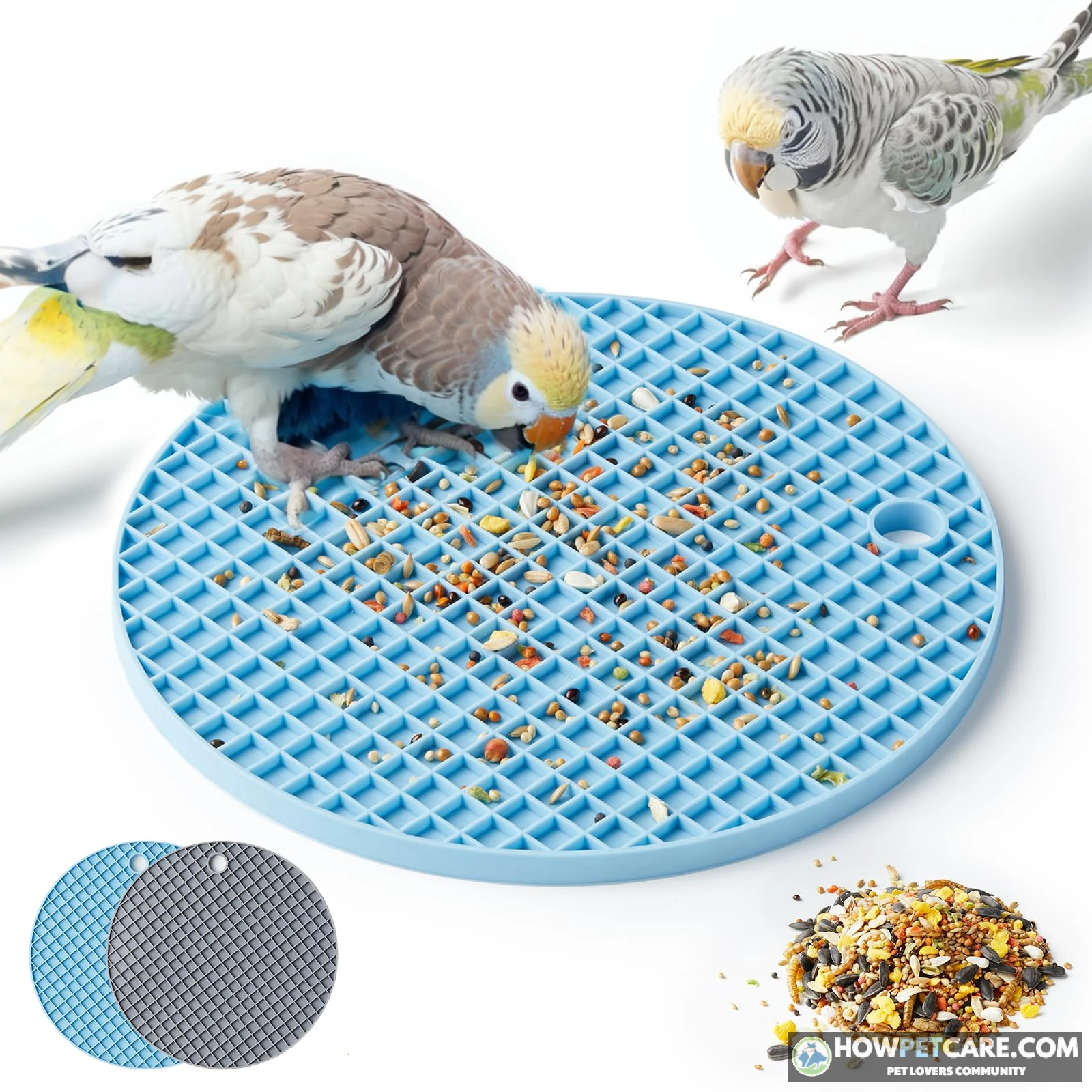
- Foraging cups and wraps: Wrap pellets inside plain brown butcher paper, unbleached coffee filters, or cardboard egg cartons so the bird must chew through the layer to eat.
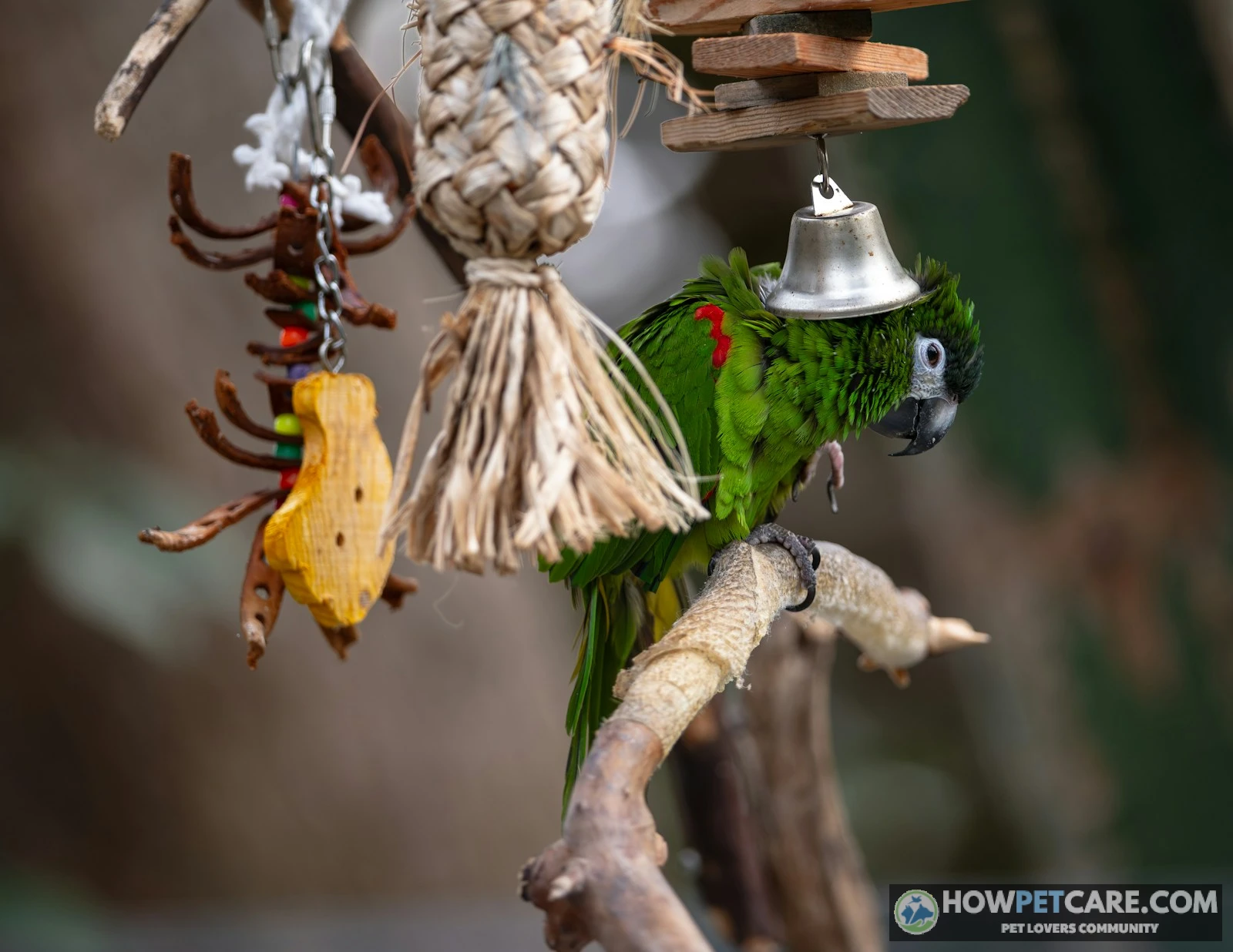
- Shredding materials: Offer toys made of balsa wood, sola wood, woven palm leaves, yucca, and untreated cardboard. Parrots have an innate drive to chew and splinter fibrous materials.
- Puzzle toys: Use acrylic foraging drawers and turn-style puzzle feeders that require moving a lever or spinning a wheel to release food treats.
How Much Does It Cost to Care for a Parrot? Upfront and Ongoing Budget
The purchase price is only part of the cost of a parrot. Budget for avian veterinary care, a spacious cage, and ongoing toy replacement as well.
Upfront costs before the bird comes home
A proper initial habitat requires durable equipment. The table outlines estimated costs in the United States as of 2026.
| Cost category | One-time or recurring | Small species (budgie, parrotlet) | Medium species (cockatiel, conure) | Notes |
|---|---|---|---|---|
| Purchase or adoption fee | One-time | $20–$300 | $150–$600 | Rescues typically include initial wellness exams |
| Enclosure / Cage | One-time | $120–$250 | $250–$550 | Must meet minimum bar spacing and dimensions |
| Natural perches (4–6) | One-time | $40–$75 | $60–$120 | Avoid uniform dowels; use varied hardwoods |
| Initial toy selection | One-time | $35–$60 | $60–$120 | Shreddable, foraging, and puzzle toys |
| Stainless steel bowls | One-time | $15–$30 | $25–$45 | Dishwasher safe, non-porous |
| Travel carrier | One-time | $30–$50 | $45–$90 | Essential for vet transport and emergencies |
| Digital gram scale | One-time | $15–$25 | $15–$25 | Measures in 0.1 g increments for health tracking |
| Avian UVB fixture & bulb | One-time | $60–$90 | $70–$100 | Must be avian-specific; replace bulb yearly |
| Initial avian vet exam | One-time | $150–$300 | $175–$350 | Physical exam, gram stain, baseline bloodwork |
| Total Upfront Estimate | $485–$1,180 | $850–$1,980 | Excludes ongoing monthly food and care supplies |
Monthly and yearly costs
Once your bird is settled, plan for these ongoing expenses:
- High-grade formulated pellets: $15 to $35 per month depending on species size.
- Fresh organic vegetables and produce: $20 to $40 per month.
- Destructible toys and foraging supplies: $20 to $50 per month. Parrots are designed to destroy their toys; a toy that lasts six months is a toy your bird is ignoring.
- Substrate liners and safe cleaners: $10 to $20 per month.
- Annual veterinary wellness exam: $150 to $350 per year for baseline physical evaluations, fecal tests, and annual blood panels.
Expect ongoing maintenance to range between $65 and $145 per month ($780 to $1,740 per year) for a small to medium parrot, excluding medical emergencies.
Building a vet and emergency fund
Avian veterinary medicine is a specialized discipline. There are far fewer board-certified avian vets than standard companion animal vets, and emergency clinics charge premium fees. An overnight stay in an avian oxygen incubator with diagnostic radiographs and supportive fluid therapy can easily exceed $1,000 to $2,500.
Set aside a dedicated emergency reserve of at least $1,500 to $2,000 before bringing your parrot home, or enroll in an exotic pet insurance policy that covers avian diagnostic imaging, surgery, and hospitalization.
Screaming, Biting and Feather Plucking: How to Prevent Them and Start Taming and Training
Parrots communicate differently from dogs and cats. When owners misunderstand their body language, normal communication can escalate into chronic screaming, aggressive biting, and destructive self-mutilation.
Stopping screaming and biting
Vocalizing at dawn and dusk is normal flock behavior. Chronic all-day screaming, however, is a learned behavior owners can inadvertently reinforce. If your parrot screams from its cage and you walk over, yell "Stop!", or give it a treat to quiet down, you’ve rewarded the screaming with social attention. To a parrot, human yelling sounds like excited flock calling.
Use differential reinforcement to extinguish demand screaming:
- Zero attention for screaming: When screaming begins, turn your back, drop eye contact, and leave the room. Don’t speak or look back.
- Immediate reward for quiet sounds: The moment the bird goes silent for five seconds or makes a pleasant whistle or chatter, turn, offer calm eye contact, and give it a high-value treat.
Biting is almost never unprovoked. Birds bite because their subtle, non-violent requests for space were ignored. Watch for these warning signs:
- Pinned (rapidly contracting and dilating) pupils
- Tail flared outward like a fan
- Raised nape feathers or fully elevated crest (in cockatiels)
- Hissing or leaning rigid body weight away from your hand
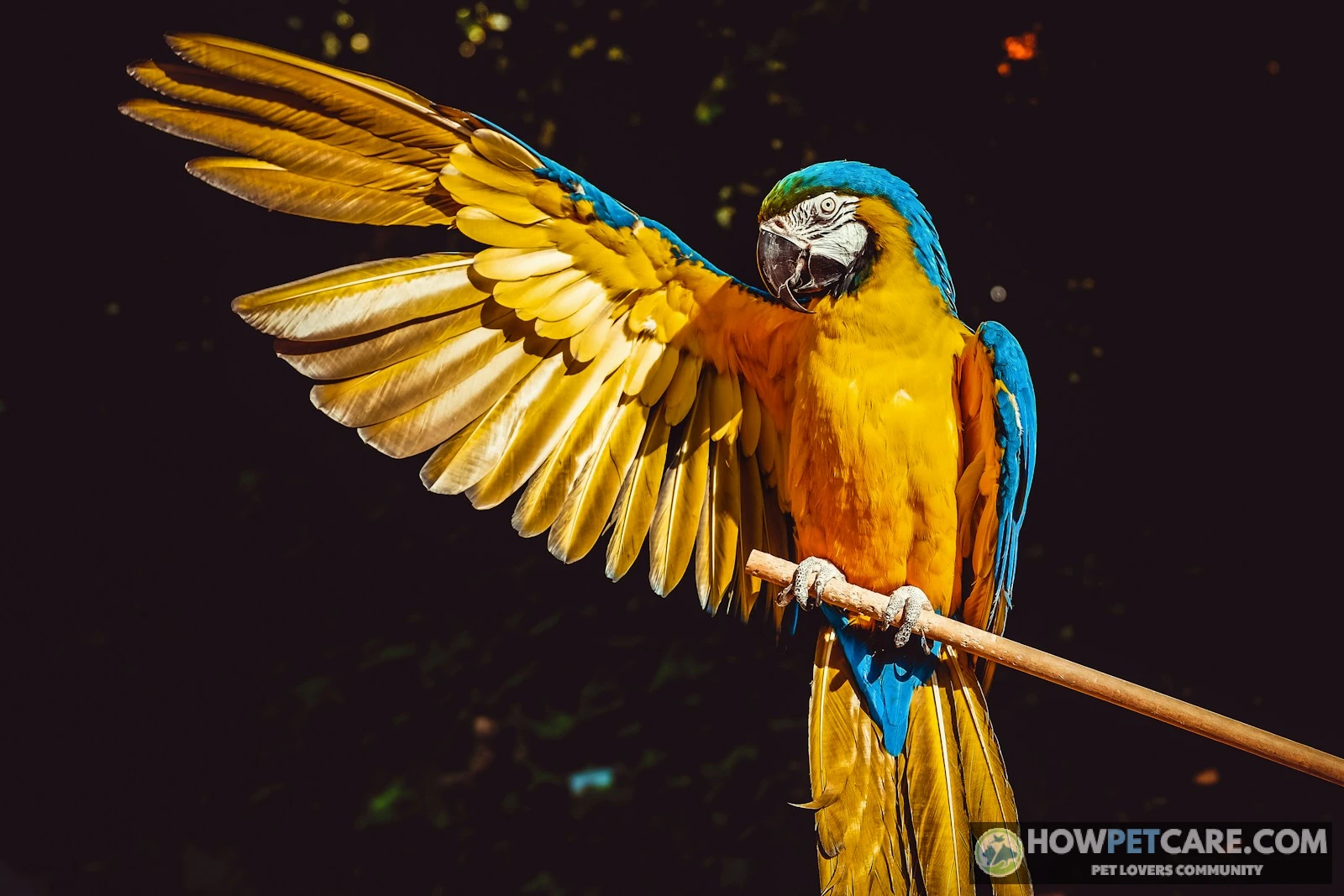
If you see these signs, back away immediately. If a bite occurs, don’t scream, jerk your hand away violently, or strike the bird. Pulling away triggers a stronger clamp reflex. Instead, stay neutral and gently press your hand slightly toward the bird’s beak to make it loosen its grip. Then set the bird down and step away calmly.
What to do about feather plucking
Feather destructive behavior (plucking, barbering, or skin chewing) can be frustrating to address. Start with the central rule: rule out medical causes first.
Plucking is often triggered by internal physical discomfort, including giardiasis, avian ganglioneuritis (Proventricular Dilatation Disease / PDD), heavy metal toxicosis, liver disease, hypocalcemia, or skin infections. Never assume plucking is purely behavioral until your avian veterinarian has run complete diagnostic panels.
If veterinary diagnostics confirm the bird is physically healthy, address environmental triggers:
- Increase uninterrupted dark sleep to a strict 12 hours.
- Raise ambient indoor humidity to 50–60% using an evaporative humidifier.
- Greatly expand daily foraging opportunities to redirect oral foraging energy away from feathers.
- Eliminate social stressors, such as predatory pets pacing around the cage.
Taming and step-up training for the first month
Helping an untamed bird become an affectionate companion takes patience and positive reinforcement. During the first week, let the bird acclimate without attempting physical handling. Sit quietly next to the cage, reading a book or speaking in gentle tones.
Follow this progression:
- Hand-feeding treats through bars: Find the bird’s favorite reward (often a spray of millet or a raw sunflower seed). Offer it through the cage bars. Once the bird steps forward confidently to take the treat from your fingers, move to the next phase.
- Open-door feeding: Open the cage door and offer the treat just inside the threshold, encouraging the bird to walk toward your hand willingly.
- Target training: Use a plain wooden chopstick as a target stick. Present the tip; when the bird touches it with its beak, immediately click (or say "Good!") and give it a treat. Targeting lets you guide your parrot without physical force.
- The step-up cue: Place your horizontal index finger or forearm directly in front of the bird’s lower chest, slightly above its feet. Present a treat just beyond your hand so the bird must step onto your finger to reach the food. Pair the motion with the verbal cue "Step up." Reward generously the millisecond both feet make contact.
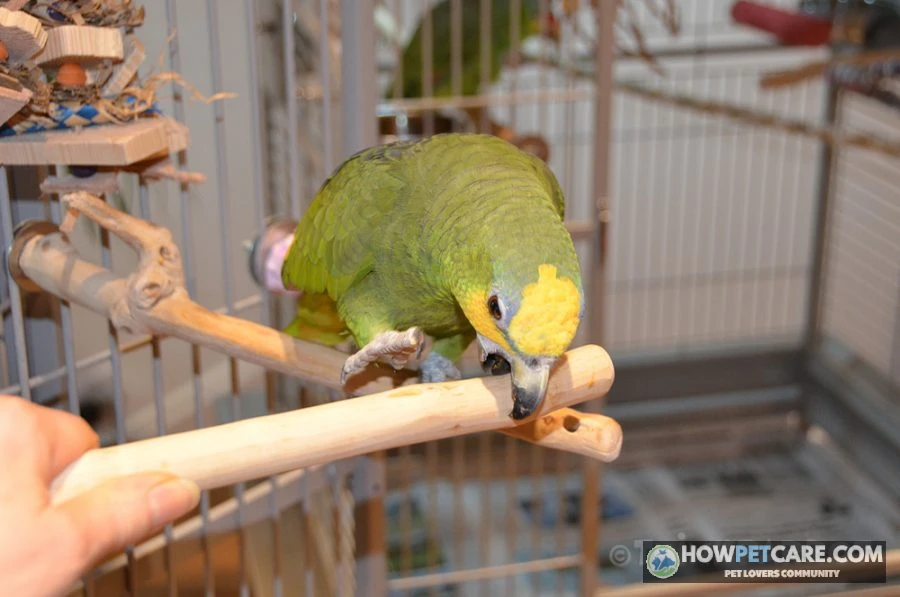
Never chase a parrot around its cage with your hand or grab it with a towel for casual handling. Forced contact shatters trust and provokes defensive biting.
Spotting Hidden Illness and Handling Emergencies: First Aid for Parrots
In the wild, a visibly sick bird is immediately targeted by predators or expelled by the flock. Because of this evolutionary pressure, parrots mask signs of illness until their physiological reserves are nearly exhausted. Recognizing subtle changes can be a matter of life and death.
Early warning signs of illness
Check your bird daily for changes from its normal health and behavior. Use this three-tier symptom triage to decide how quickly to act.
TIER 1 — Watch at home for 24 hours, log it:
- One or two unusually quiet hours, but still eating enthusiastically and perching normally.
- Slightly watery droppings immediately following a large meal of water-dense fruit or vegetables.
- An isolated, occasional dry sneeze without nasal discharge.
- Mild grumpiness during an active feather molt.
- Action: Weigh the bird on the gram scale, log the weight, and monitor closely. If symptoms persist into the next morning, advance to Tier 2.
TIER 2 — Call the avian vet the same day:
- Sitting fluffed up and lethargic during active daylight hours.
- Noticeable drop in daily food consumption, or weight loss exceeding 3% to 5% on the scale.
- Persistent changes in droppings (absence of feces, undigested seeds, liquid yellow/bright green urates) lasting over 12 hours.
- Rhythmic tail bobbing while resting (indicates severe respiratory compromise).
- Persistent vomiting or head-shaking regurgitation that soils head feathers.
- Crusty discharge around the nares (nostrils) or eyes.
TIER 3 — Emergency, go now:
- Falling off perches or sitting motionless on the bottom of the cage.
- Open-mouth breathing, audible respiratory clicking, or gasping for air.
- Uncontrolled bleeding from any wound or broken blood feather.
- Inhalation of toxic fumes (PTFE, burning oils, heavy smoke, aerosols).
- Suspected egg binding in a female bird (straining, swollen vent, paralysis of legs).
- Direct physical contact, bite, or scratch from a cat or dog.
- Seizures, sudden loss of balance, or physical trauma.
Step-by-step first aid: blood feather, toxins and egg binding
In a crisis, prompt first aid stabilizes the bird long enough to reach emergency veterinary care.
Developing feathers contain an active artery and vein. If a new pin feather breaks, it acts like an open straw and can cause a small bird to bleed to death rapidly. Grasp the bird securely in a soft hand towel. Apply direct pressure to the bleeding shaft using clean gauze coated in cornstarch or styptic powder for 2 to 3 minutes. If bleeding persists, locate the base of the feather shaft where it enters the skin follicle, grip it firmly with needle-nose pliers or hemostats, and pull the broken shaft straight out in the direction of feather growth. Apply firm pressure to the follicle for 60 seconds to halt bleeding, then transport the bird to a vet.
- Inhaled toxins: Move the bird into outdoor fresh air immediately. Don’t wait for respiratory distress to appear; nonstick fume inhalation causes pulmonary edema in under thirty minutes. Keep the bird warm and transport it immediately to the nearest avian emergency hospital with oxygen chambers.
- Egg binding: Female birds can produce eggs even without a male present. If an egg becomes lodged in the reproductive tract, it compresses pelvic nerves and kidneys. Place the hen in a warm, humid environment (85°F to 90°F / 29°C to 32°C) using a travel carrier resting on a heating pad, covered with a damp towel. Don’t try to crush or manually squeeze the egg out; shell rupture causes fatal internal peritonitis. Transport immediately to an avian surgeon.
What to keep in a parrot first-aid kit
Store a dedicated avian first-aid box next to the cage containing:
- Styptic powder (Kwik Stop) and medical-grade cornstarch
- Sterile gauze pads and cohesive flexible bandage wrap (Vetrap)
- Curved hemostats or precision needle-nose pliers (for extracting broken blood shafts)
- Blunt-end bandage scissors
- Saline eye wash solution (for flushing irritants)
- Digital gram scale with tared perch
- Critical Care fine-grind herbivore/omnivore nutritional recovery formula and oral feeding syringes
- Emergency numbers clearly taped to the lid: your primary avian veterinarian, the nearest 24/7 exotic emergency hospital, and ASPCA Animal Poison Control (888-426-4435).
Your Pre-Arrival Parrot Care Checklist and Next Steps
Preparing before your parrot arrives gives you time to set up its home and find veterinary care without a rushed store run.
Checklist: before, on arrival and first month
Work through these three stages:
Two Weeks Before Arrival:
- ☐ Purchase a correctly sized cage with species-appropriate bar spacing and assemble it.
- ☐ Position the cage against a solid wall in a social living area, away from drafts and kitchens.
- ☐ Throw away all Teflon/PTFE nonstick cookware, scented candles, air fresheners, and toxic household cleaners.
- ☐ Identify and verify a local board-certified avian veterinarian and book an initial well-bird exam.
- ☐ Stock your pantry with formulated, dye-free maintenance pellets, raw vegetables, and safe training treats.
- ☐ Equip the cage with four to six natural-wood perches of varying diameters and foraging toys.
- ☐ Assemble your avian emergency first-aid kit and print your emergency contact numbers.
Day of Arrival (The First 72 Hours):
- ☐ Transport the bird home in a secure, covered pet carrier.
- ☐ Place the bird directly into its permanent cage with fresh water, familiar food, and quiet surroundings.
- ☐ Keep household noise and foot traffic minimal; resist the urge to handle, cuddle, or show off the bird to friends.
- ☐ Observe appetite, water consumption, and stool consistency carefully.
- ☐ Establish the 10-to-12-hour dark sleep schedule starting the first evening.
The First Month:
- ☐ Attend the initial avian veterinary wellness checkup and perform baseline lab work.
- ☐ Begin the gradual, weight-monitored transition from seeds to formulated pellets using your gram scale.
- ☐ Introduce daily fresh vegetable chop rotations during the morning hours.
- ☐ Begin basic desensitization, target training, and step-up training using positive reinforcement.
- ☐ Establish a repeatable daily care routine and log your bird’s weekly morning weight.
Caring for a parrot is a long commitment that requires adjusting your lifestyle to meet the needs of an undomesticated animal. Clean housing, a balanced diet, daily enrichment, and preventive veterinary care give your bird a foundation for a healthy, decades-long life in your home.
 You might be wonderingPet rat carePet Rat Care: Costs, Cage Setup, Diet & Taming for BeginnersRead the answer
FAQ
Can you keep a parrot in an apartment?
Yes, if you pick a quieter species such as a budgie, cockatiel, or parrotlet and keep a consistent routine with enough out-of-cage time. Large, loud species such as macaws and cockatoos are usually a poor fit for shared walls.
Is wing clipping necessary for pet parrots?
No. It is an optional choice that depends on the bird, the home, and the owner’s training ability. Discuss it with an avian veterinarian, because clipped birds can still be hurt and unclipped birds need a well bird-proofed home.
Can I leave my parrot alone while I work or travel?
Most healthy adult parrots handle a normal workday if they have fresh food, water, and toys, and get attention before and after. They should not be left alone for multiple days, so use a bird-savvy sitter or boarding for longer trips.
Does a parrot need a companion bird?
A single parrot can be happy if its owner gives it plenty of daily interaction. A second bird is not a substitute for human time, and birds may not get along, so introduce new birds only after a vet exam and quarantine period.
Will my parrot learn to talk?
Not every parrot talks, and results vary by species and individual. Budgies, cockatiels, and African greys are among the better mimics, but a bird that never speaks can still be an affectionate and bonded pet.