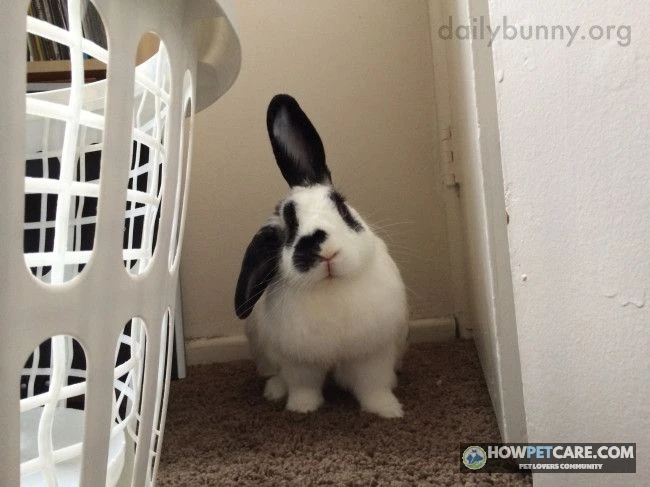

A Dutch rabbit is a small, compact breed weighing 3.5 to 5.5 lb with an average lifespan of 8 to 12 years indoors. Instantly recognized by its white blaze, collar, and colored saddle, it requires unlimited grass hay, measured pellets, a 16+ sq ft exercise pen, and adult-supervised handling.
If you’re considering a rabbit for your family, the Dutch rabbit gives you a clear baseline: adults weigh 3.5 lb to 5.5 lb, live 8 to 12 years indoors with proper nutrition and veterinary care, and need a daily routine of unlimited hay, measured pellets, fresh greens, and supervised exercise. Those figures answer the most common “does this breed fit my home?” question, but temperament, markings, precise feeding calculations, cost planning, and child‑safety rules also matter. The sections below provide the details you need to decide, budget, and care for a Dutch rabbit responsibly.
Dutch Rabbit at a Glance: Size, Lifespan and Pet Suitability
Dutch rabbit vital statistics
- Adult weight: 3.5 – 5.5 lb (average 4.5 lb)
- Body shape: Compact, rounded torso; not a dwarf build but smaller than many medium breeds.
- Lifespan: 8 – 12 years with indoor housing, high‑fiber diet, and regular exotic‑vet check‑ups
- Space needs: Minimum 16 sq ft (4 ft × 4 ft) pen plus daily 4‑hour free‑roam in a rabbit‑proofed room.
- Core commitment: Daily feeding, cleaning, supervised exercise, spaying/neutering, and a veterinarian experienced with lagomorphs.
Are Dutch bunnies good pets for beginners?
Dutch rabbits score well for beginners provided the owner can meet their active, prey‑animal nature. They are social, alert, and thrive on routine, but they are not lap‑cuddling pets that tolerate constant handling. Prospective owners often compare them to other calm household breeds; exploring Rex rabbit personality and care offers another perspective on beginner-friendly indoor rabbits. A well‑socialized Dutch seeks interaction on its own terms, responds to treats, and flourishes with safe floor time. Expecting a rabbit to be a permanent lap companion with minimal care will likely lead to disappointment. Families that can offer a stable indoor environment, adult supervision during handling, and consistent nutrition will find the Dutch rabbit an engaging, affectionate addition.

A Dutch rabbit that consistently weighs under 3.5 lb or exceeds 5.5 lb is likely out of breed standard and may have health or nutrition issues. Regular weigh‑ins (once per week for the first month, then monthly) help keep the rabbit in the ideal range.
Dutch Rabbit Temperament, Personality and Family Safety
Are Dutch rabbits affectionate and easy to handle?
The Dutch rabbit’s personality is best described as intelligent, curious, and routine‑driven. They enjoy exploring, chewing safe objects, and often greet a familiar caretaker with a gentle “binky” (a joyous jump). Affection comes with gentle petting and treat‑based training. They are not naturally inclined to sit on laps for long periods, and sudden restraint can provoke a defensive kick that may fracture their delicate spine.

Safe handling rules for children and adults
- Never lift by the ears or scruff. Use both hands under the chest, supporting the hindquarters.
- Keep interactions on the floor. Children under 10 should sit on the floor, offering treats while the rabbit approaches voluntarily.
- Supervise all handling. An adult must be present to stop a child from picking up or dropping the rabbit.
- Watch for stress signals: thumping, freezing, flattened posture, growling, or rapid lunging. Immediately end the interaction if any appear.
- Spaying/neutering reduces territorial spraying and improves litter‑box reliability; it also eliminates the 80 % risk of uterine adenocarcinoma in females after age 3.
A Dutch rabbit’s spine is long and delicate. Dropping a rabbit from a standing height can cause vertebral fractures that are often fatal. Always place the rabbit down gently and never allow it to jump from furniture.
Dutch Rabbit Colors and ARBA Marking Standards
The Dutch blaze, saddle and undercut
The American Rabbit Breeders Association (ARBA) defines the Dutch pattern as a white blaze on the face, a white collar around the neck, white fore‑leg and chest patches, an undercut (white extending under the tail), and colored “saddle” markings on the hindquarters. The blaze should be a clean, symmetrical stripe from the nose to the eye, while the saddle must be a solid block of color without stray white spots. Shoulder and hind‑leg coloration should be balanced; mismarks disqualify the rabbit from show but do not affect its quality as a pet.
Six recognized Dutch rabbit colors
| Color | Description of Coat & Markings |
|---|---|
| Black | Deep jet‑black saddle, black ears, with crisp white blaze, collar, and undercut. |
| Blue | Slate‑gray saddle with a subtle blue hue; white markings identical to Black. |
| Chinchilla | Silver‑gray saddle made of alternating black and white hairs, giving a shimmering effect; white blaze and collar remain pure. |
| Chocolate | Rich brown saddle, ranging from milk‑chocolate to dark chocolate, contrasted by bright white markings. |
| Steel | Metallic steel‑gray saddle that appears darker than Blue; crisp white blaze and collar. |
| Tortoise | A blend of brown, black, and orange‑copper tones creating a tortoiseshell effect on the saddle; white markings unchanged. |
The ARBA breed standard also requires that the white blaze be at least ½ inch wide and that the saddle occupies no less than ⅔ of the hindquarter surface. These measurements help judges differentiate a true Dutch from a mixed‑breed that merely carries “Dutch‑marked” patches.

Indoor Housing, Exercise and Litter Training for an Active Dutch Bunny
How to care for a Dutch rabbit indoors
A Dutch rabbit thrives as an indoor pet. Provide a spacious, solid‑floored 36‑inch high‑gauge exercise pen (or a fully rabbit‑proofed room) as its primary enclosure. Stay away from wire‑bottom cages, tiny laundry‑room hutches, or any space that limits vertical hopping. Include a large, high‑sided litter box, several hide boxes, and a wooden hay rack for constant grazing.
Indoor Proofing and Dual‑Zone Litter Blueprint for Dutch Rabbits
-
Containment Barrier Selection (36‑inch minimum height)
Erect a heavy‑gauge 36‑to‑42‑inch exercise pen. Reinforce all joints with zip ties; a 4‑lb Dutch rabbit can push loose panels out of alignment.
-
Substrate and Baseboard Fortification
Lay a low‑pile woven cotton rug or textured sheet linoleum topped with washable fleece blankets. Install 4‑inch clear‑plastic corner guards or kiln‑dried pine boards along baseboards to prevent chewing.
-
Cabling and Gap Concealment
Cover all cords with 2 mm hard split‑tube loom. Seal gaps under furniture with under‑bed blocker boards or storage grids.
-
Dual‑Zone Litter Box Architecture
Use a high‑sided cat litter box (minimum 18 × 14 in). Zone 1 (Elimination): line with 1 in of compressed paper pellets or kiln‑dried aspen bark. Zone 2 (Foraging): place a mound of fresh second‑cut timothy hay inside the back of the pan so the rabbit can graze while using the box.
A foolproof litter‑training progression
- Start small: put a 12‑inch box with a thick layer of hay in a corner of the pen. Sprinkle a few pellets on top; the rabbit will nibble and eliminate near the hay.
- Transfer droppings: each day, move stray droppings into the box and gently scratch the hay to encourage use.
- Expand the box: when the rabbit consistently uses the small box, replace it with the dual‑zone box described above.
- Increase room access: gradually let the rabbit explore the larger pen while keeping the box in a fixed corner. Clean accidents with an enzymatic cleaner; never use ammonia‑based products.
- Maintain: refresh hay daily, replace litter pellets weekly, and keep the box free of urine stains.
Add a small cardboard tunnel leading into the litter box. Rabbits love to dash through tunnels, and the added privacy improves box adoption.

Rabbit‑proofing checklist
- Cover all cords with split‑tube loom.
- Secure baseboards with 4‑inch wooden guards.
- Block gaps under sofas, beds, and behind appliances.
- Remove toxic plants (e.g., poinsettia, philodendron).
- Provide a safe chew (apple branches, untreated pine).
- Maintain indoor temperature between 60 °F and 72 °F; heat stress above 80 °F can be fatal.
What Do Dutch Rabbits Eat? Weight‑Based Daily Feeding for 4‑5.5 lb Adults
Daily Dutch rabbit feeding calculator
Use the following weight‑calibrated portions each day. Adjust within the ranges after weekly weighing.
1. Grass Hay (Continuous)
- Target: 80 %–85 % of total intake by volume. Provide unlimited fresh timothy, orchard, or meadow hay. No alfalfa for adults.
2. Plain Timothy Pellets (Measured)
- 4.0 lb: 2 level Tbsp (≈ 1/8 cup)
- 4.5 lb: 2.25 Tbsp
- 5.0 lb: 2.5 Tbsp
- 5.5 lb: 2.75 Tbsp (just under 1/4 cup)
3. Washed Leafy Greens (Evening)
- Target: 1 packed cup per 2 lb body weight.
- 4.0–4.5 lb: 2.0 – 2.25 packed cups.
- 5.0–5.5 lb: 2.5 – 2.75 packed cups.
- Rotation (low‑oxalate): Romaine, green/red leaf lettuce, cilantro, dill, bok choy, basil, fennel tops.
- Secondary (limit 1‑2 × week): Parsley, dandelion, kale, mint.
4. Fresh Water
- Provide 1‑2 heavy ceramic crocks (≥ 16 oz) daily; refill and clean each morning.

5. Emergency Safeguard
- If pellets or greens are left uneaten for 6‑8 hours, or fecal output drops to zero, begin GI‑stasis protocol and contact an exotics vet immediately.
Dutch Rabbit Health: GI Stasis, Dental Risks and Preventive Care
Early signs of GI stasis
- Reduced or absent fecal pellets (especially the typical round, firm “cylinders”).
- Inappetence lasting more than 12 hours.
- Hunched posture, bloating, or a cold‑to‑the‑touch body.
- Grinding teeth (bruxism) or excessive salivation.
- Lethargy and reluctance to move.
If any of these appear, call an experienced lagomorph veterinarian immediately; GI stasis can become fatal within 24‑48 hours.
Dental malocclusion and other health red flags
- Wet chin or drooling indicating overgrown incisors.
- Dropping food, selective eating, or weight loss.
- Eye or nasal discharge, especially if accompanied by facial swelling.
- Frequent stool changes (soft or watery) may signal dental overgrowth or parasite issues.
Regular dental checks (at least annually) and a high‑fiber diet keep the continuously growing teeth properly worn.
Preventive care routine
- Annual wellness exam with an exotic‑animal veterinarian (see cost table).
- Spay/neuter (mandatory for females to prevent uterine cancer).
- Quarterly nail trims and monthly weight checks.
- Fecal parasite screening based on local risk (often every 6 months).
- Vaccinations only where recommended by a lagomorph‑trained vet (e.g., myxomatosis in some regions).

Rabbits require specialized dental work, anesthesia monitoring, and gastrointestinal expertise that most general small‑animal practices lack. Always confirm a vet’s rabbit experience before scheduling.
Dutch Rabbit vs. Holland Lop vs. Netherland Dwarf
| Breed | Typical Adult Weight | Temperament Tendencies | Handling Considerations | Indoor Space & Activity Needs | Notable Care Considerations |
|---|---|---|---|---|---|
| Dutch Rabbit | 4.0 – 5.5 lb | Inquisitive, highly active, routine‑driven, bold after socialization | Moderate tolerance; prefers ≥ 4 ft floor space; kick reflex can fracture spine if restrained poorly | High; needs minimum 16 sq ft pen + 4 hr daily room run; strong vertical jump (36"+ ) | Upright ears have low infection risk; standard head conformation means lower dental malocclusion rates than dwarf breeds. |
| Holland Lop | 3.0 – 4.0 lb | Docile, calm, food‑motivated, tends to lounge | Moderate; tolerates gentle lap petting but resents being lifted; ear‑folds prone to wax buildup | Moderate; 12 – 16 sq ft pen sufficient; lower jumping tendency than Dutch | Dropped ears create chronic canal infections; brachycephalic skull raises dental spur risk. |
| Netherland Dwarf | 1.75 – 2.5 lb | High‑strung, skittish, hyper‑alert, territorial if unaltered | Low; easily frightened, rapid dart‑and‑freeze makes handling difficult for novices | Moderate footprint but requires extremely secure enclosure; very high jump potential for size | Severe true‑dwarf gene leads to flat skull, highest incidence of lifelong molar malocclusion, tear‑duct blockages, and respiratory fragility. |
Key take‑away: None of these breeds are suitable as unsupervised lap pets for toddlers. The Dutch rabbit needs the most vertical space, the Holland Lop requires the most ear care, and the Netherland Dwarf demands the most diligent dental monitoring. If you are also considering large or giant breeds, reviewing Flemish Giant rabbit care highlights how space and dietary budgets scale up significantly compared to compact rabbits.

Dutch Rabbit Cost: First-Year Setup and Annual Budget
| Expense Category | First‑Year Cost Range | Recurring Annual Cost Range | Planning Notes |
|---|---|---|---|
| Adoption / Acquisition | $35 – $100 | $0 | Shelters often include a basic health check and spay/neuter in the fee. |
| Preventive Exotics Vet Exam | $90 – $180 | $90 – $220 | Requires a board‑certified exotics DVM or rabbit‑experienced practitioner. |
| Spay / Neuter Surgery | $250 – $650 | $0 | Mandatory for females to prevent uterine adenocarcinoma (≈ 80 % risk after age 3). |
| Enclosure & Flooring | $120 – $240 | $30 – $60 | Includes 36" heavy‑gauge pen, washable floor mats, and non‑slip cotton runners. |
| Dust‑Free Hay Supply | $140 – $220 | $140 – $240 | Buying 25 – 50 lb compressed bales directly from suppliers saves 60 % vs. pet‑store retail. |
| Litter & Pan Setup | $80 – $140 | $70 – $130 | High‑sided pan + paper or aspen pellets; avoid cedar or clumping litters. |
| Timothy Pellets & Fresh Greens | $260 – $380 | $260 – $380 | Approx. $5–$7 weekly for rotational greens plus high‑fiber pellets. |
| Rabbit‑Proofing Hardware | $45 – $90 | $15 – $30 | Wire loom, corner guards, cable splitters, storage grids. |
| Emergency Veterinary Fund | $1,000 – $1,500 | Variable reserve top‑up | Acute GI stasis or gastric dilation can cost $800 – $1,800 at an exotics hospital. |
| TOTALS | $2,020 – $3,500 | $605 – $1,060 (excl. emergency reserve) | Reflects high‑standard domestic welfare in the U.S. market. |
How the numbers break down
- Up‑front (adoption, housing, spay, initial vet): roughly $1,200 – $2,000.
- Ongoing per year (food, litter, vet check, replacement toys): $600 – $1,100.
- Emergency reserve is essential; many first‑year owners underestimate the $1,000‑plus potential cost of a GI crisis.
Decide if a Dutch Rabbit Fits Your Household: Pre‑Adoption Checklist
-
Gate 1: Floor‑Level Space Allocation (The 16+ sq ft Rule)
Confirm you have a permanent 4 × 4 ft (or larger) indoor pen plus a rabbit‑proofed room for at least 4 hours of daily free‑roam. No wire cages or isolated laundry‑room hutch.
-
Gate 2: Exotic Veterinary Proximity & Financial Liquidity
Identify an exotic‑animal vet within a 45‑minute drive and set aside a liquid emergency fund of at least $1,000.
-
Gate 3: Household Dynamic & Child Safety
All members must understand that the rabbit is a ground‑dwelling prey animal, not a carrying pet. Children under 10 must only interact on the floor and under adult supervision.
-
Gate 4: Indoor Environmental Tolerance
Maintain indoor temperature 60 °F – 72 °F year‑round, keep hay dust minimal, and commit to daily sweeping of stray hay and litter.
-
Gate 5: 10‑12 Year Lifespan Horizon
Plan for a care timeline equivalent to a medium‑size dog. Ensure you have a plan for vacations, moves, or family changes that does not involve re‑homing the rabbit.
If any gate is a no, revisit your situation before adopting. When all gates are a yes, you are ready to proceed.
Your first seven days with a Dutch bunny
- Set up the pen and dual‑zone litter box before the rabbit arrives.
- Maintain the current diet (usually timothy hay and a small pellet amount) for the first 48 hours to avoid digestive upset.
- Schedule a baseline exotic‑vet exam within the first week.
- Begin low‑stress bonding: sit on the floor, offer a treat, let the rabbit approach voluntarily.
- Start a daily weight log; aim for the 4.5 lb target.
- Introduce a single safe chew toy each day to stimulate natural gnawing.
- Monitor litter box use; adjust hay placement if the rabbit avoids the box.
When the rabbit shows consistent eating, normal fecal output, and relaxed body language, you can gradually expand its exploration area and consider a compatible rabbit companion.

Choose a Dutch rabbit only if your household can provide continuous indoor space, adult‑supervised handling, precise nutrition, and a $1,000 + emergency fund. The breed’s small size and striking markings make it appealing, but the responsibility is substantial and long‑term.
| Breed Name | Typical Adult Weight | Temperament & Behavior | Handling Considerations | Indoor Space & Activity Needs | Notable Health & Care Considerations |
|---|---|---|---|---|---|
| Dutch Rabbit | 4.0 – 5.5 lb | Inquisitive, highly active, routine‑driven, bold after socialization | Moderate tolerance; prefers ≥ 4 ft floor space; kick reflex can fracture spine if restrained poorly | High; needs minimum 16 sq ft pen + 4 hr daily room run; strong vertical jump (36"+) | Upright ears have low infection risk; standard head conformation means lower dental malocclusion rates than dwarf breeds. |
| Holland Lop | 3.0 – 4.0 lb | Docile, calm, food‑motivated, tends to lounge | Moderate; tolerates gentle lap petting but resents being lifted; ear‑folds prone to wax buildup | Moderate; 12 – 16 sq ft pen sufficient; lower jumping tendency than Dutch | Dropped ears create chronic canal infections; brachycephalic skull raises dental spur risk. |
| Netherland Dwarf | 1.75 – 2.5 lb | High‑strung, skittish, hyper‑alert, territorial if unaltered | Low; easily frightened, rapid dart‑and‑freeze makes handling difficult for novices | Moderate footprint but requires extremely secure enclosure; very high jump potential for size | Severe true‑dwarf gene leads to flat skull, highest incidence of lifelong molar malocclusion, tear‑duct blockages, and respiratory fragility. |

FAQ
How big do Dutch rabbits get?
Most adult Dutch rabbits weigh between 3.5 and 5.5 lb, averaging around 4.5 lb. They possess a compact, rounded body that requires an indoor pen of at least 16 square feet plus daily exercise.
How long do Dutch rabbits live?
A well-cared-for indoor Dutch rabbit commonly lives 8 to 12 years. Providing unlimited grass hay, timely spaying or neutering, and preventive exotic veterinary care strongly influences their lifespan.
Can Dutch rabbits live outside in a hutch?
Dutch rabbits should be housed indoors. Outdoor hutches expose them to fatal temperature extremes above 80 °F, predators, parasites, and social isolation.
Are Dutch rabbits hypoallergenic?
No rabbit breed is truly hypoallergenic. Human allergic reactions are typically triggered by dander, saliva proteins, or continuous exposure to timothy grass hay rather than fur length.
Do Dutch rabbits need another rabbit companion?
Rabbits are highly social animals that thrive with a compatible, desexed partner. Bonding must always be conducted slowly in neutral territory to prevent territorial fighting.