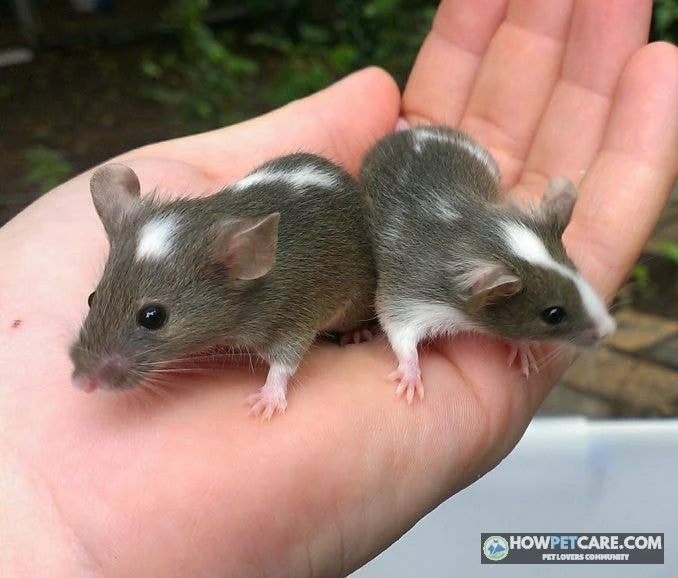

The four things mice need to survive are:
- Food: roughly 1 tablespoon of a complete pellet per adult mouse per day
- Water: uninterrupted access to clean water — mice dehydrate quickly
- Shelter: a dry, enclosed nest with soft, burrowable bedding
- Warmth: a stable temperature of roughly 65-80 °F (18-27 °C), away from drafts
Survival is the minimum; responsible pet care also adds space, companionship, enrichment, and veterinary care.
The four essentials mice need to survive: food, water, shelter, and warmth
What do mice need to survive? Food, water, shelter, and warmth. These four basics keep a mouse alive, but they don’t guarantee a life worth living. Survival means meeting the minimum needed to prevent death; welfare also includes space, social contact, enrichment, and veterinary care.
Without any one of these four essentials, a mouse faces a life-or-death problem. How each need is met depends on whether the mouse is a pet, a wild mouse, or a dependent pup.
What mice eat and drink: daily food, water, and safe access
A balanced diet is essential to a mouse’s health. Current veterinary and rescue recommendations favor a complete pellet as the foundation, rather than seed mixes or arbitrary scraps.
Pet mouse diet and water requirements
A quality complete pellet food, such as Science Selective, Oxbow Essentials, or Mazuri, should make up most of a pet mouse’s daily intake. These foods are fortified with vitamins and minerals to meet the species’ nutritional needs.
- Pellet base: A complete pellet food should make up the bulk of the daily ration. Seed mixes are commonly sold, but they’re high in fat and low in essential nutrients. Use them sparingly as treats, if at all.
- Supplementary foods: Offer small portions of safe fresh foods, such as leafy greens, carrots, or occasional fruit, but don’t let them replace the pellets.
- Daily amount: An adult mouse eats roughly 1 tablespoon of pellet-based food per day, though the amount varies with its size, age, activity level, and the specific food. Caretakers should monitor body condition and adjust portions accordingly.
- Water access: Mice need clean water at all times. A secured water bottle with a sipper tube is the most common option, though a stable, shallow dish can serve as an alternative or backup. Check the water source daily for clogs, contamination, and proper function. Mice typically drink only a few milliliters per day, but they can dehydrate quickly if access is interrupted.

Wild foraging and hydration
Wild mice are opportunistic omnivores. Mus musculus forage on plant materials such as seeds, grains, and nuts, as well as small invertebrates, including insects and larvae. They get water from dew, puddles, moisture in food, and even metabolic water from digestion. This flexible diet helps them persist in habitats ranging from fields to urban fringes. A wild mouse’s ability to find food and water, however, doesn’t mean those conditions are adequate for a domestic pet. Pet mice rely entirely on a caregiver to provide these resources reliably.

Pet mouse habitat: enclosure space, bedding, warmth, and safety
A suitable enclosure needs enough space, safe bedding, and stable conditions. The specifications below can help new owners check their setup.
Choosing an enclosure and bedding
A mouse spends its life in its enclosure, so the setup has a direct effect on its health and happiness.
- Minimum floor space: Current US recommendations advise a minimum of a 40-gallon breeder tank, which provides roughly 650 square inches of floor space, for one to four mice. Alternative setups, such as bin cages, can meet this requirement if they offer equivalent usable area. The old notion that mice thrive in small cages has been debunked. Ample space supports natural behaviors like burrowing, climbing, and exploration.
- Enclosure types: Wire cages offer good ventilation, but wide bar gaps can allow mice to escape, especially younger ones. Glass tanks retain humidity and need a secure mesh lid for airflow. Bin cages modified with ventilation holes can provide ample floor space at a lower cost. Whatever type you choose, it must be escape-proof, easy to clean, and resistant to chewing.
- Bedding material: Bedding affects respiratory health, odor control, and a mouse’s ability to burrow. Avoid unprocessed aromatic woods such as cedar and pine shavings; their oils can irritate a mouse’s airways. Bedding options and related habitat items to use or avoid include:
- Unscented paper-based bedding: A good default choice, with low dust in quality brands and good odor control. Approximate cost $8-15 per bag (expands to roughly 30-50 L). Avoid scented versions and fluff the bedding before adding it.
- Hemp: Offers very good absorbency and odor control, with low dust. Approximate cost $15-25 per bale. It isn’t ideal as a sole nesting material; mixing it with paper makes it easier to burrow in.
- Aspen shavings: The only wood shaving considered safe for small mammals, with moderate odor control. Approximate cost $10-20 per large bag. Often paired with a paper layer for added comfort.
- Shredded plain paper or cardboard: Safe and free as nesting material atop a base layer. It provides poor odor control as a base and should be replaced frequently if damp.
- Exercise wheels and balls: A solid-surface wheel approximately 8 inches (20 cm) or larger is recommended. Avoid wheels with wire rungs or those smaller than 8 inches, which can cause spinal injury. Exercise balls are marketed for small pets, but they restrict natural movement and can cause overheating or stress. It’s best to avoid them entirely.
- Fluffy cotton-type nesting fiber: Unsafe because fibers can tangle around limbs or be swallowed. Use shredded paper or tissue instead.

Deep bedding, hides, and a solid wheel turn a tank into real habitat. (Source: drdknaagdierwinkel) - Depth and burrow space: Whatever material you use, aim for a bedding depth of at least 4-6 inches (10-15 cm). This lets mice dig and nest naturally, which is essential for thermoregulation and stress reduction.
- Additional shelter: Provide at least two hideouts or tunnels, chew items such as apple or willow sticks, and foraging enrichment like millet sprays or dried herb mixes. These give mice secure nesting sites and satisfy their gnawing instincts.

Temperature range and habitat conditions
Mice are sensitive to abrupt temperature shifts and extremes. Veterinary sources generally recommend a stable ambient temperature between approximately 65 and 80 °F (18-27 °C). Place the enclosure away from direct sunlight, radiators, air conditioning vents, and drafty windows. Keep humidity moderate: excess moisture can mold bedding, while overly dry air may irritate skin and respiratory tracts. A simple thermometer can help you keep the temperature within the safe range.
Wild mice and pet mice: how survival needs differ
Wild mice find their own resources, while domestic fancy mice depend on their owners. The same basic needs are met in different ways.
How mice survive in the wild
Wild house mice, Mus musculus, are adaptable. They nest and raise young in burrows, wall cavities, or other concealed spaces, storing surplus food in hoards when possible. Wild colonies often consist of related individuals with a dominance hierarchy, though living arrangements vary with population density and available resources. Predators, weather extremes, poisons, and traps are constant threats that shape a mouse’s typical lifespan outdoors. A mouse may survive in a home’s walls, but that doesn’t make the walls a suitable habitat.

Why mice can persist in homes
Houses unintentionally provide all four survival needs. Crumbs, pet food, and garbage offer calories; leaky pipes, condensation, and pet water bowls supply moisture. Wall voids, clutter, and nesting materials provide shelter and warmth. These resources help explain why mice often enter homes, especially in cooler months.
The conditions that let a mouse persist, such as accessible food debris and unsealed entry points, aren’t the same as responsible pet care. Domestic fancy mice depend on caregivers for a controlled diet, clean housing, social companionship, and preventive veterinary attention. There’s a difference between a wild mouse eking out an existence and a pet mouse thriving in human care.
Pet vs. Wild vs. Baby Mouse: Same Needs, Different Delivery
Every mouse has the same four survival needs, but how those needs are met differs:
| Survival need | Pet mouse | Wild mouse | Baby / orphaned pup |
|---|---|---|---|
| Food | A measured daily pellet ration provided by the owner | Opportunistic foraging and hoarding — seeds, grains, plant matter, small insects | Mother’s milk only; there is no safe improvised substitute |
| Water | Bottle or dish refilled and checked daily by the owner | Puddles, dew, and moisture extracted from food | Hydration comes entirely from nursing; pups cannot lap water |
| Warmth | Stable room temperature controlled by the owner | Burrows, wall cavities, and self-built nests trap body heat | Cannot regulate body temperature — hairless pups need external warmth of roughly 85-95 °F (29-35 °C) |
| Shelter | Enclosure, bedding, and hides supplied by the owner | Concealed burrows and cavities; a house offers all four needs in one place | The nest itself plus the mother’s body for cleaning and stimulation |
| Biggest killer | Owner error: a jammed bottle, overheating, escape | Predators, cold snaps, poison, and traps | Cold, dehydration, and well-meaning but incorrect feeding |
A mouse surviving in your walls shows how well mice can persist, not that the conditions are good.
Baby mice and orphaned pups: warmth, feeding, and urgent help
Dependent pups are especially vulnerable. These first steps can help a finder without encouraging improvised hand-rearing.
If you find a baby mouse
Finding a lone pup can be distressing, and what you do in the first hours can affect its survival.
- Check before touching. Watch from a distance for signs that the pup is warm, alert, and moving. If it is, keep handling to a minimum. If handling is necessary, wear gloves or use a cloth, and limit contact time.
- Get it warm immediately. If the pup feels cold, warm it before considering food. Put it in a small ventilated box on a soft cloth. Place a heating pad on LOW under only half the box so the pup can move away from the heat, or use a warm water bottle wrapped in a towel. Hairless pinkie pups need external warmth of roughly 85-95 °F (29-35 °C); furred pups need less intensive heat. A cold pup cannot digest anything, so warming must come before feeding.
- Do not feed it. Don’t offer cow’s milk, water from an eyedropper, or any other liquid. Forcing liquid into a pup’s mouth causes fatal aspiration, and cow’s milk is the wrong formula entirely. The wrong substance can quickly lead to dehydration, diarrhea, and death.
- Try the mother first if the nest is findable. If you know where the nest is, gently place the pup back near it. Retreat indoors and watch quietly for 30-60 minutes. Wild mothers often retrieve stray pups. Keep cats, dogs, and children away during this time.
- Contain and quiet down. If the mother doesn’t return, keep the box covered and warm, away from noise and activity. Minimize stress.
- Make the call within hours, not days. Take a wild orphaned pup to a licensed wildlife rehabilitator as soon as possible. A domestic mouse pup that has escaped or been separated from its breeder should go to a veterinarian experienced with small mammals or a reputable rescue. Hand-rearing newborns takes considerable time and should not be attempted without professional guidance: feedings approximately every 2-3 hours around the clock are required.

Why orphan care needs expert guidance
Newborn pups depend on their mother for warmth, nutrition, cleaning, and stimulation of elimination. Without her, their survival window narrows rapidly. DIY rearing often fails because pups need precise temperature control, formula composition, and feeding frequency. When in doubt, contact a wildlife rehabilitator or an exotic-animal veterinarian.
Social needs, health care, and the real cost of keeping pet mice
Keeping mice responsibly means looking beyond basic survival supplies to companionship, preventive care, and a workable budget.
Companionship and introducing new mice
Mice are social animals. In most cases, same-sex pairs or small groups thrive when introduced carefully. Female mice can often live together, particularly if introduced at a young age or through a gradual quarantine process. Adult males are more likely to show aggression and can’t always be housed together; many owners keep males alone unless the animals have been successfully neutered and bonded. Compatibility varies by individual, so watch closely during and after introductions to prevent fighting.
Quarantine and introduction basics: When adding a mouse to an existing group, start with a separate enclosure in the same room for at least two weeks. Use separate food, water, and bedding during this period. Watch the newcomer and resident mice for signs of illness; mice often hide symptoms until a condition is advanced. If you have health concerns, consult an exotic-animal veterinarian before attempting an introduction. After quarantine, introduce the mice under supervision in neutral territory, allowing them to establish a stable social hierarchy without undue stress.

Setup, monthly, and veterinary costs
Before bringing mice home, consider the financial commitment. The table breaks down approximate initial and ongoing costs. Figures are based on average US retail prices in 2026 and vary by location, brand, and individual circumstances.
| Cost category | What it covers | Approximate cost | One-time or recurring |
|---|---|---|---|
| Enclosure | Glass tank with mesh lid, wire cage, or DIY bin cage — roughly 80 x 50 cm+ of floor space for a pair or trio | $30-90 | One-time |
| Bedding | Paper, hemp, or aspen for a 4-6 in (10-15 cm) burrowable layer | $10-20 | Every 2-4 weeks |
| Food | A bag of complete mouse/rodent pellets | $8-15 | Monthly |
| Water bottle | Chew-resistant bottle plus a spare (spouts jam — a spare is insurance) | $5-10 | One-time |
| Wheel | Solid-surface wheel, approximately 8 in (20 cm) or larger — no wire rungs | $10-25 | One-time |
| Hides, nesting, chews | Minimum two hides, shredded paper nesting, chew items | $10-20 | One-time + monthly top-ups |
| Carrier + kitchen scale | Safe vet transport and weekly weight checks | $10-20 | One-time |
| Vet reserve | Fund for an exotic-animal vet exam — mice hide illness until it’s urgent | $50-100 | Build it up as recurring savings |

Realistic totals: Approximately $130-290 for setup plus the vet reserve, then roughly $20-40 per month ongoing. If recurring costs and a vet reserve don’t fit the household budget, remember that a mouse is small, but its care still costs money.
Routine and emergency care
Routine care includes daily food and water checks, spot-cleaning soiled bedding, full enclosure cleaning on a regular schedule, and weekly weight monitoring. You’ll also need access to an exotic-animal veterinarian familiar with mice. Because mice are adept at hiding illness, a sudden change in behavior, appetite, or appearance can signal a serious problem that needs prompt veterinary attention. Emergency treatment for an unexpected illness or injury can be costly, making a reserve fund worthwhile.

Before bringing a mouse home: a readiness and setup checklist
Use this checklist to decide whether you’re ready to meet a mouse’s survival needs and provide for its ongoing welfare.
- Enclosure readiness: The enclosure is fully assembled, escape-proof, appropriately sized (minimum 40-gallon breeder equivalent for a pair or trio), and well-ventilated. It has safe bedding at least 4-6 inches deep, nesting material, at least two hides, and enrichment such as a solid exercise wheel, chew toys, and foraging opportunities.
- Resources confirmed: Complete pellet food is available, a working water bottle or dish is refilled and checked daily, and the ambient temperature stays within the 65-80 °F (18-27 °C) range. A compatible same-sex companion or group is prepared if desired.
- Budget verified: Initial setup costs and estimated monthly expenses, including a veterinary reserve, fit within the household budget. If an essential element is missing or recurring costs aren’t sustainable, delay acquiring a mouse.
- Health access: An exotic-animal veterinarian is identified and reachable before the mouse arrives. Know where to seek care for respiratory issues, dental problems, or injuries.
- Wild or orphaned mice: If you intend to help a wild or orphaned mouse rather than keep a pet, contact a licensed wildlife rehabilitator or relevant animal authority. Keeping a wild mouse as a pet often leads to poor welfare for the animal and legal complications for the finder. For a domestic mouse that has escaped or been found, contact a veterinarian or rescue organization first.
Complete the checklist before bringing a mouse home so food, water, shelter, and warmth are part of an ongoing care plan, not just the bare minimum.
1Why are commercially sold seed mixes discouraged as the primary daily food source for pet mice?
Seed mixes are high in fat and low in required vitamins, whereas complete pelleted feeds supply balanced species-specific nutrition.
2Which bedding material should be avoided in a mouse habitat due to aromatic oils that irritate airways?
Unprocessed woods like pine and cedar release volatile aromatic oils that irritate a rodent's respiratory system.
3When assisting a cold, orphaned mouse pup, what critical step must be completed before offering any food or liquid?
A hypothermic pup cannot physically digest food or liquids, making immediate external warming mandatory prior to any feeding attempt.
4What is the recommended minimum floor space requirement for housing one to four pet mice?
A 40-gallon breeder setup supplies roughly 650 square inches of space, fulfilling welfare standards for active behaviors like burrowing and exploring.
5Why are exercise balls discouraged for pet mice despite being commercially available?
Enclosed exercise balls restrict sensory feedback, prevent natural posture, and elevate risks of thermal stress and panic.
6What is the recommended protocol when preparing to introduce a new mouse to an existing social group?
A two-week isolation period allows caretakers to watch for concealed illnesses before supervised introductions take place in neutral territory.
7What ambient room temperature range is recommended to keep adult pet mice safe from thermal stress?
Maintaining temperatures between 65 and 80 °F prevents cold stress and overheating in adult mice.
8Why is it advisable to keep a backup water bottle when caring for pet mice?
Sipper tubes are prone to sudden clogging or jamming, making a spare bottle essential insurance against dehydration.
9What is the minimum recommended bedding depth in a pet mouse enclosure?
A substrate depth of 4 to 6 inches allows mice to construct stable burrows essential for thermoregulation and stress reduction.
10Why should synthetic fluffy cotton nesting fibers be excluded from mouse habitats?
Synthetic or cotton nesting fibers pose severe risks of limb entanglement and fatal gastrointestinal impactions.

| Cost Category | Items Covered | Approximate Cost | Expense Type |
|---|---|---|---|
| Enclosure | Glass tank with mesh lid, wire cage, or DIY bin cage — roughly 80 x 50 cm+ of floor space for a pair or trio | $30-90 | One-time |
| Water bottle | Chew-resistant bottle plus a spare (spouts jam — a spare is insurance) | $5-10 | One-time |
| Wheel | Solid-surface wheel, approximately 8 in (20 cm) or larger — no wire rungs | $10-25 | One-time |
| Vet reserve | Fund for an exotic-animal vet exam — mice hide illness until it's urgent | $50-100 | Build it up as recurring savings |
| Bedding | Paper, hemp, or aspen for a 4-6 in (10-15 cm) burrowable layer | $10-20 | Every 2-4 weeks |
| Food | A bag of complete mouse/rodent pellets | $8-15 | Monthly |
| Hides, nesting, chews | Minimum two hides, shredded paper nesting, chew items | $10-20 | One-time + monthly top-ups |
| Carrier + kitchen scale | Safe vet transport and weekly weight checks | $10-20 | One-time |
FAQ
Can mice survive without water?
Mice need reliable access to water, and some may get moisture from food, but that is not a safe substitute for a dependable water source. Do not use a time-without-water estimate to delay care; provide clean water and contact a veterinarian if a pet mouse is not drinking or appears unwell.
How long can mice survive without food or water?
There is no dependable or humane survival window to use as a care guideline; it varies with the mouse’s age, health, temperature, and access to moisture. Treat lack of food or water as urgent and restore access promptly, seeking veterinary help for a pet that may have gone without either.
How much water does a mouse drink per day?
Intake varies with diet, temperature, size, activity, and health, so a single daily figure is not a reliable target. Keep clean water continuously available, check that the bottle or dish works, and monitor for a sudden change in drinking.
How should I clean a mouse enclosure without disrupting its nesting area?
Spot-clean soiled areas regularly and replace bedding as needed, while retaining a small amount of clean, familiar nesting material when appropriate to preserve familiar scent. Avoid leaving waste to build up, and follow veterinary advice for cleaning more frequently if a mouse is ill.