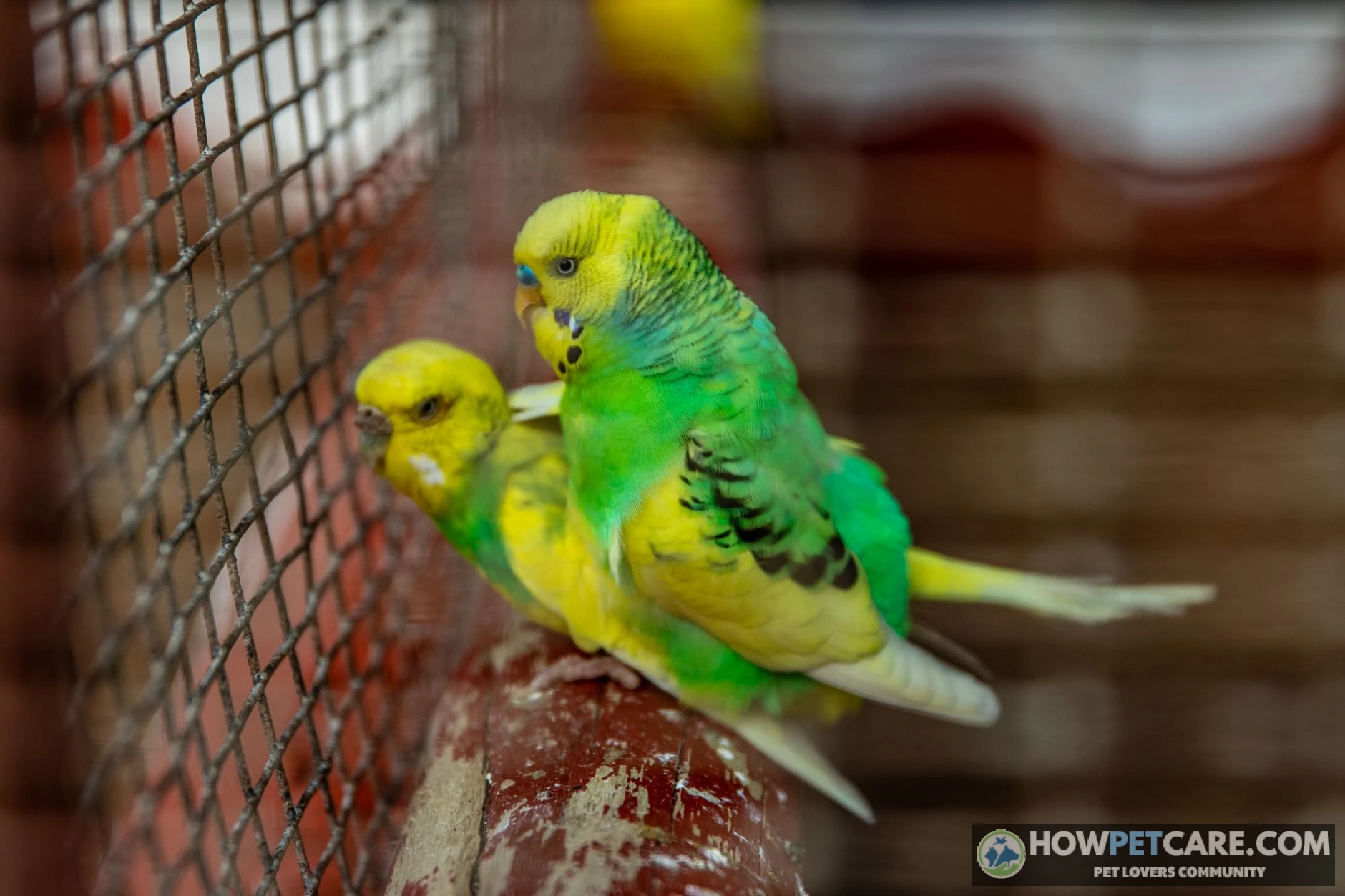

A healthy budgie needs:
- A roomy cage (at least 18×18×18 in for one bird) with bar spacing of 1/2 inch or less
- A pellet-based diet with daily fresh vegetables and only small amounts of seed
- Fresh water and dishes washed daily
- Daily social interaction plus 1–3 hours of supervised out-of-cage exercise
- 10–12 hours of dark, quiet sleep every night
- An avian veterinarian for a new-bird exam and annual checkups
Budgie Care Essentials: What Every New Owner Must Do
A budgie needs a roomy cage with safe bar spacing, a varied diet built around pellets, fresh water, daily social interaction, supervised exercise, and 10–12 hours of quiet, dark sleep. Find an avian veterinarian before your bird needs one. This guide includes a feeding schedule, a US budget, an emergency decision tree, and a printable daily and weekly checklist.
A budgie, or budgerigar, is a specific small parrot species. “Parakeet” is a broader term that includes budgies, although US pet stores often use the names interchangeably. Budgies chirp and whistle, and some learn to imitate words, but talking is never guaranteed.
Plan for a commitment of roughly 5–10 years, sometimes longer. Diet, housing, genetics, exercise, and veterinary care all matter. Budgies are small, but they still need daily attention and opportunities to behave like birds.
During the first 24 hours, let your new bird settle into a prepared cage in a calm room. Offer its familiar food and fresh water, keep handling to a minimum, and arrange a new-bird veterinary examination. Don’t assume the bird has eaten just because seed hulls remain in its bowl.
Budgie Cage Setup Guide: Size, Bar Spacing, Perches and Essential Accessories
Cage size and bar spacing specs
For one budgie, use a cage at least 18 inches wide by 18 inches deep by 18 inches high; for two, use at least 30 inches wide by 18 inches deep by 18 inches high. These are starting minimums, not ideal sizes. Choose a wider cage whenever possible. Budgies need room to move horizontally between perches without constantly brushing against bars or toys.
Bar spacing should be no more than 1/2 inch to reduce the risk of a bird getting its head caught. Check that doors latch securely, the finish is intact, and there are no sharp edges. Even a larger cage doesn’t replace supervised exercise outside it.

Perches, toys and accessories that matter
Install two or more bird-safe natural-wood perches of different diameters so your budgie can change its grip. Place them at different heights without blocking the flight path, and position them so droppings can’t fall into dishes. Avoid sandpaper perch covers, which can irritate feet. Check rope perches for loose fibers, and remove them if your bird chews them.
Use separate dishes for dry food, fresh food, and water, and wash them daily. Give each bird access to its own feeding station. Add a cuttlebone as an optional calcium source, a few destructible or foraging toys, and a shallow bird bath. Rotate toys instead of filling the cage so densely that your bird can’t move freely.
Line the tray with plain paper, paper towels, or newspaper so you can see changes in droppings. Avoid corn cob bedding and glossy advertising inserts. A breathable cover can help provide darkness, though a consistently dark, quiet room works too.

Where to place the cage
Choose a stable spot in a frequently used living area, with a wall behind part of the cage so your bird has a place to retreat. Keep the cage away from the kitchen, direct sun that could overheat it, open windows, and strong drafts. Provide a predictable 10–12-hour dark, quiet sleep period. Before bringing your bird home, check the supplies checklist at the end.
What to Feed a Budgie Daily: Pellet, Seed and Fresh Food Ratio With a Sample Schedule
The daily ratio explained
A practical starting target to discuss with your avian veterinarian is roughly 60–70% formulated bird pellets, 20–30% fresh vegetables, and 5–10% seed and other treats. This is a guide to the overall diet eaten, not an exact recipe measured by mixing teaspoons of dry pellets and moist vegetables. Individual needs vary, and avian veterinarians may recommend different proportions.
An all-seed diet isn’t balanced for the long term. Choose a pellet formulated for small parrots, and offer a variety of vegetables such as broccoli, bell pepper, carrot, and leafy greens. Offer fruit sparingly, without seeds or pits. Millet spray and seed mix are useful training rewards, not the main meal. Keep clean water available, and replace it whenever it becomes soiled.

A budgie may reject unfamiliar pellets rather than eat them. Introduce pellets gradually while continuing the familiar food, verify that the bird is actually eating, and ask an avian veterinarian for a conversion plan and weight-monitoring guidance.
Sample feeding schedule
The amounts below are starting offers for one bird, not a daily requirement. Some food will be left or dropped. Track what your bird actually eats and monitor its weight, then adjust with your vet. Don’t restrict food to make the table fit.
| Time of day | Food | Approximate portion range | Notes |
|---|---|---|---|
| Morning, after waking | Finely chopped fresh vegetables | 1–2 teaspoons | Offer alongside the bird’s established food; remove leftovers after 2–3 hours. |
| Morning | Small-parrot pellets | 1–2 teaspoons initially | Keep available through the day and replenish as needed; confirm the bird eats them. |
| Midday | Foraging food | A pinch of the day’s pellets or seeds | Hide in a simple paper or bird-safe foraging toy; count it as part of the daily food, not an extra meal. |
| Afternoon | Seed mix or millet | About 1/4–1/2 teaspoon seed or a small piece of millet | Use sparingly for training; adjust to the bird’s total intake and vet’s advice. |
| Evening | Pellets and fresh water | Top up as needed | Remove remaining fresh food, check the dry-food dish, and refresh water. |
| All day | Water and cuttlebone | Available | Wash dishes daily; replace water sooner if dirty. |

Seed husks can conceal an empty dish. Check beneath them and watch to confirm your bird is eating. A small gram scale and a weight log can help reveal a concerning trend, especially during a food transition.
Molting care and diet changes
During molting, old feathers are replaced by new ones. Your budgie may be less tolerant of handling, and new pin feathers can be sensitive. Offer a shallow bath or gentle mist if your bird enjoys it, let it rest, and don’t pull or pick at feathers.
Continue the balanced diet and keep food available. Ask your vet whether your bird needs a dietary adjustment, but don’t add vitamin or protein supplements on your own. A molt shouldn’t leave a budgie weak, sitting on the cage floor, or developing extensive bald patches. Contact an avian vet if you see those changes.

Toxic Foods, Household Hazards and a Room-Safety Check Before Free Flight
Household toxins quick-reference
Budgies are especially vulnerable to airborne hazards. Don’t wait for an odor or visible distress to decide whether an exposure is dangerous; some hazardous fumes aren’t reliably detectable by smell.
| Item | Category | Risk to budgies | Safer alternative |
|---|---|---|---|
| Avocado | Food | Toxic; can cause serious illness or death. | Plain bell pepper or other suitable vegetables. |
| Chocolate, caffeine and alcohol | Food and drink | Toxic; keep all out of reach. | Fresh water and bird-safe produce. |
| Onion, garlic and heavily salted foods | Food | Can be harmful; salty foods are unsuitable. | Unseasoned vegetables. |
| Apple seeds and fruit pits | Food | Seeds and pits can contain toxic compounds. | Small pieces of fruit flesh with seeds and pits removed. |
| Overheated nonstick cookware or appliances containing PTFE (Teflon) | Airborne | Fumes can be rapidly fatal to birds. | Stainless steel or cast iron; check appliances as well as pans. |
| Self-cleaning oven cycle | Airborne | High-temperature fumes can be dangerous. | Avoid the cycle around birds; consult your vet before use. |
| Aerosols, scented candles, air fresheners, smoke and incense | Airborne | Fumes and particles can irritate or injure the respiratory tract. | Keep the bird’s air clean and fragrance-free. |
| Pothos, philodendron, dieffenbachia and lilies | Plants | Chewing toxic plants can cause poisoning. | Keep plants inaccessible; check the ASPCA plant database and confirm suitability for birds. |
| Cleaning sprays and bleach fumes | Airborne | Concentrated fumes can harm the respiratory tract. | Remove the bird during cleaning, follow product directions, rinse thoroughly, and ventilate before its return. |
If you suspect a toxic exposure, move your bird away from the source and into clean air, then call an emergency avian vet immediately. Don’t wait for symptoms or attempt to make the bird vomit.
Pre-flight room-safety checklist
Before every supervised flight session:
- ☐ Close doors and windows; cover or mark windows and mirrors so the bird can recognize the barrier.
- ☐ Turn off ceiling fans and other exposed fans.
- ☐ Secure cats, dogs, and other pets in a separate room.
- ☐ Cover or empty open water, including toilets, sinks, and drinking glasses.
- ☐ Block gaps behind furniture and protect electrical cords from chewing.
- ☐ Remove toxic plants, hot cookware, fumes, and small objects the bird might swallow.
- ☐ Check for open flames and hot surfaces; keep the bird out of the kitchen.

In summer, watch for overheating and secure screens as well as windows. In winter, avoid drafts and check heaters for nonstick coatings or fumes. Never place a heater where the bird can contact it.
One Budgie or Two? Taming, Step-Up Training and Pairing Birds That Don’t Get Along
Budgies are social. One bird can bond with its people, but it depends on them for consistent daily company and enrichment. Two compatible birds can keep each other company, although they still need human attention, exercise, separate resources, and veterinary care. A second bird isn’t a guaranteed friend, so be prepared to maintain separate cages if necessary.

Aim for 1–3 hours of supervised out-of-cage time daily in a prepared room, adjusted to your bird’s health and comfort. If a bird isn’t yet comfortable leaving its cage, use a gradual training plan rather than chasing it out. Along with direct interaction, offer opportunities to shred, forage, and perch in different places.
Taming and teaching step-up
Give a new budgie several calm days to settle, speaking softly nearby. Then work at the bird’s pace:
- Offer a small piece of millet through the bars, then from an open cage door. Don’t chase the bird with your hand.
- Once it approaches willingly, reward it for moving toward a small target, such as the end of a bird-safe stick.
- Present a stable finger or handheld perch just above the feet and invite the bird to step on. Reward it immediately when it does.
- Practice short sessions and return the bird before it becomes tired or frightened. Let it step off rather than gripping it.

Progress can take days or weeks, sometimes longer. If the bird retreats, pause and make the next session easier. Never punish biting or force a frightened bird to interact.
Supervised flight in a safe room supports exercise and choice. Wing clipping isn’t a substitute for room safety: clipped birds can still glide or escape, and falls can cause injury. Discuss individual risks with an avian vet before deciding whether to clip.
Quarantine and staged introductions for two budgies
Quarantine a new bird in a separate room for at least 30 days, using separate equipment and washing your hands between birds. Arrange a veterinary examination and ask whether testing or a longer quarantine is appropriate. Quarantine reduces risk, but it doesn’t guarantee that an infection will be detected.
After quarantine and veterinary clearance, bring the cages into the same room and place them at a distance. Move them closer gradually, and only while both birds remain relaxed. Next, arrange short, supervised meetings in neutral territory with escape routes and separate food stations. Gradually increase their time together. Don’t put a newcomer directly into the resident bird’s cage.

Brief disagreements over a perch can happen. Persistent chasing, cornering, biting, blood, or one bird preventing the other from eating means you need to separate them immediately. Return to earlier stages only if both birds can remain calm. If aggression continues, maintain separate housing and ask an avian vet or qualified behavior professional for help. Never force a pair to share a cage.
How Much Does a Budgie Cost? US Setup, Monthly and First-Year Vet Budget
These are illustrative US planning allowances for 2026, not verified retail prices or veterinary quotes. Availability, cage quality, local fees, and your bird’s needs can change the total substantially. Request local prices before committing. Each column is a separate example budget; the totals add the low ends and high ends within that column.
| Cost category | Lean budget range | Standard range | Comfortable range | What it covers |
|---|---|---|---|---|
| Bird | $20–$35 | $25–$50 | $60–$150 | Purchase or adoption allowance; fees vary. |
| Cage | $40–$60 | $70–$120 | $150–$250 | A safe cage meeting the minimum specifications; larger is preferable. |
| Perches, dishes and cuttlebone | $15–$25 | $25–$45 | $45–$70 | Basic cage furnishings and mineral source. |
| Toys and foraging supplies | $10–$20 | $20–$40 | $40–$70 | Initial enrichment. |
| Carrier and initial liner | $10–$20 | $20–$35 | $35–$60 | Safe transport and paper supplies. |
| One-time setup total | $95–$160 | $160–$290 | $330–$600 | Sum of the five rows above. |
| Monthly food and supplies | $15–$25 | $25–$40 | $40–$60 | Food, produce share, paper and replacement toys. |
| First-year routine vet allowance | $60–$100 | $120–$200 | $250–$400 | Planning allowance for an initial exam and any recommended routine care; tests and local fees may cost more. |
| First-year total | $335–$560 | $580–$970 | $1,060–$1,720 | Setup plus 12 months of supplies plus routine vet allowance; excludes emergencies. |
The lean vet allowance may not cover an examination in your area, let alone tests. Ask a clinic for an exam quote and whether a follow-up is recommended in the first year. Book an initial visit within the first few weeks, and plan for at least an annual checkup thereafter. Keep a separate emergency fund. Urgent examinations, hospitalization, and diagnostics aren’t included in the table and can exceed these allowances.
A sound used cage can save money if its coating, bars, and latches are safe and you can clean and disinfect it thoroughly. Share suitable unseasoned vegetables from your groceries, and make simple foraging toys for supervised use. If you’re considering pet insurance, check that the policy covers birds, what conditions it excludes, and how reimbursement works before relying on it.
Is My Budgie Sick? A Watch-at-Home vs See-an-Avian-Vet-Now Triage Guide
Birds can hide illness. Learn your budgie’s normal appetite, activity, posture, weight, and droppings so you’ll notice changes more easily. The following is a decision aid, not a diagnosis; when in doubt, call a veterinarian who treats birds.
Triage decision tree
Go to an emergency avian vet now if your bird has open-mouth breathing or pronounced tail bobbing with breathing; is collapsed, seizing, or weak and fluffed on the cage floor; has significant bleeding or bleeding that continues despite gentle pressure; or has a suspected toxin exposure. A hen straining, weak, or sitting on the cage floor with a suspected egg is also an emergency. Call the clinic while arranging transport, but don’t delay departure waiting for a callback.
Call an avian vet the same day for a clear change in appetite or droppings, repeated sneezing, discharge from the eyes or nostrils, persistent fluffed posture, a damaged blood feather that has stopped bleeding, or a new crusty change around the beak or feet. Scaly mites are one possible cause of crusting, but other conditions can look similar; don’t apply home mite treatments without a diagnosis. If symptoms worsen or breathing becomes difficult, use emergency care instead.
Briefly monitor at home only when your bird otherwise looks and behaves normally: for example, after one sneeze, one unusually loose dropping following fresh produce, or mild irritability during a normal molt. Check food intake, activity, and subsequent droppings. Call the vet if the change repeats, persists, or you’re unsure; don’t wait 24 hours for a bird that appears ill.
First aid supports your budgie while you contact or travel to a veterinarian. It is not a substitute for examination. Do not give human medication or leftover veterinary drugs.
First aid for blood feathers, egg binding and shock
A blood feather is a growing feather with a blood supply. If one breaks and bleeds, stay calm and contact an avian vet. If another person is available, have them call while you help the bird.
-
Restrain gently
Use a small towel if needed, keeping the chest free to move. If handling causes severe distress or breathing difficulty, minimize it and seek immediate help.
-
Apply pressure
Place clean gauze against the bleeding site and hold gentle, steady pressure. Do not squeeze the bird’s body.
-
Check and call
If bleeding stops, keep the bird quiet and call an avian vet the same day. If it continues, is substantial, or starts again, continue gentle pressure and go to an emergency vet now.
Don’t pull the feather yourself: incorrect removal can cause injury and further bleeding. Ask the veterinarian before applying clotting products, especially to skin or an uncertain wound.
For suspected egg binding, keep the bird quiet and gently warm during immediate transport. Don’t press on the abdomen, pull an egg, give oil, or delay the visit to try a home humidity treatment. A bird that is weak or may be in shock also needs urgent veterinary care. Minimize handling, provide gentle warmth, and don’t force food or water.
How to set up a hospital cage
For transport or while following veterinary instructions, use a small, ventilated carrier lined with a towel or plain paper. Remove high perches so a weak bird can’t fall. Place familiar food and water within easy reach if the bird is alert enough to use them. Keep the carrier quiet and dim without blocking ventilation.
Provide gentle warmth to only one side using a wrapped external heat source. Leave the other side cooler so the bird can move away, and prevent direct contact and overheating. Ask the vet for a suitable temperature for your bird; panting or holding wings away from the body can indicate overheating. Call ahead to confirm that the clinic can treat birds, and save an emergency number before you need it.

Your Daily and Weekly Budgie Care Checklist: Printable Routine and Next Steps
Print this section using your browser’s print command, or choose “Save as PDF” in the print dialog for a budgie care sheet PDF. Adjust the routine to your veterinarian’s advice and your bird’s needs.
Daily and weekly checklist
Every morning
- ☐ Wash and refill water and food dishes; check that your budgie is actually eating.
- ☐ Offer pellets and fresh vegetables alongside any food needed for a gradual transition.
- ☐ Check posture, breathing, appetite, activity, and droppings against the bird’s usual pattern.
- ☐ Remove soiled liner or spot-clean droppings and food debris.
During the day and evening
- ☐ Remove perishable food after 2–3 hours; replace dirty water promptly.
- ☐ Give your bird supervised out-of-cage time in a safety-checked room and meaningful social interaction or training.
- ☐ Provide a simple foraging opportunity and check toys for damage.
- ☐ Replenish food and water, then provide 10–12 hours of dark, quiet sleep.
Every week
- ☐ Clean the cage tray, grate, perches, and cage surfaces; rinse and dry thoroughly before the bird returns.
- ☐ Rotate toys and remove frayed, damaged, or heavily soiled items.
- ☐ Offer a shallow bath or gentle mist several times during the week if your budgie enjoys it.
- ☐ If your bird is trained to use a gram scale, record its weight consistently and ask your vet about a concerning change.
Monthly and as seasons change
- ☐ Inspect cage latches, bar finish, perches, and the carrier; replace worn items.
- ☐ Check the cuttlebone and review heater, window, and ventilation safety.
- ☐ Review your emergency clinic’s contact details and your supply of familiar food.
Older budgies may benefit from easier-to-reach dishes and lower perches if their mobility changes. Ask your vet about more frequent examinations and whether food texture should change. Don’t assume reduced activity is simply old age.
Day-one supplies list
- ☐ Roomy cage with bar spacing no greater than 1/2 inch and a secure latch.
- ☐ Varied natural-wood perches, separate food and water dishes, and plain paper liner.
- ☐ Familiar food, suitable pellets for a gradual transition, fresh vegetables, and a little millet for training.
- ☐ Cuttlebone, a few safe shredding or foraging toys, and a shallow bath.
- ☐ A breathable cover if needed, a small transport carrier, and clean gauze for an emergency kit.
- ☐ Contact details for an avian veterinarian and a clinic that can see birds urgently.
Set up the cage before your bird arrives, book its first avian vet visit, and start the feeding and observation routine with food it already recognizes. Keep the checklist and emergency number where everyone caring for the bird can find them.
1What is the primary taxonomic distinction between the terms 'budgie' and 'parakeet'?
Budgies represent one specific Australian parrot species, whereas parakeet is a general term encompassing various small-to-medium long-tailed parrots.
2What is the recommended minimum cage size for housing a single budgie?
This minimum cage volume provides basic horizontal space for one bird to stretch its wings and hop between perches without brushing against bars.
3Why must bar spacing on a budgie cage be kept to no more than 1/2 inch?
Proper bar spacing prevents accidental entrapment, strangulation, or head injury when a small bird attempts to push through.
4What proportion of a budgie's overall daily diet should ideally consist of formulated bird pellets?
Formulated pellets should form the foundation of the daily diet to supply complete, balanced nutrition and prevent selective seed eating.
5Why should leftover fresh vegetables be removed from a budgie's cage after 2 to 3 hours?
Removing fresh food within a few hours prevents bacterial contamination and gastrointestinal illness.
6Which cage accessory should be avoided because it can irritate the skin on the bottom of a budgie's feet?
Abrasive sandpaper covers create constant friction, leading to foot pad irritation, pressure sores, and bumblefoot.
7What airborne hazard poses an immediate, fatal threat to budgies when nonstick cookware or appliances overheat?
Overheated polytetrafluoroethylene (PTFE) releases odorless gas that causes acute, fatal pulmonary hemorrhaging in birds.
8How long should a new budgie be quarantined in a separate room before introducing it to an existing resident bird?
A 30-day isolation period helps monitor for subclinical infections or contagious diseases before allowing contact between birds.
9What is the correct first-aid procedure if a broken blood feather is actively bleeding?
Steady pressure compresses the blood vessel to slow bleeding without causing additional tissue trauma or restricted breathing.
10How should an external heat source be positioned when preparing a temporary hospital cage for a weak budgie?
Providing a thermal gradient allows a sick bird to self-regulate its body temperature by choosing its proximity to the heat.
| Item | Category | Risk to budgies | Safer alternative |
|---|---|---|---|
| Avocado | Food | Toxic; can cause serious illness or death. | Plain bell pepper or other suitable vegetables. |
| Chocolate, caffeine and alcohol | Food | Toxic; keep all out of reach. | Fresh water and bird-safe produce. |
| Onion, garlic and heavily salted foods | Food | Can be harmful; salty foods are unsuitable. | Unseasoned vegetables. |
| Apple seeds and fruit pits | Food | Seeds and pits can contain toxic compounds. | Small pieces of fruit flesh with seeds and pits removed. |
| Overheated nonstick cookware or appliances containing PTFE (Teflon) | Airborne | Fumes can be rapidly fatal to birds. | Stainless steel or cast iron; check appliances as well as pans. |
| Self-cleaning oven cycle | Airborne | High-temperature fumes can be dangerous. | Avoid the cycle around birds; consult your vet before use. |
| Aerosols, scented candles, air fresheners, smoke and incense | Airborne | Fumes and particles can irritate or injure the respiratory tract. | Keep the bird's air clean and fragrance-free. |
| Cleaning sprays and bleach fumes | Airborne | Concentrated fumes can harm the respiratory tract. | Remove the bird during cleaning, follow product directions, rinse thoroughly, and ventilate before its return. |
| Pothos, philodendron, dieffenbachia and lilies | Plants | Chewing toxic plants can cause poisoning. | Keep plants inaccessible; check the ASPCA plant database and confirm suitability for birds. |
FAQ
How long do budgies live as pets?
Pet budgies commonly live about 5 to 10 years, and some live longer with a pellet-based diet, a spacious cage, regular exercise and routine avian vet care. Genetics and early nutrition also matter.
What’s the difference between a budgie and a parakeet?
A budgie (budgerigar) is a specific small parakeet species native to Australia. In the US, ‘parakeet’ is often used as a casual name for budgies, though it technically covers many long-tailed parrot species.
How much out-of-cage time does a budgie need each day?
Aim for at least 1 to 3 hours of supervised time outside the cage daily, preferably in a bird-safe room. Birds housed alone need more interaction than pairs.
Can budgies talk?
Many budgies learn to mimic words and sounds, especially males kept alone and spoken to often. Ability varies by bird, so treat talking as a bonus rather than an expectation.
Do budgies need a bird bath?
Most budgies enjoy bathing and it helps feather condition, especially during molting. Offer a shallow dish of lukewarm water or a light misting a few times a week and let them choose.
How often should a budgie see an avian vet?
A new budgie should have a wellness exam within the first few weeks, then at least once a year. Senior birds or those with health issues may need more frequent checkups.