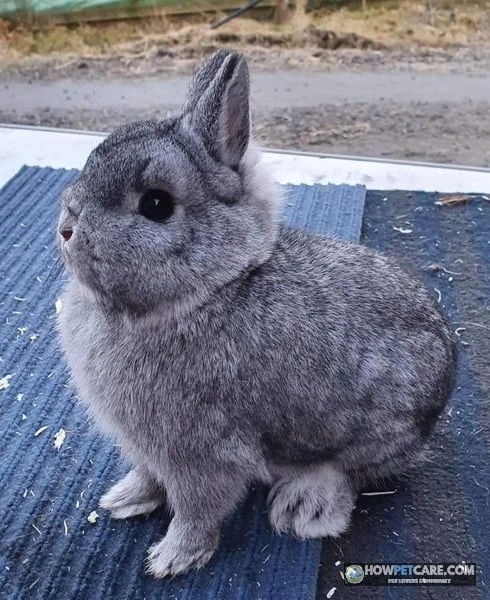

The Netherland Dwarf rabbit is one of the smallest domestic rabbit breeds, weighing between 1.5 and 2.5 pounds. Characterized by a round head, short upright ears, and an alert, energetic disposition, they thrive indoors on a high-fiber grass hay diet, require gentle floor-level interaction rather than lap cuddling, and live 10 to 12+ years.
A Netherland Dwarf rabbit is not a miniature, low-maintenance starter pet. While their diminutive stature makes them one of the most recognizable domestic lagomorphs in the world, these tiny animals carry specialized medical, spatial, and nutritional requirements that surprise many first-time owners. Weighing between 1.5 and 2.5 pounds (0.7 to 1.1 kg) at show standard, they possess the delicate skeletal structure of a prey animal combined with a bold, spirited, and sometimes skittish disposition.
Prospective United States owners frequently assume that smaller mass translates to a smaller cage, less daily effort, and minimal veterinary expenses. In practice, the opposite is often true: their brachycephalic facial structure predisposes them to chronic dental and respiratory challenges, their rapid metabolic rate leaves no margin for digestive delays, and their energetic nature demands substantial horizontal exercise territory. Successfully integrating a Netherland Dwarf into your home requires an honest assessment of handling realities, an age-calibrated feeding regimen, and an itemized financial plan that accounts for exotic veterinary care.
Netherland Dwarf Rabbit At a Glance: Size, Lifespan, and Reality Check
The Netherland Dwarf rabbit breed originated in the Netherlands during the early twentieth century through systematic crosses between Polish and Hermelin stock, earning the historic title "The Gem of the Fancy" in European exhibition circles. British fanciers imported the breed in 1948, while United States breeders brought stock across the Atlantic throughout the 1960s and 1970s, leading to official recognition by the American Rabbit Breeders Association (ARBA) in 1969.
Today, the breed’s trademark appearance—a compact, cobby silhouette topped with a disproportionately large, spherical head and remarkably short, upright ears—is dictated by the presence of a specific dwarfing gene. However, pet seekers must understand how show ring definitions differ from pet-quality realities.

ARBA Standards vs. Pet-Quality False Dwarfs
Under official ARBA competition standards, an adult Netherland Dwarf must not exceed a maximum weight of 2.5 pounds (1.13 kg), with the typical show standard resting between 1.5 and 2.5 pounds. Show animals possess the "true dwarf" genotype (Dw/dw), which limits long bone growth, shortens the muzzle, and keeps ear length strictly under two inches.
When two true dwarf rabbits are bred together, basic genetics dictates a 25% chance that a kit inherits two normal genes (dw/dw), producing what breeders designate as a "false dwarf" or BUD (Big Ugly Dwarf). These false dwarfs lack the primary dwarfing mutation. As a result, a pet-quality false dwarf often reaches an adult weight between 3.0 and 3.5 pounds (1.4 to 1.6 kg), with slightly longer ears and a more elongated muzzle.
For a pet home, a false dwarf is frequently an exceptional companion: they maintain a very small footprint while boasting lower risks of hereditary malocclusion and respiratory crowding. ARBA recognizes more than 20 distinct coat colors and color patterns across five primary groups:

- Self: Solid colors throughout, including Black, Blue, Chocolate, Lilac, Ruby-Eyed White (REW), and Blue-Eyed White (BEW).
- Shaded: Subtle gradations of tone, such as Siamese Sable, Siamese Smoke Pearl, Sable Point, and Tortoiseshell.
- Agouti: Multi-banded hair shafts featuring Chestnut, Opal, Chinchilla, Lynx, and Squirrel.
- Tan Pattern: Distinct marking contrasts including Otter, Tan, Silver Marten, and Smoke Pearl Marten.
- Any Other Variety (AOV): Broken patterns (white patched with color), Fawn, Orange, and Himalayan markings.
Lifespan and Physical Characteristics
When housed strictly indoors with an appropriate high-fiber diet and routine lagomorph-savvy veterinary supervision, a healthy Netherland Dwarf can achieve a lifespan of 10 to 12+ years. For broader context, pet rabbit lifespan by breed varies with housing, preventive care, and genetics. Their physical traits are characterized by extreme neoteny—the retention of juvenile physical proportions into adult maturity. This gives the adult rabbit a perpetual "baby bunny" appearance, featuring prominent forward-facing eyes, a curved Roman profile, and dense, glossy rollback fur.
Never equate miniature body size with low physical resilience or minimal maintenance. Because a 2-pound dwarf rabbit possesses tiny, brittle bones and fragile vertebrae, a dropped rabbit or sudden kick from a child’s hands can cause permanent spinal trauma or fatal fractures.
Temperament, Handling Tolerance, and Household Fit
Prospective owners drawn to social media clips of placid dwarf bunnies often develop skewed behavioral expectations. While individual temperaments vary, lagomorphs are prey animals by evolutionary design. A Netherland Dwarf tends to be energetic, curious, highly alert, and hyper-vigilant regarding its environment.
Floor-Level Bonding vs. Lap Cuddling Expectations
Few Netherland Dwarfs enjoy being lifted, carried, or restricted in human arms. Being scooped off the floor simulates capture by an aerial predator such as a hawk or owl, instinctively triggering sudden, violent kicking, panic, or freeze responses. If you enter ownership expecting a miniature lap dog that tolerates being carted from room to room or dressed in outfits, the Netherland Dwarf will leave you disappointed and frustrated.
True bonding occurs entirely on the rabbit’s terms at carpet level. When owners lie down flat on the floor, an adult dwarf will circle curiously, climb over shoulders, nudge hands with its nose, and settle alongside a leg to receive gentle strokes along the forehead and behind the ears. Affection is communicated through quiet ground-level companionship, chinning items to mark shared territory, and performative "binkies" (acrobatic vertical leaps and twists) during free-roaming exercise hours.

Netherland Dwarfs Around Children and First-Time Owners
Because of their small mass and skittish reflexes, Netherland Dwarfs are generally poorly suited as pets for homes with toddlers or unsupervised elementary-age children. A child’s sudden shrieks, fast movements, or impulsive attempts to grab the rabbit can cause defensive biting, frantic clawing, or disastrous falls.
Before reaching sexual maturity (typically between 4 and 6 months of age), young rabbits frequently undergo an intense hormonal phase characterized by urine spraying, territorial lunging, boxing with front paws, and aggressive chin-marking. These behaviors subside significantly several weeks after surgical spaying or neutering, but first-time owners must be prepared to manage these adolescent temperaments with patience rather than punishment.
When selecting a rabbit, do not rely on generalized breed personality labels. Visit local rescues or ethical breeders to observe individuals in person. A confident rabbit approaches the enclosure gate, investigates outstretched hands with soft sniffing, and resumes grooming or chewing hay shortly after a minor distraction. An overly fearful animal presses flat into corners, displays widened eyes with visible whites, or thumps its hind feet repeatedly.
Comparison: Netherland Dwarf vs. Mini Rex and Holland Lop
Prospective rabbit keepers often weigh the Netherland Dwarf against other popular small breeds. The table below details structural and temperamental variations across these compact varieties. However, no breed guarantees a docile, affectionate, or cuddly pet; individual handling history, socialization, and personal temperament matter far more than breed stereotypes.
| Breed | Average Adult Weight | Coat & Grooming Needs | Typical Handling Tolerance | Primary Health Concern |
|---|---|---|---|---|
| Netherland Dwarf | 1.5 to 2.5 lbs (0.7–1.1 kg) | Short rollback fur; weekly brushing, daily during seasonal molts | Alert, energetic; generally dislikes being held; prefers floor interaction | Incisor/molar malocclusion, tear duct stenosis, acute GI stasis |
| Mini Rex | 3.5 to 4.5 lbs (1.6–2.0 kg) | Short, plush velvet guard-hair coat; minimal brushing required | Generally calm, even-tempered; moderately tolerant of calm handling | Pododermatitis (sore hocks due to lack of protective foot fur) |
| Holland Lop | 3.0 to 4.0 lbs (1.4–1.8 kg) | Medium dense rollback fur; weekly brushing, frequent during molts | Placid, gentle, often sweet-natured; variable handling tolerance | Otitis media (chronic inner-ear infections), brachycephalic dental crowding |

To ensure your home matches the physical and psychological realities of this specific breed, complete the following readiness checklist before contacting rescues or breeders.
Household-Fit Scorecard: Netherland Dwarf Suitability Assessment
Score each criterion honestly before committing. Evaluate your household dynamic against the behavioral and anatomical needs of a 1.5 to 3-lb dwarf rabbit:
- Adult Responsibility Core: An adult commits to primary daily care (cleaning, twice-daily feeding, health checks). Young children may assist under supervision, but will not be the primary caretakers.
- ☐ Suitable: Primary adult accepts full 10–12 year daily care responsibility.
- ☐ Needs Changes: Family expects a school-age child to manage cage cleaning and feeding unassisted.
- ☐ Reconsider: Household wants a low-maintenance "first pet" for a toddler or young child to hold.
- Handling and Bonding Expectations: Household members are content interacting on the carpet at eye level without demanding lap-holding or carrying.
- ☐ Suitable: Everyone agrees all bonding happens on the floor; lifting is reserved exclusively for health checks and grooming.
- ☐ Needs Changes: Children or adults want to carry the pet around, but are willing to be retrained on floor-based games.
- ☐ Reconsider: Household expects a cuddly lap animal that tolerates being held, dressed up, or carried.
- Dedicated Living Footprint: The home has space for at least a 12 sq ft (e.g., 4 ft x 3 ft) enclosed exercise pen plus 24–32 sq ft of supervised daily roaming area.
- ☐ Suitable: Clear indoor space is identified, protected from high-traffic chaos and other household pets.
- ☐ Needs Changes: Limited room requires reconfiguring furniture to fit a modular 4×3 ft pen.
- ☐ Reconsider: Plan relies on a standard commercial pet-store wire cage or outdoor hutch.
- Rabbit-Savvy Exotic Veterinary Access: A licensed exotic veterinary clinic is within a 45-minute driving radius.
- ☐ Suitable: Local exotic vet identified with emergency 24/7 coverage confirmed for GI stasis and lagomorph care.
- ☐ Needs Changes: Exotic vet is 1–2 hours away; transport plan and emergency transport carrier must be established.
- ☐ Reconsider: Only traditional dog/cat clinics nearby; no exotic or lagomorph-trained veterinarians available.

Age-Based Diet and Nutrition: Feeding Ratios by Weight
A Netherland Dwarf possesses an expansive cecum that operates as an intricate fermentation vat. High-fiber forage keeps this internal motor running. Because dwarf rabbits consume smaller aggregate quantities than commercial breeds, dietary mistakes impact their systems with acute speed. Feeding high-carbohydrate grains, sugary commercial treats, or seed-filled muesli triggers lethal cecal dysbiosis and enterotoxemia.
Life Stage Transition: From Alfalfa to Timothy Grass
Young kits require high calcium and crude protein to construct dense bones and develop muscle tissue. Alfalfa hay and alfalfa-based pellets serve this role up to seven months of age. Beyond this developmental marker, excess dietary calcium cannot be utilized; lagomorphs excrete excess calcium through their urinary tract, forming thick, chalky bladder sludge or painful calcium carbonate uroliths (bladder stones).
By month seven, adult dwarf rabbits must fully transition to low-calcium, high-fiber grass hays—such as second-cut timothy, orchard grass, meadow hay, or oat hay. Hay should constitute at least 85% of their daily nutritional intake. The continuous chewing of long, coarse grass fibers fulfills two non-negotiable health functions: it wears down open-rooted, constantly growing teeth and maintains peristalsis through the digestive tract.
Water must always be delivered in a heavy, wide ceramic crock rather than an inverted ball-point bottle. The brachycephalic facial profile makes it mechanically unnatural and fatiguing for a dwarf rabbit to tilt its head sideways to lick tiny metal bearings. Studies show rabbits drink significantly higher daily volumes from open dishes, protecting their kidneys and mitigating urinary sludge.

Daily Portion Plan and Safe Greens Guide
Pellets must be plain, uniform, timothy-grass formulations containing a minimum of 20–22% crude fiber, 12–14% crude protein, and less than 1% fat. Avoid multi-colored fiesta mixes containing corn, seeds, peas, or colorful bits, which encourage selective feeding and induce dental abscesses.
| Life Stage & Age | Timothy/Grass Hay | Pellet Type & Daily Amount | Daily Fresh Leafy Greens | Primary Dietary Goal |
|---|---|---|---|---|
| Baby / Kit (Up to 7 months) | Unlimited Alfalfa + intro to Timothy | Unlimited plain alfalfa-based pellets (no seeds, colored bits, or dried corn) | Introduce single greens at 12+ weeks in 1 tsp increments (cilantro, parsley) | Support rapid bone mineralization and skeletal growth |
| Young Adult (7 to 12 months) | Unlimited Timothy, Orchard, or Meadow grass | Transition down to 1/8 cup plain timothy pellets per 2–3 lbs body weight | 1 packed measuring cup per 2 lbs body weight (e.g., romaine, butter lettuce, dill) | Gradual reduction of protein/calcium to prevent kidney sludge and obesity |
| Mature Adult (1 to 5 years) | Unlimited grass hay (must make up 85%+ of daily intake) | Strict 1/8 cup (2 level tablespoons) timothy pellets for a 2–2.5 lb dwarf | 1 to 1.5 packed cups rotation of 3 safe greens (e.g., mint, red leaf lettuce, cilantro) | Maintain constant gut motility, continuous dental wear, and lean body condition |
| Senior (6+ years) | Unlimited soft grass hay (orchard grass, third-cut timothy) | 1/8 to 1/4 cup timothy pellets; adjust upward only if muscle wasting is documented | 1 to 1.5 packed cups soft leafy greens, ensuring high water content | Preserve renal function and support joint comfort without excess weight gain |
Worked Daily Portion Example for a 2.2-lb Adult Netherland Dwarf:
- Grass Hay: Unlimited quantity, refreshed morning and evening (a loose mound equal to the rabbit’s body size).
- Plain Timothy Pellets: Exactly 2 level tablespoons (1/8 measuring cup) dispensed once per day.
- Fresh Leafy Greens: 1 packed measuring cup divided into two daily servings (e.g., 50% romaine lettuce, 30% fresh cilantro, 20% fresh dill sprigs).
- Safe Hydration: One 4-inch heavy ceramic bowl filled with clean, cool water, scrubbed and refilled daily.
- Treats (Strict Limit): Maximum 1 teaspoon weekly of fresh apple slices, blueberries, or strawberry tops. Never offer yogurt drops, crackers, cereal, or processed starches.
Never feed iceberg lettuce (contains lactucarium, which triggers diarrhea), onions, garlic, avocado, tomato leaves, or chocolate. Rotate high-oxalate greens like spinach, kale, and parsley on a two-week-on, two-week-off schedule to prevent calcium oxalate crystal formation in the kidneys.

Housing Dimensions, Exercise Space, and Bunny-Proofing
Confining a Netherland Dwarf to a commercial plastic-bottom cage from a pet store is inhumane and detrimental to their musculoskeletal health. Despite their small frame, dwarfs are energetic, agile athletes capable of clearing hurdles up to 24 inches high. They require approximately 2 hours of daily exercise out of their main pen alongside a spacious indoor enclosure.
Enclosure Blueprint and Exercise Enclosure Requirements
The bare minimum acceptable primary enclosure for a single dwarf is a 12-square-foot footprint (e.g., 4 feet by 3 feet, or 1.2 m by 0.9 m), with an enclosure height of at least 30 inches (76 cm) to prevent escapes. Pair this dedicated resting base with an attached or immediately accessible supervised daily roaming zone of 24 to 32 square feet.
Avoid wire-mesh bottoms entirely. Wire grating concentrates weight onto tiny, thin-skinned dwarf hocks, creating pressure sores (pododermatitis) that easily advance to bone infections. Install solid, traction-friendly flooring using waterproof linoleum or sealed plywood overlaid with dense cotton rugs, low-pile washable fleece blankets, or interlocking foam playmats topped with canvas.

+-------------------------------------------------------------+
WALL (Protected Baseboards) +--------------------+ +--------------------+ HAY RACK HIDE BOX #1 (Mounted over box) (Dual Exit: 6x6") +--------------------+ +--------------------+ LITTER PAN (Paper Pellets) [Chew Toys & +--------------------+ Willow Ball] [Heavy Ceramic Crock] +--------------------+ (Water - 4" diameter) HIDE BOX #2 [Pellet Crock] (Tunnel/Platform) +--------------------+ ==================== SOLID FLOORING ===================== (Non-slip washable fleece / cotton weave rug over foam)
+-------------------------------------------------------------+Ensure every hide box features two separate openings (minimum 6 by 6 inches). As prey animals, dwarf rabbits become defensive or stressed in single-entry cavities if they feel trapped.
Bunny-Proofing the Dwarf Home Environment
Due to their compact mass, Netherland Dwarfs squeeze into gaps that an ordinary rabbit cannot penetrate. Bunny-proofing requires thorough physical barriers:

- Baseboard Protection: Block or cover wooden baseboards with modular plastic grid panels (C&C grids) or solid wooden untreated furring strips. Chewed paint poses serious heavy-metal and impaction risks.
- Electrical Management: Encase every visible cord, lamp wire, and charger cable in rigid split-loom plastic tubing or heavy-duty wire raceways elevated at least 18 inches off the carpet.
- Narrow Apertures: Seal gaps beneath heavy couches, credenzas, and behind refrigerators using custom-cut wood blocks or wire grid sections. A 2-pound dwarf can wedge through any opening exceeding two inches.
- Houseplants: Elevate or remove toxic indoor plants—including monstera, pothos, philodendron, lilies, and ficus—well away from jumping trajectories.
Grooming, Shedding, and Step-by-Step Hygiene Care
Netherland Dwarfs maintain an immaculate self-grooming routine, but their physiological inability to vomit poses a silent hazard. Any loose fur ingested during natural self-cleaning passes directly into the stomach. If fibrous hay intake drops, this ingested fur binds with food matter into dense, obstructing masses known as trichobezoars, triggering mechanical gut obstructions.
Molt Cycles and Ingestion Prevention
Most dwarf rabbits shed lightly year-round and experience two major seasonal molt cycles—typically in spring and autumn. During a heavy seasonal molt, loose hair detaches in distinct visible tufts ("line molting"). Daily manual grooming becomes essential to mitigate ingestion risks.
Never submerge a rabbit in a bath. Water immersion induces terrifying autonomic panic, leading to cardiac arrest, spinal thrashing injuries, or rapid hypothermia from delayed drying of their dense undercoat.
-
Step 1: Execute Daily Seasonal Molt Brushing
During heavy shedding cycles, pass a fine-toothed rubber grooming brush (such as a ZoomGroom or Hairbuster) gently along the back and flanks in short, sweeping strokes following the direction of fur growth. Follow up by running slightly damp hands over the coat to catch surface down-hairs. Gently pull tufts that have fully separated from the undercoat between your fingertips without tugging the skin.
-
Step 2: Set Up and Maintain the Litter Box
Line an open, low-entry cat litter box with an inch of non-clumping, dust-free paper pellets. Never use clumping clay, cedar shavings, or pine shavings. Mount the hay rack directly above the litter box, or place a clean bundle of fresh timothy hay straight into one half of the pan. Lagomorphs naturally pass stool while grazing; positioning hay inside the box reinforces perfect litter habits within days.
-
Step 3: Perform Monthly Claw Trimming
Wrap the dwarf snugly in a clean bath towel ("the bunny burrito"), securing three legs within the cloth while leaving the head and one front limb exposed. Using specialized scissor-style claw trimmers, locate the pink central vascular quick inside the nail. On dark nails, backlight the claw using an LED penlight. Cut cleanly 2 millimeters past the quick at a 45-degree angle. If a vein is nicked, firmly press styptic powder or cornstarch to the nail tip for 10 seconds.
-
Step 4: Execute a Rear-End Spot-Clean
If an older or less mobile dwarf develops "poopy butt" (caked cecotropes or urine scalding around the perineal vent), perform a dry cleaning first using pure cornstarch rubbed into the soiled fur and carefully brushed out with a flea comb. For severe fouling, hold the rabbit securely with an assistant and submerge only the soiled rear quarter in 2 inches of lukewarm water inside a shallow basin. Dry thoroughly using warm towels and an electric blow dryer set strictly to cool.

Routine brushing during molting seasons removes loose undercoat fur and prevents dangerous hairballs.

Common Health Vulnerabilities, RHDV2, and Emergency Warning Signs
Because the breed’s small body preserves juvenile proportions, the skull is shortened along the rostral-caudal axis. This brachycephalic geometry predisposes Netherland Dwarfs to distinct anatomical complications that require early clinical recognition.
Brachycephalic Dental and Respiratory Vulnerabilities
A shortened jaw forces the normal number of adult teeth (28 elodont teeth that continuously grow throughout the rabbit’s lifespan) to sit crowded inside a cramped oral cavity. This crowding leads directly to malocclusion: incisors or molars fail to meet evenly, preventing regular wear from fibrous hay.
Within weeks, razor-sharp molar spurs form, lacerating the tongue and inner cheek lining. Severe cases cause retrograde root elongation, where the roots of the upper teeth push upward into the orbits of the eyes and tear ducts, and lower roots penetrate through the jaw bone. Symptoms include wet chin fur ("the slobbers"), tearing eyes (epiphora), unilateral facial swelling, and sudden refusal to chew coarse hay stems.
Similarly, narrow nasal passages and tortuous nasolacrimal ducts make the breed exceptionally susceptible to chronic upper respiratory infections ("snuffles"), predominantly caused by opportunistic Pasteurella multocida or Bordetella bronchiseptica. What appears as mild eye drainage or repeated sneezing episodes can escalate into chronic sinus infections or deep retrobulbar abscesses.

GI Stasis: Triage and Symptom-to-Action Protocol
Gastrointestinal (GI) stasis is the slowing or complete cessation of muscular peristalsis across the digestive tract. It is not an isolated primary disease, but a secondary physiological response to underlying pain, dental spurs, respiratory stress, or dietary imbalances. Left untreated, intestinal gas builds up, dehydration concentrates stomach contents into an immovable brick, and pathogenic clostridial bacteria release fatal enterotoxins.
Use the following symptom-to-action triage card to guide clinical intervention:
Dwarf Symptom-to-Action Triage Card & Emergency Plan
- Red Alert: Immediate Emergency (Seek Exotic Vet / 24-Hour ER Within 2–4 Hours)
- Signs: No droppings produced in 8–12 hours; complete refusal to eat preferred treats or fresh greens; belly pressing hard against the floor; loud, rhythmic tooth grinding (distinct from soft, content tooth purring); hypothermia with body temperature below 100°F (37.8°C) or cold ears; extreme lethargy or limp posture.
- Action: Transport immediately to an exotic emergency facility. Do not force-feed recovery paste or inject fluids if the abdomen feels hard and distended until an exotic vet runs abdominal radiographs to rule out a physical foreign-body blockage.
- Yellow Alert: Urgent Care (Exotic Vet Appointment Within 24 Hours)
- Signs: Droppings suddenly reduced to half normal diameter, misshapen, or strung together with hair; wet chin fur or food dropped while chewing; persistent clear ocular discharge; persistent bursts of sneezing.
- Action: Weigh rabbit on a digital gram kitchen scale to track weight trends; log exact water and hay consumption; schedule next-day veterinary assessment.
- Green Alert: Routine Preventative Maintenance
- Annual Schedule: Full exotic physical examination with an otoscopic oral exam to monitor molar alignment and spur development.
- Vaccination: RHDV2 initial two-dose series followed by annual boosters.
- Spay/Neuter: Surgical alteration performed between 4 and 7 months by an experienced exotic practitioner.
Fill out this emergency slip and keep it displayed near your housing setup:
- Primary Exotic Clinic: _____ Phone: ____
- 24-Hour Emergency Hospital: _____ Phone: ____
- Rabbit Normal Baseline Weight: ____ lbs (____ grams)
US Preventive Care, Spay/Neuter, and RHDV2 Vaccines
Rabbit Hemorrhagic Disease Virus Serotype 2 (RHDV2) is an extraordinarily stable, highly contagious calicivirus that causes acute internal hemorrhage, liver necrosis, and sudden death. It spreads via direct contact, contaminated hay, flying insects, shoes, and clothing. The Medgene RHDV2 vaccine is available across the United States. Pet rabbits should receive an initial two-dose subcutaneous vaccination series followed by an annual booster.
Elective surgical alteration is vital preventive medicine. Intact female rabbits (does) face an alarming 60% to 80% risk of developing malignant uterine adenocarcinoma past 3 to 4 years of age. Spaying eliminates this fatal risk completely. Neutering male rabbits (bucks) curtails hormonal spraying, eliminates testicular tumors, and drastically reduces territory-driven aggression.

Realistic US Ownership Budget: First-Year and Ongoing Costs
A comprehensive financial strategy reveals that the purchase price of a rabbit represents only a minor fraction of lifetime costs. Upstream planning requires comparing both initial adoption and acquisition channels alongside continuous monthly commitments in the United States pet market.
Purchase vs. Adoption: The Hidden Cost of Spay/Neuter
Pet-store or breeder purchases often look deceptively inexpensive upfront. However, private acquisitions rarely include surgical sterilization or basic preventative vaccines.
Elective soft-tissue surgery on a 2-pound lagomorph requires specialized micro-surgical instruments, dedicated anesthesia monitoring, and intubation setups designed for narrow airways. Consequently, private exotic spay or neuter procedures at US veterinary practices generally run between $250 and $600+.
Conversely, adopting an adult dwarf from an established rabbit rescue or local humane society ($50 to $150 adoption fee) almost always includes the completed spay/neuter surgery, primary microchipping, baseline veterinary health screening, and occasionally the initial RHDV2 vaccination series.
Itemized First-Year Expense Matrix and Emergency Funds
The following financial matrix presents dated US cost estimates that reflect typical 2026 veterinary and retail pricing for a single indoor Netherland Dwarf rabbit.
| Expense Category | Rescue Adoption Pathway | Breeder Purchase Pathway | Budgeting Notes & Variances |
|---|---|---|---|
| Acquisition Fee | $50 – $150 | $50 – $250 | Show-pedigree kits reach higher fees; rescues include vetting |
| Spay / Neuter Surgery | $0 (Included in adoption) | $250 – $650 | Requires experienced exotic vet; geographic prices vary |
| Primary Setup & Enclosure | $200 – $400 | $200 – $400 | Modular 30" x-pen, washable rugs, hideaways, crocks, carrier |
| Initial Exotic Exam & RHDV2 | $75 – $150 (Exam only) | $175 – $280 (Exam + 2-dose series) | Medgene vaccine series costs roughly $40–$80 plus exam fee |
| Monthly Hay, Greens & Pellets | $480 – $720 ($40–$60/mo) | $480 – $720 ($40–$60/mo) | Bulk farm-box timothy hay saves 50% over retail bags |
| Monthly Litter & Enrichment | $240 – $360 ($20–$30/mo) | $240 – $360 ($20–$30/mo) | Compressed paper pellets, apple-wood chew bundles, cardboard |
| Emergency Reserve Fund | $1,000 – $2,000 | $1,000 – $2,000 | Dedicated savings account or exotic pet insurance policy |
| Estimated Total First-Year Outlay | $2,045 – $3,780 | $2,395 – $4,660 | Total includes initial emergency medical buffer reserves |
Budget a recurring monthly maintenance expense of $60 to $90 for fresh groceries, bulk farm-sourced hay, paper litter, and novel chewing substrates. Furthermore, never bring an exotic pet home without an active emergency veterinary reserve of at least $1,000 to cover sudden diagnostic radiographs, subcutaneous fluids, and intensive hospitalization if GI stasis strikes unexpectedly.

How to Find and Screen a Responsible Breeder or Rescue
Acquiring a healthy rabbit requires thorough vetting of breeders and adoption facilities. Never purchase animals impulsively from flea markets, roadside sellers, or pet shops that cannot document lineage, housing conditions, and veterinary backgrounds.
Breeder Ethics and Understanding the Dwarf Gene
Ethical Netherland Dwarf breeders speak openly and transparently about dwarf genetics. The true dwarfing mutation (Dw) is an incomplete dominant gene. When two true dwarf rabbits (Dw/dw) are mated together:
- 50% inherit one dwarfing gene (Dw/dw), developing into compact true dwarfs.
- 25% inherit two normal genes (dw/dw), developing into slightly larger false dwarfs.
- 25% inherit two dwarfing genes (Dw/Dw), producing a lethal genetic pairing known to fanciers as a peanut.
Peanut kits suffer extreme skeletal deformities, unformed digestive tracts, and cannot process food, uniformly resulting in 100% mortality within three weeks of life. A knowledgeable, ethical breeder frequently breeds a true dwarf buck (Dw/dw) to a false dwarf doe (dw/dw). This specific cross eliminates the possibility of producing peanut kits altogether, yielding 50% true dwarfs and 50% false dwarfs without lethal casualties. Any breeder who claims ignorance of this genetic reality, advertises "teacup" rabbits (a fabricated marketing term), or guarantees that every kit stays under 2 pounds demonstrates negligence or deceit.
Kits must remain with the doe until at least 8 full weeks (56 days) of age to allow natural cecal microbiome colonization through maternal cecotropes. Rehoming a kit prior to 8 weeks causes catastrophic weaning dysbiosis, gut shutdown, and high kit mortality.

Use this printable worksheet during on-site inspections before signing any adoption agreement or remitting payment:
Rescue-or-Breeder Interview Worksheet and Health Inspection Log
Print or copy this worksheet before visiting a breeder or animal shelter. Do not purchase or adopt until every checkpoint is completed.
Part 1: Source Verification Interview
- Kit Age Verification: "Can you confirm the exact date of birth?"
- Requirement: Must be a minimum of 8 full weeks old (56 days). Walk away if the seller offers kits younger than 8 weeks.
- Dietary Transition History: "What specific hay and pellet brand is this rabbit currently eating?"
- Requirement: Seller must provide at least a 7-day transition supply of their current pellet to prevent weaning dysbiosis.
- Genetic and Parentage Records (For Breeders): "Are both parents true dwarfs, or was one parent a false dwarf? Have any kits in this line displayed malocclusion or lethal peanut genes?"
- Requirement: Breeder understands dwarf genetics, tracks malocclusion histories, and avoids misleading "micro/teacup" marketing.
- Medical and Alteration Disclosures (For Rescues/Shelters): "Is the rabbit already spayed/neutered? Have they received the RHDV2 vaccine?"
- Requirement: Obtain signed veterinary clinic documentation confirming surgical records and vaccine serial numbers.
- Return Policy: "If housing challenges or family allergies emerge, will you take the rabbit back?"
- Requirement: Responsible breeders and rescues mandate return provisions rather than allowing pets to be surrendered to municipal shelters.
Part 2: Hands-On Physical Inspection Checklist
- ☐ Incisors & Bite: Upper incisors overlap lower incisors cleanly in a scissor bite. No cross-bite, excessive flaring, or overgrown edges.
- ☐ Eyes & Tear Ducts: Bright, clear, centered; completely free of white crust, milky discharge, or moist red fur below the rims.
- ☐ Nose & Breathing: Dry nostrils; absence of white mucus, dried nasal rings on front paws, or audible wheezing and clicking sounds.
- ☐ Ears: Smooth, clean canals; completely free of thick brown crust or flaky mites (Psoroptes cuniculi).
- ☐ Hocks (Underside of Back Feet): Solidly furred; no bare red calluses, open sores, or bleeding skin (pododermatitis).
- ☐ Perineal / Vent Area: Fur is completely dry and clean; zero caked cecotropes, soft stool, or inflamed yellow urine scalding.
If any ocular discharge, malocclusion, or bare weeping hocks are present, pause the process immediately. Never take a compromised rabbit home without an independent, professional examination from a qualified exotic veterinarian.

| Breed | Average Adult Weight | Coat & Grooming Needs | Typical Handling Tolerance | Primary Health Concern |
|---|---|---|---|---|
| Netherland Dwarf | 1.5 to 2.5 lbs (0.7–1.1 kg) | Short rollback fur; weekly brushing, daily during seasonal molts | Alert, energetic; generally dislikes being held; prefers floor interaction | Incisor/molar malocclusion, tear duct stenosis, acute GI stasis |
| Holland Lop | 3.0 to 4.0 lbs (1.4–1.8 kg) | Medium dense rollback fur; weekly brushing, frequent during molts | Placid, gentle, often sweet-natured; variable handling tolerance | Otitis media (chronic inner-ear infections), brachycephalic dental crowding |
| Mini Rex | 3.5 to 4.5 lbs (1.6–2.0 kg) | Short, plush velvet guard-hair coat; minimal brushing required | Generally calm, even-tempered; moderately tolerant of calm handling | Pododermatitis (sore hocks due to lack of protective foot fur) |
FAQ
Do Netherland Dwarf rabbits like being held and cuddled?
Most Netherland Dwarf rabbits do not enjoy being held or carried off the ground, as their strong prey instincts make physical restraint feel threatening. They typically express affection by sitting alongside you on the floor, accepting gentle head strokes, and nudging for attention on their own terms.
What is the difference between a true dwarf and a false dwarf Netherland Dwarf?
A true dwarf inherits one copy of the dwarfing gene (Dw/dw), resulting in a compact body under 2.5 pounds, tiny ears, and a rounded face. A false dwarf inherits two normal genes (dw/dw), growing slightly larger (3 to 3.5 pounds) with slightly longer ears, while kits inheriting two dwarf genes (Dw/Dw, called ‘peanuts’) cannot survive.
Can Netherland Dwarf rabbits live outdoors in a hutch?
No, Netherland Dwarf rabbits should be housed strictly indoors. Their miniature body size makes them exceptionally vulnerable to temperature extremes, heat stroke above 80°F (27°C), outdoor parasites, and fatal shock from predator presence.
Are Netherland Dwarf rabbits easy to litter train?
Yes, Netherland Dwarf rabbits can be reliably litter trained, particularly after they are spayed or neutered to eliminate hormone-driven territorial marking. Placing fresh timothy hay inside or directly above a shallow, accessible litter pan encourages them to use the box naturally while grazing.