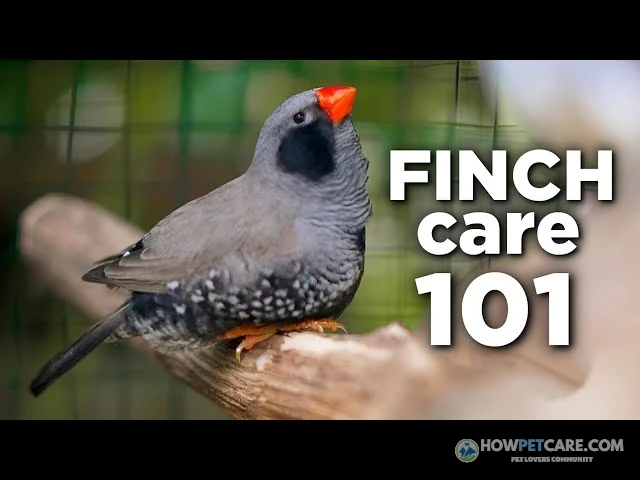

Finch care in five rules:
- House finches in pairs or small groups — never alone — in a horizontal flight cage at least 24 inches long with bar spacing of 1/2 inch or less.
- Feed a quality pelleted or seed base plus fresh greens, egg food, and a cuttlebone for calcium; refresh food and water daily.
- Keep the cage out of the kitchen (non-stick PTFE fumes are lethal), away from drafts and direct sun, with 10–12 hours of full-spectrum light on a timer.
- Skip the handling — finches are watch-and-listen pets, and forcing contact stresses them.
- Budget for seed, produce, and an avian vet fund; a finch that stops eating needs a vet within 24 hours.
If you want a pet that welcomes constant interaction and cuddles, a finch probably isn’t the right choice. Finches are "watch-and-listen" pets: active and social, but generally averse to handling. Human touch can be stressful for them. They suit owners who enjoy listening to gentle chirps and watching small birds dart across a spacious flight cage. Before bringing them home, be prepared to keep them in pairs or small groups. A solitary finch is often stressed and, in some cases, may experience premature health decline.
Are Finches Right for You? The Honest Answer Before You Buy
Finches can be a good choice for beginners who understand that their care centers on managing their environment, not training or handling. If you want a bird to sit on your shoulder or perform tricks, consider another species, such as a parrot. There’s a limit to how tame a finch is likely to become. You might earn enough trust for a bird to take millet from your fingers through the cage bars, but finches rarely seek physical contact.
Good fit vs. poor fit: a 30-second self-check
- Good fit if: You have room for a horizontal flight cage, can commit to 10–15 minutes of daily maintenance, enjoy soft background noise, and have a care plan for travel. You’re also comfortable with the seed husks and feathers birds shed around their enclosure.
- Poor fit if: You want a cuddly pet, have no space for a wide cage, are allergic to dust or dander, or can’t provide a stable environment away from harsh kitchen fumes and temperature swings.
What ‘taming’ realistically looks like
For a finch, taming means building enough trust that the bird doesn’t panic when you approach the cage to change food or water. As prey animals, finches instinctively fly away from perceived threats. Forcing interaction can jeopardize their health. Give them a secure home where they feel safe enough to bathe, forage, sing, and show other natural behaviors.
Zebra, Society, Gouldian, Owl or Java Finch: Which Species Fits Your Home?
Start by choosing a species that fits your home. Each differs in personality and the level of care it needs.
Species comparison at a glance
| Species | Beginner difficulty | Typical lifespan range | Temperament and tameness | Noise level | Mixing compatibility | Special care notes |
|---|---|---|---|---|---|---|
| Zebra finch | Easiest — the classic starter finch | ~5–7 years, sometimes longer | Bold, active, curious; tolerates people nearby but dislikes handling | Moderate — constant cheerful beeping, males sing a lot | Good with other finches; can squabble over nests | Hardy and forgiving; breeds readily, so avoid nest materials unless you want chicks |
| Society (Bengalese) finch | Easiest — calmer than zebras | ~5–8 years | Social and peaceful; a domesticated species with no wild counterpart, which explains its steady temperament | Low — soft chirps | Excellent community bird; widely used as a foster parent for other species’ eggs | Needs company most of all — never keep alone; prone to over-brooding if given nests |
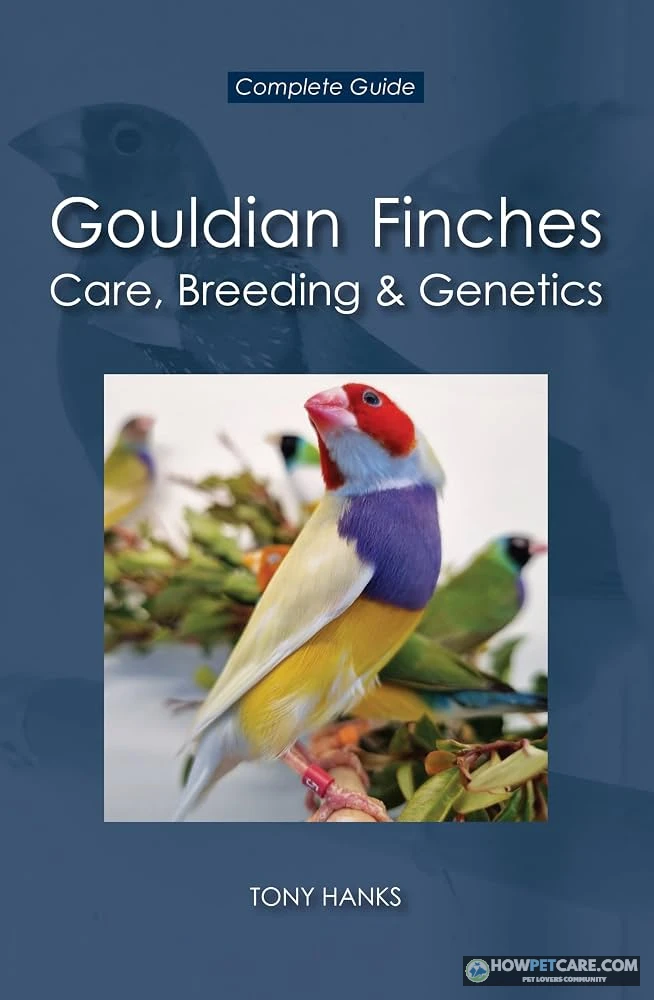
| Gouldian finch | Intermediate — best after some experience | ~5–8 years in good conditions | Gentle but more sensitive to stress, cold, and diet lapses | Low to moderate — pleasant, quieter than zebras | Peaceful; easily bullied by bossier species, so pair with calm tankmates | Needs warmer, stable temps, quality diet, and often air-sac-mite vigilance; its color requires consistent care |
| Owl (Bichenov’s) finch | Easy to moderate | ~5–8 years | Quiet, gentle, undemanding | Low — soft calls, one of the quietest options | Peaceful; mixes well with other gentle species | Less flashy but easygoing; a good pick if noise is your main constraint |
| Java finch (Java sparrow) | Moderate | ~5–10 years | Bolder and more confident; some individuals become finger-tame | Moderate to loud — bigger voice for a bigger bird | Can be bossy; may intimidate small timid species in tight quarters | Larger body means it needs the wide end of cage-size guidance; check legality — restricted in some US states |
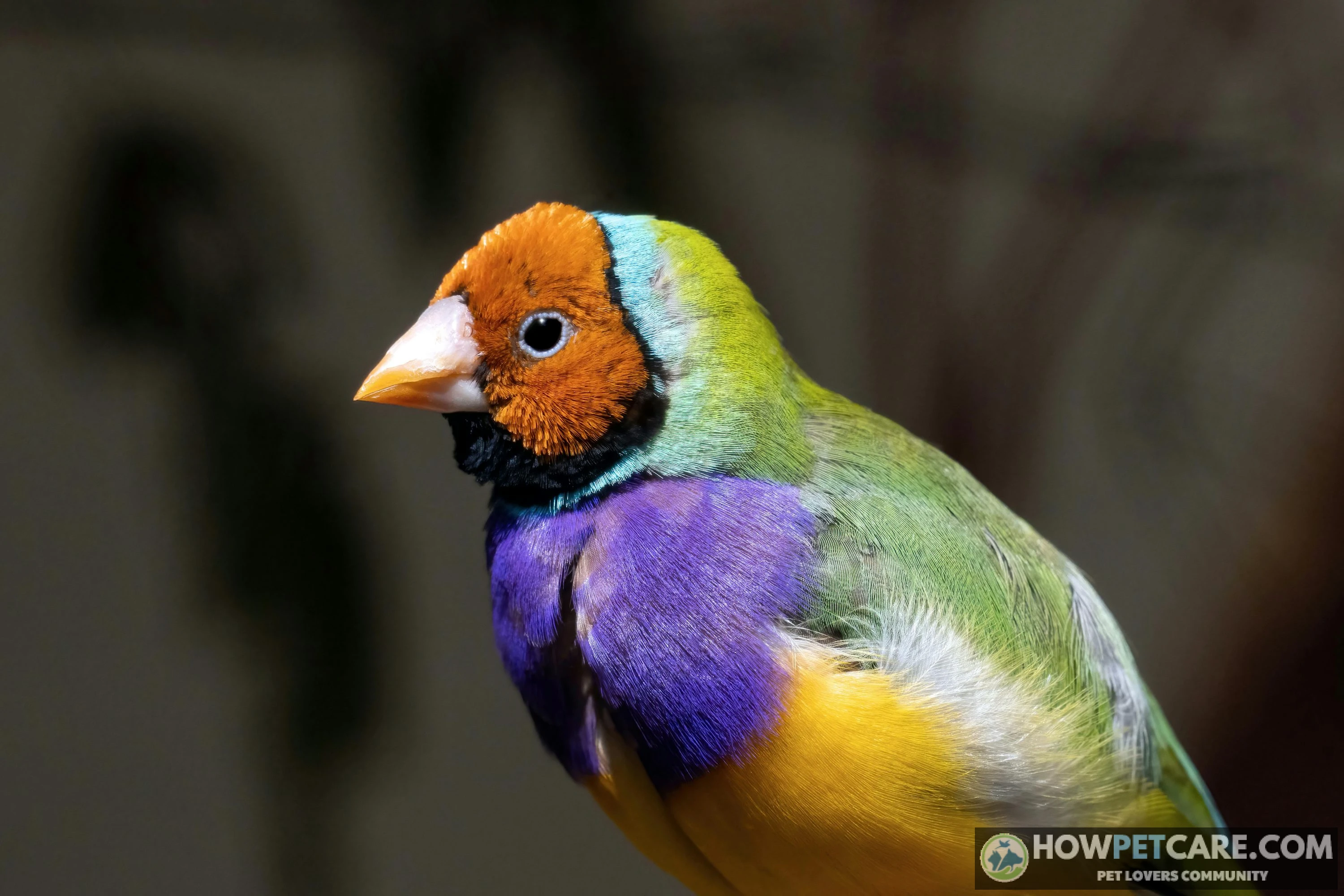
Fast picks: first-timer → zebra or society. Apartment / noise-sensitive → owl or society. Color lover with some experience → Gouldian. Mixed aviary anchor → society finch as the peacekeeper.
Best species by situation: apartment, first-timer, color lover, mixed aviary
The Society finch’s quiet demeanor makes it a strong choice for apartment dwellers. For a first-time owner, the Zebra finch offers a hardy introduction to finch care. The colorful Gouldian finch appeals to owners looking for a more complex bird, but it calls for closer health monitoring. In a mixed aviary, the calm, social Society finch again earns its keep as the anchor that rarely starts fights.
What Finch Ownership Really Costs: Setup, Monthly and Yearly Budget
Keeping finches in 2026 requires an upfront investment in suitable housing, plus an ongoing budget for fresh, healthy food.
Initial setup costs
Avoid round cages and cages made of galvanized wire, which can cause heavy metal toxicity if birds chew on the bars.
| Cost item | One-time setup (approx. range) | Monthly (approx. range) | Annual (approx. range) | Save vs. don’t skimp |
|---|---|---|---|---|
| Flight cage (wide beats tall) | $60–$250 | — | — | Don’t skimp — cage size matters for welfare |
| Natural wood perches, varied diameters | $10–$35 | — | $10–$20 (replacements) | Save — branches from safe, untreated trees work |
| Feeders, waterers, bath, cuttlebone holder | $15–$40 | — | — | Save — basic dishes are fine |
| Full-spectrum avian light + timer | $25–$90 | — | $15–$40 (bulb/electricity) | Mid-range is fine; a timer matters more than the brand |
| Cage cover + quarantine cage | $35–$90 | — | — | Save — a plain dark cloth works as a cover |
| The birds (pair minimum — never one) | $30–$300+ | — | — | Zebras/societies ~$15–40 each; Gouldians $75–150+ |
| Finch seed mix | — | $10–$20 | $120–$240 | Don’t skimp — fresh, quality mix is the diet base |
| Greens, vegetables, egg food, millet | — | $8–$15 | $95–$180 | Save — kitchen greens cost less than packaged treats |
| Cuttlebone, grit, substrate | — | $5–$12 | $60–$145 | Save — bulk substrate is cheap |
| Avian vet: wellness exam | $50–$120 | — | $50–$120/yr | Don’t skimp — exotics-only vets cost more and are worth it |
| Emergency vet reserve | — | — | $150–$500+ per incident | Keep a dedicated fund — a sick finch can’t wait for payday |
Monthly and annual ongoing costs
Quality seed mixes and fresh produce are the largest recurring costs. The cheapest bird seed may be tempting, but premium mixes are cleaner and more nutritious, reducing the risk of health issues caused by mold or dust.

Vet and emergency budget
Exotic-animal vets charge more than standard cat and dog vets, so set aside an emergency fund. A minor illness can become life-threatening for a small finch in less than 24 hours, leaving no time to save for an unexpected bill.
How to Set Up a Finch Cage Step by Step: Size, Bar Spacing, Perches, Placement and Light
Finches are skilled fliers and need horizontal space to stay healthy.
Cage size and bar spacing
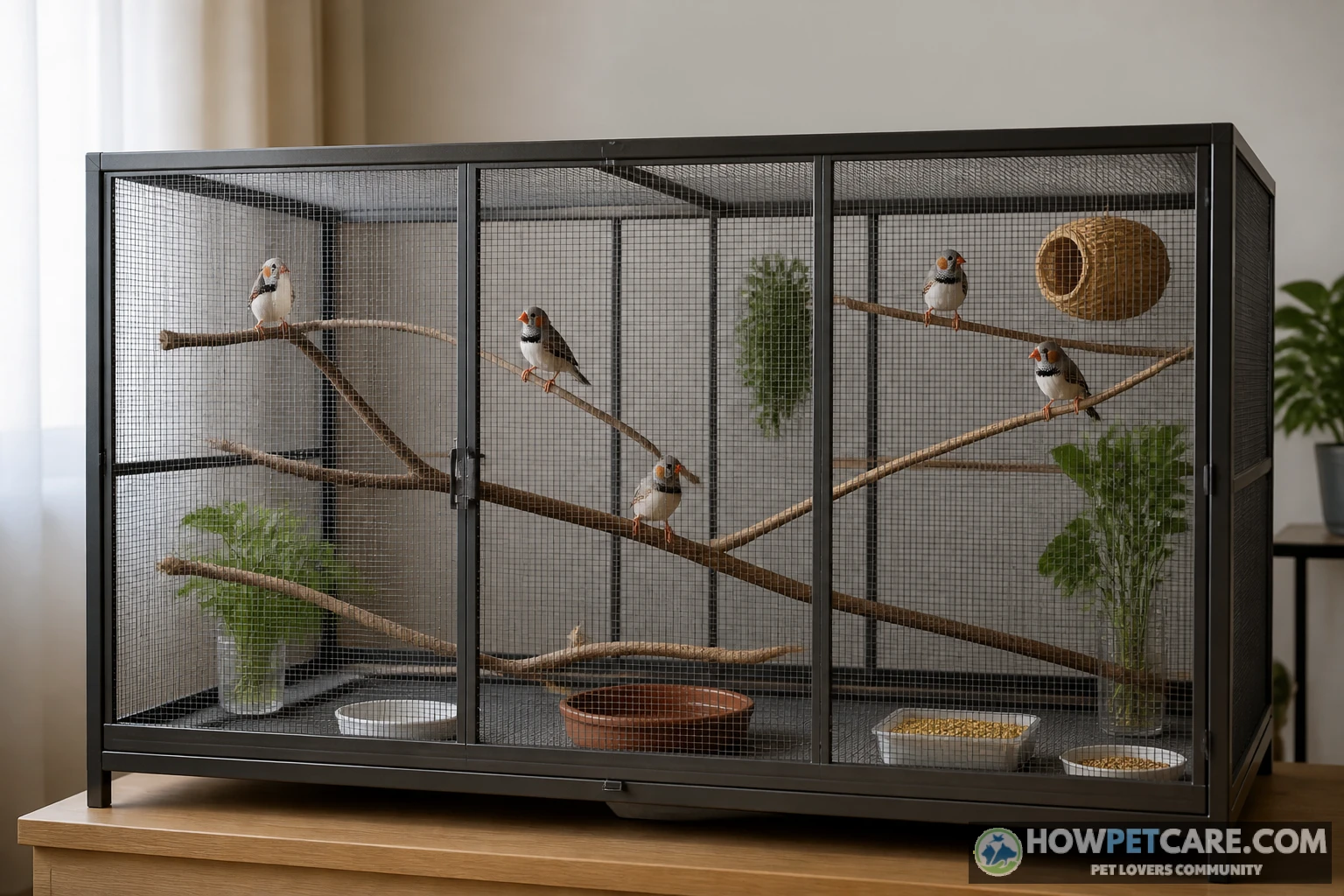
A pair of finches needs a horizontal flight cage at least 24 inches long, 14 inches wide, and 18 inches high. Bar spacing must be 1/2 inch or less so a bird can’t catch its head between the wires.
Perches, feeders, bath and accessories
Provide several perches of different diameters, preferably made of natural wood, to help keep feet healthy. Don’t use sandpaper covers; they can cause foot sores. Put food and water dishes where droppings won’t soil them, and include a shallow bird bath. Finches love to bathe daily.
Where to place the cage
Choose a quiet, low-traffic spot where the birds can feel secure. Never put the cage in the kitchen: fumes from non-stick (PTFE) cookware are deadly to birds and can kill them within minutes. Keep it away from drafts, direct sun through glass, and busy areas.
UV and full-spectrum lighting for indoor finches
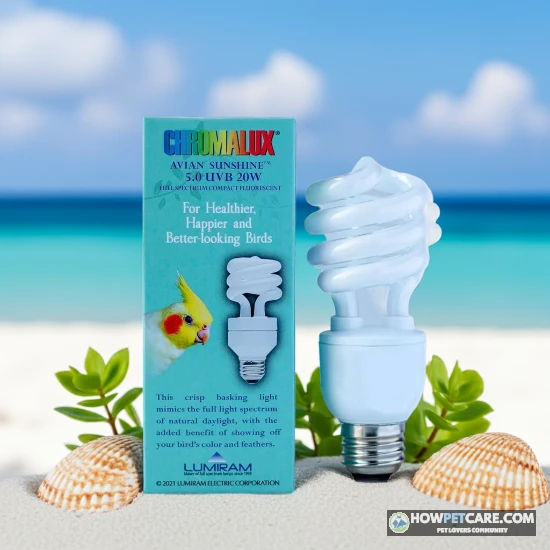
Indoor birds don’t have access to the natural sunlight needed for vitamin D3 synthesis. Place a full-spectrum avian light at the manufacturer’s recommended distance. A timer provides a consistent, natural day-length cycle, usually 10–12 hours of light followed by 10–12 hours of total darkness, to keep their biological clocks stable.
Cage setup checklist
-
1. Cage Placement
Choose a quiet, draft-free location at eye level or higher.
-
2. Perch Installation
Install multiple natural-wood perches at different heights, leaving flight paths clear.
-
3. Feeding Stations
Place at least two food and water dishes on opposite sides to prevent resource guarding.
-
4. Lighting
Set your full-spectrum avian lamp on a reliable timer so it provides 10-12 hours of light.
-
5. Final Sweep
Clear the area of aerosols, candles, and kitchen-fume hazards.
What to Feed Pet Finches: Seed, Pellets, Greens and the Calcium Schedule
Seed vs. pellets vs. a mix: which base works
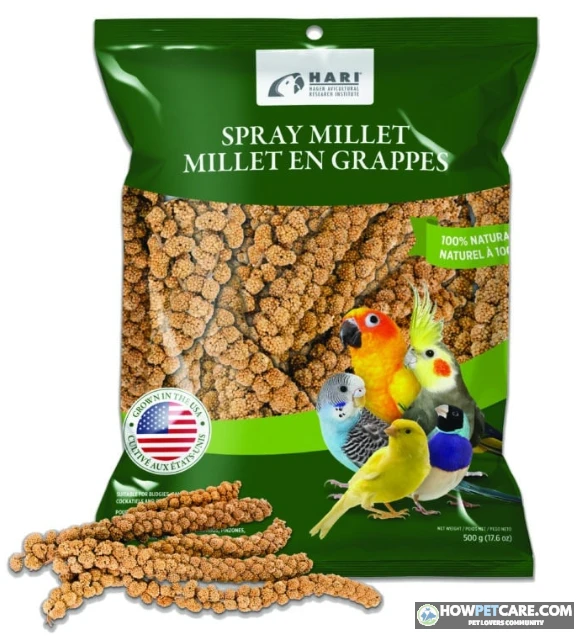
Seed mixes are the traditional base, but they’re often nutritionally incomplete when fed alone. Many avian veterinarians recommend a high-quality pelleted diet as the base, supplemented with seed, fresh greens, and occasional treats such as millet spray.
Daily and weekly feeding plan
Provide fresh seed or pellets and fresh water every day. Remove uneaten greens or egg food within 4 hours to prevent bacterial growth.
Calcium, grit and egg food
Keep a cuttlebone available at all times as a source of calcium and a beak-trimming tool, and replace it once the hard surface wears smooth. Seed-heavy diets run low in calcium, which is one reason the pellets and egg food above matter — ask your avian vet whether your birds need extra supplementation, especially during molting. Your vet can also tell you whether your birds need grit; many species digest seed perfectly well without it.
Foods that are toxic to finches
Never feed finches avocado, chocolate, caffeine, alcohol, onions, garlic, or fruit seeds/pits. These foods can cause sudden, fatal organ failure.
During molting or breeding, offer high-protein egg food 2–3 times a week to support the birds’ increased metabolic needs. Remove any uneaten portion promptly to keep the food fresh.
Do Finches Need a Companion? Pairing, Mixing Species and Introducing New Birds
Pairs, groups and the lone finch
Finches are social animals and can experience significant stress when kept alone. They belong in pairs or small groups with a flock-like structure. If you can’t keep a pair, you’re likely unable to provide the mental stimulation these birds need.
Which species can share a cage
Different finch species can often share a large aviary, but never mix finches with parrots or larger birds. In smaller cages, it’s safest to keep a single species to avoid territorial disputes.
Quarantine and introduction steps
-
1. Quarantine
Keep new arrivals in a separate room for 30–45 days and monitor them for illness.
-
2. Side-by-Side
Move the new bird’s cage next to the main cage for one week so the birds can see each other.
-
3. Neutral Space
Introduce the birds in a brand new or fully rearranged cage to minimize territorial aggression.
-
4. Observe
Watch for 72 hours, distinguishing physical fighting from healthy interaction.
Daily and Weekly Finch Routine: Cleaning, Nails, Molting, Sexing, Breeding and Senior Care
Daily, weekly and monthly care routine
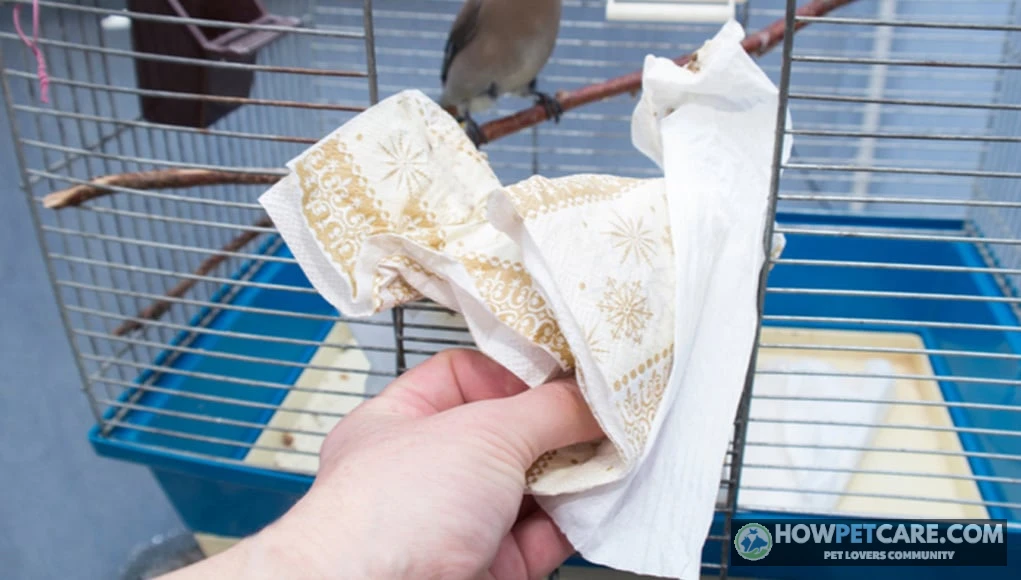
Refresh food and water daily, and blow empty husks away from the seed dish. A dish can look full when it contains only empty hulls, leaving finches at risk of starvation.
How to deep-clean the cage and trim nails safely
Use bird-safe disinfectants to deep-clean the cage. If your bird needs a nail trim, have an avian professional perform the first one and show you the "quick" (the blood vessel in the nail) so you can avoid injury.
Molting, sexing and unplanned breeding
Molting increases stress and nutrient demand, so provide extra egg food during this period. To prevent accidental breeding, remove nesting boxes and nesting material. Without a place to hide, most finches won’t attempt to lay eggs.
Caring for an aging finch
Older birds may struggle to move between high perches. Place extra food dishes near the floor and keep the temperature stable to minimize strain on their systems.
Sick Finch Warning Signs, Home First Aid and When to Call an Avian Vet
Finches are skilled at hiding illness. By the time a bird looks "sick," it’s likely already in severe distress.
Sick finch triage: signs, severity and what to do
| Symptom or sign | Possible causes | Severity | Immediate at-home action | Call an avian vet when |
|---|---|---|---|---|
| Not eating or drinking | Anything from stale food to serious illness | High — act same day | Check seed isn’t just empty husks, water is reachable, and there has been no recent cage/stress change; offer millet and egg food | If truly not eating, treat as urgent — don’t wait past ~24 hours; sooner if other signs are present |
| Fluffed up, sitting low or on cage floor | Chilling, infection, pain | High | Move to a warm (~80–85°F), quiet hospital cage with low food/water | Same day if it persists more than a few hours, immediately if combined with other signs |
| Tail bobbing or open-beak breathing | Respiratory infection, air-sac mites, overheating | Emergency | Provide warmth and quiet; avoid handling and rule out overheating from direct sun | Now — breathing difficulty is a same-day emergency |
| Clicking, wheezing, or lost voice | Air-sac mites, respiratory infection | High | Isolate and provide warmth; do not self-medicate — the vet must confirm mites and prescribe treatment | Within 24 hours; immediately if breathing effort worsens |
| Change in droppings | Diet change, infection, parasites | Moderate to high | Photograph the droppings and note diet from last 48h | Monitor one day if the bird is otherwise normal; vet if it persists or pairs with lethargy |
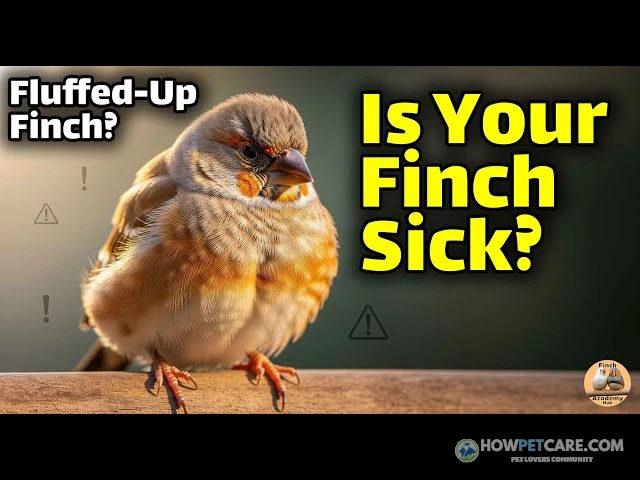
Because of their fast metabolism, a finch that stops eating can deteriorate in as little as 24 hours. Don’t "wait and see" for more than a day during this critical window. If your bird stops eating, contact your avian veterinarian immediately.
Your Finch Care Action Plan: Checklists, Decision Guide and First-Week Steps
Before you buy: the supply checklist
Before bringing your birds home, make sure you have:
- A wide horizontal flight cage with safe bar spacing
- Natural-wood perches in varied diameters
- At least two sets of food and water dishes
- A cuttlebone and a shallow bath
- A full-spectrum avian lamp on a timer
- A secure carrier for vet visits
- Contact details for a local avian vet, saved before you need them
First week with your finches
Keep the home quiet and stable while the birds adjust without interference. Watch their food and water intake and energy levels closely. Arrange a "well-bird" exam with your vet to establish a baseline for their health.
Keep-handy emergency kit
Keep a small hospital box ready: a clear, enclosed cage or solid-sided carrier, a heating pad or heat lamp (used with a thermostat to maintain 80–85°F), a small bowl of high-value treats such as millet, and the contact number for your nearest 24-hour emergency avian clinic.
1What does 'taming' realistically mean when managing pet finches?
As prey animals, finches instinctive fly from perceived threats, so realistic taming simply aims for calm tolerance during daily food and water changes.
2Which finch species has no wild counterpart and is widely known for peaceful behavior and acting as a foster parent for eggs?
This fully domesticated species is notable for its quiet, peaceful temperament and willingness to brood other species' eggs.
3What are the minimum recommended dimensions and bar spacing for housing a pair of finches?
Finches need horizontal width to fly safely, while tight bar spacing prevents them from trapping their heads between wires.
4Why must finch cages never be placed in the kitchen?
Overheated non-stick cookware releases polytetrafluoroethylene (PTFE) vapors that can kill birds in minutes.
5What primary health benefit does full-spectrum avian lighting provide for indoor finches?
Without natural sun, full-spectrum light enables vital Vitamin D3 absorption and maintains stable day-night metabolic cycles.
6Why is it critical to check seed dishes daily, even when they appear full?
Finches leave seed hulls behind after eating the inner kernel, giving a false appearance of a full food dish.
7Which of the following foods poses a severe health risk to finches and can cause sudden organ failure?
Avocado contains persin, a toxin that causes fatal heart failure and organ damage in birds.
8What is the primary method recommended to prevent unplanned breeding in paired finches?
Without secure nesting sites or materials, most finches will not attempt to lay eggs or incubate.
9If a finch stops eating entirely, within what timeframe must an owner consult an avian vet?
Due to their rapid metabolic rate, a finch that ceases eating can suffer severe or fatal health decline in a single day.
10What emergency setup should be prepared immediately for a finch showing signs of illness, such as staying fluffed on the cage floor?
Sick finches quickly lose heat; providing isolation, external warmth, and low-placed nutrition reduces metabolic strain.
| Species | Beginner Difficulty | Typical Lifespan Range | Temperament and Tameness | Noise Level | Mixing Compatibility | Special Care Notes |
|---|---|---|---|---|---|---|
| Zebra finch | Easy (Easiest — the classic starter finch) | 5–7 years (sometimes longer) | Bold, active, curious; tolerates people nearby but dislikes handling | Moderate — constant cheerful beeping, males sing a lot | Good with other finches; can squabble over nests | Hardy and forgiving; breeds readily, so avoid nest materials unless you want chicks |
| Society (Bengalese) finch | Easy (Easiest — calmer than zebras) | 5–8 years | Social and peaceful; domesticated species with a steady temperament | Low — soft chirps | Excellent community bird; widely used as a foster parent for other species' eggs | Needs company most of all — never keep alone; prone to over-brooding if given nests |
| Owl (Bichenov's) finch | Easy to moderate | 5–8 years | Quiet, gentle, undemanding | Low — soft calls, one of the quietest options | Peaceful; mixes well with other gentle species | Less flashy but easygoing; a good pick if noise is your main constraint |
| Gouldian finch | Intermediate — best after some experience | 5–8 years (in good conditions) | Gentle; sensitive to stress, cold, and diet lapses | Low to moderate — pleasant, quieter than zebras | Peaceful; easily bullied by bossier species, so pair with calm tankmates | Needs warmer, stable temperatures, quality diet, and air-sac-mite vigilance; its color requires consistent care |
| Java finch (Java sparrow) | Moderate | 5–10 years | Bolder and more confident; some individuals become finger-tame | Moderate to loud — bigger voice for a bigger bird | Can be bossy; may intimidate small timid species in tight quarters | Larger body means it needs the wide end of cage-size guidance; check legality (restricted in some US states) |
FAQ
Can finches be left alone while I travel?
For a short weekend, a healthy pair with plenty of food and fresh water is often fine, but longer trips need someone to check the birds daily. Plan for a pet sitter who knows the signs of illness.
Are finches noisy?
Finches chirp and sing but are generally quieter than parrots. Zebra finches tend to be the chattiest, while society finches are softer.
Can finches live with canaries or budgies?
Finches and canaries are sometimes housed together in a large flight cage, but only with enough space and close monitoring. Budgies are larger and can bully finches, so most keepers advise against mixing them.
Can I let my finch fly around the house?
It is generally not recommended. Finches are fast and easily startled, and they can fly into windows or find hazards. A wide flight cage gives safer exercise.
Are finches or canaries easier for beginners?
Both are hands-off birds, and either can suit a beginner. Finches are social and do better in pairs, while canaries are often kept alone, with males prized for their song.