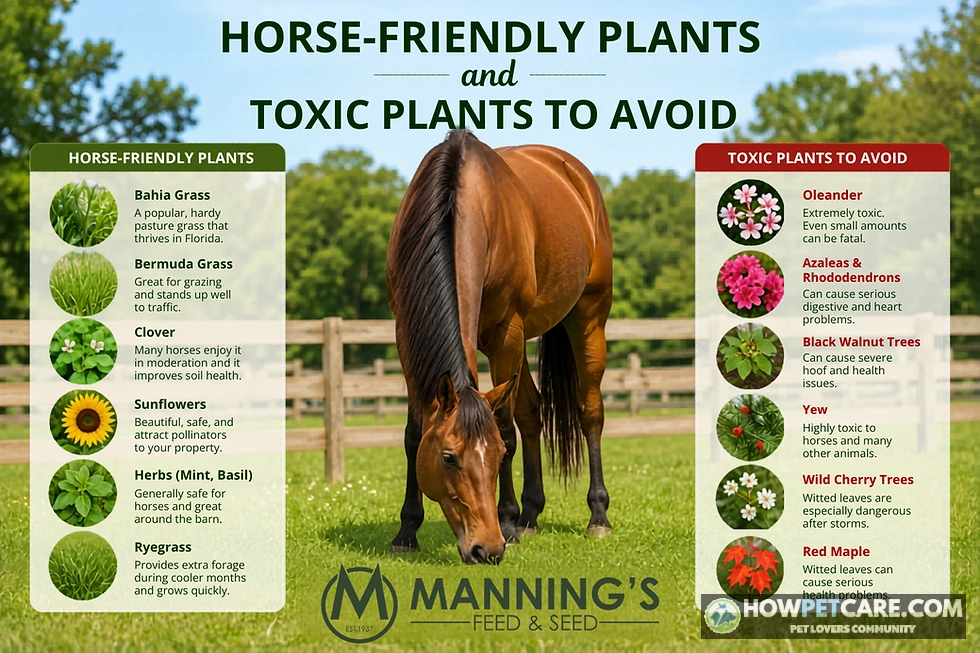

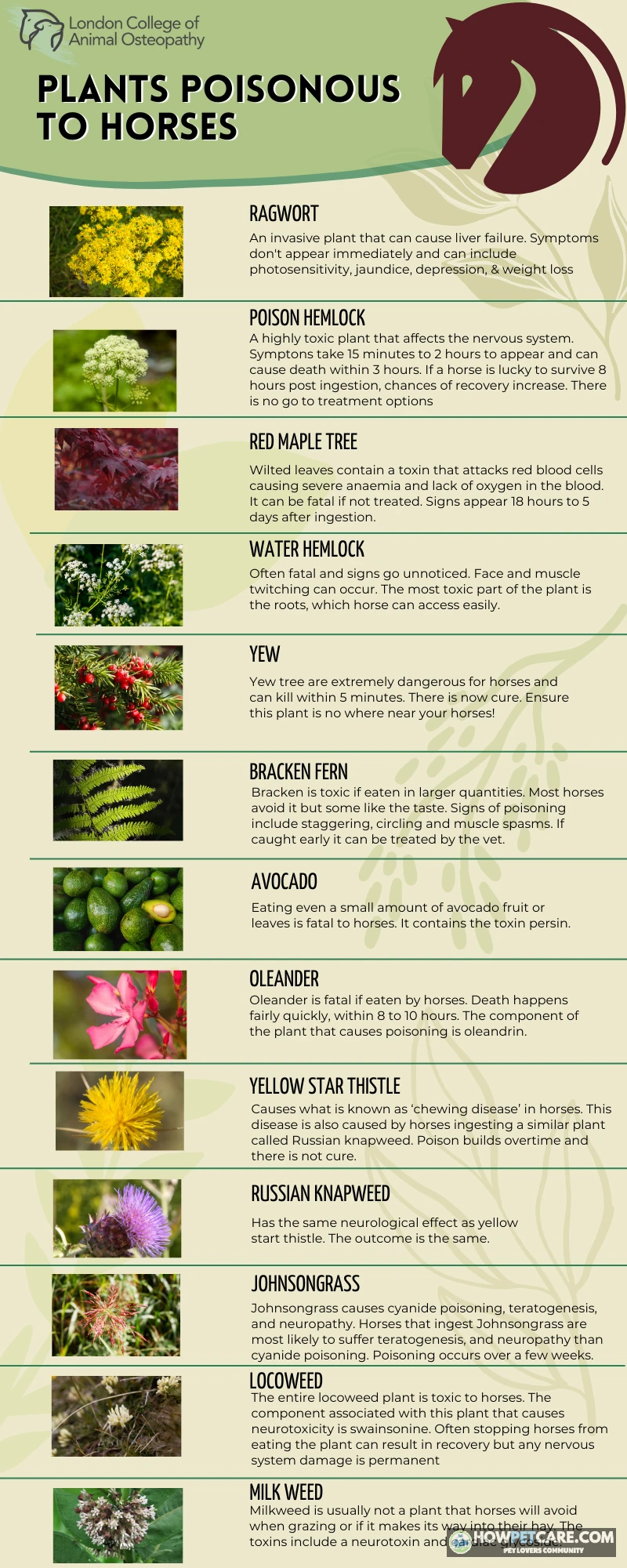
The most dangerous plants poisonous to horses in US pastures include yew, oleander, water hemlock, poison hemlock, wilted wild cherry or red maple leaves, box elder seeds, ragwort, and black walnut bedding. Treat any suspected exposure as urgent: move horses away, keep samples, and call an equine veterinarian or ASPCA Animal Poison Control at 888-426-4435.
Some of the most dangerous plants poisonous to horses include yew, oleander, water hemlock, poison hemlock, wilted wild cherry leaves, and box elder seeds. Red maple leaves, ragwort, and bracken fern can cause serious blood, liver, or nervous-system damage. If exposure is possible, call an equine veterinarian immediately, even if your horse looks normal.
The Plants Most Dangerous to Horses in US Pastures
Focus on what a plant can do and how a horse might reach it. Not every unfamiliar weed poses the same level of danger:
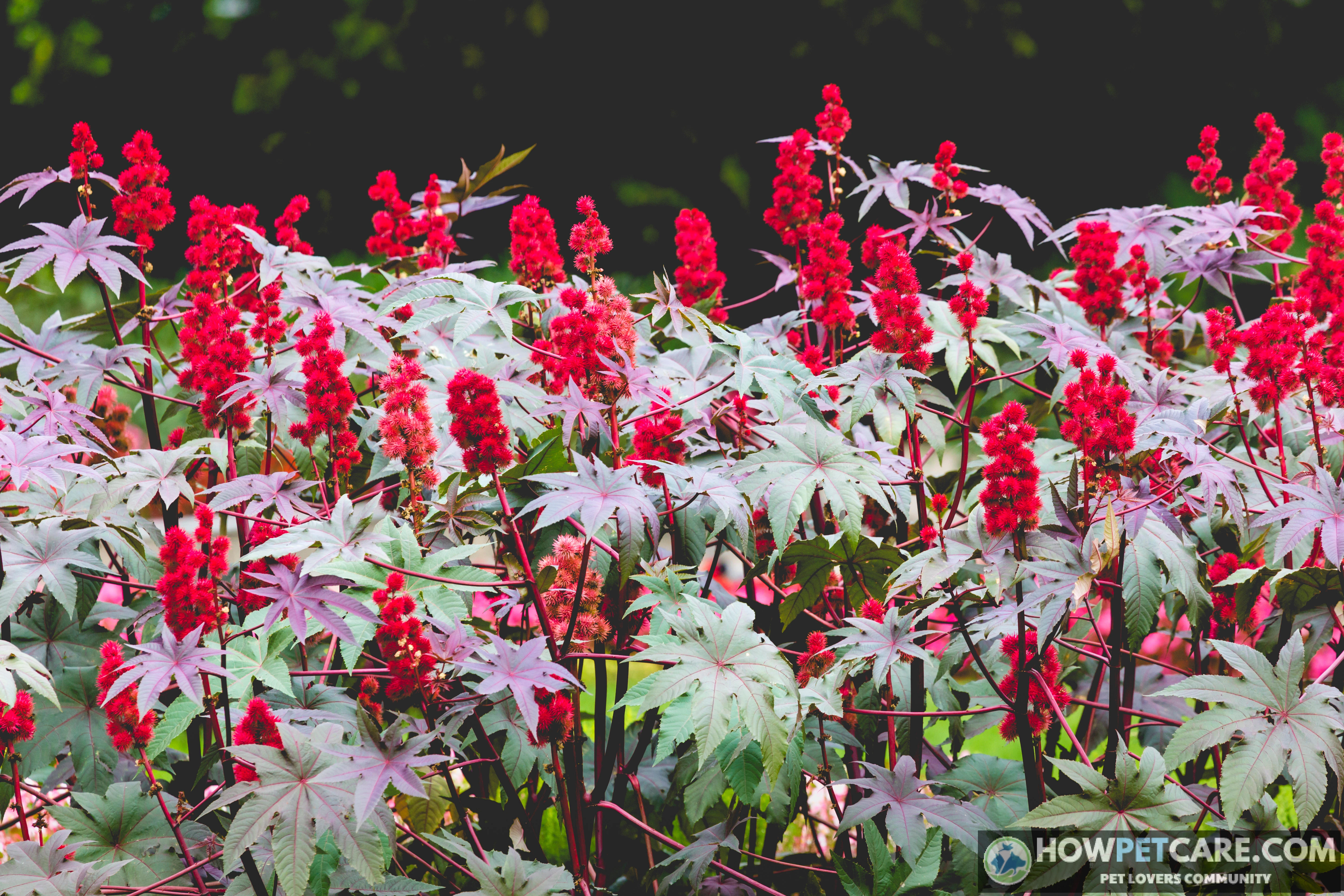
- Potentially fast and fatal: yew, oleander, water hemlock, poison hemlock, wilted cherry leaves, and some nightshades. Even a small quantity of certain species can be an emergency.
- Serious organ or cumulative damage: ragwort and related weeds can damage the liver; repeated consumption of bracken fern can affect the nervous system. Wilted red maple leaves can damage red blood cells, while black locust and black walnut bedding pose different but serious risks.
- Primarily irritants: fresh buttercup can cause mouth irritation and digestive signs, particularly when a horse eats substantial amounts. It deserves attention, but it doesn’t have the same emergency profile as yew.
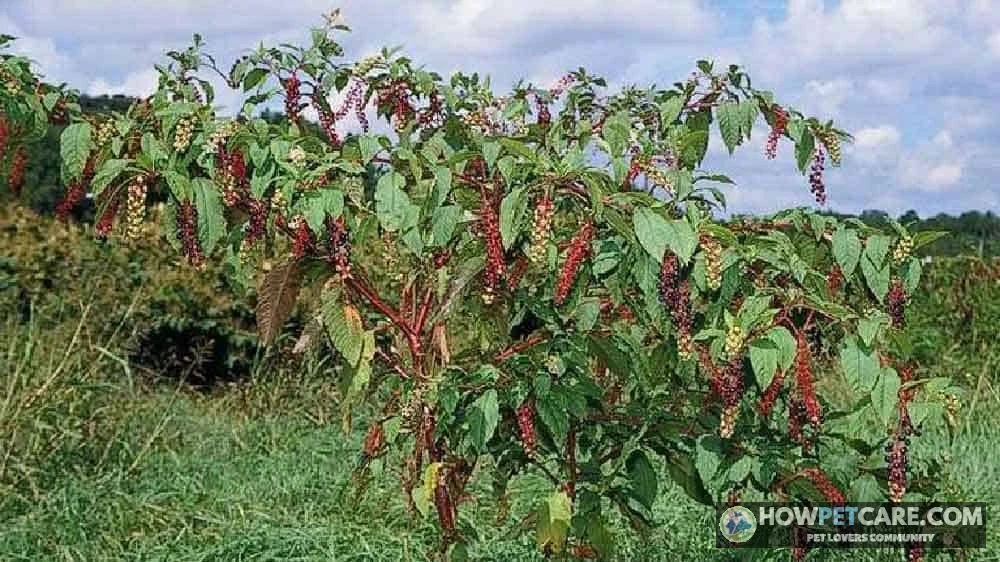
Horses often avoid unpalatable plants when good forage is plentiful, but you can’t rely on avoidance. Overgrazing, drought, boredom, new turnout, contaminated hay, fallen branches, and discarded hedge clippings can all lead to exposure.
This guide can help you recognize and reduce the risk, but it doesn’t replace veterinary care or provide a treatment plan.
Toxic plants versus injurious plants like foxtail
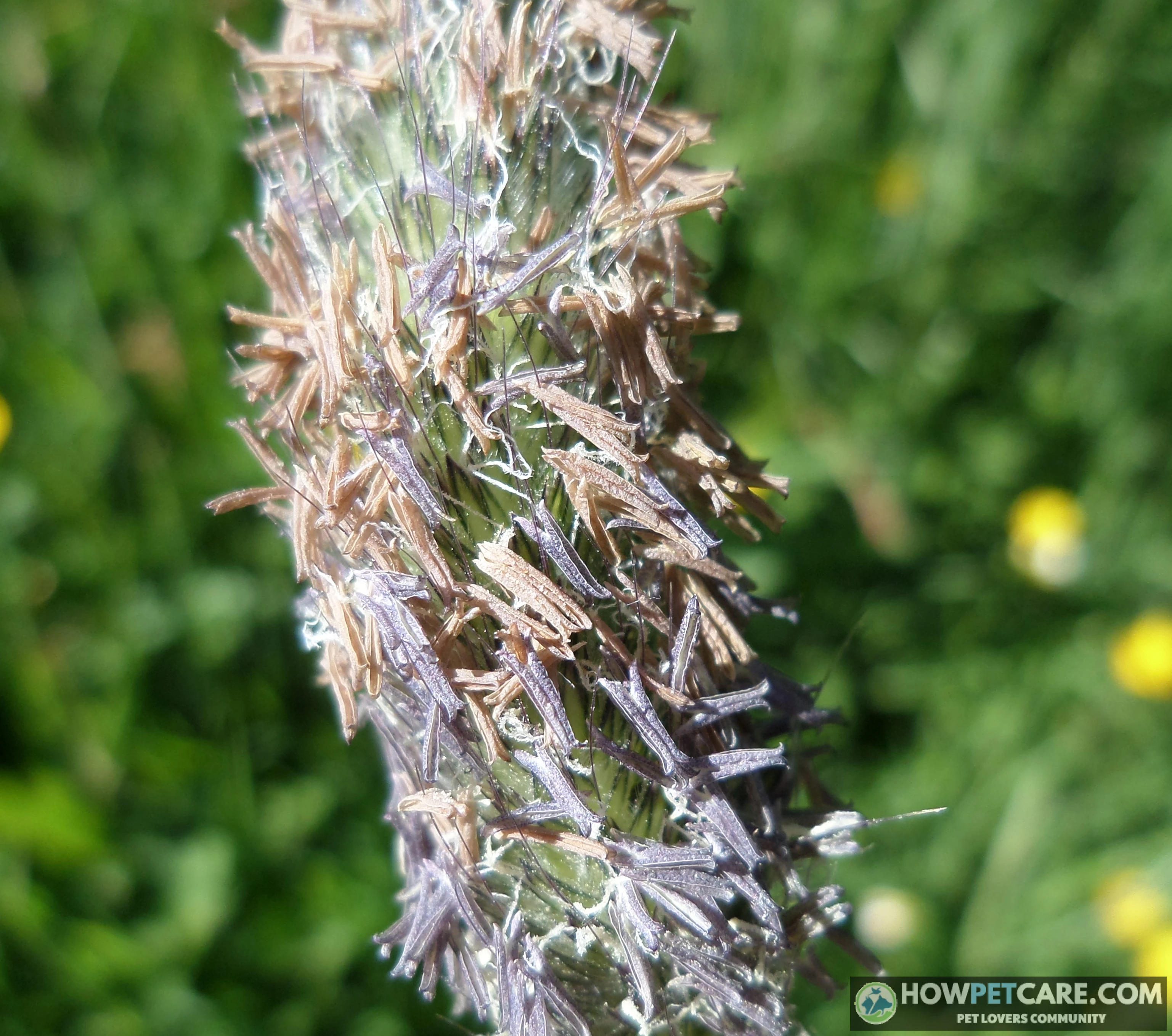
A toxic plant causes harm through chemicals; an injurious plant can cause physical damage without a poison. Foxtail seedheads, for example, have sharp awns that can lodge in the mouth and cause sores. Suspected mouth injury still warrants veterinary advice and removal of the offending forage.
Symptoms of Plant Poisoning in Horses: Start From the Sign, Narrow to the Plant
Early signs can include reduced appetite, drooling, colic, depression, and changes in manure or urine. A matching symptom is a lead for your veterinarian, not a diagnosis. Infections, injuries, feed problems, and other illnesses can look similar.
| Observed sign | Candidate plants or exposures | Urgency | Other possibilities to mention | What to do now |
|---|---|---|---|---|
| Sudden collapse or a horse found dead | Yew, oleander, water hemlock, wilted cherry | Call a vet now | Heart disease, trauma, severe colic | Keep other horses away; preserve nearby plant and feed samples. |
| Tremors, seizures, or agitation | Water hemlock, poison hemlock; other neurologic toxins | Call a vet now | Tetanus, neurologic infection, contaminated feed | Keep people safe and the horse quiet; do not force it to walk. |
| Colic or abdominal pain | Oleander, oak, nightshade, black locust | Call now for severe pain or other signs; otherwise call promptly | Impaction, gas, sand, grain overload | Remove suspect feed and report manure changes. |
| Drooling or mouth sores | Fresh buttercup, irritating plants; clover-associated slaframine | Call the same day; sooner with other signs | Dental disease, foxtail awns, chemical irritation | Remove suspect forage; examine the mouth only if safe. |
| Dark red or brown urine | Wilted red maple; box elder-associated muscle disease | Call a vet now | Muscle injury, urinary or kidney disease | Note the time and photograph the urine if possible. |
| Stumbling or incoordination | Hemlocks, bracken fern after repeated grazing, nightshades | Call now if sudden; same day if mild | Spinal disease, neurologic infection | Avoid moving a staggering horse without veterinary guidance. |
| Yellow gums or sunburn on pink skin | Ragwort and related liver-damaging plants; alsike clover | Call the same day; now if the horse is weak or down | Other liver disease or red blood cell damage | Provide shade if safely accessible; save hay and feeding history. |
| Weight loss, dullness, or changed behavior over weeks | Ragwort, bracken fern, other chronic exposure | Call the same day | Dental problems, parasites, ulcers, chronic disease | Gather pasture, feed, manure, and recent health records. |
| Hot feet, strong digital pulses, or reluctance to move after new bedding | Black walnut shavings | Call a vet now | Other causes of laminitis, including grain overload | Prevent further bedding contact if safe; keep a sample. |
Excessive salivation associated with clover can result from slaframine produced by a fungus on the plant, rather than from the clover alone. Alsike clover has separately been associated with photosensitivity and liver injury.
Sudden signs: collapse, tremors, colic, and dark urine
Treat collapse, seizures, breathing difficulty, severe colic, and dark urine as emergencies, even if you can’t identify a plant. Red maple exposure is one possible explanation for dark urine, but a veterinarian must distinguish it from other serious causes.
Slow signs: weight loss, jaundice, and neurologic changes
Some plant injuries develop through repeated exposure, with signs appearing long after the horse first ate the plant. Tell the vet about previous pastures and hay as well as the current feed. Don’t simply watch indefinitely if a horse is eating poorly, losing weight, or behaving unusually.
 You might be wonderingColic in horsesColic in Horses: Signs, First Aid, and TreatmentRead the answer
What to Do If Your Horse Eats a Toxic Plant: The First 15 to 60 Minutes
Call immediately; don’t spend the first hour trying to identify the plant. Suspected exposure to yew, oleander, water hemlock, poison hemlock, wilted cherry, or box elder seeds warrants urgent veterinary contact before signs appear.
Who to call, in what order
- Call your equine veterinarian or emergency backup first. Give your location and say that you suspect poisoning. Follow the vet’s instructions about movement, feed, water, and monitoring.
- Move the horse away from the source if it can walk safely. Use a secure stall or paddock and keep other horses from reaching the plant. Don’t drag a down horse or force a staggering one to move.
- Call ASPCA Animal Poison Control at 888-426-4435, particularly if the vet requests toxicology support or the plant is uncertain. A consultation fee may apply. Your veterinarian can also advise whether to contact a state veterinary diagnostic laboratory.
- Remove suspect hay, feed, clippings, or bedding from access. Keep a labeled sample and separate the affected lot from uncontaminated supplies.
- Keep the horse calm. Don’t force exercise. Record when exposure may have occurred and when each sign began.
- Collect information and samples while help is on the way. Do this only if it won’t delay the call or put anyone in danger.
What to collect for the vet or poison control
Photograph the whole plant in its setting, then its leaves, stem, base, and flowers, berries, or seeds. Wear gloves and place a representative sample in a labeled bag; keep suspect hay or bedding separately. Don’t handle a hazardous plant with bare hands or taste it.
Have the horse’s approximate weight, age, pregnancy status if applicable, and medications ready, along with the estimated amount eaten, the plant’s condition—fresh, wilted, or dried—and relevant changes in turnout, storms, feed, or bedding. If the amount or plant is unknown, say so. The vet may recommend an examination and bloodwork or other tests based on the history and signs.
What not to do
Don’t attempt to induce vomiting: horses cannot effectively vomit to clear a toxic meal. Don’t give oil, milk, salt water, activated charcoal, medications, or other home remedies—including beer given to horses—unless your veterinarian directs you to. Don’t wait for symptoms to confirm your suspicion.
Call: equine vet __; emergency backup __; ASPCA Animal Poison Control 888-426-4435; diagnostic lab __. Record the suspected plant or feed, estimated amount and time, signs and their start times, and horse’s approximate weight. Save photos and labeled plant, hay, or bedding samples. Keep other horses away.
How Much Is Too Much? Toxic Doses and Which Plants Kill Fast Versus Slowly
There is no safe dose to test at home. Risk depends on the plant species, part, maturity, season, fresh or wilted condition, and the type and condition of the individual horse. A published toxic quantity isn’t a threshold below which veterinary advice is unnecessary.
The table prioritizes practical exposure routes, not prevalence. High-severity ornamentals may be uncommon in a pasture itself but accessible as hedge trimmings or blown branches. Where a dose description has no number, a reliable general threshold isn’t established here.
| Common name | Scientific name | Toxic parts | Primary toxin or agent | Severity | Approximate dose context | Onset | Early signs |
|---|---|---|---|---|---|---|---|
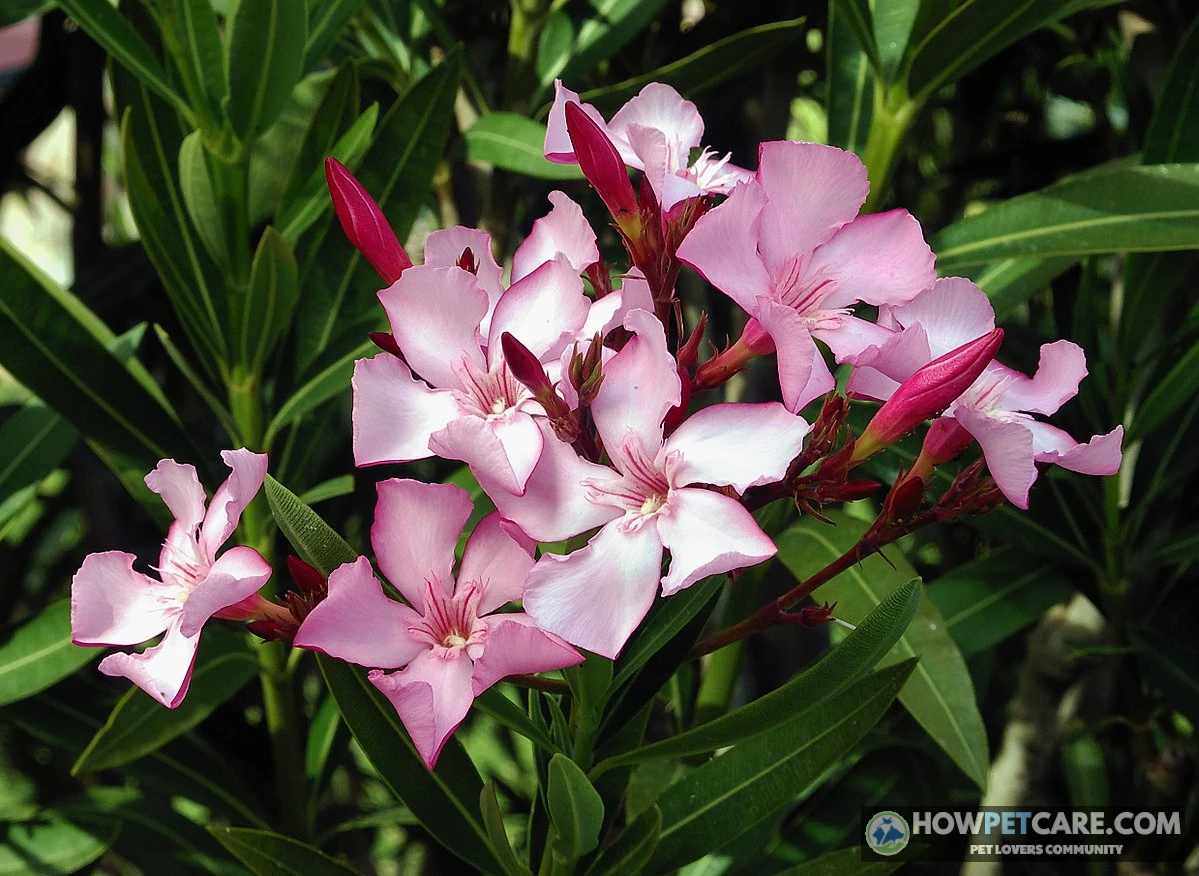
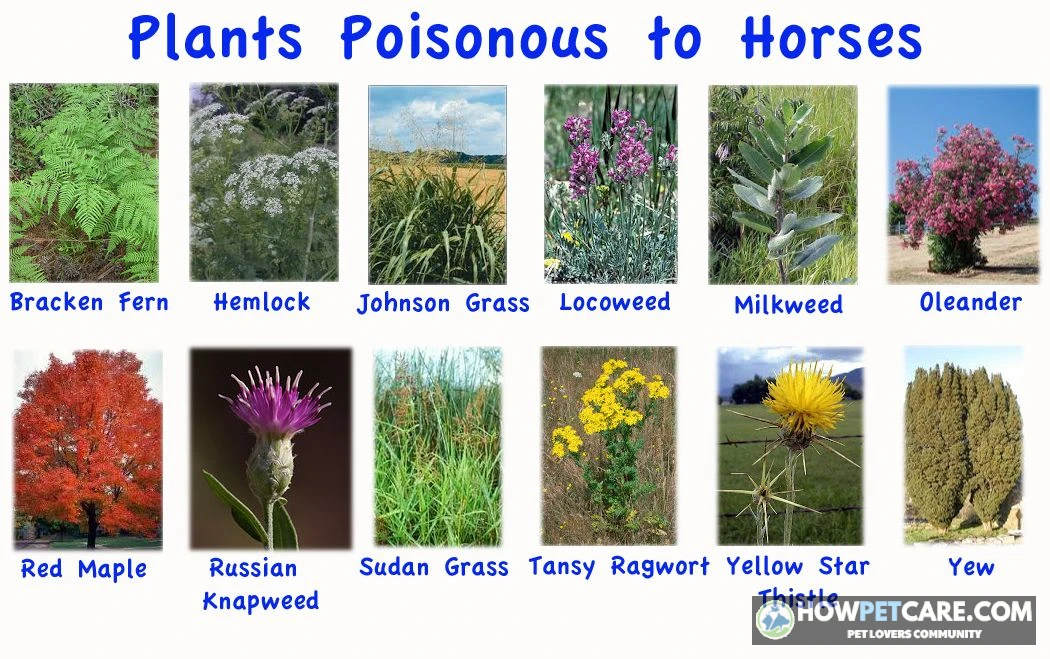
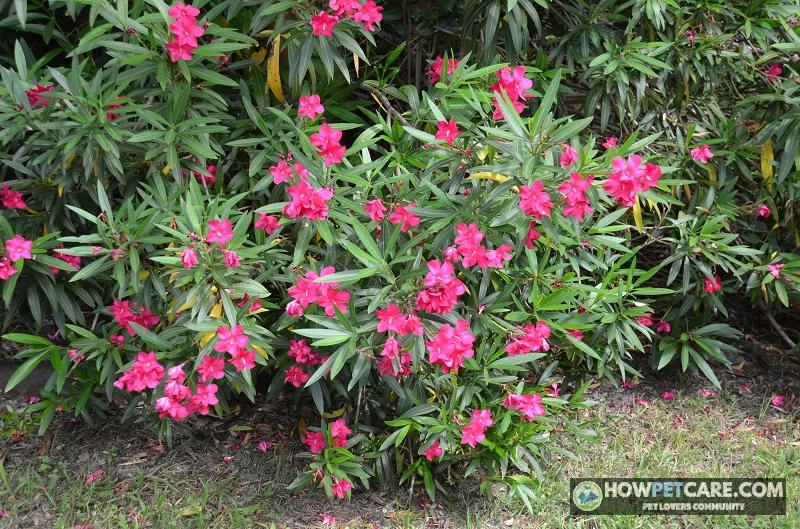
| Oleander | Nerium oleander | All parts; fresh or dried clippings | Cardiac glycosides, including oleandrin | High | Small amount can be dangerous; no safe threshold | Rapid | Colic, weakness, abnormal heart rhythm |
| Yew | Taxus spp. | Needles, bark, seeds and clippings | Taxine alkaloids | High | A lethal quantity of leaves has been reported around 0.1% of body weight; highly variable. | Rapid | Trembling, breathing trouble, collapse; signs may be missed |
| Water hemlock | Cicuta spp. | All parts, especially roots | Cicutoxin | High | As little as about 8 ounces has been reported lethal to a horse; root content and individual risk vary. | Rapid | Drooling, tremors, seizures |
| Poison hemlock | Conium maculatum | All parts, including seeds | Piperidine alkaloids, including coniine | High | A reported lethal amount is approximately 4–5 pounds for a 1,000-pound animal; this is not a safe-exposure limit. | Rapid | Weakness, incoordination, breathing difficulty |
| Wild or black cherry | Prunus spp. | Especially wilted leaves on fallen limbs | Cyanogenic glycosides | High | A toxic quantity of black cherry leaves has been reported around 2.5 pounds for a 1,000-pound horse; risk varies. | Rapid | Agitation, breathing difficulty, weakness |
| Red maple | Acer rubrum | Wilted or dried leaves | Oxidant compounds, including gallic acid | High | Approximately 1.5–3 pounds of wilted leaves has been reported to poison a horse; smaller suspected exposures still merit a call. | Acute to delayed | Weakness, dark urine, yellow gums |
| Tansy ragwort | Jacobaea vulgaris, formerly Senecio jacobaea | All parts, including dried plants | Pyrrolizidine alkaloids | High cumulative | Repeated consumption can add to liver damage; no safe cumulative allowance | Cumulative | Weight loss, jaundice, abnormal behavior |
| Bracken fern | Pteridium aquilinum and related species | Fronds and rhizomes | Thiaminase | Moderate to high | Usually associated with repeated consumption; threshold varies | Cumulative | Weight loss, tremors, incoordination |
| Black locust | Robinia pseudoacacia | Bark, leaves, seeds and pods | Toxalbumins, including robin | Moderate to high | Dose not well established | Variable | Colic, depression, weakness |
| Nightshades | Solanum spp. | Foliage and berries; varies by species | Steroidal glycoalkaloids | Moderate to high | Species and plant part matter; dose not reliably established | Variable | Drooling, digestive upset, weakness |
| Black walnut | Juglans nigra | Especially heartwood in bedding | Laminitis-triggering agent; exact mechanism uncertain | High for bedding exposure | Contact exposure; not a useful eaten-dose comparison | Rapid | Hot feet, reluctance to move |
| Oak | Quercus spp. | Acorns, buds, young leaves | Tannins | Moderate to high | Heavy or repeated consumption is a concern | Variable | Colic, manure changes, weakness |
| Buttercup | Ranunculus spp. | Fresh leaves and stems | Protoanemonin | Lower to moderate | Larger fresh amounts are generally more concerning | Relatively rapid irritation | Drooling, mouth irritation, digestive upset |
Plants that can kill quickly
Yew, oleander, hemlocks, and wilted cherry can cause a rapidly developing crisis. Don’t assume there will be time to see warning signs. Yew is especially dangerous: reported exposures can cause sudden respiratory or cardiac failure.
Plants that cause cumulative or seasonal illness
Ragwort exposure can build toward liver damage, while bracken fern can interfere with thiamine availability after repeated consumption. Red maple is a seasonal and storm-related concern rather than simply a cumulative one: fallen, wilted leaves can injure red blood cells.
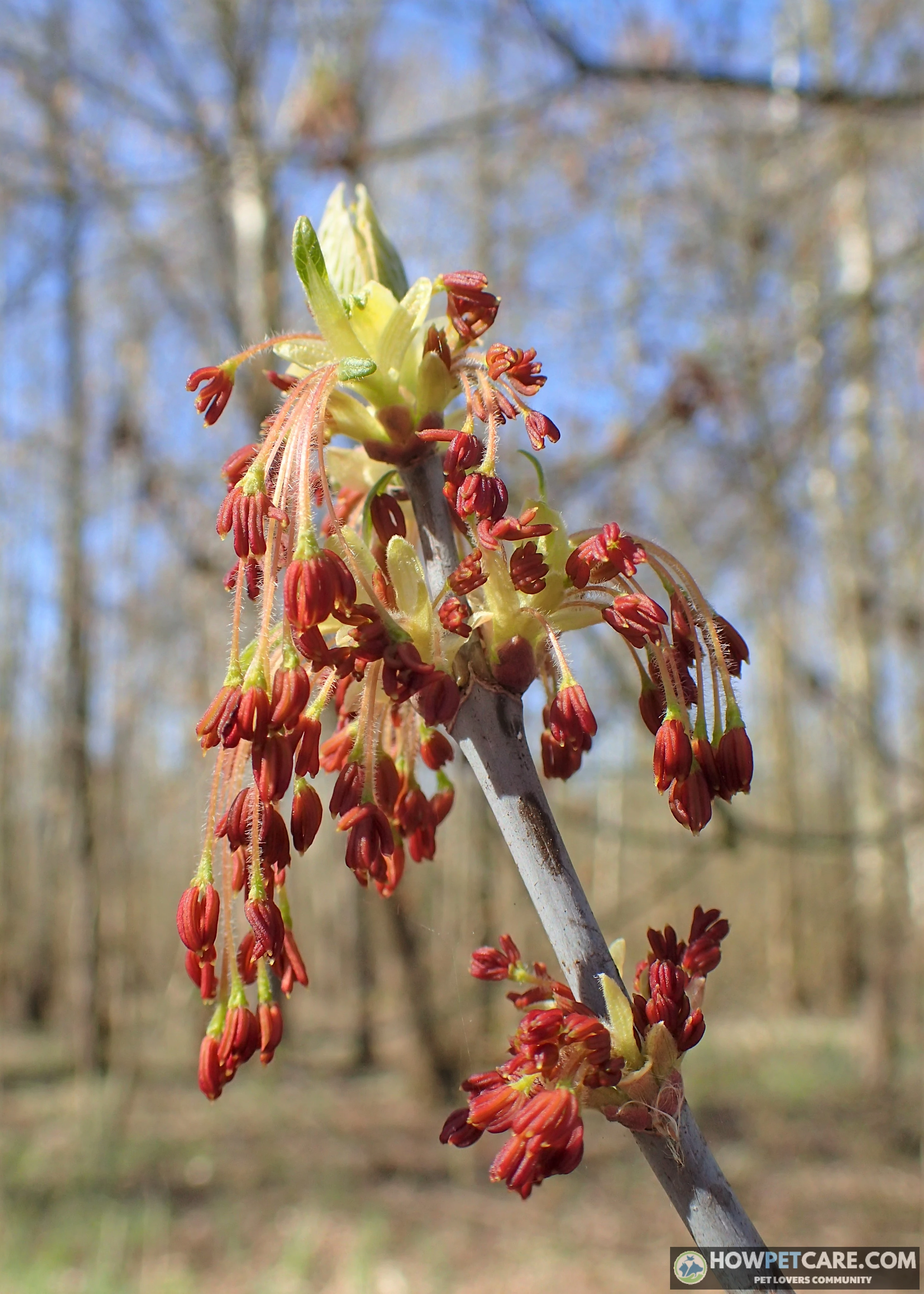
Box elder (Acer negundo) seeds can contain hypoglycin A, associated with seasonal pasture myopathy, a severe muscle disease. Suspected seed exposure, weakness, stiffness, or dark urine requires an immediate call. Don’t confuse US box elder with every tree locally called sycamore; ask extension to identify the actual species.
How to Identify Poisonous Plants in Your Horse Pasture, Region by Region
Walk fence lines, ditches, gates, shaded corners, and bare patches as well as the center of the field. Photograph the whole plant and take close-ups of the leaf, stem, flowers or seeds, and base. A county extension office or state agricultural university can help identify an unknown specimen and provide a local list of plants toxic to horses.
Field ID cards and dangerous lookalikes
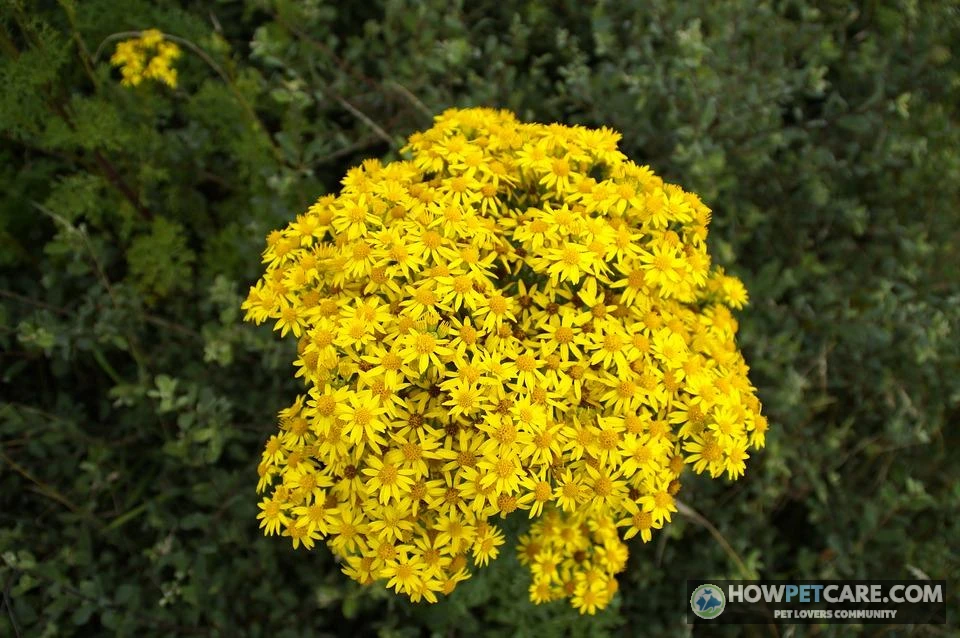
- Tansy ragwort: A leafy rosette can develop into an upright plant with clusters of yellow, daisy-like flowers. Several harmless and harmful weeds have similar yellow flowers—many owners wonder whether goldenrod is poisonous—so don’t identify it from color alone.
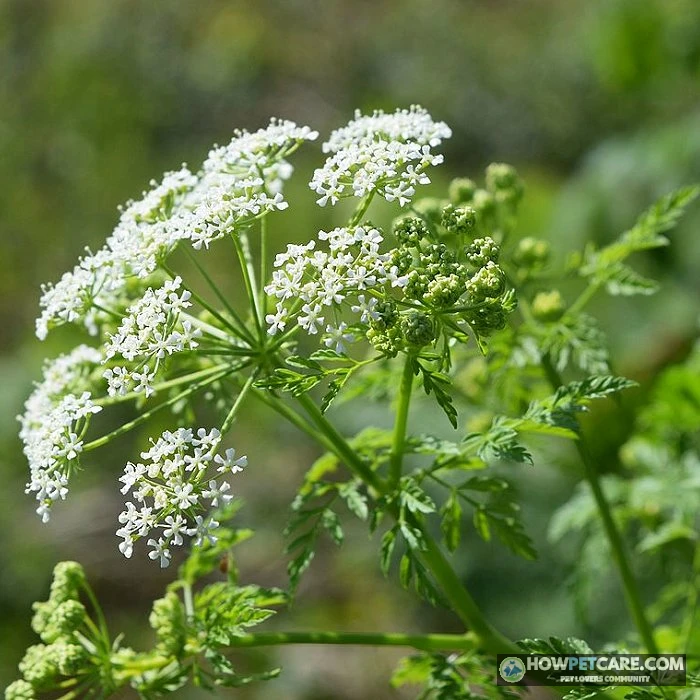
- Poison hemlock: Look for a tall, branching plant with finely divided leaves, umbrella-shaped clusters of small white flowers, and typically smooth stems with purple blotches. It can resemble wild carrot or Queen Anne’s lace. Don’t rely on a single stem feature to declare a plant safe.
- Water hemlock: Often found in wet ground or drainage areas, it has white flower clusters and divided leaves. It can resemble other members of the carrot family. The root is especially dangerous; leave uncertain plants undisturbed until you have a safe removal plan.
- Nightshades: Appearance differs by species, but look for branching plants with star-shaped flowers or berries. Berry color alone cannot establish safety.
- Bracken fern: Large, triangular-looking fronds may arise from spreading underground rhizomes, often along woodland edges. Other ferns look similar; ask for identification rather than assuming a fern is harmless.
- Buttercup: Glossy yellow flowers and lobed leaves are familiar clues, but species vary. Fresh plants can irritate the mouth; horses may eat them when better forage is scarce.
Don’t use smell, a plant-identification app, or whether wildlife eats a plant as a safety test. Fence off an unknown plant until it’s identified, especially when it resembles a hemlock.
Regional shortlists: Northeast and Great Lakes, Southeast, Midwest and Plains, West, and arid Southwest
These are starting points, not boundaries. Local habitat and landscaping matter more than state lines.
- Northeast and Great Lakes: Check red maple leaf-drop zones, hemlocks in wet or disturbed ground, buttercup in thin pasture, and the source of walnut-containing bedding.
- Southeast and Gulf: Inspect ornamental oleander, cherry limbs after storms, black locust, and unfamiliar landscape shrubs such as cestrum. Ask extension which species are confirmed hazards locally.
- Midwest and Plains: Check nightshades, hemlocks, black locust, and floodplain or ditch vegetation. Look for box elder seeds and seedlings where horses can reach them.
- Mountain West and Pacific: Check for water hemlock near wet areas, tansy ragwort where established, and regionally important larkspur or locoweed. Local identification is particularly important because species differ.
- Arid Southwest: Drought and sparse forage can push horses toward weeds and landscape plants. Inspect oleander hedges, windblown clippings, and irrigated areas where unfamiliar plants may persist.
Toxic trees, shrubs, and ornamentals around the barn
Inspect beyond the fence. Red maple, wild cherry, black locust, oak, yew, and oleander can reach horses as fallen leaves, branches, pods, or prunings. Black walnut is a particular bedding concern; ask exactly what wood is in mixed shavings. Foxglove (Digitalis spp.) is another dangerous ornamental containing cardiac glycosides.
A fence beneath a canopy may not stop windblown leaves or seeds. Tell neighbors and landscaping crews never to dump garden waste or hedge trimmings into a paddock, even if horses appear interested in eating them.
Are Dried Toxic Plants in Hay Still Dangerous? A Buyer’s Guide and Disposal Plan
Yes. Drying doesn’t make many toxic plants safe, and a horse can’t easily sort every fragment out of a bale. Hay, bedding, feed, and clippings can expose a horse even when the pasture looks clean.
Which toxins survive drying and which fade
- Still dangerous: Ragwort retains its liver-damaging alkaloids in hay and may be eaten more readily when dried. Yew and oleander clippings also remain dangerous. Wilted or dried red maple leaves are a particular concern.
- Reduced by drying: Buttercup’s irritating toxin generally diminishes when the plant is thoroughly dried in hay. That doesn’t establish that a questionable bale is safe.
- Uncertain or unidentified: Drying changes how plants look, and toxin persistence varies by species and conditions. Don’t assume an unknown dried weed has lost its toxicity; isolate the hay and ask the vet or extension office.
Questions to ask your hay supplier
Ask where the hay was cut, whether fields border trees or ornamental plantings, and whether ragwort, hemlock, nightshade, or other weeds were present. Ask whether weeds were sprayed before cutting, whether you can inspect bales, and what happens if contamination is found. Keep the supplier and lot information in a feed log.
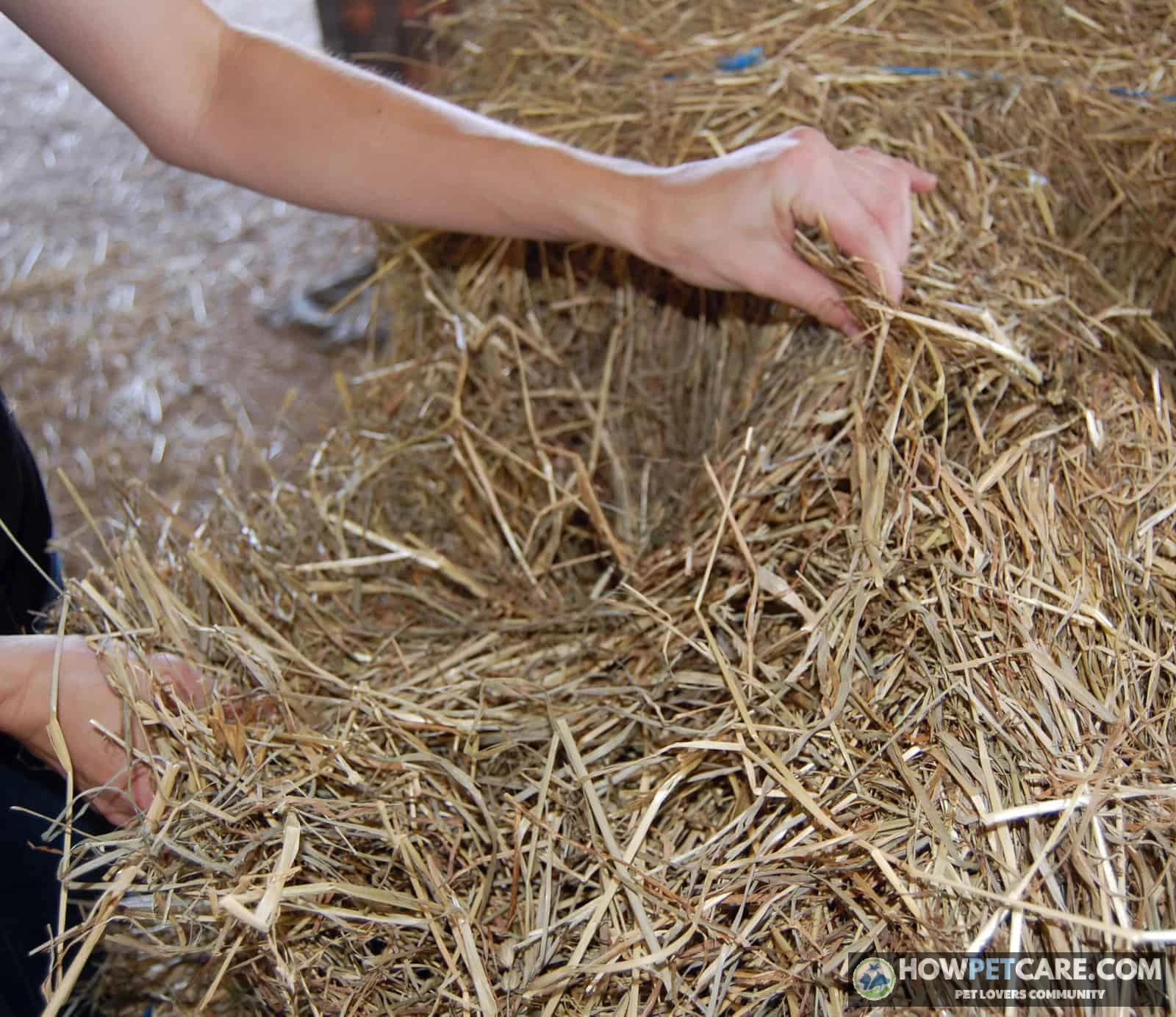
Before feeding a new load, open several bales from different parts of the stack. Look for unfamiliar stems, flowers, seedheads, broad tree leaves, berries, uneven color, or a musty odor. Mold is a separate feed-safety concern. A clean-looking sample doesn’t guarantee that every bale is clean.
Safe disposal of contaminated bales
Stop feeding the suspect batch and keep it away from horses and wildlife. Photograph the bale and fragments; bag and label a sample with the date, supplier, and stack or field if known. Contact the supplier and ask extension for identification. Call the vet if a horse may have eaten the material.
Arrange return or disposal under local rules. Don’t spread suspect hay on pasture or compost it for pasture use: plant material or seed may remain a risk. Ask local waste authorities or extension about accepted landfill disposal and any burning restrictions.
Removing the obvious weed from a contaminated bale does not establish that the remaining hay is safe. Isolate the lot until the plant and disposal or return plan are resolved.
How to Remove Poisonous Weeds Like Ragwort and Stop Them Coming Back
Removal works best as a repeatable pasture-management plan, not a single mowing. First, fence horses away from a suspect patch. Then identify the plant and choose a method suited to the species and site.
Pulling, bagging, and follow-up for ragwort
Wear gloves and dig or pull ragwort with as much of the root as possible, preferably when the soil is moist. Bag plants, flowers, and seedheads, and remove them from animal access. Don’t leave pulled or wilted plants in the field, where they may remain toxic and become easier to eat. Revisit the site through the season and record regrowth on a pasture map.
For a large infestation, ask extension about a coordinated removal plan and disposal requirements. Protect yourself around hemlocks and other hazardous plants; avoid unnecessary cutting or handling until you know what you’re dealing with.
Pasture management and fencing to reduce re-exposure
Maintain dense forage, rotate paddocks where practical, reseed bare areas, and avoid grazing grass down to the soil. Provide suitable supplemental hay when pasture is short. These steps reduce pressure to eat unfamiliar plants but don’t make a toxic plant safe.
Fence horses away from dangerous trees, hedgerows, and drainage areas, allowing for branches that overhang the fence. After storms, inspect before turnout and remove fallen maple and cherry limbs and leaves. Check fence lines for clippings dropped or blown in from outside.
Why mowing and herbicides need care
Mowing alone may leave toxic material within reach or spread mature seed. Some sprayed or wilting plants can become more attractive while remaining hazardous. Keep horses away from treated areas until the herbicide label permits grazing and hazardous plant material has been dealt with.
Products containing 2,4-D or dicamba aren’t interchangeable prescriptions for every weed or pasture. Ask extension about identification, appropriate control, desirable forage, application restrictions, and label directions. Don’t treat a label’s grazing interval as proof that dead toxic plants are harmless.
Seasonal Pasture-Safety Checklist and Your Next Steps
Spring, summer and drought, autumn leaf fall, and post-storm checks
| Season or event | Risk driver | Plants and hazards to check | Action to take |
|---|---|---|---|
| Spring growth | Young weeds appear in thin pasture | Ragwort and hemlock rosettes, buttercup, young bracken, box elder seedlings | Walk before turnout; identify and fence off suspect patches. |
| Summer grazing | Short forage encourages browsing | Nightshades, ditch plants, locust sprouts, fence-line shrubs | Rotate where practical and provide suitable forage. |
| Drought | Familiar forage becomes scarce | Normally avoided weeds and stressed ornamentals | Check frequently for chewed plants; supplement forage and reduce grazing pressure. |
| Late summer seed drop | Seeds spread or become available to horses | Ragwort seedheads, box elder seeds, hemlock seed stalks | Contain seed-bearing material and ask extension about control. |
| Autumn | Leaves and acorns fall into reach | Wilted red maple and cherry leaves, oak acorns | Fence drop zones and remove accessible debris. |
| After storms or frost | Branches fall; plants may wilt or change | Cherry and maple limbs, broken shrubs, blown hedge clippings | Inspect and clear the area before turnout. Ask extension about local frost-related plant risks. |
| Winter and stored-feed periods | Greater reliance on hay and bedding | Dried weeds, tree leaves, black walnut shavings | Inspect new loads and confirm bedding ingredients. |
| Year-round | Small patches persist or return | Bare ground, rosettes, regrowth, dumped yard waste | Update a pasture map and recheck previously treated sites. |
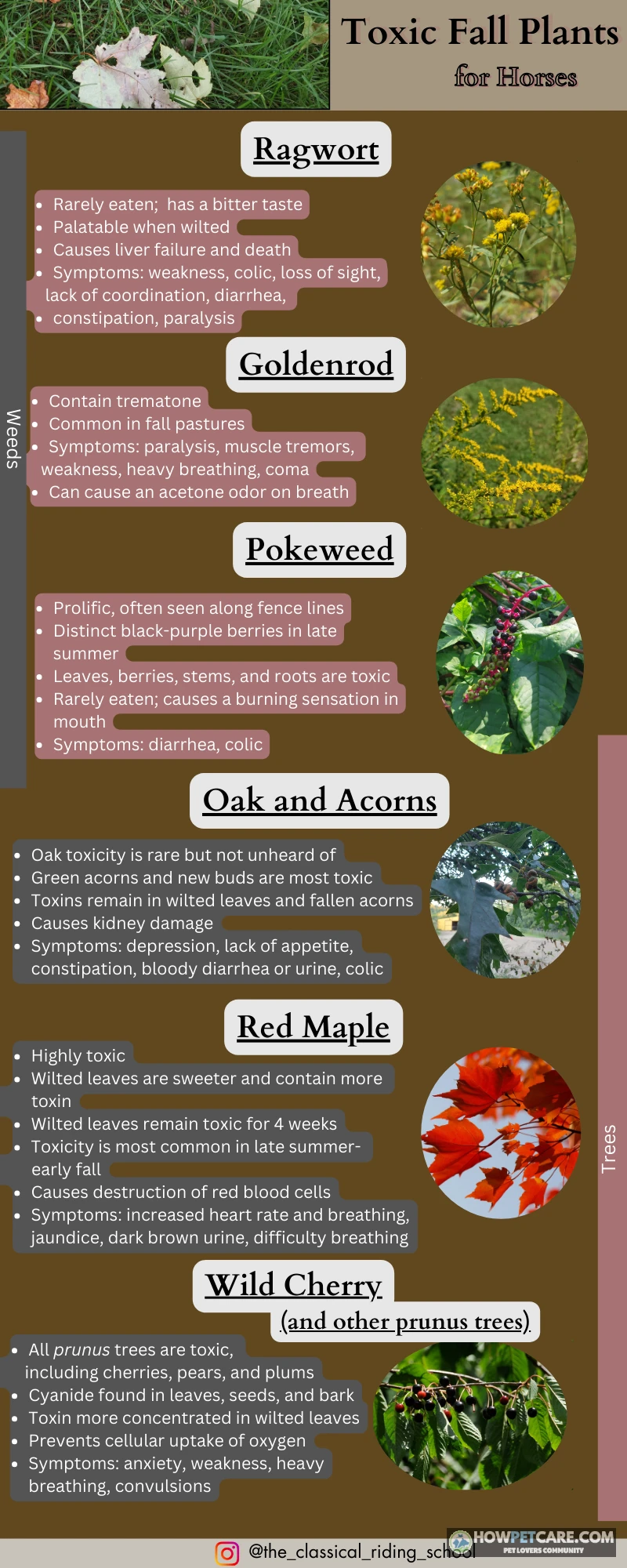
Endophyte-infected tall fescue is another management issue, particularly for pregnant mares. Discuss forage and broodmare management with your veterinarian and extension office. It’s a different risk from identifying a single poisonous broadleaf weed.
Your first-week action list
- Save your veterinarian’s emergency number and post the barn wall card where everyone can find it.
- Walk each turnout area, including ditches, tree lines, gates, and neighboring hedges. Photograph and fence off unfamiliar plants.
- Open and inspect several bales from the current hay supply; record the supplier and lot.
- Check bedding ingredients and make sure prunings and storm debris cannot enter the paddock.
- Ask your county extension office for a local plant list and help with uncertain specimens. Mark findings and removal dates on a pasture map.
If you find a suspect plant and no horse has eaten it, prevent access, photograph it, and identify it before safe removal. If a horse may have eaten it, call the vet and follow the emergency protocol. Focus first on the highest-risk plants and exposure routes, not on eliminating every weed.
 You might be wonderingPlants toxic to dogsPlants Toxic to Dogs: Severity-Ranked List and Emergency StepsRead the answer
FAQ
Is buttercup poisonous to horses?
Yes, but it is mainly an irritant. Fresh buttercup can cause mouth blistering, drooling, and colic or diarrhea if eaten in quantity. Horses usually avoid it unless forage is scarce, and drying in hay greatly reduces its toxicity.
Will horses avoid poisonous plants on their own?
Often, when plenty of good forage is available, but not reliably. Overgrazed pasture, hunger, boredom, and wilted or dried plants in hay or clippings can lead horses to eat plants they would normally skip.
Are red maple and wild cherry leaves dangerous to horses?
Yes, particularly when the leaves are wilted or dry after a storm or in autumn. Red maple leaves can damage red blood cells and cause dark urine, while wilted cherry leaves can release cyanide. Remove fallen branches promptly and call a vet if a horse may have eaten them.
What is the difference between toxic plants and injurious plants like foxtail?
Toxic plants harm a horse through chemicals absorbed after eating them. Injurious plants like foxtail have sharp awns that cause mechanical damage such as mouth sores, and they are usually treated by removing the cause and caring for the injury.
Does mowing make poisonous weeds safe for horses?
No. Mowed or wilted weeds can remain toxic and may be more palatable to horses, and mowing can spread seed. Pull and bag weeds like ragwort and keep horses off the area until the plant material is removed.