
Basic land hermit crab care comes down to a few non-negotiables:
- A secure tank with a humidity-retaining lid — 20 gallons long for two or three small crabs
- Substrate at least 6 inches deep, mixed 5:1 play sand to coconut fiber, for safe molting
- Steady 75–85°F and at least 80% relative humidity, measured inside the enclosure
- Separate freshwater and marine saltwater pools, each with a reliable exit
- A varied diet with calcium plus three to five natural, unpainted spare shells per crab
Land hermit crabs need a secure, warm, humid tank, deep substrate for molting, separate freshwater and marine saltwater pools, varied food, and natural spare shells. For two or three small crabs, start with a 20-gallon long tank. Use a 5:1 mix of play sand and coconut fiber, at least 6 inches deep or three times the height of the largest crab, whichever is deeper. Aim for 75–85°F and at least 80% relative humidity, measured inside the enclosure. These are practical starting targets; check the needs of your particular species.
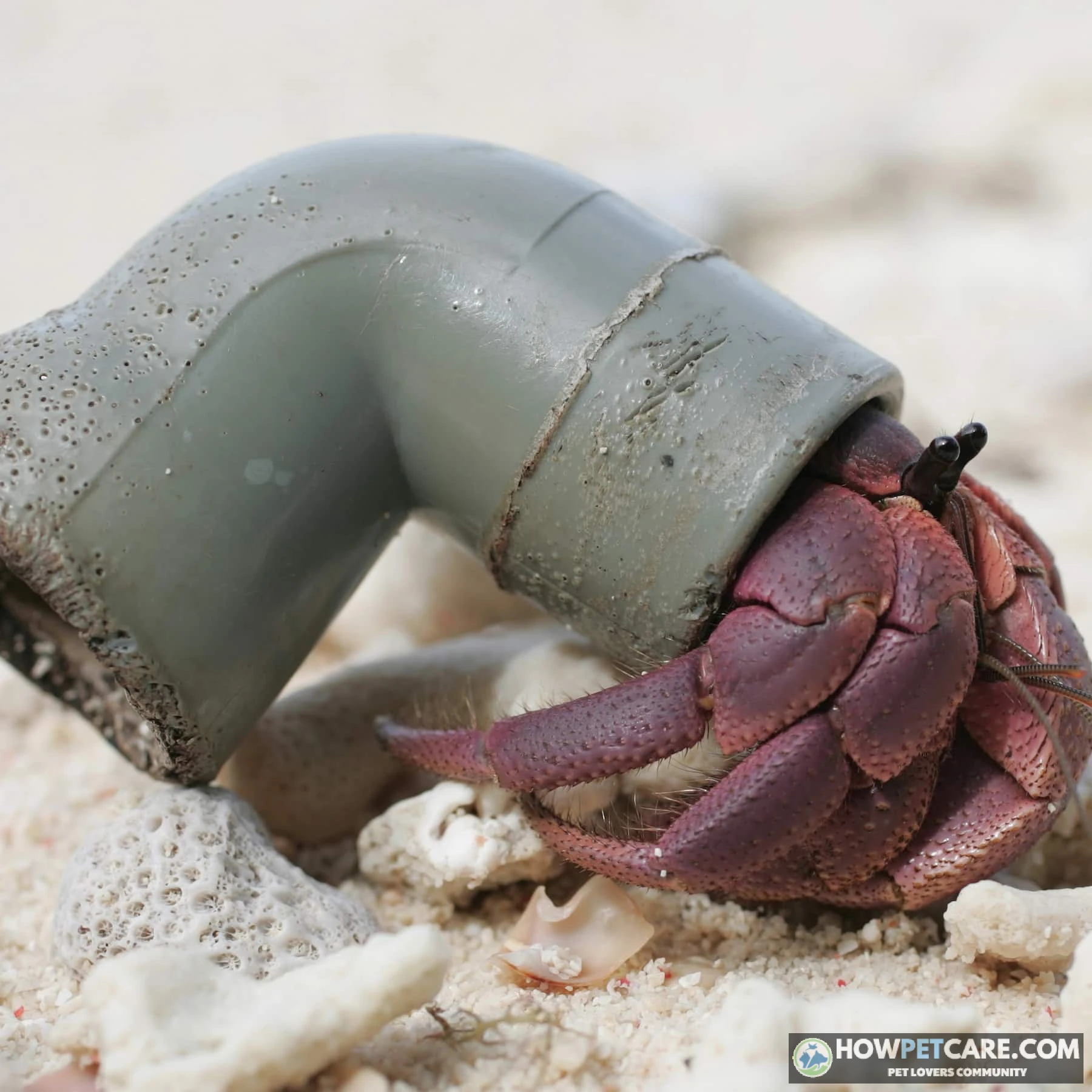
A hermit crab is a crustacean that carries a borrowed shell to protect its soft abdomen. Land species breathe through modified gills, so they need a humid environment. A wire cage, shallow gravel, or sponge dish can’t provide the conditions they require.
Set up a safe hermit crab habitat: the essentials at a glance

A 10-gallon tank is a minimum starting point for one small crab, not a good long-term choice for a group. A 20-gallon long tank gives two or three small crabs more usable floor space, though larger crabs and groups need more room. Make space for deep digging material, two pools, hides, climbing areas, and food without crowding the enclosure. A secure lid helps prevent escapes and retain humidity. A nonprofit readiness checklist also calls for safe heating, monitoring, pools, natural shells, hiding places, and climbing enrichment.
Starter shopping list and realistic setup costs
These are rough US budgeting estimates for two or three small crabs, not verified retail prices. Tank size, local prices, and equipment choices can change the total substantially.
| Item | Minimum purpose or specification | Estimated cost |
|---|---|---|
| 20-gallon long glass tank | Floor space for a small group and deep substrate | $40–$60 |
| Secure lid and clips | Retains humidity while preventing escapes | $15–$25 |
| Plain play sand | Main ingredient of the digging substrate | $5–$8 |
| Coconut fiber | Mixed with sand to help support burrows | $8–$12 |
| Heat mat | Sized for exterior side or back mounting | $20–$30 |
| Thermostat | Controls the heater and reduces overheating risk | $20–$35 |
| Digital thermometer and hygrometer | Measures heat and relative humidity inside the tank | $10–$15 |
| Two water dishes and escape ramps | Separate, accessible fresh and saltwater pools | $5–$15 |
| Marine aquarium salt | Makes marine-strength saltwater | $10–$15 |
| Water conditioner | Treats tap water for chlorine and chloramine as directed | $6–$10 |
| Natural spare shells | Several suitable openings for each crab | $10–$20 |
| Food dish, calcium, and basic hides | Feeding and sheltered resting places | $10–$20 |
Estimated initial total: $159–$265. Food, replacement supplies, electricity, and veterinary care are additional. A sound used tank may cost less; check it for cracks and make sure it can support the intended setup. Larger crabs may need a larger tank, more substrate, and deeper pools.
Build the crabitat in the right order
Whenever possible, set up and test the enclosure before bringing crabs home. If you already have them, first provide a heated, humid, secure tank and both treated water sources, then finish the rest of the setup.

-
Prepare water
Treat tap water with a conditioner labeled for chlorine and chloramine, following its instructions. Reserve some for freshwater and use some to mix marine saltwater.
-
Add substrate
Mix plain play sand and expanded coconut fiber at roughly 5:1 by volume. Add enough to meet the depth requirement and check that it holds a test tunnel.
-
Install the pools
Place separate fresh and marine saltwater dishes where they are stable. Add secure, textured routes in and out for every crab.
-
Set up heat and monitoring
Attach the heat mat outside the side or back, above the substrate, according to its instructions. Connect a thermostat and place the thermometer and hygrometer inside.
-
Furnish and check
Add hides, climbing material, a food dish, and suitable spare shells. Secure the lid and check that temperature and humidity remain stable before introducing the crabs.
Choose substrate, heat, and humidity that support safe molting

The right substrate lets hermit crabs dig and maintain a protected chamber while they shed their exoskeleton. Heat and humidity also need to stay steady, even when you can’t see the animals.
Substrate depth and why calcium sand is unsafe
Use approximately five parts plain, washed play sand to one part expanded coconut fiber by volume. Measure the coconut fiber after expanding it, not as a compressed brick. Mix thoroughly and add dechlorinated water until the substrate has a damp, sandcastle-like consistency. A test hole should hold its shape rather than collapse or fill with water. The 5:1 mix also appears in the nonprofit setup checklist.
Make the substrate at least 6 inches deep or three times the height of the largest crab, whichever is greater. Measure the crab’s height without pulling it from its shell. Larger animals need more depth and a tank tall enough to accommodate it while leaving usable space above.
Don’t use calcium sand. It can clump or harden when damp and stick to a crab; it isn’t a safe substitute for substrate that holds a tunnel. Avoid gravel and shallow layers that can’t support a protected molt chamber. If the substrate smells sour, floods, or develops extensive mold, get experienced advice before making a major change, especially if crabs are buried.
Temperature and humidity: targets, placement, and adjustments
For a beginner setup with common tropical land hermit crabs, aim for 75–85°F and at least 80% relative humidity, and confirm the needs of the species. Use a digital thermometer and hygrometer inside the habitat, around crab level but away from direct contact with the heater, water, and wet walls. If possible, check readings in more than one area; a single reading won’t show every hot or cool spot.
Mount a suitable heat mat outside the back or side wall, above the substrate line, and use a thermostat with its probe positioned according to the controller’s instructions. Check the temperature independently, too. Never put a heat mat underneath deep substrate: buried crabs can’t move away from a hot bottom as easily, and bottom heating can dry the digging layer. The nonprofit checklist calls for monitored heating and thermostat use.

A solid, secure lid, appropriate pool surface area, and properly damp substrate help retain humidity. Don’t seal ventilation completely. If readings are low, check the lid, room temperature, gauge placement, and water supply instead of relying on repeated misting. If conditions are too wet, address standing water and ventilation rather than adding substrate over a possible buried crab.
Make corrections steadily and check the result. A hot lamp, heat rock, or large pour of water can create dangerous local conditions even when a gauge elsewhere looks acceptable.
Provide freshwater and marine saltwater with safe mixing and dishes

Land hermit crabs need access to freshwater and marine saltwater at all times. Treat water for chlorine and chloramine before using it in either pool, including water used to prepare the salt mix. The nonprofit readiness checklist also specifies two pools.
Freshwater and saltwater mixing steps
For freshwater, treat tap water with a conditioner suitable for chlorine and chloramine. Follow the dose and wait time on the label, and use a clean container reserved for crab water.
For a reproducible saltwater starting recipe, Instant Ocean marine aquarium salt is commonly mixed at approximately 1/2 cup per US gallon of prepared water. That works out to 1/32 cup, or 1 1/2 teaspoons, per US cup of water. Small measurements are easy to get wrong, so mixing a gallon is more practical. Check your package instructions and follow them if they differ.
- Measure one gallon of tap water into a clean container.
- Add water conditioner at the labeled dose and wait as directed.
- Measure the marine salt according to the package and add it to the treated water.
- Stir until the salt dissolves completely. Don’t add undissolved crystals to the pool.
- Check the salinity with a marine hydrometer or refractometer when available, following the salt manufacturer’s target and the instrument’s instructions. A common marine specific-gravity range is approximately 1.021–1.026; temperature and instrument calibration affect readings.
- Fill the saltwater dish. Keep any remainder in a clean, covered, clearly labeled container and discard it if contaminated.

Table salt, cooking salt, and freshwater aquarium salt can’t replace a marine aquarium mix. They don’t reproduce the appropriate balance of salts in seawater. Never add salt directly to a dish containing a crab or adjust the mixture by taste.
Pool depth, access, and cleaning
Each pool should let the largest crab submerge while giving the smallest a dependable route out. Use stable dishes with textured ramps or firmly secured aquarium-safe mesh. Check that no animal can become trapped beneath a ramp or between the dish and tank wall. A slippery vertical wall isn’t a safe exit, so consider how crabs of different sizes will use the route.
A sponge can’t replace either pool. It takes up usable space and can collect debris. Check dishes daily, remove contamination promptly, and replace water whenever it’s dirty. Rinse and scrub dishes regularly with hot water, without leaving cleaning-product residue. A deeper circulating pool needs its own appropriate filtration and maintenance; it doesn’t mean you can check it less often.
Feed a varied hermit crab diet and offer correctly sized shells
A varied hermit crab diet includes protein, plant foods, and calcium. Offer small portions and rotate ingredients instead of relying on pellets alone. Remove perishable food promptly, usually by the next day, and keep food away from the pools when practical.
Safe foods by nutrition group
| Nutrition group | Suitable examples | Avoid or use caution |
|---|---|---|
| Vegetables | Plain carrot, squash, leafy greens, broccoli | Avoid seasoning, sauces, and produce with pesticide residue; wash thoroughly |
| Fruit | Small pieces of apple, mango, or berries | Avoid sugary preparations; remove leftovers before they spoil |
| Animal protein | Plain cooked egg, fish, or shrimp | Avoid salted, seasoned, fried, or spoiled foods |
| Calcium | Plain cuttlebone and cleaned, crushed eggshell | Do not use calcium sand as a food or substrate substitute |
| Other variety | Unsweetened coconut, plain nuts, and pesticide-free leaf litter | Avoid salted nuts and material collected where pesticides may have been used |

Whenever possible, offer untreated foods without added salt, sugar, spices, or preservatives. Check commercial food ingredients and use those foods as part of a varied diet, not as the sole food. Pesticide-free Catappa, or Indian almond, leaves can provide leaf litter and foraging material. Choose leaf material that’s suitable for the enclosure and free of chemical treatments.
Shell selection and spare shells
Offer at least three to five natural, unpainted spare shells per crab, with a range of opening sizes and shapes suited to the species. Include openings close to the crab’s current shell size and some slightly larger. Measure the opening of the occupied shell without removing the crab, then compare it with the spare openings rather than judging by the shells’ outside size.
Choose intact shells without sharp edges, polish, paint, or coatings. Painted shells can chip, and swallowed paint is a hazard. Clean shells intended for the crabitat by briefly boiling them in plain water, letting them cool completely, and rinsing with treated water. Never pull a crab from its shell or force it into another.

Land hermit crabs are social and generally do best with compatible companions when the enclosure has enough room, hides, food, water access, and shell choices. More animals won’t make a small enclosure adequate. With suitable care, pet hermit crabs can live for many years and sometimes decades. Plan for a long commitment, not a short-lived novelty pet.
Follow the full molting process without disturbing a buried crab

Molting is how a crab sheds its old exoskeleton to grow and recover. A newly molted crab is soft and vulnerable while its new exoskeleton hardens. It may stay underground throughout the process and eat its shed exoskeleton afterward.
Pre-molt signs and timeline
Before burying, a crab may dig test holes, eat or drink more, look dull, become less active, or spend more time near water. These signs don’t confirm a molt; a stressed or unwell crab may behave differently, too. Record what you observe rather than treating a checklist as proof.
Molting time varies with the individual, its size, and conditions. Small crabs may stay underground for weeks; medium and larger crabs can remain buried for several weeks to months. There’s no reliable deadline for digging up a buried crab. Not seeing it for weeks doesn’t, by itself, mean it’s died.
Buried and surface molts: what to do and what not to do
- Look without excavating. Check visible hides and other accessible areas first. Don’t move heavy furnishings over a suspected burrow.
- Check the habitat, not the crab. Keep heat, humidity, food, and both water pools stable. Avoid major rearrangements or deep cleaning while a crab is buried.
- Leave the burrow intact. Don’t dig up, bathe, shake, or handle a buried or molting crab to check on it. Disturbance can collapse its chamber and expose a vulnerable animal.
- Protect a surface molt. If a crab is visibly molting above ground and tankmates could disturb it, gently place a ventilated protective barrier around it without touching the crab or its shed exoskeleton. Don’t push the barrier into a suspected underground chamber. Keep the area warm and humid, and ask an experienced keeper or exotic-animal veterinarian about access to water and further protection.
- Let it finish. Leave the shed exoskeleton available; the crab may eat it. Avoid handling the crab after it reappears while it recovers.
- Keep a log. Record when the crab was last seen, any observed pre-molt behavior, daily temperature and humidity, and the date it returns. The log can help if you need specialist advice.
A strong, persistent foul odor is a reason to check accessible food and the enclosure and seek guidance; it isn’t, by itself, a reason to excavate a possible molt. Odor can have more than one source. If there’s an urgent safety concern, consult an exotic-animal veterinarian or experienced hermit crab specialist before disturbing buried animals.
Maintain the habitat and wait. Don’t dig up a crab simply because it has been underground longer than expected.

Troubleshoot emergencies and quarantine newly purchased crabs
A change in behavior can have several causes. Start by checking the environment and protecting the animal from further harm; don’t try to diagnose illness from a symptom alone. Contact an exotic-animal veterinarian promptly if a crab is injured, repeatedly losing limbs, exposed outside its shell, or deteriorating.
Naked crabs, dropped limbs, and inactivity
| What you observe | First response |
|---|---|
| Crab outside its shell | Reduce light and disturbance. Put several clean, unpainted shells with suitable openings within reach. Shield the crab from tankmates without forcing it into a shell. Check heat and humidity and contact an experienced exotic-animal veterinarian promptly. |
| Dropped limb or claw | Check temperature, humidity, pool access, and possible fighting. Don’t pull at the crab or its remaining limbs. Protect it from tankmates if necessary and seek veterinary advice, particularly if it loses further limbs. |
| Motionless crab above ground | Check the readings and look quietly for subtle movement without prodding. A surface molt is possible, so don’t assume the crab is dead or handle it unnecessarily. Seek advice promptly if the crab is exposed, injured, smells strongly, or you’re unsure. |
| Crab buried for weeks | Maintain conditions and keep a log. Don’t dig just to check. Seek experienced guidance if there’s a persistent foul odor or another concrete concern. |
| Shell fighting or dragging | Add several suitable shells and more hides. If an animal is being injured, carefully prevent further contact without pulling the crabs apart by their bodies or shells; ask an experienced keeper or veterinarian for help. |
| Strong unpleasant odor | Check and remove accessible spoiled food first. If the odor persists or an animal appears unwell, seek specialist guidance; don’t assume the smell reveals a buried crab’s condition. |

A shed exoskeleton can look like a crab. Don’t pull material from an occupied shell to investigate. Limb loss and shell evacuation can accompany serious stress or injury, but neither reveals the cause on its own. A lost limb may regrow during later molts; timing and outcome vary.
Quarantine and safe introductions
A separate observation enclosure can reduce the chance of bringing an unnoticed problem into an established colony, but quarantine can’t guarantee that a crab is disease-free. The evidence available for this guide doesn’t establish a single quarantine duration, so ask an experienced hermit crab specialist or exotic-animal veterinarian about timing and concerning signs.
- Prepare a separate, secure tank with the same essentials: adequate digging substrate, controlled heat and humidity, both treated water pools, food, hides, and appropriate spare shells. A bare, dry holding box isn’t an acceptable quarantine habitat.
- Use separate equipment where practical. Wash your hands and clean shared tools between enclosures to limit cross-contamination.
- Observe the new arrival without unnecessary handling. Record eating, activity, shell use, and habitat readings. A newly purchased crab may be stressed, so give it places to hide.
- Don’t introduce a crab that appears injured or unwell. Consult an exotic-animal veterinarian instead of trying medication based on guesswork.
- When the observation period is complete and conditions are suitable, introduce the crab to a spacious established habitat with multiple hides, food access points, and suitable spare shells. Monitor interactions and be ready to separate animals if serious aggression occurs.
If the newcomer buries itself, don’t excavate it to meet a quarantine schedule. Keep its enclosure stable and ask for advice on when an introduction is appropriate.
Correct outdated pet-store advice and adjust care for species
Packaging and casual advice may describe a setup that keeps a crab alive briefly without giving it the conditions needed to molt and thrive. Check the actual equipment and measurements instead of assuming a kit is complete.
Outdated advice versus current standards
| Common advice | Why it falls short | Current safer standard |
|---|---|---|
| A 1-gallon cage is enough | It cannot accommodate deep substrate, two pools, and usable space | Start with a 20-gallon long tank for two or three small crabs; increase space for larger animals |
| Calcium sand makes a good substrate | It can clump, harden, and stick to a crab | Use approximately 5:1 plain play sand to coconut fiber, at least 6 inches deep or three times the largest crab’s height |
| A sponge dish supplies all the water needed | It cannot replace accessible fresh and marine saltwater pools and can collect debris | Provide both pools with safe entry and exit; clean them regularly |
| Around 60% humidity is enough | Low humidity does not provide the moist environment needed by modified gills | Aim for at least 80% relative humidity and monitor inside the habitat |
| Painted shells are harmless | Paint can chip and be ingested | Provide several clean, natural, unpainted shells per crab |
| Put the heater under the tank | It can create hot, dry conditions where crabs are buried | Mount a suitable mat outside the side or back, above substrate, and use a thermostat |
| Any salt makes saltwater | Table and freshwater aquarium salts are not marine salt mixes | Mix marine aquarium salt into dechlorinated water according to its label |
| Pellets are a complete substitute for variety | A single food does not provide the broad rotation this guide recommends | Rotate suitable protein, plant foods, and calcium sources |

Purple pincher and Ecuadorian hermit crab differences
The purple pincher, Coenobita clypeatus, and the Ecuadorian hermit crab, often identified as Coenobita compressus, are different land hermit crab species. They can differ in adult size, activity, shell preferences, and tolerance of conditions. Don’t assume a shell shape one crab accepts will suit another, or that a mixed-species tank makes their needs identical.
Identify your crabs where possible and check current specialist guidance for the exact species. Maintain conditions suitable for the least-tolerant animal, provide enough space and shell choices for all, and avoid mixing species if you can’t meet their needs together. If identification is uncertain, an experienced keeper or exotic-animal veterinarian may be able to help from clear photographs.
Use this first-week checklist to keep the habitat stable
Good hermit crab care starts with a stable setup. Before adding crabs, check each part of the habitat:
- The tank is appropriately sized, stable, and secured with a humidity-retaining lid.
- Substrate holds a test tunnel and is at least 6 inches deep or three times the largest crab’s height, whichever is greater.
- The thermostat-controlled heater is mounted outside the side or back, and independent instruments show stable temperature and humidity.
- Freshwater and properly mixed marine saltwater are available in separate pools with reliable exits.
- Hides, climbing opportunities, a food dish, varied food, calcium, and several suitable natural spare shells per crab are in place.

During the first week, record temperature and humidity each day, inspect both pools, replace dirty water, offer fresh food, and remove spoiled portions. Observe the crabs without routinely handling them. If a reading is outside the target, check the instrument and adjust the relevant factor steadily. Where practical, change one thing at a time so you can see its effect.
Leave buried crabs alone and record when each was last seen. If an exposed crab is injured, leaves its shell, repeatedly loses limbs, or worsens despite stable conditions, contact an exotic-animal veterinarian or experienced hermit crab specialist rather than waiting for the end of the week.
| Item | Minimum Purpose or Specification | Estimated Cost |
|---|---|---|
| 20-gallon long glass tank | Floor space for a small group and deep substrate | 40–60 |
| Secure lid and clips | Retains humidity while preventing escapes | 15–25 |
| Plain play sand | Main ingredient of the digging substrate | 5–8 |
| Coconut fiber | Mixed with sand to help support burrows | 8–12 |
| Heat mat | Sized for exterior side or back mounting | 20–30 |
| Thermostat | Controls the heater and reduces overheating risk | 20–35 |
| Digital thermometer and hygrometer | Measures heat and relative humidity inside the tank | 10–15 |
| Two water dishes and escape ramps | Separate, accessible fresh and saltwater pools | 5–15 |
| Marine aquarium salt | Makes marine-strength saltwater | 10–15 |
| Water conditioner | Treats tap water for chlorine and chloramine as directed | 6–10 |
| Natural spare shells | Several suitable openings for each crab | 10–20 |
| Food dish, calcium, and basic hides | Feeding and sheltered resting places | 10–20 |
FAQ
How long do hermit crabs live as pets?
With suitable long-term care, land hermit crabs can live for many years, sometimes decades. Their lifespan depends on species and husbandry, so they should not be treated as short-term starter pets.
Should I keep more than one hermit crab?
Land hermit crabs are social and are generally kept with compatible companions, provided the habitat has enough space, hiding places, food, and correctly sized spare shells. A cramped enclosure can increase stress and conflict.
How can I tell whether a buried hermit crab is molting or dead?
A buried crab may be molting, so do not dig it up just to check. A strong, persistent foul odor can indicate death, but absence of movement above ground is not enough to tell; keep conditions stable and seek experienced guidance if uncertain.
Do hermit crabs need a sponge in their water dish?
No. A sponge is not a substitute for clean freshwater and marine saltwater pools, and it can collect debris or microbes. Provide accessible dishes with safe entry and exit instead.