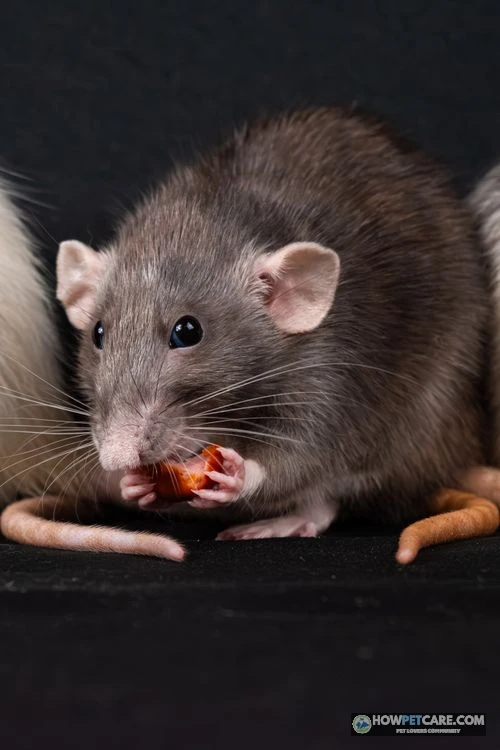

The core requirements of pet rat care for beginners:
- Companionship: Always keep at least two same-sex rats; solo housing causes chronic stress and depression.
- Housing: A wire cage of 5–6 cubic feet for a pair, with 1/2-inch bar spacing, solid shelves, and hammocks—never a glass tank.
- Diet: 15–20 g of quality lab blocks per rat daily, plus a small portion of safe fresh vegetables; avoid chocolate, raw beans, and citrus for males.
- Exercise: At least 1 hour of supervised free-roam time in a rat-proofed space every day.
- Budget: Roughly $230–$705 for setup, $48–$99 monthly, plus a $300–$500 exotics vet emergency fund.
- Commitment: Pet rats live 2–3 years and need daily care, weekly cage cleaning, and an accessible exotics veterinarian.
Pet rat care takes preparation, time, and a financial commitment. Domesticated rats—specifically fancy rats (Rattus norvegicus domestica)—are intelligent, clean, and affectionate companions, but their physical and social needs differ sharply from those of other pocket pets. They need a spacious wire cage with appropriate bar spacing, a balanced base diet supplemented with measured fresh foods, daily free-roam time, and access to a qualified exotics veterinarian.
Before buying supplies, make sure you can meet two essential requirements: rats must not be kept alone, and their care costs money. Individual rats are relatively inexpensive to acquire, but veterinary treatment for common respiratory conditions or tumors frequently runs into hundreds of dollars. This guide covers dietary portions, cage dimensions, itemized budgets, and care procedures to help you prepare for your new companions from day one.
Are Pet Rats Right for You? A Go/No-Go Checklist Before You Buy
Baby rats in pet shop windows can be appealing, but first-time owners need to understand what caring for them entails. Unlike solitary pets, rats need social housing, daily hands-on engagement, and an environment suited to their natural nocturnal and crepuscular rhythms. Consider your living situation, schedule, household, and budget before deciding if they’re a good fit.
Quick suitability checklist
Review these requirements before spending money on a cage and supplies. If you can’t meet every mandatory criterion, wait to adopt until your circumstances change.
Must-haves (a "no" on any of these means you should wait):
- ☐ Can you keep at least two rats? A same-sex pair or small group is mandatory. Solitary housing induces chronic stress and depression in rats regardless of human attention.
- ☐ Can you commit to a 2–3 year lifespan? Domesticated rats typically live 2 to 3 years and depend on you for intensive daily care throughout that time.
- ☐ Can you house a properly sized cage? A bonded pair needs roughly 5 to 6 cubic feet of multi-level space—far more than most pet-store "rat cages" provide.
- ☐ Can you provide at least 1 hour of daily out-of-cage free roam? Rats need supervised exercise in a secure, rat-proofed room or playpen every day.
- ☐ Can you handle the cleaning cadence? Basic pet rat care requires daily spot-cleaning and a thorough weekly cage change.
- ☐ Do you have an emergency veterinary fund? Set aside roughly $300 to $500 that you can access immediately for exotics veterinary visits.
- ☐ Is an exotics vet accessible? General small-dog and cat veterinarians rarely treat rodents. Find a local clinic with an exotics specialist before getting your pets.
Household fit checklist:
- ☐ Your lease or landlord explicitly permits caged rodents.
- ☐ All household members accept animals that are active during dawn, dusk, and evening hours.
- ☐ No family member experiences severe rodent dander or bedding allergies.
- ☐ Predatory pets (cats, dogs, ferrets) can be reliably excluded from the room where rats live and play.
Wait if you’re tempted to make an impulse pet-store purchase, your living situation is unstable, or an unplanned $200 veterinary expense would cause severe financial hardship. Rats are inexpensive to buy but demanding and costly to care for well.
Rats vs hamsters: which fits your lifestyle
First-time small-animal keepers often compare rats with hamsters. Both are rodents, but their behavior, social structures, and care needs differ considerably.
Hamsters, particularly Syrian hamsters, are strictly solitary as adults. Housing two adult Syrian hamsters together results in vicious, often fatal territorial fights. Hamsters need an expansive, unbroken floor footprint with deep bedding for burrowing. They generally tolerate handling rather than seek human companionship, and they’re unbothered if you miss a day of interaction.
Fancy rats, by contrast, are deeply social herd animals. They form complex social hierarchies, recognize individual human handlers, learn tricks, and actively demand social stimulation. A pair or trio needs a multi-level vertical cage, climbing ropes, foraging puzzles, and at least one hour of interactive playtime with you each day. If you want an affectionate, trainable small pet that acts much like a miniature dog, rats may be the right choice. If your schedule calls for a low-maintenance, solitary pet that thrives without human interaction, a solitary hamster or mouse is a better match.
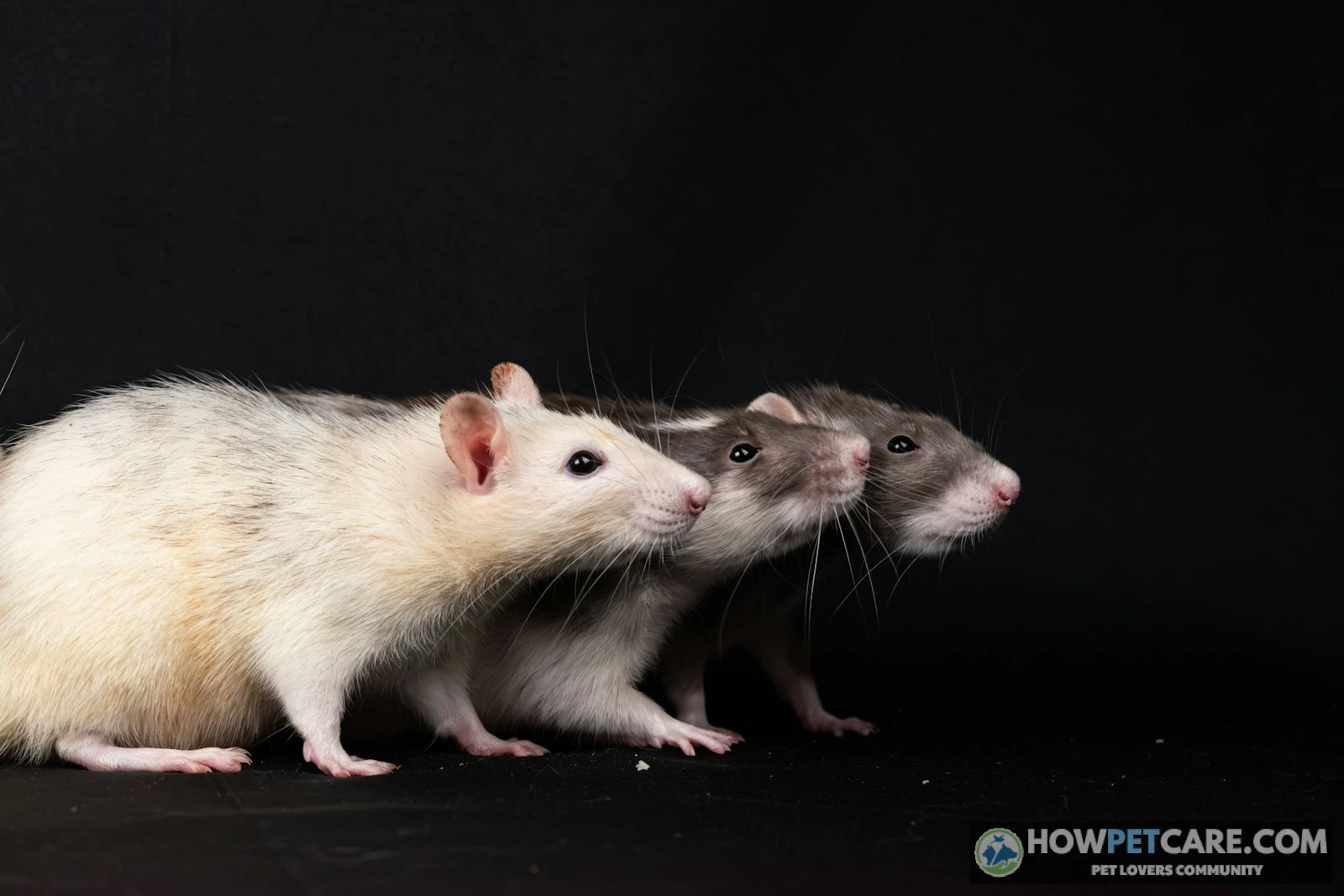
How long do pet rats live?
One difficult part of keeping rats is their short lifespan. Pet rats live between 2 and 3 years on average. Exceptional individuals occasionally reach 3.5 or 4 years, but prospective owners should prepare emotionally and financially for a compressed life cycle.
Rats have an exceptionally rapid metabolic rate, so health problems can develop and progress quickly. Many domesticated lineages have a genetic susceptibility to benign mammary tumors and chronic respiratory disease. A rat entering its second year is already reaching middle age, and senior mobility challenges frequently emerge by 24 to 30 months. Their brief lifespan makes preventative husbandry, daily health monitoring, and palliative comfort important from the start.
Why rats must live in same-sex pairs or groups
A healthy pet rat should never be housed alone. In the wild, brown rats (Rattus norvegicus) live in cooperative colonies, where they groom, sleep, forage, and play together. In captivity, isolation causes chronic sensory deprivation and loneliness.
No amount of human attention can replace another rat’s companionship. Humans don’t speak rat body language, sleep stacked together in a fleece hammock, groom behind each other’s ears, or wrestle at three o’clock in the morning. Solo housing leads to lethargy, stereotypic pacing, immune suppression, and behavioral depression.
Adopt a same-sex pair or small trio to meet your pets’ behavioral needs. Female pairs cohabit reliably with minimal territorial friction, while male rats live together harmoniously throughout life when introduced at a young age. A mixed-sex pair is never appropriate unless an experienced surgeon has castrated the male. Intact mixed pairs reproduce rapidly and can produce litters of up to 20 pups.
How to Set Up a Pet Rat Cage: Size, Bar Spacing, Levels, and Bedding
Appropriate housing is central to long-term rat health. Poor ventilation, cramped dimensions, and improper flooring can directly cause respiratory failure, bumblefoot, and psychological distress. Choosing the right enclosure and accessories can also save you from buying replacements later.
Cage size, bar spacing, and vertical levels
The standard animal-welfare minimum is 2 to 2.5 cubic feet of usable cage space per rat. For a bonded pair, aim for at least 5 to 6 cubic feet of total volume; larger is always better. A cage measuring 30 inches wide by 18 inches deep by 24 to 36 inches high is an acceptable baseline for two adult rats.
Look for these features when choosing a cage:
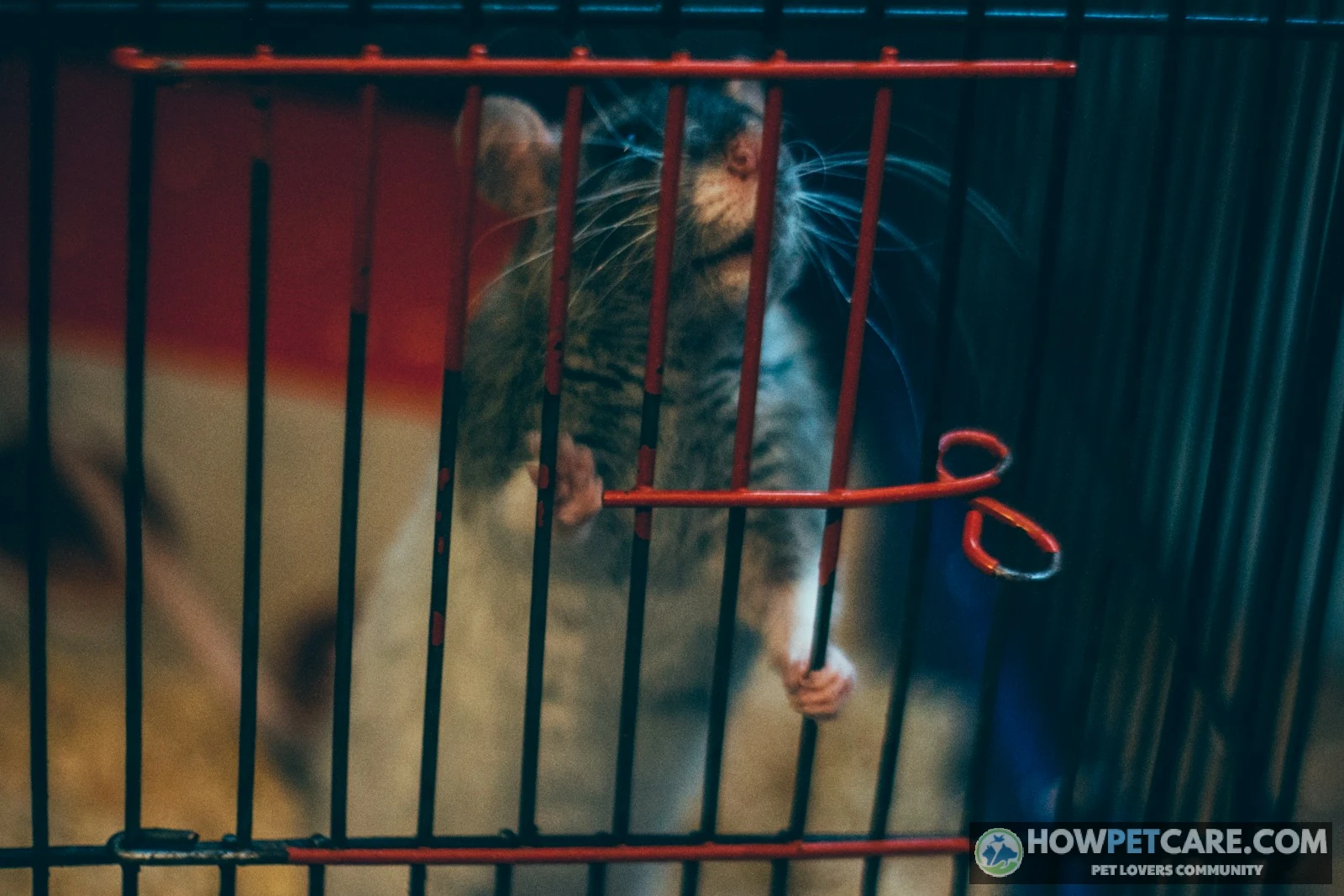
- Wire construction with ample ventilation: Never house pet rats in glass aquariums, plastic storage bins, or solid-walled tanks. Rats produce high concentrations of urea, which breaks down into airborne ammonia gas. Solid-sided enclosures trap ammonia and stagnant air, triggering respiratory flare-ups within days. High-quality powder-coated wire cages, such as the Midwest Critter Nation, provide the necessary airflow.
- Bar spacing of 1/2 inch: Standard adult male rats may be contained by 1-inch bar spacing, but females, adolescents, and young juveniles can easily squeeze through gaps wider than 1/2 inch. A cage with 1/2-inch horizontal bar spacing helps prevent escapes and hazardous entrapment.
- Solid shelves and walking surfaces: Avoid cages with bare wire-mesh floors or wire ladders, or modify them immediately. Continuous pressure on wire rungs causes ulcerative pododermatitis, commonly called bumblefoot—a painful, deep bacterial infection of the footpad. Cover wire shelves with coroplast sheets, rigid plastic trays, or thick fleece pads.
- Vertical fall breakers: Rats love to climb, but a fall from the top of a tall multi-level cage can cause fractures or internal trauma. Break up vertical drops every 12 to 18 inches with overlapping fleece hammocks, cargo nets, and wide plastic ramps.
Step-by-step cage setup
Set up the cage before bringing your rats home so they can settle into a prepared space.
-
Step 1: Position the enclosure
Place the cage in a quiet, well-ventilated room that stays between 65°F and 75°F (18°C–24°C). Keep it away from drafty windows, heating vents, direct sunlight, and loud electronics.
-
Step 2: Install solid flooring and base bedding
Line the bottom pan with 2 to 3 inches of safe, absorbent, low-dust substrate so your rats can dig and forage.
-
Step 3: Hang resting zones and fall breakers
Suspend 2 to 4 fleece hammocks, tunnels, and fabric pods at different heights throughout the cage. Make sure overlapping fabric spans any open drop over 15 inches.
-
Step 4: Place sturdy nesting hides
Provide at least one enclosed hide per rat, such as plastic Sputnik igloos, wooden cabins, or cardboard boxes, on the floor and upper shelves.
-
Step 5: Mount dual water sources and heavy food dishes
Attach at least two ball-bearing water bottles to the exterior bars at different heights. Two bottles help keep your pets hydrated if one valve clogs or leaks.
-
Step 6: Set up a corner litter box
Place a shallow plastic litter pan in the corner furthest from the feeding area. Fill it with paper pellets and a smooth "pee rock."
Bedding compared: aspen vs hemp vs paper vs fleece
Bedding choice matters for ammonia control and the protection of sensitive rodent lungs. Avoid softwood shavings containing aromatic hydrocarbons (phenols). Cedar and un-kiln-dried pine shavings release airborne phenols that irritate respiratory epithelial tissues and elevate hepatic microsomal enzymes.
| Bedding | Dust level | Ammonia & odor control | Absorbency | Approx. monthly cost (pair, 2026) | Cleaning effort | Best for | Cautions |
|---|---|---|---|---|---|---|---|
| Aspen shavings | Low | Good | Good | $10–$20 | Weekly full change | General setups; excellent natural digging substrate | The only widely safe natural hardwood shaving; never confuse with cedar or raw pine. |
| Kiln-dried pine | Low to moderate | Good | Good | $10–$20 | Weekly full change | Budget-conscious owners where aspen is unavailable | Only kiln-dried pine is acceptable, as thermal processing evaporates harmful phenols; raw pine is unsafe. |
| Industrial hemp | Very low | Very good | Very good | $15–$30 | Weekly full change | Dust-sensitive rats and respiratory-prone animals | Upfront cost is slightly higher; check for agricultural dust screening. |
| Recycled paper pellets | Very low | Moderate to good | Exceptional | $10–$25 | Every 5–7 days | Litter pans and cage base layers | Heavier substrate; pair with shredded paper for nesting comfort. |
| Fleece liners | None | Poor alone (requires underlying pad) | Low (wicks moisture down) | ~$5 (after initial $25–$40 purchase) | Wash every 2–3 days | Lining upper ramps and platforms; easy on feet | Must be laundered frequently; ammonia accumulates rapidly if neglected. |
A practical combination is dust-screened aspen or hemp in the deep bottom pan, recycled paper pellets in the litter tray, and washable fleece clamped to upper wire mezzanine levels.

Cleaning schedule: daily, weekly, monthly
Ammonia build-up is invisible to the human eye long before it burns a rat’s respiratory tract. A consistent cleaning schedule keeps the enclosure fresh without causing unnecessary stress.
- Daily spot-cleaning (5–10 minutes): Remove soiled nesting tissue and uneaten fresh produce before it spoils. Empty droppings from the litter pan and wipe urine-marked plastic shelves with a pet-safe vinegar-and-water solution (1 part white vinegar to 1 part water). Check that water bottle spouts flow freely.
- Weekly full change (30–45 minutes): Discard all base substrate. Wash the lower pan, wipe down the wire bars, launder fleece hammocks with unscented, hypoallergenic detergent, and add 2 to 3 inches of clean bedding. Keep a small handful of clean, unsoiled bedding or nesting paper from the previous week. Familiar scent markers in the fresh cage prevent anxiety and frantic scent-marking.
- Monthly deep clean (60 minutes): Dismantle the cage frame if it’s modular. Scrub the bars, plastic trays, and accessories with hot soapy water or an animal-safe disinfectant. Rinse every surface thoroughly and let the cage dry completely before reassembly. Avoid harsh chemical cleaners such as bleach, aerosol sprays, and scented disinfectants, which irritate rat airways.
 You might be wonderingFlemish giant rabbitFlemish Giant Rabbit: Size, Temperament & Pet Care GuideRead the answer
Pet Rat Diet and Feeding Guide: Daily Portions and a Safe/Limited/Toxic Food Chart
Diet affects your rats’ longevity, tumor resistance, and organ health. Wild brown rats are opportunistic omnivores, but free-choice seed mixes and high-fat treats can cause obesity, nutritional deficiencies, and hepatic lipidosis in captivity. A proper diet starts with a nutritionally complete base formula, balanced with fresh vegetables and measured protein supplements.
What to feed every day
Base your rats’ daily diet on a high-quality commercial lab block or extruded pellet, such as Oxbow Essentials Adult Rat Food or Mazuri Rat & Mouse Diet. Each extruded nugget contains the same proportions of protein, fat, fiber, vitamins, and minerals, providing consistent nutrition. With loose seed-and-grain mixes, rats can select tasty sunflower seeds and corn while leaving the fortified pellets behind.
An average adult pet rat consumes approximately 15 to 20 grams of pelleted food per day (roughly 5 to 6 grams of food per 100 grams of body weight). Provide this measured ration daily. For growing rats under four months of age, offer an adolescent formulation with 16% to 18% crude protein. For mature adults, maintain a diet with 13% to 15% protein and 4% to 5% fat to protect kidney and liver function.
Fresh foods should make up 10% to 15% of the daily diet. Offer them once daily in the evening, when your rats wake up. A standard fresh portion is approximately one tablespoon (or a thumbnail-sized portion) of chopped, pet-safe vegetables per rat.
Safe, limited, and toxic foods chart
Use this chart when choosing fresh foods, kitchen produce, and training rewards.
| Food | Category | Status | Portion guidance per rat | How often | Why / notes |
|---|---|---|---|---|---|
| Quality rat block / pellet | Base diet | Safe | ~15–20 g per day | Daily | Complete baseline nutrition; eliminates selective feeding. |
| Broccoli & cauliflower | Vegetable | Safe | 1 small floret | 3–4× per week | Packed with antioxidants; introduce gradually to prevent digestive gas. |
| Kale, spinach & romaine | Vegetable | Safe | 1 small chopped leaf | 3–4× per week | Rich in micronutrients; avoid iceberg lettuce, which causes loose stools. |
| Carrot & zucchini | Vegetable | Safe | 2–3 thin rounds | 2–3× per week | Good source of fiber and beta-carotene; chop finely. |
| Peas & sweet corn | Vegetable | Safe | 1 teaspoon | 2–3× per week | Excellent for foraging and pea-fishing in water bowls. |
| Blueberries & raspberries | Fruit | Limited | 1 whole berry | 1–2× per week | Beneficial antioxidants, but natural sugars require strict moderation. |
| Apple (seedless) | Fruit | Limited | 1 small cube | 1× per week | Remove all seeds before offering due to toxic amygdalin content. |
| Cooked chicken or egg | Protein | Limited | 1/2 teaspoon | 1× per week | Valuable protein boost for seniors, lactating females, or growing juveniles. |
| Cooked brown rice or pasta | Grain | Limited | 1 teaspoon | 1× per week | Digestible carbohydrate source; feed plain without oils or butter. |
| Sunflower / pumpkin seeds | Seed | Limited | 1–2 individual seeds | Training reward only | Very high in lipids; overconsumption causes obesity and scabby skin. |
| Citrus fruit & orange peel | Fruit | Avoid (males) / Limited (females) | None for males | Never for males; rare small piece for females | Orange oil contains d-limonene, which binds to alpha-2u-globulin in male rat kidneys, triggering nephropathy. |
| Raw sweet potatoes & yams | Tuber | Avoid | None | Never | Contains cyanogenic glycosides that release cyanide during digestion; safe only when fully cooked. |
| Raw dry beans & peanuts | Legume | Avoid | None | Never | Raw beans contain hemagglutinin; raw peanuts contain anti-nutritional trypsin inhibitors. |
| Green potato skins & sprouts | Nightshade | Avoid | None | Never | High concentrations of solanine, a toxic glycoalkaloid. |
| Chocolate, caffeine, alcohol | Toxic | Avoid | None | Never | Methylxanthines (theobromine, caffeine) cause fatal cardiac arrhythmias in rodents; the only exception is a tiny dark-chocolate crumb used under explicit veterinary direction during a respiratory emergency. |
| Blue cheese & moldy foods | Dairy | Avoid | None | Never | Mold varieties used in blue cheeses produce mycotoxins that are toxic to rats. |
Feeding habits and weight checks
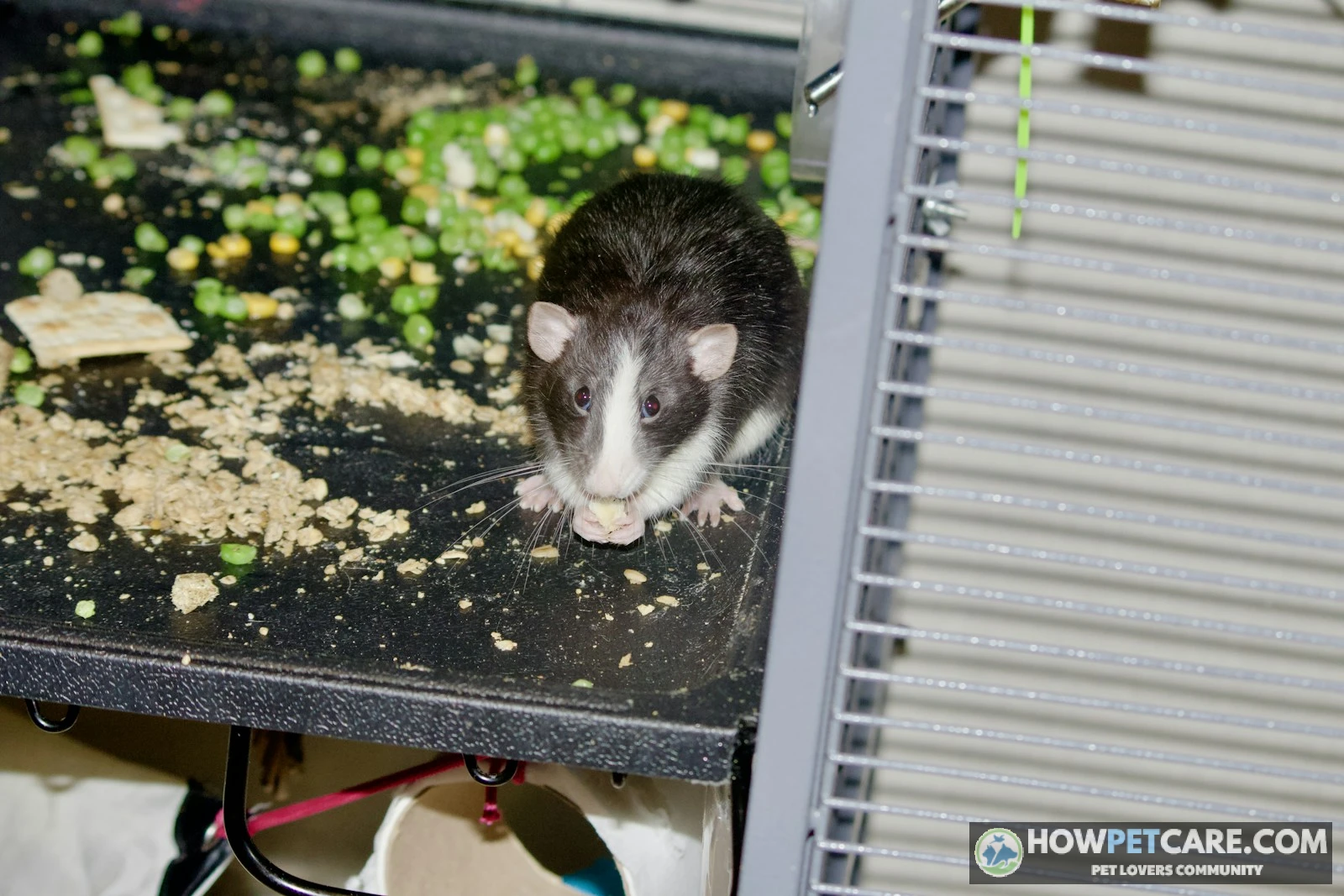
Instead of putting food in an open ceramic dish where it can be soiled, try scatter feeding. Toss the daily pelleted ration across the clean base substrate and into hammocks. Searching for food replicates natural foraging behavior and gives your rats mental enrichment.
An inexpensive digital kitchen scale that weighs in single grams can help you track each rat’s condition. Weigh each rat once a week at the same time of day and record the number in a notebook:
- Adult male rats: Typically weigh between 400 and 650 grams (larger individuals can reach 700+ grams without being obese).
- Adult female rats: Typically weigh between 250 and 450 grams.
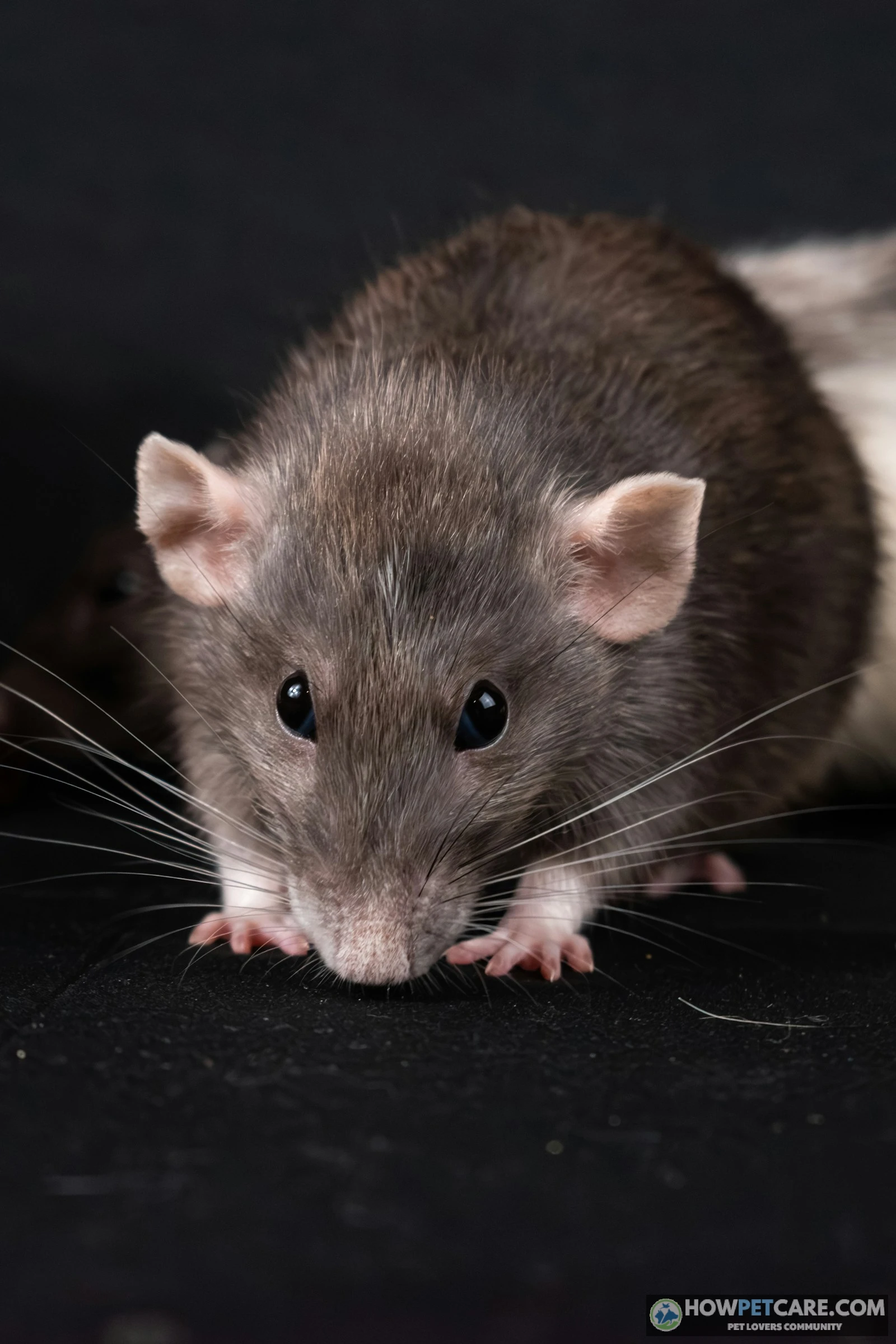
A rat whose spine and hip bones feel sharp to the touch is underweight. A sagging belly, fat rolls along the flanks, and a broad, flattened rump indicate an overweight rat. Obesity places extreme strain on the cardiovascular system and significantly increases the incidence of spontaneous tumors.
For aging or convalescent rats struggling to maintain weight, offer supplemental high-calorie meals such as plain baby food (squash, sweet potato, chicken puree), critical care omnivore formula, or cooked oatmeal mixed with unflavored soy milk.
How Much Do Pet Rats Cost? Setup, Monthly Spend, and Vet Emergency Fund
Pet rats may look like low-cost "starter pets," but their adoption fee is only a small part of the expense. Proper housing, balanced nutrition, and exotics veterinary care require a financial commitment. Plan your budget before adopting so you’re prepared when medical care is needed.
One-time setup costs
A safe, durable cage is your biggest upfront expense. Skimping on quality can mean buying a replacement within three months if rats chew through a plastic base or escape through widely spaced bars. The figures below reflect typical United States market prices for 2026.
| Setup item | Low estimate | Typical estimate | High estimate | Notes & lifespan |
|---|---|---|---|---|
| Wire cage (Critter Nation or equivalent) | $120 (used market) | $180 | $320 | Sturdy metal construction lasts 5–10 years; 1/2" bar spacing. |
| Water bottles & heavy bowls | $12 | $20 | $35 | Dual glass or heavy plastic bottles prevent dehydration if one clogs. |
| Hides, tunnels & sputniks | $20 | $45 | $75 | Plastic, wooden cabins, and chew-resistant ceramic domes. |
| Fleece hammocks & hanging accessories | $15 (DIY scraps) | $35 | $70 | Hammocks require regular washing and replacement every 4–6 months. |
| Litter box & pee rocks | $8 | $15 | $25 | Heavy ceramic or corner plastic tray with smooth river stones. |
| Secure travel carrier | $15 | $25 | $40 | Essential for safe transport to the vet from day one. |
| Digital kitchen scale | $10 | $15 | $25 | Gram-precision scale for weekly health and weight tracking. |
| Adoption / purchase fee (pair) | $30 | $60 | $120 | Rescue rehoming fees or reputable ethical breeder stock. |
| Total Initial Setup | $230 | $395 | $705 | One-time investment before bringing rats home |
Monthly running costs
Month-to-month costs for an adult pair are relatively predictable. Budget for food, bedding, litter, and replacement chewing items.
- Quality lab blocks (Oxbow / Mazuri): $12 to $22 per month (a bonded pair consumes a 3-pound bag roughly every 4 to 5 weeks).
- Bedding substrate (aspen, hemp, or paper): $15 to $30 per month, depending on whether you buy bulk compressed bales or retail pet-store bags.
- Litter pan pellets: $6 to $12 per month (recycled paper pellets used strictly in bathroom corners).
- Fresh produce & healthy treats: $10 to $20 per month (safely incorporated from household grocery produce).
- Chews, foraging toys, and cardboard enrichment: $5 to $15 per month.
Total estimated monthly spend for two rats: $48 to $99.
Exotics vet fees and the emergency fund
Veterinary care for rodents calls for specialized training, diagnostic equipment, and surgical instruments. Exotics vet appointments therefore carry higher fees than standard dog and cat examinations. Fancy rats are biologically predisposed to respiratory flares and tumors, so veterinary care is an inevitable cost, not an optional expense.
| Veterinary service | Low estimate (2026) | Typical range | High / emergency clinic | Notes |
|---|---|---|---|---|
| Initial wellness / exotics exam | $70 | $95 | $160 | Baseline physical check, coat inspection, and auscultation. |
| Respiratory consultation & antibiotics | $90 | $160 | $320 | Includes physical exam plus dual oral antibiotic courses. |
| Subcutaneous tumor removal surgery | $250 | $450 | $850+ | Includes gas isoflurane anesthesia, monitoring, and pathology. |
| Elective spay / neuter procedure | $200 | $350 | $600 | Reduces hormonal aggression and mammary tumor risks. |
| Radiographs (X-rays, 2 views) | $120 | $190 | $300 | Diagnostic imaging for respiratory consolidation or cardiac issues. |
| Humane euthanasia & aftercare | $80 | $140 | $260 | Sedation, final compassionate injection, and private cremation. |
Set aside a dedicated savings buffer of $300 to $500 before your rats arrive. This reserve helps you seek prompt medical care for a sick pet without delaying because of cost.
Where to Get Pet Rats: Breeder vs Rescue vs Pet Store, Sexing, and Quarantine
Your rats’ source can influence their early health, temperament, and genetic risk for disease. Choose carefully, and isolate newcomers properly to protect them and any animals already in your home.
Breeder, rescue, or pet store: how to choose
Prospective owners typically have three options:
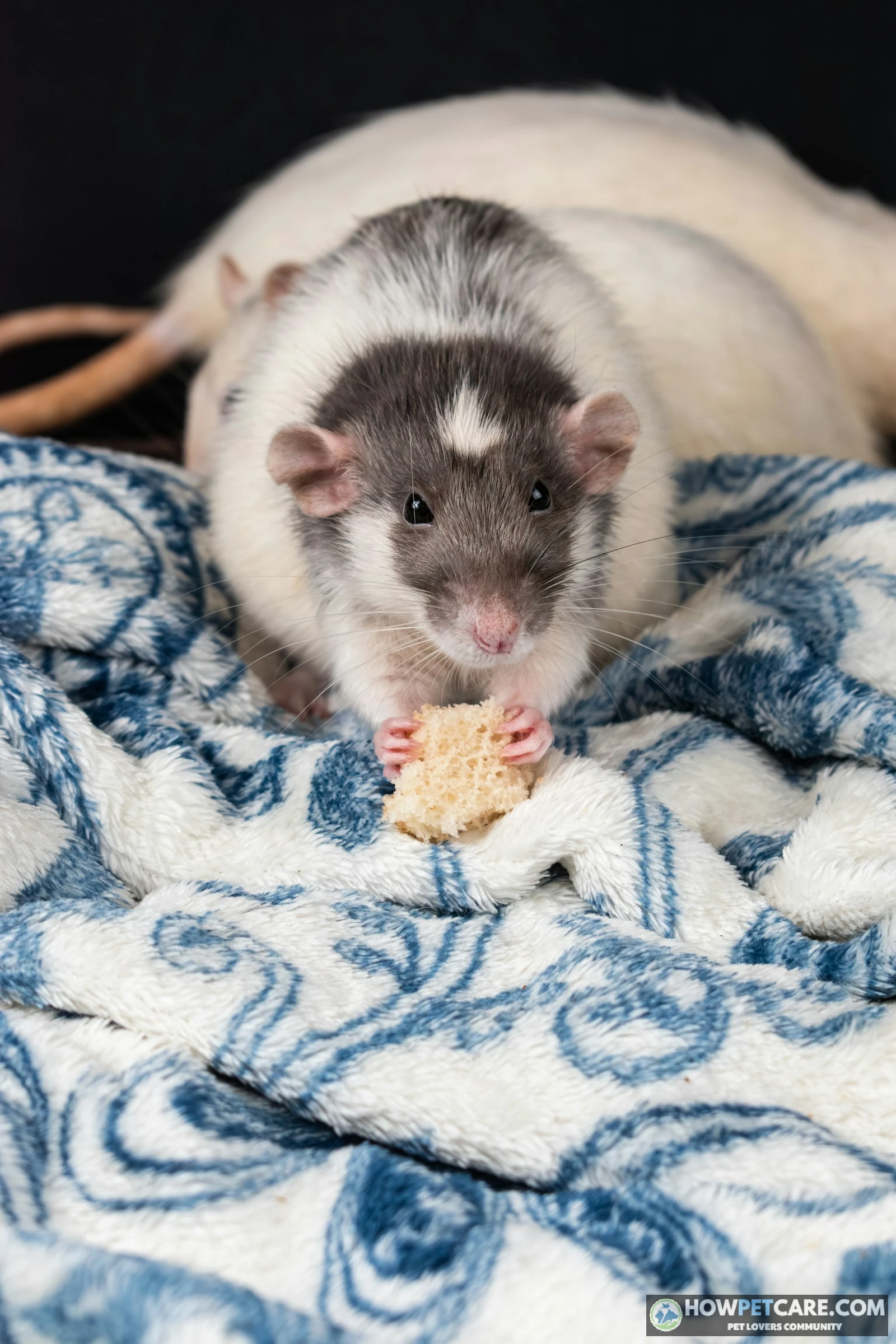
- Reputable ethical hobby breeders (ratteries): Conscientious breeders focus on long-term line health, longevity, and calm temperament. Rattery kittens are socialized by hand daily from two weeks of age, rarely nip, and come with documented pedigrees that screen against early-onset tumors and aggression. Reputable breeders require an application, offer a lifetime return policy, and never hand over a single solo rat. This is the optimal route for beginners seeking confident pets.
- Small-animal rescues and shelters: Rescues regularly care for surrendered pairs, pregnant mothers, and rescued laboratory rats. Adoption gives animals in need a safe home, and foster volunteers generally assess each rat’s temperament and health history. Fees are modest ($15–$35 per rat) and typically support medical screening.
- Commercial chain pet stores: Accessible though they are, pet stores remain the highest-risk source. They frequently obtain stock from high-volume rodent breeding mills that prioritize rapid reproduction over genetic screening. These rats are rarely hand-tamed, often carry active mycoplasma infections or external parasites, and are frequently mis-sexed by staff, leading to accidental litters shortly after purchase.
Telling males from females
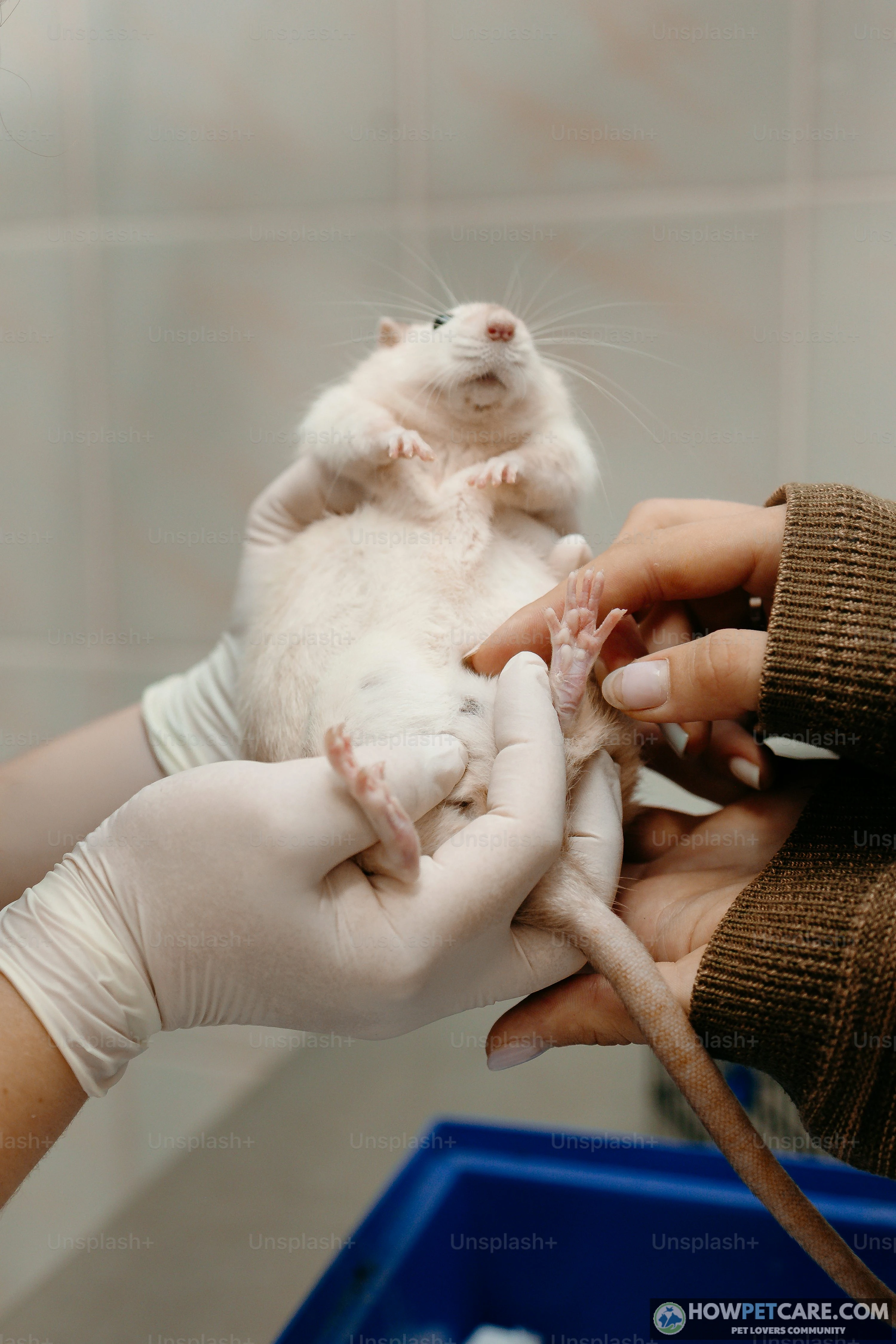
Accidental pregnancies are a common crisis for unprepared owners. Female rats reach sexual maturity as early as five to six weeks of age, and a single mistake can result in a litter of 12 to 20 pups. Verify the sex of every rat yourself before placing them together.
- Anogenital distance: Check the distance between the anus and the urogenital opening (urethra/vulva in females, penis in males). In male rats, the distance is visibly twice as wide as in females of the same age. A female’s vulva sits directly adjacent to the anus.
- Visible testicles: By four to five weeks of age, male fancy rats develop prominent, easily identifiable scrotal sacs at the base of the tail.
- Nipples: Female baby rats have two distinct rows of visible nipples (six pairs) along their abdomen by day 10 to 14. Male rats never develop nipples.
Sex Determination Anatomy Guide (Juvenile Rats):

     FEMALE RAT                        MALE RAT
     ==========                        ========

       ( Urethra )                      ( Sheath / Penis )
           |                                |

       ( Vagina )                       [ Large Space ]
       [ Tiny Space ]                       |

           |                            ( Anus )

        ( Anus )                  [ Prominent Scrotal Sac ]

* Female: Nipples clearly visible   * Male: No nipples; large space
  on abdomen; openings close.         between anus and urinary orifice.
If you discover you were sold a mis-sexed mixed pair, separate them into different cages immediately and contact an exotics veterinarian for guidance.
Quarantine steps for a new rat
If you already own rats and are bringing home new additions, observe a strict quarantine period of 14 to 21 days to prevent pathogen transmission.
Pathogens such as Sendai virus, Rat Respiratory Coronavirus (CAR bacillus), and external parasites can spread rapidly between animals. Keep newcomers in a completely separate room with independent airspace—not just in another cage across the same room.
- Tend to your existing, healthy resident rats first each day, including feeding, handling, and spot-cleaning.
- Enter the quarantine room to handle newcomers only after caring for your resident pets.
- Wash your hands thoroughly with warm water and soap, and change your shirt after visiting the quarantine room.
- During this quarantine window, watch for signs of illness: frequent sneezing, rasping breath sounds, porphyrin (red crust) staining around the eyes and snout, loose stools, or scratching suggestive of mites. Don’t begin physical introductions until the full quarantine period has passed without symptoms.
How to Tame and Bond With a Pet Rat: A Week-by-Week Plan, Plus Introductions
Bonding with a new rat takes trust. Even well-bred rats feel vulnerable in an unfamiliar environment with new smells and sounds. Rushing handling or forcibly grabbing a nervous rat can damage your relationship and provoke defensive nips. A measured pet rat training plan helps your companions grow confident enough to run to the cage door when you enter the room.
Week-by-week taming plan
Work at your pets’ pace. If a rat appears frightened or freezes, stay at the current stage for a few extra days before moving on.
Stage 1 — Days 1–3: The decompression period
- Place the cage in an active room where the rats can observe household sights and smells from safety, but avoid high-traffic corridors.
- Drape a lightweight towel over one half of the cage to provide an enclosed refuge.
- Don’t attempt to hold or reach for the rats. Speak calmly and gently when you refill food and water.
- Progress when: Rats explore their cage and eat openly while you stand nearby. Pause if: They cower in their nest boxes whenever you speak.
Stage 2 — Days 4–10: Establishing the treat association
- Offer tasty treats directly through the cage bars. Semi-liquid treats on a metal spoon, such as meat baby food, plain Greek yogurt, or malt paste, work best. Rats can’t snatch a liquid treat and bolt to a corner; they must stay near your hand to lick it off.
- Progress to holding the treat spoon just inside the open cage doorway.
- Progress when: Rats rush toward the cage door when they hear your voice and take treats from your fingers without snatching.
Stage 3 — Weeks 2–3: Hand desensitization inside the cage
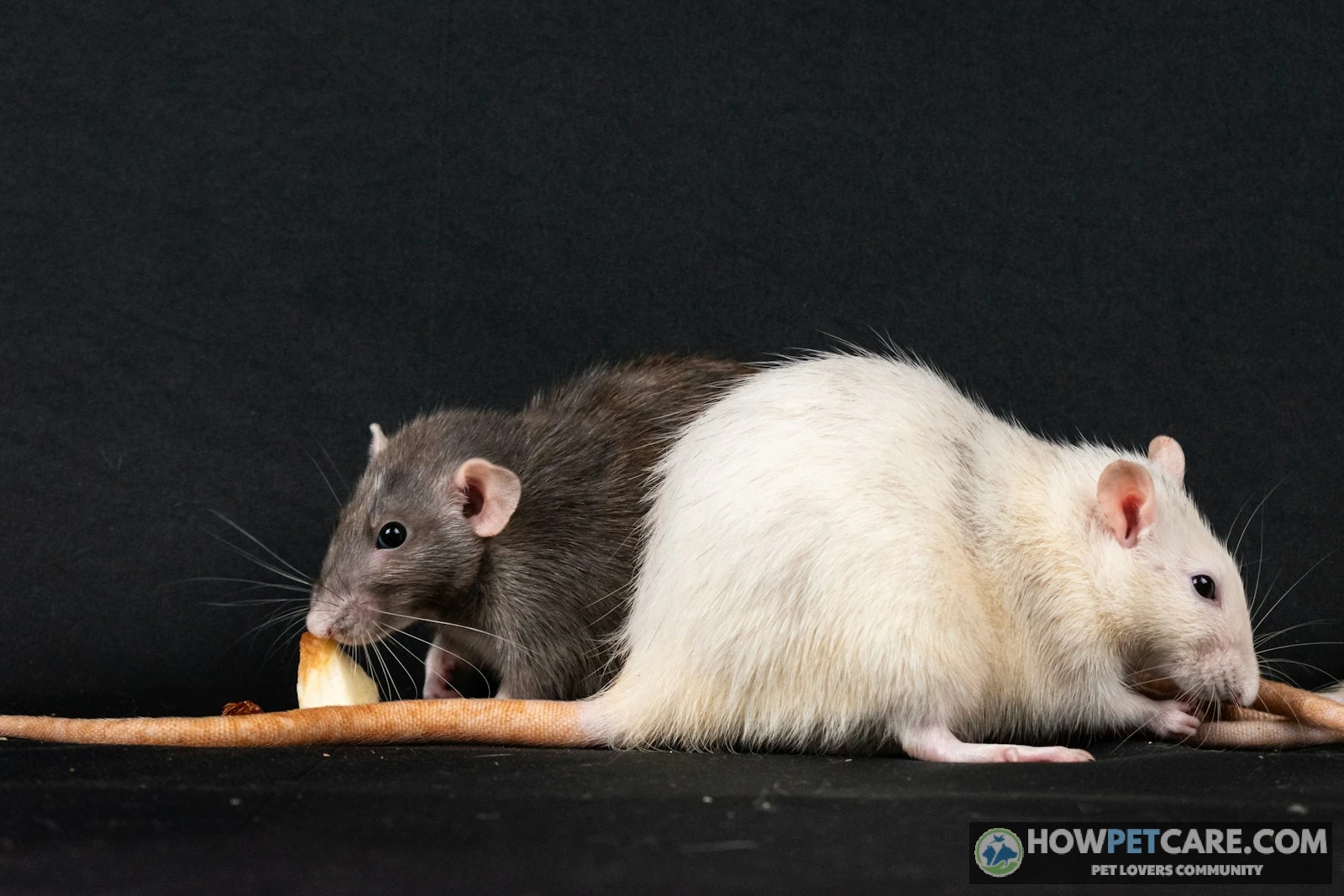
- Rest your flat, open hand inside the cage base with a treat on your palm. Let the rats sniff, walk over your fingers, and leave freely. Never close your hand over their back during this stage.
- Gradually stroke their shoulders lightly with one finger while they eat.
- Practice gentle "scoop" lifts: slide both hands beneath their body, lift them 2 inches above a shelf for three seconds, reward them with a treat, and set them down.
- Progress when: Both rats climb onto your hand and forearm voluntarily.
Stage 4 — Weeks 3–4: Interactive lap and bonding sessions
- Move to lap sessions inside an enclosed, secure playpen or an empty, dry bathtub lined with towels.
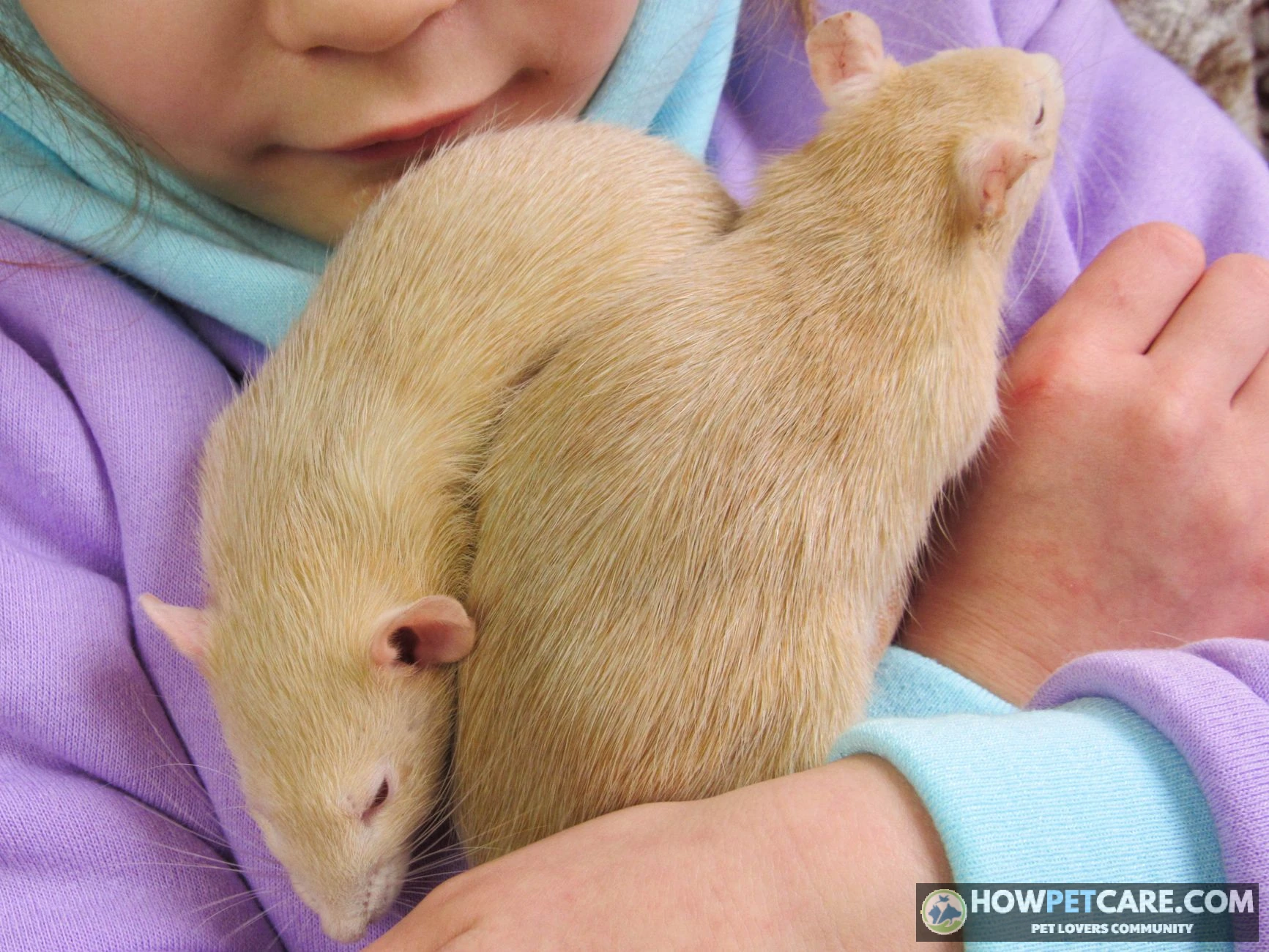
- Wear an oversized sweatshirt or hoodie. Rats feel secure crawling inside loose clothing and use your warmth and body scent as a safe home base.
- Practice resting them on your shoulders for 10 to 15 minutes each evening while offering rewards.
Handling safely and reading body language
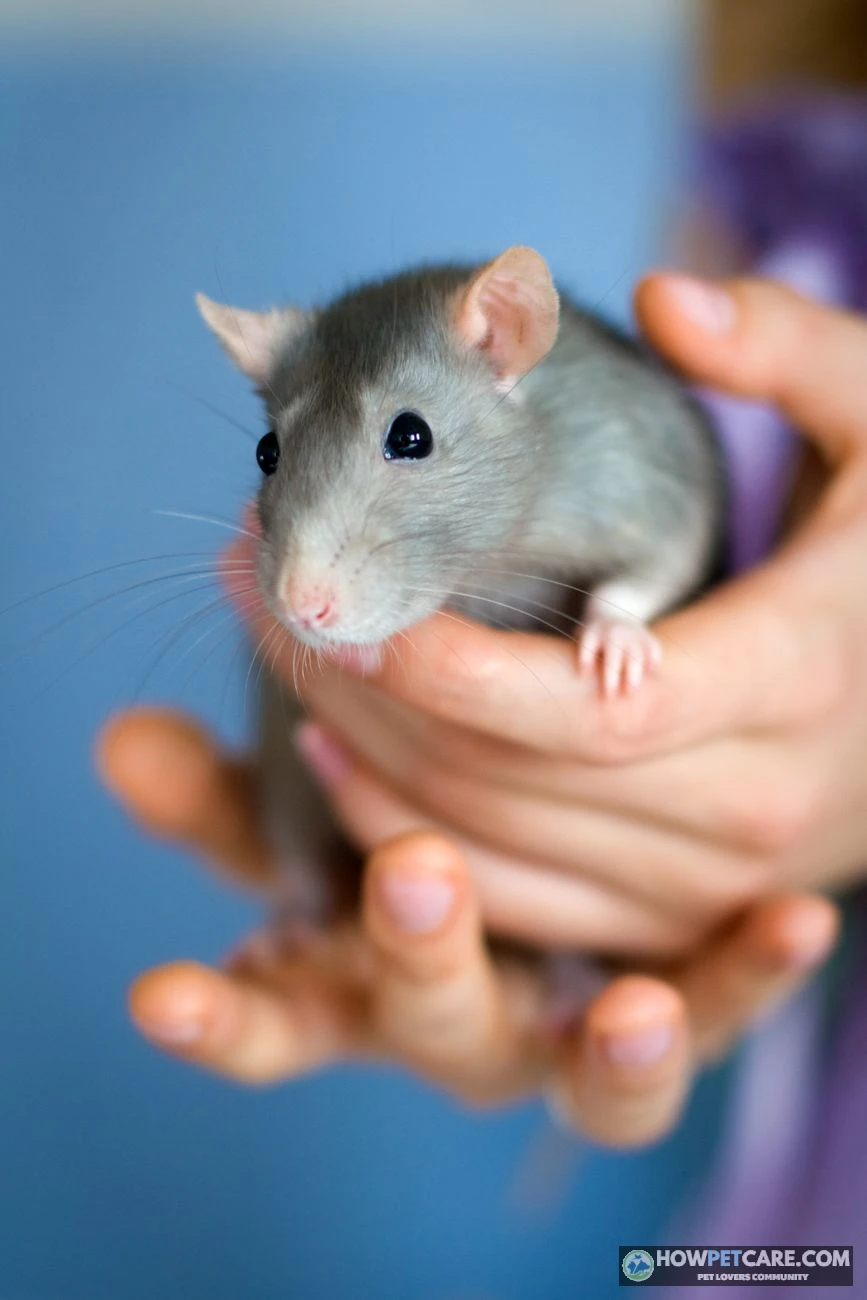
Always lift a rat with a two-handed scoop under the chest and hindquarters. Hold their weight against your body so they feel balanced and supported. Never grab, lift, or pull a rat by its tail. Doing so can shear the delicate skin and expose underlying vertebrae—a severe injury called tail degloving that requires emergency surgical amputation.
Learning rat body language helps you recognize fear and defensiveness:
- Bruxing and boggling: Rhythmic, soft tooth-grinding is called bruxing. When it’s intense, the eye sockets vibrate gently in and out, known as boggling. In a calm environment, this indicates contentment and relaxation, much like a cat’s purr.
- Curious interest: Head held high, whiskers twitching rapidly, standing on hind legs to sniff the air, and ears facing forward.
- Fear and freezing: Tightly crouched body posture, flat ears, wide eyes, and total immobility. Freezing indicates high stress, not calm submission.
- Agitation or warning: Rapid tail-swishing, arched back with puffed fur (piloerection), hissing, or sideways posturing. Back away and let the animal settle.
Play-fight or real fight?
Rats communicate social status through wrestling, and first-time owners often mistake playful scuffling for dangerous aggression.
During normal play and dominance boxing, rats chase each other, pin companions on their backs, groom each other enthusiastically (power grooming), and occasionally squeak. The pinned rat yields, the encounter ends within seconds, and both resume eating together. The golden rule of rat keeping is: "No blood, no foul."
Real fights involve arched backs, raised fur, sideways shoving, chattering teeth, lunging bites, and rapid shrieking rolls. Intervene immediately if rats form a tight, tumbling ball of aggression. Never place bare hands between fighting rats. Slide thick cardboard, a binder, or a heavy towel between them to interrupt the fight, then isolate the aggressor using thick gloves.
Introducing a new rat to your existing group
Never put a new rat directly into your existing colony’s home cage. Residents will see the newcomer as an intruder and attack. Use the Neutral Territory Method for safe introductions:
- Scent swapping (3–5 days): Swap fleece hammocks and toys between the separate cages so both parties become accustomed to the other’s scent.
- Neutral territory meetings: Put both rats in an area neither has ever marked, such as a cleared kitchen table, a sterile playpen, or a clean bathtub lined with neutral sheets. Scatter treats across the floor.
- Supervised interactions: Watch their behavior across several 15-minute sessions over several days. Expect mild wrestling, tail sniffing, and cautious grooming. Step in only if genuine aggression occurs.
- The carrier method alternative: For hesitant groups, place all rats in a small, neutral, bare travel carrier for 2 to 3 hours under close supervision. The tight space inhibits territorial fighting and encourages them to pile together for comfort.
- Cage deep-clean and integration: Once they sleep peacefully together in neutral territory, scrub the main cage completely with vinegar, rearrange all shelves, install fresh bedding, and move all rats into the shared home together.
Free Roam Time and Rat-Proofing: A Room Checklist and Emergency First Aid
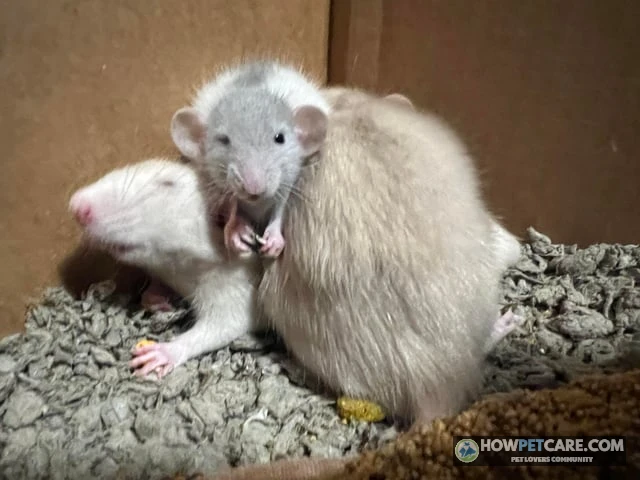
Even a large cage can’t replace the physical and cognitive benefits of daily exploration outside it. Pet rats need a minimum of one hour of supervised free-roam time every day. Rats explore with sharp incisors and can squeeze through tight spaces, so rat-proof the area carefully before opening the cage.
Rat-proofing checklist
Inspect and prepare the designated free-roam space before letting your rats out.
- ☐ Electrical cables and wires: Encase visible lamp cords, computer wires, and power strips in heavy-duty hard plastic cable conduits, or raise them completely out of reach. Rats can chew through live electrical wiring in seconds.
- ☐ Gaps behind furniture and appliances: Block spaces beneath sofas, behind refrigerators, and under dressers with corrugated plastic boards, wooden blocks, or custom wire barriers. If a rat’s skull fits through a gap (roughly the size of a quarter), its whole body can follow.
- ☐ Houseplants: Move all indoor plants out of the room. Many popular species, including pothos, philodendron, lilies, and dieffenbachia, are toxic if eaten, and rats will eagerly dig up potting soil.
- ☐ Upholstered recliners and sofas: Never allow rats to free roam in rooms with mechanical recliner chairs. Rats often crawl into the interior frame, where they can be crushed when the footrest moves.
- ☐ Open doors, vents, and floor heating registers: Secure HVAC floor registers with heavy covers. Close and latch closet doors, hallway exits, and open windows.
- ☐ Trash cans and food remnants: Remove wastepaper baskets and open food containers.
Setting up safe free-roam sessions
If rat-proofing an entire room isn’t practical, use a portable folding small-animal playpen made from smooth plastic panels (at least 28 to 36 inches tall so your rats can’t leap over the perimeter). Spread a washable fleece blanket or vinyl sheet over the floor to protect carpets from urine marks.
Add interactive obstacles to keep free-roam sessions engaging:
- Cardboard box castles: Connect shoe boxes and packing cartons with flexible shipping tubes.
- Pea-fishing trays: Fill a shallow casserole dish with two inches of lukewarm water and add a handful of frozen green peas. Rats love paddling their paws to catch the floating treats.
- Digging boxes: Fill a 15-quart plastic storage tub with clean, chemical-free coco coir substrate or shredded paper towels. Hide sunflower seeds at the bottom so your pets can burrow.
Emergency first aid: choking, heatstroke, bleeding
Learn the initial steps for common rodent emergencies while preparing to take your pet to an exotics clinic.
                    EMERGENCY TRIAGE FLOWCHART

              [ Observe Distressed Pet Rat ]
                            |

    +-----------------------+-----------------------+
    |                       |                       |

[ CHOKING ]            [ HEATSTROKE ]          [ BLEEDING ]
(Salivating, gagging)  (Limp, hot ears)        (Torn nail, wound)
    |                       |                       |

Do NOT perform Heimlich. Move to cool room.     Apply direct pressure
Keep in dim, quiet area.Mist paws with cool H2O.using clean gauze or
Monitor breathing.      Wrap in damp towel.     styptic / cornstarch.
    |                       |                       |

If cyanotic (blue lips),If body temp stays high,If flow doesn't stop
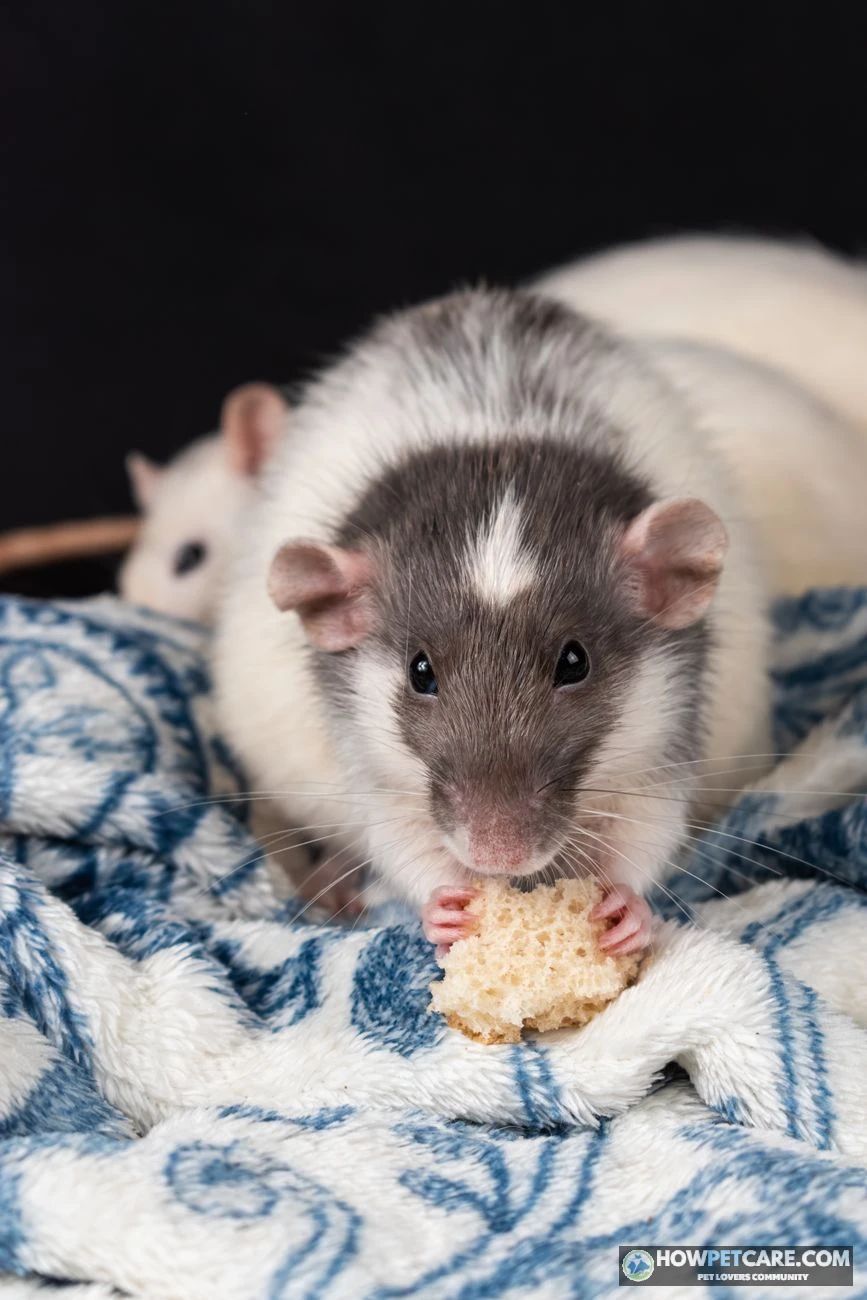
seek EXOTICS VET STAT. seek EXOTICS VET STAT. seek EXOTICS VET STAT.- Choking: Rats can’t vomit because of a strong gastroesophageal barrier and a specialized anatomical diaphragm. When food lodges in a rat’s esophagus, it salivates heavily, pulls back its ears, and retches. In most cases, it clears the blockage naturally over several hours. Keep the rat calm, quiet, and confined at floor level. Never stick tools down its throat, and do not attempt a traditional Heimlich maneuver. If its mouth turns blue or purple (cyanosis) or it gasps for air, take it to an emergency exotics veterinarian immediately.
- Heatstroke: Rats don’t have sweat glands and dissipate heat primarily through their tails. Temperatures exceeding 82°F (28°C), especially with high humidity, are dangerous. A rat with heatstroke becomes limp, unresponsive, hot to the touch, and breathes with its mouth open. Move it to a cool room immediately. Wet its paws, tail, and ears with cool (not ice-cold) water. Never submerge a heat-stressed rat in an ice bath; rapid vasoconstriction induces circulatory shock. Contact an exotics clinic.
- Bleeding wounds: If a rat tears a toenail or is bitten by an enclosure mate, apply firm, continuous pressure with a sterile gauze pad for three full minutes. Dab cornstarch or styptic powder on bleeding nails to speed clotting. If arterial bleeding spurts or bleeding continues past five minutes of direct pressure, wrap the wound and travel to an animal hospital.
Keeping Pet Rats Healthy: Illness Signs, Respiratory Care, Tumors, and Senior Rats
As prey animals, fancy rats instinctively hide pain and physical weakness until an illness has progressed significantly. Check them visually every day and perform a hands-on health screening weekly to identify problems early.
Daily health check and warning signs
Observe your rats closely during feeding each day for these baseline indicators:
- Eyes and nose: Look for excessive red-brown crusting. Rats produce porphyrin, a reddish pigment secreted by the Harderian gland behind the eyes. Small traces upon waking are normal, but heavy stains around the snout and eyes indicate underlying systemic illness, respiratory stress, or poor environmental quality.
- Breathing sounds: A healthy rat breathes silently. Gently place the rat’s ribcage against your ear (the "rat phone" technique). Crackling, whistling, wheezing, clicking, or rattling indicates an upper or lower respiratory infection is developing.
- Coat and skin: Fur should lie smooth, clean, and dense. Staring, puffed-up coats suggest pain or dehydration. Check the skin around the neck for tiny orange specks (fur mites) or scratch scabs.
- Gait and movement: Watch for head tilts, circling, uncoordinated hind limbs, or reluctance to bear weight on any paw.
See an exotics vet promptly if you notice any of these triggers:
- Labored, noisy, or open-mouth breathing, or persistent sneezing with discharge
- Refusal to eat or drink, sudden weight loss, or a hunched posture with puffed fur
- A fast-growing lump anywhere on the body
- Head tilt, circling, loss of balance, or hind-end weakness
- Bleeding that doesn’t stop with direct pressure, or blood in urine
- Heavy porphyrin staining, diarrhea, or visible parasites lasting more than a day
Respiratory infections and mycoplasma
Nearly all domesticated pet rats carry an endemic bacterium called Mycoplasma pulmonis in their respiratory tract from birth. Mycoplasma remains dormant in healthy rats with strong immune systems. Environmental stressors—including airborne ammonia, dusty substrate, cigarette smoke, drafts, or social stress—can trigger active flare-ups.
Active mycoplasmosis begins with frequent dry sneezing and clear nasal discharge. Untreated, it advances into the lungs, causing purulent bronchopneumonia, permanent airway scarring, pulmonary abscesses, and death.
This guide offers educational information on small-animal husbandry and does not replace professional veterinary diagnosis. Never try to treat respiratory disease with over-the-counter pet-store remedies. True respiratory infections require targeted prescription antibiotics from an exotics veterinarian.
To treat active mycoplasma or secondary bacterial pneumonia, veterinarians frequently prescribe a synergistic combination of targeted antibiotics, such as enrofloxacin paired with doxycycline, for a minimum of 14 to 28 days. Give medications for the full prescribed duration to help prevent antibiotic resistance.
Home supportive care during respiratory flare-ups:
- Run a cool-mist ultrasonic humidifier near the cage to moisten dry mucous membranes.
- With veterinary guidance, administer sterile saline nebulization treatments inside a small plastic carrier.
- Some keepers offer a tiny crumb of dark chocolate (70%+ cocoa) as a mild bronchodilator during acute episodes—do this only with your exotics veterinarian’s approval, since chocolate is otherwise unsafe for rats.
Tumors and other common illnesses
- Mammary tumors: Benign mammary fibroadenomas are exceptionally common in unspayed female rats past 12 to 18 months of age. Rat mammary tissue extends from the armpits along the flanks to the groin, so lumps can appear almost anywhere on the underside or sides of the body. These tumors grow rapidly, sometimes matching the rat’s own weight within months. Surgical excision by an exotics vet is the gold-standard treatment. An elective spay early in life reduces mammary tumor risks by up to 80%.
- Pituitary tumors: Neurological tumors of the pituitary gland occur in middle-aged and older rats. Symptoms include progressive loss of front paw coordination (inability to hold food blocks), head pressing against walls, wide dull eyes, and blindness. Veterinarians occasionally manage symptoms using cabergoline or bromocriptine paired with anti-inflammatory steroids.
- Bumblefoot (ulcerative pododermatitis): Staph infections cause swollen, bleeding sores on the hind footpads. Prevent them by eliminating wire floors, keeping cages clean, and providing soft resting pads.
- **Overgrown incisors:Rat incisors grow continuously throughout life. If misalignment (malocclusion) occurs, the teeth can’t grind down naturally and will puncture the gums or palate. Regular veterinary trimming with dental burrs is required.
Caring for senior rats and end-of-life decisions
As rats cross the two-year mark, their mobility often declines because of hind-leg degeneration (HLD)**, a progressive neurodegenerative condition affecting the spinal cord and hindquarters. Adapting the cage helps preserve comfort and dignity during their golden months.
Senior cage modifications:
- Move the elderly rat’s sleeping area, water bottles, and food bowls to a single ground-level floor so it doesn’t need to climb.
- Replace steep ladders with shallow, wide fabric ramps flanked by supportive rails.
- Provide flat, low-entry litter pans or place soft puppy training pads covered with fleece over high-traffic bathroom areas.
- Help with daily grooming: senior rats with hind-leg weakness struggle to scratch their ears and clean their nether regions. Gently clean their skin with warm, damp cotton pads, and inspect male rats for urethral plugs.
Assessing quality of life:
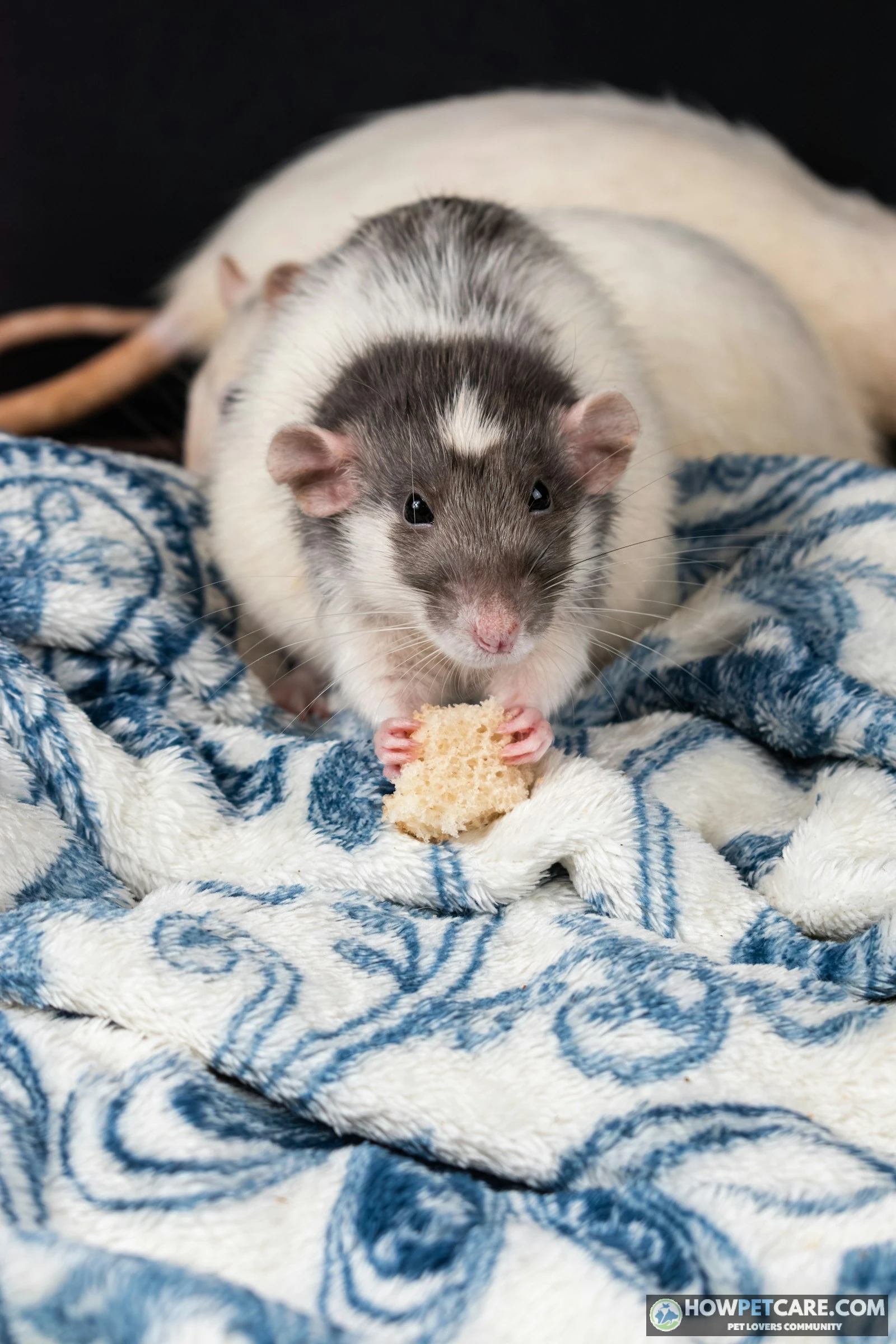
When managing a chronic terminal illness, tumor burden, or extreme mobility loss, monitor your pet’s quality of life using five key metrics:
- Appetite: Is the rat eager to take soft favorite treats like baby food and yogurt?
- Mobility: Can the rat move to access fresh water and adjust its sleeping position comfortably?
- Hygiene: Can the animal stay clean and free of urine soiling, or does it require continuous assistance?
- Pain management: Does the animal show persistent signs of distress (hunched back, squinted eyes, teeth clattering, refusal to be touched)?
- Social enjoyment: Does the rat still seek out cage mates for resting, or has it withdrawn entirely?
When a rat has more bad days than good and medical treatment no longer provides relief, work with your exotics veterinarian to arrange peaceful, compassionate euthanasia. Recognizing when to say goodbye is the final act of love in pet rat care.
Your Pet Rat Care Plan: What to Buy, Do, and Check in Your First Month
Use this month-one roadmap to put the guidance into practice and establish a safe routine for your pets.
The pre-adoption preparation checklist
Before picking up your pair of rats, check that these preparations are complete:
- ☐ An exotics veterinary clinic is located, vetted, and within a 45-minute drive.
- ☐ A sturdy cage (with 1/2" bar spacing and solid platforms) is built and thoroughly cleaned.
- ☐ A 20-pound bag of safe substrate (aspen, hemp, or kiln-dried pine) is on hand.
- ☐ Two functional water bottles, two heavy ceramic dishes, and three cozy hides are installed.
- ☐ A bag of quality adult or juvenile rat pellets is waiting.
- ☐ A secure travel carrier is packed with fleece blankets for the journey home.
Your first-week schedule
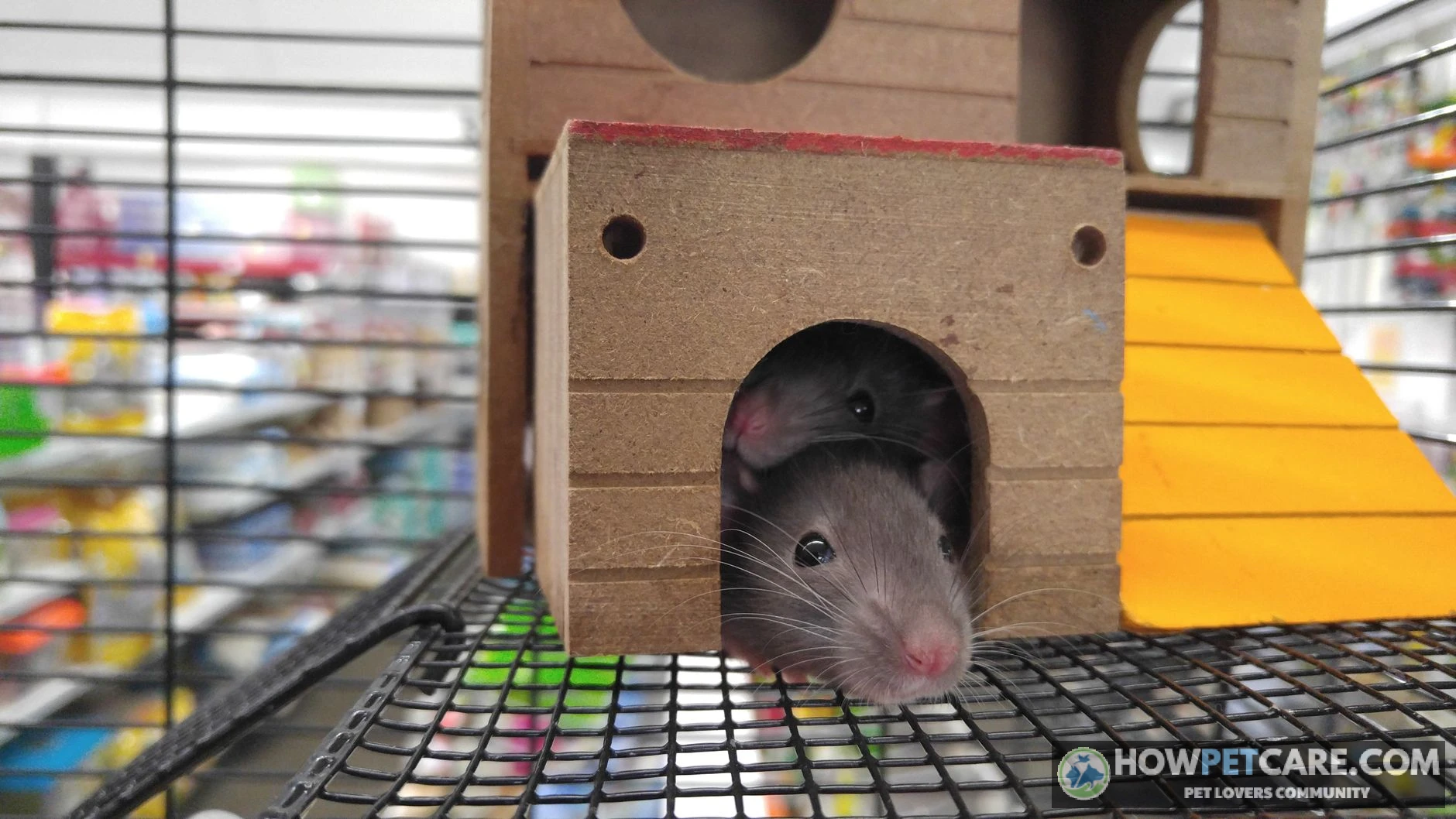
- Day 1: Bring your new pair home in their carrier. Gently place them in their furnished cage with minimal disturbance. Offer fresh water, pellets, and a quiet room.
- Days 2–3: Let the rats decompress without handling them. Sit by the cage for 15 minutes twice daily, talking softly while reading or working so they learn your voice.
- Day 4: Begin treat training with a metal spoon dipped in baby food, held through the open cage door.
- Day 7: Record their baseline body weights on your kitchen scale. Conduct a quick health screening (eyes, nose, respiration). Complete your first weekly cage spot-clean.
First-month milestones
- Week 2: Move from spoon feeding to offering treats from your open palm inside the cage. Begin testing safe fresh vegetables (a pea or a tiny broccoli floret) one at a time.
- Week 3: Introduce short lap-handling sessions inside a safe playpen or hoodie pocket. Confirm that your pets come to your hand willingly without fear.
- Week 4: Conduct your first full free-roam session inside a thoroughly rat-proofed room. Schedule a routine new-pet wellness check with your exotics vet to establish a medical chart.
Continue building on this pet rat care routine with thoughtful cage choices, measured nutrition, patient socialization, and veterinary planning. Your rats will depend on that care throughout their lives.
 You might be wonderingFinch care guideFinch Care Guide: Setup, Costs, Species & Health SignsRead the answer
FAQ
Do pet rats smell?
Healthy rats are fairly clean animals, and most odor comes from dirty bedding and urine. Regular spot-cleaning, a weekly bedding change, and a litter corner keep the smell low. Unneutered males tend to smell stronger than females.
Can I leave my pet rats alone when I travel?
A healthy pair can usually manage a night or two with fresh food and water if someone checks on them. For longer trips, arrange a sitter who knows rats, since illness can develop quickly and water systems can fail.
Are pet rats safe around children?
Rats can suit older children who can handle gently under adult supervision. Younger children may squeeze or drop them, which can injure the rat and lead to bites, so an adult should supervise and own the care responsibilities.
Can pet rats live with cats, dogs, or other pets?
Rats should not share space with other species. Cats, dogs, and ferrets are predators, and even a calm pet can injure a rat or frighten it into stress-related illness. Keep rats in a secure cage and supervise any contact.
Do pet rats bite?
Rats rarely bite when they are well socialized and handled gently. Bites usually come from fear, mistaking fingers for food, or hormonal behavior. Patience, scent familiarity, and calm handling reduce them.
Do pet rats need a running wheel?
A wheel is optional. If you provide one, it should be large enough to keep the spine straight and have a solid running surface, not rungs or mesh. Many rats get enough exercise from climbing and free-roam time.