
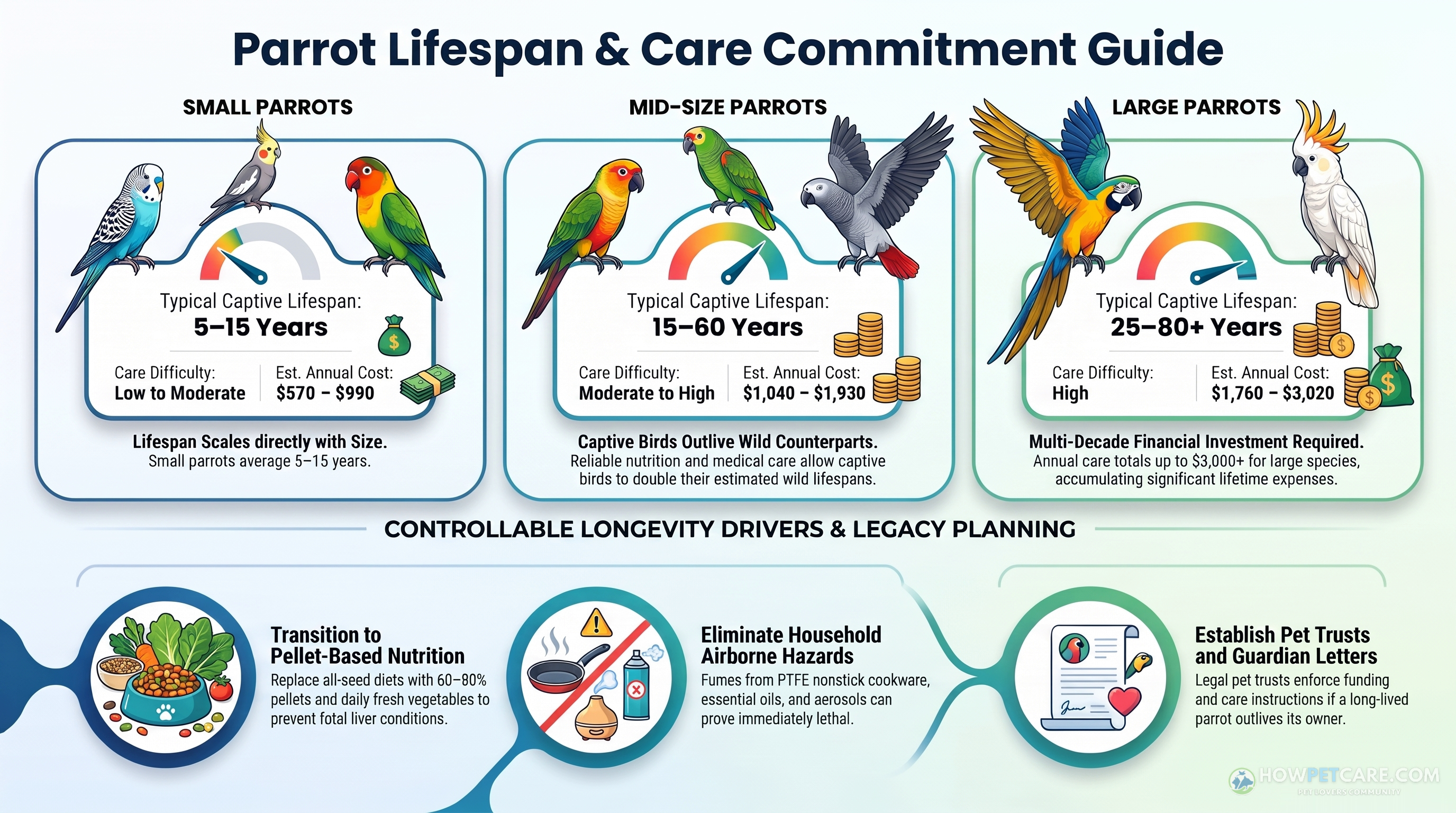
Pet parrot lifespan depends mainly on species size and care quality:
| Parrot size | Typical captive lifespan |
|---|---|
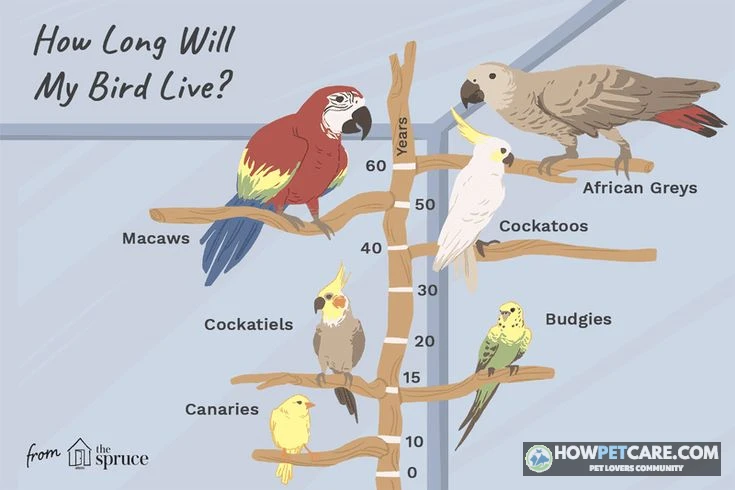
| Small (budgie, cockatiel, lovebird) | About 5-15 years |
| Mid-size (conure, Eclectus, Amazon, African grey) | About 15-60 years |
| Large (macaw, cockatoo) | About 25-80+ years |
Well-cared-for captive parrots generally outlive wild parrots by years or decades.
Pet parrots typically live about 5 to 15 years for small species such as budgies and cockatiels, and up to 60 to 80 years or more for large macaws and cockatoos. An individual bird’s lifespan varies by species and quality of care. A single average lifespan for parrots can be misleading: the commitment runs roughly a decade for a budgerigar and potentially several decades for a large cockatoo. If you’re asking how long do parrots live as pets, the short answer is that captive parrots often outlive wild ones by a wide margin, provided their owners meet specific diet, housing, and veterinary needs.
By size, typical captive ranges are approximately: small parrots about 10 to 20 years, with budgerigars toward the lower end; medium parrots about 20 to 40 years; and large parrots about 40 to 70 years. Some large macaws and cockatoos reach beyond 80 in rare cases. These ranges aren’t guarantees. The quality of a bird’s care can make a difference of decades.
The figures below draw on animal longevity databases such as AnAge, zoo and Species360 records, and avian veterinary references including Association of Avian Veterinarians guidance. Where sources disagree, as they do on Amazon parrot or cockatoo subspecies maxima, we show the wider range rather than a falsely precise number and flag contested records. Find your bird in the species table, then read on for captivity versus wild lifespan, longevity factors, senior care, lifetime cost, and estate planning.
How long do pet parrots live compared with small and large species?
Small parrots such as budgerigars, cockatiels, and lovebirds commonly live about 5 to 15 years with good captive care; cockatiels sometimes reach their 20s. Mid-size parrots including conures, Eclectus, Amazon parrots, and African grey parrots typically live roughly 15 to 60 years, depending on species. Large parrots such as macaws and cockatoos often fall in the 25 to 80 plus range. Large macaws and cockatoos are the longest-lived typical group. Parrots hide illness, and early nutrition and genetics also matter, so treat every figure as a planning baseline, not a promise.
Which lifespan numbers are sourced and which are repeated folk figures?
Many parrot lifespan figures circulate online without a source, copied from page to page. The ranges in this article are labeled as typical for captivity and come from animal longevity records, zoo data, and veterinary references. Wild lifespan figures are especially sparse: wild parrots are rarely tracked for life, so those columns offer rough context only. Be skeptical of a single exact age presented as typical.
Parrot Lifespan by Species: One Table for Budgies Through Macaws
The table brings together species, captive lifespan range, wild lifespan where known, size tier, relative care difficulty, and source type. It covers budgerigar, cockatiel, lovebird, conure, Eclectus, Amazon parrot, African grey parrot, cockatoo, and macaw. If you want to know how long do parrots live in captivity by species, start here.
| Species | Typical captive lifespan (years) | Wild lifespan (years, where known) | Size tier | Relative care difficulty | Source |
|---|---|---|---|---|---|
| Budgerigar (budgie) | 5-12; up to about 15-20 with excellent care | about 4-6 estimated | Small | Low | AnAge; avian vet references |
| Cockatiel | 10-15; up to about 25-30 reported | about 10-15 estimated | Small | Low-Moderate | AnAge; zoo records |
| Lovebird | 10-15; up to about 20 | about 5-10 estimated | Small | Low-Moderate | AnAge |
| Conure (green-cheeked, sun) | 15-25; some species to about 30 | poorly documented | Small-Mid | Moderate | AnAge; Species360 |
| Eclectus | 20-30; up to about 40 | poorly documented | Mid | Moderate-High diet-sensitive | Zoo records; avian vet references |
| Amazon parrot | 30-45; some individuals reported past 50-60 | about 20-30 estimated | Mid | Moderate-High | Species360; sources disagree on maxima |
| African grey parrot | 40-60 | about 20-30 estimated | Mid-Large | High social-cognitive needs | AnAge; Species360 |
| Cockatoo | 40-60; large species up to about 70-80 reported | poorly documented; likely 20-40 | Large | High noise-destruction-bonding | Zoo records; Guinness record see text |
| Macaw | Mini macaws 25-40; large macaws 50-70 occasionally more | about 30-40 estimated | Large | High | AnAge; Species360 |
How to read this table: wild figures are estimates, since wild parrots are rarely tracked for life. Treat them as rough context. Where sources disagree, as with Amazons and cockatoo subspecies, the table shows the wider range rather than picking one number. Care difficulty combines noise level, social and time needs, dietary sensitivity, and common health risks, rated Low, Moderate, or High. Individual birds vary, and record ages are outliers rather than expected lifespans.
How long do budgies and cockatiels live as pets?
Budgerigars, often called budgies or parakeets, typically live about 5 to 12 years as pets. With excellent care, they occasionally reach 15 to 20 years. Cockatiels usually live about 10 to 15 years, with reports of birds reaching their mid-20s. Both are small parrots that can decline quickly if they stop eating. An all-seed diet and delayed veterinary care are among the biggest threats to either bird reaching its potential lifespan. For budgie and parakeet lifespan details, see the sibling parakeet article; this guide focuses on the lifespan commitment.
How long do African grey parrots live?
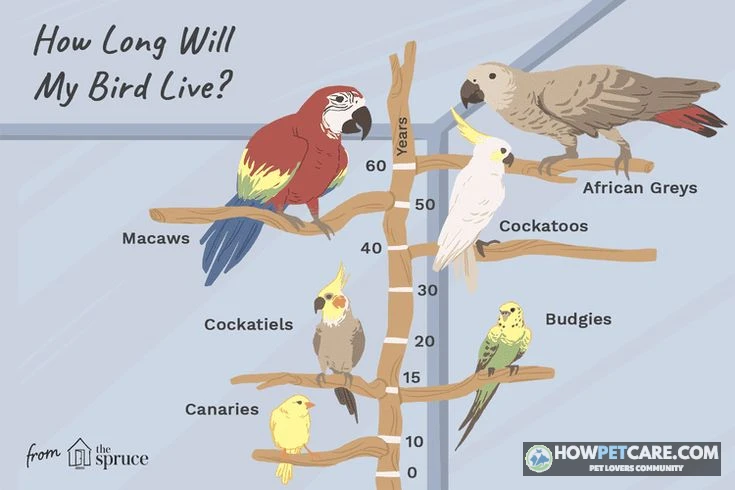
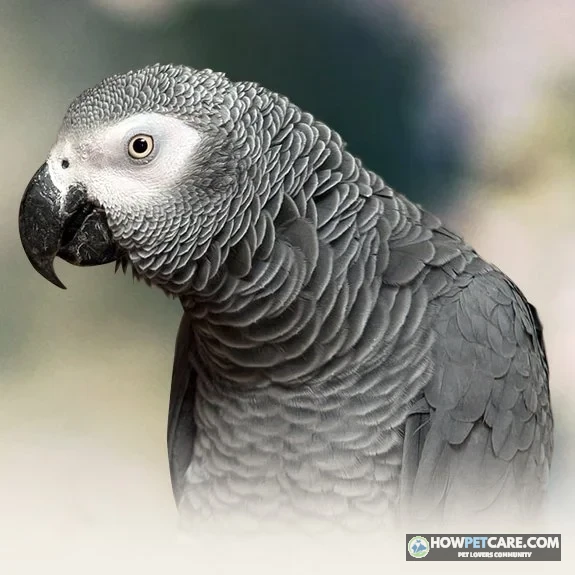
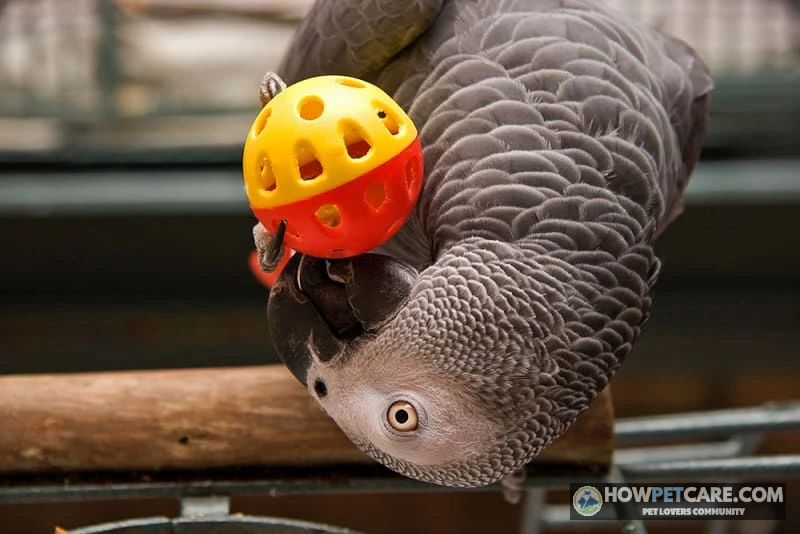
African grey parrots typically live about 40 to 60 years in captivity, making them among the longer-lived mid-size to large parrots. Wild estimates are roughly 20 to 30 years, though those figures are approximate. African greys have high social and cognitive needs, and boredom and isolation can erode their health over decades. Prospective owners should be prepared for a multi-decade commitment: an African grey may easily outlive its original owner.
How long do macaws live?
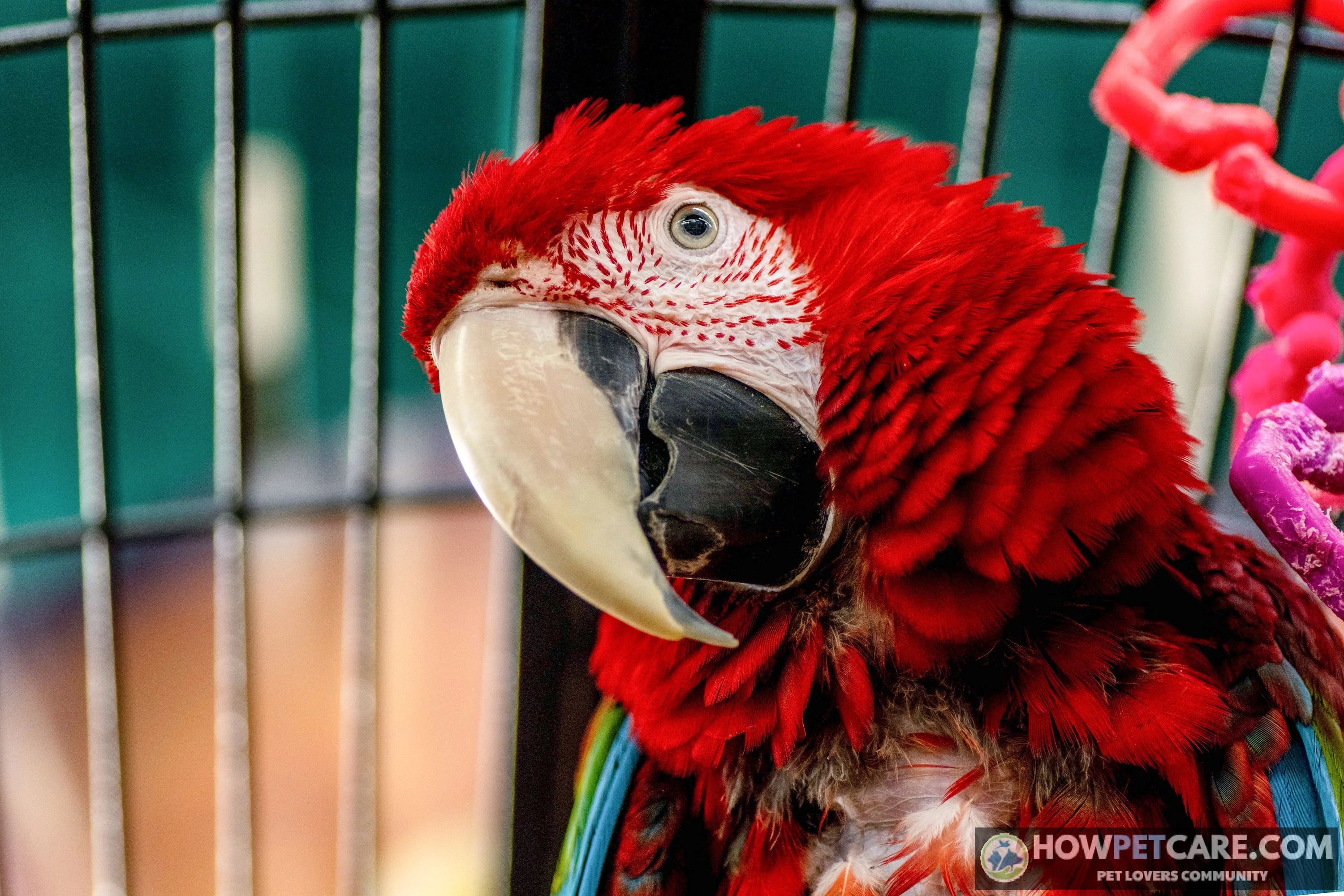
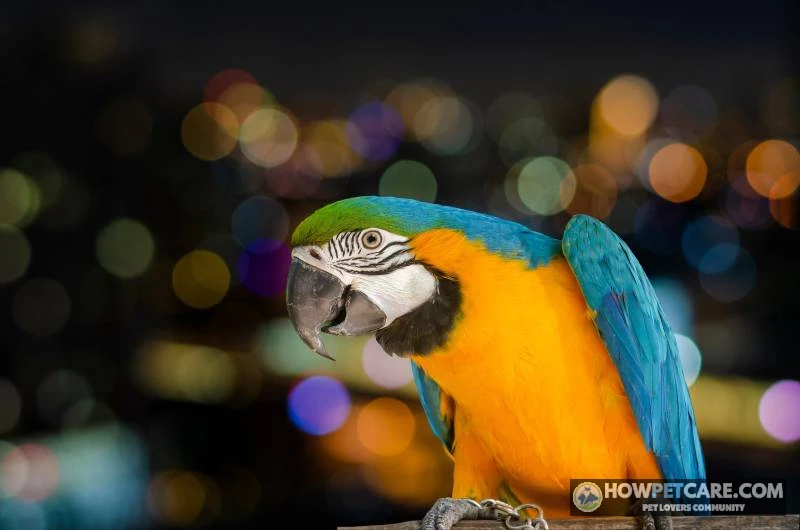
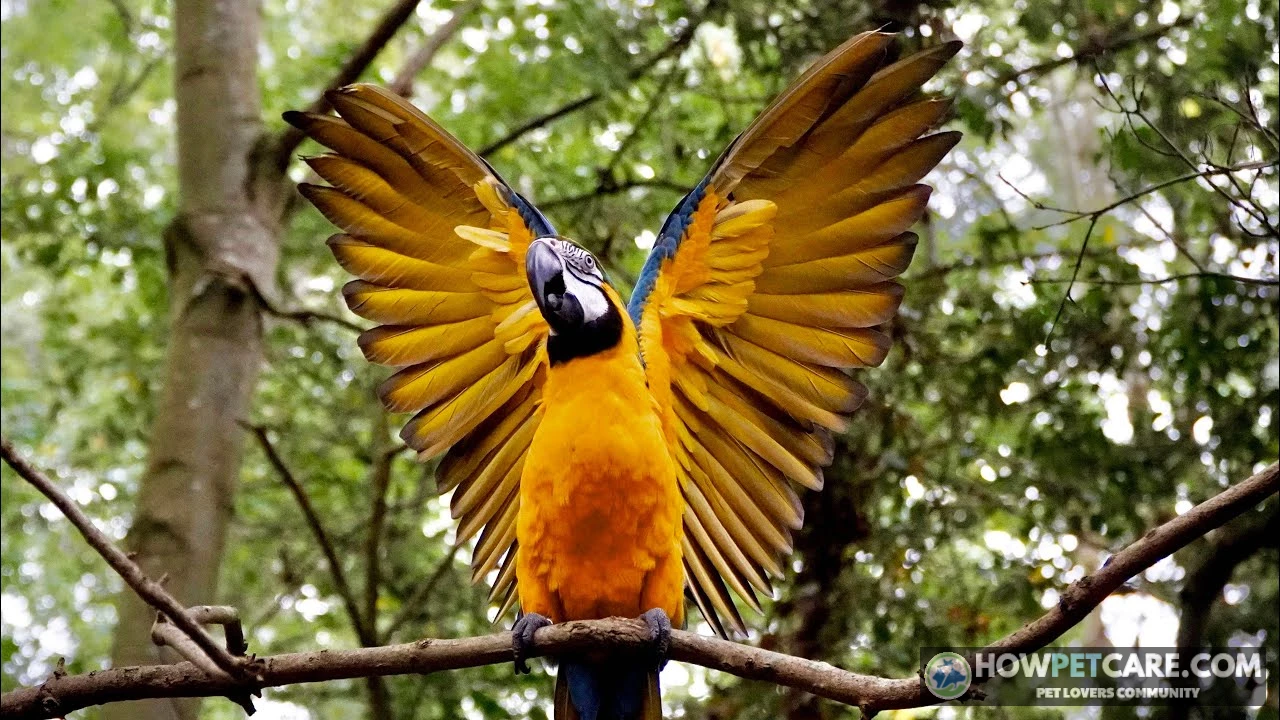
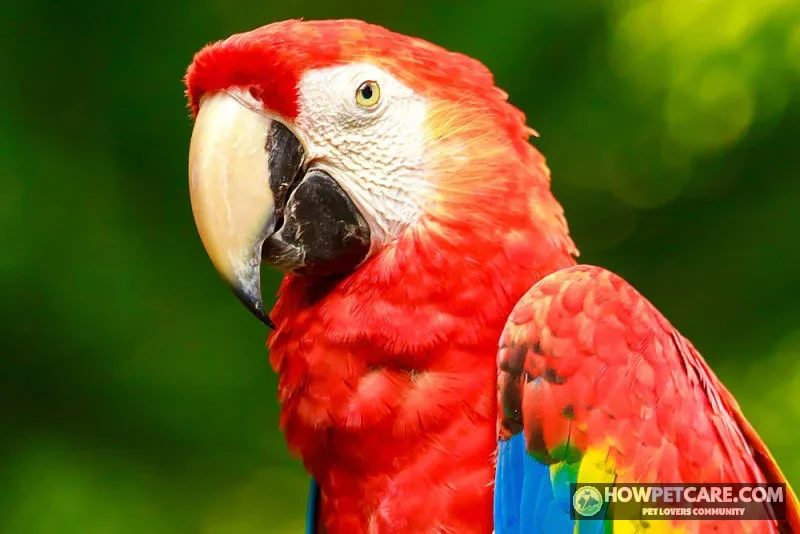
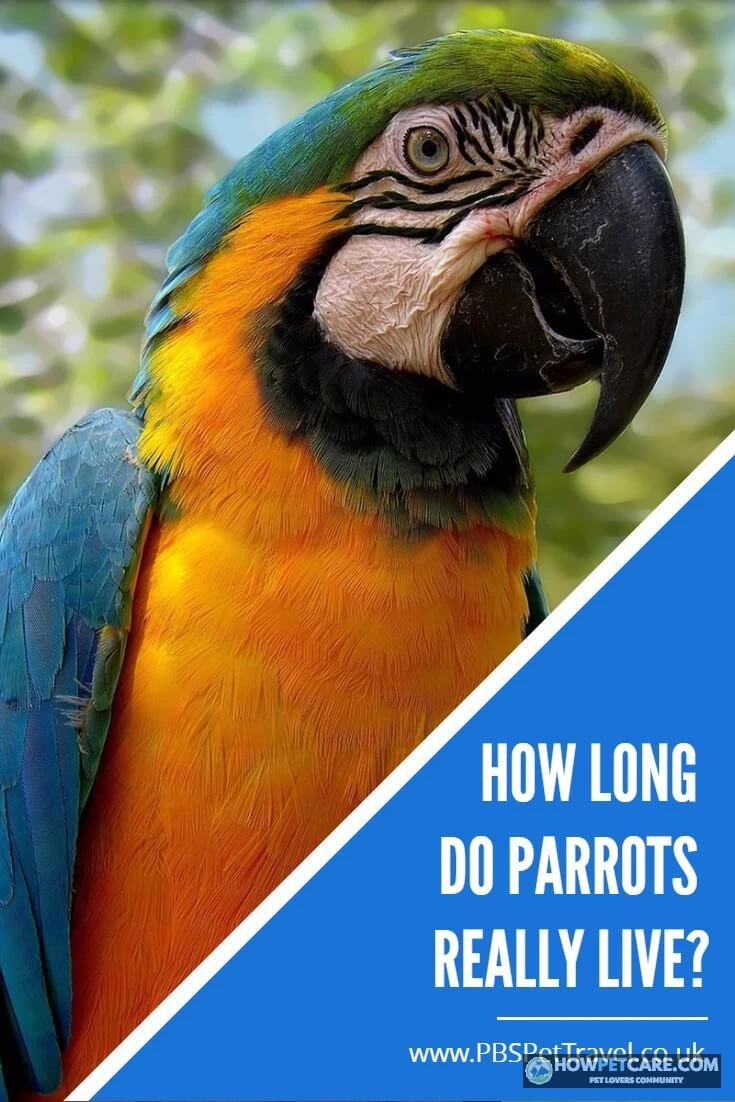
Mini macaws typically live about 25 to 40 years. Large macaws, such as blue-and-gold and scarlet macaws, typically live about 50 to 70 years, with occasional reports beyond that. Wild macaw lifespans are estimated at around 30 to 40 years but are poorly documented. These large, long-lived birds have demanding needs; their care difficulty is rated High because of noise, destruction, and strong pair-bonding behavior.
Which parrot species lives the longest?
Among common pet parrots, large cockatoos and large macaws are the longest-lived typical group, with reported ranges extending toward 70 to 80 years. Verified individual records are rare. Treat claims of parrots living past 100 as anecdotes unless they’re backed by hatch records and continuous institutional custody. If you want to know how old do parrots get at the extreme end, look to documented zoo records rather than internet folklore.
Why Captive Parrots Outlive Wild Ones, and Why Parrots Live So Long at All
Captive parrots typically outlive wild parrots for four main reasons: protection from predators, reliable food and water, shelter from weather, and access to disease treatment. Wild parrots typically live less than half as long as captive ones due to predators, competition, and lack of veterinary care. Captivity has its own dangers, though, including poor diet, obesity, toxin exposure, and chronic stress. Many pet parrots die well short of their species potential because of husbandry mistakes rather than their genes.
Why do parrots live so long compared with other birds of similar size? A leading hypothesis is the cognitive-buffer idea: parrots have unusually large brains relative to body size, which may give them the behavioral flexibility to handle environmental change and food scarcity. A 2022 Max Planck Institute study explored the correlation between relative brain size and longevity in parrots. Researchers describe the findings as supporting evidence for a hypothesis, not settled proof of causation. Earlier parrot genome work also identified longevity-linked genes, but that research is still emerging.
The oldest parrot on record commonly cited is Cookie, a Major Mitchell’s cockatoo at Brookfield Zoo. Guinness World Records recognized Cookie as the oldest known parrot; he reportedly lived to about 83 before dying in 2016. Cookie is the best-documented record, but check current Guinness listings because record status can change. A separate claim names Charlie, a blue-and-gold macaw said to be at least 114 years old. No public hatch record, band registry, or continuous custody trail confirms Charlie’s age, so treat the claim as an unverified anecdote. For any record claim, look for a hatch record, a band or registry entry, and an institution that maintained continuous custody. Without all three, the age isn’t verified.
Do parrots live longer in captivity or in the wild?
Captive parrots generally live longer, but the margin depends on care quality. A neglected captive parrot can die younger than a wild one, while a well cared for captive parrot commonly exceeds its wild counterpart by years or decades. Wild lifespan data are estimates for most species, so read the captive-versus-wild comparison as directional, not exact.
What the 2022 Max Planck research says about parrot longevity
The 2022 Max Planck research suggests that parrots’ large brains relative to body size may act as a cognitive buffer, helping them solve novel problems and survive changing conditions. The study describes a correlation between relative brain size and longevity, not proof that big brains cause long life. For owners, the practical takeaway is that mental stimulation and environmental complexity matter. The science doesn’t promise that toys and puzzles will add specific years.
The oldest parrot on record: Cookie, and which claims are verified
Cookie remains the standard reference point: a Major Mitchell’s cockatoo documented by Guinness World Records and Brookfield Zoo, reportedly reaching about 83 years in 2016. Charlie, the macaw tied to a Churchill ownership story and claimed at 100-plus, lacks the documentation needed for verification. To evaluate an extraordinary parrot age, look for hatch records, band or microchip data, and an institution with continuous custody.
What Determines How Long a Parrot Lives: Diet, Housing, Enrichment and Vet Care
Some factors affecting parrot life expectancy are within an owner’s control; others aren’t. Owners can influence diet, air quality and housing, sleep, mental stimulation and avian enrichment, and preventive veterinary care. Species, genetics, and early history are fixed factors.
Diet and avian nutrition
All-seed diets are linked to obesity, fatty liver disease, and vitamin A deficiency, all common diagnoses in avian veterinary practice. Exclusive seed diets cause vitamin and calcium deficiencies; an 80 percent formulated pellet diet is recommended. A pellet base with daily fresh vegetables is the standard veterinary recommendation for parrot diet and avian nutrition. Offer seed as a treat or training reward rather than a staple.
Air quality, housing and sleep
Airborne toxins pose a serious longevity risk. PTFE or Teflon fumes from overheated nonstick cookware, aerosol sprays, cigarette smoke, and essential oils can kill parrots or cause chronic respiratory disease. Avoid household hazards, including airborne toxins, to protect bird health. Parrots also need stable temperatures, consistent dark hours for sleep, and space to climb, flap, and exercise. For detailed cage setup and daily care, see the pillar care article; the focus here is on longevity.
Mental stimulation, enrichment and social contact
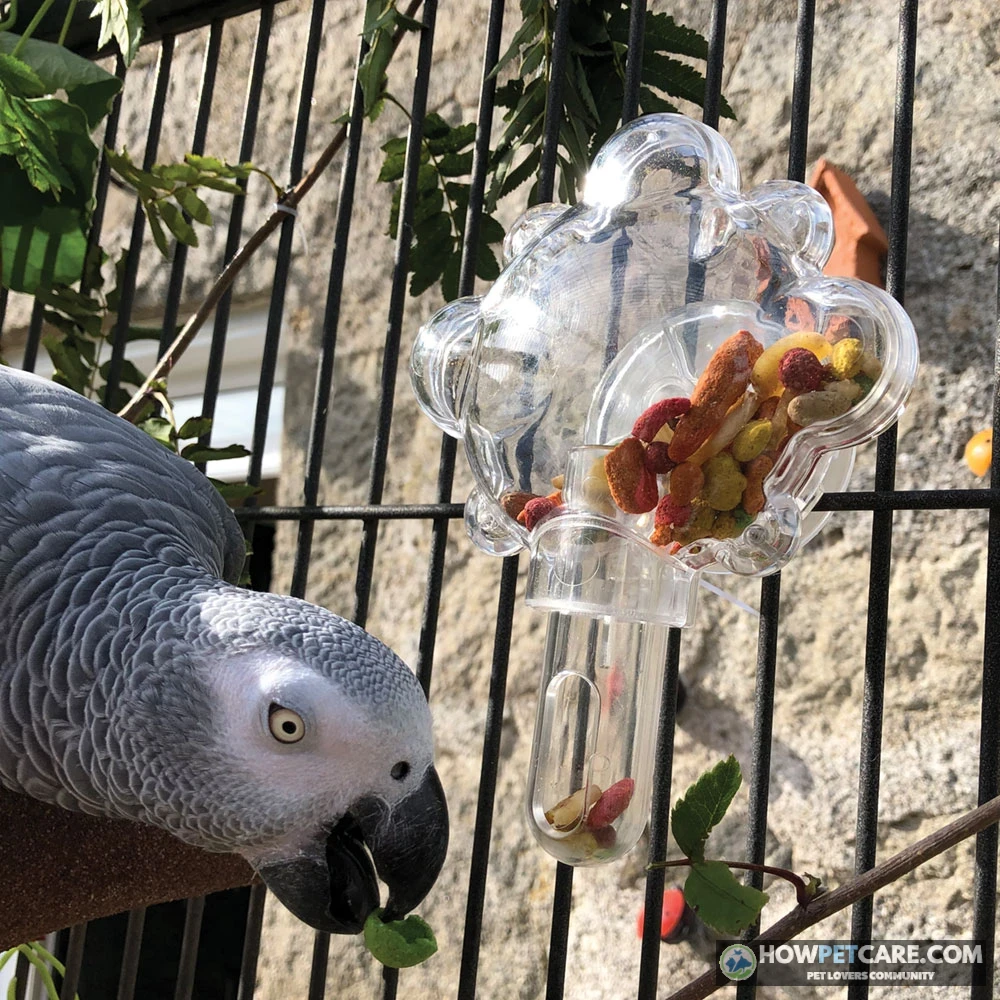
Clinical observations associate chronic boredom and isolation with feather-destructive behavior and stress-linked illness. Mental stimulation and avian enrichment, such as foraging toys, rotated chew items, and daily interaction, reduce those risks. Social factors matter too: bird companions and buying from a reputable breeder are listed as lifespan influences. Most enrichment evidence comes from clinical observation rather than controlled trials, so treat it as sound husbandry practice, not proven medicine.
Preventive care with an avian veterinarian
Parrots hide illness until they’re severely sick, making it dangerous to wait for visible symptoms. Annual exams with an avian veterinarian and baseline bloodwork catch problems earlier than symptom-based visits. An avian specialist matters because general small-animal vets often lack parrot-specific training and equipment. Find an avian veterinarian before an emergency, not during one.
Factors owners cannot change
Species, genetics, and early history, including breeding and early nutrition, set the ceiling for parrot life expectancy. Sex and subspecies effects on lifespan are poorly documented, so don’t overread small differences. Wing clipping involves a safety and injury trade-off to discuss with an avian veterinarian; there’s no good evidence that clipping directly shortens or lengthens life.
How to Help Your Parrot Live Longer: A Seed-to-Pellet Transition Protocol and Vet Schedule
A practical longevity plan starts with the diet switch, because nutrition is the single most controllable lever for parrot lifespan.
Before starting, book an avian veterinarian check, buy a gram scale, and record your bird’s weight every morning before feeding for three to five days. This establishes a baseline. Weight loss during the switch is the main safety signal. Call a vet if a bird refuses all food for more than a day or loses roughly 5 to 10 percent of body weight; confirm exact thresholds with your avian veterinarian.
Don’t switch a parrot to pellets cold turkey. Small parrots such as budgies can develop dangerous problems within 24 to 48 hours without food. If droppings shrink dramatically or the bird becomes lethargic, restore full seed and call your avian veterinarian.
-
Weeks 1-2 - Introduce without pressure
Offer a species-appropriate pellet in a separate dish alongside the normal seed. Don’t reduce seed yet. Let the bird see, touch, and ideally taste the pellets. Eat pellet-shaped snacks in front of your bird, or let a pellet-eating bird model eating; flock modeling can help.
-
Weeks 2-4 - Start the mix
Mix roughly 25 percent pellets into 75 percent of the usual seed ration. Weigh your bird every day or every other day. If weight holds steady, continue; if it drops, hold the ratio where it is.
-
Weeks 4-8 - Shift the ratio
Move toward 50-50, then 75 percent pellets and 25 percent seed, in weekly steps. Offer warm moistened pellets, chopped vegetables, or pellets hidden in foraging toys to encourage tasting.
-
Weeks 8-12 - Limit seed windows
Serve seed only during two short daily windows, such as 20 minutes morning and evening. Keep pellets available for the rest of the day. Most birds accept pellets by now; slower birds may need several extra weeks.
-
Maintenance
Keep pellets as the diet base, roughly 60 to 80 percent of intake, with fresh vegetables daily and seed reserved for treats or training rewards. Log weight monthly.
Never go cold turkey. Small parrots such as budgies can develop dangerous problems within 24 to 48 hours without food. If your bird picks out only seed, crush the pellets smaller or try a different shape or brand. If droppings shrink dramatically or the bird becomes lethargic, restore full seed and call your vet.
A yearly health routine that supports a longer life
Schedule an annual avian veterinarian exam with baseline bloodwork and keep a quarterly weight log. Audit your home for toxins from nonstick cookware and aerosols, provide daily out-of-cage time and foraging, and adjust portions as your bird ages. The diet and health guidance in this article reflects mainstream avian veterinary consensus.
Aging Parrots: How to Estimate a Rescue Bird’s Age, Spot Decline and Adjust Senior Care
Rescue and inherited parrots often arrive with unknown ages. Estimating their remaining years has real limits, but the available clues can help you plan.
Estimating the age of a rescue or inherited parrot
The most reliable clue is a closed leg band placed in the nest, which usually encodes the hatch year and breeder or registry code. Bands can be removed, become illegible, or come from unregistered breeders. Open import bands show only a quarantine era, not a hatch year. Microchips and veterinary records are the next best sources when they survive. Eye color offers only a rough juvenile-versus-adult split. Young African greys, for example, have dark grey irises that pale to silver-yellow by about one to two years, but iris color plateaus after maturity. Beak, feet, skin, plumage, and behavior are weak indicators because poor nutrition can mimic aging in young birds.
An avian veterinarian exam plus bloodwork offers the best available informed range for an unbanded adult, but no test can carbon-date a parrot. To estimate remaining lifespan, subtract the estimated age from the species range in the table, then plan with both a conservative and an optimistic scenario.
| Method | What it can tell you | Reliability | Limitation |
|---|---|---|---|
| Closed leg band | Hatch year usually encoded, plus breeder or registry code | High | Bands can be removed, illegible, or from unregistered breeders |
| Microchip or vet records | Prior exam dates; sometimes hatch or acquisition date | High if records survive | Many rescue birds were never chipped; records get lost |
| Eye or iris color | Rough juvenile-versus-adult split in some species | Moderate | Plateaus after maturity; useless for distinguishing a 15-year-old from a 40-year-old |
| Beak, feet, and skin condition | Heavy scaling, thick flaky skin, or overgrown beak can suggest age | Low | Poor nutrition causes the same signs in young birds |
| Plumage and molt quality | Adult coloration confirms maturity | Low-Moderate | Only distinguishes mature from immature |
| Behavior | Young birds may be clumsier or less vocal | Low | Environment and personality swamp any age signal |
| Avian vet exam plus bloodwork | Informed age range and baseline health data | Best available for unbanded adults | Still a range, not an exact year |
With an unbanded adult rescue, you’ll get an educated guess, not a precise age. Plan with the wide end of that guess and assume the bird may live toward the top of its species range.
Signs your parrot is entering old age
Signs of aging include reduced activity and less flying or climbing, arthritis and foot changes, overgrown or brittle beak and nails, cataracts and dull eyes, weight loss or muscle wasting, feather quality changes, and sleeping more. Distinguish these from signs of illness that need a veterinarian right away, such as sudden weight loss, labored breathing, or complete appetite loss.
Senior parrot care checklist
- Veterinary visits every six months instead of annually
- Bloodwork and weight tracking each visit
- Lower perches and ramps to reduce climbing strain
- Softer or padded perches for sore feet
- Warmer, stable room temperature
- Food and water placed within easy reach
- Pain management discussed with an avian veterinarian
- Adjusted enrichment that matches reduced mobility
Quality of life and end-of-life decisions
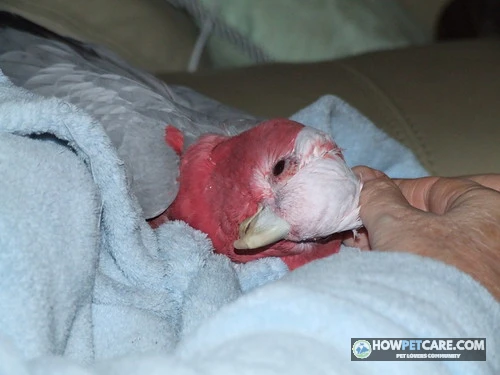
When a senior parrot declines, ask an avian veterinarian about quality of life, hospice-style care, and what to expect around euthanasia and aftercare. Keep the conversation practical and centered on the bird’s comfort.
The Lifetime Cost of a Parrot: What a 20-, 40- or 70-Year Commitment Adds Up To
The lifetime cost of a parrot grows with species size and years of care. The table builds estimates from stated assumptions for food, routine veterinary care, housing replacement, toys, and boarding. An emergency reserve is discussed separately. These are estimates based on 2026-dollar assumptions; costs vary by region and individual bird.
| Cost category | Small (budgie, cockatiel, lovebird) | Mid-size (conure, Eclectus, Amazon, African grey) | Large (macaw, cockatoo) | Assumptions |
|---|---|---|---|---|
| Food pellets and fresh produce | about 200-300 per year | about 400-700 per year | about 600-1,000 per year | Larger birds eat more and waste more |
| Annual avian vet exam plus bloodwork | about 150-250 per year | about 250-450 per year | about 350-600 per year | Specialist avian vet pricing |
| Toys, perches, supplies | about 100-200 per year | about 200-400 per year | about 400-800 per year | Large birds destroy items faster |
| Cage replacement amortized | about 20-40 per year | about 40-80 per year | about 60-120 per year | One to three cages over a lifetime |
| Boarding or pet sitting | about 100-200 per year | about 150-300 per year | about 250-500 per year | One to two weeks of specialist care yearly |
| Approximate annual total | about 570-990 | about 1,040-1,930 | about 1,760-3,020 | Healthy bird; excludes emergencies |
Multiply annual totals by the typical lifespan from the species table to estimate lifetime costs. For example, a green-cheeked conure with about a 25-year lifespan might cost roughly 21,000 to 25,000 over its life, plus a one-time emergency reserve of 1,000 to 3,000 for an avian ER visit or surgery. A blue-and-gold macaw with about a 55-year lifespan might cost roughly 90,000 to 105,000, plus senior-stage costs in the final decade.
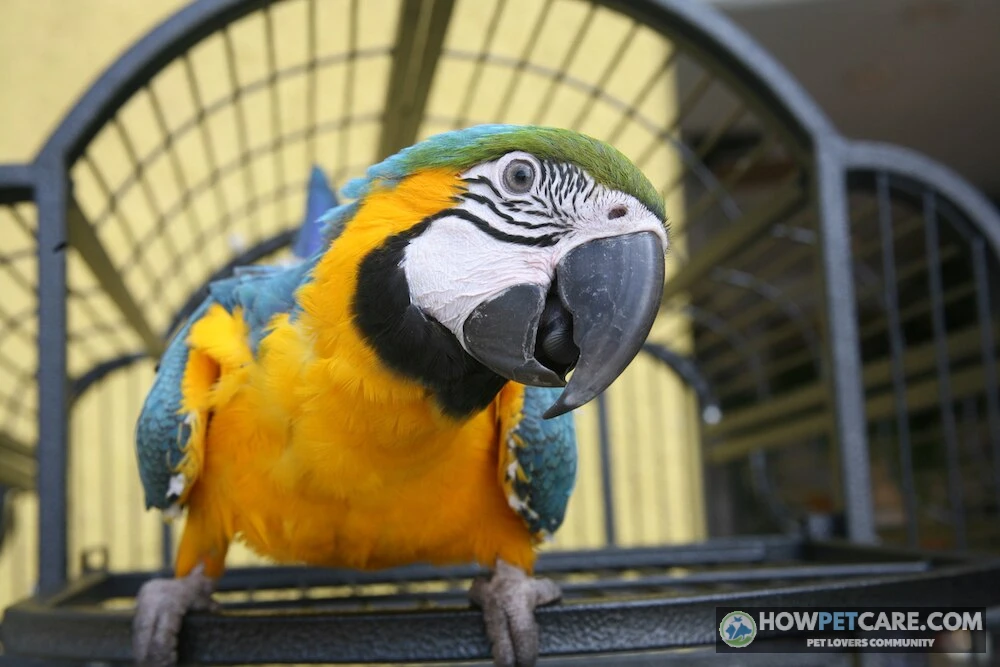
Costs that rise in the senior years include more frequent veterinary visits, arthritis medication, softer diet preparation, and longer medication administration. Emergency avian veterinary care and specialist exams cost more than general pet veterinary care. Those expenses can be especially difficult when a long-lived bird may outlive its owner. Consider a dedicated savings account or pet-trust fund based on a worksheet like this rather than a guess. For a monthly budget breakdown, see the sibling pillar article on parrot care, diet, cage, routine, and budget.
What Happens if Your Parrot Outlives You: Pet Trusts, Guardian Letters and Rehoming Plans
A parrot with 40 or more years left will often outlive a middle-aged owner. Birds rehomed in a crisis are frequently surrendered to overcrowded rescues, so planning ahead protects the bird and the people who love it.
A pet trust is recognized in most U.S. states, but rules vary by jurisdiction and this article doesn’t create an attorney-client relationship. Consult an estate attorney before funding or signing any trust document.
Wills versus pet trusts for a long-lived bird
A pet is legally property in the United States. A will can name a recipient, but it doesn’t enforce care, feeding, or veterinary decisions. A pet trust, recognized in most U.S. states with rules varying by jurisdiction, lets you fund care, name a caretaker and a separate trustee, and set care instructions. A will alone hands the bird over as property. Consult an estate attorney; this is general guidance, not legal advice.
How to write a guardian letter
A guardian letter is a one- to two-page document covering diet brands and schedule, medications, veterinarian name and records, band or microchip numbers, vocabulary, fears and triggers, sleep routine, and what a normal day looks like. Name a primary caregiver and a backup caregiver who have agreed in advance. Reconfirm yearly because people’s situations change.
Avian rescues, sanctuaries, and rehoming networks
Identify two or three avian rescues or sanctuaries now, before a crisis. Many have waitlists and charge surrender fees or request donations; none should hear about your bird for the first time during an emergency. Pre-arranged caregivers are usually the fastest option. Rescues are a backup, not an instant solution.
Keep documentation together: purchase or adoption papers, band numbers, microchip registration, veterinary records, and any permits required for the species. As a 60-second emergency step, put a card in your wallet and a note on the cage saying you have a parrot at home and listing a care contact.
Before You Commit: A Decision Checklist and Next Steps for Your Parrot’s Lifespan
Use these steps to turn lifespan information into a plan.
If you are thinking about getting a parrot
Match your realistic age and life plans to a species lifespan. Ask whether you can fund the lifetime cost estimate for that bird, and confirm that you have a named backup caregiver. If a 60-year commitment isn’t realistic, consider a mid-size or shorter-lived species rather than a large macaw or cockatoo.
If you already have a parrot
Book an avian veterinarian exam and baseline bloodwork. If your bird eats mostly seed, start the pellet transition protocol above. Audit your home for nonstick cookware, aerosols, and smoke. Create a guardian letter and speak with an estate attorney about a pet trust.
If you adopted a bird of unknown age
Find any band or microchip records, then get a veterinarian age estimate and baseline health data. Set a senior-care schedule based on the conservative end of the species range, and revisit the plan annually.
For daily care details, cage setup, training, and breeding, see the sibling pillar article on parrot care and the species-specific parakeet article. Return to this lifespan and commitment guide whenever your bird moves into a new life stage.
FAQ
How long do parrots live in human years?
There is no official conversion. A rough way to compare is by life stage: a 5-year-old budgie is middle-aged, while a macaw or cockatoo reaches a similar stage in its 30s or 40s. Compare your bird’s age to its species range instead of using a fixed multiplier.
Do parrots live longer than dogs and cats?
Most do. Dogs and cats typically live about 10-20 years, while medium and large parrots often live 20-60+ years in good care. Budgies and some small parrots live about as long as a dog or less.
How long can a parrot go without food?
Small birds have little reserve and can become seriously ill within a day or two without food, and larger parrots may last somewhat longer. Any bird that stops eating should see an avian veterinarian the same day, so do not wait to find the limit.
Does wing clipping affect a parrot’s lifespan?
There is no good evidence that clipping directly shortens or lengthens life. Clipped birds can still be hurt in falls and may get less flight exercise, so ask an avian veterinarian whether it suits your bird and home.
Why do some pet parrots die young?
Most early deaths come from preventable causes, such as all-seed diets that lead to obesity and liver disease, toxic fumes from nonstick cookware and aerosols, and illness that went unnoticed because parrots hide symptoms. Regular avian vet exams reduce these risks.