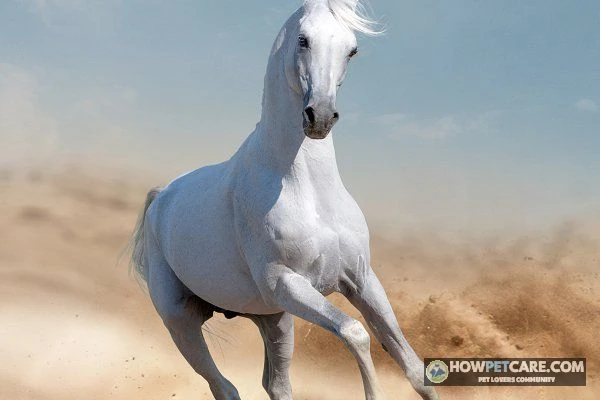

The Arabian horse is an ancient light riding breed developed on the Arabian Peninsula by Bedouin tribes. Standing 14.1–15.1 hands and weighing 800–1,000 lb, it is known for its dished face, high tail carriage, exceptional endurance, people-oriented temperament, and foundational influence on breeds like the Thoroughbred.
The Arabian horse is one of the world’s oldest and most recognizable equine breeds. It originated on the Arabian Peninsula, where nomadic Bedouin tribes bred it for endurance, intelligence, and close human companionship. It stands between 14.1 and 15.1 hands (145 to 155 cm at the withers) and weighs 800 to 1,000 pounds (360 to 450 kg). This light desert horse is easy to pick out by its dished facial profile, wide forehead, large expressive eyes, arched crest, and high tail carried aloft like a banner in motion. Beyond looks, the purebred Arabian horse is the genetic taproot for nearly every prominent modern light riding breed, including the Thoroughbred, and it still dominates international endurance riding.
Prospective owners, equestrian students, and breed newcomers often hear conflicting stories. Some call the Arabian horse breed high-strung and unsuitable for recreational riding; others praise its loyalty and easy-keeper hardiness. To understand the real animal, look past show-ring hype and examine its functional desert anatomy, bloodline differences, ownership costs, and genetic health risks. This guide covers what an Arabian horse is, how its bloodlines differ, how purebred verification works through the Arabian Horse Association (AHA) and World Arabian Horse Organization (WAHO), and how to judge whether an Arab horse fits your handling skills, riding goals, and annual budget.
What Is an Arabian Horse? Key Traits at a Glance
Answering the core question—what is an Arabian horse—starts with function. This is an ancient light riding breed refined over millennia in harsh desert environments, where speed, heat tolerance, and stamina meant survival. Draft animals were bred to pull; warmbloods such as the Hanoverian were bred for high-stepping stadium jumping. The Arabian was shaped to cover immense distances over barren sand while carrying a rider through war and migration. The result is a compact, balanced horse whose bone density and cardiovascular recovery rates consistently beat those of heavier horses.
Today, purebred Arabians compete at elite levels in competitive trail riding, halter showing, dressage, and Western performance, and they also thrive as family pleasure companions. Modern breeding programs have emphasized different traits across show rings and working disciplines, so individual horses vary in height, bone thickness, and head profile. The official purebred standard still rests on strict physical metrics and behavioral markers maintained across worldwide registries.
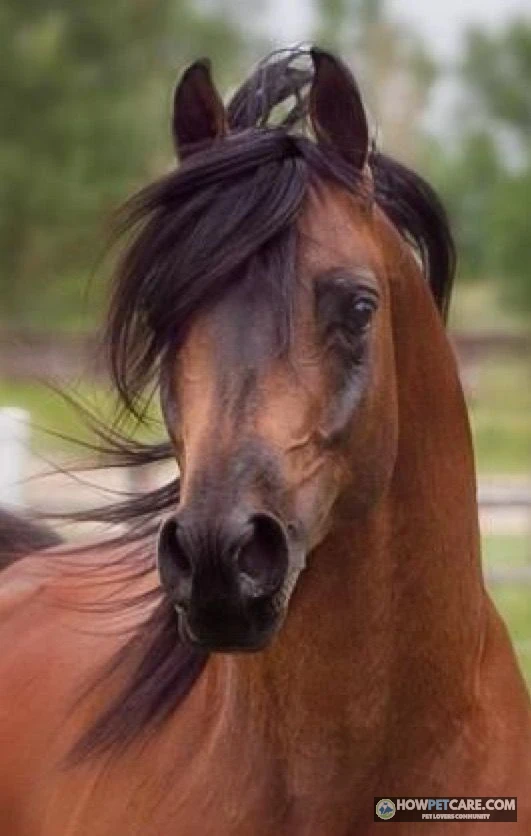
Arabian horse quick-stats table
These baseline metrics cover standard physical, physiological, and registry benchmarks for the purebred Arabian horse:
| Attribute | Typical Range or Detail | Notes |
|---|---|---|
| Height | 14.1–15.1 hands (about 145–155 cm at the withers) | Some lines fall outside this range; Arabians are generally a smaller, lighter breed |
| Weight | 800–1,000 lb (about 360–450 kg) | Compact frame but with dense bone relative to size |
| Lifespan | Commonly 25–30 years | Among the longer-lived breeds; many stay rideable into their 20s |
| Common colors | Bay, grey, chestnut, black | Skin is dark under the coat; greys lighten to near-white with age |
| Identifying features | Dished face, arched neck, short back, level croup | The raised, ‘flagged’ tail at a trot is a signature trait |
| Build | Refined head, large eyes and nostrils | Bred for efficiency and stamina rather than bulk |
| Registry bodies | Arabian Horse Association (AHA) in North America; WAHO-recognized studbooks internationally | A purebred must trace to recognized desert-bred or studbook stock |
| Typical uses | Endurance riding, trail, showing (halter and performance), pleasure | Dominates long-distance endurance competition worldwide |
All figures are typical ranges. Individual horses vary by bloodline, sex, and breeder program. Buyers should verify a specific horse’s measurements and pedigree against its official registration papers rather than rely on visual estimates.
How to recognize an Arabian in 5 features
An Arabian shows distinct conformation markers that are rare in other light breeds, even from across a pasture or arena. Look for five signature features:
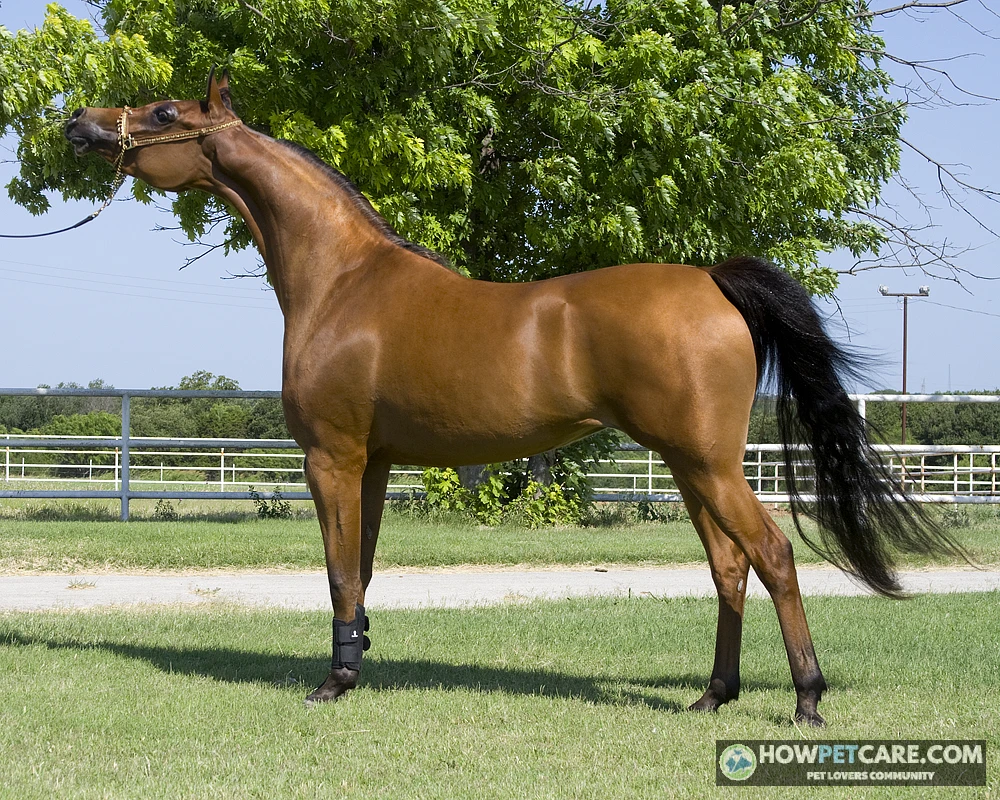
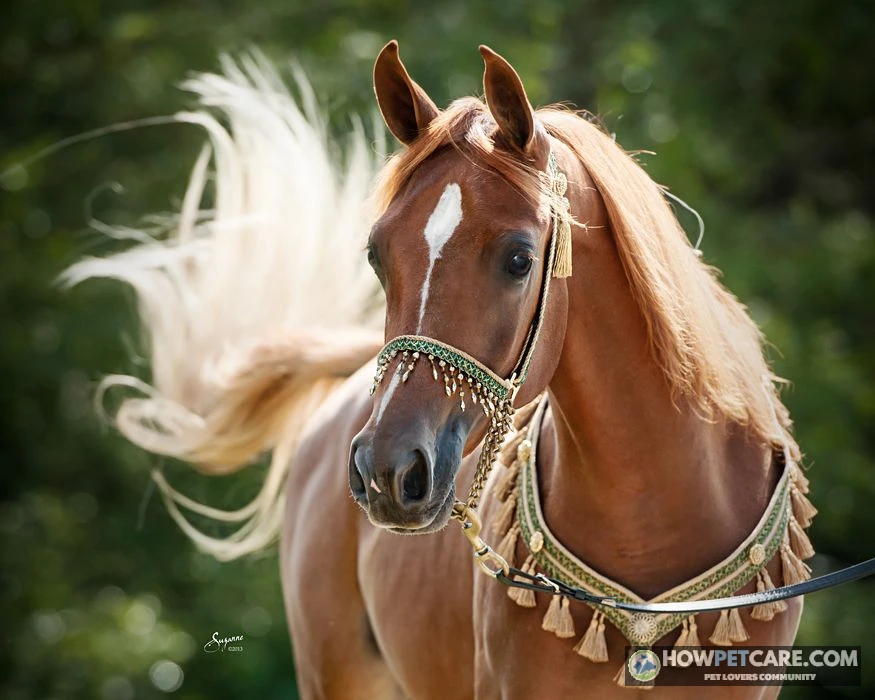
- The Concave (‘Dished’) Profile: Viewed from the side, the bridge of the nasal bone dips noticeably between large, low-set eyes and a tapered, refined muzzle.
- The High-Set, Flagged Tail Carriage: A relatively flat, horizontal croup and high tailhead let Arabians carry the tail arched and elevated above the quarters at the walk, trot, or canter.
- Arched Crest and Arched Throatlatch (‘Mitbah’): The neck rises high from well-angled shoulders, arches along the topline, and meets the jaw at a clean, open angle that keeps airflow unrestricted during heavy exertion.
- Short, Strong Back and Deep Heart Girth: The coupling from withers to loin is naturally short and compact, sitting atop a well-sprung ribcage that houses expansive lungs and a powerful cardiovascular engine.
- Prominent, Deep-Set Eyes and Large Flaring Nostrils: The eyes sit wide apart on a broad forehead (the jibbah in Bedouin tradition), and the nostrils expand dramatically during respiration to draw maximum desert air without resistance.
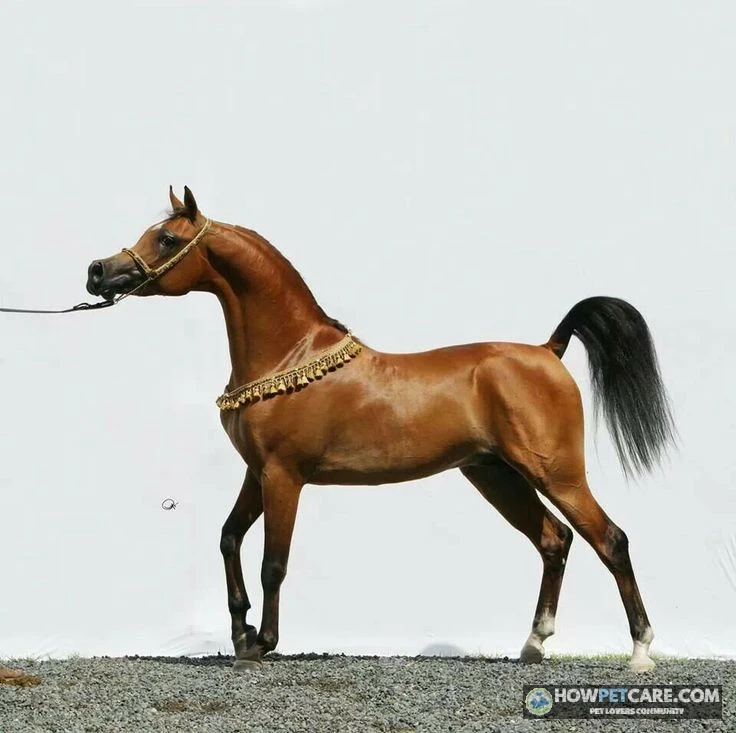
A concave profile is a breed hallmark, but its depth varies widely. Working and endurance lines often have a subtle, straight-to-slightly-dished face; halter lines show a more accentuated curve. A slight dish does not make an Arabian less purebred, and an exaggerated dish does not guarantee athletic soundness.
Arabian Horse Characteristics: Conformation, Colors and Why the Face Is Dished
The Arabian horse’s physical structure is a study in biomechanical efficiency. Heavier domestic breeds were bred for brute pulling force; the Arabian’s conformation was shaped for continuous movement over shifting terrain with minimal caloric expenditure. Looking at how these traits function explains why the horse looks the way it does and why it stays sound under demanding athletic use.
Why do Arabian horses have dished faces?
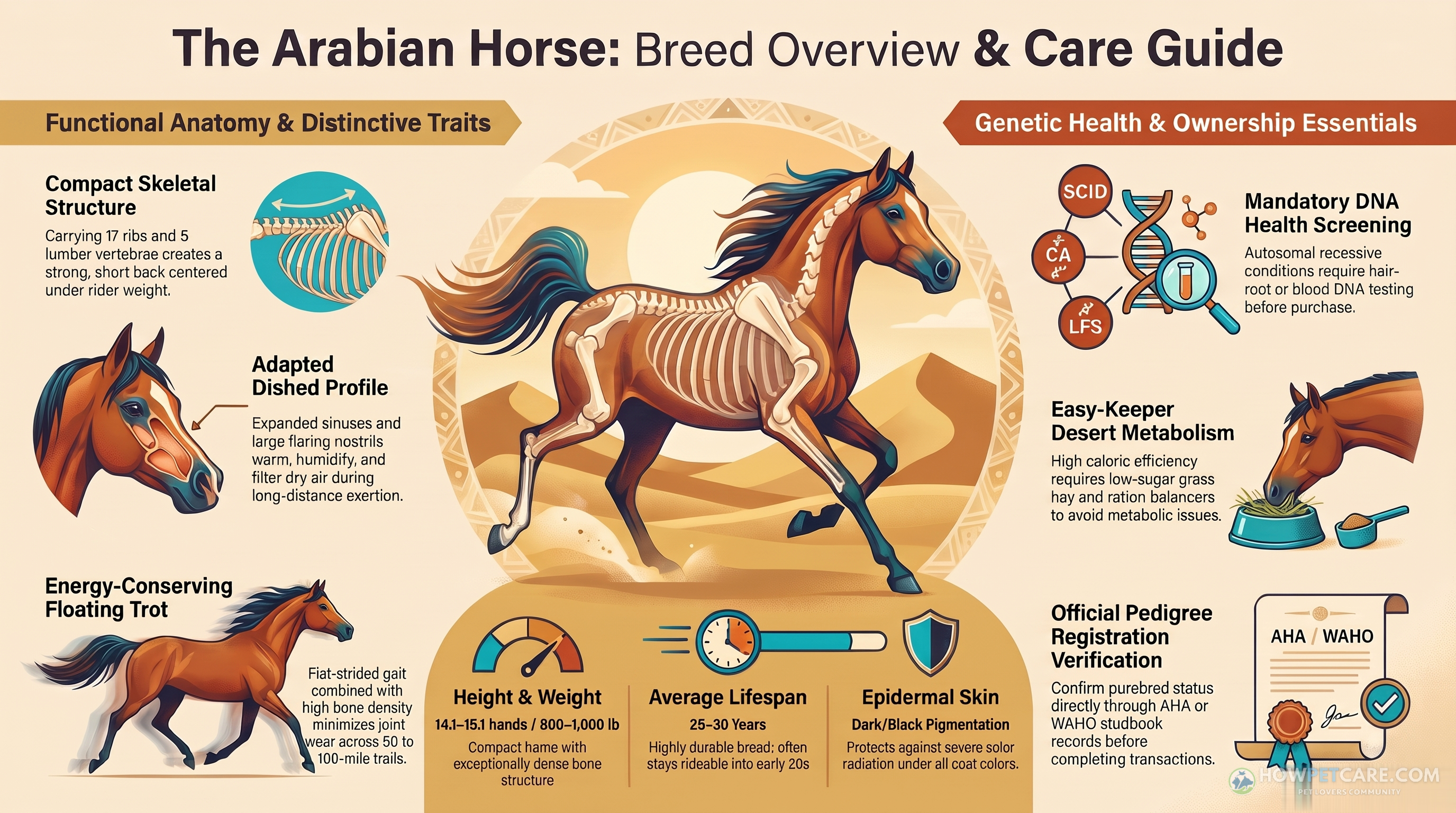
One of the breed’s most persistent questions is why Arabian horses have dished faces. The answer lies in environmental adaptation and functional anatomy. In the arid interior of the Arabian Peninsula, horses faced extreme temperature swings, blinding windblown sand, and dry, thin air. The wide, bulging forehead—the jibbah—expanded the internal surface area of the sinuses. Behind this expanded cranial cavity, inspired desert air swirled over extensive mucosal membranes, where it was warmed, humidified, and filtered of fine sand before entering the lungs.
The concave dip in the nasal bone, combined with exceptionally wide, thin-walled nostrils, allowed maximum air intake without restricting forward vision. At a gallop across open desert, an Arabian’s nostrils could expand to several times their resting diameter. Modern show-breeding programs have occasionally exaggerated the feature into an extreme, stylized curve, but the authentic purpose of the dished face was respiratory optimization in dry, hostile climates.
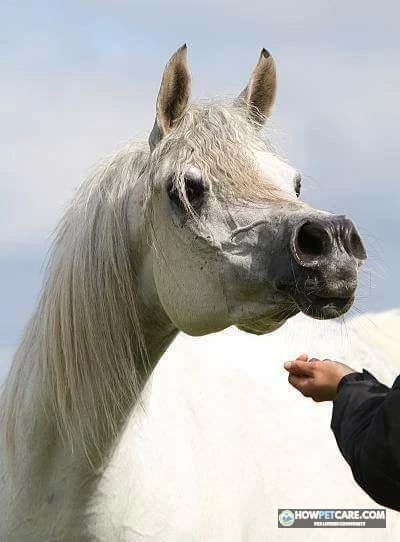
Beyond head shape, the Arabian horse often has unique skeletal quirks. Standard domestic horses have 18 ribs, 6 lumbar vertebrae, and 18 to 20 tail (caudal) vertebrae. Many purebred Arabians carry 17 ribs, 5 lumbar vertebrae, and 16 caudal vertebrae. This reduced vertebral count produces the breed’s short, exceptionally strong back and compact loin. That short coupling puts rider weight directly over the horse’s center of gravity, reducing spinal torque, minimizing lumbar strain, and creating a spring-like transfer of power from hindquarters to forehand.
Colors and markings
The Arabian Horse Association (AHA) and the World Arabian Horse Organization (WAHO) recognize four primary coat colors in purebred stock: bay, grey, chestnut, and black.
- Bay: Ranges from light golden bay to deep mahogany bay, with black mane, tail, and lower-leg points. Bay is historically one of the breed’s most common and hardy coat colors.
- Grey: Born a darker base color (bay, chestnut, or black), grey Arabians carry the progressive greying gene. With each shedding season, white hairs increase until the coat matures to near-pure white, often with subtle ‘flea-bitten’ freckles.
- Chestnut: Spans light sorrel to deep liver chestnut, sometimes with flaxen mane and tail.
- Black: The least common purebred coat color. Black Arabians have jet-black coats without brown shading around the muzzle or flanks. They often command a visual novelty premium in the commercial market.
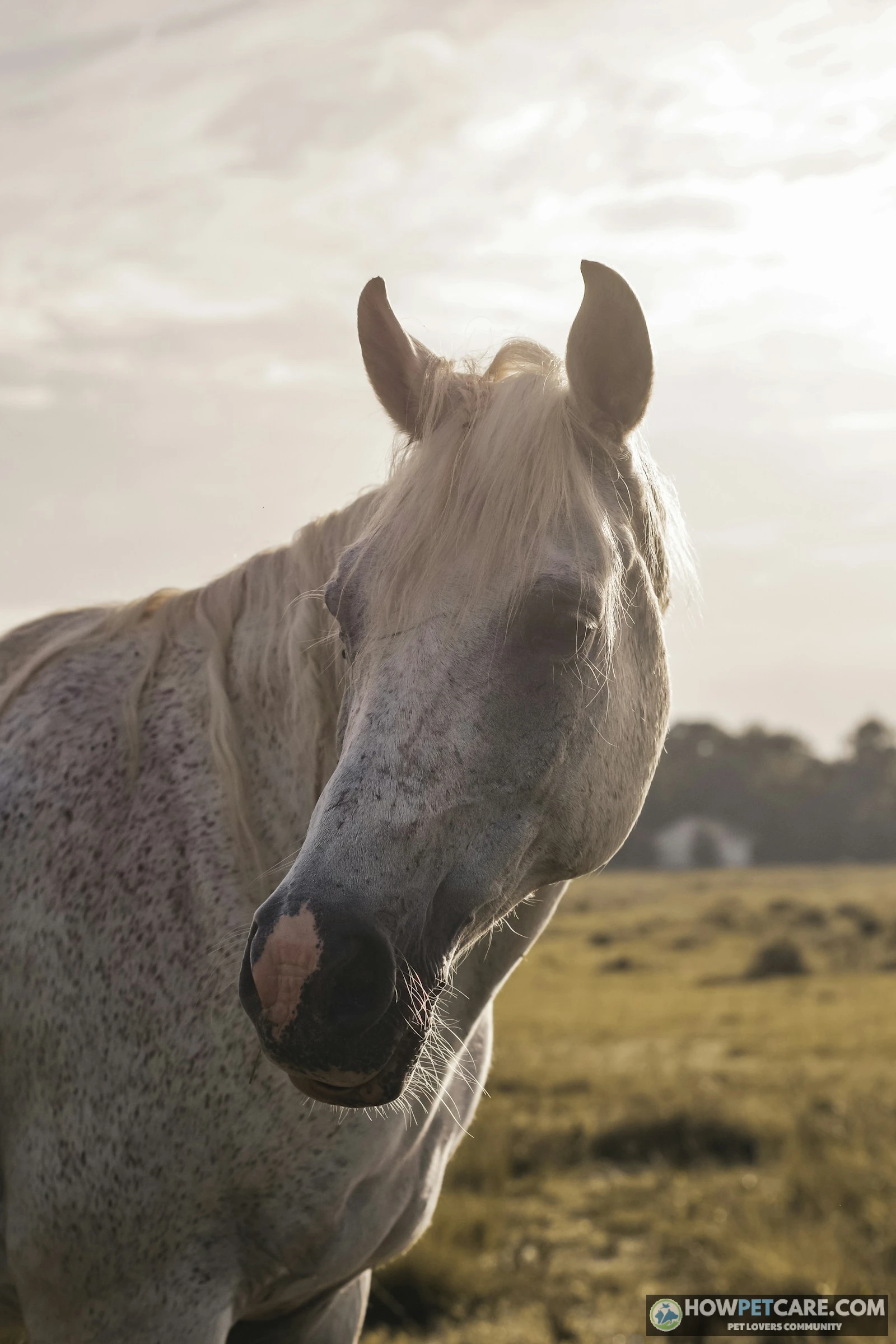
All purebred Arabians have black skin under their coats, regardless of coat color, except for pink skin directly beneath white facial or leg markings. This dark epidermal pigmentation protected against severe solar radiation, sun-induced blistering, and cutaneous melanomas in blistering desert sunlight.
White facial markings (blazes, stars, strips) and white leg markings (socks, stockings) occur frequently and are fully accepted within purebred studbooks. Excessive white body patches (pinto, tobiano, or appaloosa spotted patterns) do not exist in purebred Arabians and indicate crossbreeding, though they are celebrated in the Half-Arabian registry.
Built for stamina: the working anatomy
The Arabian horse breed’s athletic longevity comes from specific structural advantages. Arabians have dense, ivory-like cannon bones that resist micro-fractures under repeated concussive force far better than the more porous, spongy bone tissue seen in rapidly matured racing breeds. Their hooves are round, dark, hard, and naturally resistant to chipping, evolved to navigate rocky desert wadis without iron shoes.
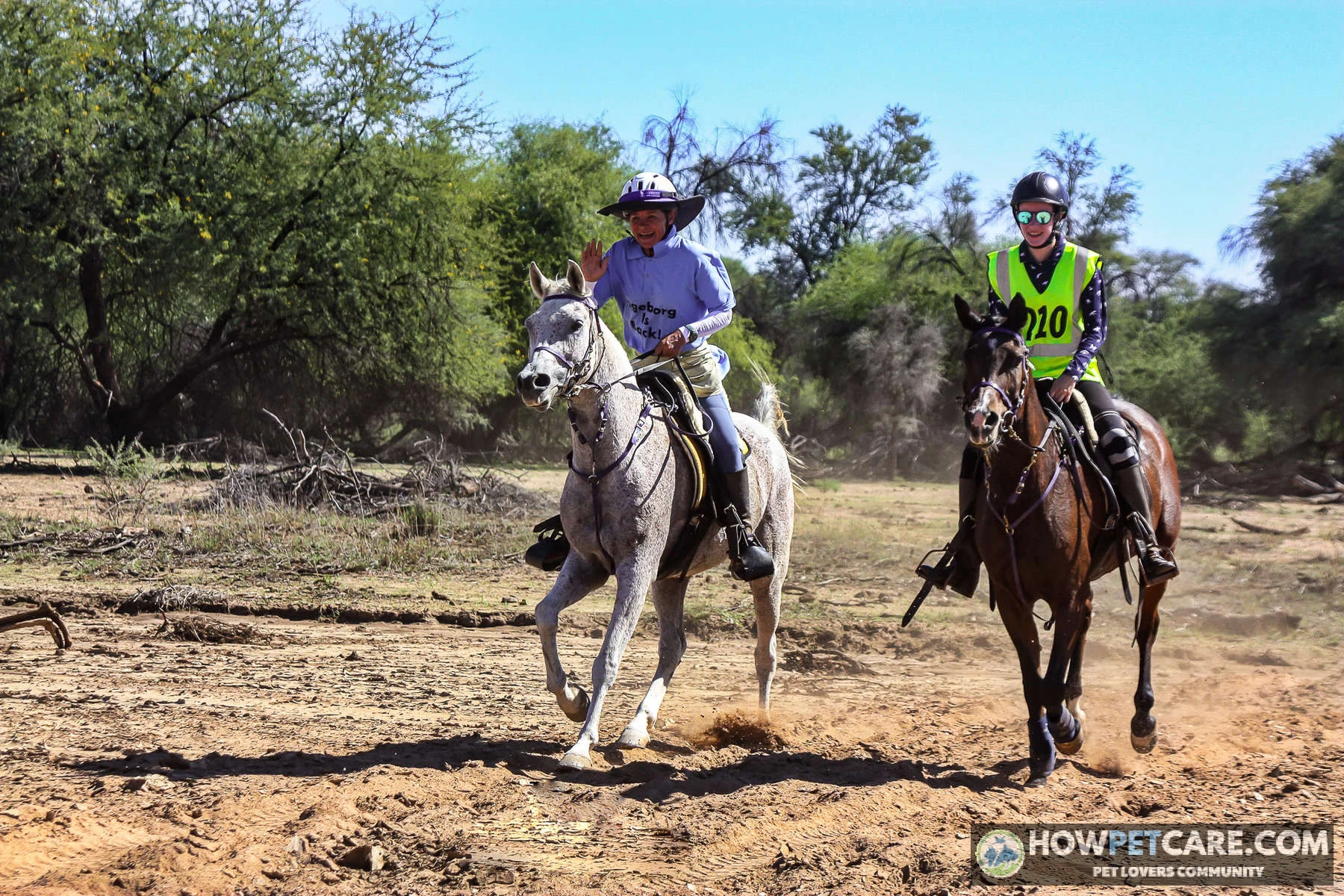
Biomechanically, the Arabian moves with a distinct ‘floating’ trot: natural suspension, low knee action, and exceptional ground clearance without wasted upward motion. This level, flat-strided gait conserves muscular energy, preserves joint cartilage, and lets the horse maintain steady ground speed over 50- to 100-mile endurance tracks without early metabolic fatigue. The wide throatlatch gives abundant clearance for the trachea when the horse is gathered in collection or extending its frame, preventing airway constriction during prolonged exertion.
Desert Horse Origins: Bedouin Breeding and Influence on Modern Breeds
The history of the Arabian horse is interwoven with the survival of the nomadic Bedouin tribes of the Arabian Peninsula. In a harsh desert where pasture was seasonal and water holes were days apart, the horse was not merely livestock. It was a prized weapon of war, an instrument of tribal survival, and an intimate member of the family unit.
Bedouin breeders and the desert horse
Bedouin horse breeding was founded on absolute genetic purity, known in Arabic as Asil (‘pure’). Unlike modern registries that rely on written certificates, Bedouin breeders maintained pedigree histories through oral recitation passed down across generations. Strains (rasan) were traced strictly through the maternal dam line. The tribal belief held that while the sire contributed bone and spirit, the dam passed down physical courage, loyalty, and constitutional soundness.
Five primary foundation strains, traditionally called the Al Khamsa (‘The Five’), emerged within Bedouin oral tradition:
- Kehilan: Known for masculine power, depth of chest, and muscular stamina.
- Seglawi: Famed for feminine elegance, beauty, speed, and refined bone.
- Abeyan: Celebrated for agility, high tail carriage, and exceptional quickness.
- Hamdani: Characterized by stoic temperament, larger bone structure, and athletic endurance.
- Hadban: Compact, calm, strong-willed, and possessing deep muscular stamina.
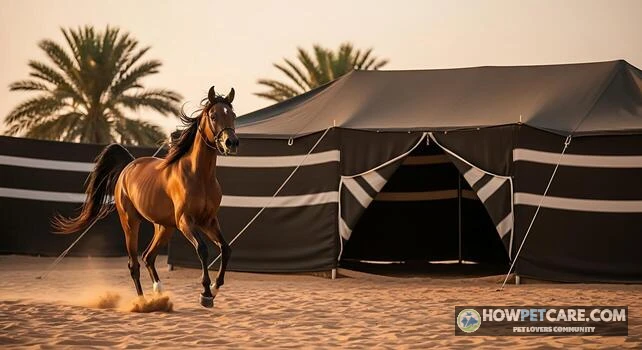
To safeguard prized war mares against theft, weather extremes, and predatory wildlife, the Bedouin brought horses into the family tents (khaima) alongside children and domestic animals. Mares shared the family’s dates, camel milk, and water rations. This radical intimacy weeded out horses with unprovoked aggression, erratic fear responses, or hostility toward humans. Over centuries, this rigorous selective culling created a breed uniquely wired to trust human handlers, bond deeply with family units, and follow verbal direction.
How Arabians shaped the Thoroughbred and other breeds
As European travelers, military leaders, and royalty encountered the Arabian horse during centuries of trade, diplomacy, and the Crusades, they recognized the desert horse’s superior speed, heat dissipation, and cardiovascular recovery. European horse populations at the time were mostly heavy, slow-moving war horses or cold-blooded draft breeds. Crossing imported Arabian stallions onto native European mares revolutionized light-horse breeding across the western world.
Nowhere was this transformation more dramatic than in the foundation of the English Thoroughbred racehorse. Every registered Thoroughbred in existence traces in direct tail-male lineage back to three foundational sires imported to England in the late 17th and early 18th centuries:
- The Byerley Turk (imported c. 1689): Captured during the Ottoman wars, recognized historically as possessing pure Arabian or desert-bred Turkoman bloodlines.
- The Darley Arabian (foaled 1700): Purchased in Aleppo, Syria, by Thomas Darley and exported to Yorkshire; sire of the legendary Flying Childers and ancestor to modern racing titan Eclipse.
- The Godolphin Arabian (foaled c. 1724): A desert-bred stallion gifted via France who revitalized English racing lines through his influential grandson Matchem.
Beyond the Thoroughbred, Arabian blood directly laid the genetic foundation for the American Quarter Horse, Standardbred, Morgan, Trakehner, Orlov Trotter, and Welsh Pony. Even the feral mustang herds roaming the American West trace back to Spanish colonial horses that carried Barb and Arabian influence. Historical figures celebrated the breed’s courage on battlefields worldwide. Napoleon Bonaparte famously rode his grey Arabian stallion Marengo through numerous campaigns; George Washington campaigned during the American Revolution on Blueskin, an Arabian-sired grey mount. The modern purebred registry network, coordinated worldwide through WAHO and in North America by the Arabian Horse Association, was established to preserve this foundational genetic reservoir against modern dilution.
Arabian Horse Temperament: What ‘Spirited but Willing’ Means in Practice
The official breed standard and common literature routinely describe the Arabian horse temperament as ‘spirited but willing’. For beginners, that phrase can be confusing. To understand what this temperament means in practical handling, owners must recognize that high intelligence paired with rapid sensory perception does not equal mindless flightiness.
An Arabian horse processes environmental stimuli faster than heavier, cold-blooded breeds. Its ancestors were bred to alert human handlers to approaching desert raiders, so the Arabian notices subtle changes: a fluttering tarp, a misplaced bucket, sudden tension in a handler’s fingers. When startled, an Arabian usually does not bolt blindly into fences. It snorts, raises its head, sets its tail high, and assesses the threat from a safe distance.
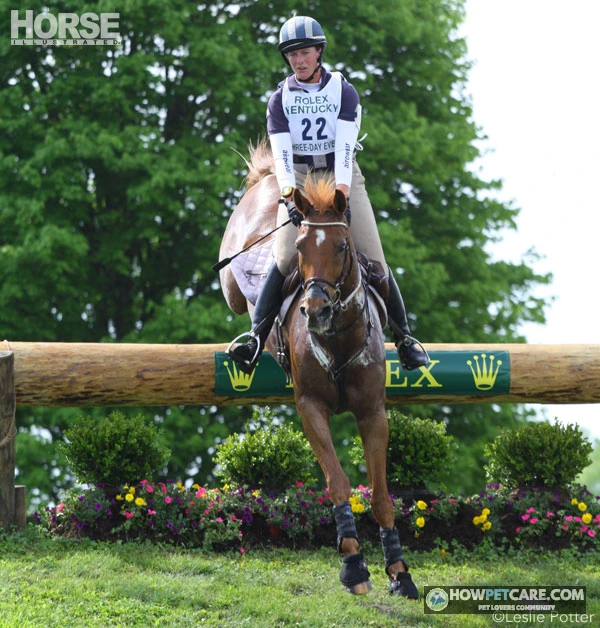
Under saddle, ‘willingness’ shows up as eagerness to please and an exceptional response to light aids. A draft cross or stock horse might need firm leg pressure and steady contact to maintain forward impulsion; an Arabian often moves from a walk to a working trot with a tightening of the rider’s core muscles or a gentle shift in seat weight. That same sensitivity means rough, heavy-handed pulling on the reins or aggressive whip use will quickly cause frustration, head-tossing, and defensive evasion. An Arabian does not tolerate bullying; it requires communication.
Are Arabian horses good for beginners?
The honest verdict: IT DEPENDS—on the specific horse, not the breed label alone.
Prospective buyers often ask whether an Arabian makes a safe first horse. A blanket ‘yes’ or ‘no’ is misleading. A seasoned, 14-year-old Arabian gelding with hundreds of trail miles is one of the safest, most forgiving mounts a novice could ride. A green, three-year-old Arabian mare or high-spirited halter-line stallion will overwhelm an inexperienced amateur in minutes.
Use this beginner suitability scorecard to evaluate your situation objectively:
An Arabian is a reasonable first horse when ALL of these are true:
- The horse is a trained, mature gelding (roughly 8+ years old) with a proven, calm track record in your chosen discipline.
- You have an experienced trainer, instructor, or equestrian mentor who has thoroughly evaluated the horse in person.
- You want an intelligent, highly responsive partner and enjoy working with a horse that communicates and reacts quickly.
- Your primary riding goals are trail riding, endurance, or pleasure riding—disciplines where the breed naturally excels.
An Arabian is likely a poor first horse when:
- The horse is young (under 5 years old), a stallion, or advertised as ‘green-broke’ or ‘needs experienced rider.’
- You tend to be an anxious, nervous, or inconsistent handler; Arabians read human heart rates and body language rapidly and will mirror your internal tension.
- You are trying to train or manage the horse alone without professional coaching; sensitive horses reward correct cues but develop evasive habits under inconsistent instruction.
- You are a taller or heavier rider exceeding proportionate weight limits for a compact 14.1- to 14.3-hand horse.
Rider profiles that tend to succeed: Patient, observant riders who appreciate an alert, thinking partner; lighter adults; confident youth riders working alongside an active instructor.
Rider profiles that tend to struggle: Handlers who rely on physical force, loud corrections, or heavy hands; riders seeking a sluggish, ‘dead-quiet’ horse that ignores input; complete beginners working in isolation without barn support.
Handling tips for a sensitive, quick-thinking horse
Managing an Arabian horse successfully means using techniques adapted to its mental architecture:
- Prioritize Predictable Routines: Arabians thrive on consistent daily feeding, turnout, and handling schedules. A predictable barn routine dramatically reduces background anxiety in sensitive horses.
- Reward the Slightest Try: Arabians learn rapidly, so positive reinforcement—releasing rein pressure instantly, verbal praise, or a well-timed wither scratch—accelerates training far faster than repeated physical punishment. The moment the horse offers the correct movement, release the pressure immediately.
- Engage the Horse’s Mind: An Arabian forced to repeat simple arena circles indefinitely becomes bored, creative, and distracted. Keep schooling sessions mentally stimulating with ground poles, changes of direction, lateral work, and trail obstacles.
- Never Fight a Spook with Force: If an Arabian tenses at an unfamiliar object, give it time to drop its head, blink, and inspect the item with its muzzle. Pulling tightly on the reins traps the horse’s head, raises adrenaline, and escalates a mild startle into an explosive panic.
An Arabian’s remarkable memory works both ways. Treated with calm fairness, an Arabian forms an unbreakable bond of loyalty with its owner. Subjected to severe handling, abusive schooling devices, or traumatic trailering, it remembers the incident for years and will need patient, systematic desensitization to rebuild trust.
Arabian Bloodlines Compared: Egyptian, Polish, Crabbet, Spanish and CMK
All purebred Arabians belong to a single closed studbook managed under WAHO guidelines. Modern breeders still categorize horses into distinct historic bloodlines or ‘strains’ based on the origin studs that preserved them during the late 19th and early 20th centuries. These bloodline groups show consistent variations in skeletal conformation, head refinement, athletic propensity, and temperament.
Understanding these five bloodline groups helps prospective buyers narrow down which type matches their riding goals, aesthetic preferences, and acquisition budget.
Five-strain comparison matrix
The following matrix details the five major Arabian bloodlines recognized across global breeding programs:
| Bloodline | Typical Build and Head Type | Temperament Tendencies | Common Disciplines | Relative Price Tier |
|---|---|---|---|---|
| Egyptian | Most refined; extreme dish, large ‘jibbah’ forehead, upright neck, very high tail carriage | Tends to be showy, alert, and people-focused; often hot under saddle | Halter showing, preservation breeding programs | Higher — ‘Straight Egyptian’ status commands a market premium |
| Polish | Taller and more athletic; deeper dish varies; strong, powerful motion | Energetic and athletic; bred with performance and track racing in mind | Flat racing, sport horse, show ring, jumping | Mid to higher, especially proven track and sport athletes |
| Crabbet | Balanced ‘classic’ Arabian; moderate dish, deep chest, strong hindquarters | Often described as kind, sensible, and calm; exceptional all-rounder | Endurance riding, competitive trail, pleasure, dressage | Mid — widely accessible and prized for sound temperament |
| Spanish | Rare preservation lines; sturdy, compact, traditional rounded type | Notably calm, steady, hardy, and trainable reputation | Pleasure, working equitation, rare preservation breeding | Mid to higher (extreme scarcity drives individual prices) |
| CMK (Crabbet-Maynesboro-Kellogg) | Working-type build; less extreme head features, dense bone, bred for soundness | Steady, sensible, highly versatile; ranch and family mounts | Trail riding, ranch work, endurance, versatile family horses | Lower to mid — often the best functional value for a first Arabian |
How to use this matrix: These bloodline classifications are broad historical generalizations. Quiet, bombproof Egyptian geldings exist, just as hot, sensitive CMK mares exist. Buyers should use bloodline histories to shortlist reputable breeders, then evaluate the individual horse standing on the lead rope. Price tiers reflect relative market positioning rather than rigid rules: a CMK gelding with a national endurance record will command a higher price than a Straight Egyptian horse with poor conformation or behavioral vice.
Reading a pedigree for bloodline clues
When reviewing an official certificate from the Arabian Horse Association, deciphering bloodline heritage requires examining three to five generations back on both the sire’s and dam’s sides:
- Straight Egyptian (SE): Every ancestor in every generation traces exclusively back to specific private or royal collections of Egypt (such as the Royal Agricultural Society or El Zahraa) recognized by The Pyramid Society. If even a single non-Egyptian ancestor appears in the sixth generation, the horse is classified as ‘Egyptian-sired’ or ‘Egyptian-related,’ losing its ‘Straight’ status and commercial premium.
- Crabbet Lines: Trace back to the famous Crabbet Arabian Stud established in Sussex, England, in 1878 by Wilfrid Scawen Blunt and Lady Anne Blunt. Horses carrying substantial Crabbet percentages are known for substantial bone, level croups, calm dispositions, and durable soundness.
- Polish Lines: Divided historically into horses bred at famous state studs like Janów Podlaski, Michałów, and Kurozwęki. Polish pedigrees often highlight track racing records, as Poland rigorously performance-tested its Arabians at the Warsaw racetrack before breeding them.
- CMK (Crabbet-Maynesboro-Kellogg): Represents historic domestic American breeding lines formed by crossing early Crabbet imports with stock from the Maynesboro Stud in New Hampshire and W.K. Kellogg’s ranch in California. CMK Arabians are classic, durable American stock horses built for working trails, cow sorting, and heavy riding.
- Russian Lines: Frequently interlinked with Polish and Crabbet stock via the Tersk Stud. Russian Arabians (such as descendants of the famous sire Aswan) are celebrated for athletic muscularity, running speed, and high jumping ability.
Arabian vs Thoroughbred vs Quarter Horse: Which Breed Fits Your Use?
Prospective horse owners comparing common horse breeds often find themselves choosing between three iconic, versatile options: the Arabian, the Thoroughbred, and the American Quarter Horse. Each belongs to the broad light-horse category, but their distinct evolutionary purposes dictate how they handle, perform, and cost to maintain daily.
| Factor | Arabian | Thoroughbred | Quarter Horse |
|---|---|---|---|
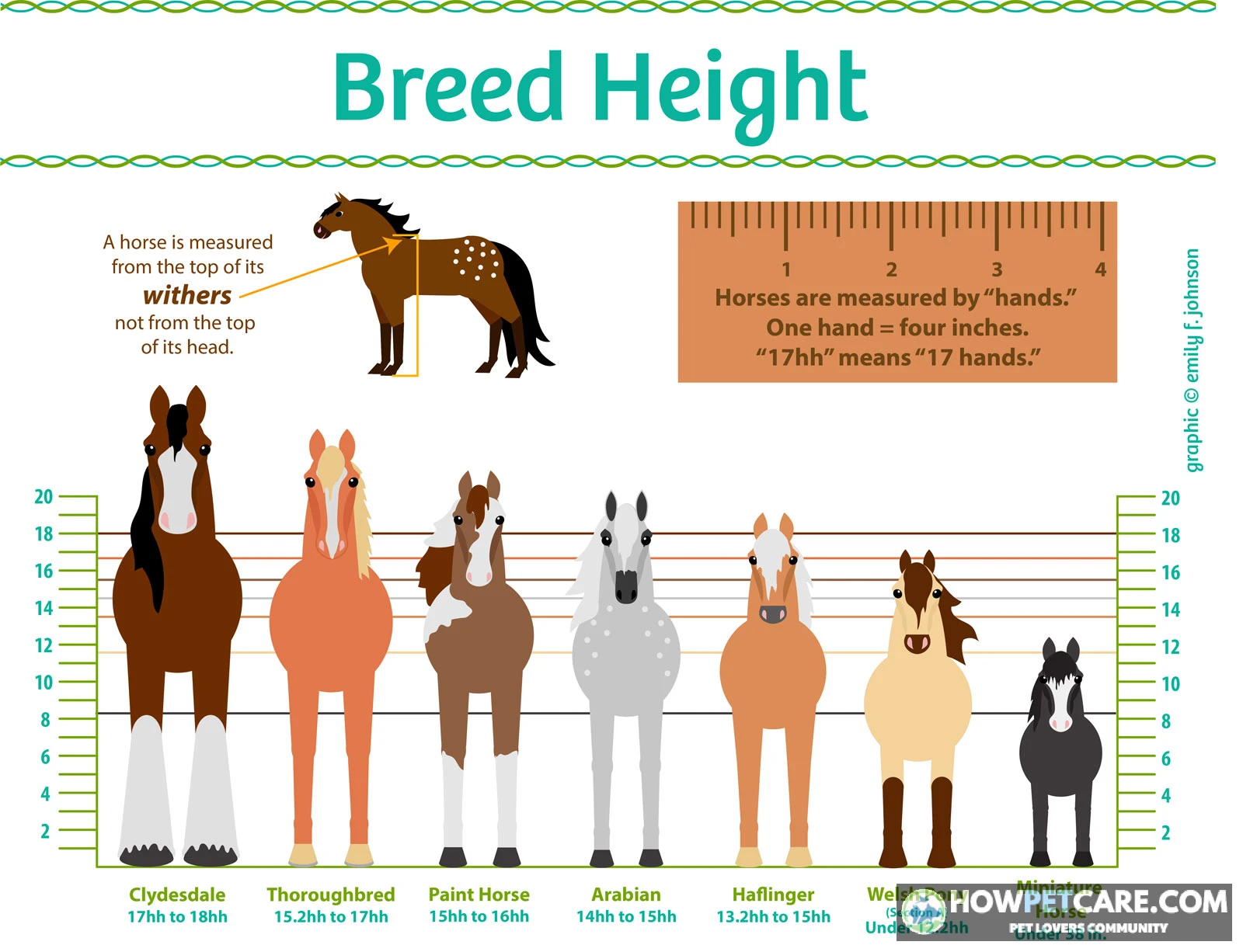
| Average Height | 14.1–15.1 hands (145–155 cm) | 15.2–17.0 hands (157–173 cm) | 14.2–15.3 hands (147–160 cm) |
| Body Build | Compact, short-backed, light bone, deep lung capacity | Tall, long-strided, lean, deep heart girth, high withers | Muscular, heavy-boned, broad chest, powerful hindquarters |
| Primary Strength | Supreme endurance, heat tolerance, efficient metabolism | Explosive sustained gallop, jumping scope, forward speed | Short-distance sprinting, agility, cow sense, steady stop |
| Temperament | Highly intelligent, sensitive, reactive, people-focused | Energetic, forward-thinking, hot, requires confident riding | Generally calm, steady, forgiving, level-headed |
| Feed Efficiency | Easy keeper; maintains weight on minimal roughage | Hard keeper; requires high caloric intake and grain support | Moderate to easy keeper; prone to metabolic weight gain |
| Best-Suited Uses | 50–100 mile endurance, trail, pleasure, showing | Eventing, show jumping, hunt seat, competitive racing | Western pleasure, ranch work, barrel racing, beginner mount |
| Beginner Suitability | Conditional: excellent with mature, calm horses; tough with young | Generally poor for true beginners unless extensively trained | High: often the gold-standard breed for first-time equestrians |
Arabian vs Thoroughbred
The Thoroughbred traces its paternal heritage directly back to foundation Arabian sires, but centuries of selective breeding for short-to-middle distance turf racing have produced a vastly different animal. The Thoroughbred is taller, longer in the back, and has immense stride length designed to sustain speeds of 35 to 40 miles per hour over distances of one to two miles. That elongated frame lacks the compact skeletal resilience and quick thermoregulation of the desert Arabian.
From a management perspective, Thoroughbreds are notoriously ‘hard keepers.’ They burn substantial energy maintaining body condition and often need large rations of concentrated commercial feeds, premium alfalfa, and specialized digestive supplements. The Arabian is an ‘easy keeper’ that maintains good body score on modest grass hay. Taller riders (over 6 feet) will generally feel more balanced on a 16.2-hand Thoroughbred than a 14.3-hand Arabian.
Arabian vs Quarter Horse
The American Quarter Horse is the most populous breed in the United States, celebrated as a level-headed, stocky ranch mount. Compared with the Arabian, the Quarter Horse has far heavier muscling, a lower head carriage, and an innate instinct for managing cattle. Quarter Horses are typically less reactive to unexpected trail hazards, making them the standard recommendation for timid or unguided novice adult riders.
The Arabian outclasses the Quarter Horse when long distances or high heat come into play. Over a 25-mile mountain trail in 85°F weather, an Arabian’s thin skin, prominent surface veins, and dense bone allow it to disperse internal metabolic heat rapidly, returning to resting pulse and respiration in a fraction of the time required by a heavy-muscled Quarter Horse. If your goal is day-long trail exploring, competitive endurance, or an interactive, affectionate relationship with an equine partner, the Arabian is hard to beat. If your focus is quiet ranch work, roping, or low-speed arena pleasure, the Quarter Horse holds a clear edge.
What an Arabian Horse Really Costs: Purchase Price and Monthly and Annual Care
Equine ownership requires clear economic planning. An Arabian’s purchase price is only a minor initial fraction of the lifelong financial commitment. Prospective owners must account for recurring boarding or home maintenance, routine farrier care, veterinary medicine, nutritional support, and emergency buffers.
Purchase price ranges
In the current 2026 equine market, purchase prices for purebred Arabians span distinct tiers based on age, training, bloodline pedigree, and show or endurance achievements:
- Pleasure, Trail, or Companion Mounts ($1,500 – $4,500): Unregistered purebreds, older trail horses (ages 15+), green horses requiring finishing, or sound pleasure mounts without competitive show records. These horses make rewarding family companions.
- Finished Riding & Competitive Trail Horses ($5,000 – $12,000): Well-broke geldings or mares with solid training, safe ground manners, and proven mileage in trail riding, local showing, or entry-level endurance (25–50 mile Limited Distance rides).
- Regional Show, Elite Endurance, or Quality Breeding Stock ($12,000 – $25,000): Horses competing successfully at Class A or regional AHA shows, horses with top 50-to-100-mile endurance completions, or well-bred mares from respected performance strains.
- Straight Egyptian, National Champion, or Preservation Bloodlines ($25,000 – $100,000+): Elite halter champions, rare preservation foundation stock, and Straight Egyptian mares or breeding stallions with international pedigree appeal.
Monthly and annual cost breakdown
Keeping an Arabian requires budgeting for continuous, non-negotiable living expenses. This worked cost model shows typical expenses in the United States in 2026, comparing full commercial barn boarding with keeping a horse on private property:
| Expense Category | Boarded at Commercial Barn | Kept on Private Property / Home Farm |
|---|---|---|
| Board / Facility Upkeep | $400–$900 / month (full care) | Land, fence, shelter repair: $50–$200 / month |
| Hay and Concentrated Feed | Included in standard full board | $150–$300 / month (hay + ration balancer) |
| Farrier (trimming every 6–8 weeks) | $40–$80 / month (averaged) | $40–$80 / month (barefoot trims) |
| Routine Veterinary & Dental Exams | $40–$80 / month (averaged annually) | $40–$80 / month (averaged annually) |
| Deworming, Vaccines & Routine Meds | $20–$50 / month | $20–$50 / month |
| Equine Mortality & Major Medical Insurance | $25–$60 / month (optional) | $25–$60 / month (optional) |
| Professional Lessons or Training | $0–$200+ / month (recommended for novices) | $0–$200+ / month |
| Typical Monthly Total | Roughly $700–$1,400 | Roughly $300–$750 |
| Typical Annual Total | Roughly $8,500–$17,000 | Roughly $3,600–$9,000 |
The recurring budget table above covers only maintenance. A single episode of surgical colic can cost between $8,000 and $12,000 at a referral equine hospital. Every horse owner must maintain a dedicated emergency reserve fund or carry major medical equine insurance to avoid catastrophic financial dilemmas.
Arabian-specific feeding and care notes
Because the Arabian horse evolved in an arid environment with scarce nutritional forage, its digestive metabolism is exceptionally efficient. In modern domestic management, this makes the Arabian a classic ‘easy keeper’. Arabians extract more calories from basic roughage than warmbloods or Thoroughbreds.
Feeding an Arabian rich, unlimited legume hays (such as pure alfalfa) or high-starch sweet feeds will quickly result in severe obesity, cresty neck development, and painful equine metabolic syndrome (EMS) or pasture-associated laminitis.
Best feeding practices for an Arabian include:
- Provide 1.5% to 2.0% of the horse’s target body weight daily in high-fiber, low-sugar grass hay (timothy, orchard grass, or coastal Bermuda).
- Eliminate heavy grain rations unless the horse is actively competing in 50+ mile endurance races. Instead, feed a low-calorie ration balancer pellet that supplies essential amino acids, trace minerals, and vitamins without adding unneeded starch or calories.
- Provide free-choice plain white salt and fresh water at all times. During hot summer training, supplement with balanced equine electrolytes to replace sodium, potassium, and chloride lost through sweat.
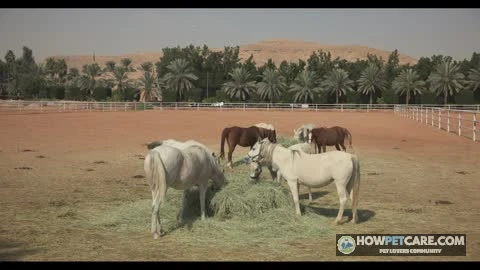
Arabians tolerate summer heat and humidity with ease thanks to their large cutaneous surface area and efficient vascular cooling. In freezing, wet winter climates, however, their thinner coats and lower body fat require adequate run-in shelters and wind protection. Healthy Arabians grow substantial winter coats, but clipped horses or older horses in sub-freezing rain benefit from a breathable, waterproof turnout blanket.
Arabian Horse Health and Lifespan: Genetic Conditions and Pre-Purchase Testing
The purebred Arabian is inherently hardy and has one of the longest lifespans of any domestic equine breed, commonly living 25 to 30 years with diligent veterinary, dental, and hoof care. Many Arabians remain sound and active on riding trails well into their early-to-mid twenties. Because the purebred studbook is genetically closed, specific hereditary conditions exist within the gene pool that buyers and breeders must actively screen for through modern DNA testing.
SCID, CA and LFS explained
Responsible ownership and ethical breeding require understanding the three most critical autosomal recessive genetic disorders affecting the Arabian horse:
- Severe Combined Immunodeficiency (SCID): Foals born with SCID cannot produce functional B and T lymphocytes, leaving them without an adaptive immune system. They appear healthy at birth because of maternal antibodies acquired through colostrum, but they inevitably succumb to opportunistic infections (such as adenovirus pneumonia) and die within five months of age. SCID is completely recessive: a horse carrying one copy of the defective gene is an unaffected ‘carrier’ and leads a completely normal athletic life. The fatal disease occurs only when two carriers are mated together, yielding a 25% chance of an affected foal.
- Cerebellar Abiotrophy (CA): A progressive neurological disease that causes cellular degeneration within the cerebellum, the brain structure controlling motor coordination and balance. Affected foals or young horses display characteristic neurological deficits: a wide-based stance, head tremors (intention tremors), exaggerated high-stepping foreleg movement, and severe difficulty turning in tight circles. Affected horses are dangerous to ride and are typically humanely euthanized. Like SCID, CA is recessive, meaning carriers show zero symptoms and suffer no performance deficits.
- Lavender Foal Syndrome (LFS / Coat Color Dilution Lethal): A lethal genetic neurological defect that causes foals to be born with an unusual diluted coat color (often pale lavender, pinkish-grey, or pale silvery-chestnut), along with severe tetanic seizures, neck arching, and an inability to stand or nurse. Affected foals do not survive and are euthanized shortly after birth. It is inherited in the same autosomal recessive pattern.
Carriers of SCID, CA, or LFS are 100% healthy, normal riding horses. The defective gene produces zero physical symptoms in a single-copy carrier. The danger lies strictly in breeding: mating a carrier stallion to a carrier mare creates a 1-in-4 risk of a fatal or debilitating condition. As a recreational riding or trail owner, buying a carrier gelding or non-breeding mare presents zero health risk.
Pre-purchase exam and DNA testing
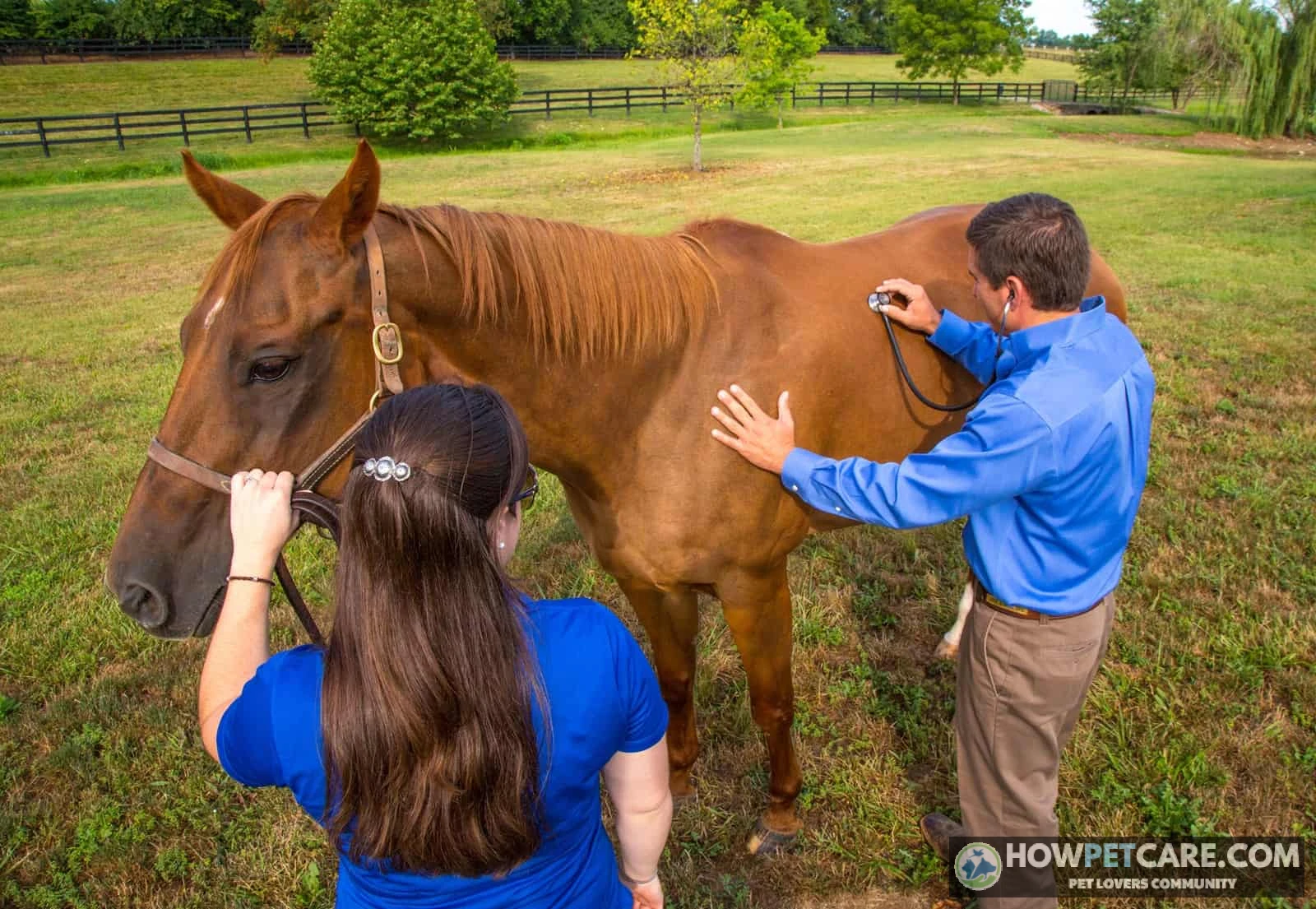
Before finalizing the purchase of any Arabian horse, always hire an independent equine veterinarian—selected by you, not the seller—to conduct a formal Pre-Purchase Examination (PPE).
A thorough PPE includes:
- Physical Evaluation: Auscultation of heart and lungs at rest and post-exercise; thorough ophthalmic exam for equine recurrent uveitis (moon blindness); inspection of mouth, bite alignment, and dental wear; palpation of tendons and joints.
- Lameness Examination: Evaluation at the walk and trot in straight lines and tight lunging circles on both hard asphalt and soft arena footing; passive and active flexion tests applied to hocks, stifles, fetlocks, and knees to expose latent joint pain.
- Radiographs (X-rays): Recommended for performance prospects, focusing on navicular bones, coffin joints, hocks, and stifles to identify arthritis, bone spurs, or conformational defects.
- DNA Screening Panel: If the seller cannot provide written laboratory proof that the horse is DNA-tested clear (or clear by parentage) for SCID, CA, and LFS, request a genetic hair-root or blood test through an accredited laboratory such as the UC Davis Veterinary Genetics Laboratory (VGL) or Etalon Diagnostics. The complete Arabian genetic disorder panel costs approximately $100 to $175 and delivers results within two to three weeks, offering vital peace of mind before closing the purchase.
How to Verify, Register and Buy a Purebred Arabian: Step-by-Step Checklist
Buying an Arabian horse requires methodical verification. Purebred status is legally and biologically established through formal studbook registration, not visual appearance, so cutting corners during documentation reviews can lead to costly heartbreak.
Verifying papers with AHA and WAHO
To ensure a horse is a recognized purebred Arabian, follow strict verification protocols through the primary registry authorities:
- In North America (United States & Canada): Purebred Arabians are registered exclusively through the Arabian Horse Association (AHA) headquartered in Aurora, Colorado. Every purebred receives an official certificate of registration bearing a unique registration number (typically prefixed with an asterisk for imported stock or a simple numeric sequence) along with an embossed seal.
- International Stock: If looking at an imported Arabian, ensure the horse’s foreign registration certificate originates from a national studbook officially recognized by the World Arabian Horse Organization (WAHO). WAHO coordinates uniform purity standards across more than 80 member nations. A horse registered in an unrecognized, rogue studbook cannot be transferred into AHA purebred books.
- Pedigree Search: Use the AHA’s digital database (such as DataSource) to look up the horse’s registered name and number. Confirm that the recorded sex, foaling date, breeder, and physical markings (such as stars, socks, or whorls) match the physical horse standing in front of you.
Where to look and what to inspect
Prospective buyers have multiple avenues when sourcing an Arabian horse, each with distinct advantages and risks:
- Private Breeders & Farms: Ideal for finding young stock, specific bloodlines (such as Straight Egyptian or CMK), and horses with fully documented pedigrees and upbringing. Reputable breeders allow full barn inspections, provide detailed health histories, and facilitate veterinarian examinations.
- Professional Trainers: Trainers often represent client-owned horses that are under active saddle work. This lets you evaluate the horse in full work and observe its response to professional handling.
- Equine Breed Rescues & Adoption Organizations: A wonderful, cost-effective route for finding pleasure, companion, or light trail mounts. Dedicated Arabian rescues frequently have sound, older geldings needing loving homes. Ensure the rescue is an established 501(c)(3) nonprofit with transparent behavioral evaluations.
- Breed Publications and Classifieds: Publications like Arabian Horse World and dedicated regional breed association classifieds showcase vetted show and performance prospects.
Red Flags to Watch for During On-Site Inspections:
- The ‘Pre-Warmed’ Horse: Arriving at the barn to find the horse already cross-tied, fully tacked, sweaty, or lunged before your arrival. Always request to see the horse caught cold from its stall or pasture, groomed, and tacked up in your presence to evaluate ground manners.
- Signs of Sedation: An unusually droopy lower lip, sluggish eye blinks, unsteady footing, or lack of ear movement may indicate chemical calming agents. You can request a blood drug screen during your pre-purchase exam if you suspect chemical masking.
- Hesitant or Hostile Seller: A seller who refuses to allow your veterinarian to perform a PPE, refuses to let you ride the horse outside a familiar round pen, or pressures you to complete a same-day cash deal without paperwork.
- Missing or ‘Lost’ Registration Papers: Never pay a purebred premium for a horse whose papers are ‘lost in the mail’ or ‘promised later.’ If registration cannot be produced and verified through AHA records, consider the animal an unregistered grade horse and price it accordingly.
Your pre-purchase checklist
When you are ready to move from research to purchase, follow this sequential 8-step protocol to protect your investment and ensure an ethical transaction:
1Which specific physical adaptation of the Arabian horse's head evolved to warm, humidify, and filter dry desert air before it reaches the lungs?
The broad forehead expanded internal sinus surface area where inhaled air swirled over mucosal membranes to be filtered, warmed, and humidified.
2Which of the following statements accurately reflect the coat colors, markings, and skin pigmentation of purebred Arabian horses?
Dark epidermal skin pigmentation evolved to protect the horse against harsh solar radiation and blistering in desert environments.
3In Bedouin oral tradition, which of the five primary foundation strains (Al Khamsa) was historically celebrated for its feminine elegance, beauty, speed, and refined bone structure?
The Seglawi strain was famed specifically for feminine grace, refined bone, beauty, and speed.
4How does a typical Arabian horse react when startled by a sudden environmental change under calm handling?
Arabians process stimuli rapidly and tend to inspect threats from a distance rather than bolting mindlessly.
5Which of the following statements accurately contrast the physical and metabolic traits of the Arabian horse with those of the Thoroughbred or Quarter Horse?
Evolving in desert environments gave the Arabian a highly efficient digestive system compared to the high caloric needs of the Thoroughbred.
6What is a major requirement for an Arabian horse to be classified as 'Straight Egyptian' (SE)?
If even a single non-Egyptian ancestor appears in an earlier generation (e.g., 6th generation), the horse loses 'Straight' status.
7Which of the following correctly describe autosomal recessive genetic disorders found in purebred Arabian lines?
SCID leaves affected foals without an adaptive immune system, making them vulnerable to fatal infections once maternal antibodies fade.
8When inspecting a prospective Arabian horse on-site, finding the animal cross-tied, fully tacked, and sweaty upon your arrival is considered a red flag primarily because it may indicate which seller practice?
Pre-warming a horse before a buyer arrives can conceal nervous energy, poor ground manners, or excessive reactiveness.
-
Request Registration Papers Up Front
Ask for a clear physical or digital copy of the horse’s Arabian Horse Association (AHA) certificate before traveling to view the animal. Verify that the seller’s name matches the current recorded owner or that a signed, valid transfer certificate is already attached.
-
Verify Registration in AHA DataSource
Cross-reference the registration number on the AHA online database to verify foaling year, breeder identity, registered colors, and recorded white markings against the horse you intend to inspect.
-
Confirm WAHO Status for Foreign Pedigrees
If the horse is imported or carries foreign registry papers, verify that the issuing studbook holds active recognition under the World Arabian Horse Organization (WAHO) to ensure eligibility for purebred transfer.
-
Review Genetic Test Results in Writing
Ask for written laboratory reports proving the horse is clear (or clear by parentage) for SCID, Cerebellar Abiotrophy (CA), and Lavender Foal Syndrome (LFS). If breeding is intended, never breed two carriers together.
-
Conduct On-Site Ground and Under-Saddle Trials
Observe the horse being caught from turnout, groomed, and saddled. Ride the horse in your intended discipline, test its response to trail obstacles, and ride it on more than one occasion if logistically feasible.
-
Schedule an Independent Pre-Purchase Exam
Hire your own equine veterinarian to conduct a comprehensive clinical exam, including flexions, ophthalmic checks, cardiopulmonary auscultation, and optional radiographs and drug screening.
-
Execute a Written Bill of Sale
Draft a formal purchase agreement listing the horse’s registered name, AHA number, microchip number, purchase price, warranty disclosures, and clear transfer conditions signed by both parties.
-
Submit Transfer Paperwork to AHA
Complete the official AHA Transfer of Ownership form, obtain the seller’s signature on the original registration certificate, and submit the paperwork with required recording fees directly to the Arabian Horse Association.
By systematically evaluating conformation, understanding bloodline predispositions, budgeting honestly for recurring metabolic and farrier care, and insisting on verified genetic screening, you can confidently find an Arabian horse that serves as a loyal, athletic, and joyful equine partner for decades to come.
FAQ
How long do Arabian horses live?
Arabians are known for longevity and commonly live into their mid-20s to 30 with good care. Individual lifespan depends on genetics, nutrition, and workload.
Is an Arabian horse the same as an Arab horse?
Yes, ‘Arab horse’ is a common shorthand for the Arabian horse. Purebred status depends on registered pedigree rather than appearance.
Can Arabian horses carry heavy riders?
Arabians are strong for their size and often carry riders well, but their smaller frames mean rider weight should stay proportionate to the horse. A vet or trainer can assess fit for a specific horse.
Are Arabian horses good for endurance riding?
Yes, the breed dominates endurance riding thanks to stamina, efficient cooling, and recovery. Success still depends on proper conditioning and electrolyte and feed management.
Are Arabians easy to keep?
Many Arabians are easy keepers who maintain weight on less feed, which can lead to obesity or metabolic problems if overfed. Their needs still vary by workload and climate.
What colors do Arabian horses come in?
Arabians most commonly appear as bay, grey, chestnut, and black, sometimes with white markings. Roan occurs less often, while other patterns are not found in purebreds.