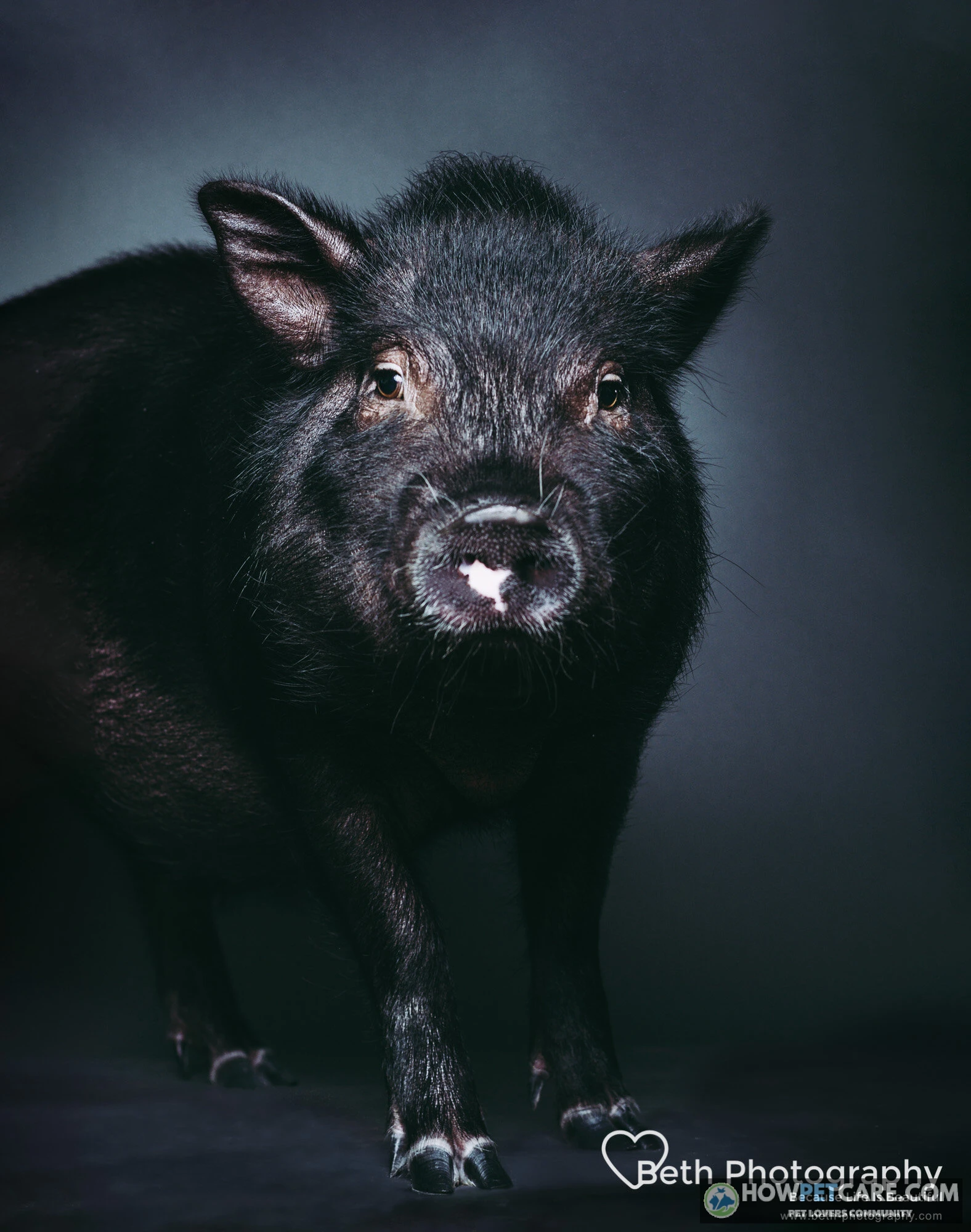

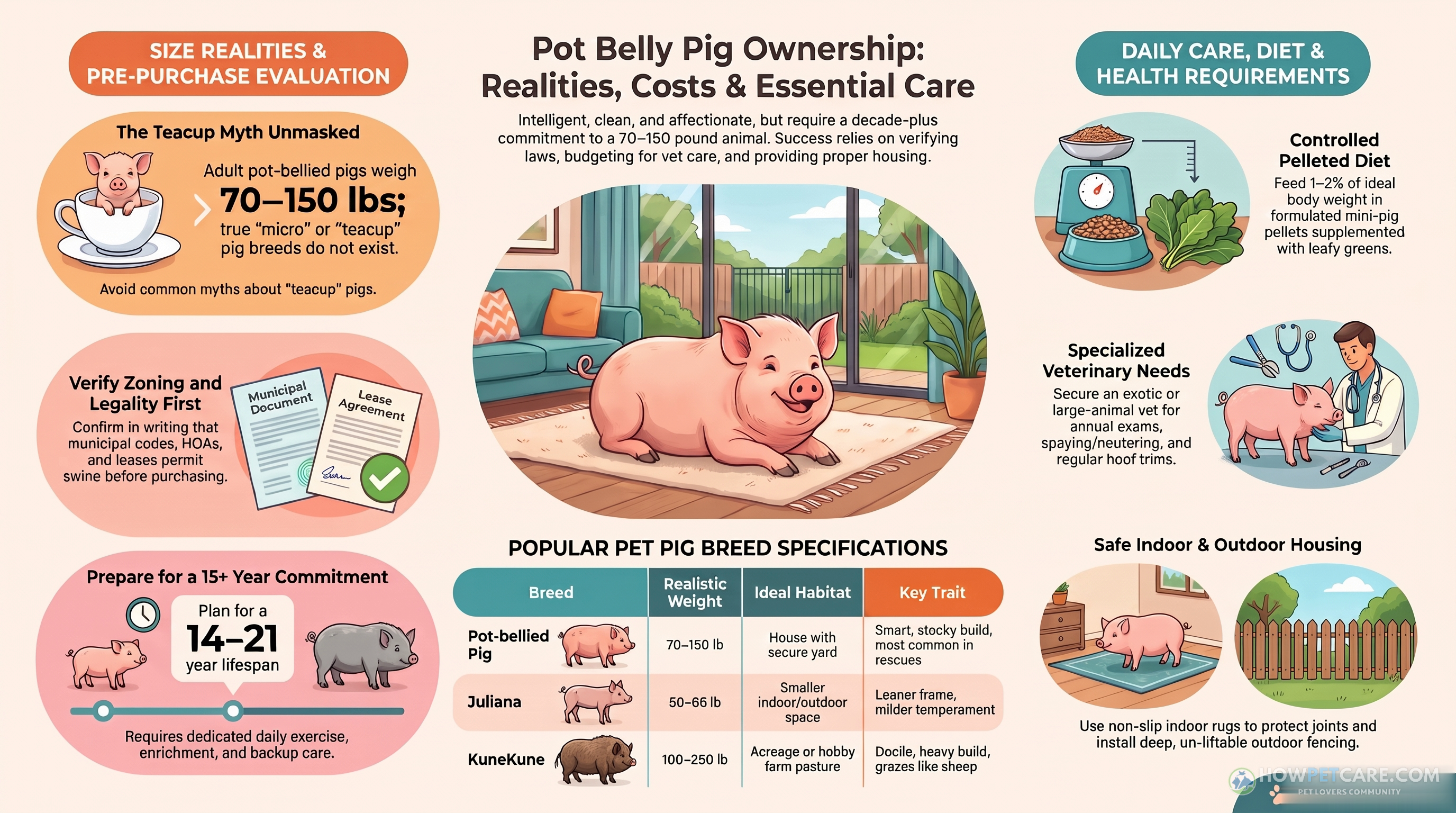
A pot belly pig is a compact domestic pig of Vietnamese pot-bellied lineage that typically weighs 70–150 lb, stands 14–20 in at the shoulder, and lives 14–21 years. It is smaller than a farm hog but never a truly ‘mini’ pet — expect a decade-plus commitment to a roughly 100-pound animal.
A pot belly pig is smaller than a farm hog, but it won’t stay small enough to sit in your lap. A healthy adult pot-bellied pig typically weighs 70 to 150 pounds (32–68 kg), stands 14 to 20 inches (36–51 cm) at the shoulder, and lives 14 to 21 years, with some pigs reaching their late twenties. If you’re considering one as a pet, start there: you’re committing to roughly a 100-pound animal with a teenage-length lifespan, not a novelty that matures in a season. The rest of this guide covers legality, cost, sourcing, feeding, housing, and training to help you decide if that commitment fits your life.
Quick facts: weight, height, lifespan
- Typical adult weight: 70–150 lb (32–68 kg); heavier pigs can top 200 lb (90 kg)
- Shoulder height: 14–20 in (36–51 cm)
- Lifespan: 14–21 years, occasionally up to 30 with excellent care
- Time to reach full size: 3–5 years
- Comfortable temperature range: 60–75°F (16–24°C)
- Gestation: about 114 days, averaging 6 piglets per litter
There’s a distinction new owners often miss: "mini pig" and "pot belly pig" describe an animal smaller than a 400-pound hog, not a small pet. Many pigs sold as miniatures exceed their advertised weight within a few years. Much of that gain is genetic, rather than a failure of care. Body condition matters, too. A pig with a normal frame can still become obese, and obesity — not the frame itself — drives the arthritis, hoof, and heart problems that shorten a pig’s life.
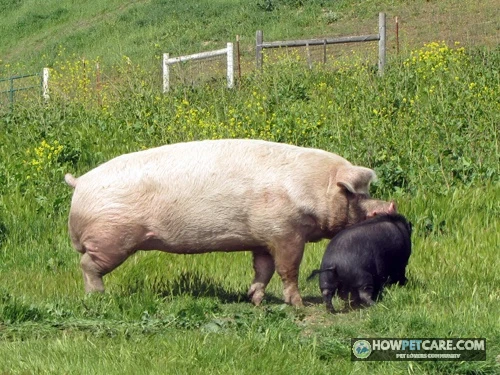
Pot belly pig vs. regular farm pig size
Farm pigs (the standard domestic hog, Sus scrofa domesticus) routinely reach 400 to 700 pounds or more, so a pot-bellied pig at 70–150 pounds is genuinely smaller. But there’s a considerable difference between a farm hog and a 100-pound pet, and new owners can underestimate both. The Vietnamese pot-bellied pig lineage was domesticated in the Red River Delta around Nam Định province, Vietnam, and imported to the United States starting in the 1980s. It was selected for a compact build, yet four decades of selective breeding have never produced a reliably tiny adult. A pig’s tail offers one clue to its lineage: a true purebred pot-bellied pig has a straight tail carried high, while a tightly curled tail usually signals crossbreeding with a standard farm pig. Crossbred pet pigs often grow larger than buyers expect.
That 14-to-21-year lifespan shapes the whole decision. For scale, that is many times the average lifespan of pet rats. Over that time, you’ll need housing that can withstand a rooting animal, a budget for an aging pig’s joint and dental needs, care arrangements for every trip, and a named person who can take the pig if your circumstances change. Successful owners prepare for a decade-plus commitment from day one rather than assuming they can rehome the animal later.
Are Pot Belly Pigs Good Pets? An Honest Look at Temperament and Fit
The honest answer to "are pot belly pigs good pets" is yes for the right household, but no for many others. Pot-bellied pigs are intelligent, food-motivated, and highly trainable, and they bond closely with their families. They keep clean habits when litter- or yard-trained and can live comfortably indoors. They’re also strong and loud, and boredom can make an under-stimulated pig destructive.
Pros and cons at a glance
Pros:
- Smart and trainable: pigs learn names, tricks, and house rules quickly because they’re food-motivated.
- Social animals that form close bonds with people.
- Clean by nature: they avoid soiling their sleeping and eating areas and take readily to a litter box.
- Manageable size indoors compared with a farm pig.
Cons:
- Rooting is instinctive and relentless; an unmanaged pig will tear up carpet, yards, and gardens.
- Loud: pot-bellied pigs use at least 20 distinct vocalizations, including piercing squeals.
- Food and territorial aggression is common in unneutered or poorly socialized pigs.
- Demanding: they need daily interaction, enrichment, and a firm, consistent routine.
Rooting, noise, and aggression: what to expect
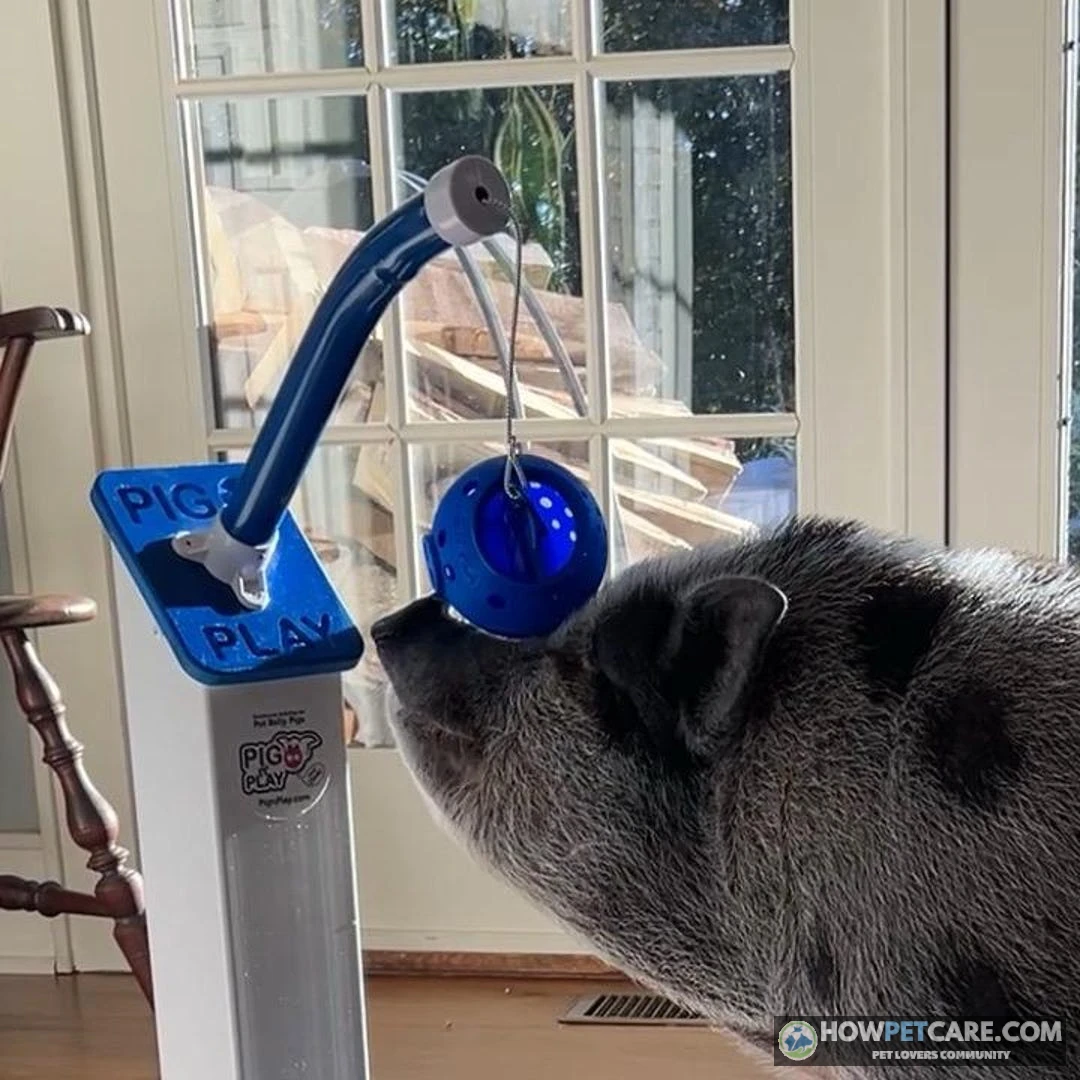
Pigs use body language along with grunts, squeals, and barks — at least 20 distinct sounds. A squeal doesn’t necessarily mean distress; pigs vocalize to demand food, protest handling, or claim space. Rooting is an instinctive foraging drive powered by a sensitive snout. The rostral bone supports the flat, disc-like snout, and a pig can smell buried food deep below the surface. Without an outlet, that drive can lead to shredded sofas and excavated lawns. Give your pig a rooting box and safe places to dig from the first day.
Aggression is real, though manageable. Unneutered boars in particular can become territorial and pushy, and any pig can learn to bite for food if boundaries are inconsistent. Spaying and neutering, combined with early, reward-based training, prevent most of it.
Is a pet pig right for your household?
Pigs suit owners who are home often, have a secure yard, and are ready for a decade-plus of daily work. They’re a poor fit for frequent travelers, renters who may need to move, homes with toddlers (a 100-pound animal can bowl over a small child), and anyone who believes the hypoallergenic myth. Enrichment isn’t optional: rooting boxes, snuffle mats, food puzzles, and daily foraging help turn a bored, destructive pig into a manageable companion.
Pot-bellied pigs produce dander, saliva, and urine proteins that can trigger allergies. If anyone in your home has a known allergy, spend time around pigs before you commit.
Before You Fall for a Piglet: The Pre-Purchase Decision Framework
Before you fall for a piglet, work through four gates in order: legality, budget, space, and long-term commitment. Each is a pass/fail test based on a verified fact, not a hopeful guess. If you fail any gate, stop there.
The four-gate checklist
Work through the gates in order. A "yes" must rest on a verified fact, not a guess.
Gate 1 — Legality
- ☐ I have checked my city/county code for "swine," "livestock," and "exotic animal" rules, not just pet rules.
- ☐ I have confirmed (ideally in writing) that pigs are allowed on my parcel’s zoning designation.
- ☐ My HOA covenants, lease, or landlord agreement do not prohibit pigs.
Gate 2 — Budget
- ☐ I can afford roughly $1,500–$3,000 in year one (pig, setup, and vet care) without straining rent or savings.
- ☐ I have identified a vet within driving distance who actually treats pigs — most dog-and-cat clinics will not.
- ☐ I can hold a $1,000+ emergency fund; pig-experienced vets often charge exotic-animal rates.
Gate 3 — Space
- ☐ I have secure outdoor space with fencing a rooting pig cannot lift or dig under, plus shade and shelter.
- ☐ Indoors, I can pig-proof: cabinets, the fridge, trash, and cords are all fair game to a bored pig.
- ☐ My flooring works — pigs slip and injure joints on slick tile or hardwood without rugs or mats.
Gate 4 — The 15+ Year Commitment
- ☐ I can name the person who takes the pig if I move, get sick, or can no longer keep it.
- ☐ My housing is stable enough for an animal that can live 15–20 years and is very hard to rehome.
- ☐ I can give 1–2+ hours daily of feeding, exercise, enrichment, and social time — every day, for over a decade.
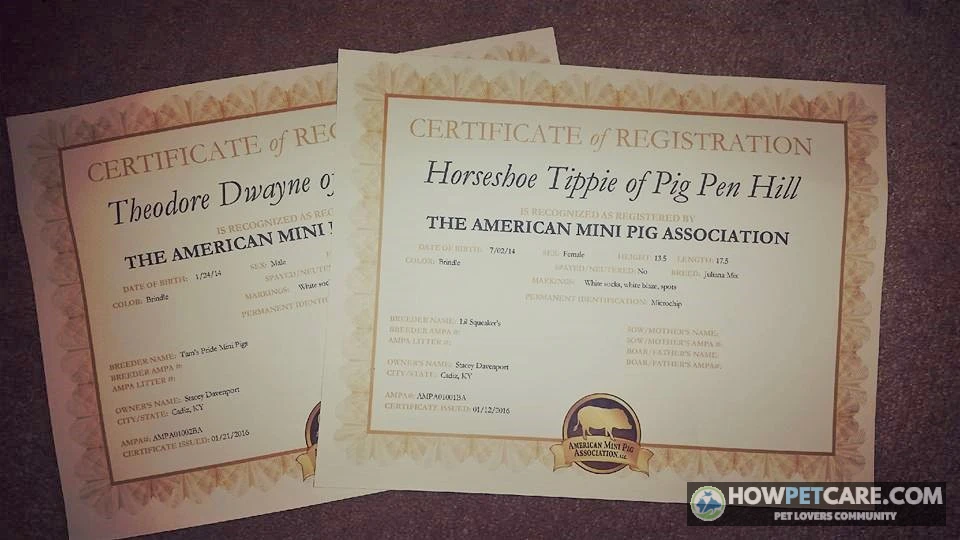
Try before you buy: volunteering at a sanctuary
A few weekends volunteering at a pig rescue or sanctuary offer an inexpensive reality check. You’ll shovel pens, prep food, and handle surrendered pigs, often animals whose owners underestimated their size, cost, or lifespan. Staff can tell you what sellers won’t. You may leave knowing a pig isn’t right for you, which is a far better outcome than a surrender two years from now.
Is It Legal to Keep a Pot Belly Pig? How to Check Zoning and HOA Rules
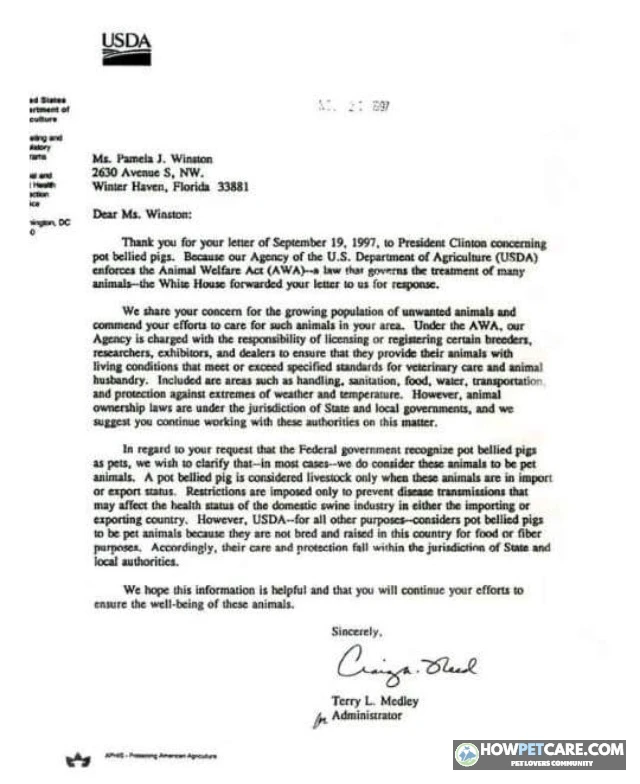
There’s no single answer for the United States. The same animal can be an ordinary pet in one town and prohibited "livestock" in the next. Verify the rules for your exact address before you buy; don’t assume a pig is allowed. Checking zoning at the start, rather than treating it as a footnote, helps keep pigs out of shelters.
Step-by-step zoning check
-
Find your municipal code
Search "[your city or county] municipal code." Most US codes are hosted on Municode, eCode360, or General Code. If your town has no online code, use the county code instead.
-
Search the right words
Use Ctrl-F for "swine," "pig," "livestock," "farm animals," "exotic," and "animal." The rules usually sit under "Animals," "Zoning," or "Nuisances." A ban on livestock almost always includes pigs, even those sold as pets.
-
Look up your parcel's zone
Search "[county] GIS map," enter your address, and note the zone (for example R-1, RA, or agricultural). Many suburban residential zones prohibit livestock regardless of lot size.
-
Read the definitions
Codes define "livestock" and "domestic pet" separately. Some allow "miniature pigs" by name; a few ban them while allowing farm pigs on agricultural land. The definitions determine which rules apply.
-
Call and get it in writing
Ask: "I’m at [address], zoned [zone]. Can you confirm in writing whether keeping one pot-bellied pig as a household pet is allowed, and whether there are lot-size or animal-count limits?" A verbal "probably fine" isn’t enough.
-
Check state agriculture rules
Some states require a health certificate to transport a pig across state lines or a permit to keep swine. Ask your state department of agriculture.
HOA, lease, and insurance restrictions
Even where the city allows pigs, three private restrictions can still stand in your way: HOA covenants (request the CC&Rs), your lease or landlord agreement, and your homeowner’s or renter’s insurance. Some insurers drop policies over livestock on the premises. Get each answer in writing before you commit.
A verbal "should be fine" from a friend or a listing site is not verification. Get written confirmation from your zoning office and your HOA or landlord, and keep it with your adoption paperwork.
Questions to ask your zoning office
Ask three things directly: Is a single pot-bellied pig classified as a pet or as livestock here? Are there lot-size minimums or animal-count limits? And do I need a permit or variance? If pigs are banned outright, ask whether a variance or conditional-use permit is possible; some towns grant them for a single pet pig. Don’t hide a pig to get around a ban. One neighbor complaint can force a rehoming on a short deadline.
Pot Belly Pig Cost: Purchase Price, Monthly Care, and First-Year Budget
As of 2026, treat every figure here as a ballpark range, not a quote. Prices vary by region and by whether a pig-experienced vet practices nearby, so verify costs locally before committing. Budget in three categories: one-time setup, recurring monthly costs, and annual or irregular expenses.
One-time setup costs
| Cost category | Item | Typical range (verify locally) | Frequency | Notes |
|---|---|---|---|---|
| One-time | Adoption fee | $50–$300 | Once | Rescues and sanctuaries; often already altered and litter-trained |
| One-time | Breeder purchase | $500–$2,500+ | Once | "Rare" colors or size guarantees inflate price, not quality |
| One-time | Fencing + outdoor shelter | $200–$1,500 | Once | Must resist rooting and leaning; hog panels or reinforced wire |
| One-time | Indoor setup (gates, litter box, bedding) | $100–$300 | Once | A cement-mixing tub or oversized pan works as a litter box |
| One-time | Initial vet exam + vaccines | $100–$300 | Once | Requires a pig vet; often exotic or farm-animal rates |
| One-time | Spay or neuter | $150–$600 | Once | Intact pigs are markedly more aggressive and harder to manage |
| Monthly | Formulated mini-pig feed | $20–$50 | Monthly | The base diet, not a supplement |
| Monthly | Vegetables and produce | $10–$30 | Monthly | Supplement and training treats |
| Monthly | Bedding + litter | $15–$40 | Monthly | Paper-based litter; avoid clumping cat litter |
| Monthly | Enrichment (toys, rooting material) | $5–$20 | Monthly | Helps prevent destructive boredom |
| Annual | Wellness exam | $75–$200 | Yearly | House-call farm vets cost more but reduce transport stress |
| Annual | Deworming and parasite checks | $20–$50 | Yearly | Schedule set with your vet |
| Irregular | Hoof trims | $50–$150 per session | 1–2x yearly | Some owners learn a maintenance trim; vets handle bad cases |
| Irregular | Emergency fund | $1,000+ recommended | As needed | Pig emergencies often need an exotic or large-animal hospital |
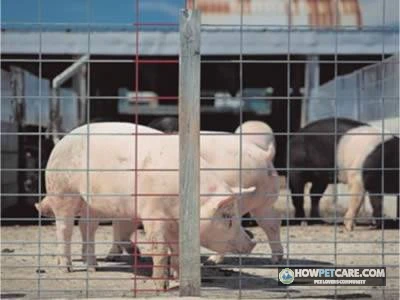
The largest first-year expenses are usually the pig, fencing and shelter, and spay/neuter. Fencing must withstand a 100-pound animal that roots and leans, so choose hog panels or reinforced wire rather than decorative garden fencing. A pig adopted from a rescue often arrives already altered and litter-trained, lowering both the fee and setup cost.
Monthly and yearly running costs
Feed is a steady expense: a formulated mini-pig diet runs roughly $20–$50 a month, produce another $10–$30, and paper-based bedding and litter $15–$40. Each year, plan for a wellness exam ($75–$200), deworming and parasite checks ($20–$50), and hoof trims at $50–$150 a session, usually once or twice a year. Get a local quote to pin down those numbers; access to a nearby pig-experienced vet can change the math considerably.
First-year total: three budget scenarios
- Bare minimum (adopted, DIY setup, healthy year): roughly $900–$1,500
- Realistic average: roughly $1,500–$3,000
- Emergency-ready (breeder pig, paid hoof trims, one vet scare): roughly $3,000–$5,000+
A low purchase price doesn’t guarantee a low-cost pet. Under-socialized breeder piglets and sanctuary surrenders alike can rack up veterinary and training bills. Budget for the animal’s lifetime, not just the sticker price, and keep an emergency fund of $1,000 or more. Pig emergencies frequently require an exotic or large-animal hospital.
The Teacup Pig Myth: Why ‘Mini’ and ‘Micro’ Pigs Don’t Stay Small
No recognized "teacup" or "micro" pig breed exists. These are marketing labels, not breed standards; there’s no DNA test, registry, or breed club that certifies an adult pig as teacup-sized. Every pig sold under those names is a pot-bellied or crossbred pig that will grow, usually for three to five years. The answer to the pot belly pig vs teacup pig question is straightforward: they’re the same animal, and the teacup version is a fiction.
What ‘teacup’ and ‘micro’ really mean
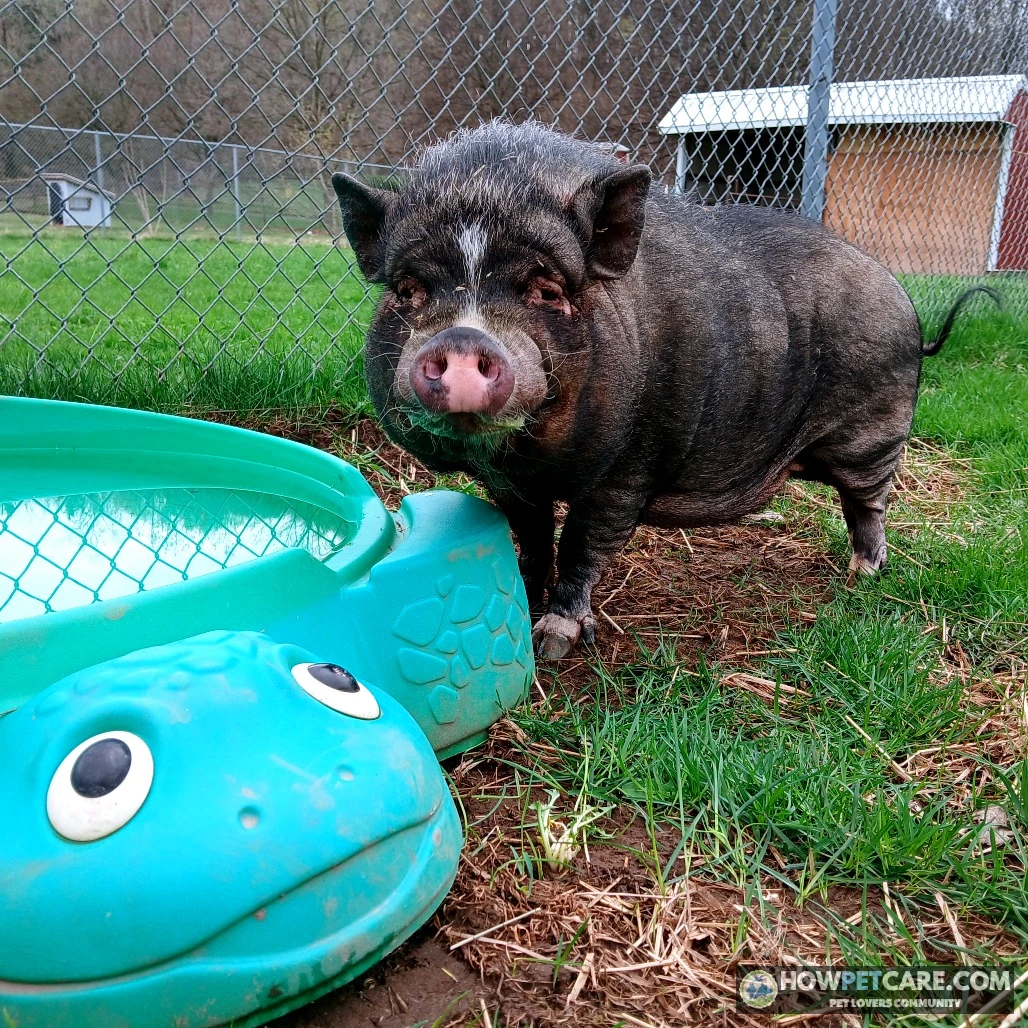
Sellers use a predictable set of tricks. They photograph only piglets, or piglets beside young-looking parents, and sell them before their growth becomes visible. The cruelest practice is deliberate underfeeding: starving a pig to keep it small stunts development and causes malnutrition, weak bones, and behavior problems. Because a pig keeps maturing for years, a buyer who purchases at eight weeks can’t see the adult the pig will become. The consequences are familiar to rescues. Size surprises drive a large share of surrendered and rehomed pigs, and sanctuaries routinely take in "teacups" that grew past 100 pounds and no longer fit the owner’s life.
Red flags in breeder listings
- A "guaranteed" adult weight — no one can honestly promise this on a piglet.
- Only piglet photos, or no adult parents on site.
- "Rare" colors or "teacup" branding sold at a premium.
- No willingness to let you visit or meet the parents.
- A piglet shipped sight-unseen.
Instead, ask to see both parents in person, find out their adult weights, and request vet records and references. A responsible seller welcomes those questions.
Never buy from a seller who implies you should restrict food to keep a pig tiny. Malnutrition and stunting cause lasting harm — a healthy pig is fed to a lean body condition, not starved to hit a target weight.
Pot-Bellied Pig vs. Juliana vs. KuneKune: Which Pig Fits Your Home?
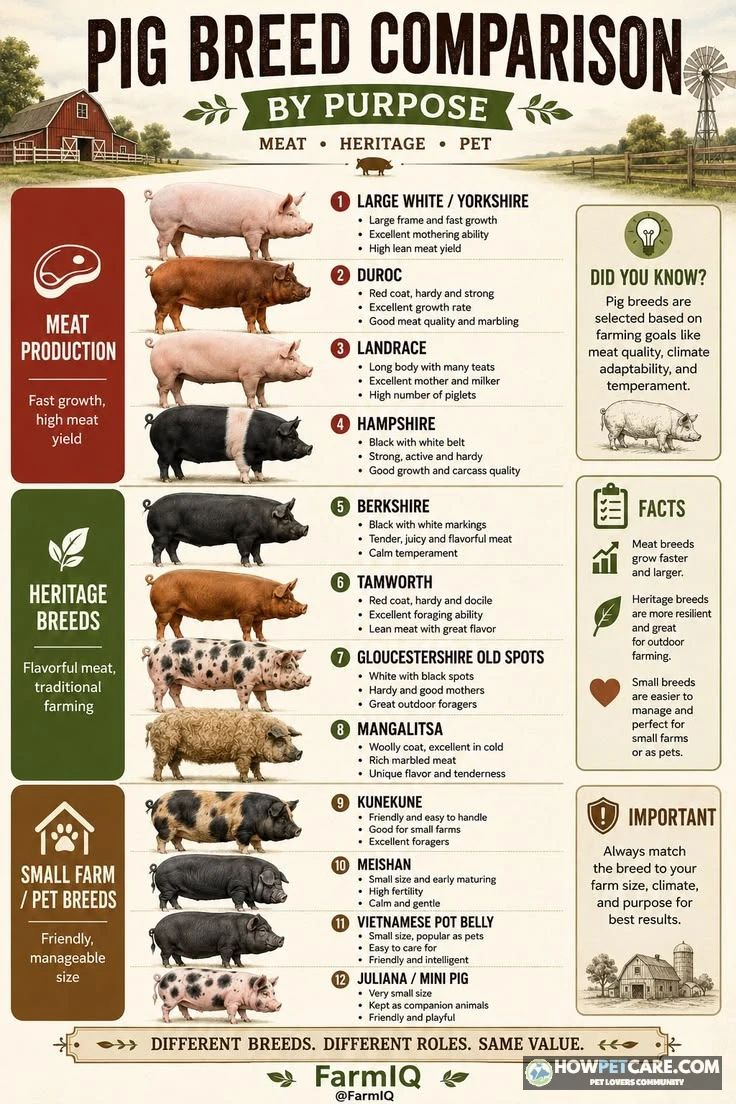
"Mini pig" is a marketing category, not a breed. All three breeds below are sold under that label, and none stay piglet-sized. Comparing them can help you assess the options rather than choosing a pot-bellied pig by default. If you’re still weighing species broadly, start with our beginner’s guide to exotic pets.
| Trait | Pot-bellied pig | Juliana | KuneKune |
|---|---|---|---|
| Realistic adult weight | 70–150 lb (heavier if overfed) | 50–65 lb | 100–250 lb |
| Shoulder height | ~14–20 in | ~13–15 in | ~20–24 in |
| Lifespan | 15–20 years | 14–18 years | 15–20 years |
| Build | Stocky, swayed back, pronounced belly | Leaner, longer-legged, dog-like frame | Round, heavy, very hairy |
| Temperament | Smart, stubborn, can be territorial | Milder and more handleable; still pig-headed | Docile, people-oriented, among the calmest |
| Space needs | Indoor + secure outdoor rooting area | Same needs, at a smaller scale | Best with real pasture |
| Grazing ability | Roots heavily; will excavate a lawn | Roots, somewhat less intensely | Grazes like a sheep; roots less |
| Indoor suitability | Most commonly kept indoors; litter-trainable | Best suited to indoor life of the three | Possible but impractical at adult size |
| Trainability | Very high (learns bad habits fast, too) | High | Moderate; mellow but less biddable |
| Availability / typical price | Most common; $500–$2,500 breeder, widely in rescues | Less common; often $1,000–$3,500+ | Moderate; $800–$2,500; easier to find in rural areas |
Decision shortcut:
- Apartment or small suburban yard → Juliana, or reconsider whether a pig fits at all.
- House with a secure yard → pot-bellied (the largest rescue adoption pool) or Juliana.
- Acreage or hobby farm → KuneKune, essentially a pasture pig that tolerates people well rather than a couch pet.
What Pot Belly Pigs Eat: Portions, Safe and Toxic Foods, and Weight Management
A sound pig diet starts with formulated mini-pig pellets, not table scraps. The pellets are a complete, balanced feed designed for the slower growth and lower protein needs of a pet pig. Vegetables supplement them, and treats should be minimal. Feeding your pig like a farm hog — high-calorie and free-choice — is the fastest route to an obese, arthritic animal.
How much to feed by weight and age
A common starting rule is about 1–2% of the pig’s ideal body weight in pellets per day, split into two meals. That’s roughly 1–2 cups total for a healthy 100-pound adult, less for piglets and leaner Julianas, and adjusted for seniors. Confirm the amount with your vet, since age, activity, and body condition all affect it. Piglets need a starter ration and more frequent meals; seniors often need fewer calories and softer food.

Safe vs. toxic foods
| Food | Category (safe / limit / avoid) | Why | Serving note |
|---|---|---|---|
| Leafy greens (romaine, kale, chard) | Safe | Low calorie, high fiber | Bulk of the veggie portion; rotate varieties |
| Cucumber, zucchini, celery | Safe | Low sugar, hydrating | Good low-calorie training treats |
| Bell peppers, broccoli | Safe | Nutrient-dense | Small amounts; broccoli can cause gas |
| Carrots | Limit | Sugary for daily feeding | A few slices, not whole carrots daily |
| Apples, berries | Limit | Sugar adds up fast | Treat-sized pieces; remove apple seeds |
| Bananas | Limit | High sugar and starch | Small coins as high-value training rewards |
| Grapes / raisins | Limit | Concentrated sugar | A few at most; not known to be toxic to pigs, but easy to overdo |
| Avocado | Avoid | Persin and high fat | All parts — flesh, pit, skin |
| Onions, garlic | Avoid | Can damage red blood cells | Includes cooked dishes and seasonings |
| Chocolate, caffeine, alcohol | Avoid | Toxic to pigs as to dogs | No safe amount |
| Raw kidney beans, green potato skins | Avoid | Natural toxins (lectins, solanine) | Cooked white potato flesh in tiny amounts only |
| Fruit pits (cherry, peach, plum) | Avoid | Choking and cyanide compounds | Flesh is fine; pits are not |
| Moldy or spoiled food | Avoid | Mycotoxins; pigs suffer severe mold and salt poisoning | Don’t assume pigs can eat anything |
| Salty processed food (chips, lunch meat) | Avoid | Salt toxicity, especially with low water intake | A real emergency in pigs |
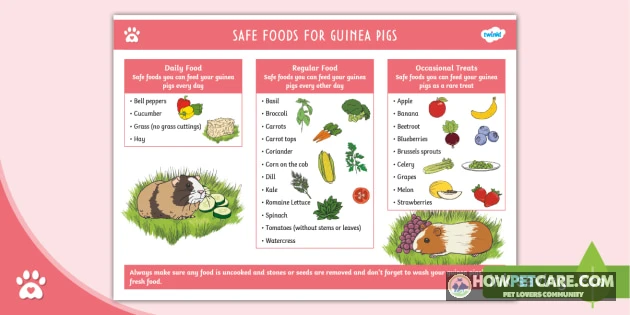
Fresh water must always be available. Pigs deprived of water and then allowed to gulp freely can develop a dangerous sodium imbalance, and salty human food raises that risk. Check and change the water daily, and never rely on a mud wallow for drinking.
Put part of the daily pellet ration in a snuffle mat or foraging toy instead of a bowl. Slow feeding helps guard against obesity while satisfying the rooting drive.
Keeping your pig at a healthy weight
Learn to assess your pig’s body condition. You should feel ribs under light pressure and see a slight belly tuck from the side; a flat, barrel-shaped pig is overweight. If you can no longer feel the ribs, cut back gradually. Swap part of the pellet ration for low-calorie vegetables rather than starving the animal. Weigh your pig monthly and keep a log: slow, steady gain is the earliest warning of obesity, the single most common health problem in pet pigs.
Pot Belly Pig Health: Vet Schedule, Hoof and Tusk Care, and Common Problems
Your first health task is logistical, not medical. Before bringing a pig home, find an exotic veterinarian or farm-animal vet who actually treats pigs; most dog-and-cat clinics won’t see one. Call ahead and ask if they treat pot-bellied pigs, whether they or a colleague handle hoof trims, and what emergency coverage they provide. This section offers general guidance and assumes you have a pig-experienced vet. It isn’t a substitute for diagnosis or treatment.
Vet schedule: vaccines, deworming, spay/neuter
Build the schedule with your pig vet, since protocols vary by region and risk:
- A wellness exam within the first week of ownership, then annually.
- Core vaccinations (commonly erysipelas and others) on a vet-set timeline.
- Routine deworming and fecal parasite checks, typically on an annual or seasonal schedule.
- Spaying females and neutering males, usually while young — this reduces aggression, roaming, and some cancers. Intact pigs are markedly harder to manage.
Dippity Pig Syndrome: recognize and respond
Dippity Pig Syndrome (bleeding back syndrome) is rare but alarming. It most often appears in pigs roughly four months to two years old. Its signature sign is sudden, patchy oozing or bleeding sores across the back and hindquarters, often accompanied by pain, stiffness, or a dipped, arched spine — hence the name. It can appear overnight and looks like the skin is sloughing off. The cause isn’t fully understood and care is supportive, so prompt veterinary attention is the priority. Don’t diagnose or treat it at home.
If your pig develops sudden bleeding patches or scabs along the spine, call your pig vet immediately. Keep the pig calm and quiet, stop it from scratching, and don’t wait to see if it improves — early support matters.
Hoof trimming and tusk care protocols
Overgrown hooves are common in pet pigs and can cause pain, splayed toes, and joint strain. Check hooves monthly and book a trim if the tips curl or the pig’s gait changes. Many owners learn a maintenance trim with guidance, but a badly overgrown hoof or a struggling pig needs a vet or a farrier experienced with pigs, sometimes under sedation. On hard flooring, trims usually fall on a 6- to 12-month cycle. Tusks need attention too. Intact and some neutered males grow tusks that can curve into the lip or cheek, and sows have smaller ones. A vet should trim them, not an owner at home, because the tooth has a nerve. The same overgrowth logic behind chinchilla tooth overgrowth applies here: prevention beats correction. Ask your vet to check tusks at each annual exam.
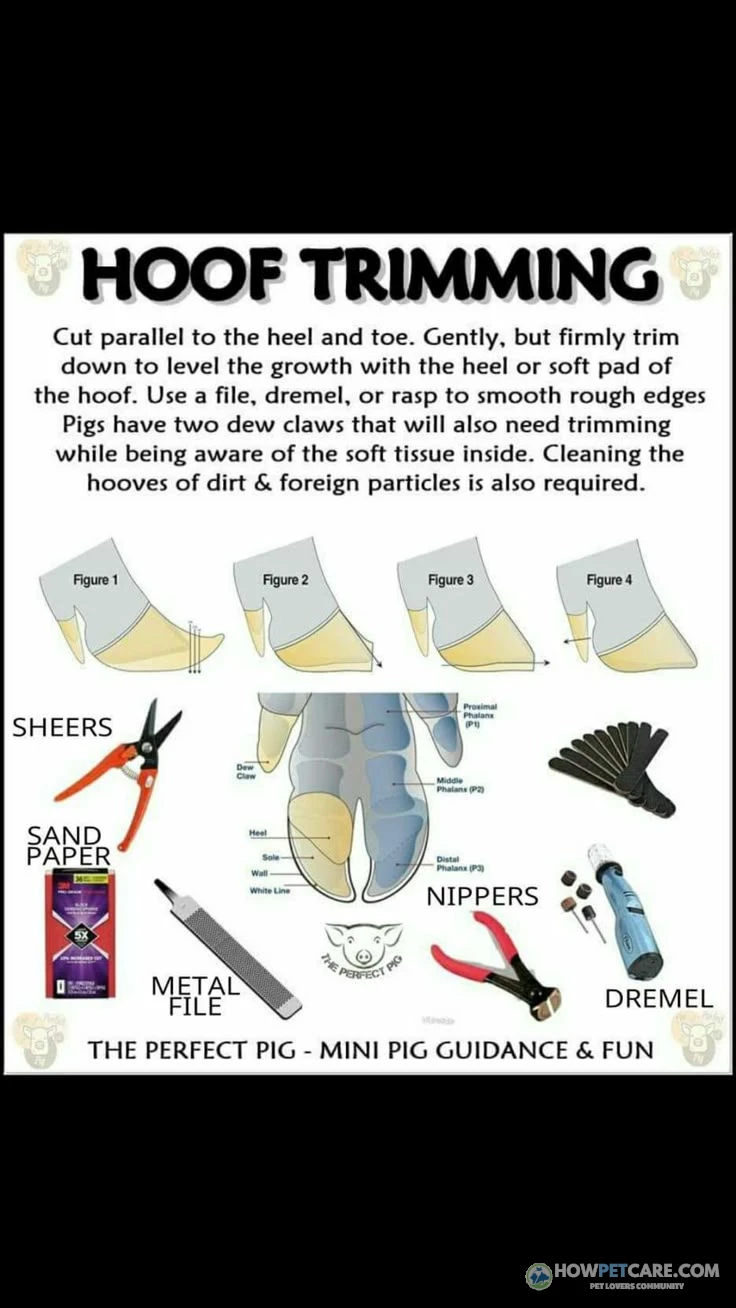
Other problems to watch for include obesity, arthritis and joint issues, skin conditions and mange, respiratory illness, and urinary tract problems. Call the vet now if your pig isn’t eating or drinking, strains or has blood in the urine, develops sudden back sores, has labored breathing, can’t stand, or has a bloated, painful abdomen.
Housing and Training a Pet Pig: Litter Box, Harness, and Daily Routine
Setting up indoor and outdoor housing
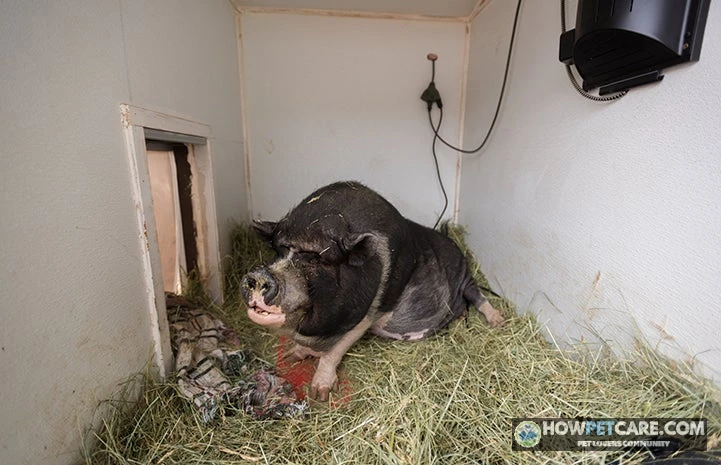
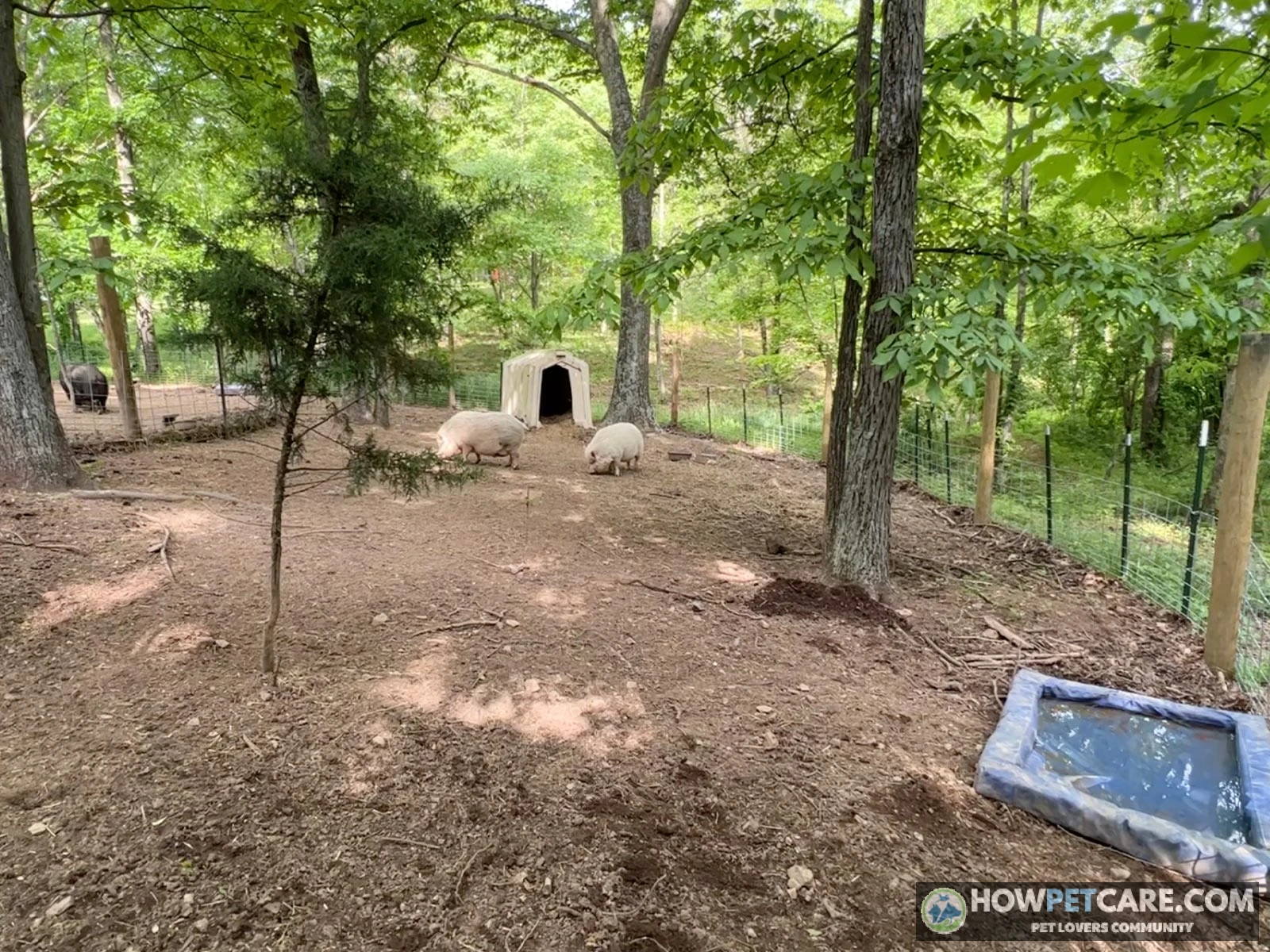
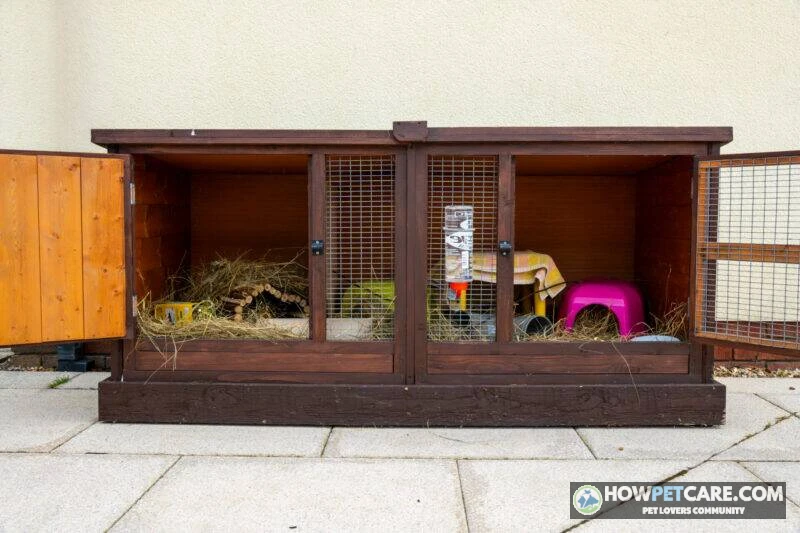
Indoors, pigs need non-slip flooring. Slick tile or hardwood causes joint injuries, so use rugs, mats, or carpet. Pig-proof the space by securing cabinets, the fridge, trash, and cords; a bored pig will open and empty them. Provide a nesting area with blankets the pig can burrow into, and use baby gates to limit roaming. Keep the room within the pig’s comfort range of roughly 60–75°F; pigs have no functional sweat glands and overheat easily. Outdoors, use fencing a rooting, leaning pig can’t lift or dig under, such as hog panels or reinforced wire set into the ground, at least chest-height on the pig. Add shade, a dry shelter, and, in hot weather, a shallow wallow or kiddie pool. Pigs cool themselves by wallowing in mud or water rather than sweating.
Litter-training in six steps
-
Pick the box
Use a large, low-sided container — a cement-mixing tub or oversized litter pan works far better than a cat box for a growing pig.
-
Choose paper litter
Use paper-based or pelleted litter. Avoid clumping cat litter and anything scented, since pigs may ingest it.
-
Place it well
Put the box away from the pig’s bed and food, in an easy-to-reach corner the pig naturally favors.
-
Schedule frequent trips
Take the pig to the box after waking, eating, playing, and drinking. Pigs are creatures of habit and usually choose a spot.
-
Reward every success
Treat and praise the pig as soon as it uses the box; reward within seconds so it connects the action to the reward.
-
Handle accidents neutrally
Clean accidents without punishment, remove the scent with an enzyme cleaner, and keep the schedule consistent. Never scold or rub the pig’s nose in it — that backfires.
Harness and leash training in steps
Pigs wear an H-harness or body wrap sized to the chest and belly, never a neck collar. Train in short sessions:
- Let the pig wear the harness indoors for a few minutes with treats, building up the time.
- Clip on a light leash and let the pig drag it indoors before you hold it.
- Hold the leash loosely and follow the pig, rewarding calm movement.
- Encourage the pig to follow you with treats, keeping pressure light and never jerking.
- Move outdoors to a quiet area, then add duration and mild distractions.
Use a clicker or a consistent marker word paired with food. Pigs learn fast, and the same food motivation that makes them trainable can teach them bad habits if you reward those. Give rooting a suitable outlet: a sandbox or a box of shredded paper with hidden treats lets the pig dig without destroying the house. A workable daily routine includes measured meals morning and evening, a midday rooting or foraging session, a harness outing, and dedicated social time — one to two hours a day across feeding, exercise, enrichment, and companionship.
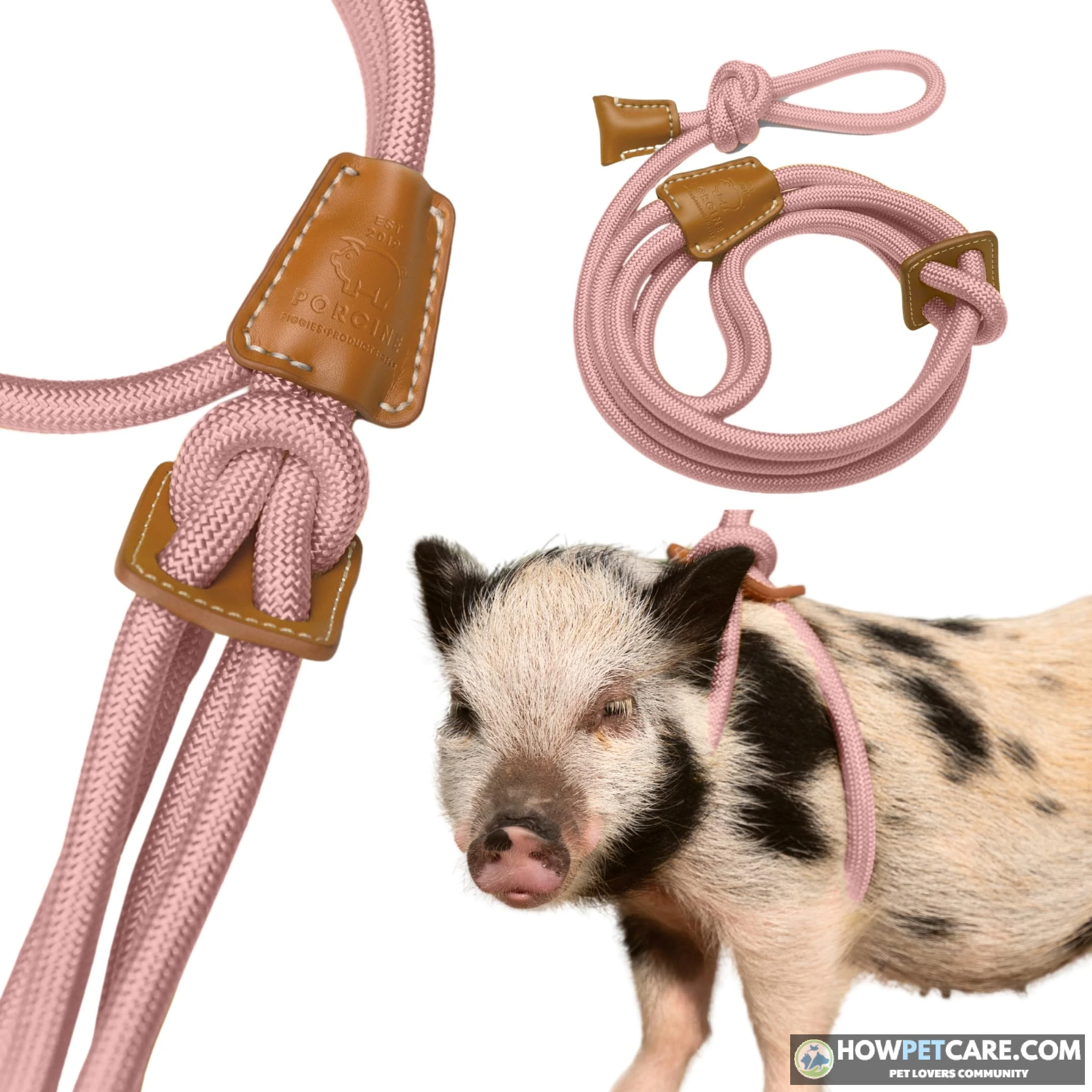
Slippery floors are a leading cause of injury in indoor pigs. Cover slick areas with rugs, mats, or carpet runners so your pig gets traction and its joints stay protected.
1A prospective pet owner is examining a young pig advertised as a purebred pot-bellied pig. Which physical feature would most strongly indicate that the animal is actually crossbred with a standard farm hog?
Purebred pot-bellied pigs carry straight tails high, whereas a tightly curled tail signals crossbreeding with a standard domestic farm hog.
2Which of the following are mandatory criteria defined in the pre-purchase decision framework before acquiring a pet pot-bellied pig?
Verifying legal permission in writing prevents short-notice forced rehoming caused by local ordinance or property restrictions.
3Why is purchasing an eight-week-old piglet advertised as a 'teacup pig' considered a major risk for buyers seeking a permanently tiny pet?
Full physical growth spans several years, allowing piglets sold under marketing labels to mature into standard 100-plus-pound adults.
4Which set of foods must be strictly excluded from a pot-bellied pig's diet due to direct toxicity risks?
These items contain dangerous compounds such as persin, red blood cell toxins, lectins, or toxic mycotoxins.
5A household seeking a pet pig prefers an animal that is lighter in weight, has long legs, and is best adapted to indoor life. Which statements accurately describe how the Juliana pig compares to the pot-bellied pig and KuneKune?
Juliana pigs represent the smallest average weight range among the three commonly discussed pet pig breeds.
6Why should an owner avoid attempting to trim a male pot-bellied pig's overgrown tusks at home?
Tusks are true teeth with live nerve tissue inside, requiring professional veterinary knowledge to shorten safely.
7When harness-training a pot-bellied pig for outdoor walks, which design should be selected?
An H-harness distributes pulling force safely across the body frame without straining the neck or airway.
8When verifying whether a pot-bellied pig can be legally kept at a specific residential address, why is reviewing general municipal 'pet rules' insufficient?
Municipal codes evaluate animal species under agricultural definitions, meaning a pet pig may be banned under livestock ordinances even in towns with relaxed pet limits.
Where to Adopt or Buy a Pot Belly Pig and Your Next Steps
Rescue, sanctuary, or breeder: how to choose
Start with rescue. Pot-bellied pig rescues and sanctuaries take in large numbers of surrendered pigs. Adopted pigs are often already spayed or neutered and litter-trained, with adoption fees far below breeder prices. Screening can be thorough — a home visit, a fence check, references — to protect the animal. If you buy from a breeder, assess them carefully: visit in person, meet both parents, ask about health testing and early socialization, and get a written contract with a health guarantee and a return clause. Avoid anyone who ships a piglet sight-unseen or "guarantees" a tiny adult. To find a pig-friendly vet, call local farm-animal and exotic practices and ask area rescues for referrals. On the phone, ask if the practice treats pot-bellied pigs, does hoof trims, and handles emergencies. Confirm this before you commit to an animal.

Your keep-or-not checklist
Tie the decision back to the four gates:
- ☐ Pigs are legal at my exact address, confirmed in writing.
- ☐ I can cover roughly $1,500–$3,000 in year one plus a $1,000+ emergency fund.
- ☐ I have secure outdoor space and a pig-proofed indoor area with non-slip flooring.
- ☐ I can commit to daily care for 14–21 years and have named a backup caretaker.
- ☐ I have found a vet within driving distance who actually treats pigs.
First-week action plan
- Book the initial vet exam and set your vaccination, deworming, and spay/neuter schedule.
- Set up a small safe room with non-slip flooring, a nesting area, and a litter box before the pig arrives.
- Start the measured feeding routine and a fresh-water station on day one.
- Begin litter training immediately using the box schedule above.
- Introduce enrichment — a rooting box, snuffle mat, and foraging toys — so boredom behaviors don’t get a foothold.
FAQ
Do pot belly pigs get along with dogs and cats?
Some can coexist with other pets with careful, supervised introductions, but pigs are prey animals by instinct and dogs may chase or hurt them. Never leave them unsupervised together until you are sure of their relationship.
Do pot belly pigs smell?
Healthy, clean pigs generally have little odor, but intact males can smell strongly and litter boxes or dirty bedding will smell if not cleaned regularly. Spaying or neutering and consistent cleaning keep odor manageable.
Can a pot belly pig live indoors full time?
Many live mostly indoors, but they still need regular outdoor time to root, walk, and get sunlight, in a secure area. Indoor-only living without enrichment often leads to boredom and destructive behavior.
Can pot belly pigs be left alone while I’m at work?
Adult pigs can handle a normal workday if they have a safe space, food-based enrichment, and plenty of attention at other times. Long absences or frequent travel require a pig-savvy sitter.
Are pot belly pigs aggressive?
They are not inherently aggressive, but unneutered pigs, poorly socialized pigs, and pigs with inconsistent boundaries can become pushy or bite, especially over food. Early training, spay/neuter, and consistent rules reduce the risk.