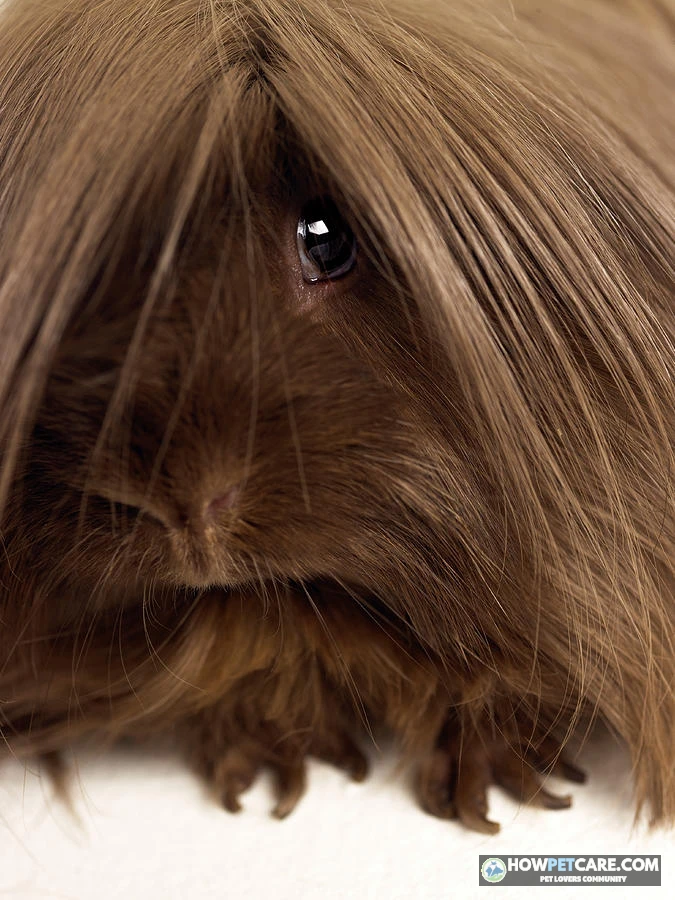

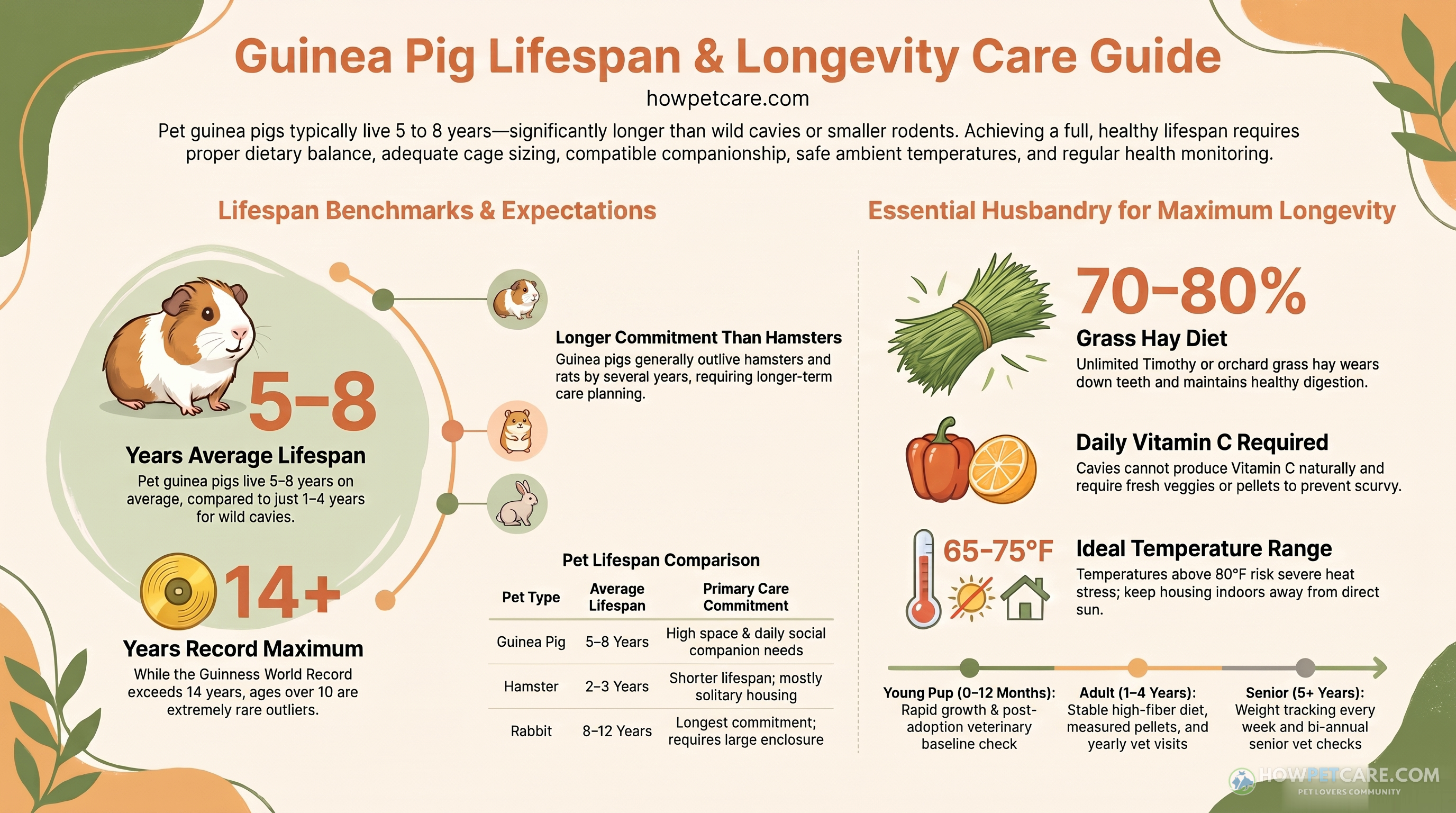
Most pet guinea pigs live about 5–8 years, with 5–7 often cited as the average. Wild cavies typically survive only 1–4 years. Diet, housing, companionship, and prompt vet care shape the outcome; a few well-cared-for pigs reach 10 or more, but plan on roughly 5–8 years.
Most pet guinea pigs (cavies, or Cavia porcellus) live about 5–8 years, though some die younger and a few live longer. The National Library of Medicine’s research summary puts the pet average at 5–7 years and wild cavies at about 1–4 years, lives shaped more by predators, food shortages, and weather. Planning for 5–8 years is a practical way to grasp the commitment; the breed and life-stage charts below help make that estimate more specific.
How Long Do Guinea Pigs Live? The Short Answer
Life expectancy depends on inherited health, diet, housing, and access to veterinary care. Breed or sex alone cannot reliably predict an individual pig’s lifespan. Treat the figures in this guide as typical ranges or estimates, not promises.
Pet guinea pigs vs. wild cavies
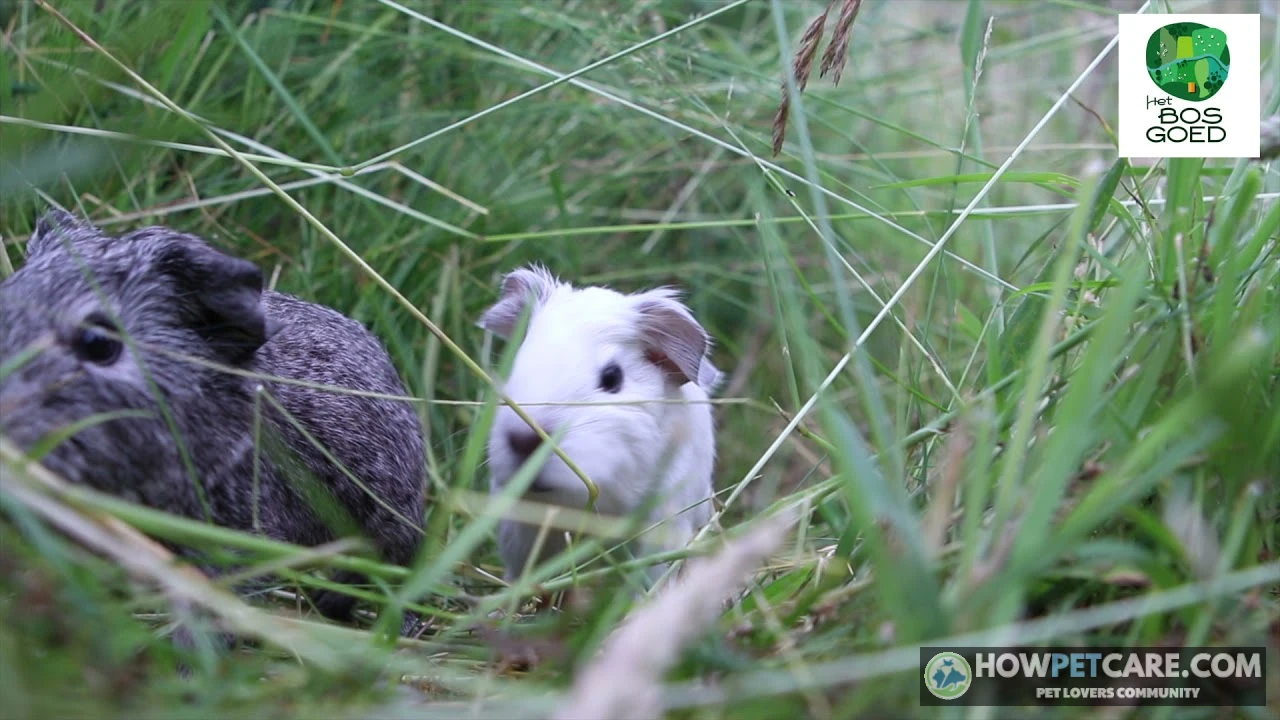
A typical pet guinea pig lives roughly 5–8 years, while wild cavies in native habitats are often reported at about 1–4 years. That wild figure is approximate: conditions vary, and survival hinges on predators, disease, food availability, and weather. Pet care removes some hazards, but it shifts responsibility to the owner for nutrition, safe housing, companionship, and prompt treatment when illness strikes.
What the commitment looks like for a family
For a family, “how long do guinea pigs live as pets?” is also a planning question. A child who adopts a young guinea pig may be a teenager before that animal’s life ends. Adults should expect to stay responsible for daily care and veterinary decisions, even when a child is the primary companion.
Why Sources Quote 4–7, 5–8 and Up to 14 Years
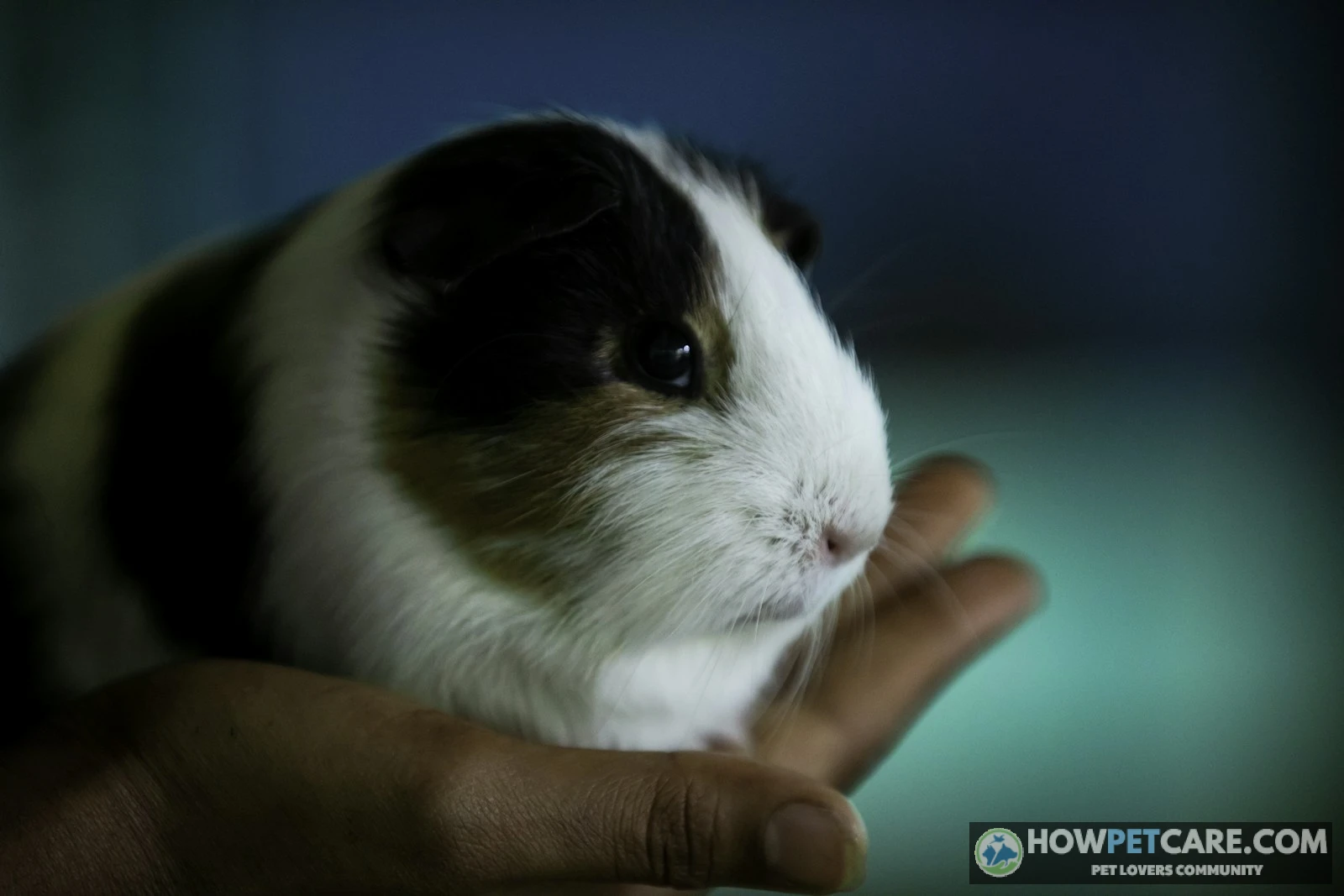
Published figures differ because some sources describe an average, others a typical range, and still others repeat exceptional maximum ages. The National Library of Medicine’s research summary reports a 5–7-year average for pet guinea pigs. It also notes differences among organizations: Chewy, Oxbow, and Small Pet Select cite 5–7 years; SPAH gives 4–7 years, commonly 5–6; WebMD gives 5–8 years and notes that some may reach 10; and the RSPCA reports 5–6 years. These claims are not necessarily incompatible—populations, husbandry, and the meaning of “average” can all differ.
Average vs. maximum: the difference that explains most conflicts
A typical range helps with planning; a maximum describes an unusual case. The animals counted, the quality of early care, and the source’s methods can all shift a reported range. Older care practices and inadequate nutrition may contribute to poorer outcomes, but a lifespan figure alone cannot explain why an individual animal died.
For a well-cared-for pet, use 5–8 years as a planning range. Treat 4–5 years as a reason to review care and seek veterinary advice if health concerns arise—not as proof that an owner did something wrong. Reaching 8 years or more is possible, but it should be viewed as a longer-than-typical outcome, not an expectation.
The oldest recorded guinea pig: what is verified and what isn’t
The NLM research summary reports a Guinness World Records longevity record of more than 14 years. That record falls far outside the typical pet range and should not be used to predict how long a guinea pig will live. Claims of 10–14 years are often repeated without enough context to verify the animal, records, or circumstances. Treat such ages as rare outliers; the practical commitment remains about 5–8 years.
Guinea Pig Lifespan by Breed, Sex and Breeding Status
Breed-level lifespan research is limited. The evidence supports a broad pet-guinea-pig range much better than precise comparisons among breeds, so the figures below are rough estimates, not established biological limits. Genetics and day-to-day care matter more than a coat or breed label.
Lifespan by breed table
| Breed or group | Typical lifespan range (approx.) | Common health considerations | Confidence level / data quality |
|---|---|---|---|
| American (short-haired) | About 5–8 years | Often used as a general pet-guinea-pig reference; routine care still matters | Moderate; broad pet averages are more useful than breed-specific data |
| Abyssinian | About 5–7 years | Rosette coat may need occasional grooming | Limited; estimates are not based on controlled breed comparisons |
| Peruvian | About 5–7 years | Long coat can mat and needs regular grooming; outdoor coat care needs extra attention | Low; largely anecdotal |
| Silkie / Sheltie | About 5–7 years | Long coat requires frequent grooming and checking for debris | Low; largely anecdotal |
| Teddy | About 5–7 years | Dense coat can trap debris; inspect skin while grooming | Low; largely anecdotal |
| Skinny Pig | About 4–6 years reported | Hairless skin and temperature sensitivity call for careful protection | Low; reported estimate, not a well-established breed average |
| Baldwin | About 4–6 years reported | Hairless skin needs protection from temperature extremes and injury | Low; reported estimate, not a well-established breed average |
| Boars (males) | About 5–8 years; no established sex difference | Pregnancy-related risks do not apply; neutering involves surgery | Low; evidence does not separate lifespan by sex |
| Sows (females, not bred) | About 5–8 years; no established sex difference | Reproductive health problems can develop with age | Low; evidence does not separate lifespan by sex |
| Breeding sows | No reliable range established | Pregnancy toxemia and difficult delivery are documented risks | Very low; data describe risk, not lifespan |
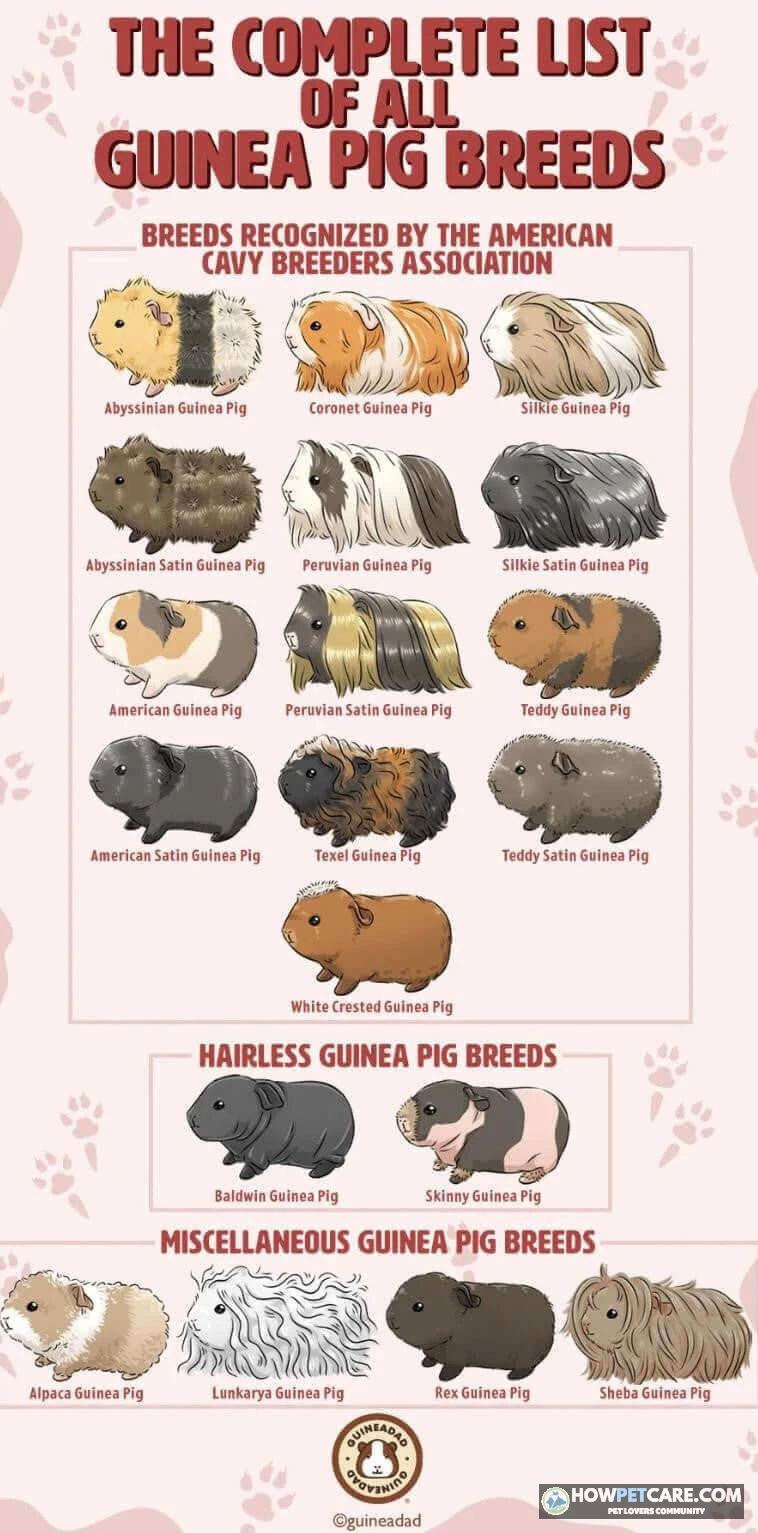
Some summaries report 7–8 years for Skinny and Baldwin guinea pigs and about 4 years for long-haired varieties. Those claims conflict with the estimates above, and the available evidence does not establish a dependable lifespan ranking by coat type. Do not assume that a hairless pig will live less, or that a long-haired pig will live longer, based on these uncertain figures.
Short-haired and long-haired guinea pigs can both fall within the general pet range. Long coats need more grooming and checks for matting and soiling. Hairless guinea pigs need protection from temperature extremes and skin injury. These are care differences, not proof of a specific lifespan difference.
Male vs. female and breeding status
Reliable evidence does not show that males or females generally live longer. Reproductive history and health risks matter more than sex alone. Pregnancy and birth can be dangerous for sows, including risks such as pregnancy toxemia and difficult delivery. Females may also develop reproductive health problems as they age. Boars avoid pregnancy risks, but neutering involves surgery and should be discussed with a veterinarian experienced with guinea pigs.
Breeding is not a casual way to learn about guinea pigs. It can put the sow and pups at risk and requires preparation, suitable veterinary care, and a plan for every animal. Ask an exotic veterinarian about individual reproductive risks instead of relying on a breed or sex lifespan estimate.
What Affects How Long Guinea Pigs Live: The Factors That Matter Most
Good husbandry cannot guarantee a long life, but it can reduce avoidable risks. Focus on steady nutrition, adequate space, compatible companionship, safe temperatures, and prompt attention to health changes.
Diet, hay and vitamin C
Grass hay should be freely available and make up about 70–80% of a guinea pig’s diet. Timothy hay and orchard grass are common adult options. Chewing hay wears down continuously growing teeth; dental disease and malocclusion can make eating painful and trigger serious health problems.
Offer measured guinea-pig pellets rather than an unlimited bowl. The NLM evidence summary gives 1/8 cup a day as the maximum pellet amount. Provide suitable fresh leafy greens, and avoid relying on iceberg lettuce, which is low in nutrients and may upset digestion. Change diets gradually, and ask a veterinarian to tailor portions to your pig’s age and health.
Guinea pigs cannot make their own vitamin C and need it from their diet every day to prevent scurvy. Fresh vegetables such as bell pepper can contribute vitamin C; choose pellets formulated for guinea pigs and keep them fresh. Do not rely on vitamin C added to drinking water, which can lose potency and may change how much the animal drinks. Ask a veterinarian for an appropriate source and amount, especially for young, pregnant, or ill pigs.
Cage size, enrichment and companions
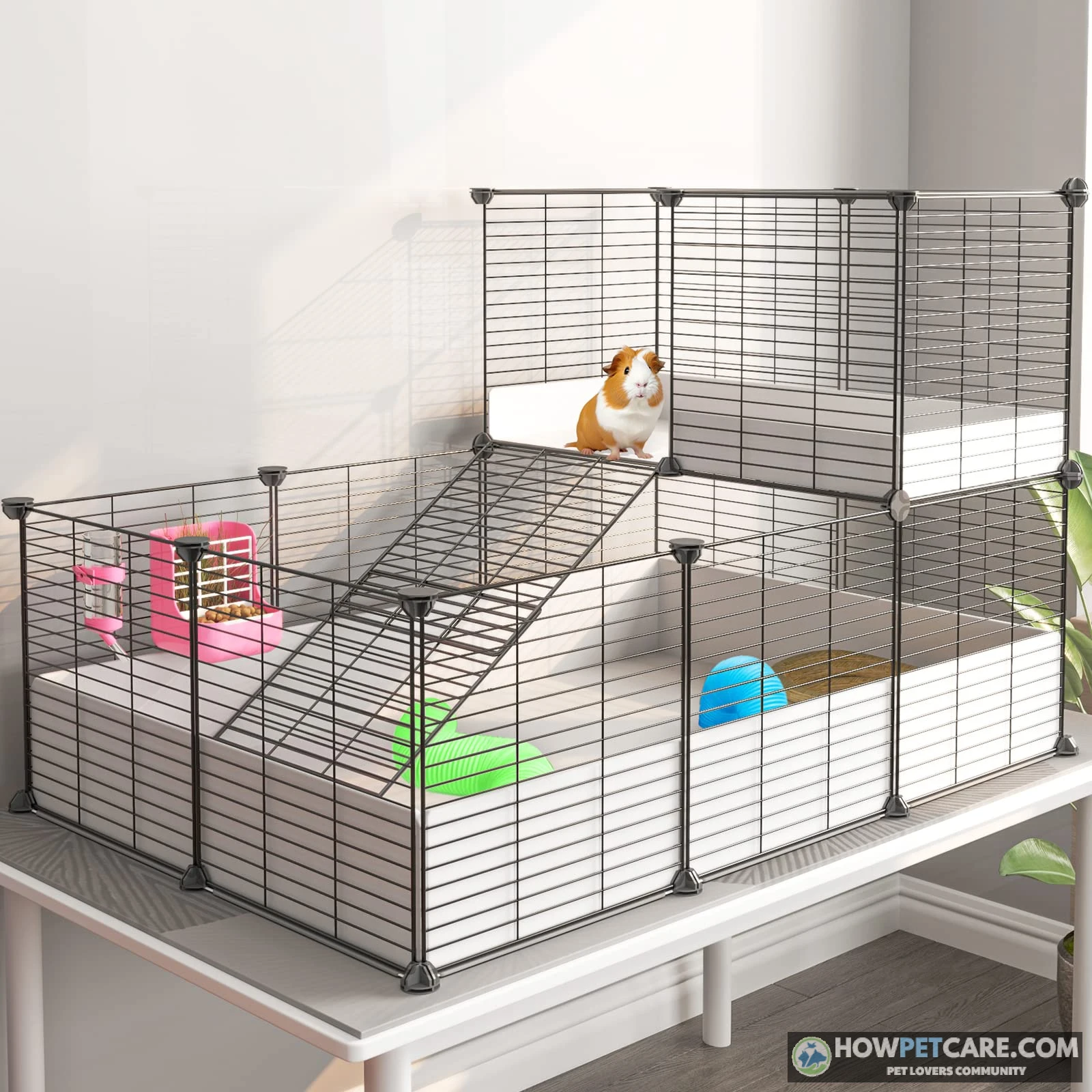
An NLM evidence summary gives minimum enclosure areas of about 7.5 square feet for one guinea pig and 10.5 square feet for a pair. Larger is better when possible. Use solid flooring, provide hiding places, and clean soiled areas regularly. Avoid pine or cedar bedding, which can harm the respiratory tract.
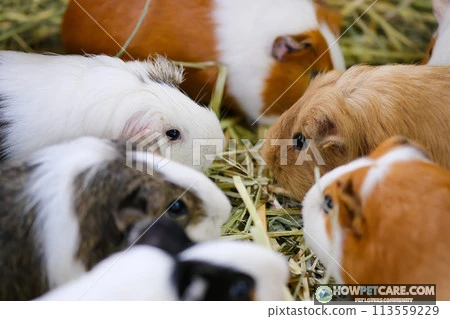
Guinea pigs are social herd animals, and isolation can cause chronic stress. A compatible guinea-pig companion is generally better than relying on human attention alone. Introductions should be gradual and supervised, with enough space and separate resources to reduce conflict. If a pig must live alone for medical or behavioral reasons, discuss enrichment and companionship options with a veterinarian or rescue experienced with guinea pigs.

Common health problems that cut lifespans short
Dental overgrowth, respiratory infections, urinary problems, skin conditions, and digestive emergencies can become serious quickly. Watch for reduced appetite, weight loss, drooling, abnormal droppings, discharge from the eyes or nose, or changes in breathing and movement. Guinea pigs often hide illness, so a subtle change can matter.
A veterinary examination can identify problems that are difficult to assess at home. Do not try to diagnose a guinea pig from a symptom list, and do not wait for a scheduled checkup if it stops eating, struggles to breathe, or seems acutely unwell.
Indoor vs. Outdoor Guinea Pigs: Safe Temperatures and Heat-Stress Limits
For most households, indoor housing makes it easier to maintain a stable temperature, shield a guinea pig from predators and weather, and notice changes in appetite or behavior. The temperature figures below are husbandry guidance, not guarantees of safety for every animal.
Temperature and humidity ranges at a glance
| Conditions | Practical guidance |
|---|---|
| Preferred room temperature | Roughly 65–75°F (18–24°C) |
| Heat concern | Above about 80°F (27°C), heat stress becomes a serious risk |
| Cold concern | Below about 55–60°F (13–16°C), especially with drafts or damp bedding |
| Humidity | About 40–60% is a useful target |
Avoid placing the enclosure in direct sun, near drafts, or in a noisy, overheated room. Temperature and humidity targets are approximate: airflow, bedding, shade, and an individual pig’s condition also affect comfort.
Heat-stress warning signs and what to do
Panting, drooling, marked lethargy, or lying stretched out and unusually limp can signal heat stress. Move the guinea pig to a cooler area, offer a cool surface such as a ceramic tile, and contact an exotic veterinarian urgently. Do not use ice or chill the animal abruptly.
Outdoor time should be supervised, shaded, and limited to mild conditions in a secure, predator-proof run. An outdoor hutch exposes a guinea pig to temperature swings and other hazards, including parasites and fly strike. Do not leave a pig outside unattended in extreme heat or cold.
Guinea Pig Life Stages and Age in Human Years
A guinea pig’s development does not match a human timeline exactly. The human-age equivalents below are broad comparisons, not a scientific conversion formula. Use life stage to guide care, not to infer a diagnosis or predict a precise lifespan.
Life stage chart with care changes
| Life stage | Guinea pig age | Approx. human-year equivalent | Diet and housing changes | Vet visit cadence |
|---|---|---|---|---|
| Baby (pup) | 0–3 months | Roughly 0–5 years | Young pigs need age-appropriate food; alfalfa-based foods may be suitable during growth. | Arrange a check soon after adoption. |
| Juvenile / adolescent | 3–12 months | Roughly 5–15 years | Transition toward adult grass hay and measured pellets as appropriate for age. | Annual examination is a common baseline. |
| Adult | 1–4 years | Roughly 15–45 years | Maintain a consistent adult diet, unlimited grass hay, and suitable housing. | Annual examination is a common baseline. |
| Mature | 4–5 years | Roughly 45–60 years | Begin regular weight logging and watch for changes in eating or movement. | Every 6–12 months, based on veterinary advice. |
| Senior | About 5 years and older | Roughly 60–80+ years | Make food and housing easier to access; adjust care for mobility or dental changes. | About every 6 months is a useful discussion point with the vet. |
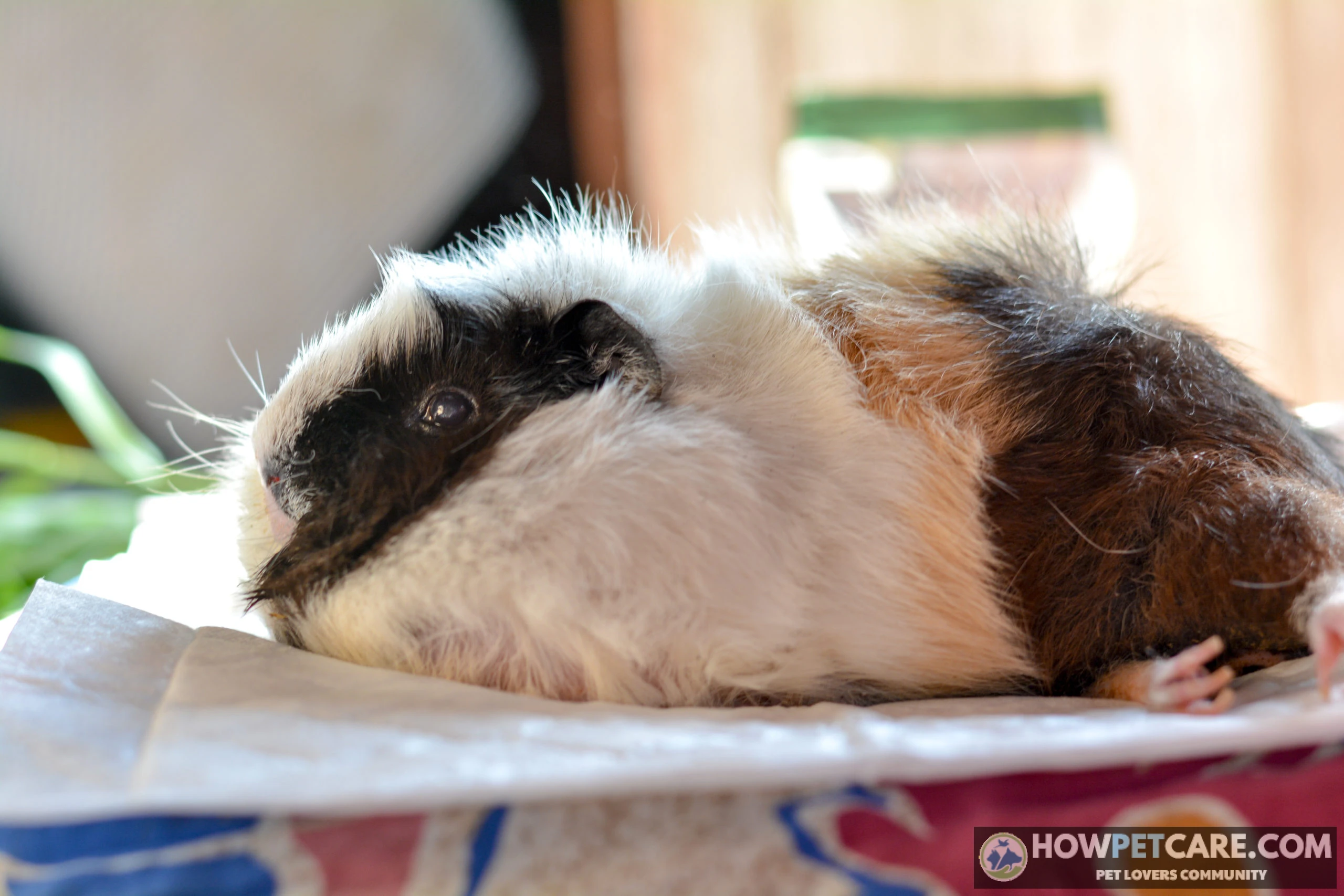
Guinea pigs are often considered senior from about 5 years onward, with the 4–5-year stretch commonly treated as the mature stage. A healthy older pig does not automatically need a major diet change, but a veterinarian may recommend adjustments based on weight, dental health, or another condition. For growing pigs, confirm when to transition from alfalfa-based foods to adult grass hay with a vet.
Guinea pig years to human years (approximate)
There is no universally accepted guinea-pig-to-human-years formula. The estimates below use a rough early-life comparison of about 12–15 human years per guinea-pig year in the first couple of years, then a slower rate of about 8–10 human years per year. These figures are only a conversational guide; they do not represent equivalent health or development.
| Guinea pig age | Approximate human-age equivalent |
|---|---|
| 1 year | About 12–15 years |
| 2 years | About 24–30 years |
| 3 years | About 32–40 years |
| 4 years | About 40–50 years |
| 5 years | About 48–60 years |
| 6 years | About 56–70 years |
| 7 years | About 64–80 years |
| 8 years | About 72–90 years |
Signs of old age and how to support a senior guinea pig
Possible aging signs include slower movement, reduced mobility, weight changes, a duller coat, or difficulty eating. Cloudy eyes and dental changes can also occur, but they should not be dismissed as “just old age”; a veterinarian can distinguish normal changes from treatable illness.
Make food, water, and hiding places easy to reach. Low-entry shelters, non-slip flooring, and extra comfortable bedding can help a less mobile pig. Keep tracking weight and appetite, and ask the vet before changing the diet or adding supplements. Senior animals may benefit from more frequent health checks, particularly if they have a chronic condition.
Guinea Pig Lifespan Compared With Hamsters and Other Small Pets
The comparison below gives broad, approximate lifespan ranges to help frame the commitment. Species needs and individual outcomes vary, so lifespan alone should not determine which pet is right for a household.
Small-pet lifespan comparison
| Pet | Typical lifespan | Social needs | Approximate care commitment |
|---|---|---|---|
| Guinea pig | About 5–8 years | Social; compatible guinea-pig companionship is generally recommended | Several years of daily feeding, cleaning, social care, and veterinary costs |
| Hamster | About 2–3 years | Many are solitary; needs vary by species | Shorter lifespan, but still needs daily care and veterinary attention |
| Rat | About 2–3 years | Highly social; usually kept with compatible rats | Daily interaction and regular health monitoring |
| Gerbil | About 2–4 years | Social; often kept with a compatible same-species companion | Daily care, suitable digging space, and veterinary access |
| Mouse | About 1–3 years | Social needs depend on sex and housing arrangement | Shorter lifespan, with species-appropriate social care |
| Rabbit | About 8–12 years | Social; needs space and daily interaction | Long-term care and a larger housing commitment |
| Chinchilla | About 10–20 years | Social needs vary; needs careful housing and temperature control | Potentially a decade or more of specialized care |
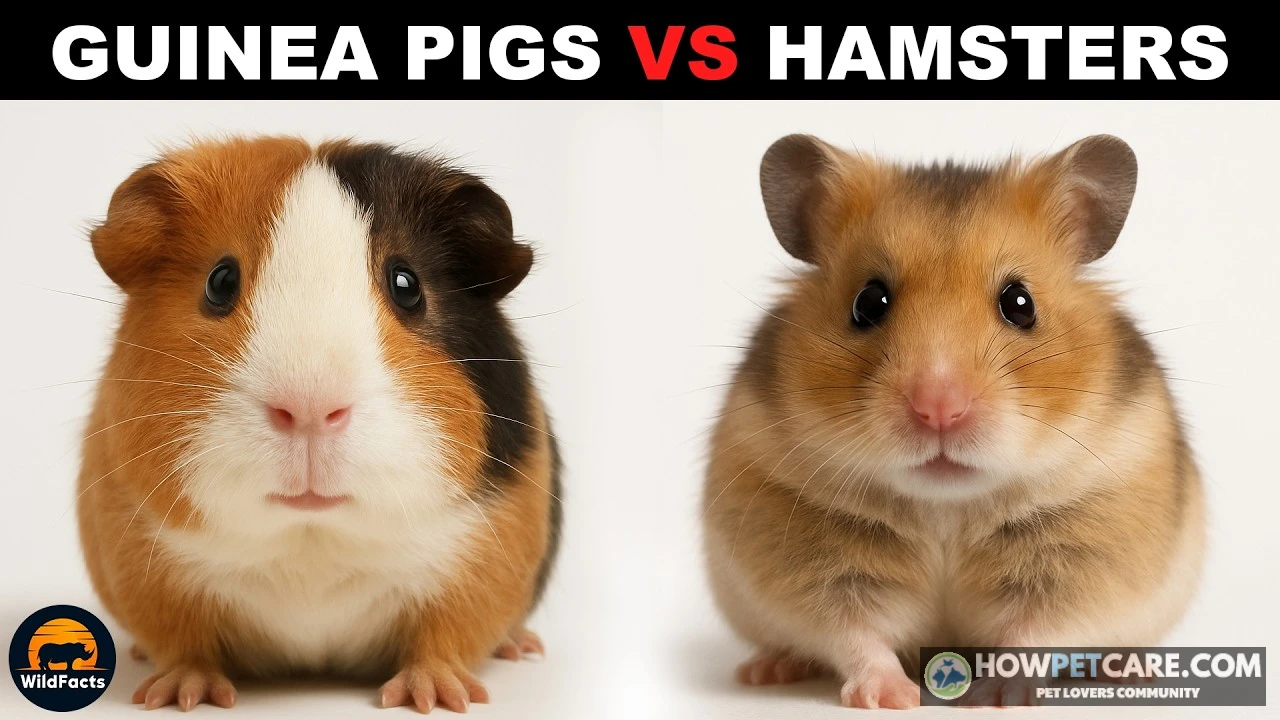
The guinea pig lifespan is commonly longer than a hamster’s: using these approximate ranges, expect a commitment of several more years than for many hamsters. Guinea pigs also need more floor space than a small cage suggests, a suitable companion, and access to an exotic veterinarian.
Budgeting for the full lifetime of care
No reliable national lifetime-cost figure exists in the evidence available for this guide. Costs vary by location, clinic, food and bedding choices, and whether a pig develops a condition that needs treatment. Before adopting, call nearby exotic veterinarians to ask about the price of an initial exam, routine visits, and common urgent-care scenarios. Set aside a separate emergency fund if possible; dental, respiratory, or digestive problems may require additional examinations and treatment.
A useful household budget includes recurring food and bedding, routine veterinary exams, and a reserve for unexpected care. Ask who will pay and transport the animal to a clinic, especially if a child is its main caretaker. These conversations are part of responsible adoption, not a reason to assume a guinea pig will become ill.
Your Longevity Plan: Weekly Health Check and Next Steps
A short, consistent check can support everyday guinea pig care and help you spot changes before they become obvious. Keep a notebook or phone log so you can compare trends rather than rely on memory.
Weekly health-check checklist
Do this once a week, ideally on the same day:
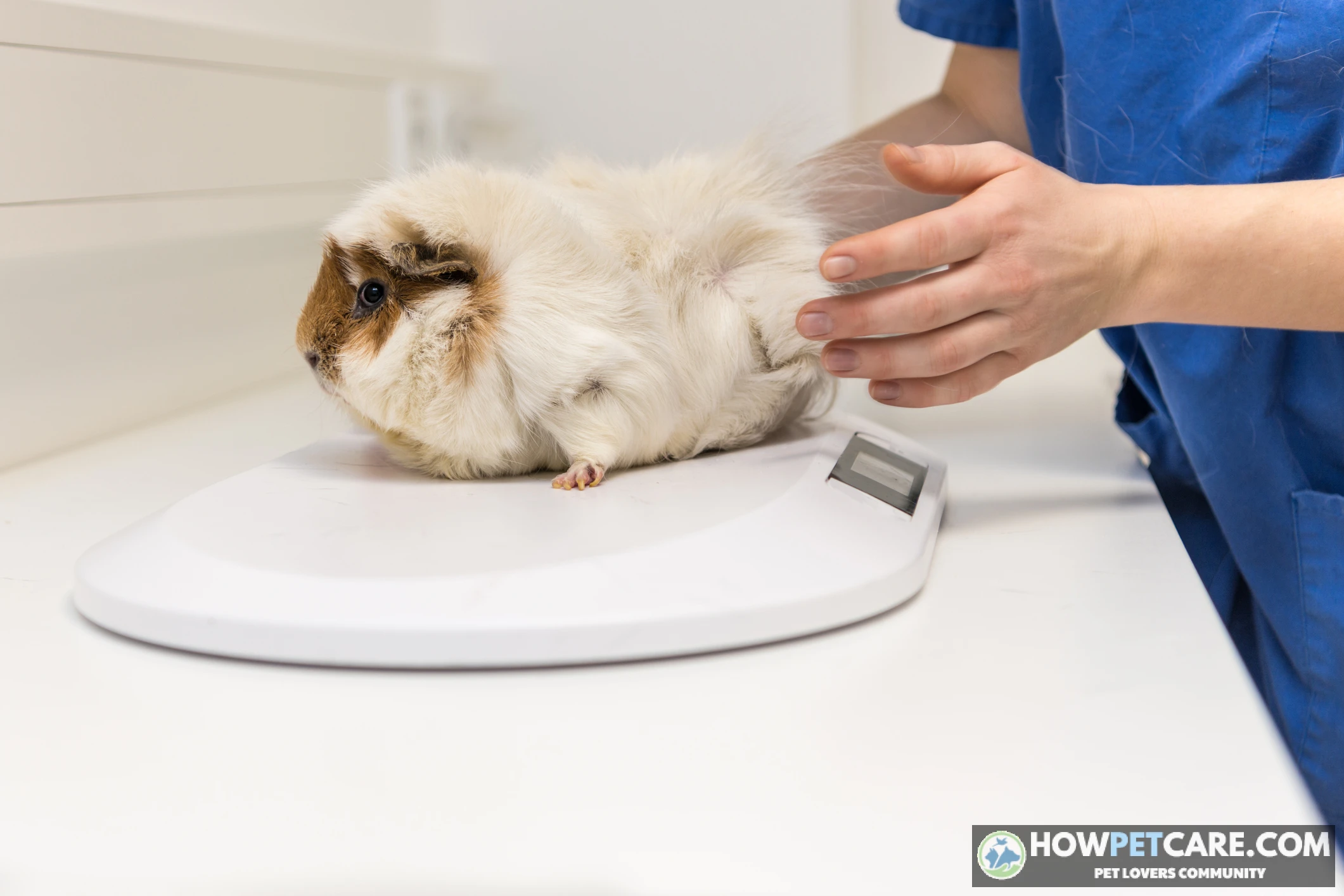
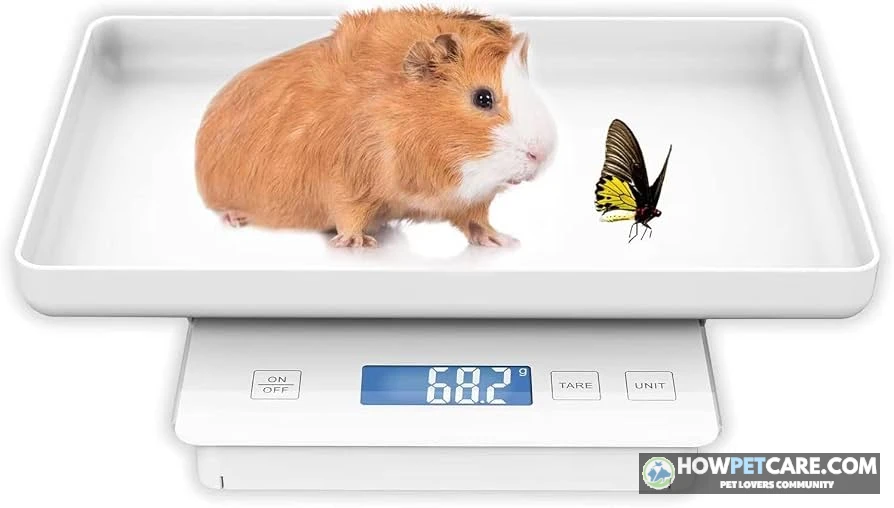
- Weight: Use a kitchen scale and record the result. Contact a vet about a loss of roughly 10% of body weight or a persistent downward trend.
- Appetite and water: Notice whether your pig is eating hay and drinking as usual. A drop in appetite deserves prompt veterinary advice.
- Teeth: Check that the front teeth look aligned. Drooling, dropping food, or eating slowly can indicate a dental problem that needs an examination.
- Coat and skin: Look for bald patches, scabs, flakes, sores, or excessive scratching.
- Droppings: Check that droppings remain plentiful and familiar in shape. Diarrhea, unusually small droppings, or no droppings calls for veterinary advice.
- Breathing: Listen for quiet, easy breathing. Wheezing, clicking, labored breathing, or eye and nose discharge needs prompt attention.
- Mobility: Watch walking and check the feet for redness or swelling. Limping, dragging, or difficulty moving needs veterinary assessment.
When to see a vet right away
Seek urgent advice from an exotic veterinarian for labored breathing, no droppings, blood in the urine, sudden marked lethargy, or a guinea pig that has stopped eating. Do not wait for the next weekly check if your pet seems acutely unwell. If no suitable clinic is nearby, identify the closest emergency service that accepts guinea pigs before a crisis occurs.
After a companion dies: helping a surviving pig
A surviving guinea pig may show changes in appetite or behavior after losing a companion. Monitor eating, droppings, and weight closely, and offer calm company without forcing interaction. Arrange a veterinary check if the surviving pig seems unwell or stops eating.
When you are ready, ask a rescue or veterinarian about finding a compatible companion. Introduce the pigs gradually in neutral space under supervision, with room to separate them if needed. Do not rush the process; compatibility and safety matter more than a quick replacement.
This article provides general information, not a diagnosis or a substitute for veterinary care. A sick or injured guinea pig needs assessment by a veterinarian, ideally one experienced with exotic animals. If you can commit to daily care and a realistic 5–8-year planning horizon, start by locating an exotic vet, preparing a roomy indoor enclosure, and arranging suitable companionship before bringing a guinea pig home.
FAQ
Can a guinea pig live 10 years or longer?
It’s possible but uncommon. Reports of 10-plus years exist, though they are rarely verified, so treat them as outliers rather than a realistic expectation.
Do guinea pigs live longer in pairs?
Guinea pigs are social herd animals, and companionship reduces stress and supports better health and welfare. While exact lifespan gains aren’t well quantified, keeping compatible pairs is widely recommended by vets.
Is a 4-year-old guinea pig old?
Not yet for most pigs, but it’s the start of the mature stage. Many owners begin senior-style monitoring around age 4-5, such as more frequent weight checks and 6-month vet visits.
How can I tell how old my guinea pig is?
Without records it’s hard to be exact. A vet can estimate age from teeth, coat, weight, body condition, and mobility, but expect a rough range rather than an exact number.
What are the most common causes of early death in guinea pigs?
Respiratory infections, dental disease, gastrointestinal problems, urinary stones, scurvy, heat stress, and pregnancy complications are among the leading preventable causes. Early vet care and good husbandry reduce the risk.