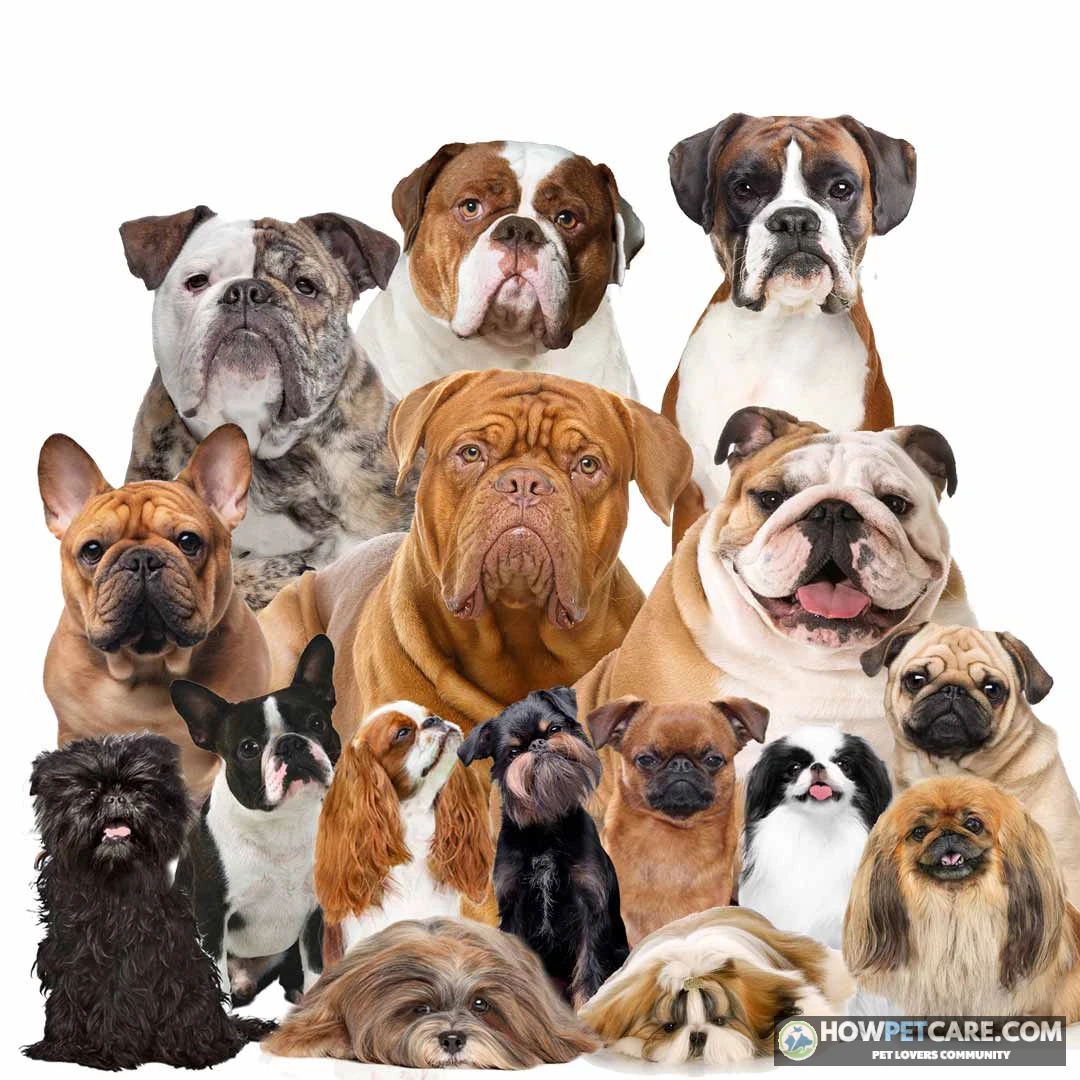

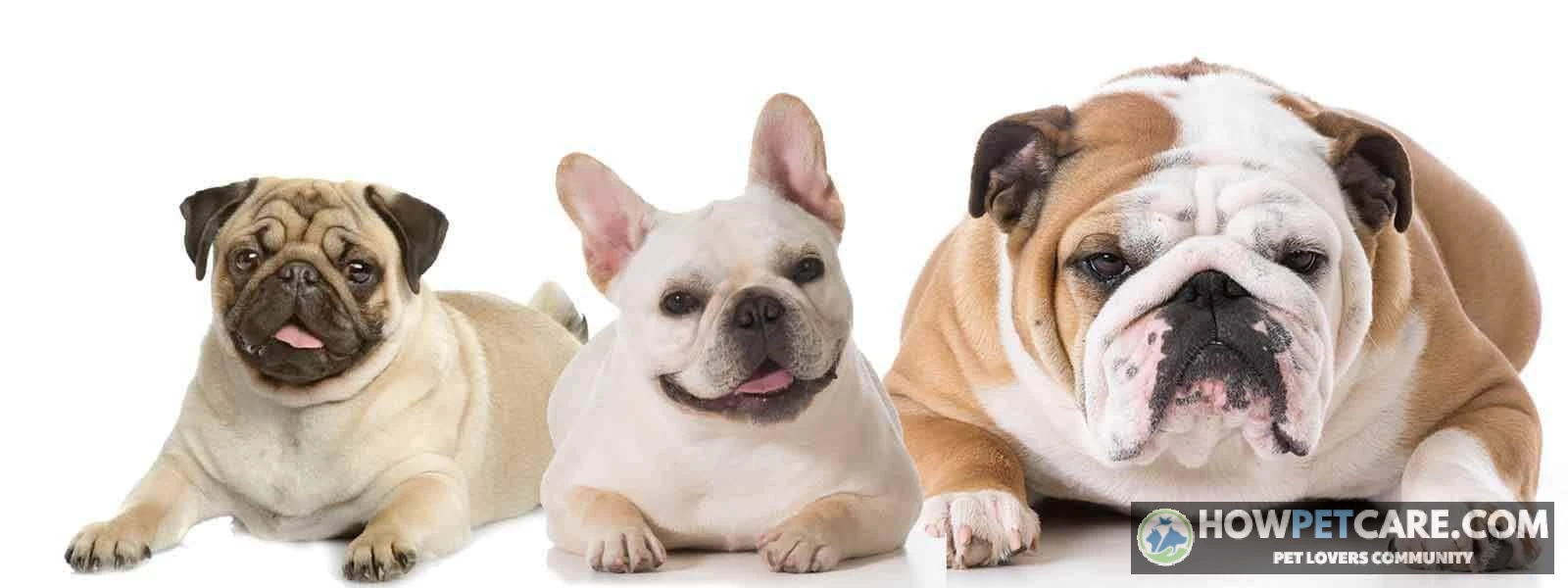
Flat faced dogs are breeds with shortened skulls and muzzles — the veterinary term is brachycephalic, meaning “short-headed.” Pugs, French Bulldogs, English Bulldogs, Boston Terriers and Shih Tzus are familiar examples. The shortened face can contribute to breathing, eye, dental and heat problems.
Flat faced dogs have shortened skulls and muzzles. The veterinary term, brachycephalic, means short-headed. Pugs, French Bulldogs, English Bulldogs, Boston Terriers and Shih Tzus are familiar examples. This head shape can contribute to breathing, eye and dental problems, so choosing or caring for one means looking beyond appearance to the individual dog’s health and welfare.
This guide compares flat faced dog breeds, outlines warning signs and emergency care, and offers a practical checklist for evaluating a puppy or caring for a dog you already have. No breed label or screening result can guarantee a trouble-free life.
Reviewed for medical accuracy by Dr. Rachel Nguyen, DVM, a small-animal companion veterinarian.
What ‘Flat-Faced’ Means: Brachycephalic Anatomy and the Health Trade-Off
“Flat-faced,” “short-nosed” and “snub-nosed” are everyday descriptions for dogs with shortened faces. Brachycephalic is the anatomical term. The degree of shortening varies, and there’s no universally agreed list that neatly separates every affected breed from every unaffected one.
People have selectively bred dogs for many head shapes, including shorter muzzles and rounded heads. In some dogs, shortening the bony structure leaves too little room for the soft tissues inside. That crowding helps explain why a face people find appealing can also make everyday activities harder for a dog.
Why flat-faced dogs have breathing problems: stenotic nares, elongated soft palate and BOAS
Brachycephalic obstructive airway syndrome, or BOAS, refers to a combination of airway abnormalities that can obstruct breathing. These may include:
- Stenotic nares: nostrils that are narrowed, making it harder to draw air in.
- An elongated or thickened soft palate: tissue at the back of the mouth that can obstruct airflow toward the windpipe.
- Crowded throat tissue: tissue that narrows the airway and can become more problematic as the dog struggles to breathe.
- A narrow trachea: a small windpipe in some affected dogs, adding resistance farther down the airway.
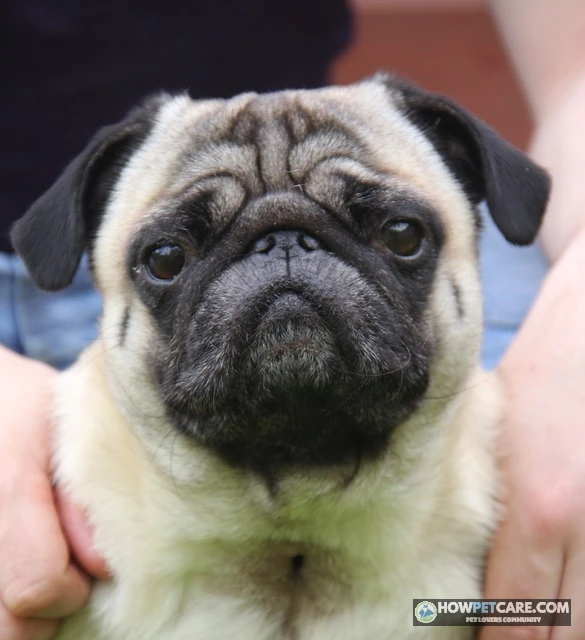
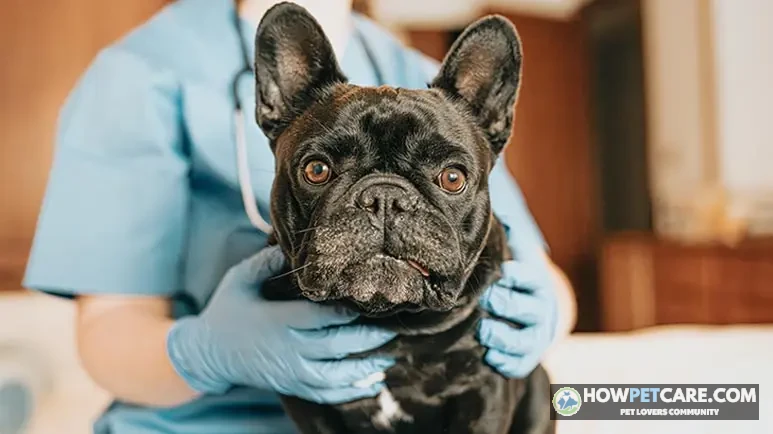
A dog may have some, all or none of these abnormalities, and their severity varies. A veterinarian needs to assess the whole dog; a photograph or a snore can’t diagnose BOAS.
Eye, dental and skin-fold problems caused by a shortened skull
Prominent eyes and shallow eye sockets can leave the eye’s surface vulnerable to injury. Crowded teeth can be difficult to clean and contribute to dental disease. Skin folds can trap moisture and debris, which may lead to irritation or infection.
Watch for squinting, discharge, an unpleasant odor from a fold, red skin or reluctance to eat. A painful or cloudy eye needs prompt veterinary attention because an ulcer can worsen quickly.
Heat intolerance: why panting fails to cool these dogs
Dogs rely heavily on panting to lose heat. A narrowed airway makes moving air more difficult, especially during excitement, exercise or hot, humid weather. Heat and breathing difficulty can feed into each other: the dog pants harder to cool down, while the extra effort can increase airway distress.
What recent research can—and cannot yet—tell us about the spine
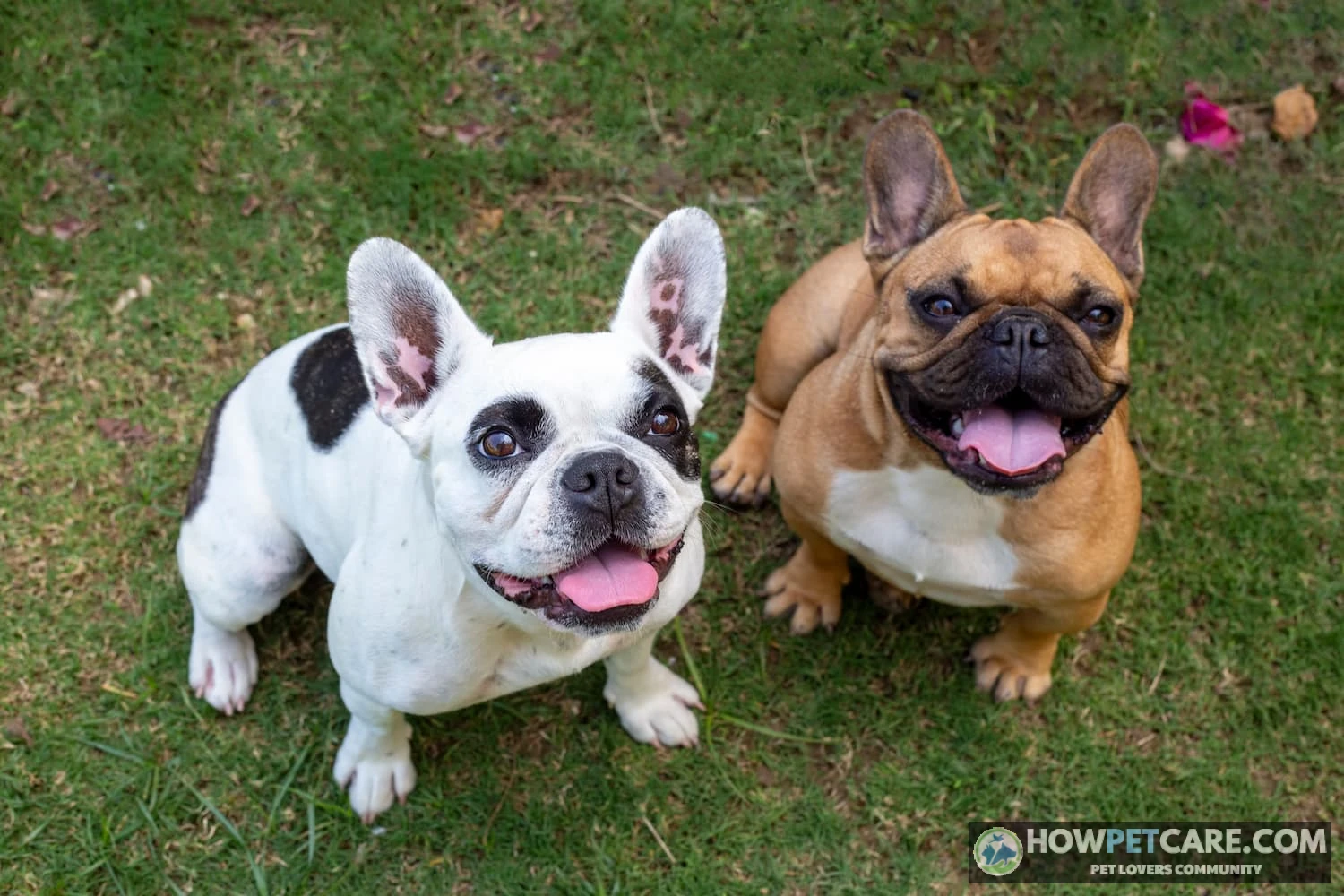
Some flat-faced breeds can develop spinal abnormalities or intervertebral disc disease as well as airway problems. That doesn’t show that BOAS causes disc disease, or that every dog with one condition will develop the other. The supplied evidence doesn’t identify a specific 2023–2026 study supporting a stronger claim. Discuss back pain, weakness or a change in walking with your veterinarian, whether or not the dog has had an airway assessment.
Flat Faced Dog Breeds List: Brachycephalic Breeds With Temperament and Traits
This list includes commonly recognized flat faced dog breeds and some shorter-headed breeds whose classification or degree of flattening varies. Sizes and personalities are general guides, not guarantees. A short muzzle relative to the head can be a useful visual cue, but it can’t measure airflow or replace an examination.
Toy and small flat-faced breeds
- Pug: Small, sociable and often keen to stay close to people. Pugs need gentle daily activity, careful weight management and attention to breathing, eyes and facial folds.
- French Bulldog: Small and sturdy, often playful and companionable. Airway obstruction, skin and ear problems, and spinal disease are important considerations. Plan exercise around the weather and the individual dog’s breathing.
- Boston Terrier: Small, lively and people-oriented. This breed may need more play than its size suggests. Watch for eye injuries and noisy breathing; a longer-looking muzzle doesn’t mean there’s no risk.
- Shih Tzu: Small and typically affectionate, with moderate activity needs. Eye protection, coat maintenance and dental care matter, along with an airway check.
- Pekingese: Small and often independent, with a substantial coat and a very short face. Keep activity gentle, prevent overheating and check the eyes and facial area regularly.
- Japanese Chin: Small, alert and usually suited to close companionship. Its short face calls for attention to breathing and heat; its coat and eyes need routine care too.
- Brussels Griffon: Small and often engaged with its household. Provide suitable play and training, and watch for airway noise and eye irritation.
- Affenpinscher: Small, alert and often spirited. Activity and enrichment still matter; talk with a veterinarian about breathing and kneecap health.
- Cavalier King Charles Spaniel: Small, sociable and generally eager for companionship. Facial shortening varies; heart disease and neurological conditions deserve particular attention, and breed-specific health testing is essential.
- Lhasa Apso: Small and often independent, with a long coat that needs regular grooming. Muzzle length varies, so assess the individual dog’s breathing and eyes rather than relying on the breed name.
- English Toy Spaniel: Small and companion-oriented, typically suited to moderate activity. Its shortened face makes breathing and eye checks important; keep its coat and ears clean.
Medium flat-faced breeds
- English Bulldog: Medium-sized, substantial and often calm indoors. BOAS, skin-fold disease and joint problems can require significant care. Keep folds clean and dry, and make sure the dog has reliable cooling.
- Shar-Pei: Medium-sized and often reserved. Wrinkled skin, eyelid problems and breed-associated inflammatory disease can mean substantial veterinary care. Some individuals also have shortened airways; both classification and severity vary.
- Boxer: Medium-to-large, energetic and often playful with family. It needs training and exercise suited to the weather, as well as attention to heart health and cancer risk. Its muzzle may be less extreme than a Bulldog’s, but airway trouble is still possible.
- Staffordshire Bull Terrier: Muscular and active, often affectionate with familiar people. Head shape varies, and the breed doesn’t consistently appear on brachycephalic lists. Assess breathing individually, and provide training, exercise and supervision around children.
Large and giant brachycephalic breeds
- Bullmastiff: Large, powerful and often quiet at home. Its size makes transport and emergency handling important to plan for; watch for breathing problems, overheating and joint disease.
- Dogue de Bordeaux: Large and heavy, often devoted to its household. Drool and facial folds need regular care, while airway, joint and heart concerns warrant veterinary attention.
- Mastiff: Giant and generally less active indoors than its size might suggest, but still needs manageable exercise. Facial shortening varies; consider joint problems, overheating and the practical cost of caring for a large dog.
- Cane Corso: Large and powerful, with variable muzzle length and classification. It needs skilled socialization, training and exercise. Check the individual dog for heat intolerance and breathing difficulty.
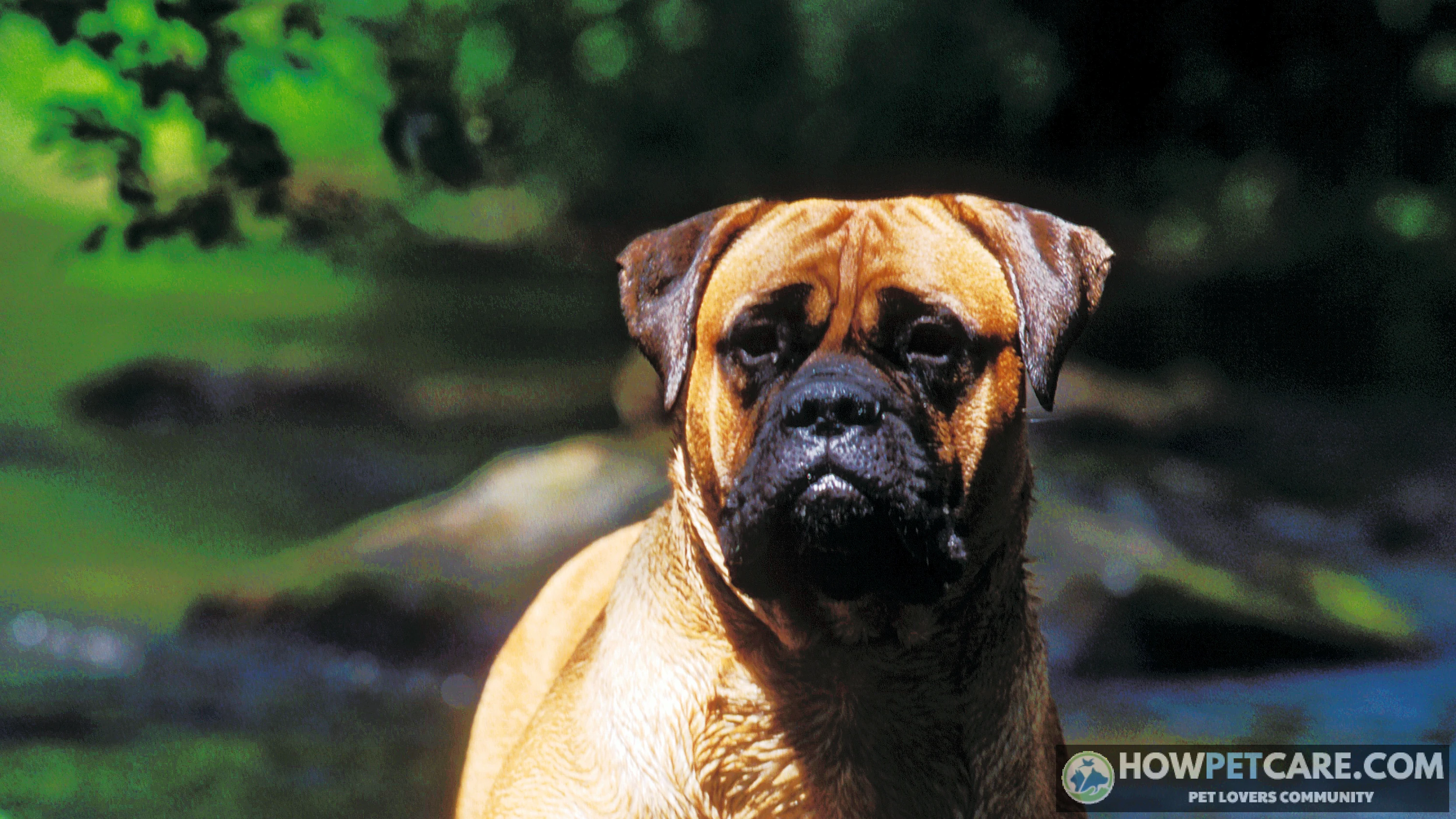
Mixed-breed dogs can inherit a shortened face or obstructed airway, too. Appearance alone, though, can’t establish whether any individual dog has BOAS.
 You might be wonderingAfganos dogsAfghan Hound Guide: Cost, Grooming, Exercise & Fit VerdictRead the answer
Which Flat-Faced Breed Is Healthiest? A Comparison by Airway Risk and Lifestyle Fit
No flat-faced breed can honestly be called the healthiest for every owner. The best-supported comparison here is that Pugs, French Bulldogs and English Bulldogs are the focus of the Cambridge and Kennel Club Respiratory Function Grading scheme. The supplied evidence doesn’t support a numerical risk ranking across all 19 breeds. A dog’s examination, functional breathing, body condition and family history matter more than an assumed ranking.
How to read the comparison and its limits
The table groups dogs by practical considerations, not by a proven ranking of BOAS severity. “Assess” means an individual airway assessment matters; it doesn’t mean the breed has a known, equal level of risk. Heat can be dangerous for every dog listed. The supplied evidence doesn’t provide reliable breed-specific lifespan figures, so none are invented here.
| Breed | Typical size | BOAS or airway consideration | Heat consideration | Typical lifespan | Main concern | Fold or eye care | Apartment fit | Family fit |
|---|---|---|---|---|---|---|---|---|
| Pug | Small | RFG scheme breed; assess | High concern | Not established here | Airway, eyes, spine | High | Often suitable with cooling | Often sociable; supervise children |
| French Bulldog | Small | RFG scheme breed; assess | High concern | Not established here | Airway, skin, spine | Moderate to high | Often suitable with cooling | Often sociable; supervise children |
| English Bulldog | Medium | RFG scheme breed; assess | High concern | Not established here | Airway, folds, joints | High | Possible with cooling and access | Depends on dog and household |
| Boston Terrier | Small | Assess individual | Elevated concern | Not established here | Eyes, airway | Moderate | Often suitable with activity | Often playful; supervise children |
| Shih Tzu | Small | Assess individual | Elevated concern | Not established here | Eyes, teeth, airway | High, including coat | Often suitable | Often companionable |
| Pekingese | Small | Assess individual | Elevated concern | Not established here | Airway, eyes | High | Often suitable with cooling | Best with respectful handling |
| Japanese Chin | Small | Assess individual | Elevated concern | Not established here | Airway, eyes | Moderate | Often suitable | Best with gentle handling |
| Brussels Griffon | Small | Assess individual | Elevated concern | Not established here | Eyes, airway | Moderate | Often suitable | Best with gentle handling |
| Affenpinscher | Small | Assess individual | Elevated concern | Not established here | Kneecaps, airway | Moderate | Often suitable with activity | Depends on individual |
| Cavalier King Charles Spaniel | Small | Variable head shape; assess | Monitor | Not established here | Heart, neurological disease | Low to moderate | Often suitable | Often sociable |
| Lhasa Apso | Small | Variable head shape; assess | Monitor | Not established here | Eyes, skin | High, including coat | Often suitable | Depends on individual |
| English Toy Spaniel | Small | Assess individual | Elevated concern | Not established here | Airway, eyes | Moderate | Often suitable | Best with gentle handling |
| Boxer | Medium to large | Assess individual | Elevated concern | Not established here | Heart, cancer | Low to moderate | Possible with ample activity | Often playful; supervise children |
| Shar-Pei | Medium | Variable head shape; assess | Elevated concern | Not established here | Skin, eyelids, inflammatory disease | High | Possible | Depends on individual |
| Staffordshire Bull Terrier | Medium | Classification varies; assess | Monitor | Not established here | Skin, joints | Low | Possible with ample activity | Depends on training and supervision |
| Bullmastiff | Large | Assess individual | Elevated concern | Not established here | Joints, airway | Moderate | Space and access may be difficult | Depends on handling and training |
| Dogue de Bordeaux | Large | Assess individual | Elevated concern | Not established here | Joints, heart, airway | Moderate to high | Space and access may be difficult | Depends on handling and training |
| Mastiff | Giant | Variable head shape; assess | Elevated concern | Not established here | Joints, airway | Moderate | Space and access may be difficult | Depends on handling and training |
| Cane Corso | Large | Classification varies; assess | Monitor | Not established here | Joints, individual airway | Low to moderate | Requires space and activity planning | Requires experienced handling |
Best flat-faced dogs for apartments and families
Size alone doesn’t determine whether a dog will suit an apartment. Consider whether the home will stay cool during a power outage, whether stairs are manageable, whether the dog can exercise safely and whether neighbors may hear persistent nighttime breathing noise. A Boxer may need substantially more activity and space management than a less energetic small companion dog.
For families, match the individual dog’s temperament to the household. Teach children not to squeeze, startle or crowd a dog, and supervise their interactions. A calm rescue dog with a known history may be easier to match than a puppy whose adult temperament is still uncertain.
Retro Pug and outcrossing: does a longer muzzle mean a healthier dog?
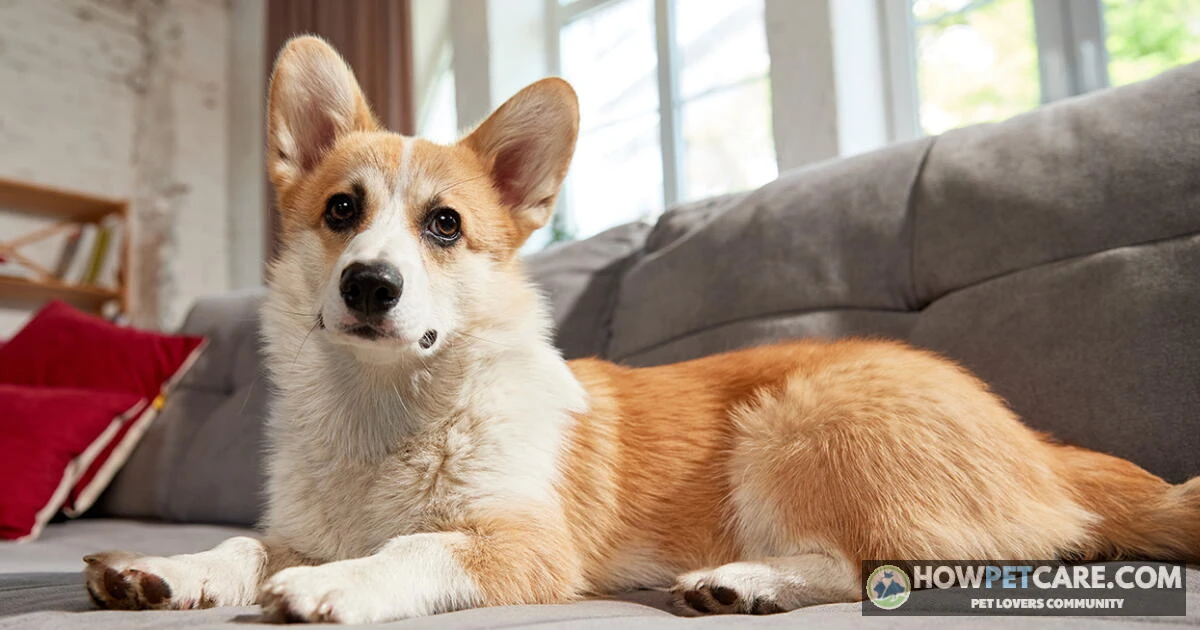
Retro Pug describes an effort to breed Pug-type dogs with less extreme features, sometimes by outcrossing to longer-muzzled dogs. The crosses and breeding practices aren’t standardized. A longer muzzle may create more room, but it doesn’t prove the nostrils, palate, spine or other organs are healthy.
Ask for veterinary findings and breed-relevant health tests, not just before-and-after photographs. The supplied evidence doesn’t establish that any particular Retro Pug program eliminates BOAS or guarantees healthier offspring.
Is My Flat-Faced Dog’s Snoring Normal or a Sign of Airway Obstruction?
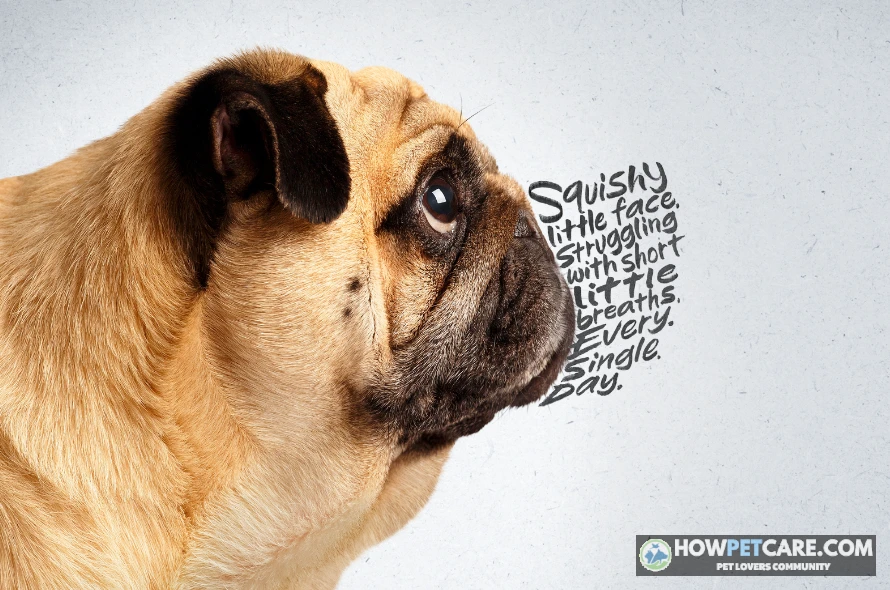
Snoring is common, but that doesn’t automatically make it harmless. A dog that breathes quietly while awake and only occasionally snores during deep sleep may not be in immediate distress; mention the sound at a routine examination. New, worsening or frequent noise deserves attention sooner.
Normal versus concerning breathing: what to look and listen for
Contact your veterinarian promptly if your dog makes noise while awake or resting, struggles on a gentle walk, gags or repeatedly regurgitates, or sleeps sitting up or with its neck stretched out. These signs can have several causes. They call for an examination, not a diagnosis at home.
Blue or purple gums, collapse or obvious labored breathing are emergencies. Pale gums, severe weakness or distress also warrant immediate veterinary advice. Don’t wait for an ordinary appointment.
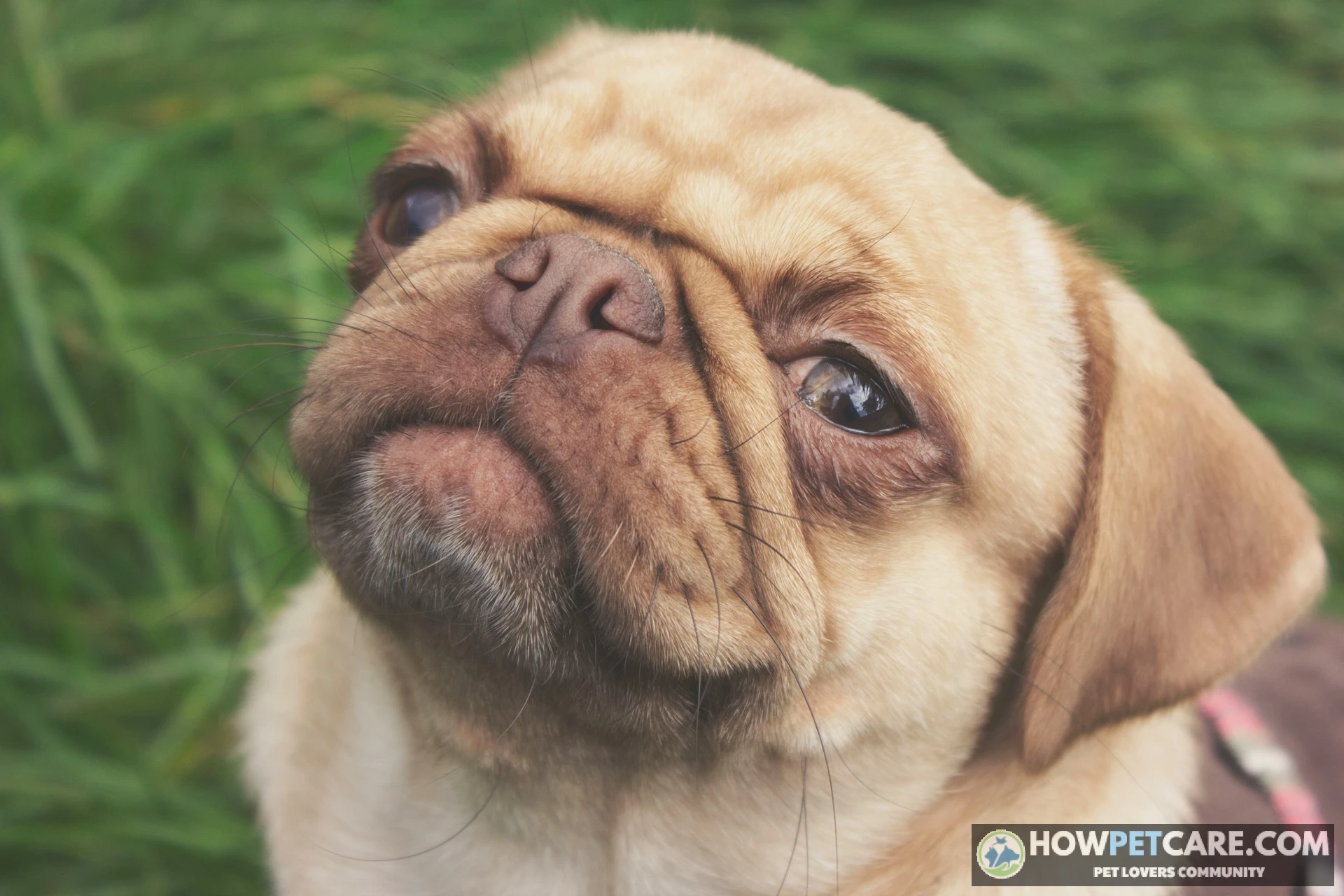
The Respiratory Function Grading, or RFG, scheme developed by the University of Cambridge and The Kennel Club uses an examination and a controlled exercise assessment to grade BOAS in Pugs, French Bulldogs and Bulldogs. The table can help interpret an official result; owners can’t assign a grade from symptoms alone.
| RFG grade or sign | What it generally means | Recommended action | Urgency | Breeding consideration |
|---|---|---|---|---|
| Grade 0 | No clinically significant BOAS detected on the assessment | Maintain a healthy weight and follow reassessment advice | Routine | Generally preferred, alongside other health tests |
| Grade 1 | Mild signs detected on assessment; the dog is not clinically affected to the same degree as grades 2–3 | Discuss monitoring and individual risk with the vet | Routine unless signs change | Scheme guidance permits cautious breeding decisions; ask the assessor about the pairing |
| Grade 2 | Moderate BOAS; signs may affect the dog’s life | Arrange a veterinary airway assessment and discuss treatment | Prompt; sooner if worsening | Generally not recommended for breeding |
| Grade 3 | Severe BOAS | Seek a veterinary or specialist assessment | Priority; distress is an emergency | Do not breed |
| Noise only in deep sleep | Does not establish a grade or prove the airway is healthy | Record a video and raise it with the vet | Routine if otherwise well; sooner if changing | Not enough information |
| Distress, blue or purple gums, collapse | Potentially life-threatening breathing problem | Go to an emergency veterinarian | Immediately | Not applicable |
When snoring means it is time to ask about surgery
Ask about an airway work-up if noise occurs while your dog is awake, activity is limited, sleep is disrupted or signs are getting worse. A vet may recommend an examination under anesthesia and specialist assessment before deciding whether surgery is appropriate. A grade alone doesn’t determine whether an operation is needed.
Film your dog breathing at rest and during an ordinary, comfortable activity to show the vet. Don’t deliberately exercise a distressed dog to get a video. Surgery can improve airflow in suitable patients, but it doesn’t change the skull shape or remove the need for lifelong heat and weight management.
Emergency Protocol: What to Do If a Flat-Faced Dog Is Overheating or Struggling to Breathe
Recognizing heatstroke and respiratory distress
Warning signs include unusually heavy or loud panting, drooling, weakness, wobbling, vomiting, bright-red or pale gums, and collapse. Blue or purple gums can indicate inadequate oxygen. A dog may be in serious trouble without showing every sign on this list.
A dog with blue or purple gums, collapse, or obvious difficulty breathing needs emergency veterinary care now. Call while someone begins transport; do not wait for home treatment to work.
Step-by-step first aid before you reach the vet
- Call an emergency veterinarian. Explain that the dog is brachycephalic and describe its breathing, gum color and possible heat exposure. Follow the clinic’s instructions as you leave.
- Move to a cool place. Find shade or air conditioning. Minimize exertion; carry the dog if it’s safe and practical.
- Start cooling if overheating is suspected. Wet the body with cool or room-temperature water, then use a fan or air conditioning to move air across the coat. Continue cooling during transport as the clinic advises.
- Keep the dog calm and make breathing easy. Remove a restrictive collar or harness. Let the dog settle into the position that makes breathing easiest; don’t force its mouth open or put anything down its throat.
- Offer small amounts of water only if the dog is fully alert and able to swallow. Never force water into its mouth.
- Travel immediately in a cool car. If someone else is available, have them monitor the dog and continue cooling as directed while the driver focuses on the road.
- Tell the veterinary team what happened. Report when signs began, what you observed, possible heat exposure and any cooling measures, even if the dog seems better.
What not to do
Don’t delay transport to take a temperature, wait for a callback or look up a specific heat index. Avoid ice baths, wrapping the dog in wet towels, forcing fluids or using a muzzle that restricts panting. A veterinary assessment is still necessary after apparent improvement because complications may develop later.
Daily Care for a Flat-Faced Dog: Heat, Feeding, Exercise, Harnesses and Folds
Hot-weather routine and cooling aids
Choose cooler times for walks, use shade and air conditioning, and account for humidity, direct sun, excitement and your dog’s medical history. No single outdoor temperature is safe for every flat-faced dog. A dog with significant airway disease can struggle in weather another dog tolerates.
Never leave a dog in a parked car. Plan for power outages and travel, and stop activity at the first sign of unusual panting or fatigue. Cooling mats and fans can help with comfort, but they don’t replace a cool environment or veterinary treatment.

Feeding a flat-faced dog to reduce reflux and aspiration risk
Measure meals and keep your dog lean using a body-condition plan agreed with your veterinarian. Smaller, more frequent meals or a slow-feeding bowl may help some dogs eat more comfortably. Introduce changes gradually and check that your dog can reach its food without struggling.
The supplied material doesn’t provide enough evidence to recommend a raised bowl, soaked kibble or wet food as a universal way to prevent reflux or aspiration. Bowl height and food texture should be chosen for the individual dog. Repeated regurgitation, coughing during meals or difficulty swallowing warrants a veterinary visit; don’t assume a different bowl will fix an airway or digestive problem.
Harness, weight control and exercise
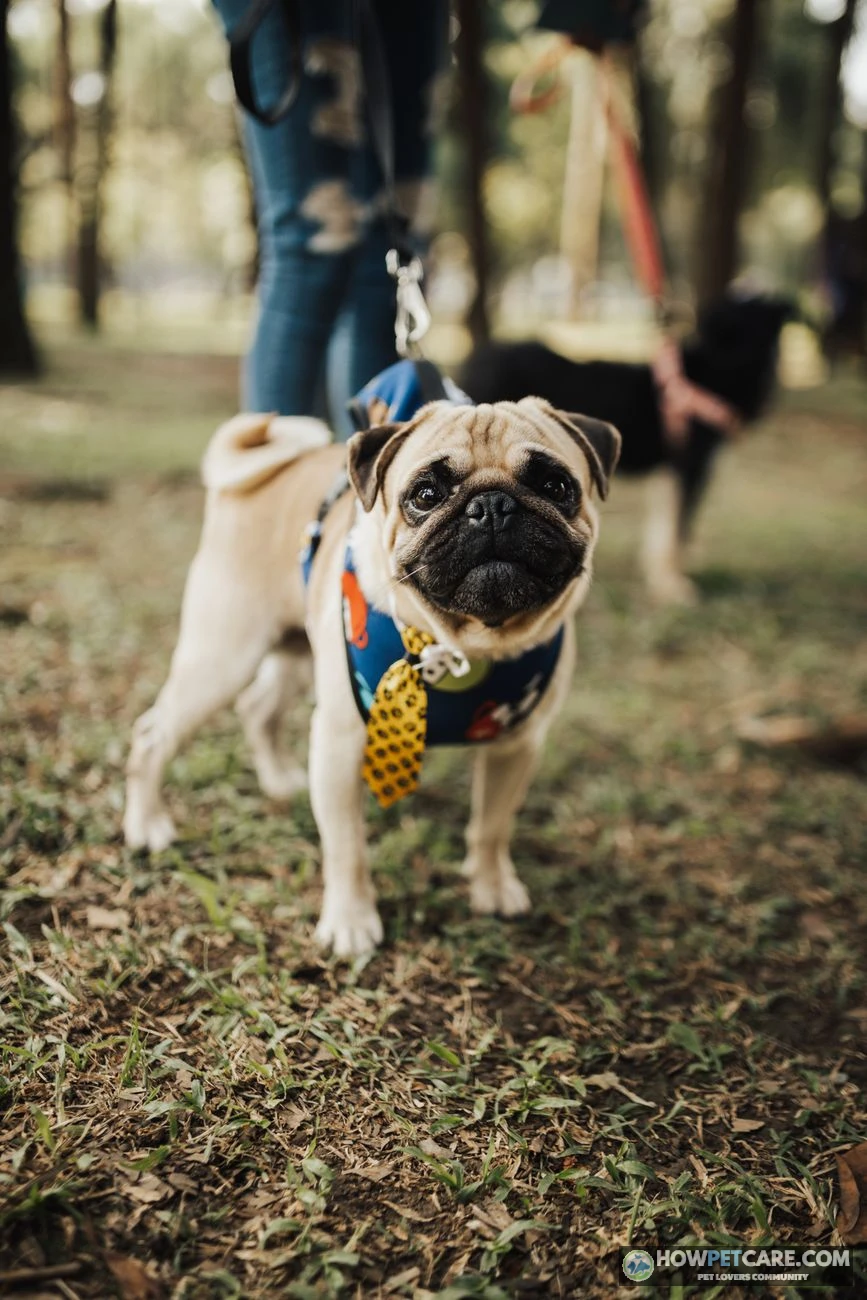
A well-fitted harness can avoid pressure on the throat during walks. Choose one that doesn’t rub or restrict shoulder movement. Equipment isn’t a substitute for training or medical care.
Offer regular, low-intensity activity suited to the dog’s age and fitness. Excess weight increases the work of breathing, while too much exercise in heat can quickly become dangerous. Pause if your dog slows, makes unusual noise or seems distressed.
Fold, eye and dental care
Inspect folds regularly and ask your vet how often to clean them and which product to use. Dry folds gently after cleaning. Persistent redness, moisture, odor or pain calls for an examination.
Check the eyes for squinting, redness, discharge or cloudiness. Seek prompt care for a painful eye. Brush teeth with dog-safe toothpaste as your veterinarian advises, and arrange professional dental care when recommended.

What Flat-Faced Dog Ownership Really Costs: BOAS Surgery, Lifetime Vet Spend and Insurance
A realistic budget covers routine care and the possibility of specialist or emergency treatment. The supplied evidence doesn’t verify US dollar ranges for individual BOAS procedures or a lifetime veterinary total. The figures below aren’t a quote or a published price survey. Ask local hospitals for written estimates before relying on any number.
BOAS, nares and soft-palate surgery: what you pay for
An airway assessment may involve a consultation, diagnostic testing, anesthesia and monitoring. Depending on the dog, surgery may widen narrowed nostrils, shorten or thin the soft palate, or address other obstructing tissue. Some dogs need more than one procedure or postoperative hospital care.
| Procedure or cost category | What it involves | US price range | Source of figure | Insurance consideration | Notes |
|---|---|---|---|---|---|
| Airway consultation and work-up | Examination and any recommended diagnostics | No verified range supplied | Not available | May be covered if eligible | Ask whether anesthesia and imaging are included |
| Nares widening | Opens narrowed nostrils | No verified range supplied | Not available | Policy dependent | May be combined with other work |
| Soft-palate surgery | Reduces obstructing palate tissue | No verified range supplied | Not available | Policy dependent | Anesthesia and postoperative monitoring matter |
| Combined BOAS surgery | Treats more than one airway abnormality | No verified range supplied | Not available | Policy dependent | Specialist and emergency-hospital charges vary |
| Emergency stabilization | May include oxygen, cooling and hospitalization | No verified range supplied | Not available | Policy dependent | Emergency fees and complications can increase the bill |
| Long-term eye, skin, dental or spine care | Treatment varies by diagnosis | No reliable lifetime range supplied | Not available | Often subject to exclusions and limits | A dog may need none, some or extensive care |
For a useful estimate, request an itemized low and high quote covering examination, pre-anesthetic testing, surgery, medications, overnight monitoring, rechecks and a plan for complications. Ask what the cost implications are if the dog needs an extended stay or referral.
Realistic lifetime vet costs for a Pug or French Bulldog
Treat this as a planning example, not a prediction: if your local written quotes are $3,000 for airway surgery, $500 per year for routine veterinary care and $1,000 reserved for another problem, a ten-year budget would be $9,000 before insurance premiums, price increases, food or other treatment. These are illustrative arithmetic inputs, not verified market prices or a claim that a typical dog will need those services.
The calculation is $3,000 + ($500 × 10) + $1,000. Replace each assumption with local quotes and your dog’s actual needs. Eye emergencies, repeated skin treatment, dental procedures or spinal surgery could make the final amount substantially higher; another dog may never need airway surgery.
Does pet insurance cover brachycephalic conditions?
Some accident-and-illness policies may cover eligible BOAS treatment, but coverage depends on the contract, waiting periods, exclusions, limits and the dog’s medical history. Symptoms noted before enrollment or during a waiting period can make a later condition pre-existing, even without a formal diagnosis. Don’t delay an examination or hide symptoms to obtain coverage.
Before buying a policy, ask the insurer in writing:
- Are congenital or hereditary airway conditions covered for this breed?
- Would noisy breathing, a prior RFG result or a veterinary note count as pre-existing?
- Are examinations, diagnostics, surgery, hospitalization and complications included?
- What are the deductible, reimbursement percentage, annual limit and waiting periods?
- Can the insurer exclude related conditions later, and how can premiums change at renewal?
US policy structures vary; don’t assume a UK-style “lifetime” label applies. The supplied evidence doesn’t verify any named insurer’s current wording, so get an answer in writing and read the policy itself before you buy.
Flying, Breed Laws and Bans: Where Flat-Faced Dogs Face Restrictions
Airline snub-nose restrictions and how to plan travel
Airline restrictions can affect snub-nosed dog breeds because heat, stress and limited access during transport create safety concerns. Some carriers restrict or refuse certain breeds in cargo, while cabin rules may differ. Breed mixes, connecting flights, aircraft type, weather and destination rules can also affect the decision.
Before booking, ask each operating airline—not just the booking website—whether your dog is accepted, where it would travel, which documents are required and what happens if temperatures or schedules change. Discuss fitness to travel with your vet. Don’t sedate a dog for a flight unless the veterinarian and carrier explicitly advise an appropriate plan.
Breed-specific breeding rules in the Netherlands, Norway and the UK
The Netherlands has applied welfare criteria to breeding dogs with excessively short muzzles, including a muzzle-to-skull measurement among other criteria. Breeding restrictions don’t automatically amount to a ban on owning every short-faced dog. Check the Dutch government’s current requirements and enforcement guidance before breeding, importing or traveling.
Norwegian court decisions have addressed the welfare of breeding English Bulldogs and Cavalier King Charles Spaniels. The legal position is specific to breed and circumstance, and litigation has changed it over time. Verify the latest court and government guidance rather than assuming all ownership or breeding is banned.
In the UK, welfare law, breeding guidance, health screening and breed-standard discussions are relevant, but they shouldn’t be confused with a blanket ban on owning flat-faced dogs. Consult current government and veterinary guidance for the activity and location involved.
How rules and travel limits affect insurance and ownership
If you move or travel, check your destination’s import rules, housing restrictions and your insurer’s geographic coverage separately. An airline refusal doesn’t necessarily mean ownership is illegal, and a breeding restriction doesn’t automatically prevent rehoming. Keep vaccination, identification, medical and insurance documents accessible.
Buying a Flat-Faced Puppy Responsibly: RFG Grades, Nostril Checks, Breeder Questions and a Final Decision Checklist
How to read RFG scores and which grades to walk away from
For Pugs, French Bulldogs and Bulldogs, ask for official RFG documentation for both parents from a scheme-approved assessor. Grade 0 is preferred; grade 1 calls for a considered pairing under scheme guidance. Grades 2 and 3 indicate clinically affected dogs and are serious reasons not to proceed with the mating or purchase. Ask the assessor about current rules and the dates and validity of results.
RFG doesn’t guarantee a puppy’s health, and it doesn’t replace breed-specific heart, eye, spine or other health screening. A parent’s airway surgery matters too: improved breathing after an operation doesn’t erase inherited risk.
How to check a puppy’s nostrils and breathing
Look for visibly open nostrils, rather than very narrow slits that appear pinched or collapse inward during inhalation. There’s no reliable pencil-tip measurement that establishes a puppy’s airway health. Open nostrils don’t show what’s happening farther back in the throat.
Observe the puppy calmly, without restraining or stressing it. Listen for noise while it’s awake and resting, notice whether it tires or gags during normal play, and check for squinting, discharge or inflamed folds. Arrange an independent veterinary examination; don’t deliberately provoke breathlessness.
Questions to ask the breeder and contract red flags
Ask for documents, not just assurances:
- What are both parents’ RFG grades, when were they assessed, and may I see the certificates?
- Have either parent or close relatives had airway surgery or significant breathing problems?
- Which other breed-relevant health tests were performed, and what were the results?
- May I meet the mother and observe her breathing at rest?
- Can my own veterinarian review the results and examine the puppy before I commit?
- What does the written contract provide if an inherited airway or eye condition develops?
Be cautious if records are missing, the breeder refuses reasonable access to the mother, minimizes noisy breathing, pressures you for an immediate deposit or promotes extreme facial features as desirable. Read exclusions and return provisions carefully. A health guarantee can clarify responsibilities, but it can’t prevent suffering or guarantee reimbursement.
Should you get a flat-faced dog? A decision checklist
Before committing, make sure you can answer yes to the questions that matter for the individual dog:
- Can I keep the home and transport comfortably cool, including during an outage?
- Can I afford routine care, an emergency fund and potentially specialist treatment?
- Am I prepared to act on breathing changes and consider recommended surgery?
- Can I provide appropriate exercise, grooming, dental care and weight management?
- Have I considered travel, housing, stairs and the physical work of handling this dog?
- Have I reviewed independent health records instead of relying on appearance or a breed reputation?

If the answers are uncertain, wait, consider a longer-muzzled dog or speak with a rescue about an individual whose breathing, temperament and care needs have already been assessed. If you already live with a flat-faced dog, arrange a veterinary check and make an emergency plan before hot weather arrives.
 You might be wonderingBreeds of poodles dogsPoodle Dog Breeds: Differences, Sizes & Care GuideRead the answer
FAQ
Is ‘brachycephalic’ the same as ‘flat-faced’?
Yes. Brachycephalic is the veterinary term for dogs with a shortened skull and muzzle, and ‘flat-faced’, ‘short-nosed’ and ‘snub-nosed’ describe the same group in everyday language.
Why do some dogs have flat faces?
Breeders selected for short muzzles and rounded, juvenile-looking heads over many generations. The skull shortened but the soft tissue in the nose and throat did not shrink to match, which is why the airway is often cramped.
Can BOAS surgery cure a flat-faced dog’s breathing problems?
Surgery can improve breathing by widening the nostrils or shortening the soft palate, but it does not change the underlying skull shape. Many dogs still need lifelong management of heat, weight and exercise.
Should a flat-faced dog wear a collar or a harness?
A well-fitted harness is generally preferred because a collar puts pressure on the neck and throat, which can worsen an already narrow airway. Choose a design that does not press on the chest or restrict breathing.
Do flat-faced dogs have a shorter lifespan than other dogs?
Several large studies have found some brachycephalic breeds, such as the French Bulldog and English Bulldog, live shorter lives on average than many other breeds. Individual outcomes depend on airway health, weight and how quickly problems are treated.