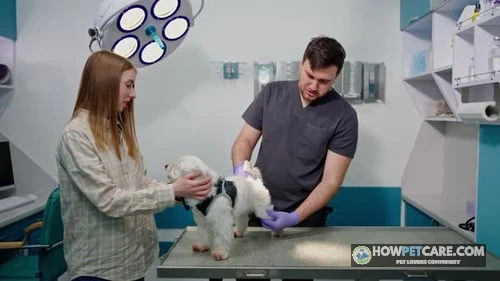

A dog’s penis may briefly protrude during excitement, play, grooming, stress, or urination and usually retracts within minutes. Seek emergency veterinary care if it remains exposed for more than 30 minutes, becomes dry or blue, purple, or black, causes severe pain, or prevents urination.
Noticing a dog’s penis sticking out, swelling at the base, or leaking fluid can cause immediate panic. Most momentary changes in male dog anatomy are normal autonomic responses to excitement, grooming, or urination. However, a protruding penis that cannot retract is a true veterinary emergency. Distinguishing between a benign physiological event and a medical crisis comes down to evaluating exposure duration, tissue color, moisture, and your dog’s comfort.
Is It Normal or an Emergency? Check These Signs First
When a dog’s penis becomes visible, rapid visual triage helps you choose the right response. An erection or partial protrusion often happens during routine interactions and resolves quickly without intervention.
Usually normal: brief exposure with healthy color and easy retraction
A brief pink-to-red protrusion during greeting, intense play, stress, grooming, or urination is generally normal canine physiology. During these moments, blood flow temporarily increases to the erectile tissues. You will notice the tissue remains slick, glistening, and bright pink or light red. Once your dog calms down, finishes grooming, or urinates—usually within two to ten minutes—the tissue should smoothly slide back inside the protective skin sheath.
Call a veterinarian: persistent discharge, licking, odor, or recurring swelling
Schedule a prompt veterinary examination if the penis retracts normally but you notice ongoing changes around the sheath opening. Warning signs include a noticeable increase in yellow, green, or cloudy discharge; a sour or foul odor; crusting along the surrounding fur; or repetitive licking. If the base swells repeatedly without an obvious excitement trigger, or if the skin of the sheath appears red, raw, or flaky, an underlying infection or inflammatory issue requires medical treatment.

Go now: trapped tissue, color change, urinary difficulty, or severe pain
Treat an exposed penis that fails to retract as an urgent medical situation. As the delicate mucosal tissue stays exposed to dry air, it swells and becomes trapped outside the preputial opening. Seek emergency veterinary care immediately if you observe any of the following signs:
- The penis has remained fully or partially exposed for more than thirty minutes.
- The exposed tissue appears dark red, purple, blue, gray, or black.
- The surface looks dry, cracked, bleeding, or ulcerated.
- Your dog is straining to urinate, passing only tiny drops of blood-tinged urine, or unable to urinate at all.
- Your dog shows signs of severe pain, such as crying, snapping, panting heavily, or refusing to sit or walk.
- There is visible constriction around the shaft, such as a tight ring of matted fur or rubber bands.
Blue, purple, or blackened penile tissue indicates compromised blood circulation and imminent tissue necrosis. Do not attempt home remedies or wait to see if it improves overnight—transport your dog to the nearest 24-hour veterinary emergency hospital immediately.
Dog Penis Anatomy: Prepuce, Bulbus Glandis, and Os Penis
Understanding normal canine penis structure helps you recognize routine physiological shifts and prevents mistaking healthy anatomical features for tumors, foreign bodies, or traumatic injuries.
Relaxed Male Dog Anatomy:
+-------------------------------------------------------------+
Abdominal Wall +------------------------------------------+ Prepuce (Outer Sheath) +------------------------------------+ Shaft / Glans Penis (Inside Sheath) [=== Os Penis (Bone) ===] +------------------------------------+ +-------------------+ Preputial Orifice +----------------------+
+-------------------------------------------------------------+
Normal Arousal / Bulbus Glandis Swelling:
+-------------------------------------------------------------+
Abdominal Wall +-----------------------+ Prepuce Retracted Back ( ( ( +-----------------------+ ( Bulbus ) ===================== ( Glandis) Extruded Shaft Glans Penis (Tip) ( ( ( =====================/ [Symmetric] [Swelling ]
+-------------------------------------------------------------+What each part normally looks like
The canine external reproductive tract consists of several specialized components:
- The Prepuce (Sheath): The smooth external tubular sleeve of skin that encloses, lubricates, and shields the non-erect penis from environmental debris, friction, and trauma. The inner lining contains mucus-secreting glands.
- The Glans Penis: The primary body of the penis, divided into an anterior portion (pars longa glandis) and an expanded posterior portion. It is richly vascularized and lined with sensitive, delicate pink mucous membranes.
- The Preputial Orifice: The narrow front opening of the prepuce through which the penis extends during an erection or urination.
In a resting state, the penis stays completely tucked within the prepuce, with only a small tuft of hair visible at the opening. The resting mucosa is salmon-pink, smooth, and uniformly moist.

Why the bulbus glandis swells at the base
The bulbus glandis consists of paired erectile tissue located toward the base of the glans penis. When a dog experiences autonomic arousal—whether sexual or non-sexual—large volumes of venous blood rapidly fill these spongy structures. As the bulbus glandis engorges, it expands into a firm, rounded, symmetrical sphere often compared to a golf ball or small apple, depending on the dog’s size.
Many pet owners first encounter this sudden, dramatic ball-like swelling at the base of the shaft and mistake it for an acute tumor, an abscess, or a severe hernia. Bulbus glandis swelling is entirely normal canine anatomy. Its evolutionary biological purpose is to anchor the male dog to the female during a mating tie. Once arousal subsides, venous drainage opens, and the bulbus glandis deflates naturally, allowing the organ to slide back into the prepuce.
The os penis or baculum
Unlike human anatomy, the canine penis contains an internal bone known as the os penis or baculum. This rigid bone runs lengthwise through the core of the glans penis, positioned directly dorsal to (above) the urethra. A groove along the underside of the os penis—the urethral groove—cradles and protects the delicate urinary passage.
The os penis provides structural rigidity even prior to a full vascular erection, facilitating mating. Because this structure is solid bone, never bend, firmly squeeze, or forcefully manipulate a protruding penis. Rough handling can fracture the os penis or crush the vulnerable urethra running along its lower surface, causing acute urinary obstruction and internal hemorrhage.

Diagram brief: relaxed anatomy versus normal swelling
In the relaxed anatomical state, the entire shaft and deflated bulbus glandis remain enclosed within the protective preputial cavity. The internal mucous membrane rests against the skin lining with minimal exposure to external air. During normal autonomic swelling, the prepuce rolls backward behind the expanding bulbus glandis. The extruded shaft appears smooth, glossy, and pink, with symmetrical enlargement at the base that steadily subsides within minutes once the dog relaxes.
Why Is My Dog’s Penis Sticking Out?
The colloquial term "dog red rocket" refers to the visible, bright red or pink extruded glans penis. While popular culture often attributes this sight strictly to sexual desire, canine erections and penile protrusion stem from a broad range of physiological and emotional states.
Greeting, excitement, stress, and grooming triggers
Erection and protrusion in dogs are governed by the autonomic nervous system. Parasympathetic nerve firing causes arterial dilation, filling the erectile sinusoids with blood regardless of whether the underlying stimulus is reproductive:
- Enthusiastic Greetings: Returning home after work can trigger an immediate surge of autonomic excitement, resulting in an involuntary partial erection.
- Play and Arousal: Vigorous play sessions, agility training, or roughhousing with other dogs frequently activate temporary vascular engorgement.
- Social Stress and Anxiety: Environmental stressors, such as new visitors, loud gatherings, or vet visits, can trigger displacement behaviors like mounting or autonomic penile protrusion.
- Grooming Routines: Licking the genital area stimulates local sensory nerves, leading to minor erections during everyday hygiene.
- Excitement Urination: Younger or submissive male dogs may display a brief penile protrusion along with involuntary urination during high-energy introductions.
None of these behaviors reflect moral defiance or sexual frustration; they are normal physiological responses that resolve naturally once the dog settles.

Normal bulbus glandis swelling versus a trapped penis
Distinguishing between normal bulbus glandis swelling and a stuck penis (paraphimosis) centers on time and progression. During normal excitement, the paired bulbi swell symmetrically, remain lubricated by natural secretions, and decrease in size within five to fifteen minutes after the excitement ends. Once deflated, the penis retracts effortlessly into the sheath.
In contrast, a trapped penis fails to deflate. The preputial orifice acts like a tight rubber band rolled behind the swollen tissue, impeding venous blood return while arterial blood continues to pump in. As fluid accumulates (edema), the exposed tissue becomes increasingly swollen, turns from bright pink to dark red or purple, and dries out, making natural retraction impossible.
What happens during a mating tie
During natural canine mating, the male mounts the female and penetrates before achieving full erection. Once penetration occurs, rapid vascular engorgement expands the bulbus glandis inside the female’s vestibular sphincter. The circular muscles of the female dog’s reproductive tract contract firmly around this swelling, locking the two animals together in what is termed a "copulatory tie" or "mating tie."
The tie typically lasts between ten and thirty minutes, though ties up to forty-five minutes can occur. During this period, the male often steps one hind leg over the female’s back, standing rear-to-rear.
Never attempt to separate dogs locked in a mating tie using physical force, cold water, or loud noises. Forcibly pulling the dogs apart can fracture the male’s os penis, rupture the erectile tissues of the bulbus glandis, tear the female’s vaginal wall, and cause catastrophic internal bleeding.
Dog Penis Discharge: Normal Smegma vs Balanoposthitis
Finding droplets of discharge on your dog’s bedding, belly fur, or the living room carpet is a common reason for concern. Evaluating the fluid’s color, volume, and accompanying behavioral signs clarifies whether it is normal cellular debris or an infection.
What harmless smegma may look like
Smegma is a naturally occurring, benign secretion produced by the sebaceous glands and epithelial cells lining the inner surface of the prepuce. It serves an essential physiological role by lubricating the mucous membranes, preventing friction during movement, and maintaining a healthy local microbiome.
Harmless smegma presents with specific characteristics:
- Appears as a small, milky, pale yellow, or light greenish droplet at the tip of the sheath.
- Has little to no perceptible odor.
- Does not cause discomfort, excessive licking, or redness.
- Occurs intermittently and wipes away easily without leaving raw or irritated skin underneath.
Most male dogs keep this fluid barely noticeable through regular self-grooming. A small smear of smegma found occasionally on bedding is completely normal.
Signs of dog penis infection or inflammation
When microbial balance is disrupted or bacteria proliferate, inflammation develops. Balanoposthitis is the clinical term for inflammation of both the glans penis (balanitis) and the internal preputial mucosal lining (posthitis). Much like vaginitis in female dogs, this condition involves mucosal inflammation and abnormal discharge that require veterinary attention.
Look for the following clinical signs of infection:
- Copious Volume: Large puddles, constant dripping, or crusted mats of dried discharge on the surrounding coat.
- Abnormal Color and Consistency: Thick, opaque, bright yellow-green pus, or discharge streaked with fresh blood.
- Foul Odor: A distinct, sour, putrid, or rotting smell coming from the sheath.
- Discomfort and Licking: Constant, frantic licking of the prepuce, whining while grooming, or scooting along the carpet.
- Local Inflammation: Swollen, bright red, or warm preputial skin; painful reaction when the area is lightly touched.
- Systemic Symptoms: Lethargy, fever, decreased appetite, or changes in urinary habits.
Other conditions that mimic balanoposthitis include foreign body entrapment (such as foxtails or plant awns lodged inside the sheath), preputial lacerations, transmissible venereal tumors (TVT), urinary tract infections (UTIs), and prostatitis.
Safe external hygiene and what not to insert
If your dog has accumulated dried smegma or light dirt around the preputial opening, gentle external cleaning helps maintain comfort. However, improper cleaning techniques can introduce severe bacterial infections.
Safe external hygiene practices include:
- Using a soft, clean washcloth dampened with warm tap water or sterile saline solution.
- Gently wiping only the outside skin of the prepuce and the hair surrounding the opening.
- Patting the area completely dry with a clean towel.
Avoid these unsafe practices:

- Never insert cotton swabs (Q-tips) into the preputial orifice; they can tear delicate tissue or leave behind fibers that become foreign-body niduses.
- Never flush the prepuce with human soaps, rubbing alcohol, hydrogen peroxide, chlorhexidine scrubs, or over-the-counter douches. These chemicals strip the natural lipid barrier, cause chemical burns to the mucosa, and kill beneficial bacteria.
- Routine internal preputial flushing should only be performed under direct veterinary supervision using sterile, balanced solutions.
Paraphimosis in Dogs: Why a Trapped Penis Is an Emergency
Paraphimosis is defined as the inability of an extruded penis to retract fully back inside the preputial sheath. While often confused with phimosis (the inability to protrude the penis due to a pathologically narrow opening), paraphimosis represents an acute vascular crisis that can lead to permanent tissue loss if left untreated.
How paraphimosis traps and damages tissue
The pathophysiological mechanism of paraphimosis operates as a self-reinforcing, destructive cycle:
- Initial Trigger: Following an erection, mating, or grooming, the penis extends out through the preputial opening.
- Mechanical Impediment: The preputial margin rolls inward (inversion), or a physical barrier—such as a ring of tangled, matted hair—encircles the base of the extruded shaft.
- Venous Obstruction: The constriction ring allows high-pressure arterial blood to enter the glans, but blocks low-pressure venous return and lymphatic drainage.
- Severe Edema: Venous congestion forces fluid into the interstitial spaces, causing massive swelling (edema) of the glans and bulbus glandis.
- Desiccation and Ischemia: Exposed to dry air, the delicate mucosal surface rapidly loses moisture, cracks, and ulcerates. The escalating swelling tightens the constriction ring further, eventually cutting off arterial perfusion entirely (ischemia).
- Tissue Necrosis: Deprived of oxygenated blood, the penile tissue suffocates, turning blue, then purple, and finally black as tissue death (gangrene) sets in.
Normal Swelling (Bulbus Glandis) vs Paraphimosis Emergency:

NORMAL RESOLVING PROTRUSION:           PARAPHIMOSIS (EMERGENCY):
- Prepuce loose and relaxed            - Prepuce rolled inward/constricted
- Symmetrical base swelling            - Severe, asymmetric, expanding edema
- Moist, glossy, bright pink mucosa    - Dry, dull, dark red, purple, or black
- Subsides within 10-15 minutes        - Trapped >30 min, worsening swelling
- Dog is calm and comfortable          - Dog is in pain, frantically licking
Risk timeline: exposure, drying, circulation loss, and necrosis
How long can a protruding penis stay out before tissue damage becomes irreversible? There is no single universal cutoff hour, as the timeline depends on the tightness of constriction, ambient humidity, and whether the dog is actively licking or traumatizing the tissue. However, clinical progression generally follows this trajectory:
- 0 to 30 Minutes: Penile tissue remains moist and pink. Swelling is primarily vascular. If the cause is simple arousal, it will begin to deflate during this window. If it remains engorged without improvement past 30 minutes, pathological paraphimosis is developing.
- 1 to 2 Hours: The mucosal surface dries out (desiccation). Venous congestion intensifies, producing prominent purple or dark red discoloration. Mild mucosal micro-tears develop as the dog licks at the drying surface.
- 2 to 6 Hours: Severe edema sets in. The tissue becomes firm, cool to the touch, and dark purple or bluish. Microvascular thrombosis (tiny blood clots) forms within the erectile sinusoids, severely compromising local tissue viability.
- Beyond 6 to 12 Hours: Prolonged ischemia leads to full-thickness mucosal necrosis, secondary bacterial infection, ulceration, and gangrene. Tissue turns dark gray or black. At this stage, saving the penis becomes difficult, and surgical amputation (partial or complete penile amputation with urethrostomy) may be required to save the dog’s life.
| Sign | Usually normal | Concerning | Emergency action |
|---|---|---|---|
| Exposure duration & retraction | Protrusion < 15 min; retracts spontaneously | Exposure 15–30 min; slow to retract; mild drying | Exposure > 30 min; unable to retract; escalating swelling |
| Tissue color & surface | Glistening, moist, uniform salmon-pink or light red | Deep red, tacky to touch, minor lint or fur adherence | Blue, purple, dark gray, black, cracked, or bleeding |
| Urinary function | Urinates freely in normal steady stream | Hesitant urination or frequent dribbling | Complete inability to urinate; painful straining; distended abdomen |
| Pain & behavior | Relaxed posture; brief, calm grooming | Moderate focus on area; restless; tucking tail | Whining, snapping if touched, frantic licking, unable to lie down |
| Foreign material | Clean preputial margin | Loose debris resting on outer sheath | Tight hair ring or band constricting the base of the shaft |

Emergency First Aid While You Travel to the Veterinarian
If your dog’s penis is trapped outside the sheath, home first-aid serves strictly to preserve tissue viability and prevent further trauma while en route to a veterinary hospital. It is never a substitute for a comprehensive professional examination.
-
Step 1: Contact the Emergency Clinic
Call your nearest emergency veterinary hospital immediately. Tell them you are en route with a suspected case of paraphimosis. Provide the dog’s breed, how long the penis has been exposed, the current color of the tissue, and whether the dog can urinate.
-
Step 2: Prevent Mechanical Self-Trauma
Place an Elizabethan collar (e-collar or recovery cone) on your dog immediately. A dog’s rough tongue can shred dry, edematous penile mucosa within minutes, accelerating ulceration and introducing oral bacteria.
-
Step 3: Keep the Mucosa Moist and Protected
Liberally coat the entire exposed penis with a plain, water-based lubricant (such as K-Y Jelly) or sterile medical saline. If you have non-stick sterile gauze pads, soak them in sterile saline, wrap them loosely around the exposed tissue, and cover them with lubricant. Reapply every five to ten minutes during travel.
-
Step 4: Apply a Safe Cold Compress
If the dog tolerates it without distress, apply a chilled, damp cloth or a cold gel pack wrapped in a clean, soft towel over the lubricated area for five to ten minutes. Cold induces mild vasoconstriction and helps decrease inflammatory edema. Never apply bare ice directly to the penis.
-
Step 5: Do Not Force Retraction or Squeeze
Do not attempt to push, jam, or force the swollen penis back into the prepuce. Never aggressively squeeze the bulbus glandis or attempt to slice off constricting hair rings with household scissors or razor blades, which carries an extreme risk of lacerating the penile artery or urethra.
-
Step 6: Avoid Medicated Ointments and Painkillers
Do not apply human pain-relieving creams, hydrocortisone, antibiotic ointments, petroleum jelly (Vaseline), or essential oils. Never give human pain medications like ibuprofen, acetaminophen, or naproxen, which can cause fatal kidney failure, liver necrosis, or severe gastrointestinal ulceration in dogs.

An Elizabethan collar prevents self-trauma and rapid mucosal damage during transport to the clinic.

Supplies to keep in a canine emergency kit
| Supply | Purpose | How to use it safely | What to avoid |
|---|---|---|---|
| Plain water-based lubricant | Prevents tissue desiccation and friction | Apply thick, generous layers directly over exposed mucosa | Avoid petroleum jelly, flavored lubes, warming gels, or products with lidocaine |
| Sterile saline solution | Flushes dirt; keeps tissue hydrated | Generously squirt over dry tissue or saturate sterile gauze | Avoid tap water, contact lens solutions with preservatives, or homemade salt mixtures |
| Non-stick sterile pads | Protective barrier during travel | Lay loosely over lubricated tissue; replace if dry | Avoid regular dry cotton balls or adhesive dressings that stick to raw mucosa |
| Elizabethan collar (Cone) | Prevents severe self-mutilation | Fasten securely around neck prior to transport | Avoid inflatable donuts if the dog can still bend around to reach his genitals |
| Cold pack & soft towel | Reduces acute vascular edema | Wrap ice pack securely in towel; apply gently for 5–10 min | Never apply bare ice, dry chemical cold packs, or heavy pressure directly to tissue |

Why creams and forced manual reduction can be dangerous
Attempting to push a swollen, dried penis back into the sheath without veterinary sedatives and professional technique often causes severe complications. Forcing the swollen glans against the narrow preputial orifice can tear the mucosa, rupture engorged blood vessels, and invert the prepuce further, exacerbating constriction.
Similarly, human over-the-counter creams containing hydrocortisone or local anesthetics (such as benzocaine or lidocaine) can be absorbed rapidly across the non-keratinized mucosal surface into systemic circulation, risking cardiovascular collapse, methemoglobinemia, or severe mucosal toxicity.
Clinic Vignette: Quick-Triage of a Trapped Penis
Patient: 3-year-old intact Labrador Retriever, 70 lb.
Presenting problem: The owner noticed a swollen, pink-to-purple tip protruding following an energetic play session in tall grass. The penis remained exposed after 45 minutes, felt dry, and the dog was frantically attempting to lick the area.
Owner-initiated first aid:
- Contacted the 24-hour veterinary emergency hospital to announce arrival.
- Fitted a plastic e-collar to prevent oral trauma.
- Generously coated the exposed glans with plain water-based lubricant and wrapped it loosely in saline-moistened sterile gauze, reapplying during the 20-minute drive.
Veterinary assessment & intervention:
- Examination revealed acute paraphimosis secondary to a tightly wrapped ring of dried grass and matted preputial hair constricting the proximal shaft.
- The dog was sedated, intravenous fluid therapy was initiated, and hyperosmolar 50% dextrose compresses were applied to draw out interstitial fluid and reduce edema.
- The veterinary team clipped the hair ring using fine surgical instruments, cleansed the tissue with warm sterile saline, and performed gentle manual reduction to return the penis to the prepuce.
- A temporary purse-string suture was placed at the preputial opening to prevent re-extrusion, along with systemic analgesia and a course of anti-inflammatories.
Outcome: Full recovery within 48 hours with no tissue loss or urethral stricture.

Intact vs Neutered Dogs: Anatomy, Behavior, and Discharge
A common misconception among pet parents is that neutering (castration) removes all male sexual anatomy and halts all associated behaviors and secretions. Clarifying what changes—and what remains—prevents confusion when assessing your dog’s health.
What neutering physically changes
Surgical neutering involves an orchiectomy—the complete surgical removal of both testicles along with the epididymides. Neutering does not involve the removal of the penis, prepuce, bulbus glandis, or the os penis. All of these anatomical structures remain completely intact throughout the dog’s life.
Following castration, circulating testosterone levels drop by more than 90%. Over time, the prostate gland shrinks significantly (prostatic atrophy), and the overall erectile tissue of the bulbus glandis may experience a mild decrease in maximum engorgement volume. However, the structural pathways, venous sinusoids, and baculum stay fully formed.
Behaviors that may decrease but not disappear
Because sexual behaviors are governed both by circulating hormones and by learned social habits and autonomic reflexes, neutering produces variable behavioral results:
- Decreased Behaviors: Castration generally reduces testosterone-driven roaming (seeking females in heat, though understanding whether dogs get menstrual periods clarifies how estrus cycles operate), inter-male territorial aggression, and hormonal urine marking inside the house.
- Retained Behaviors: Neutered male dogs can still achieve full erections, mount other dogs, toys, or people, and engage in pelvic thrusting. These actions are frequently outlets for play arousal, excitement, over-stimulation, or stress relief rather than hormone-driven mating drives.
If your neutered dog gets an erection or displays bulbus glandis enlargement when excited, he is not experiencing a hormonal resurgence—his autonomic nervous system is simply functioning normally.
Discharge and health risks in both groups
| Feature | Intact dog | Neutered dog | When it needs veterinary attention |
|---|---|---|---|
| Hormone-driven mounting & roaming | Frequent, particularly when a female in heat is within scent range | Substantially reduced; mounting persists as play or displacement behavior | Mounting associated with severe anxiety, aggression, or trauma to genitals |
| Bulbus glandis swelling ("rocket") | Robust swelling during mating attempts or general arousal | Still engorges during play, grooming, or environmental stress | Swelling that fails to retract after 30 minutes, becomes asymmetrical, or causes pain |
| Discharge volume & appearance | Greater volume; contains prostatic fluid and smegma; mild odor | Lower volume; primarily smegma and sloughed epithelial cells | Opaque yellow-green pus, foul odor, blood, or heavy dripping in either group |
| Paraphimosis vulnerability | Vulnerable (mating injuries, hair rings, priapism) | Vulnerable (hair rings, neurological dysfunction, preputial inversion) | Any dark discoloration, drying, severe swelling, or inability to retract |
| Prostatic & testicular disease | At risk for BPH, testicular tumors, and prostatitis | Testicular tumors eliminated; BPH virtually eliminated | Straining to defecate or urinate, systemic illness, painful lower abdomen |
Both intact and neutered dogs remain susceptible to balanoposthitis, paraphimosis, preputial foreign bodies, urethral obstructions, and penile lacerations. Never assume that a symptom is harmless simply because your dog is neutered.
Your Next-Step Checklist: Monitor, Book a Visit, or Go Now
When evaluating changes in your dog’s penile health, follow this clinical decision framework to determine the proper course of action.
Triage Decision Framework:

[Dog's Penis Is Visible / Discharging]
                  |

                  v
   Is the tissue blue, purple, or black?
   Has it been stuck >30 minutes?
   Is the dog unable to urinate?
       /
     YES                         NO
      |                           |

      v                           v
[EMERGENCY VET NOW]     Is there foul odor, pus,
Apply water-based lube, blood, or constant licking?
put on e-collar, go now.         /
                               YES          NO
                                |            |

                                v            v
                      [BOOK VET APPOINTMENT] [SAFE TO MONITOR]
                      Schedule routine visit  Moist pink tissue;
                      within 24-48 hours.     retracts in <15 min.
Safe to monitor briefly
You can safely manage the situation with observation at home if:
- The penis protruded during play or greeting and retracted completely within ten to fifteen minutes.
- The tissue remained glossy, moist, and light pink throughout the brief exposure.
- The dog produces only occasional, tiny droplets of clear or pale yellowish smegma without odor.
- Urination is effortless, producing a strong, unbroken stream of normal yellow urine.
- The dog does not lick the area obsessively and allows gentle inspection without showing signs of pain.
Needs a scheduled veterinary examination
Contact your family veterinarian to book an outpatient appointment within 24 to 48 hours if:
- The dog licks the prepuce frequently throughout the day.
- Yellowish-green, cloudy discharge is increasing in quantity or leaving stains on furniture.
- The sheath emits a persistent sour or yeasty odor.
- The skin of the prepuce appears mildly swollen, hairless, or red.
- Protrusions happen repeatedly without clear emotional or physiological triggers.
Needs emergency veterinary care now
Transport your dog to the nearest emergency veterinary hospital immediately if:
- Retraction Failure: The penis has been trapped outside the sheath for more than 30 minutes.
- Discoloration: The exposed mucosa is dark red, deep purple, blue, gray, or blackened.
- Tissue Desiccation: The penile surface appears dry, cracked, crusted, or actively bleeding.
- Urinary Obstruction: The dog strains to urinate, cries while attempting to go, or cannot pass urine.
- Physical Constriction: A visible hair ring, rubber band, or tight preputial band is cutting into the shaft.
- Severe Distress: The dog exhibits whining, trembling, panting, or aggression due to pain.
What to tell the veterinary team
When calling your veterinarian or the emergency triage desk, have the following information prepared to help the medical team stage treatment prior to your arrival:
- Timeline: Exactly how long the penis has been continuously visible.
- Appearance: The current color (pink, dark red, purple, black) and whether the surface is moist or dry.
- Urinary Status: When your dog last urinated normally, and whether he has attempted to urinate recently.
- Reproductive Status: Whether your dog is intact or neutered, and whether he has recently mated or mounted.
- First-Aid Measures: Any supplies applied to the tissue (such as water-based lubricant or sterile saline) and whether an e-collar is currently in place.
- Known Medical History: Any history of spinal disease, neurological conditions, or previous paraphimosis episodes.
Veterinary teams handle canine reproductive emergencies daily. Never let social embarrassment delay seeking treatment—quick, decisive action protects your dog’s health and ensures the best clinical outcome.

Clinical References & Veterinary Standards
- Johnston, S. D., Root Kustritz, M. V., & Olson, P. N. (2001). Canine and Feline Theriogenology. W.B. Saunders, Philadelphia.
- Fossum, T. W. (2018). Small Animal Surgery (5th ed.). Elsevier, Philadelphia.
- Feldman, E. C., Nelson, R. W., Reusch, C., & Scott-Moncrieff, J. C. (2015). Canine and Feline Endocrinology and Reproduction (4th ed.). Elsevier Saunders.
- Ettinger, S. J., Feldman, E. C., & Côté, E. (2017). Textbook of Veterinary Internal Medicine (8th ed.). Elsevier.
- American College of Veterinary Surgeons (ACVS). Paraphimosis in Small Animals: Pathophysiology and Clinical Management.
Article reviewed for clinical accuracy by a veterinary healthcare educator. Re-evaluated annually for alignment with current companion animal emergency standards.
| Clinical Sign or Emergency | Normal Presentation | Concerning Symptoms | Emergency Action Signs | First Aid Supplies & Measures | Veterinary Care Level (Inferred) |
|---|---|---|---|---|---|
| Exposure duration & retraction | Protrusion < 15 min; retracts spontaneously | Exposure 15–30 min; slow to retract; mild drying | Exposure > 30 min; unable to retract; escalating swelling | Apply water-based lube, put on e-collar, go to emergency vet immediately. | Emergency Vet Now |
| Tissue color & surface | Glistening, moist, uniform salmon-pink or light red | Deep red, tacky to touch, minor lint or fur adherence | Blue, purple, dark gray, black, cracked, or bleeding | Apply plain water-based lubricant to prevent desiccation; wrap loosely with sterile saline-moistened non-stick pads. | Emergency Vet Now |
| Urinary function | Urinates freely in normal steady stream | Hesitant urination or frequent dribbling | Complete inability to urinate; painful straining; distended abdomen | Do not manipulate or forcefully squeeze tissue; seek immediate emergency care. | Emergency Vet Now |
| Pain & behavior | Relaxed posture; brief, calm grooming | Moderate focus on area; restless; tucking tail | Whining, snapping if touched, frantic licking, unable to lie down | Fit an Elizabethan collar (Cone) to prevent oral trauma/self-mutilation. | Emergency Vet Now |
| Foreign material / Constriction | Clean preputial margin | Loose debris resting on outer sheath | Tight hair ring or band constricting the base of the shaft | Gently clean outer skin with warm water/saline; do not attempt cutting near swollen tissue yourself; seek vet help. | Emergency Vet Now |
| Discharge / Smegma vs Infection | Small, milky, pale yellow, or light greenish droplet at sheath tip; little to no odor | Noticeable increase in yellow, green, or cloudy discharge; sour/foul odor; crusting on surrounding fur; frequent licking | Opaque yellow-green pus streaked with fresh blood, active bleeding, or accompanied by systemic illness and inability to urinate | Perform gentle external wiping using a soft cloth dampened with warm water or saline. Do not flush internally or use human soaps/chemicals. | Scheduled Visit |
| Bulbus glandis swelling | Symmetrical, smooth sphere that subsides naturally within 5–15 minutes after excitement ends | Swells repeatedly without excitement trigger, or fails to retract after 30 minutes | Severe, asymmetric expanding edema; dark discoloration; causes extreme pain or tissue dryness | Apply wrapped cold pack with soft towel for 5–10 min to reduce acute vascular edema. Avoid direct ice or heavy pressure. | Emergency Vet Now |
FAQ
Do some dog breeds naturally have a larger bulbus glandis?
Body size and individual anatomy can affect how prominent the bulbus glandis appears, but breed alone cannot confirm that swelling is normal. Increasing, painful, one-sided, discolored, or non-retracting swelling should be assessed by a veterinarian.
Can a dog urinate normally while his penis is swollen?
Some dogs can still urinate, but severe swelling or paraphimosis may obstruct urine flow. Straining, repeated unsuccessful attempts, dribbling, or inability to pass urine requires emergency veterinary care.
Can hair around the sheath cause a dog’s penis to stay out?
Yes. Matted hair or a ring of hair can obstruct retraction and impair circulation, but cutting near swollen tissue can cause serious injury; keep the area moist and seek veterinary help.
What does blood coming from a dog’s sheath mean?
Blood may come from trauma, urinary disease, infection, prostate disease, stones, or a mass and should not be assumed to be normal smegma. Active bleeding, pain, urinary difficulty, weakness, or recent injury warrants urgent care.
Should routine grooming include cleaning inside a male dog’s sheath?
Usually not. Routine external wiping is generally sufficient unless a veterinarian recommends a specific cleansing or flushing plan for a diagnosed condition.