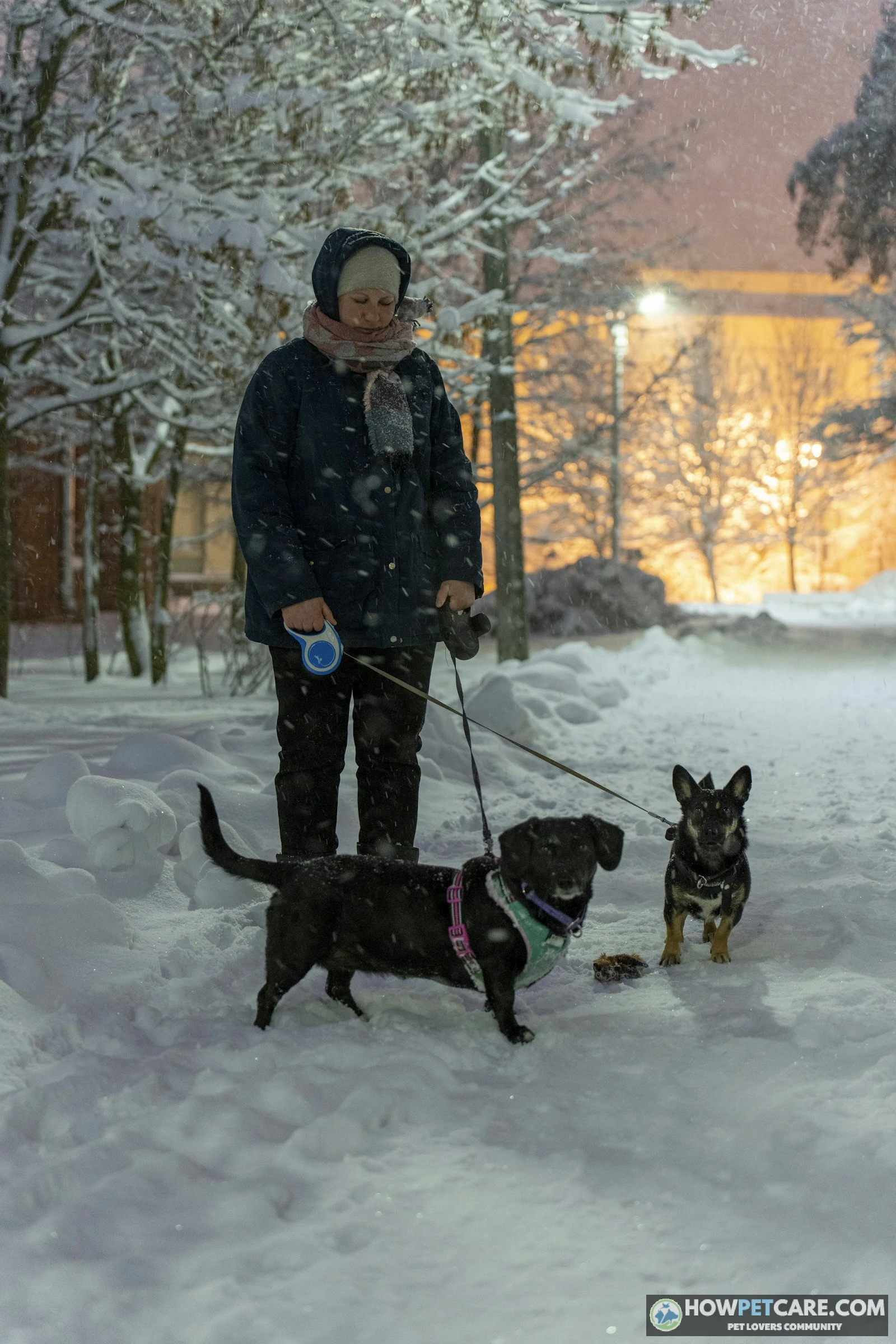

The best winter dogs combine a thick double coat, a medium-to-large build, and breeding for cold-weather work—Siberian Huskies, Alaskan Malamutes, Samoyeds, Newfoundlands, and Norwegian Elkhounds top the list. Below 32°F (0°C), protect small or thin-coated dogs; below 20°F (−7°C), keep every dog’s outings brief and supervised.
The best winter dogs pair a weather-resistant coat with a size, temperament, and activity level that suit your household. A Siberian Husky may handle snow better than a Chihuahua, but neither breed is cold-proof. Wind, wet fur, age, and health can turn a routine walk into a risky one.
Use the breed matrix to compare potential companions, then consult the temperature chart and behavior checks to plan outings for the dog in front of you. The temperature bands are cautious prompts, not safety guarantees; no reliable evidence sets a safe number of outdoor minutes for every dog.
Cold Weather Dog Breeds Compared: Size, Coat, Shedding and First-Time-Owner Fit
Cold tolerance depends on more than fluff. Body size, an insulating double coat, acclimation, and the job a breed was developed to do all matter. Northern sled dogs, Alpine rescue dogs, and breeds built for icy-water work combine these traits in different ways.
The ratings below compare healthy, dry, acclimated adults with intact coats. They are relative judgments, not permission to leave a dog outside. Weights are approximate adult ranges; individual dogs vary.
| Breed | Typical weight | Coat type | Relative cold tolerance | Shedding and seasonal coat blow | First-time-owner fit | Apartment suitability and key watch-out |
|---|---|---|---|---|---|---|
| Siberian Husky | 35–60 lb | Dense double coat | High | Heavy; substantial seasonal shedding | Usually challenging | Difficult: exercise needs and escape tendencies |
| Alaskan Malamute | 75–95 lb | Thick double coat | High | Heavy; substantial seasonal shedding | Usually challenging | Difficult: powerful, active and independent |
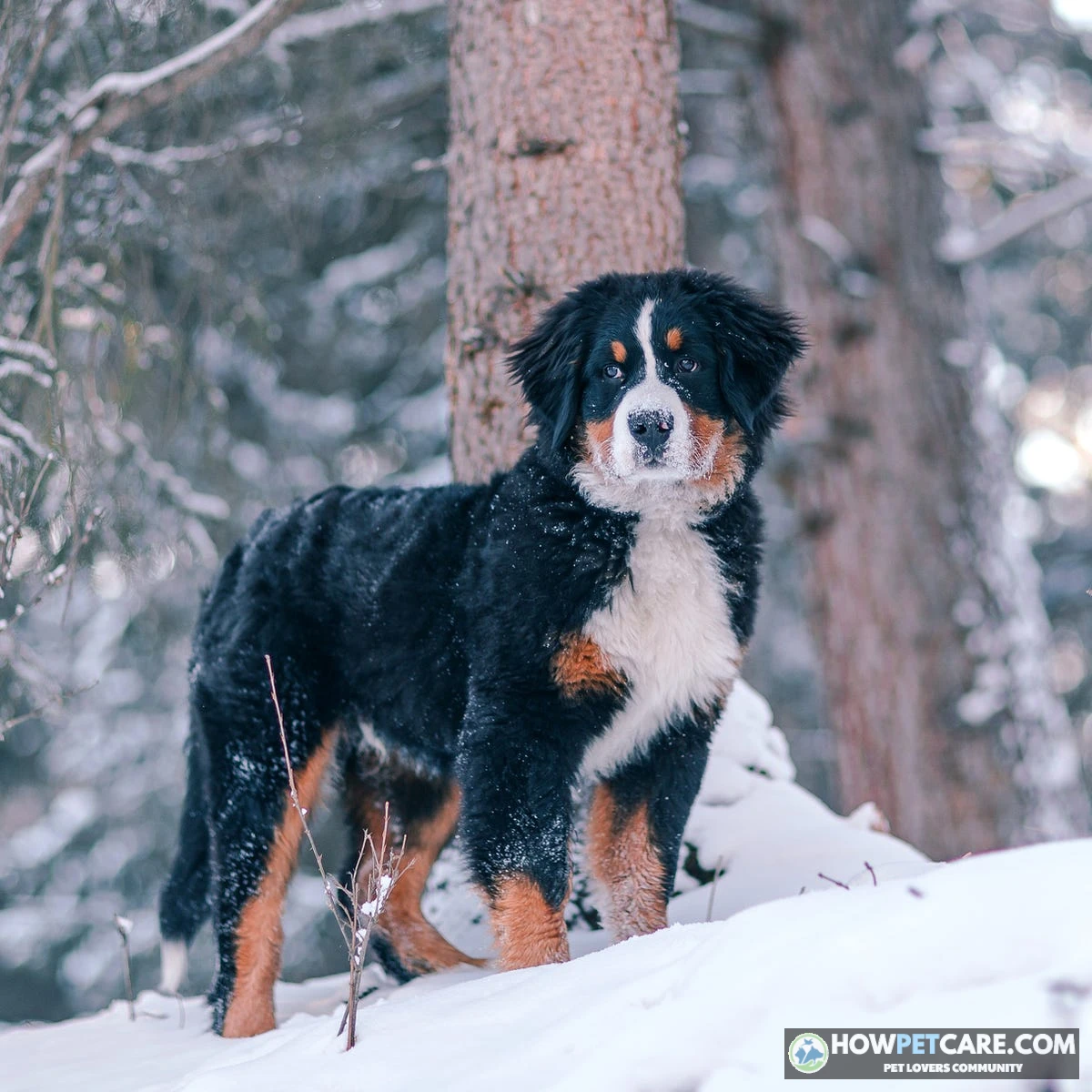
| Bernese Mountain Dog | 70–115 lb | Thick double coat | Moderate-high | Moderate to heavy; seasonal increase | Often reasonable with preparation | Possible with space and exercise; watch heat and grooming needs |
| Saint Bernard | 120–180 lb | Dense double coat | Moderate-high | Moderate to heavy; seasonal increase | Possible, but giant size adds work | Difficult: needs floor space and can struggle in heat |
| Newfoundland | 100–150 lb | Water-resistant double coat | Moderate-high | Heavy; seasonal increase | Often suitable temperamentally; size matters | Difficult: grooming, drool and heat management |
| Samoyed | 35–65 lb | Profuse double coat | High | Heavy; substantial seasonal shedding | Moderate | Possible with ample exercise; can be vocal |
| Great Pyrenees | 85 lb and up | Weather-resistant double coat | High | Heavy; seasonal increase | Challenging for some | Difficult: independent guardian; barking and roaming |
| Akita | 70–130 lb | Dense double coat | Moderate-high | Heavy seasonal shedding | Usually challenging | Possible for the right experienced owner; may be dog-selective |
| Norwegian Elkhound | 45–55 lb | Dense double coat | High | Heavy, with seasonal increases | Moderate | Possible with exercise and noise management; often vocal |
| Tibetan Mastiff | 70–150 lb | Heavy double coat | High | Heavy seasonal shedding | Usually challenging | Difficult: independent, territorial guardian |
Best winter dog breeds for families and first-time owners
A Bernese Mountain Dog or Newfoundland can make an appealing family companion, but a gentle reputation doesn’t erase the cost and physical demands of a large dog. Meet individual dogs, ask about health and temperament, and consider an adult rescue whose behavior is already known.
An apartment doesn’t automatically rule out a cold-weather breed, but room to move, nearby exercise, noise tolerance, and a grooming plan matter more than the label.
Cold-hardy breeds that need experienced handlers
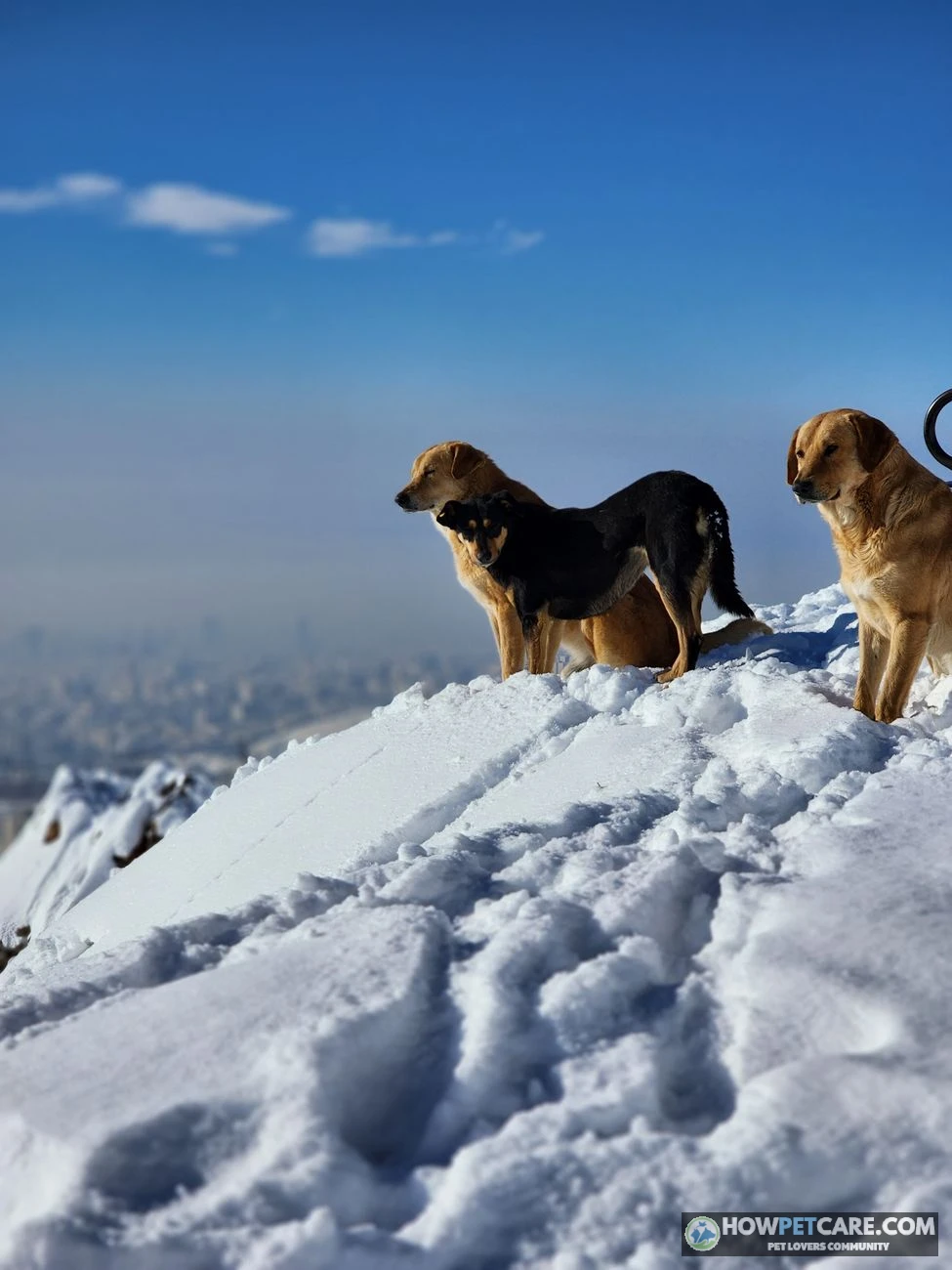
Huskies and Malamutes often need substantial activity and secure containment. Akitas and livestock-guardian breeds can be independent or selective with other animals. Research socialization and handling needs before choosing one for its looks.
Breeds that look cold-proof but aren’t
Even the dogs that tolerate cold weather best can get frostbite or hypothermia. A wet or matted coat insulates less effectively, and exposed ears, paws, and tails stay vulnerable. An individual dog may dislike snow despite belonging to a snow dog breed.
How Cold Is Too Cold for Dogs? Temperature Thresholds by Size, Coat, Age and Wind Chill
No universal temperature makes every dog unsafe. The bands below are conservative decision prompts, not validated breed-specific cutoffs or a substitute for a veterinarian’s advice. They describe what to consider in calm, dry conditions; they do not establish a safe exposure time.
| Temperature band | Small or thin-coated dogs | Medium, short-coated dogs | Large, double-coated cold breeds | Puppies, seniors and dogs with health conditions | Recommended action |
|---|---|---|---|---|---|
| Above 45°F (7°C) | Usually less concerning, but watch the individual | Usually less concerning | Usually less concerning | May still need protection | Check conditions and behavior; adjust for rain and wind |
| 32–45°F (0–7°C) | Consider a coat and shorter outings | Watch for discomfort | Healthy, acclimated adults may be comfortable | Consider a coat and shorter outings | Protect vulnerable dogs and dry wet coats |
| 20–32°F (−7 to 0°C) | Short, supervised outings with protection | Shorten outings and watch paws | Monitor closely; don’t assume immunity | Keep trips especially short | Turn back at the first sign of discomfort |
| Below 20°F (−7°C) | Potty-focused trips close to home | Brief, supervised trips | Brief, monitored outings rather than unattended time | Potty-focused trips; consider an indoor option | Risk of cold injury rises; use indoor activity instead of a long walk |
| Below 0°F (−18°C) | Minimize exposure | Minimize exposure | Minimize exposure, including for acclimated dogs | Avoid unnecessary exposure | Use a cleared spot near the door or an indoor potty option |
Wind pulls heat away faster, and rain, wet snow, and damp fur reduce insulation. When those conditions are present, choose the more protective action from the next colder band. That’s a safety margin, not a mathematical wind-chill conversion. Size, body condition, movement, acclimation, and medical conditions also change a dog’s tolerance.

Puppies, seniors, small or thin-coated dogs, and dogs with health conditions may need protection even when the chart says conditions are manageable for a healthy adult. Ask your veterinarian for an individual plan, especially if your dog has arthritis or another chronic illness.
How Long Can Dogs Stay Outside in Winter? Time Limits and a Go/No-Go Walk Check
Cold-adapted vs. vulnerable dogs: minutes by temperature band
No precise minute limit for a Husky, Chihuahua, or any other dog can be reliably calculated from temperature alone. The supplied evidence does not establish validated time limits, including for a Husky below −15°C (5°F). A clock also can’t detect a wet coat, painful paws, or an unacclimated dog.
For practical planning, use the following check-in intervals, not maximum safe times. A dog can become uncomfortable before the first check, so watch continuously and head inside at the first sign of trouble.
| Calm, dry air temperature | Healthy, acclimated cold-breed adult | Small, thin-coated or otherwise vulnerable dog |
|---|---|---|
| Around 32°F (0°C) | Check comfort and paws at least every 10 minutes | Check continuously; reassess within 5 minutes, especially without acclimation |
| Around 20°F (−7°C) | Check comfort and paws at least every 5 minutes | Plan a protected potty trip near the door; reassess within a few minutes |
| Around 10°F (−12°C) or colder | Keep the outing brief and supervised; reassess within a few minutes | Minimize exposure; use the nearest safe potty spot or an indoor option |
For example, at 20°F an acclimated adult Husky may be comfortable on a brief monitored outing, while a senior Chihuahua needs a coat and a quick potty break. Neither dog has a guaranteed safe allowance of minutes. Ask your vet for a personalized plan, particularly for repeated outdoor work or recreation.
Quick go/no-go decision check before every walk
- Check conditions. Look at air temperature, wind, and precipitation, plus ice and salt on the route.
- Check your dog. Account for size, coat, age, health, and whether the dog is used to cold. If in doubt, choose a shorter route or an indoor session.
- Keep checking during the outing. Turn back for shivering, paw-lifting, slowing, whining, a hunched posture, a tucked tail, or attempts to head home. Cold injury can occur without an obvious warning, so don’t wait for symptoms.
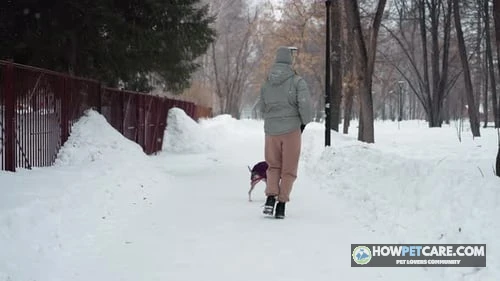
Protection plan for small, senior, puppy and thin-coated dogs
Use a well-fitting coat and, when your dog tolerates them, booties. Offer shorter, more frequent trips to a cleared patch near the door. Towel the dog dry afterward and provide a warm, draft-free place to rest indoors. If a storm lasts several days, set up a suitable indoor potty area.
Can a Husky or Other Double-Coated Dog Live or Sleep Outside in Winter?
A healthy, acclimated adult Husky can spend time outdoors in winter, but a double coat doesn’t guarantee safety. Sleeping indoors is the safer default: it’s easier to monitor the dog and protects it from sudden weather shifts. Local animal-care laws may also set requirements for outdoor shelter.
A double coat traps insulating air, and outer guard hairs help shed weather. Wetness, matting, and clipping can reduce how well it works. Ears, toes, and tail tips stay exposed.
If any dog spends time outside, provide all of the following:
- A raised, insulated, wind-resistant shelter, sized so the dog can stand and turn around while retaining body heat.
- Clean, dry bedding, such as straw, checked and replaced when damp.
- Fresh, unfrozen water, along with frequent checks on the dog and conditions.
- A feeding plan matched to activity, developed with a veterinarian when cold exposure is substantial.
- A way to bring the dog indoors promptly if conditions worsen or the dog seems uncomfortable.
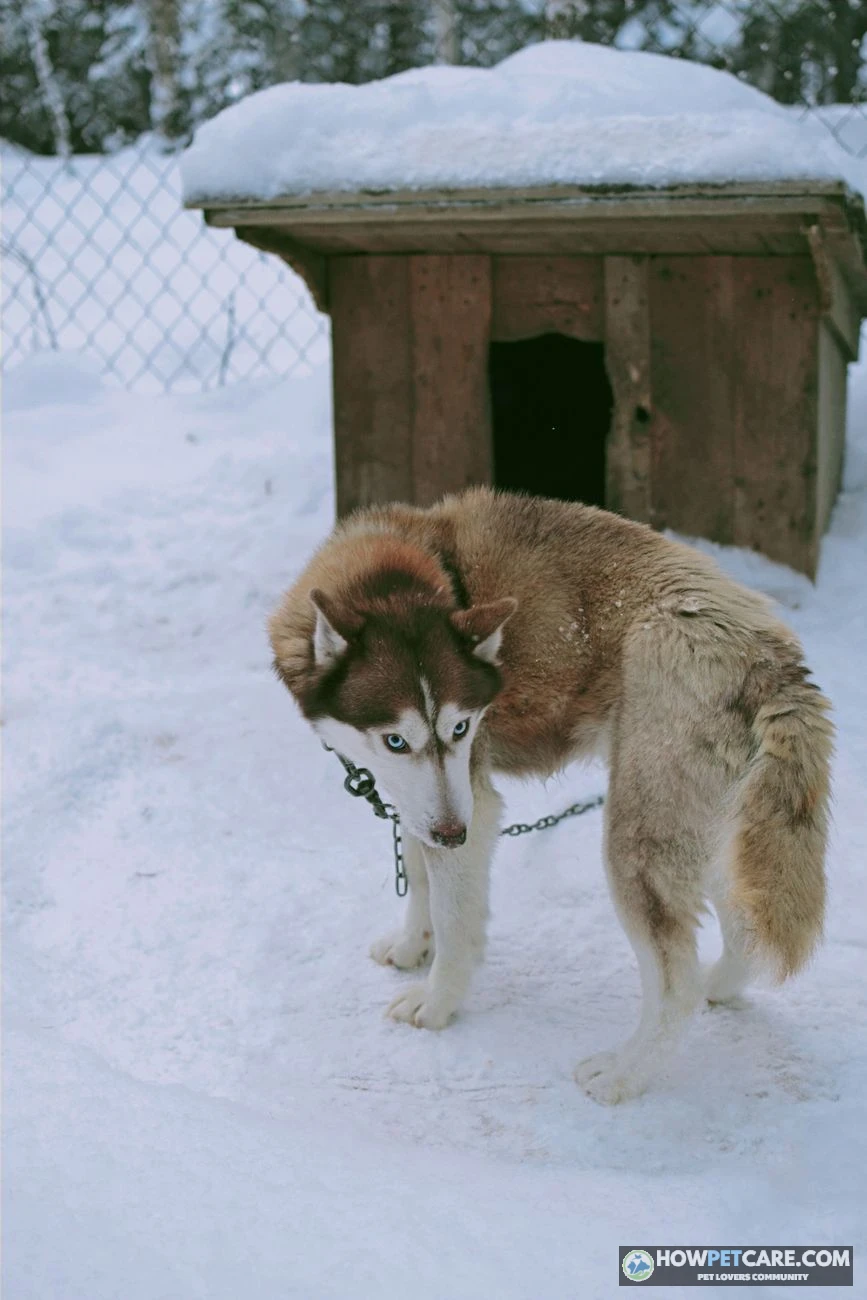
Don’t leave puppies, seniors, sick dogs, or thin-coated dogs outside to cope with cold on their own. Even a sheltered northern breed shouldn’t be left unattended through dangerous conditions. Don’t routinely shave a double coat; discuss any medically necessary clipping with your vet.
Hypothermia and Frostbite in Dogs: Warning Signs and Step-by-Step First Aid
Hypothermia signs: mild, moderate and severe
Hypothermia in dogs can start with shivering, cold skin, reluctance to move, and lethargy. More serious signs include weakness, stumbling, confusion, slow breathing, or collapse. If a cold, unwell dog stops shivering, that’s an emergency, not evidence that the dog has warmed up.
Frostbite signs and where to look
Check ear edges, the tail tip, toes, paw pads, and other exposed areas. Frostbitten skin may look pale, gray, or bluish and feel cold; after warming, it may turn red, swollen, or painful. Blisters or darkened tissue can appear later, so an injury that looks minor at first still needs veterinary attention.
What to do in the first 10 minutes
- Move to warmth and call a veterinarian or emergency clinic. For collapse, confusion, stopped shivering, or suspected frostbite, arrange emergency care immediately. Follow the clinic’s instructions while you prepare to travel.
- Dry and insulate. Remove wet gear, gently dry the coat, and wrap the dog in dry towels or blankets. Handle a weak dog gently.
- Warm gradually. Place warm—not hot—water bottles wrapped in towels alongside the torso. Don’t put heat directly on skin or use a hot hair dryer, heating pad, or vigorous rubbing.
- Protect suspected frostbite. If the area can stay warm, gently apply lukewarm water or a warm, damp cloth. Don’t rub, massage, or use snow. Don’t rewarm an area that could refreeze before the dog reaches care.
- Transport promptly. Keep the dog wrapped, and tell the clinic about any cold-water exposure or changes in breathing and responsiveness.

This first aid does not replace veterinary care. Severe hypothermia needs professional treatment, and frostbite damage may take time to become visible.
Winter Hazards for Dogs: Antifreeze, Road Salt and Frozen Ponds, and What to Do Immediately
Antifreeze poisoning: act first, then call
Antifreeze that contains ethylene glycol is life-threatening even in small amounts. Vomiting, a wobbly gait, increased thirst, or urination can occur, but do not wait for symptoms.
- Move your dog away from the spill and stop further licking.
- Call your veterinarian, an emergency clinic, or ASPCA Animal Poison Control at 888-426-4435 immediately. A consultation fee may apply.
- Don’t induce vomiting or give a home remedy unless a veterinarian or poison expert tells you to.
- Take the container or a photo of its label to the clinic, and follow the expert’s transport instructions.
Clean up spills promptly and store chemicals where pets can’t reach them. Road salt and de-icers can also irritate paws and cause illness if eaten. After walks, rinse or wipe the paws, including between the toes; discourage drinking puddles or eating snow near roads and driveways.
If your dog falls through ice
Keep dogs leashed near frozen water: ice can be unreliable even when it looks solid. If a dog falls through, do not run onto the ice. Call 911. Only if you can do it safely from solid ground, extend a long object or throw a rope toward the dog. Don’t become another victim.
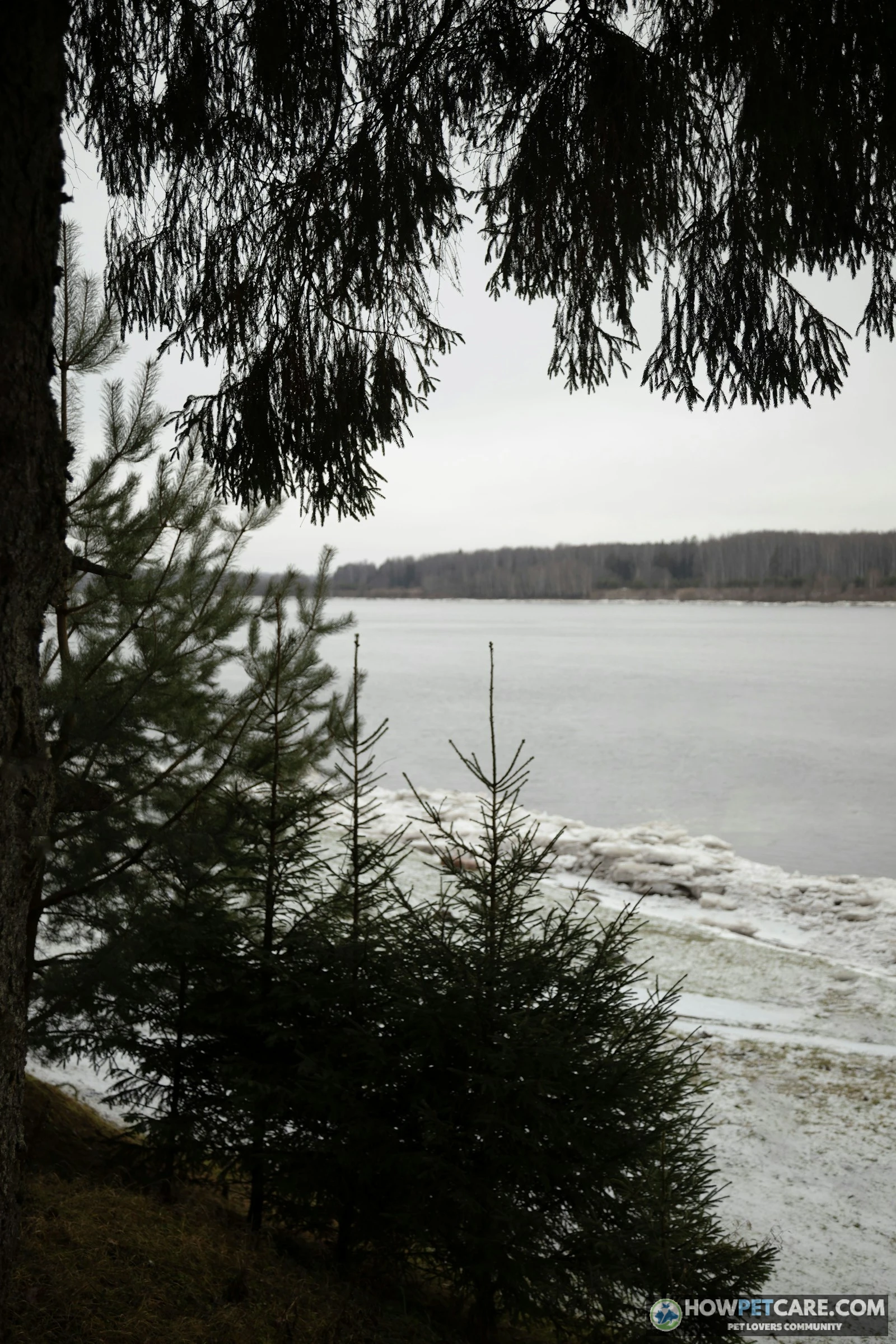
Once the dog is rescued, move it out of the wind, dry it, wrap it, and contact an emergency veterinarian immediately—even if the dog seems recovered. Cold-water exposure and inhaled water can cause serious problems.
Also watch for sharp ice hidden beneath snow, de-icer on lawns, and burns from fireplaces or space heaters. Keep ID tags and microchip contact information current, and save your vet, emergency clinic, and poison-control numbers before a storm.
Dog Boots vs Paw Balm, Plus Dog Coat Fit Criteria
Boots or paw wax: which to choose
| Factor | Dog boots | Paw balm or wax | Best use case |
|---|---|---|---|
| Cold surfaces | Provide a physical layer; insulation varies | Little insulation | Boots for prolonged contact with cold ground |
| Salt and de-icer | Reduce contact when well fitted | Partial barrier that can wear away | Boots on heavily treated sidewalks |
| Sharp or packed ice | Soles offer some protection; coverage limits snow between toes | May reduce snow buildup but does not reliably block sharp ice | Boots on crusted or rough routes |
| Durability | Can shift or fall off; check fit | Wears off and may need reapplication | Check either protection during the outing |
| Acceptance and effort | Some dogs need gradual introduction | Often easier to apply; some dogs lick it | Use the option your dog tolerates while training for boots |
Choose flexible, water-resistant boots with traction. Measure the paws, secure each boot without restricting circulation, and check for rubbing or slipping. Introduce them gradually with treats. Use a dog-safe paw balm according to its instructions; it doesn’t replace washing off salt. Rinse or wipe paws after every walk, even when the dog wears boots.
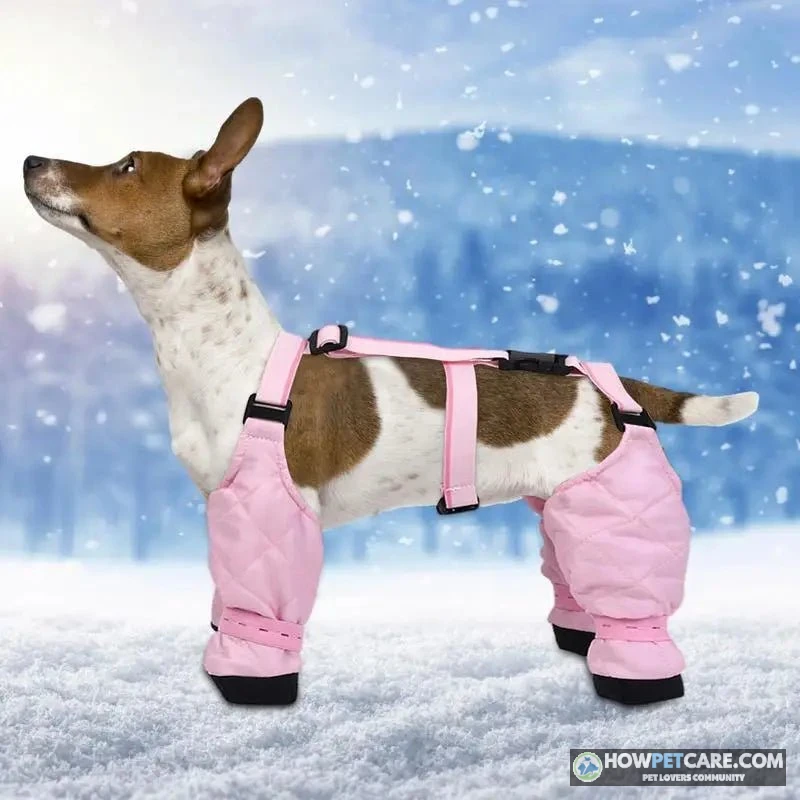
How a dog winter coat should fit
Small, thin-coated, senior, and young dogs often benefit from a dog winter coat; healthy double-coated adults may not need one in moderate conditions. Choose coverage over the back and chest, a water-resistant outer layer, and a snug fit that allows a full stride, sitting, and elimination. Avoid dangling straps, and remove a wet coat promptly.
For indoor warmth, provide a draft-free bed and blankets. If you use a heated bed, choose a pet-safe design and protect cords from chewing. Reflective gear improves visibility during short winter days.
Winter Dog Care Indoors: Feeding, Dry Skin, Shedding and Snowstorm Enrichment
Should you feed your dog more in winter?
Not automatically. An indoor dog whose walks get shorter may need the same food or less; a dog doing substantial outdoor work in the cold may need more. The available evidence does not support one universal winter calorie increase for every size and activity level.
Monitor body condition: you should generally be able to feel the ribs beneath a modest fat covering and see a waist from above. Ask your vet to help adjust portions for weight changes, medical conditions, or sustained outdoor work. Count training treats as part of the daily ration, and keep fresh water available.
Dry skin, indoor heat and the winter shedding cycle
Dry indoor air can contribute to flaky skin and static. Brush regularly to remove loose hair and prevent mats, use a gentle dog shampoo when bathing is needed, and consider a humidifier. Persistent itching, redness, or hair loss warrants a veterinary check, not repeated home treatments.
Shedding varies with the dog and the season; indoor conditions may influence the cycle, but the available evidence does not establish a precise effect from heating. Keep the coat dry and mat-free, and carefully trim excess fur between paw pads if ice balls collect there. Ask your vet before adding supplements.
A snowstorm day plan for indoor exercise and mental stimulation
Rotate short sessions to suit your dog’s age and mobility, with supervised potty breaks whenever conditions permit:
- Day 1: Nose work. Hide a few pieces of kibble at floor level for a search game. Later, offer a puzzle feeder or supervised snuffle mat.
- Day 2: Learning. Practice a familiar cue, teach a simple trick, and play hide-and-seek with a family member. Finish with a safe chew or lick mat.
- Day 3: Gentle movement. Try hallway fetch on a nonslip surface, a short tug game, or weaving around chairs. Avoid slippery sprints and jumps, particularly for puppies, seniors, and dogs with joint problems.
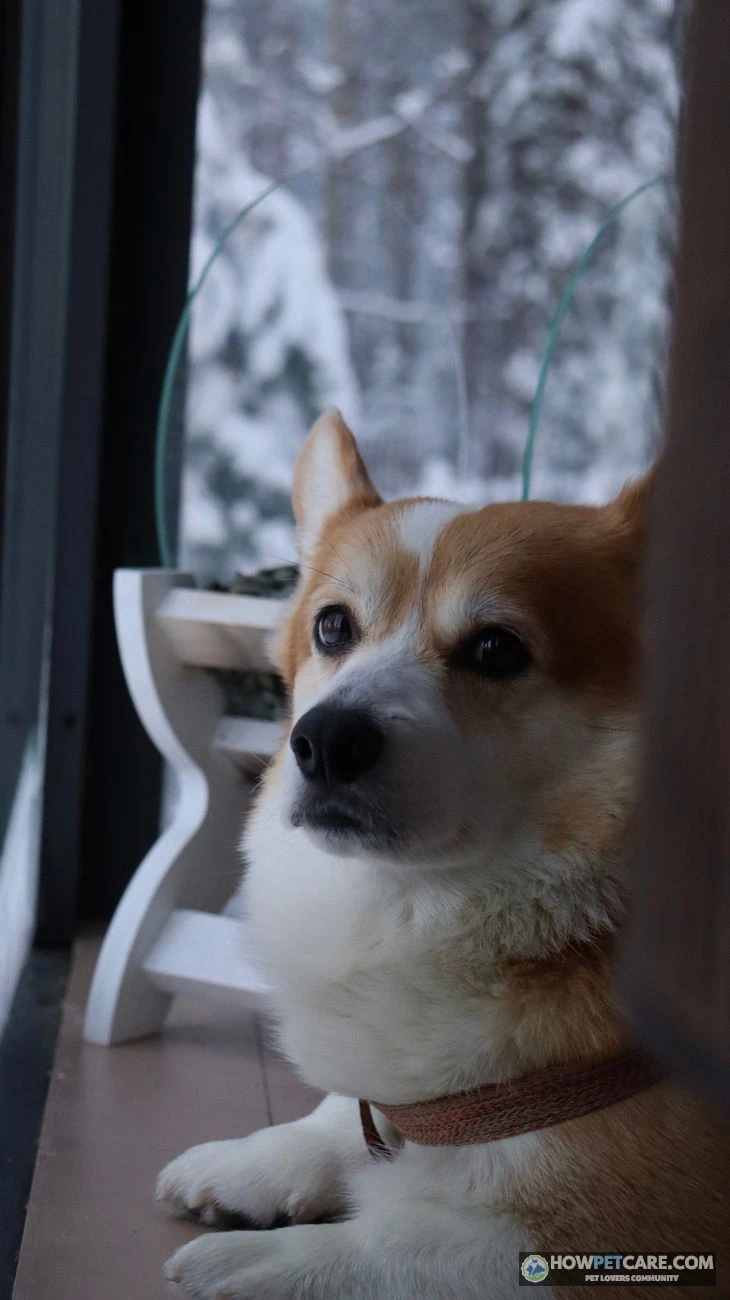
Pacing, whining, or destructive chewing can signal unmet needs, stress, or a medical issue. Add suitable activity and rest opportunities; contact your vet if the behavior is new or persistent.
Your Winter Dog Plan: A Pre-Season Checklist and Decision Guide
If you are choosing a dog: compare cold tolerance with your space, experience, activity level, and willingness to manage shedding. Meet individual dogs rather than relying on a breed description alone.
If you already have a dog: identify the dog’s risk factors and ask your vet about a personalized cold-weather plan. Keep that plan where everyone in the household can find it.
Before the first storm, gather:
- A suitable coat and boots or paw balm, if needed.
- Towels, paw-cleaning supplies and a pet first-aid kit.
- Reflective gear and a cleared route to a potty spot.
- Food puzzles, safe toys and an indoor enrichment plan.
- Your veterinarian’s number, a 24-hour clinic and poison-control contact.
Each day, check temperature and wind, choose an appropriate outing, watch your dog throughout, and clean the paws afterward. Call a vet immediately for collapse, stopped shivering, suspected antifreeze exposure, frostbite, or a fall through ice—and whenever you’re unsure whether your dog needs urgent help.
1According to the temperature guidelines, how should severe weather conditions like wind, rain, or wet snow alter an outdoor outing plan for dogs?
Wind and wet fur significantly reduce a dog's natural insulation, making it safer to use the decision guidelines designed for colder temperatures.
2What is the recommended check-in interval for a healthy, acclimated adult cold-breed dog outdoors around 20°F (−7°C)?
At around 20°F, frequent monitoring at minimum five-minute intervals ensures early signs of discomfort or cold stress are caught quickly.
3Why is sleeping indoors recommended as the safer default for double-coated breeds during winter?
Keeping dogs inside overnight safeguards them from sudden drops in temperature and allows owners to observe their physical condition closely.
4If a cold, unwell dog in freezing weather suddenly stops shivering, how should this behavior be interpreted?
Loss of the shivering reflex in a cold, lethargic dog indicates advancing hypothermia where the body can no longer generate heat.
5What is the recommended first-aid procedure for treating suspected frostbite on a dog's exposed tissue?
Gradual rewarming with lukewarm water protects vulnerable tissue, provided the area will not be exposed to freezing again before reaching care.
6What is the immediate action required if a dog licks a spill of ethylene glycol antifreeze?
Immediate professional guidance is necessary because ethylene glycol toxicity requires urgent medical counter-action.
7When comparing protective gear for walk routes heavily treated with road salt, why are well-fitted dog boots preferred over paw balm?
Boots physically block contact with corrosive salts, while wax barriers erode as the dog walks on rough surfaces.
8How should a dog's dietary calories be managed during the winter months?
Caloric needs depend on whether a dog works outdoors in cold weather or spends most of its time indoors with shorter walks.
9What activity is suggested for 'Day 1' of an indoor snowstorm exercise plan?
Day 1 focuses on olfactory enrichment like floor-level search games, puzzle feeders, or supervised snuffle mats.
10Why is routine winter shaving or clipping discouraged for double-coated breeds like Huskies and Samoyeds?
The dual-layer structure insulates against both cold and heat, and shaving removes this natural protection while compromising hair regrowth.
| Breed | Typical weight | Coat type | Relative cold tolerance | Shedding and seasonal coat blow | First-time-owner fit | Apartment suitability and key watch-out |
|---|---|---|---|---|---|---|
| Siberian Husky | 35–60 lb | Dense double coat | High | Heavy; substantial seasonal shedding | Usually challenging | Difficult: exercise needs and escape tendencies |
| Alaskan Malamute | 75–95 lb | Thick double coat | High | Heavy; substantial seasonal shedding | Usually challenging | Difficult: powerful, active and independent |
| Bernese Mountain Dog | 70–115 lb | Thick double coat | Moderate-high | Moderate to heavy; seasonal increase | Often reasonable with preparation | Possible with space and exercise; watch heat and grooming needs |
| Saint Bernard | 120–180 lb | Dense double coat | Moderate-high | Moderate to heavy; seasonal increase | Possible, but giant size adds work | Difficult: needs floor space and can struggle in heat |
| Newfoundland | 100–150 lb | Water-resistant double coat | Moderate-high | Heavy; seasonal increase | Often suitable temperamentally; size matters | Difficult: grooming, drool and heat management |
| Samoyed | 35–65 lb | Profuse double coat | High | Heavy; substantial seasonal shedding | Moderate | Possible with ample exercise; can be vocal |
| Great Pyrenees | 85 lb and up | Weather-resistant double coat | High | Heavy; seasonal increase | Challenging for some | Difficult: independent guardian; barking and roaming |
| Akita | 70–130 lb | Dense double coat | Moderate-high | Heavy seasonal shedding | Usually challenging | Possible for the right experienced owner; may be dog-selective |
| Norwegian Elkhound | 45–55 lb | Dense double coat | High | Heavy, with seasonal increases | Moderate | Possible with exercise and noise management; often vocal |
| Tibetan Mastiff | 70–150 lb | Heavy double coat | High | Heavy seasonal shedding | Usually challenging | Difficult: independent, territorial guardian |
FAQ
Do dogs get cold sleeping inside at night?
They can, especially small, short-coated, senior and puppy dogs in a chilly or drafty house. Provide a raised bed away from drafts with blankets, and consider a pet-safe heated bed. Shivering, curling tightly or seeking warmth are signs your dog needs more insulation.
Is it okay to shave a Husky or other double-coated dog in winter?
No. The undercoat and guard hairs insulate against cold, and shaving removes that protection and can cause uneven regrowth. Regular brushing to remove loose undercoat is the better approach.
Can dogs get frostbite on their ears and tail?
Yes. Ears, tail tips, toes and paw pads are the most vulnerable because they are far from the core and have less blood flow in the cold. Look for pale, gray or bluish skin and keep outdoor time short in very cold or windy weather.
Is it safe for my dog to eat snow?
Clean snow in small amounts is usually fine, but snow near roads, driveways and sidewalks can contain salt, de-icer or antifreeze. Discourage snow-eating on walks and offer water instead.
How often should I walk my dog in winter?
Most healthy dogs still need daily exercise, but you can split walks into shorter, more frequent outings when it is cold. Adjust for temperature, wind chill and your dog’s size, coat and age, and use indoor play on days that are too cold.