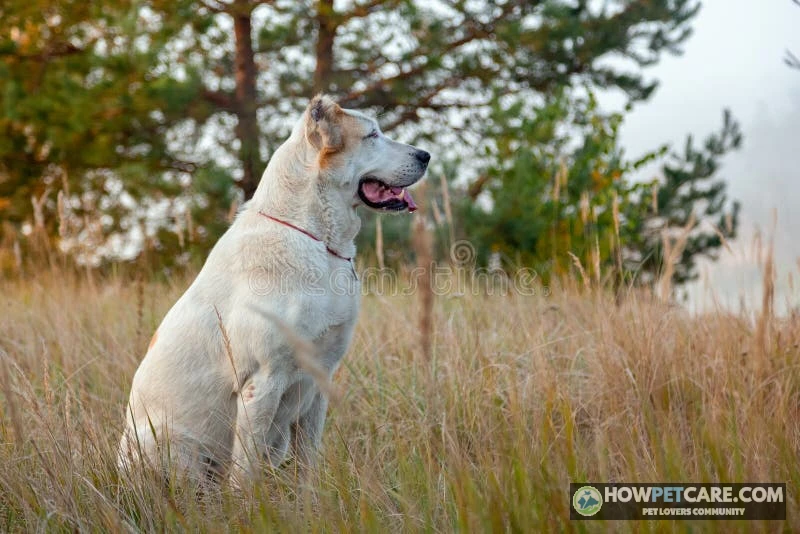

An Alabai Asian dog—officially recognized as the Central Asian Shepherd Dog or Central Asian Ovcharka—is an ancient livestock guardian breed native to Central Asia. Known for massive bone density, weights of 90–160+ pounds, and deep territorial instincts, the breed requires rigorous physical fencing, experienced handling, and early neutrality training.
If you are wondering whether an Alabai Asian dog is the same animal as the Central Asian Shepherd Dog (or Central Asian Ovcharka), the short answer is yes. These names describe the same working lineage across different registries in the United States. The term Alabai comes from the Turkmen language, historically describing the large, multi-colored guardian dogs that have protected herds across Turkmenistan, Kazakhstan, Uzbekistan, and neighboring regions for centuries. Today, major kennel clubs use Central Asian Shepherd Dog as the official English-language breed standard, while many working breeders stick with Alabai to honor its regional heritage. This guide breaks down realistic size expectations, adult temperament, legal and insurance obligations in the U.S., and the veterinary screening to demand before bringing home one of these powerful livestock guardians.
Breed Identity: What Is an Alabai Asian Dog vs. Central Asian Shepherd?
Regional Variations: Alabai, Tobet, and Soviet Ovcharka Lines
The Alabai is not a single uniform breed. It developed as a collection of regional landraces shaped by climate and work, later cataloged and consolidated during Soviet-era breeding initiatives. In Turkmenistan, herders valued the Alabai (translating roughly to "motley-colored") for defending sheep and camels against wolves and bears. Across Kazakhstan and Kyrgyzstan, similar livestock dogs were known as Tobet or Kazakh Ovcharka. During the 1930s, state-run kennels in the Soviet Union launched programs to standardize the dogs’ size, coat types, and working drives, creating the modern Central Asian Shepherd Dog registered today.

Official Registry Classifications (AKC FSS, UKC, and FCI)
- FCI (Fédération Cynologique Internationale) Standard No. 335 – lists the breed internationally as the Central Asian Shepherd Dog, requiring a minimum male height of 27.5 in (70 cm) and weight of 110 lb (50 kg), alongside a female minimum height of 25.5 in (65 cm) and weight of 88 lb (40 kg).
- UKC Guardian Dog Group – categorizes the breed under Central Asian Ovcharka, using identical minimum dimensions while emphasizing functional working ability.
- AKC Foundation Stock Service (FSS) – enrolls the breed as the Central Asian Shepherd Dog under the same measurement criteria, maintaining records for eventual full recognition.
All three registries define baseline minimums without capping top-end measurements. Mature working dogs regularly surpass these minimums, creating a clear gap between paper standards and day-to-day working weight.
Alabai Asian Dog Temperament and Realistic Adult Size
Standard Minimums vs. Working Weight Realities
While the FCI sets an absolute minimum of 110 lb (50 kg) for males and 88 lb (40 kg) for females, field data and owner surveys paint a heavier picture. Functional adult males typically sit between 130–160 lb, while females average 90–120 lb. Be cautious of breeders advertising "hyper-type" lines promoted at 180 lb+. Animals bred solely for extreme bulk often endure joint breakdown, crippling arthritis, and reduced life expectancy. Joint failure climbs quickly when body mass outpaces the structural capacity of the skeleton.

Large‑Breed Growth Trajectories and Orthopedic Vulnerabilities
Alabais develop rapidly during their first six months, putting heavy stress on immature bone. You must manage nutrition strictly to prevent sudden growth spikes that shear developing cartilage. Feeding a measured intake based on 2–3 % of anticipated adult body weight per day, divided across three meals, supports steady bone growth without overloading growth plates. Schedule baseline orthopedic evaluations (hips and elbows) between 12–24 months. Pups pushed to grow too fast through excess calories frequently develop hip dysplasia or osteochondritis dissecans (OCD) before their second birthday.
Livestock Guardian Instincts: Territorial Behavior in Family Homes
The Adolescent Shift: When Guardian Behaviors Emerge
During the first 18 months, young Alabais often act gentle, curious, and amenable to direction. Between 18 and 36 months, true territorial maturity settles in. The dog becomes noticeably alert along fence lines, less patient with unfamiliar smells or movement, and ready to challenge real or perceived threats. This behavioral change represents hardwired guardian biology, not a training flaw, which is why owners must enforce unambiguous property rules before this developmental window opens.
Managing Children, Visitors, and Multi‑Pet Dynamics
- Children – Alabai Asian dogs can share space with children older than 8 years who respect physical boundaries and understand how to interact around large animals. Fast-moving toddlers running abruptly through open spaces can activate a reactive defensive response if the dog senses erratic behavior.
- Visitors – The breed views anyone outside the household unit as a potential intruder. Meet guests outside at a secured gate with the dog on a solid lead, giving the dog time to register your calm acceptance of the arrival. Unannounced visitors walking onto the property create severe liability.
- Other Dogs – Adult dogs of the same sex, especially mature males, display low tolerance for one another. Severe fights can break out without careful introductions and neutering. Females show slightly more flexibility, but clear pack hierarchies remain necessary.

US Containment Laws, Insurance Liability, and Property Security
Physical Containment Engineering: Heights, Dig Barriers, and Latch Locks
A 150 lb dog with strong guarding drives can easily jump short boundaries or burrow through weak points. Secure confinement demands specific setup standards:
- Fence Height: A minimum of 6 ft of non-climbable material, such as heavy chain-link, heavy-gauge welded wire, or sturdy wood privacy panels.
- Dig Barrier: Buried heavy wire extending 4 ft into the ground flush along the base, or a 2 ft solid concrete apron poured inward along the perimeter.
- Gate Security: Double-entry airlock access points fitted with steel drop-rods and padlocks. Standard latch gates yield too easily under direct physical impact.
- No Electric or Invisible Fences: An electric collar will not deter a driven livestock guardian focused on a perceived threat. Once through the shock boundary, the dog remains loose, presenting extreme safety and legal risks.

Navigating Homeowners Insurance Underwriting and Local Ordinances
Most U.S. insurance carriers exclude high-liability guarding breeds. Even though the Alabai rarely appears by name on municipal banned-breed lists, insurers frequently group it under restricted large guardian categories, triggering premium surcharges or dropped coverage.
- Review policies in writing before committing to a puppy. You may need an umbrella liability policy with a minimum limit of $500,000 written to cover working guardian breeds.
- Examine city and county codes – some jurisdictions mandate special permits or minimum fenced acreage (such as 1,200 sq ft runs in parts of California). Homeowners associations routinely prohibit dogs above standard weight limits. Review all deed restrictions early.
- Document your security setup – carriers are far more willing to write coverage when presented with photos of high-grade fencing, solid containment protocols, and veterinary health records.
How to Train and Socialize a Central Asian Shepherd Dog
Foundational Socialization for Environmental Neutrality
Socializing an Alabai is never about building an outgoing, social greeter. The true target is complete neutrality toward day-to-day surroundings while keeping functional instincts balanced. Follow this developmental schedule:
- 8–12 weeks: Expose the puppy to diverse sounds, such as traffic, power tools, and street noise, in safe settings. Reward calm observation.
- 12–16 weeks: Arrange structured, low-key interactions with balanced, vaccinated adult dogs on neutral turf. Keep sessions brief.
- 4–6 months: Practice controlled approaches at the property gate. The pup should observe arrivals quietly without rushing the barrier.
- 6–12 months: Reinforce clear property boundaries using cues like stay or boundary. Maintain physical control with a heavy‑weight flat collar and a 10‑ft dead‑weight leash during practice.

Handling Independence and Establishing Household Boundaries
These dogs assess situations independently and choose whether to follow commands based on their assessment of immediate safety. Firm consistency, calm authority, and reward-based structure yield reliable results. Physical punishments or aggressive corrections will provoke defensive responses, as the dog views physical intimidation as a direct confrontation.
Breed Comparison: Alabai vs. Turkish Kangal in Daily Handling
| Breed Metric / Trait | Alabai (Central Asian Shepherd) | Turkish Kangal Dog |
|---|---|---|
| Adult Weight (M/F) | 130–160+ lb / 90–120+ lb | 110–145 lb / 90–120 lb |
| Skeletal Build & Stance | Massive bone density; broad chest; low center of gravity; rectangular silhouette | Athletic, deep‑chested; higher tuck‑up; balanced leg length |
| Primary Defensive Style | Close‑perimeter, methodical, immovable ground defense; low‑speed “hold‑the‑ground” approach | Distance patrolling; high‑speed kinetic interception; audible hazing followed by sprint |
| Stranger Tolerance | Low‑to‑zero once sexually mature; deep suspicion of non‑pack entries | Distant/aloof; evaluates handler cues before reacting; intense defense at borders |
| Handling Demands | Requires very strong handler, heavy‑duty gear, secure 6‑ft fence; poor for public spaces | Needs ample exercise, high‑vision yard, still requires strong handler but more agile on leash |
| Suburban Viability | Generally unviable; high territorial arousal in dense neighborhoods | Poor; high energy and sight‑line needs make tight quarters stressful |

Alabai Dog Price and Itemized Ownership Costs in the United States
Upfront Purchase vs. Rescue Acquisition
- Reputable Working Breeder: $2,500–$4,000 for a documented, health-screened puppy. This investment reflects the scarcity of proven working stock in North America.
- Rescue/Adoption: $500–$1,200 for placement fees, which typically cover basic intake veterinary care, initial vaccinations, and baseline behavioral assessment.
Annual Operating Budget: Nutrition, Veterinary Care, and Insurance
| Expense Category | Year 1 Initial Cost (USD) | Annual Ongoing Cost (USD) | Cost Drivers and Key Assumptions |
|---|---|---|---|
| Puppy Acquisition | $2,500–$4,000 (breeder) / $500–$1,200 (rescue) | — | Health certificates, early vet exams |
| Perimeter Fencing (½ acre) | $7,500–$12,000 | — | 6‑ft heavy chain‑link, anti‑dig concrete apron |
| Heavy‑Duty Kennel/Crate | $1,200–$2,000 | — | Impact‑rated crate for transport and emergencies |
| Core Veterinary (vaccines, microchip, early screenings) | $450–$750 | — | Includes OFA/PennHIP radiographs for hips/elbows |
| Large‑Breed Nutrition (50lb/month kibble @ $85/bag) | $1,020–$1,200 | $1,100–$1,500 | Adjusted for 140‑lb adult, lean body condition |
| Parasite Prevention (weight‑tiered dosing) | $380–$520 | $420–$550 | NexGard/Heartgard for 120–160 lb dogs |
| Annual Wellness Exam & Bloodwork | — | $350–$600 | Includes cardiac screening if indicated |
| Liability Umbrella / Canine Rider | — | $300–$600 | Minimum $500k coverage for guardian breeds |
| Emergency Vet Reserve (GDV, cruciate, etc.) | — | $1,000–$2,000 | Recommended cash reserve for rapid response |
| Total Year 1 Startup | $12,150–$18,900 | — | Includes acquisition, fencing, crate, early vet care |
| Total Ongoing Annual Cost (Year 2+) | — | $3,170–$5,250 | Nutrition, preventatives, wellness, insurance, emergency fund |

Ethical Acquisition: Screening Central Asian Ovcharka Breeders
Use this structured questionnaire when interviewing prospective Central Asian Shepherd breeders. Request physical or digital proof (OFA registry certificates, PennHIP reports, or FCI working test books) prior to submitting a deposit.
1. Orthopedic Verification
- "Can you provide the registered names and OFA or PennHIP numbers for both the sire and dam?"
- Target threshold: PennHIP Distraction Index (DI) below 0.45 or OFA rated ‘Good’/’Excellent’. OFA elbow certification must read ‘Normal’ (grade 1–3 dysplasia is an automatic disqualifier).
- "At what age were the sire and dam radiographed for final clearance?"
- Acceptable answer: 24 months of age or older for official OFA certifications. Preliminary radiographs under 2 years do not clear breeding stock.
2. Cardiac and Health Screening
- "Have both parents undergone Advanced Cardiac clearance by a board‑certified veterinary cardiologist?"
- Target: OFA Basic or Advanced Cardiac clearance with normal echocardiogram/auscultation.
3. Functional Temperament Proof
- "How do the sire and dam behave when a neutral visitor enters your property with you present?"
- Acceptable answer: Calm, aloof vigilance without frantic fence‑running, panic‑barking, or indiscriminate unprovoked lunging.
- "What active guardian work or functional testing do your breeding dogs perform?"
- Warning flag: Breeding stock kept exclusively in isolated small kennel runs without livestock exposure, property guarding roles, or documented temperament testing (e.g., UKC Total Dog, FCI temperament tests).
4. Commercial Hype Screening (Direct Disqualifiers)
- Avoid any breeder who answers "yes" or actively markets the following:
- Labels puppies as "giant combat lines," "gladiators," or "180+ lb protection machines."
- Guarantees complete small‑animal safety or effortless suburban family living.
- Offers to crop ears/dock tails via unregulated kitchen‑table procedures rather than licensed veterinary surgical protocols.
Evaluating Your Readiness: The Practical Alabai Ownership Checklist
Complete this rubric before seeking a working Central Asian Shepherd. A single failure in a "Disqualifying" criterion indicates the property or household is not suited for this breed.
☐ Physical Containment (Mandatory)
- Minimum 6‑foot‑tall rigid physical perimeter fencing (chain‑link, tensile wire, or solid timber panels; zero electric/invisible fences).
- Anti‑dig ground mitigation installed: concrete apron poured along fence line or 4‑foot welded wire buried flat against inside perimeter.
- Double‑gate safety airlock installed at driveway and access points with heavy‑duty mechanical drop‑rods and padlock hardware.
☐ Handler Physical Capability & Control
- Primary handler possesses the physical strength and leverage to safely decelerate, anchor, and manage a 140‑160 lb lunging dog on a dead‑weight leash.
- Experience using escape‑proof handling equipment (heavy‑duty wide flat collars, back‑tied safety leads, and crate systems rated for extreme impact forces).
☐ Household Foot Traffic & Social Dynamics
- Household has a low‑frequency, strictly scheduled visitor profile (no drop‑in visitors, unstructured children’s playgroups, or frequent neighborhood foot traffic across property lines).
- Structural dog runs or dedicated secure isolation rooms available to separate the dog safely during home service repairs, contractor visits, or guest arrivals.
☐ Multi‑Animal Profile
- No small high‑prey animals (cats, toy dog breeds, free‑range poultry) with unmonitored access to the dog’s perimeter.
- Willingness to maintain strict crate‑and‑rotate separation protocols if mature same‑sex guardian conflict emerges after 24 months of age.
☐ Zoning & Financial Resilience
- Property deed and local municipal ordinances allow livestock guardian breeds without breed‑specific liability bans.
- Homeowners or farm liability insurance policy confirmed to permit livestock guardian dogs without breed‑exclusion cancellations.
US Cost‑of‑Ownership Model: First‑Year Startup vs. Annual Maintenance
The following ledger outlines baseline expenditures for maintaining a 140‑lb adult Central Asian Shepherd in the United States under responsible management standards.
Phase 1: Upfront Acquisition & Containment Infrastructure
- Puppy Acquisition (Reputable Working/Preservation Breeder): $2,500 – $3,500
- Perimeter Fencing (½ acre, 6‑ft Heavy Chain Link + Anti‑Dig Apron): $7,500 – $12,000
- Heavy‑Duty Welded Wire Outdoor Kennel (10’ × 20′ with Lockable Canopy): $1,200 – $2,000
- Custom Heavy‑Gauge Transport Crate (e.g., Impact/Zinger XXL): $950 – $1,400
- Baseline Startup Outlay: $12,150 – $18,900
Phase 2: First‑Year Veterinary, Nutrition & Gear
- Core Vaccines, Rabies, Microchip, and Giant‑Breed Puppy Screenings: $450 – $750
- Commercial Large‑Breed Diet (Average 50 lb/month @ $85/bag): $1,020 – $1,200
- Weight‑Tiered Parasite Prevention (120–160 lb dosing bracket, NexGard/Heartgard): $380 – $520
- Giant Breed Equipment (Rigid leads, working harnesses, orthopedic beds): $350 – $550
- Total Year 1 Routine Care: $2,200 – $3,020
Phase 3: Annual Recurring Operational Budget (Year 2 Onward)
- Nutrition (Adult Maintenance, 55–65 lb/month calibrated to Body Condition Score): $1,100 – $1,500
- Parasite Preventatives (Heartworm/Flea/Tick for giant bracket): $420 – $550
- Annual Wellness Exam, Comprehensive Bloodwork, and Vaccines: $350 – $600
- Commercial Umbrella / Canine Liability Rider (Minimum $500,000 limit): $300 – $600
- Emergency Veterinary Medical Reserve (GDV gastropexy or cruciate injury fund): $1,000 – $2,000
- Total Ongoing Annual Cost: $3,170 – $5,250 / year
Ethical Acquisition: Screening Central Asian Ovcharka Breeders (Continued)
Demand to see these baseline health certifications prior to putting down any financial deposit:
- OFA or PennHIP hip clearance – DI < 0.45 or an OFA rating of "Good" or "Excellent."
- OFA elbow certification – confirmed as "Normal" with zero dysplasia.
- OFA cardiac evaluation – Basic or Advanced certification verified through normal echocardiogram.
- Eye screening – clear CERF evaluation confirming absence of inherited retinal disease.
- Genetic panel (where available) – tests ruling out progressive retinal atrophy (PRA) and inherited myasthenia.
Review actual registry records with searchable identification numbers rather than cropped document scans. Legitimate preservation kennels can easily supply verified registration details for both sire and dam. They will also point to working performance records (such as UKC Total Dog titles or formal FCI evaluations) confirming steady nerve and working discernment.

Evaluating Your Readiness: The Practical Alabai Ownership Checklist (Recap)
Review the Household & Property Suitability Scorecard before scheduling visits with any breeder. Failing any single standard means you must adapt your property (such as reinforcing fences or adding land) or consider another breed entirely. Alabai Asian dogs manage best on 3–5 acres of securely fenced ground with clear sightlines, guided by handlers experienced with large, headstrong guardian breeds.
Final Steps for Prospective Owners
- Observe working stock in person on working farms. Take note of how mature adults assess visiting cars, unfamiliar people, and surrounding stock.
- Review local statutes – verify with municipal offices and neighborhood boards that no guardian-breed bans apply.
- Confirm insurance terms – get written verification for umbrella coverage that protects properties housing livestock guardian breeds.
- Work through the vetting rubric and verify health records directly on registry sites before paying a deposit.
- Construct boundary infrastructure – install perimeter 6‑ft fencing, dig aprons, and secure gates before bringing a dog home.
- Establish a clear training program and schedule initial joint radiographs around 12 months.
Use these benchmarks to evaluate whether you have the ground, physical ability, and budget required for an Alabai. Handled correctly by prepared owners, they remain capable, protective guardians for over a decade. If your property setup or experience falls short of these standards, look toward more forgiving working breeds.

| Expense Category | Year 1 Initial Cost (USD) | Annual Ongoing Cost (USD) | Cost Drivers and Key Assumptions |
|---|---|---|---|
| Puppy Acquisition | 2,500–4,000 (breeder) / 500–1,200 (rescue) | Not in source | Health certificates, early vet exams |
| Perimeter Fencing (½ acre) | 7,500–12,000 | Not in source | 6‑ft heavy chain‑link, anti‑dig concrete apron |
| Heavy‑Duty Kennel/Crate | 1,200–2,000 | Not in source | Impact‑rated crate for transport and emergencies |
| Core Veterinary (vaccines, microchip, early screenings) | 450–750 | Not in source | Includes OFA/PennHIP radiographs for hips/elbows |
| Large‑Breed Nutrition (50lb/month kibble @ $85/bag) | 1,020–1,200 | 1,100–1,500 | Adjusted for 140‑lb adult, lean body condition |
| Parasite Prevention (weight‑tiered dosing) | 380–520 | 420–550 | NexGard/Heartgard for 120–160 lb dogs |
| Annual Wellness Exam & Bloodwork | Not in source | 350–600 | Includes cardiac screening if indicated |
| Liability Umbrella / Canine Rider | Not in source | 300–600 | Minimum $500k coverage for guardian breeds |
| Emergency Vet Reserve (GDV, cruciate, etc.) | Not in source | 1,000–2,000 | Recommended cash reserve for rapid response |
| Total Year 1 Startup | 12,150–18,900 | Not in source | Includes acquisition, fencing, crate, early vet care |
| Total Ongoing Annual Cost (Year 2+) | Not in source | 3,170–5,250 | Nutrition, preventatives, wellness, insurance, emergency fund |
FAQ
What are the Central Asian Shepherd grooming and coat care requirements?
The breed has a dense, weather-resistant double coat that requires weekly brushing for most of the year. During the heavy seasonal shedding period in spring, daily line-combing and an undercoat rake are necessary to remove packed dead hair and prevent skin irritation.
Can an Alabai dog be safely kept using an invisible or electric fence?
No. Invisible and underground electric fences are entirely ineffective for an Alabai, as the breed’s pain tolerance and territorial drive will prompt them to push through shock boundaries when aroused. Furthermore, electric barriers offer zero protection against strangers, delivery personnel, or other animals wandering onto your property.
How much daily exercise does an adult Alabai need?
Adult Alabais are low-to-moderate energy dogs that conserve stamina for territory defense; they do not require high-intensity running or ball-chasing. Two deliberate 30- to 45-minute perimeter walks or structured patrols on a secure leash each day, paired with self-directed yard monitoring, are generally sufficient.
What is the typical lifespan of an Alabai Asian dog?
A healthy Alabai typically lives between 10 and 12 years. Maintaining a lean body condition score throughout adulthood and preventing rapid puppy growth surges are essential factors in achieving the upper end of this lifespan by minimizing wear on the cardiovascular and skeletal systems.