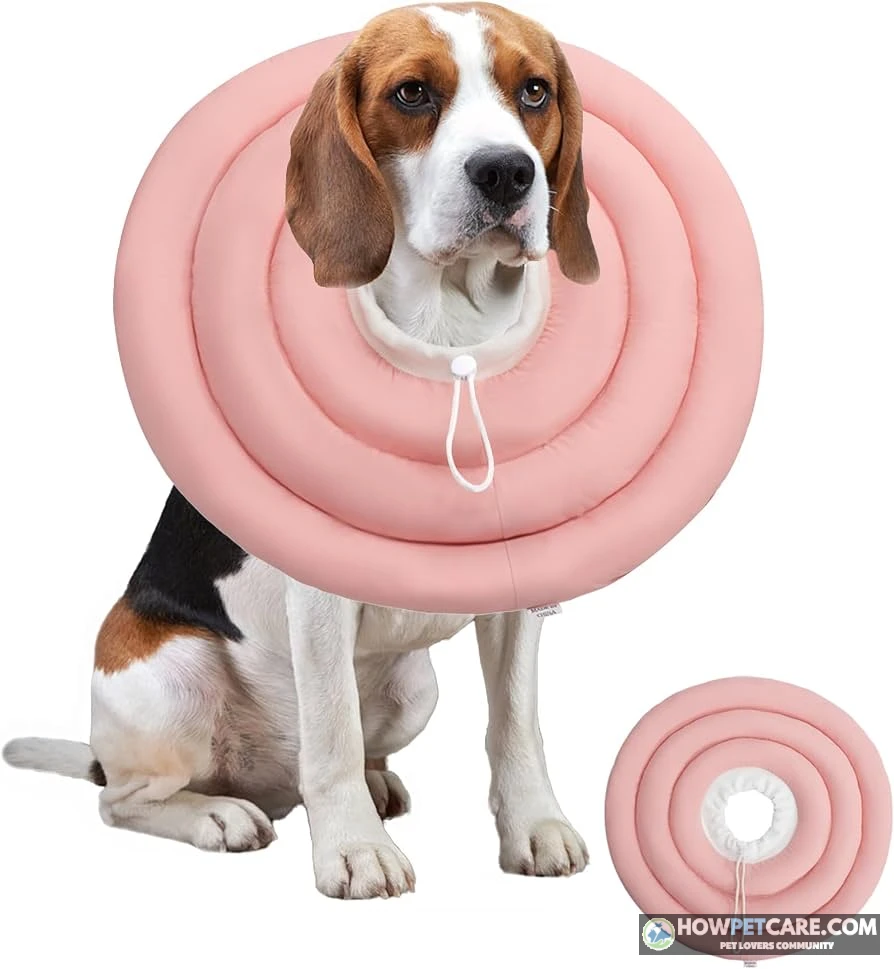

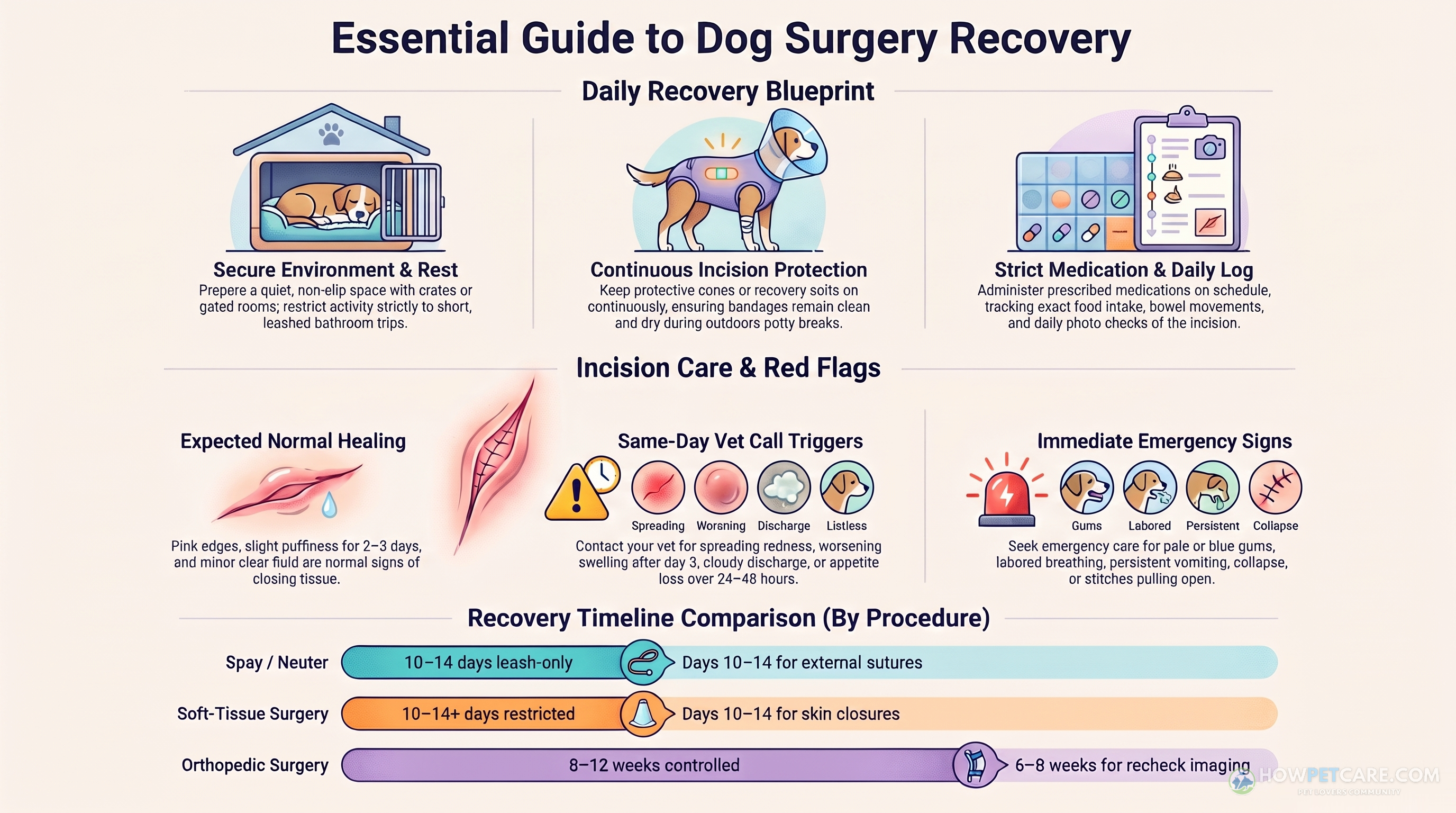
The core routine for dog surgery recovery at home:
- Give every medication on the exact discharge schedule — never skip or double a dose
- Keep the incision clean, dry, and protected with a cone or recovery suit, even overnight
- Restrict activity to short leashed bathroom trips — no running, jumping, stairs, or furniture
- Offer small bland meals and water; a low appetite for 24–48 hours is normal
- Check the incision once daily in good light and take a dated photo
- Call the vet for spreading redness, discharge, an opening incision, or vomiting
Bringing your dog home after surgery can feel overwhelming, but the daily routine is straightforward: give medications on schedule, keep the incision clean, dry, and protected, limit activity, offer small meals and water, check the incision at set times, and know which symptoms warrant a call to the clinic.
This guide walks you through each task from the first night until your dog returns to normal activity. It covers procedure-specific differences for spay, neuter, orthopedic, and soft-tissue surgeries, anti-lick options, feeding and medication adjustments, and printable logs you can use daily. Jump to the section that matches your dog’s current day.
Your discharge paperwork overrides anything general in this guide. Ask for the medication schedule, bandage plan, recheck date, and an after-hours phone number before you leave the clinic. This article supports but does not replace your veterinarian’s care. It does not diagnose symptoms, recommend doses, or substitute for professional treatment.
Most dogs are tired, sore, and not quite themselves for a few days after surgery. Recovery length depends on the procedure, your dog’s age and health, and whether complications arise, so treat every timeline here as a typical range, not a guarantee.
How to Care for a Dog After Surgery: The Daily Routine in Brief
The core daily tasks boil down to one line: medications on schedule, incision protected and dry, activity restricted, small meals and water offered, incision checked at set times, and warning signs memorized. Follow your clinic’s discharge sheet for exact medication times, bandage plan, and recheck date.
Before you leave the clinic, confirm four things: when to give each medication, whether a bandage stays on or comes off, the recheck date, and the after-hours phone number. Write them down.
This article follows the recovery in order: the first 24 hours, a day-by-day timeline, incision care, anti-lick options, procedure differences, activity restriction, medications and feeding, and a daily toolkit with logs and checklists.
Set expectations plainly. Most dogs sleep more than usual, move stiffly, and eat less for the first 24 to 48 hours. That’s normal anesthesia recovery, not a reason to panic. At the same time, a dog who seems completely normal by day three is still healing internally, so activity limits still apply.
The First 24 Hours: Home Setup, Anesthesia After-Effects, and Real Pain
Home preparation checklist before you pick your dog up
Set up the recovery space before you bring your dog home. Pick a quiet room or corner away from other pets and children. The floor should be non-slip; cover slick tile or wood with runners or rugs. A crate or pen works well for small and medium dogs, while a gated room suits larger dogs. Provide washable bedding, fresh water, and towels for accidents. Have medications, food, and the cone or recovery suit ready at the pickup appointment.
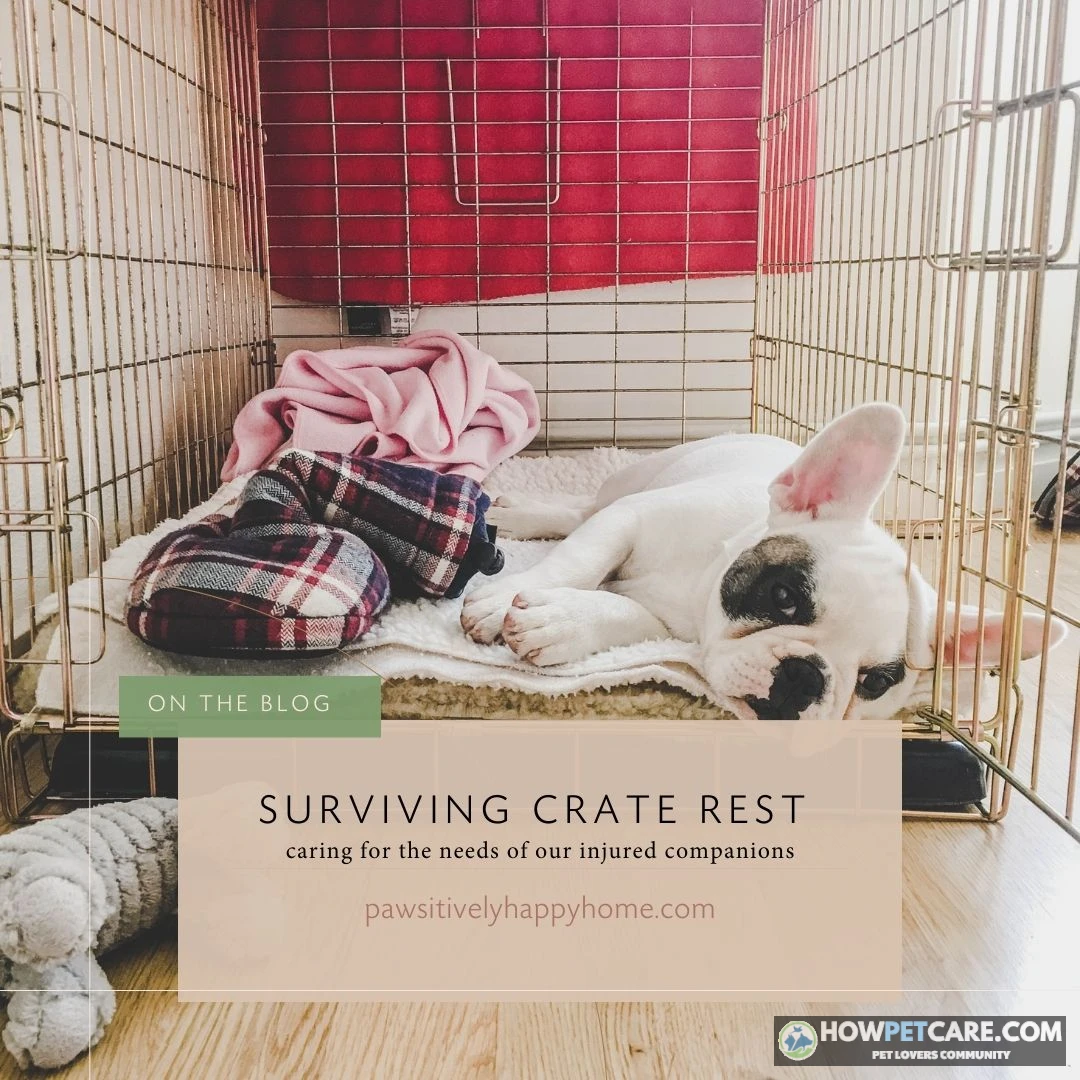
What to expect after surgery on the first night
The ride home should be calm and quiet. Once inside, take your dog outside on a leash for a short, supervised bathroom break, then head straight to the recovery space. Skip the greeting party: no other pets, no children, and no visitors for the first day or two.
-
Set up the space before pickup
Set up a quiet, non-slip recovery area with washable bedding, water, towels, medications, and food ready. Keep other pets and children away.
-
Bring your dog home calmly
Use a quiet car ride, a short leashed potty break, and a direct route to the recovery space. No greeting party.
-
Offer water and a small meal
Offer small amounts of water and a bland meal only if your vet allows it.
-
Give the first medication on time
Follow the discharge schedule exactly, and record the dose and time.
-
Sleep nearby and check often
Stay within hearing range for the first night, and watch breathing, comfort, and bathroom habits.
Normal after-effects of anesthesia vs. signs that need a call
Normal anesthesia after-effects include grogginess, wobbliness, sleepiness, mild shivering, a quiet or raspy voice, a mild cough from the breathing tube, and reduced appetite or mild nausea the first evening. Reintroduce food and water gradually.
Signs of real pain or distress are different: persistent crying or panting at rest, hunching, trembling that doesn’t settle, refusing to move or lie down, aggression when touched, and restlessness that never resolves.
Emergency signs require immediate care: pale or blue gums, labored breathing, collapse, repeated vomiting, uncontrolled bleeding, a swollen or hard abdomen, and no urination after the first day.
For the first night, sleep nearby if you can, check on your dog regularly, offer a small amount of water and a bland meal if your veterinarian allows it, and start the daily log described in the final section.
Dog Surgery Recovery Timeline: First Night to Back to Normal Activity
Recovery timelines are typical ranges, not promises. The procedure, your dog’s age and health, and the surgeon’s plan all affect the schedule, and your surgeon’s dates always take priority.
Days 0 to 1: the first night and morning
The first 24 hours are about sedation wearing off, rest, and managing possible nausea. Start pain medication on time. Check that your dog urinates, and note the first bowel movement even if it doesn’t happen until the next day.
Days 2 to 7: the first week
Appetite and energy usually improve by day two or three. This is the danger window: the dog starts to feel fine, and owners often loosen restrictions too early. Keep activity restricted even when the dog begs to run or jump. Incision swelling or bruising may peak in the first few days and then settle. As the incision itches around days four to seven, the urge to lick increases, so keep the anti-lick device on whenever the dog is unsupervised.
Suture or staple removal and the recheck visit
Days 10 to 14 are the common window for skin suture or staple removal and the first recheck for many soft-tissue and spay or neuter surgeries. Some surgeries use dissolvable or hidden sutures with no removal visit. Attend every recheck, and ask for a written plan before resuming normal activity.
Weeks 2 to 12: returning to normal activity
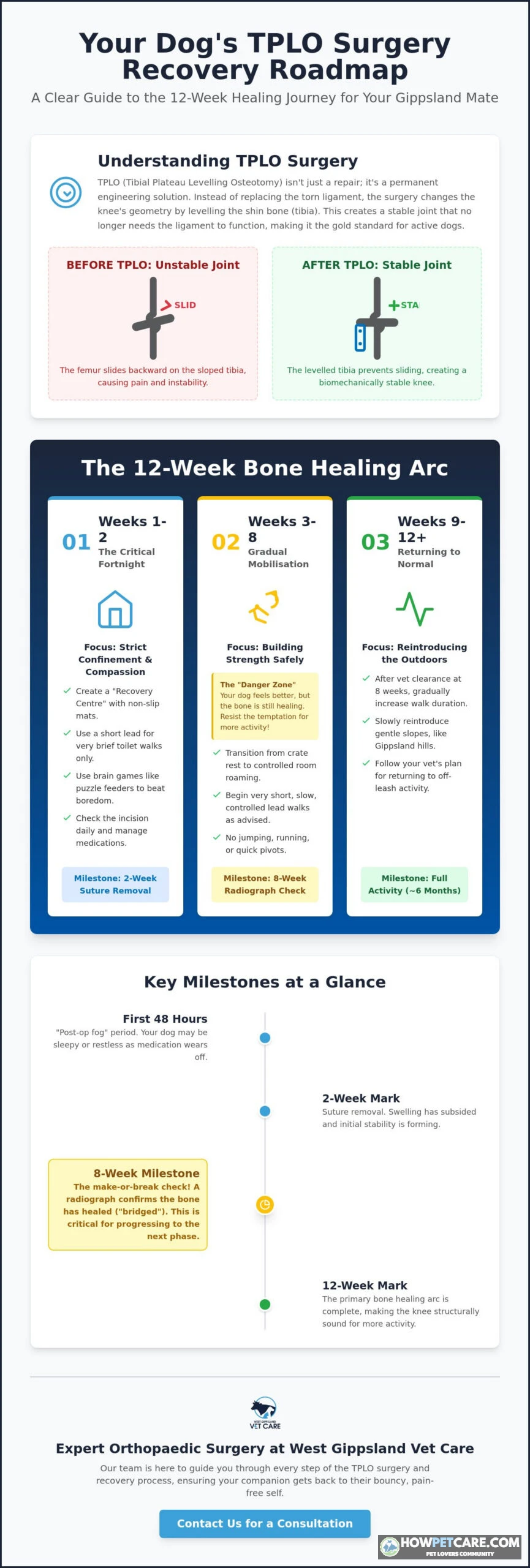
A staged return to leash walks and play usually begins after the recheck. Orthopedic surgery requires a much longer timeline: controlled activity for eight to 12 weeks is common, with full recovery often taking three to four months or more. Skin closes in about two weeks, but bone and deep tissue heal more slowly, which is why a dog who acts fine at day five can still tear an incision or damage a repaired ligament.
| Procedure type | First 48 hours | First week | Sutures / recheck | Restricted activity | Back to normal * |
|---|---|---|---|---|---|
| Routine neuter | Groggy, may skip a meal, mild scrotal swelling | Energy returns fast — the biggest risk is owners relaxing rules early | Days 10–14 if external sutures (often none needed) | About 10–14 days leash-only, no jumping | 2 weeks |
| Routine spay | Sleepy, sore abdomen, slow first potty trips | Appetite returns; licking urge rises as the abdominal incision itches | Days 10–14 (external sutures or staples) | 10–14 days, strictly no running, jumping, or stairs | 2–3 weeks |
| Other soft-tissue (mass removal, bladder stone, GI surgery, dental) | Depends on incision size and whether a drain is placed | Drain checks, possible bandage changes, diet adjustments | Days 10–14 for most skin closures | 10–14 days typical; longer for large abdominal incisions | 2–4 weeks |
| Orthopedic (TPLO / ACL, fracture repair, patella) | Significant soreness; sling or harness support for all potty trips | Strict crate rest begins; weight-bearing checked daily | Recheck and suture removal at 10–14 days; imaging recheck often at 6–8 weeks | 8–12 weeks of controlled activity is common | 3–4 months or more |
- ‘Back to normal’ means the veterinarian clears full off-leash activity — not just when the dog looks healed.
Incision Site Care: What Normal Healing Looks Like and Signs of Infection
Normal vs. concerning: how to read the incision
Inspect the incision at the same time each day in good light. Wash your hands, look without pulling the edges apart, and take a dated photo with a ruler or coin for scale so you can compare day to day instead of relying on memory.
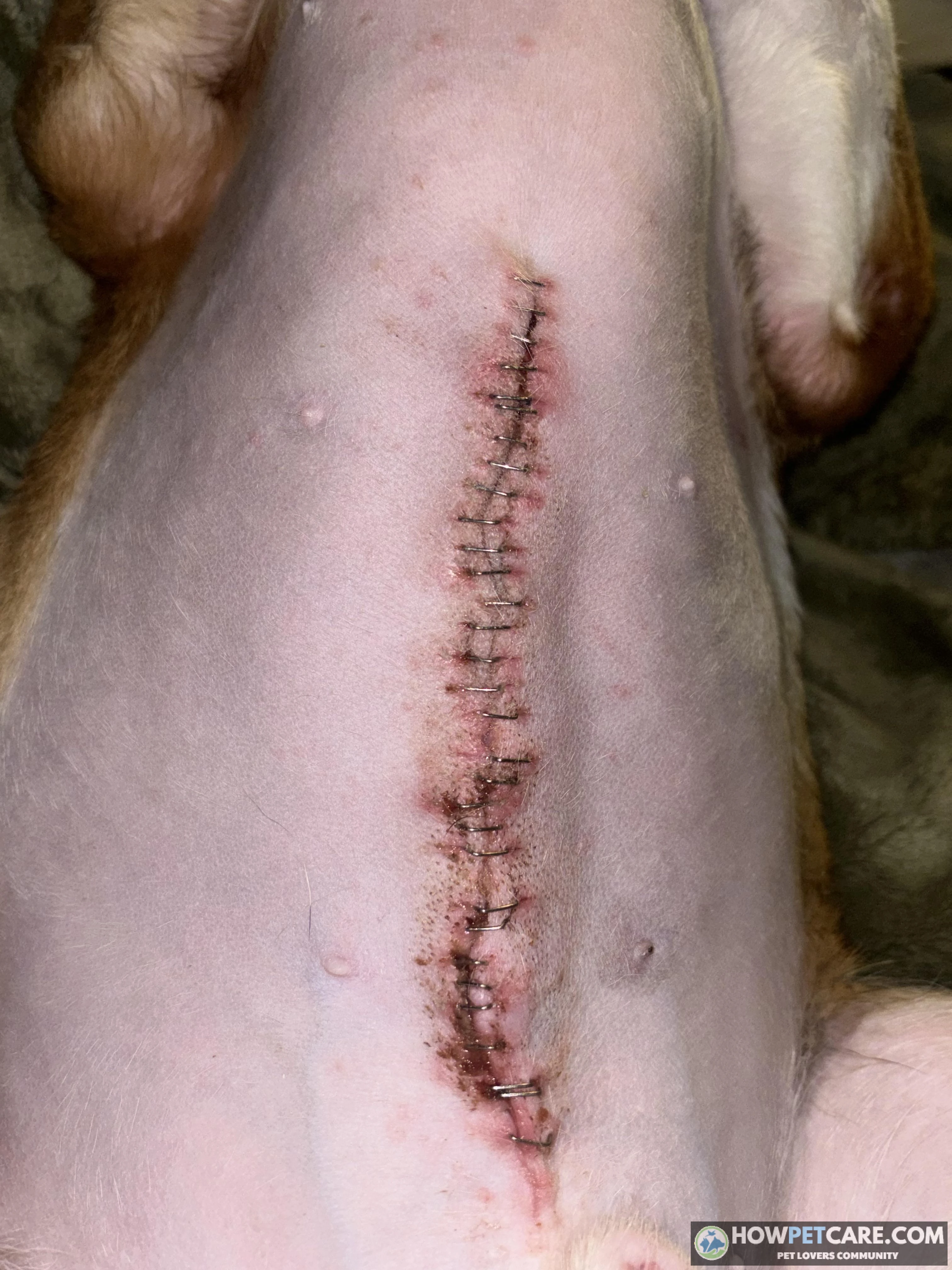
Normal healing includes slightly pink or red edges, mild swelling in the first few days, light bruising especially in the groin or belly, a thin scab, and a small amount of clear or slightly pink fluid at first. The line should stay closed and dry.
Concerning changes include spreading redness, heat, increasing swelling, thick yellow, green, or foul-smelling discharge, an opening incision, visible tissue or suture material, a soft growing lump, and bleeding that doesn’t stop. Whole-dog signs that accompany a problem include fever, lethargy, loss of appetite after it had returned, or increasing pain.
Never apply peroxide, alcohol, ointments, or home remedies unless your veterinarian specifically instructs you to. These can delay healing or damage tissue.
| What you see or feel | Normal healing | Call the veterinarian (same day) | Seek urgent care now |
|---|---|---|---|
| Color of the skin around it | Pink to mildly red edges | Redness spreading outward day over day, or skin that feels hot | Deep red or purple tissue, or an angry, shiny appearance |
| Swelling | Mild puffiness in the first 2–3 days that then settles | Swelling increasing after day 3, or a soft fluid-filled lump forming | Rapid swelling, a firm painful mass, or a swollen or hard belly |
| Bruising | Light bruising, especially in the groin or belly, that fades | Bruising that keeps spreading after the first few days | Skin turning dark, black, or pale and cold |
| Discharge | A few drops of clear or slightly pink fluid in the first day | Thick, cloudy, yellow, green, or foul-smelling discharge | Heavy bleeding that does not stop with gentle pressure |
| The incision line | Edges closed, dry, or covered by a thin scab | A small gap, a loose suture, or your dog got to it | Open incision with visible tissue, fat, or stitches pulled out |
| Your dog overall | Tired but eating and drinking by day 2, discomfort improving | Not eating past the expected window, vomiting, lethargy, or a feverish feel | Collapse, labored breathing, pale or blue gums, nonstop vomiting |
When in doubt, call. A clinic would rather answer a photo question at 2 p.m. than see an infected incision at 2 a.m.
Keeping a bandage clean and dry on bathroom trips
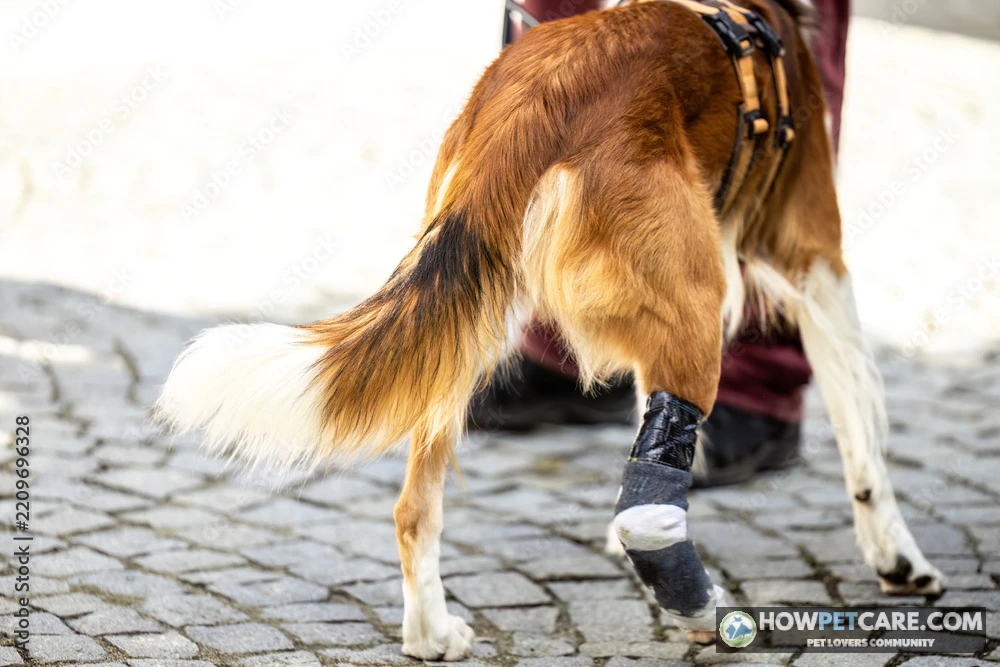
Keep any bandage clean and dry. For bathroom trips only, cover it with a waterproof dressing cover or a bag secured above the bandage, and remove the cover immediately afterward. Check for slipping, swelling above or below the bandage, odor, moisture, or chewing. Never cut or remove a bandage without your veterinarian’s guidance.
When can I bathe or groom my dog after surgery?
No baths or swimming until the incision is fully closed, sutures are out, or your veterinarian clears it. Spot-clean around the area only if instructed. Postpone groomer visits until your vet gives the okay. Specific timing varies by procedure, so ask for a date rather than guessing.
How to Stop a Dog From Licking Stitches: Cone Options and What to Try if Your Dog Panics
Licking can introduce bacteria, open the incision, and remove sutures. The protective device must stay on whenever the dog is unsupervised — including overnight, when most licking damage happens.
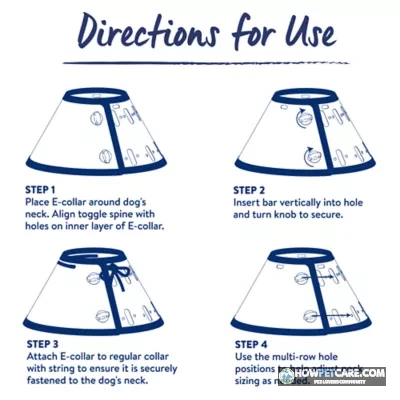
Fit check for any cone: two fingers should slide under the neck strap, and the edge should extend just past the tip of the nose so the tongue can’t reach the incision. If you’re unsure about coverage for your dog’s incision location, ask the vet to approve the device before you rely on it.
| Device | Best for | Limitations | Comfort and eating / drinking | Approximate cost range |
|---|---|---|---|---|
| Rigid plastic e-collar (classic cone) | Highest protection for most incisions; hind legs, belly, tail | Awkward in doorways and crates; some dogs panic | Dogs adapt within a day or two; may need raised bowls | $10–35 |
| Soft / fabric cone | Dogs stressed by hard plastic; head and neck incisions | Flexible dogs can bend it and reach the belly or rear | More comfortable to sleep in; easy to eat and drink | $15–40 |
| Inflatable donut collar | Neck, upper body, and facial incisions only | A determined or flexible dog can still reach belly, groin, legs, and paws — do not rely on it for low incisions | Most comfortable; nearly normal eating and drinking | $15–40 |
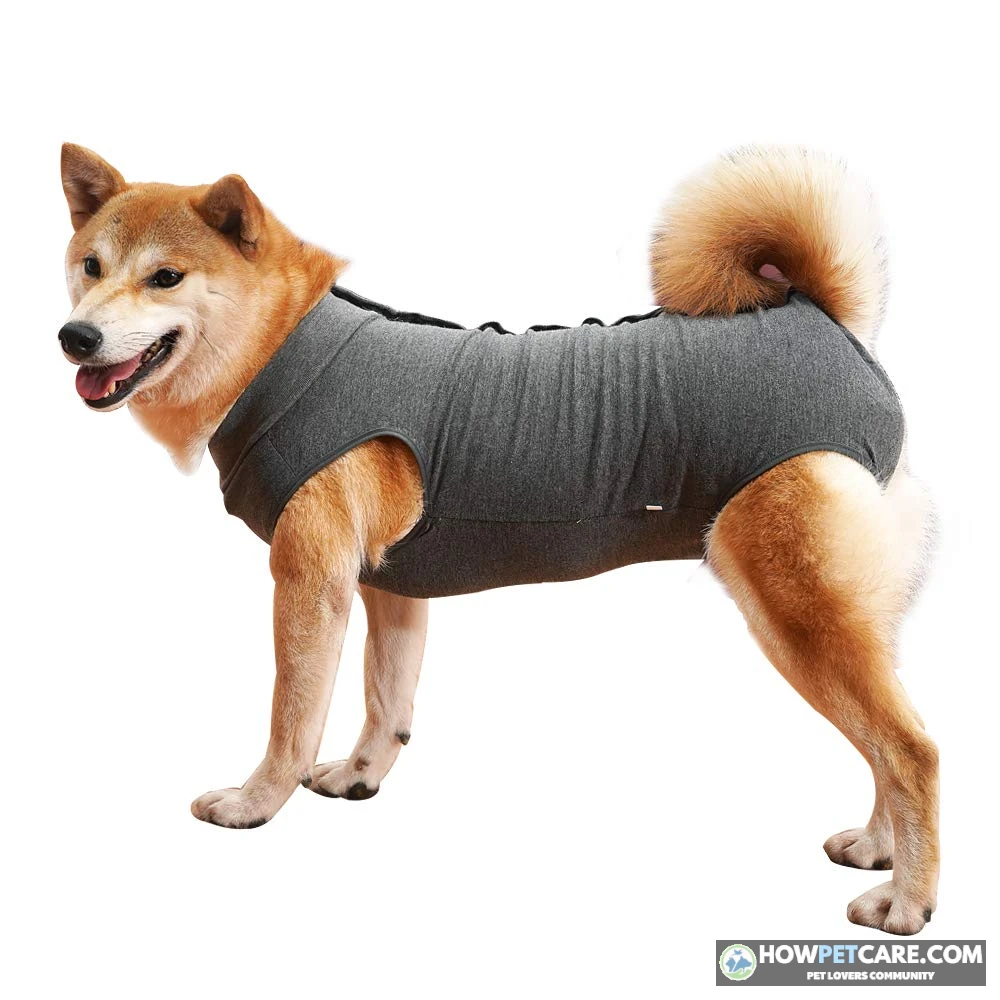
| Recovery suit / surgical shirt | Belly and back incisions (spays, flank surgeries); dogs that cannot tolerate any cone | Protects only the covered area; useless for leg, paw, tail, or head incisions; can get soiled | Normal movement and meals; needs removal for potty trips | $25–50 |
| Neck brace–style collar | Dogs that panic in cones; facial and head protection | Bulky; limits head motion; not available in every size | Moderate; eating may need supervision at first | $30–60 |
Prices vary by size and region, so treat these as rough ranges and price-check locally or ask your clinic what they stock.
When your dog panics in the cone: a step-by-step plan
-
Stay nearby for the first 1–2 hours
Most panic is worse in the first stretch alone. Sit close, talk normally, and let the dog bump into furniture while you watch.
-
Widen the dog's world
Move floor obstacles, block tight gaps the cone catches on, open doors fully, and prop crate doors open. Panic is usually triggered by snagging, not the cone itself.
-
Raise food and water bowls
Set them at cone rim height with a sturdy box or upside-down pot. Basic needs feel less impossible when the dog can reach them.
-
Pair the cone with treats
Feed treats through the cone opening and praise calmly each time it goes on, so the device predicts something good rather than punishment.
-
Swap styles if panic continues
Switch from a rigid cone to a soft cone or recovery suit if the dog still freaks out after the first few hours.
-
Ask the vet before any exception
Only with veterinary approval: short supervised cone-off periods for meals, or a prescribed calming medication for dogs that truly can’t settle.
-
Call the clinic immediately if
The dog injures itself on the device, chews through it and reaches the incision, or won’t eat, drink, or settle at all by the next morning.
What if your dog gets around the device?
If the dog defeats the first option, escalate in this order: try a different style or size, use a recovery suit under supervision, offer a dog-safe distraction while you’re present, and ask the veterinarian about a protective garment, bandage, or medication for anxiety or itching. Short, supervised cone-off periods are an option only if your vet agrees.
If a dog won’t tolerate either a cone or a recovery suit, published guidance on the best alternative is limited, so ask your veterinarian before improvising.
Recovery Differences by Procedure: Spay and Neuter vs. Orthopedic vs. Other Soft-Tissue Surgery
Spay and neuter recovery
A spay involves an abdominal incision and typically needs stricter restriction than a neuter. Plan on roughly 10 to 14 days of leash-only activity with no running, jumping, or stairs. After a neuter, watch the scrotum: mild swelling is common, but call the clinic if swelling grows, looks painful, or feels hot.
Orthopedic surgery recovery
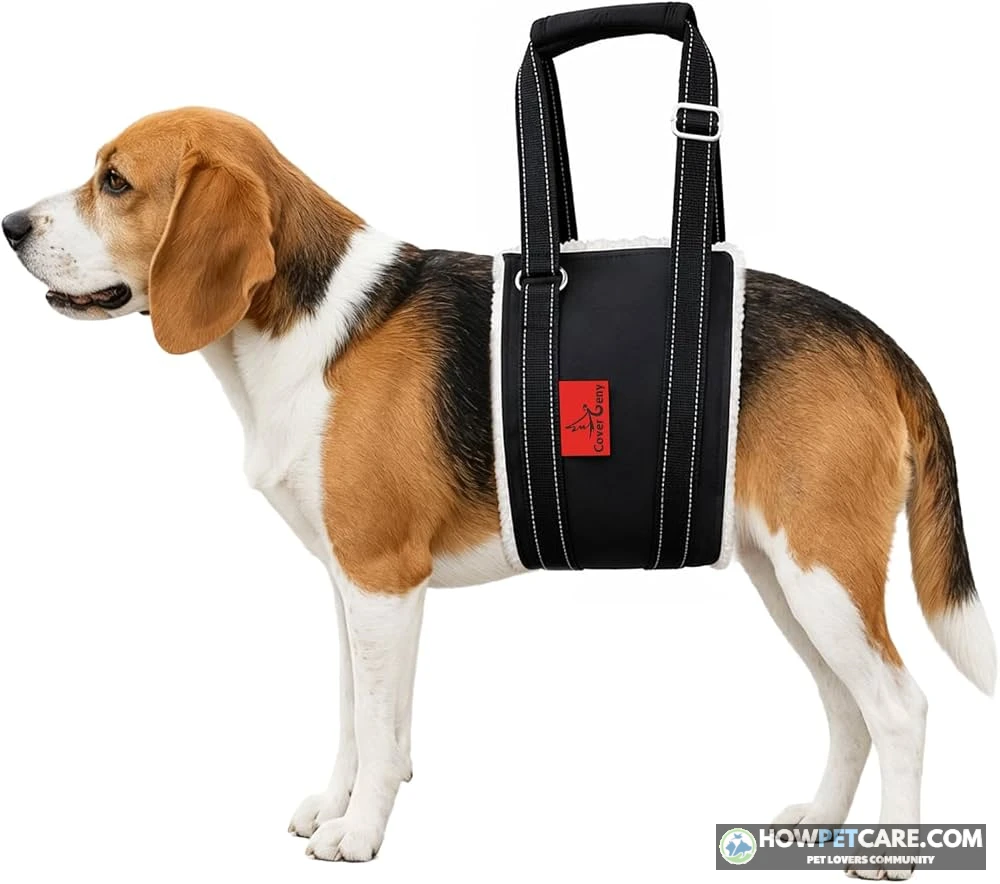
Orthopedic procedures such as TPLO or ACL repair, fracture repair, and patella surgery require much longer restriction — commonly eight to 12 weeks of controlled activity, with full recovery often taking three to four months or more. Expect sling or harness support for every potty trip at first, non-slip flooring, daily weight-bearing checks, scheduled recheck imaging, and a veterinarian-guided rehabilitation plan.
Soft-tissue surgery recovery
Mass removal, abdominal exploratory surgery, bladder stone removal, gastrointestinal surgery, dental extraction, and eye or ear procedures differ in incision size, drains, bandages, and diet. Follow the discharge sheet for your specific procedure.
Common to all: incision checks, pain control, anti-lick protection, and weight management during reduced activity.
| Procedure type | Typical restriction period | Common stitch or recheck timing | Key home-care differences | Ask your vet |
|---|---|---|---|---|
| Spay / neuter | About 10–14 days leash-only | Days 10–14 for external sutures or staples | Abdominal itching and licking peak around days 4–7; scrotal swelling after neuter | Exact restriction dates; when stairs are okay |
| Orthopedic | Commonly 8–12 weeks controlled | Recheck at 10–14 days; imaging often at 6–8 weeks | Sling-assisted walks, crate rest, weight-bearing checks | Rehabilitation plan and imaging dates |
| Soft-tissue | About 10–14 days typical; longer for large abdominal incisions | Days 10–14 for most skin closures | Drains, bandage changes, possible diet changes | Drain and bandage care instructions |
What to ask the vet for your specific procedure: restriction duration, leash rules, stairs, bathing, food changes, recheck date, and any rehabilitation.
Activity Restriction, Crate Rest, and Practical Logistics for Energetic or Large Dogs
Keeping an energetic dog calm without causing stress
Activity restriction means leash-only bathroom trips. No running, jumping, rough play, furniture, or off-leash time, and keep each trip short. For crate rest, choose a crate or pen large enough to stand and turn around, place it near family so the dog isn’t isolated, and make it comfortable. A gated room is a good alternative for dogs that panic in crates.
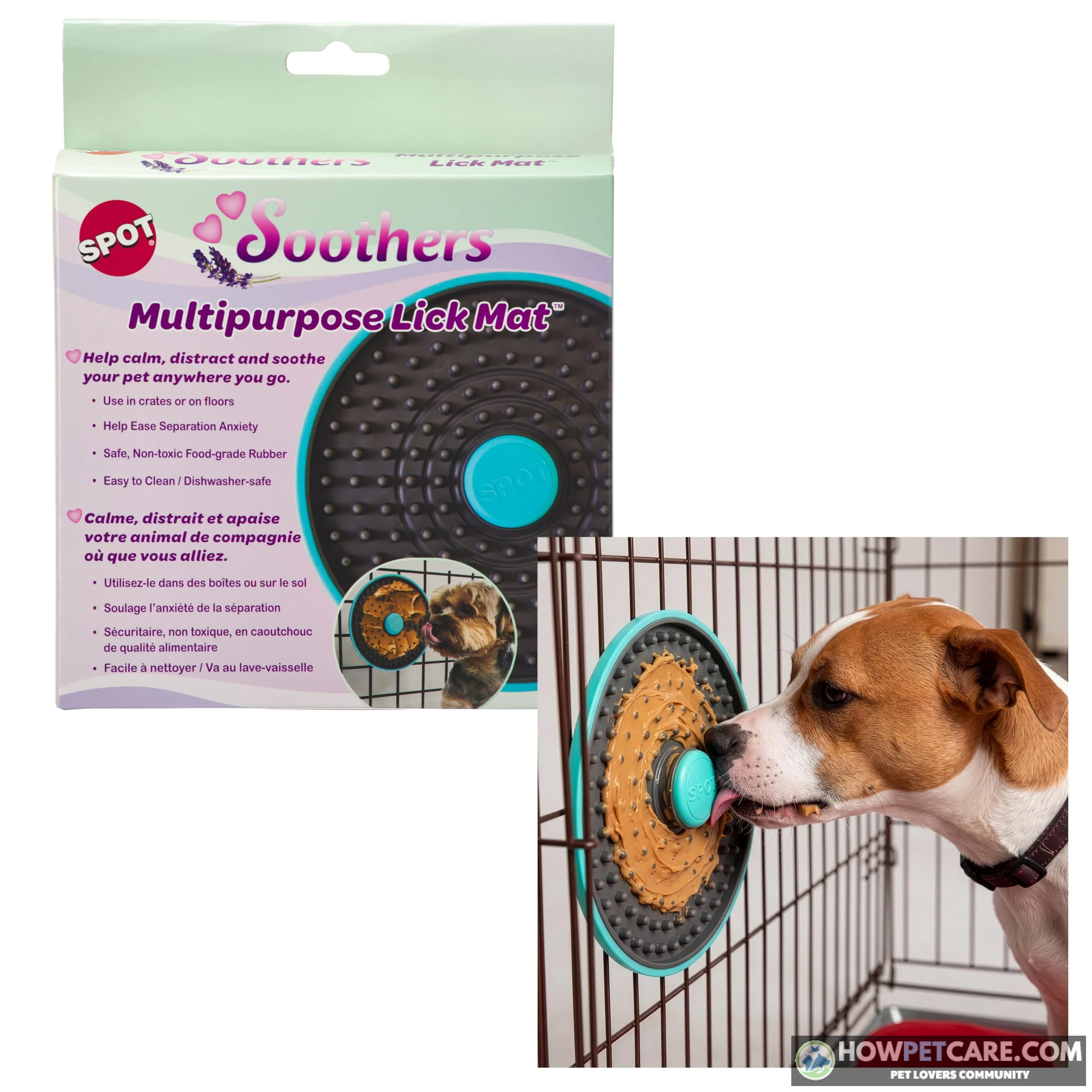
Keep a high-energy or anxious dog occupied with food puzzles, lick mats, scatter feeding, scent games, short training sessions, chew-safe items, rotating toys, and calm company. If the dog truly can’t settle, ask your veterinarian about prescribed calming medication rather than trying over-the-counter products on your own.
Stairs, car rides, and lifting a dog who cannot stand well
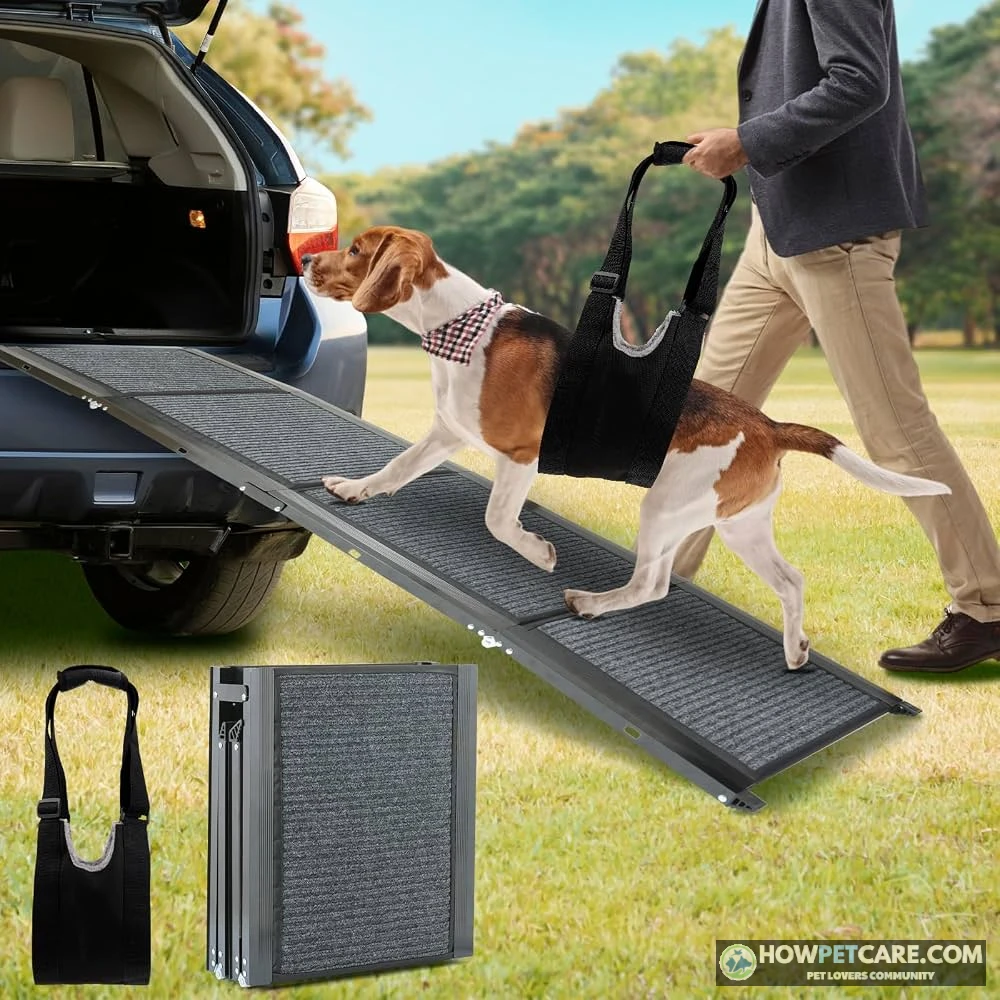
Cover slippery floors with runners or rugs, block stairs with gates, and use ramps where possible. A harness with handles gives you a secure grip without pulling on the incision. For lifting and car transfers, use a sling or support harness, involve two people for large dogs, use a car ramp, and avoid lifting by the belly — especially after abdominal surgery.
Gentle rehabilitation by recovery stage
Only attempt gentle movement with your veterinarian’s approval, and have a vet or rehabilitation therapist demonstrate the technique. Early stages might include very short leash walks; later stages can add passive range of motion and controlled weight shifting. Structured rehabilitation comes later, and the exact exercises depend on the procedure.
What recovery aids and physical therapy typically cost
Harnesses, ramps, cones, and recovery suits vary widely by size and region, so price-check locally. Physical therapy sessions also vary by clinic and by how many sessions your dog needs. Ask your veterinarian for a written estimate before committing to a rehabilitation plan.
Medication, Feeding, and Appetite Problems After Surgery
Handling medications and a dosing schedule
Write down each drug, dose, time, and purpose. Follow the medication schedule exactly, finish the full course of antibiotics even if the dog seems better, and never skip or double a dose without calling the clinic. Watch for side effects such as vomiting, diarrhea, or excess sedation.
Never give human pain medication. Ibuprofen, naproxen, and acetaminophen can be toxic to dogs. Give only the pain medication your veterinarian prescribed, and call the clinic if your dog still seems sore.
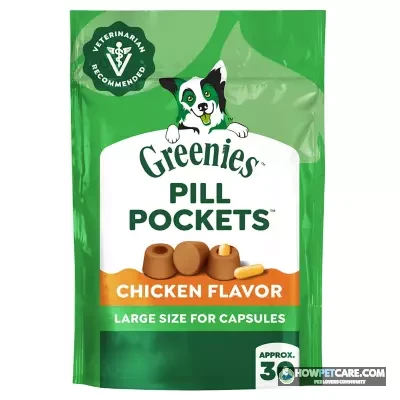
For pills, try hiding them in food or a pill pocket. If your dog refuses, ask the clinic about liquid or flavored alternatives.
What to do when your dog won’t eat after surgery
A short drop in appetite on day one is common after anesthesia. Call the clinic if there’s no eating by about 24 to 48 hours — sooner for puppies, small breeds, or diabetic dogs — or if vomiting accompanies it. Try warming the food and hand-feeding small amounts, and ask your veterinarian about an appetite stimulant or anti-nausea medication if needed.
Constipation and diarrhea after surgery
Opioids, anesthesia, and reduced activity can slow the bowels, so going a day or two without a stool may occur. Call if your dog strains, seems painful, or goes longer than your veterinarian’s threshold. Don’t give laxatives or home remedies without approval. Loose stool that persists also warrants a call.
Supplements to discuss with your vet first
Glucosamine, probiotics, and fish oil are sometimes suggested after surgery, but evidence varies, and some supplements interact with medications or affect healing. Discuss any supplement with your veterinarian before you start it, and don’t add new products on your own.
Your Daily Recovery Toolkit: Logs, Checklists, and a Call-the-Vet Guide
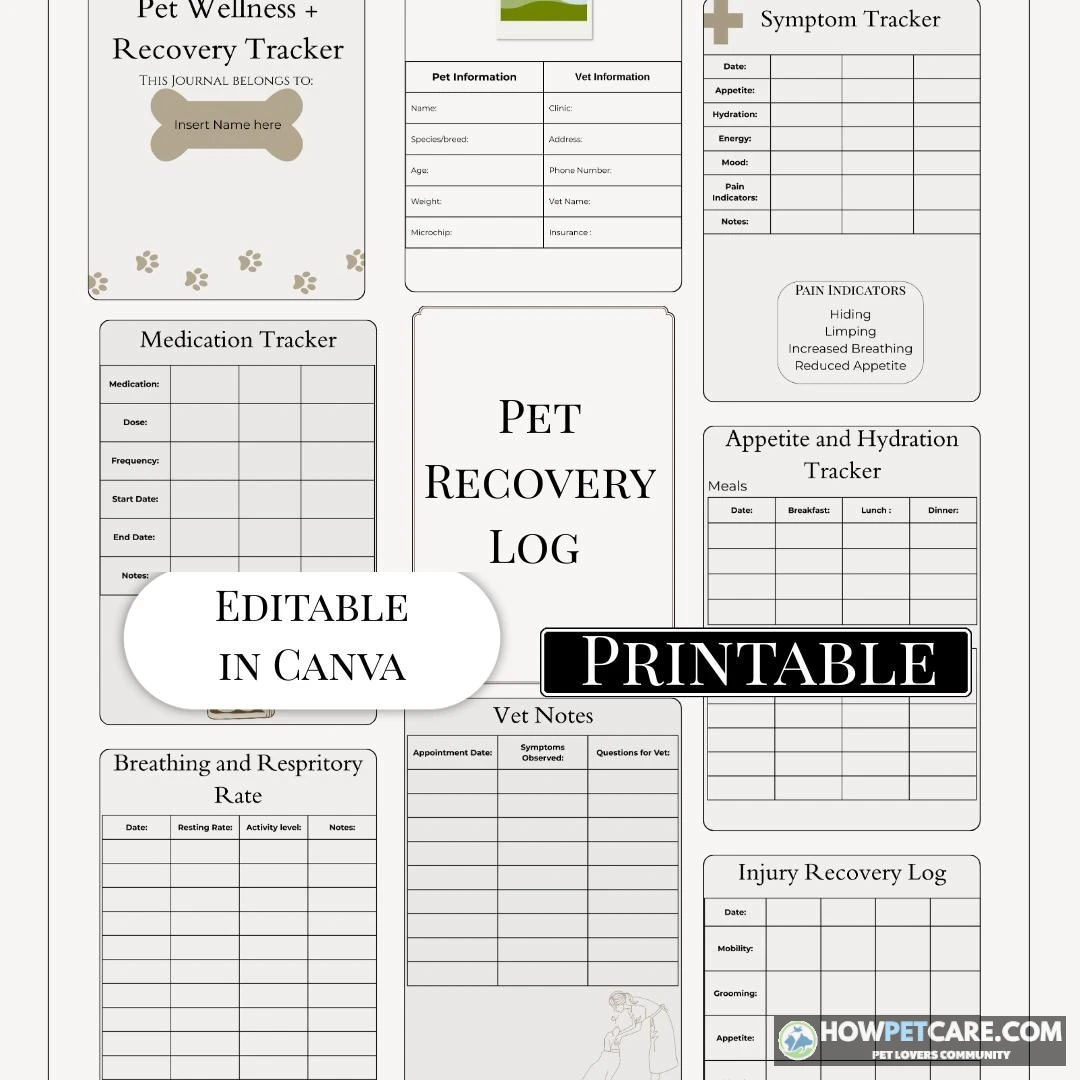
Copyable daily recovery log
Fill this in once a day — twice for the first 72 hours. Bring it to the recheck; patterns such as appetite sliding over three days become obvious on paper.
DOG SURGERY RECOVERY LOG
Date: ___________   Day ___ post-surgery

MEDICATIONS
[ ] __________ (name) ___ dose — given at ___ AM / ___ PM
[ ] __________ (name) ___ dose — given at ___ AM / ___ PM
Missed or refused doses: _______________

EATING AND DRINKING
Breakfast:  ate all / ate some / refused — notes: _________
Dinner:     ate all / ate some / refused — notes: _________
Water:      drinking normally / less than usual / not drinking
Vomiting or nausea: none / once / repeated — time: _________

BATHROOM
Urinated today: yes / no   Last bowel movement: day ___
Stool: normal / soft / loose / straining / none

INCISION CHECK (same time each day, photo taken: yes / no)
Color: pink / red / spreading redness
Swelling: less / same / more than yesterday
Discharge: none / clear / thick or colored — notes: _______
Edges: closed / small gap / open — notes: __________________

BEHAVIOR
Energy: normal-for-recovery / very low / restless
Pain signs (panting at rest, crying, hunching, won't settle):
_________________________________
Cone or recovery suit worn: all day / slipped off at: _______

QUESTIONS FOR THE VET:
_________________________________
Two rules make this log work: fill it in at the same time daily so entries are comparable, and write down numbers — how much food, how many times vomited — rather than "seemed okay." "Ate half, vomited twice" tells a veterinarian far more than "off day."
Pre-pickup and first-night checklist
- Quiet, non-slip recovery space ready
- Crate, pen, or gated room set up
- Washable bedding, water, towels, and medications within reach
- Other pets and children separated
- Cone or recovery suit fitted and approved by the clinic
- Medication schedule, recheck date, and after-hours number written down
When to call the vet and when to go to the emergency clinic
Call the same day for spreading redness, discharge, swelling, refusal to eat past the expected window, vomiting, lethargy, or an anti-lick device that failed and let the dog reach the incision.
Go to an emergency clinic for breathing trouble, collapse, pale or blue gums, uncontrolled bleeding, or an opened incision with visible tissue, fat, or stitches pulled out.
Follow-up visit prep and closing steps
Bring the log and photos to the recheck. Ask about activity, bathing, and rehabilitation, and request a written plan for returning to normal activity. Save the clinic and emergency numbers in your phone now, and set medication reminders so you don’t miss a dose.
FAQ
Can I leave my dog alone after surgery?
Ask your vet, but many dogs should not be left unsupervised for the first day or two, since they may remove a cone, chew the incision, or slip while groggy. If you must leave, use a secure crate or pen with the anti-lick device on, and arrange for someone to check in.
Can I give my dog human pain medication after surgery?
No. Ibuprofen, naproxen, and acetaminophen can be toxic to dogs. Give only the pain medication your vet prescribed, and call the clinic if your dog still seems sore.
Can my dog sleep in my bed or on the couch after surgery?
Usually not during the restriction period, because jumping on and off furniture can strain the incision or repair. Keep your dog in a crate, pen, or low bed nearby, and check with your vet if you want to use a ramp or an exception.
Can my dog go to daycare, boarding, or the groomer after surgery?
Not until your vet has cleared the incision and lifted activity restrictions. Group play and grooming can disturb healing, and facilities may require proof of clearance.
Is it normal for my dog to shake or whine the first night?
Mild trembling and some whining can occur as anesthesia wears off, and your dog may be disoriented. Call the clinic if it continues despite scheduled pain medication, or if it comes with heavy panting, pale gums, or an inability to settle.