
Canine skin problems usually stem from allergies, parasites, infections, endocrine disease, or irritants, and several causes can overlap. Match symptoms to likely triggers, use only dog-safe home care, and seek veterinary care for red flags or recurring signs.
If your dog is itching, scratching, losing hair, or developing rashes, the cause usually falls into one of five groups: allergies, parasites, infections, endocrine disease, or environmental irritants. Multiple causes can overlap, so visible signs alone rarely identify a single condition without a veterinary exam.
This guide walks US dog owners through symptom matching, safe home care, veterinary escalation rules, diagnostic costs, elimination-diet timing, breed-specific risks, and prevention routines.
What Causes Canine Skin Problems? Common Triggers
Allergies vs. infections

Allergic skin disease and skin infections often look similar at first glance, but they arise from different mechanisms and usually need different management. Allergies occur when a dog’s immune system overreacts to something in its environment or food — common triggers include pollen, mold, dust mites, and ingredients in dog food. Infections happen when bacteria or fungi grow on or in damaged skin, often after scratching or licking weakens the skin barrier.
Flea allergy dermatitis is one of the most common allergic skin conditions in dogs. Even a few flea bites can trigger intense itching in a sensitive dog, usually around the tail base, lower back, and hind legs. Atopic dermatitis, or environmental allergy, typically causes itching around the face, ears, paws, and belly. Food allergies can cause year-round itching and may also involve ear inflammation or gastrointestinal signs.
Infections may be bacterial or fungal. Staphylococcus pseudintermedius is the most common cause of bacterial skin infection in dogs. Yeast, particularly Malassezia, can cause a yeast infection in dogs with greasy skin, odor, and itching, often in ear canals, skin folds, or between the toes. Ringworm is a fungal infection despite its name and typically causes round patches of hair loss with scaling or crusting. Bacterial and fungal infections often develop secondarily after allergies, parasites, or irritants damage the skin, so treating the infection without addressing the underlying cause usually leads to recurrence.
Parasites and fungi

Parasites are a frequent trigger of canine skin disorders. Fleas cause itching and can transmit tapeworms. Sarcoptic mange mites burrow into the skin and cause intense pruritus, often starting on the ear margins, elbows, and abdomen. Demodex mites live in hair follicles and can cause localized or generalized hair loss, especially in puppies or dogs with weakened immune systems.
Isoxazoline parasiticides such as afoxolaner and fluralaner help reduce the risk of Demodex and Sarcoptes infestation. Ringworm spores can survive in the environment and may spread between pets and people, so suspected cases warrant prompt veterinary confirmation.
Systemic and environmental triggers
Endocrine diseases such as hypothyroidism and Cushing’s disease can cause symmetrical hair loss, thin skin, and recurring infections without much itching. Autoimmune conditions, including pemphigus foliaceous and lupus, can produce crusting, ulcers, and lesions, especially around the ears, face, and footpads. Pemphigus foliaceous is the most common autoimmune skin disease in dogs and often creates symmetric lesions on the ears, face, and footpads.
Ultraviolet light and sunlight can worsen lesions in dogs with lupus or pemphigus. Chemical irritants, harsh shampoos, lawn treatments, and contact with certain plants may also trigger contact dermatitis or worsen existing skin problems.
Symptom-to-Cause Framework for Dog Skin Problems
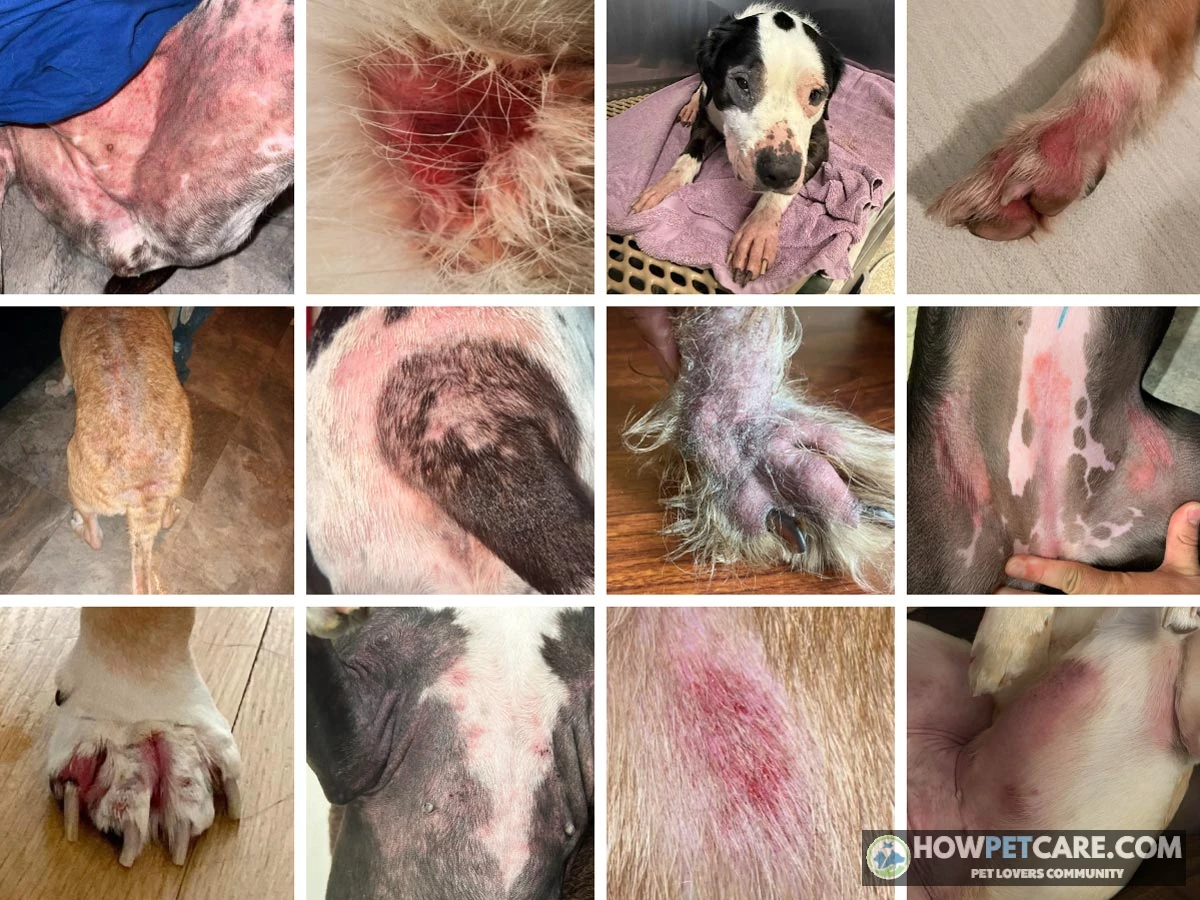
Visual lesion comparison

Matching visible signs to likely causes helps owners describe the problem clearly to a veterinarian and decide how quickly to seek care. Pruritus, or itching, with redness often points to allergies, fleas, or infection. Alopecia with scaling may suggest mange, ringworm, endocrine disease, or seborrhea, including kerato seborrhea in dogs. Hot spots, pustules, crusts, and odor help distinguish bacterial or yeast involvement.
| Visible sign | Likely causes | Urgency | Next step |
|---|---|---|---|
| Itchy red skin, often paws, ears, belly | Allergies, fleas, contact irritants | Routine to same-day | Schedule veterinary exam; begin flea prevention if not current |
| Round hair-loss patches with scaling | Ringworm, mange | Same-day | Veterinary diagnosis; isolate from other pets if ringworm is suspected |
| Greasy scaling, odor, ear debris | Yeast or bacterial infection, seborrhea | Routine to same-day | Veterinary cytology; medicated shampoo as directed |
| Oozing, painful, rapidly spreading sore | Hot spot, deep infection | Urgent | Same-day veterinary care |
| Crusts on ears, face, footpads | Autoimmune disease such as pemphigus | Same-day to urgent | Veterinary examination; possible skin biopsy |
| Symmetrical hair loss without much itching | Hypothyroidism, Cushing’s disease | Routine | Bloodwork and endocrine testing |
Where symptoms appear
Location matters. Flea allergy dermatitis commonly affects the tail base, lower back, and hind legs. Atopic dermatitis often affects the face, ears, paws, armpits, groin, and belly. Food allergy can cause generalized itching but frequently involves the ears and paws. Contact irritants usually appear on sparsely haired areas such as the belly, armpits, or paws where the skin touches floors, grass, or cleaning products.
What to photograph and record
Before calling a veterinarian, run through this pre-visit symptom-to-cause checklist:
- Note when itching, redness, odor, or hair loss started and whether it is seasonal or year-round.
- Record the exact body locations: paws, ears, belly, armpits, groin, tail base, or all over.
- Check for fleas or flea dirt, especially at the tail base and lower back.
- Look for scabs, crusts, pustules, blackheads, or greasy scaling.
- Note any recent food, shampoo, detergent, medication, or environmental change.
- Track bathing frequency, parasite prevention dates, and current diet.
- Take 3-5 clear photos in good light from multiple angles.
- List treatments already tried and whether they helped or worsened signs.
Photos should be taken in natural daylight without flash, with the camera parallel to the lesion. Include one close-up and one wider shot showing where the lesion sits on the body.
How to Treat Dog Skin Problems at Home Safely
Medicated bath protocol
Use only a shampoo labeled for dogs or directed by your veterinarian. Human shampoos can disrupt a dog’s skin pH and worsen irritation.
- Wet the coat thoroughly with lukewarm water.
- Apply shampoo and lather gently, avoiding eyes and mouth.
- Leave on the skin for 5-10 minutes unless the label says otherwise.
- Rinse completely; residue can irritate skin.
- Dry with a clean towel and avoid vigorous rubbing.
- During flares, bathe every 2-7 days as directed; for maintenance, follow the prescribed schedule.
- Do not combine multiple medicated products unless your veterinarian approves.
- Stop and contact the vet if burning, worsening redness, vomiting, lethargy, or repeated scratching occurs.

Safety cautions: use dog-specific products, check age, weight, and pregnancy restrictions, and keep the dog warm after bathing.
Safe soothing measures
Cool compresses applied for a few minutes can soothe localized hot spots on dogs while you wait for a veterinary appointment. Preventing licking and scratching with an Elizabethan collar or loose T-shirt can stop secondary trauma. Regular parasite prevention remains important even during a flare.
Omega-3 fatty acids may support skin barrier health and reduce inflammation over weeks to months, but they are not a fast treatment for an active infection. Hypoallergenic dog food should only be used as part of a supervised food trial, not chosen randomly from a store shelf.
Products to avoid without vet guidance
Over-the-counter antihistamines or shampoos can be unsafe depending on age, weight, pregnancy, or other medications. Some topical products contain ingredients toxic to dogs if licked or absorbed in quantity. Hydrocortisone creams sold for people are sometimes found at 1% concentration, but strength alone does not make them appropriate for every dog. Do not apply leftover prescription medication from another pet or a previous illness.
Routine vs. Urgent: When to See a Vet for Dog Skin Problems
Routine presentation checklist
Book a routine appointment within one to two weeks for mild itching, a small localized rash, recurring seasonal irritation, or minor dandruff. Bring photos, a symptom history, current diet information, and a list of products and medications already tried.
Urgent red flags
Seek same-day veterinary care for rapidly spreading rashes, open sores, strong odor, repeated scratching causing wounds, or skin lesions in a puppy, senior, or immunocompromised dog.
Seek urgent care the same day for facial swelling, fever, lethargy, severe pain, deep wounds, widespread crusting, or suspected mange spreading quickly.
Go to an emergency clinic immediately for breathing difficulty, collapse, rapidly worsening infection, inability to eat or drink, or severe swelling around the face or throat. Emergency signs require immediate veterinary or emergency care.
What to bring to the appointment
Bring clear photos taken in good lighting from multiple angles, notes on symptom onset and triggers, current food and treat packaging, all medications and supplements, parasite prevention records, and any previous veterinary records for the skin problem.
Diagnostic Tests, Treatments, and Typical Costs
Common diagnostics

Skin scraping and cytology check for mites, bacteria, and yeast and are often done in-clinic during the same visit. Fungal culture confirms ringworm, though results may take one to three weeks. Allergy testing can identify environmental allergy patterns using serum or intradermal methods. Bloodwork evaluates endocrine or systemic contributors such as thyroid or adrenal disease.
A skin biopsy is the only method that definitively diagnoses autoimmune skin disease in dogs, but prior glucocorticoid use can distort histopathology results.
Medication categories
Treatment may include corticosteroids, antibiotics, antifungals, medicated shampoo, or allergy management. Apoquel and Atopica are prescription options used for itch control and immune modulation in appropriate cases. Isoxazoline parasiticides treat and help prevent mite and flea infestations. Corticosteroids such as prednisone control inflammation and itching but require monitoring with long-term use.
All medication and dosing claims should be hedged and deferred to a veterinarian. Never start oral medication based on internet guidance alone.
How to plan costs
Costs vary by region, clinic type, and whether a veterinary dermatologist is involved. Ask for a written estimate and a staged diagnostic plan before advanced testing.
| Service or treatment | Typical range | What it helps determine | Notes |
|---|---|---|---|
| Office exam | $50-$120 | Baseline assessment and treatment plan | Varies by clinic and region |
| Skin scraping / cytology | $30-$120 | Mites, bacteria, yeast | Often done in-clinic |
| Fungal culture | $40-$150 | Ringworm confirmation | Results may take 1-3 weeks |
| Allergy testing | $200-$600+ | Environmental allergy patterns | Ask whether serum or intradermal testing is used |
| Bloodwork | $80-$250 | Endocrine or systemic contributors | May be staged rather than done all at once |
| Medicated shampoo / topical therapy | $15-$80 per product | Surface infection, scaling, seborrhea | Cost depends on size and frequency |
| Oral antibiotics / antifungals | $30-$200+ per course | Bacterial or yeast infection | Duration affects total cost |
| Corticosteroids / anti-itch therapy | $25-$150+ per month | Inflammation and itch control | Long-term use needs monitoring |
These are approximate US estimates with regional variation. Advanced cases referred to a veterinary dermatologist can cost significantly more.

Elimination Diet Timeline for Suspected Food Allergies
Week-by-week checkpoints
A strict elimination diet commonly runs 8-12 weeks before evaluating skin improvement. Use one novel or hydrolyzed protein and one matching carbohydrate source throughout.
- Weeks 1-2: Transition slowly over 5-7 days; remove treats, table scraps, flavored chews, and flavored medications unless approved.
- Weeks 3-4: Monitor itching, redness, ear debris, stool quality, and skin odor weekly.
- Weeks 5-6: Continue strict feeding; photograph lesions and compare with baseline photos.
- Weeks 7-8: Evaluate for at least 50% improvement in itching and skin inflammation.
- Weeks 9-12: If improved, continue the trial to confirm stability before rechallenge.
- Rechallenge: Add the original diet or suspected trigger for 7-14 days and watch for return of signs.
- If signs return, remove the trigger and discuss long-term diet management with your veterinarian.
Common trial mistakes
Common mistakes include sneaking flavored heartworm chewables, using non-approved treats, or changing foods mid-trial. Even a small amount of the original protein can restart symptoms and extend the trial.
When to involve a veterinarian
Involve a veterinarian before starting the trial to select an appropriate diet, rule out other causes, and interpret rechallenge results safely.
Breed-Specific Susceptibility and Management Schedules
High-risk breed groups

Some breeds are genetically prone to atopic dermatitis, seborrhea, hot spots, or skin fold issues. Breeds with heavy coats, floppy ears, deep skin folds, or short coats may face different risks. Coat type, ear shape, skin folds, and climate affect grooming and bathing frequency. Owners of high-risk breeds should learn their breed’s typical pattern so flares are recognized early.
Tailored grooming schedules
Management may include scheduled medicated baths, weight control, parasite prevention, and diet review. Dogs with skin folds may need daily fold cleaning and drying. Long-haired breeds may need more frequent brushing to prevent matting that traps moisture against the skin. Short-haired breeds with allergies may benefit from regular wiping after outdoor exposure during pollen season.
Environmental management
Reduce allergen load by wiping paws after walks, washing bedding regularly, and using air filtration during high-pollen seasons. Year-round flea and tick prevention is especially important for allergic dogs because flea bites can trigger or worsen flares.
| Breed or group | Common skin risks | Management focus | Review frequency |
|---|---|---|---|
| Retrievers and setters | Atopic dermatitis, ear infections | Ear cleaning, paw wiping, parasite prevention | Every 6-12 months or at flare |
| Bulldogs and pugs | Skin fold dermatitis, allergies | Fold cleaning, weight control, veterinary dermatology referral if recurrent | Every 3-6 months if folds are deep |
| Collies and shelties | Collie nose, autoimmune skin disease | Sun protection, early lesion checks | Every 6-12 months |
| West Highland white terriers | Atopic dermatitis, yeast infections | Medicated bathing, diet review, ear care | Every 6-12 months |
| Dachshunds and corgis | Seborrhea, hormonal alopecia | Grooming schedule, endocrine screening as needed | Annually |
Prevention Routine to Stop Recurring Dog Skin Issues
Weekly home check
Run your hands over your dog’s coat once a week, checking paws, ears, belly, armpits, groin, and tail base. Look for redness, scabs, greasy scaling, odor, or new hair loss. Photograph any changes and note the date.

Seasonal adjustments
Increase parasite prevention vigilance in warm months. Wipe paws after walks during pollen season. Adjust bathing frequency based on activity level, coat type, and veterinary direction rather than a fixed calendar.
Long-term maintenance plan
Maintain year-round flea and tick prevention even when symptoms are absent. Keep a consistent bathing, grooming, and skin-check routine with photo tracking. Support skin barrier health through balanced nutrition and appropriate omega-3 intake. Schedule rechecks for chronic or relapsing canine skin conditions before severe flares return.
Next Steps: Home Checklist and Vet Visit Preparation
Owner checklist
Document symptom onset, foods, products, medications, and possible triggers. Bring clear photos of lesions in good lighting from multiple angles. Use the symptom framework and triage criteria to decide whether routine or urgent care is needed.
Questions to ask
Ask about the most likely causes, which diagnostics are recommended first, estimated costs, safe home care between visits, expected timeline for improvement, and when to schedule a recheck.
Follow-up tracking
Track treatment response daily during the first two weeks. Note whether itching, redness, odor, or hair loss is improving, stable, or worsening. Call the clinic if signs do not improve within the timeframe your veterinarian specifies or if any urgent red flag appears.

| Condition or Symptom | Visible Signs | Likely Causes | Affected Body Locations | Urgency Level | Recommended Diagnostic or Action | Typical Cost Range |
|---|---|---|---|---|---|---|
| Itchy red skin, often paws, ears, belly | Pruritus, itchy red skin, redness | Allergies, fleas, contact irritants | Paws, ears, belly | Routine to same-day | Schedule veterinary exam; begin flea prevention if not current | 30-120 (for skin scraping/cytology), 50-120 (office exam) |
| Round hair-loss patches with scaling | Alopecia with scaling, round hair-loss patches with scaling, crusting | Ringworm, mange | Ear margins, elbows, abdomen, localized or generalized hair follicles | Same-day | Veterinary diagnosis; isolate from other pets if ringworm is suspected | 30-120 (skin scraping), 40-150 (fungal culture) |
| Greasy scaling, odor, ear debris | Greasy scaling, odor, ear debris, pustules, crusts | Yeast or bacterial infection, seborrhea | Ear canals, skin folds, between the toes | Routine to same-day | Veterinary cytology; medicated shampoo as directed | 30-120 (cytology), 15-80 (medicated shampoo) |
| Crusts on ears, face, footpads | Crusts, ulcers, symmetric lesions | Autoimmune disease such as pemphigus | Ears, face, footpads | Same-day to urgent | Veterinary examination; possible skin biopsy | Not in source |
| Symmetrical hair loss without much itching | Symmetrical hair loss, thin skin, scaling | Hypothyroidism, Cushing's disease | Not in source | Routine | Bloodwork and endocrine testing | 80-250 (bloodwork) |
| Oozing, painful, rapidly spreading sore | Hot spot, oozing sore, deep infection, painful, rapidly spreading sore | Hot spot, deep infection | Not in source | Urgent | Same-day veterinary care | Not in source |
FAQ
Can canine skin problems spread to humans or other pets?
Some causes, such as ringworm and certain mites, can spread between animals or to people. Allergic, hormonal, and many bacterial skin problems are not contagious, but a veterinarian should confirm the cause before assuming safety.
Are dog skin allergies usually seasonal?
Environmental allergies often flare during specific pollen or mold seasons, while food allergies can cause year-round itching. Tracking symptoms by month and location helps identify patterns, but testing may still be needed.
How often should I bathe my dog during a skin flare?
Many medicated protocols use bathing every 2-7 days during active flares, then less often for maintenance. The correct frequency depends on the shampoo, diagnosis, and your veterinarian’s instructions.
What does a veterinary dermatologist do differently from a general vet?
A veterinary dermatologist focuses on complex or recurring skin, ear, and allergy cases and may offer advanced allergy testing, immunotherapy, or specialized diagnostics. General veterinarians often manage initial evaluation and routine treatment.
Can stress or anxiety cause skin problems in dogs?
Stress can worsen itching, licking, or chewing behaviors and may trigger flare-ups in some dogs. It is usually a contributing factor rather than the sole cause, so medical causes should still be ruled out.