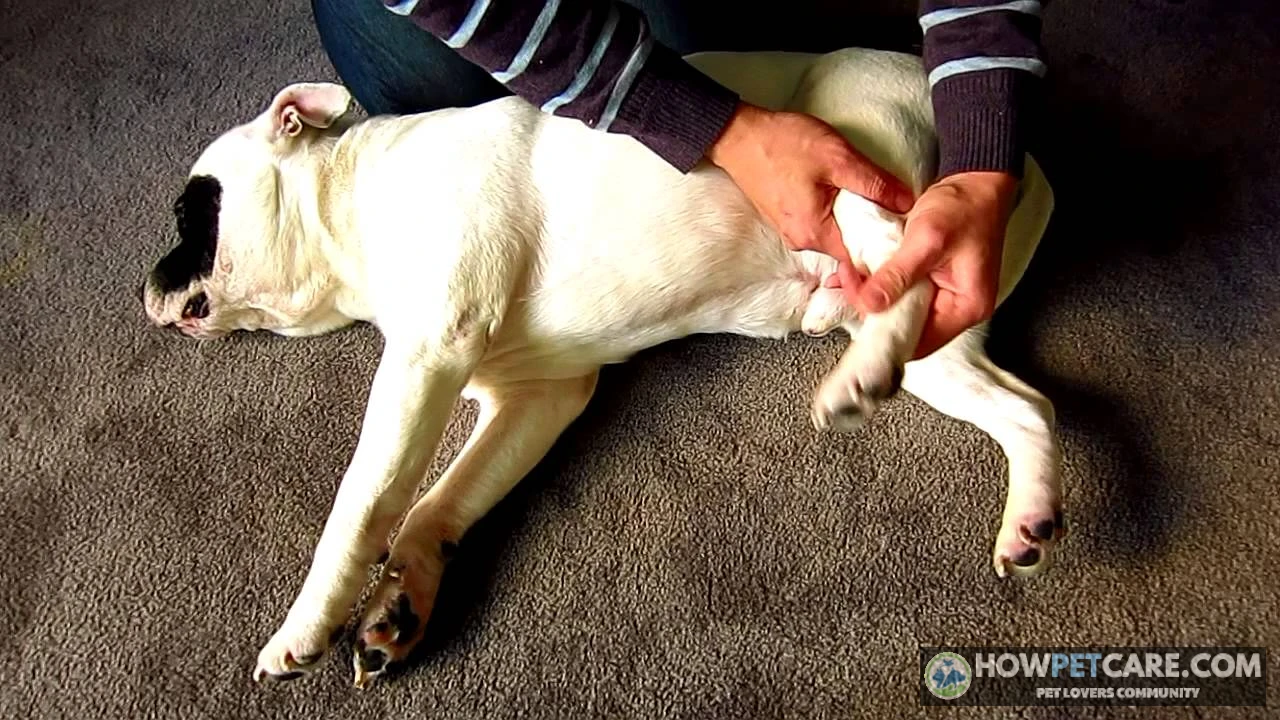

A torn ligament in a dog—most often the cranial cruciate ligament (CCL) in the knee—typically shows up as hind-leg lameness. Common signs include:
- Sudden or intermittent limping on a back leg, toe-touching, or holding the leg up
- The “sit sign,” where the affected leg sticks out to the side when sitting
- Stiffness after rest that eases with gentle movement
- Reluctance to jump, climb stairs, or get on furniture
- Swelling, warmth, or clicking over the knee
- Refusal to bear weight after a yelp or misstep (a complete tear)
Is Your Dog’s Limp a Torn Ligament? What to Do in the First 48 Hours
When a dog suddenly goes lame, the first minutes matter. A cranial cruciate ligament (CCL) tear – the canine equivalent of a human ACL – can happen without warning, and the window for influencing long-term joint health is narrow. Here’s how to manage the first two days and decide whether your dog needs a vet today, an appointment within days, or watchful waiting.
Red flags that mean a vet today
- ☐ Your dog won’t put any weight on the leg.
- ☐ You see swelling, a deformity, or a limb hanging oddly.
- ☐ There’s been known trauma – a car accident, a fall, or a bad landing.
- ☐ Your dog has a fever, is crying or lethargic, or refuses food.
- ☐ You hear repeated clicking from the knee (possible meniscal injury).
What to do tonight
- ☐ Allow strict leash-only potty breaks; carry small dogs outside.
- ☐ Block access to stairs and furniture, and put rugs or yoga mats on slick floors.
- ☐ Skip walks and play, and don’t “test” the leg to see if it improves.
- ☐ If your dog tolerates it, apply ice wrapped in a towel to the knee for 10-15 minutes. Stop if your dog resists.

What NOT to do
- ☐ Never give ibuprofen, naproxen, or acetaminophen – they cause stomach ulcers and kidney or liver damage in dogs. Use only vet-prescribed pain relief.
- ☐ Don’t force your dog to bear weight or walk to “prove” the leg is okay.
- ☐ Don’t use human anti-inflammatory creams or supplements without veterinary guidance.
Why tonight matters: An unstable knee can allow a partial tear to progress to a complete rupture. Continued instability can also damage the meniscus – cartilage that may click when injured and make surgery more involved.
When you call to book, ask:
- “Should I come today, or is tomorrow morning acceptable?”
- “Can you sedate for the knee exam if my dog is tense?”
- “Will you x-ray the same day, and what does the exam + x-ray visit typically cost?”
Torn Ligament Symptoms in a Dog’s Back Leg: What It Looks Like Day to Day
Signs that point to the knee
- Classic hind-leg lameness: The limp can appear suddenly or gradually, often after play or a misstep. Your dog may touch only the toes to the ground or hold the leg up entirely.
- The “sit sign”: The affected hind leg extends out to the side when the dog sits, rather than resting in a balanced position.
- Stiffness after rest: A limp may be more noticeable after a long nap and ease with gentle movement.
- Difficulty with routine activities: Your dog may hesitate or look uncomfortable when jumping into the car, climbing stairs, or getting onto furniture.
- Swelling or heat over the inner knee: The joint may feel warmer than the other side and look slightly puffy.
- Clicking sounds: An audible click during movement may signal a meniscal tear alongside the ligament damage.

Acute tear vs. slow-onset partial tear
- Acute tear: A dog may yelp, go lame immediately, and refuse to bear weight. It can look as though the dog has broken a leg.
- Partial tear: Many dogs still bear weight and limp on and off for days or weeks. They may seem to improve with rest, only to relapse later. Owners can miss a partial tear if they assume it’s just soreness or a minor muscle strain.
Back-leg vs. front-leg pattern
- Hind-leg CCL tears usually cause a hip hike, a shortened stride, or a “hind-leg hopping” gait. The head may bob less because the forelimbs absorb the impact.
- Front-leg injuries involving the shoulder, elbow, or carpus often cause a pronounced head bob as the dog tries to balance on the front end. The hind leg typically stays level.
Quick tip: If the limp is isolated to a hind leg and your dog can still use the front legs normally, a CCL tear is the leading suspect, though back-pain causes in dogs are worth ruling out.
How Vets Diagnose a Cruciate Tear and Tell Partial from Complete
The exam your vet will do
- Cranial drawer test: The vet pulls the tibia forward relative to the femur. Excessive movement indicates a tear. Tense or large dogs often need sedation for the exam.
- Tibial thrust test: The vet pushes the tibia upward and checks for instability, which further confirms CCL rupture.
- Joint flexion/extension: The vet may feel for crepitus and assess the knee’s range of motion.
What imaging can and can’t show
- X-rays are the first imaging tool. They do not show the ligament itself, but they can reveal:
- Joint effusion (fluid buildup) inside the knee.
- Changes in the tibial plateau angle, a clue to chronic instability.
- Arthritis in its early and late stages.

X-rays can't show the ligament, but they reveal joint fluid and early arthritis. (Source: docorbit) - Ultrasound can sometimes show a partial tear, but most vets start with X-rays to rule out fractures, bone cancer, or possible hip displacement.

Partial vs. complete tears – what the findings mean
- Partial tears may cause minimal drawer motion and a milder limp. The dog may still bear weight, and the ligament may still provide some stability. Many partial tears progress to complete rupture, though, if the dog continues normal activity.
- Complete tears produce clear drawer motion, consistent non-weight-bearing, and often visible muscle loss (atrophy) in the hind leg over weeks. Joint fluid is usually abundant.
Meniscus injury: Up to 70% of complete CCL tears also involve the meniscus. A meniscal tear adds pain and changes surgical planning; it often requires specific repair or removal during the operation.
Questions to ask before you leave the clinic
- “Which ligament is torn, and is it partial or complete?”
- “Is there meniscus damage?”
- “Do you see arthritis already?”
- “Which surgical option do you recommend for my dog’s size and activity level?”
- “What is included in the quoted price, and what might increase the final bill?”
Can a Torn Ligament in a Dog Heal Without Surgery? A Weight, Age and Activity Framework
Honest answer
Scar tissue can stabilize a cruciate-deficient knee over time, and many small, calm dogs do well with conservative care. The knee doesn’t regain the original ligament’s strength, however, and arthritis tends to progress faster than after surgery. Weight matters, but it isn’t the only factor in the decision.
Why sources conflict
Studies define outcomes differently. Some count the ability to go for short walks as a “return to function,” while others require a return to full play. Cut-offs vary too: many veterinary schools cite a “10-kg rule,” while others use “15-kg.” Both are real data points, but they’re rules of thumb, not laws.
Framework: weight, age, activity, and tear severity
- Under ~10 kg (~22 lb): Conservative management is a reasonable first option for many dogs. Small breeds heal faster, and strict rest is easier to enforce.
- ~10-15 kg (~22-33 lb) – the gray zone: There’s no default choice. Tear severity, activity level, age, and finances all affect the decision.
- Over ~15 kg (~33 lb): Surgery is generally recommended because conservative outcomes become less predictable as weight increases. Even senior large dogs often benefit from surgery if they’re otherwise healthy, since arthritis progression is more aggressive.
Modifiers that push toward or away from surgery
| Modifier | Push Toward Surgery | Push Toward Conservative |
|---|---|---|
| Age | Young, active dogs (<7 years) | Senior dogs (>10 years) or those with limited life expectancy |
| Obesity | Every extra kilogram raises knee load dramatically. | Weight-loss through diet and controlled exercise can improve the odds with conservative care. |
| Tear type | Complete, highly unstable tear with meniscus involvement. | Partial tear with minimal drawer motion and no meniscus damage. |
| Activity | Working dogs, agility participants, or high-energy pets. | Calm, low-impact pets (couch potatoes, brief daily walks). |
| Co-morbidities | Healthy heart, kidneys, liver. | Heart, kidney, or liver disease that makes anesthesia risky. |
| Owner’s capacity | Ability to enforce 8-12 weeks of strict rest and attend rehab. | Inability to restrict activity (e.g., multi-dog household, open yard). |

What conservative care looks like week to week
- Weeks 0-2: Crate rest, with 5-10 minute leash potty trips only. Avoid stairs, slippery floors, and jumping.
- Weeks 2-6: Gradually extend leash walks to 10-15 minutes on flat ground. Begin low-impact physical therapy, such as hydrotherapy, laser, or gentle range-of-motion exercises, if available.
- Weeks 6-12: X-rays usually show stabilizing scar tissue. Slowly increase walk duration (up to 30 minutes). Controlled sit-to-stand exercises may be added.
- After 12 weeks: If improvement is steady, introduce short, controlled play in a fenced area. Watch for a relapse.

Red flags that conservative care is failing: No improvement by 6-8 weeks, a worsening limp, obvious meniscal clicking, or a sudden return to non-weight-bearing.
TPLO vs. TTA vs. Lateral Suture: Which Surgery Fits Which Dog
How each procedure works
- TPLO (Tibial Plateau Leveling Osteotomy): The surgeon cuts and rotates the top of the shin bone (tibia), then secures it with a plate. This changes the tibial plateau angle, eliminating the forward thrust of the tibia and removing the need for the CCL.
- TTA (Tibial Tuberosity Advancement): A stabilizer (spike or cage) advances the tibial tuberosity, changing the patellar tendon’s pull angle and preventing tibial thrust. No bone is cut.
- Lateral Suture (also called TightRope or lateral fabellar suture): A strong monofilament suture is woven outside the joint, connecting the lateral fabellar tendon to the femur. It mimics the torn ligament’s tension without changing the bone geometry.
Side-by-side comparison
| Factor | TPLO | TTA | Lateral Suture Stabilization |
|---|---|---|---|
| How it works | Cuts and rotates the top of the shin bone to flatten the tibial slope, so the knee no longer “thrusts” forward | Moves the tibial crest forward to change the forces acting on the knee | A strong suture (e.g., TightRope or monofilament) is placed outside the joint to mimic the torn ligament |
| Typical US cost, all-in* | ~$3,500-$6,500+ | ~$3,000-$5,500 | ~$1,500-$3,500 |
| Best-fit candidacy | Medium-to-large, active dogs; steep tibial plateau angles; cases where the most predictable outcome matters | Certain knee anatomies – surgeon preference and measurements decide | Smaller or less active dogs; cases where budget is a real constraint |
| Expected recovery | Bone heals ~8-12 weeks; full activity usually 4-6 months | Similar ~8-12 weeks bone healing; full activity ~4-6 months | ~8-12 weeks of restriction; full activity ~3-4+ months |
| Reported outcomes | Published case series commonly report good-to-excellent function in roughly 85-90% of dogs; data are heterogeneous, so treat any single number cautiously | Reported outcomes are comparable to TPLO in most published series; long-term head-to-head data are limited | Often reported successful in small dogs; in large or very active dogs the suture can stretch or fail, which is why size matters |
| Common complications | Infection, implant problems, fracture of the cut bone, late meniscal tear | Similar implant and infection risks; delayed bone healing | Suture loosening or breakage, infection, meniscal tear; revision surgery is more often needed in big dogs |

*Cost figures are typical ranges compiled from US clinic pricing and pet-insurer cost guides (2023-2024). A general practice may charge differently from a specialty referral hospital, and metro vs. rural markets can shift a quote by thousands of dollars. Ask for the full written estimate.
No single procedure is “the best surgery.” The right choice depends on your dog’s size, knee anatomy, and activity level, as well as a surgeon who performs the procedure regularly. For a deeper breakdown of dog ACL surgery costs and recovery, ask each prospective surgeon what they recommend, why they recommend it, and what their own complication rate is.
What “success” means and what complications look like
- Success typically means a “return to comfortable function”: the dog can walk, play mildly, and climb stairs without evident pain. It doesn’t necessarily mean a return to pre-injury performance, especially for working dogs.
- Complications can appear early, as infection, implant loosening, or wound breakdown, or later, as meniscal tears, arthritis progression, or fracture at the osteotomy site. Lateral suture failures often show up as recurrent lameness weeks to months after surgery, sometimes with the suture visible under the skin.
Torn Ligament Dog Surgery Cost: What You’ll Actually Pay and What Drives the Bill
Typical price ranges by procedure (US, 2026)
| Procedure | All-in typical range (USD) | What’s usually included |
|---|---|---|
| Lateral Suture (TightRope) | $1,500-$3,500 | Surgical fee, implants (suture), anesthesia, basic post-op meds, e-collar, 2-week recheck. |
| TTA | $3,000-$5,500 | Surgical fee, spike/cage, anesthesia, implants, rechecks, sometimes a meniscus repair. |
| TPLO | $3,500-$6,500+ | Surgical fee, metal plate and screws, anesthesia, pre-op labs, postoperative meds, 2-week recheck. |
*Prices vary by region (e.g., $2,000 for a lateral suture in a rural clinic vs. $5,000 in a metropolitan specialty hospital). Request a written estimate that lists every component.
Line items in the bill
| Cost Item | What It Covers | Typical Range | What Drives It Up or Down |
|---|---|---|---|
| Initial exam + orthopedic consult | Lameness exam, drawer/tibial thrust tests | $80-$250 | Specialty referral consults cost more than general practice |
| X-rays | Knee views, often under sedation; rules out fracture, bone cancer, hip problems | $150-$400 | Sedation adds cost, especially in large dogs |
| Pre-op bloodwork | Anesthesia safety screening | $80-$200 | Senior panels and extra organ-function tests cost more |
| Anesthesia + monitoring | Induction, gas anesthesia, a dedicated tech | $300-$800 | Bigger dogs need more drug and longer monitoring |
| Surgery fee | The procedure itself, implants, surgeon time | Lateral suture ~$1,000-$2,500; TTA ~$2,500-$4,500; TPLO ~$3,000-$5,500 | Board-certified surgeon vs. GP; meniscus treatment can add $300-$1,000 |
| Hospitalization | Overnight stay, nursing, IV fluids | $100-$500/night | Some clinics discharge same-day – ask |
| Take-home medications | Vet-prescribed NSAID, sometimes gabapentin or antibiotics | $50-$150 | Duration and dog size |
| E-collar + support gear | Cone, sling or handled harness, ramps | $20-$150 | Reusable items you may already own |
| Rechecks + follow-up x-rays | Incision check at ~2 weeks; healing x-rays ~6-8 weeks | $150-$400 total | Some quotes include rechecks – ask what’s bundled |
| Rehab sessions | Hydrotherapy, underwater treadmill, laser, exercises | $50-$150 per session | Full programs run 4-12 sessions; some clinics discount packages |

Rough 12-month totals: lateral suture ~$2,000-$5,000 • TTA ~$3,500-$6,500 • TPLO ~$4,000-$8,000+ • conservative management ~$500-$2,500 (exams, x-rays, vet-prescribed meds, rehab, supplements).
Allow a contingency of ~10-20% for complications or a meniscal tear found during surgery. It’s also worth discussing the other knee in your family budget: roughly half of affected dogs may eventually tear it.
Insurance and payment options
- Pet insurance: Most major providers cover cruciate repair if the policy was purchased before the diagnosis (no pre-existing-condition exclusion). Expect reimbursement of 70-80% after a 12-month waiting period. Policies often exclude bilateral surgery unless you add an “add-on” for both knees.
- Financing: Many clinics partner with CareCredit or block-buster plans. Ask about interest-free periods.
- Veterinary schools: Some offer surgical services at reduced rates, especially for TPLO/TTA, though the surgeon may be a resident under supervision.
Recovery After Dog Torn Ligament Surgery: A Week-by-Week Timeline
Why the 3-month vs. 4-6-month conflict exists
- Weeks 8-12: Bone and soft-tissue healing is usually complete. Your dog can walk comfortably and may even begin bearing full weight.
- Weeks 12-24: Rebuilding muscle, proprioception, and hind-leg coordination takes longer. Surgeons clear full activity (off-leash running, jumping) after this period.
Both timelines are accurate; they measure different definitions of “recovered.”
Week-by-Week recovery calendar
| Timeframe | Milestones | Activity Allowance | Call the Vet If… |
|---|---|---|---|
| Weeks 0-2 | Incision closed; sutures often come out at ~10-14 days; dog starts toe-touching to light weight-bearing | Strict crate or pen rest; 3-5 minute leash potty walks only; e-collar on; no stairs, furniture, or slippery floors | Discharge, opening, or swelling at the incision; fever; refusal to eat; no weight-bearing at all |
| Weeks 2-6 | Recheck exam; lameness should slowly lessen; formal rehab may start (laser, gentle range-of-motion, hydrotherapy) | Leash walks lengthening to ~10-15 minutes, flat ground only; still no off-leash, running, or jumping | Limp getting worse instead of better; new clicking from the knee (possible meniscus); the dog suddenly goes back to non-weight-bearing |
| Weeks 6-12 | Follow-up x-rays usually confirm bone healing around weeks 6-8; surgeon may begin releasing activity | Gradually longer walks (up to ~30 minutes); controlled hills or sit-to-stand exercises if prescribed; underwater treadmill sessions | X-rays showing delayed healing or implant problems; persistent swelling; the leg buckles or gives way |
| Weeks 12-24 | Muscle rebuilds; strength gap between legs narrows; surgeon clearance for off-leash and full play | Graduated return: first off-leash in a fenced area, then short runs, then normal activity – only after surgeon signs off | Any relapse of lameness when activity increases; limping on the OTHER leg (contralateral tears are common during compensation) |

Setup that helps: Put baby gates on stairs and rugs or runners along every slick path between the crate and door. A handled harness makes walks easier to control, and the crate should be big enough for your dog to stand and turn in. A bed on the couch “just this once” isn’t a substitute.
When Surgery Isn’t an Option: Senior Dogs, Tight Budgets and Bracing
Senior dog options
Age alone is rarely the deciding factor; health, weight, mobility, and quality of life matter too. With good management, an older dog can enjoy daily walks, a little play, and a good quality of life without invasive surgery. Set realistic expectations: the goal shifts from “full function” to “comfortable, pain-free living.”
Does a dog knee brace really help?
Custom or off-the-shelf braces provide external support and can reduce joint strain, especially for dogs that can’t have surgery or are awaiting muscle strengthening. Evidence that a brace can replace surgical repair is limited, though many owners report improved comfort and slower arthritis progression. Fit, durability, and your dog’s acceptance matter: a poorly fitted brace can cause pressure sores or change gait.

Joint supplement amounts by weight
| Weight Range | Glucosamine (mg) | Chondroitin (mg) | Practical example for a 30 kg dog |
|---|---|---|---|
| 0-10 kg | 250-500 | 125-250 | 400 mg glucosamine + 200 mg chondroitin daily |
| 10-20 kg | 500-750 | 250-375 | 600 mg glucosamine + 300 mg chondroitin daily |
| 20-40 kg | 750-1,000 | 375-500 | 800 mg glucosamine + 400 mg chondroitin daily |
These are general reference ranges. Confirm dosing with the treating veterinarian, especially if your dog takes NSAIDs or other pain meds, or has kidney or liver disease.
Signs management is failing and it’s time to reconsider surgery or discuss quality of life
- Persistent lameness beyond 6-8 weeks despite strict rest.
- Noticeable pain when the dog is handled around the knee.
- Rapid progression of arthritis visible on subsequent x-rays.
- Refusal to eat or signs of chronic discomfort, such as cowering or irritability.
If conservative care can no longer keep your dog comfortable, talk openly with your vet about pain management, possible palliative care, or a carefully chosen surgical option, perhaps using a less invasive technique.
Protecting the Other Knee and Your Next Steps
Lowering the odds of a second tear
- Maintain a lean weight: Every extra kilogram raises the load on an unstable knee. Aim for your dog’s ideal body condition score (4-5 on a 9-point scale).
- Controlled muscle building: Low-impact exercises, such as swimming and using an underwater treadmill, strengthen hind-leg muscles without pounding the joint.
- Avoid “weekend warrior” activity: Sudden bursts of intense play after a period of rest increase re-injury risk.
- Joint supplements: Daily glucosamine/chondroitin (see dosing table) may slow arthritis progression.
- Treat arthritis early: If stiffness appears, arthritis remedy options such as vet-prescribed NSAIDs, joint injections, or complementary therapies can preserve function.

Stat: Approximately one-third of dogs will tear the contralateral cruciate ligament over time.
Your decision checklist
- ☐ Today: Watch for red flags, including no weight bearing, swelling, or fever. If you see them, call an emergency clinic.
- ☐ This week: Schedule a vet exam, request x-rays, and ask for a clear diagnosis (partial vs. complete, meniscus status).
- ☐ Before deciding on surgery: Get a written estimate listing each cost component, check the surgeon’s experience, and confirm candidacy based on weight, age, and activity level.
- ☐ After surgery or conservative care: Set up a rehab schedule, track progress with weekly notes, and schedule re-check x-rays at weeks 6-8 and 12.
Questions to bring to your vet
- “Which procedure do you recommend for my dog, and why?”
- “What are the specific complication rates for that surgeon?”
- “What is included in the quoted price, and what might increase it later?”
- “How long before I can expect off-leash activity?”
- “Do you think a second leg tear is likely, and does the policy cover bilateral surgery?”
This article is a practical decision-making tool for owners facing a CCL tear. It can’t replace a hands-on veterinary examination, but it can help you prepare questions and make a realistic plan.
| Procedure | How It Works | Typical US Cost Range | Best-Fit Candidacy | Expected Recovery | Reported Outcomes | Common Complications |
|---|---|---|---|---|---|---|
| TPLO (Tibial Plateau Leveling Osteotomy) | Cuts and rotates the top of the shin bone (tibia) to flatten the tibial slope, eliminating forward tibial thrust and the need for the CCL. | ~3,500-6,500+ | Medium-to-large, active dogs; steep tibial plateau angles; cases where the most predictable outcome matters. | Bone heals ~8-12 weeks; full activity usually ~4-6 months. | Published case series commonly report good-to-excellent function in roughly 85-90% of dogs; data are heterogeneous, so treat any single number cautiously. | Infection, implant problems, fracture of the cut bone, late meniscal tear. |
| TTA (Tibial Tuberosity Advancement) | Moves the tibial crest/tuberosity forward using a stabilizer (spike or cage) to change the patellar tendon's pull angle and prevent tibial thrust without cutting bone. | ~3,000-5,500 | Certain knee anatomies based on surgeon preference and specific measurements. | Bone heals ~8-12 weeks; full activity usually ~4-6 months. | Reported outcomes are comparable to TPLO in most published series; long-term head-to-head data are limited. | Implant and infection risks, delayed bone healing. |
| Lateral Suture (TightRope / Lateral Fabellar Suture) | A strong suture (e.g., TightRope or monofilament) is placed outside the joint, connecting the lateral fabellar tendon to the femur to mimic the torn ligament's tension. | ~1,500-3,500 | Smaller or less active dogs; cases where budget is a real constraint. | ~8-12 weeks of restriction; full activity usually ~3-4+ months. | Often reported successful in small dogs; in large or very active dogs the suture can stretch or fail, which is why size matters. | Suture loosening or breakage, infection, meniscal tear; higher likelihood of requiring revision surgery in big dogs. |

FAQ
Can a dog walk on a torn ligament?
Some dogs, especially with partial tears, still bear weight or toe-touch, which is why a tear is often missed. Walking on it can worsen the damage and injure the meniscus, so any persistent hind-leg limp warrants a vet exam.
Is a torn ligament painful for dogs?
Yes, especially in the first days and with a complete tear or meniscus injury. Dogs often hide pain, so signs like reluctance to jump, stiffness and licking the knee matter.
Is a torn ligament in a dog an emergency?
It’s usually urgent rather than life-threatening. See a vet today if your dog won’t bear weight, is crying, or has swelling or trauma, and within a few days for a milder limp.
How long can a dog live with a torn ACL without surgery?
A torn ACL doesn’t shorten life by itself, and many dogs live for years with managed care. The concern is quality of life, as arthritis and pain tend to progress, particularly in large dogs.
Do torn ligaments in dogs show up on X-rays?
Ligaments don’t show on X-rays, but signs like joint fluid and arthritis do, and X-rays rule out other problems such as fractures or tumors. Diagnosis relies mainly on the hands-on knee exam.