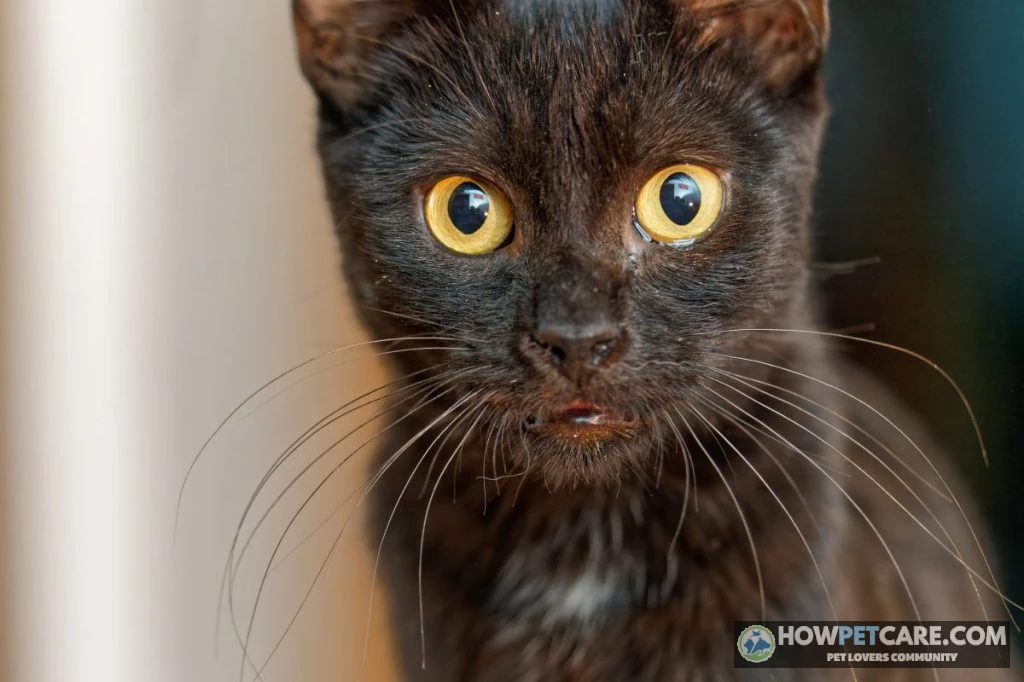

The York Chocolate is a historically documented American longhair breed, but its current registry and breeding status is unverified in 2026. Historical accounts mention CFF and CCA recognition, yet no current official breed list confirms it. Treat any kitten as unverified until its pedigree and registration are independently checked.
The York Chocolate is a real, historically documented American longhair cat breed, but its current breeding and registry status is hard to establish from the available evidence. One breed reference calls it a formerly registered breed; a seller advertises a waiting list. Historical accounts also describe past recognition by the Cat Fanciers’ Federation (CFF) and the Canadian Cat Association (CCA), but neither account carries a verifiable date. So in 2026 the safest description is historically documented but presently unverified — not confirmed rare-but-active, and not proven functionally extinct.
For prospective owners, the practical approach is to treat a York Chocolate kitten as unverified until its lineage and registration can be independently checked. A brown, longhaired cat may look the part without having a documented connection to the breed.
Does the York Chocolate Cat Still Exist? Current Registry Status
The York Chocolate cat breed originated in New York and is associated with founder Janet Chiefari and a foundation cat called Brownie. Developed from domestic longhair ancestry, it’s known for its chocolate coloring. A breed reference also uses the names York cat and Il Gatto Cioccolato.
Historical existence doesn’t necessarily mean present-day availability. Old pedigrees can survive even if few or no breeders are active. Likewise, an individual seller’s claim doesn’t establish that a registry currently recognizes the breed.
Registry-by-registry status (CFF, CCA, CFA, TICA)
The evidence available for this guide doesn’t include current official breed lists or dated registry decisions. The table identifies what needs checking rather than presenting an unverified recognition claim as fact.
| Registry | Recognition status | Time period or verification limit | How to verify |
|---|---|---|---|
| Cat Fanciers’ Federation (CFF) | Current status not independently confirmed here | Historical accounts describe experimental recognition, but the date and any later change need confirmation | Ask CFF whether it has a current York Chocolate standard and whether it registers litters as that breed |
| Canadian Cat Association (CCA) | Current status not independently confirmed here | Historical accounts describe championship recognition; the precise history and current status need confirmation | Ask CCA about its current breed list, historical records, and the registration numbers offered by a seller |
| Cat Fanciers’ Association (CFA) | Current status not independently confirmed here | No dated official breed list is available in the supplied evidence | Consult CFA’s current breed list and ask the registry to interpret any certificate |
| The International Cat Association (TICA) | Current status not independently confirmed here | No dated official breed list is available in the supplied evidence | Consult TICA’s current breed list and ask whether the claimed registration is pedigree or household-pet registration |
A cat breed registry may register a cat for purposes other than recognizing it as a pedigreed member of a particular breed. Ask the registry exactly what a document certifies; a registry logo alone isn’t proof of York Chocolate ancestry.
What “rare” means when there is one known breeder
One seller says it produces one to three York Chocolate kittens a year and maintains a waiting list. That’s a claim about the seller’s production, not a count of all kittens worldwide or proof of an active breed-wide population.
“Functionally extinct” would suggest that a viable breeding population no longer exists, even if individual descendants remain. The available evidence doesn’t establish that either. Historically documented but presently unverified is the safer description until registries and surviving pedigrees can be checked.
A seller’s waiting list, a rare-breed label, and an attractive coat do not establish pedigree or current registry recognition. Verify those claims independently before sending a deposit.
York Chocolate Cat Characteristics: Size, Coat, Colors and Eyes
Published descriptions offer a useful picture of the York Chocolate cat’s characteristics, but they aren’t a substitute for a current breed standard or documented ancestry. With so little independently confirmed population data, treat the figures as descriptions, not guarantees.
Size and weight
One breed guide describes adults as large longhaired cats weighing about 10 to 16 pounds and standing 8 to 10 inches tall. A seller gives the same figures. Individual cats can fall outside that range, and the available sources don’t establish a representative sample of the breed.
Coat colors and eye colors
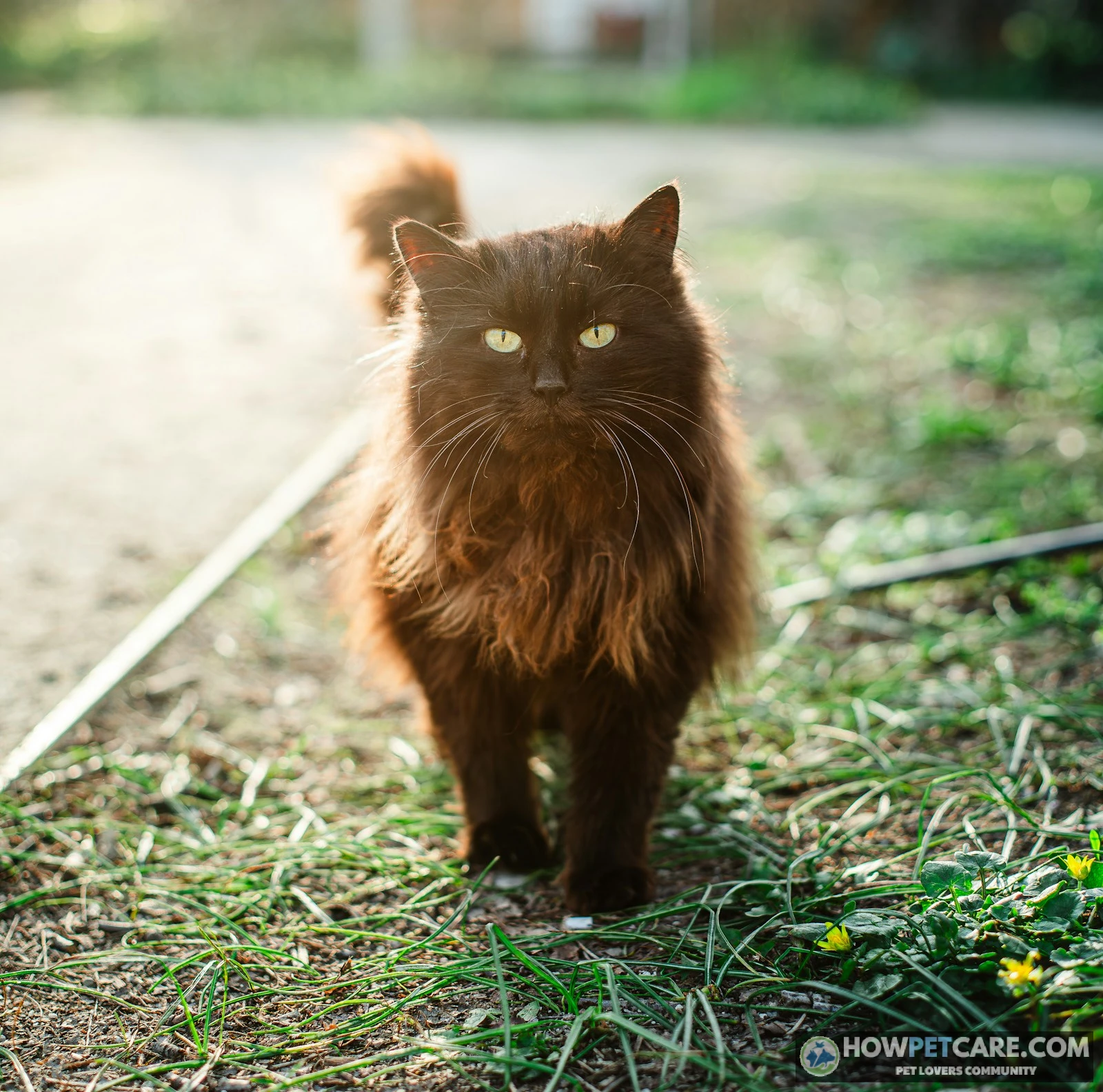
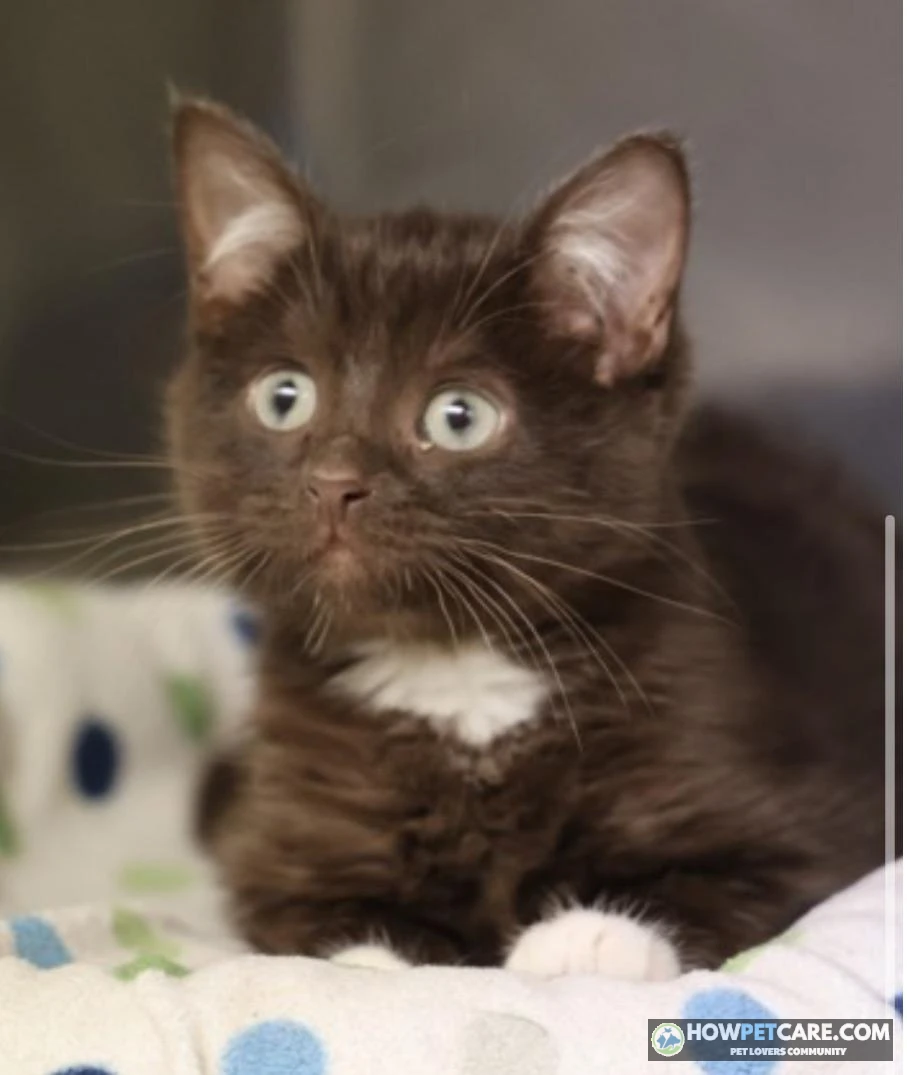
The York Chocolate is described as a longhaired cat with a deep brown coat; a seller also describes chocolate and lavender coloring and golden, hazel, or green eyes. The seller’s description says kitten color can change as the coat matures.
Breed descriptions also mention a silky coat, a plumed tail, and cats with white markings. These features can help you compare a cat with historical descriptions, but they aren’t unique identifiers. Ask the relevant registry which standard it applies before treating a particular color or marking as proof of eligibility.
York Chocolate Cat Personality and Temperament: Families and Other Pets
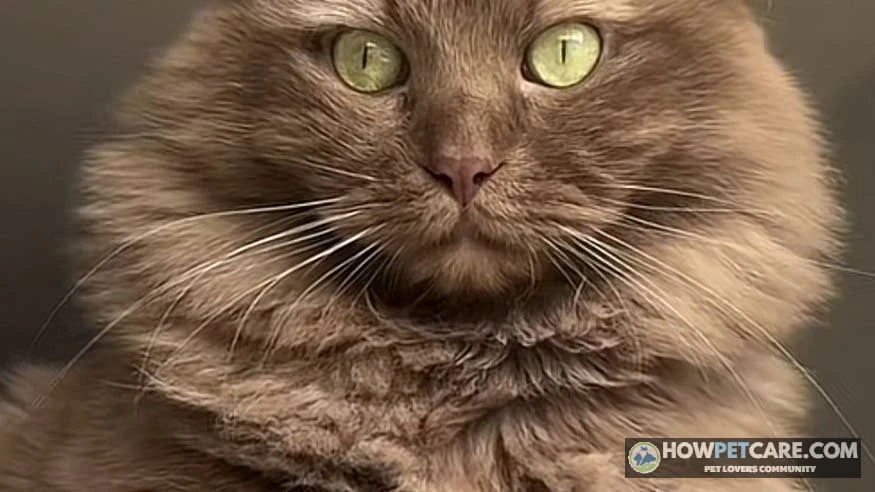
Breed descriptions portray the York Chocolate cat personality as friendly, affectionate, active, and interested in spending time with people. The seller also describes its cats as even-tempered and energetic. These descriptions don’t reliably predict every kitten’s temperament; the available evidence doesn’t include a representative temperament study.
If your household includes children, dogs, or other cats, look at the individual animal’s behavior and socialization. Ask how the kitten has encountered household sounds, gentle handling, and other animals. Make introductions gradually and give the cat a safe place to retreat. Young children need supervision and guidance on handling any cat gently.
If possible, meet the kitten and its mother, or arrange a live video call. Ask about the other parent too, while recognizing that the parent may live elsewhere. A cat that seeks play and company may suit an engaged household, but no breed label guarantees a fit for every family.
Grooming, Shedding, Lifespan and Health Watch-Outs
Grooming and shedding needs
Expect a longhaired cat to shed and plan to brush regularly. Start with several short sessions a week, then adjust to the individual coat. Check behind the ears, under the legs, and around the hindquarters for tangles. A comb that reaches through the coat can reveal knots a surface brush misses. Ask a groomer or veterinarian for help with tight mats rather than cutting close to the skin.
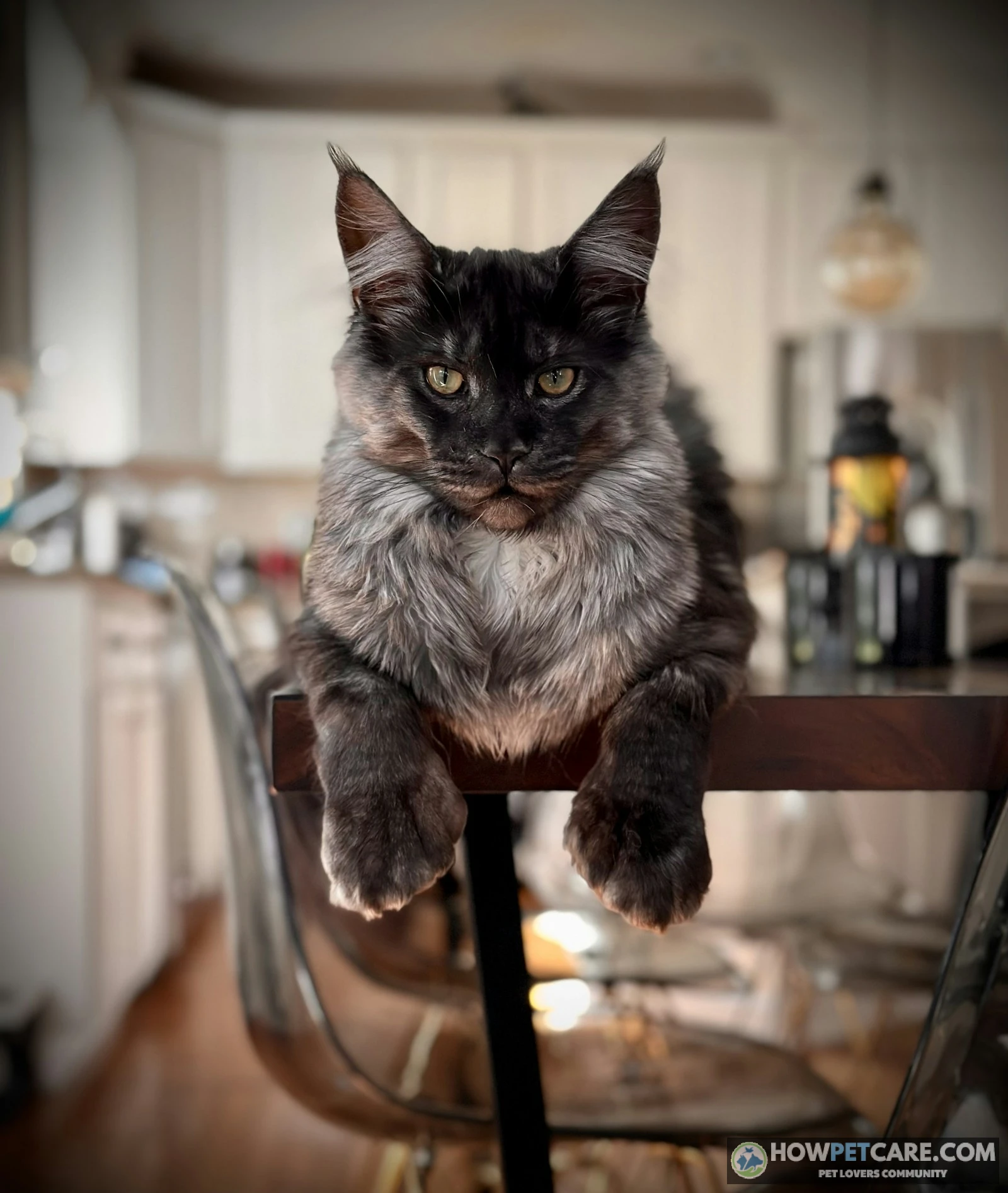
A claim of “minimal grooming” may reflect one cat’s coat or its owner’s routine; it doesn’t promise that every longhaired kitten will stay mat-free. Shedding can vary with the individual and season, so there’s no reliable breed-specific amount to promise.
York Chocolate cats aren’t a dependable choice for someone seeking hypoallergenic cats. No cat is guaranteed to be allergen-free: people can react to proteins such as Fel d 1 found in cat saliva and skin secretions. If someone in the household has allergies, discuss the decision with their clinician and spend time with the individual cat before committing. A short visit can’t guarantee long-term tolerance.
Lifespan and health issues to screen for
A breed guide and a seller both give a York Chocolate lifespan of 13 to 15 years, but neither supplied source establishes that figure through a breed-specific population study. Treat it as a published estimate, not a promise about an individual cat.
The available evidence doesn’t establish a York-specific inherited disease profile or a validated genetic screening panel. The following topics are useful questions for a veterinarian, not claims that the breed is predisposed to these problems:
- Hypertrophic cardiomyopathy (HCM): Ask whether either parent has had a cardiac examination or echocardiogram, when it was performed, and whether a veterinarian can interpret the report. An echocardiogram is an ultrasound of the heart; a normal result doesn’t guarantee that disease will never develop.
- Genetic tests: Ask which tests were performed and why they’re relevant to the parents’ known ancestry. A DNA test for a mutation identified in another breed can’t rule out every cause of HCM.
- Dental health and weight: Ask your veterinarian for a dental-care plan and an appropriate feeding and weight-monitoring routine for the individual cat.
- Family history: Ask about illnesses, ages, and causes of death in relatives where known. Limited lineage diversity is a reason to discuss relatedness and breeding choices, not proof that a kitten is unhealthy.
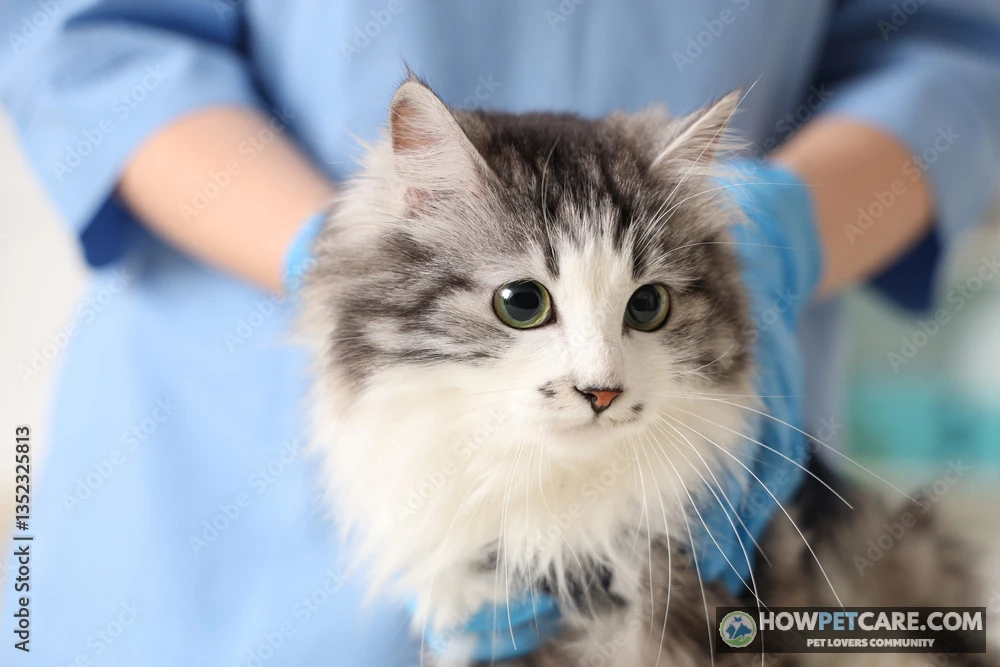
Request copies of health records and have your own veterinarian review them. A written health guarantee can explain the seller’s obligations, but it isn’t a substitute for screening or veterinary care.
How to Tell a Real York Chocolate from a Chocolate Longhair or Havana Brown
A chocolate coat is a color, not a pedigree. A cat may look like a York, but its claimed ancestry also needs to be independently traced and verified.
Lookalike comparison
| Feature | York Chocolate | Havana Brown | Chocolate domestic longhair |
|---|---|---|---|
| Coat | Described as long, with a deep brown or lavender coat | Short, smooth coat | Long coat; texture varies |
| Build | Described as large; published estimates are about 10–16 pounds | Generally medium and muscular | Highly variable |
| Eyes | Described as gold, hazel, or green | Green is associated with the breed standard | Varies |
| Color | Chocolate or lavender are described; historical descriptions also mention white markings | Solid brown is the familiar show-breed appearance | Any color or pattern, including chocolate |
| Origin | New York, with domestic longhair ancestry | Developed from planned breeding involving brown and Siamese-type cats | No single breed origin |
| Registry status | Historical registration described; current status needs independent confirmation | Check the relevant registry’s current standard and listing | A descriptive category, not a pedigree breed |
A short coat makes a cat a poor match for the historical York description. A long coat and the right color make a cat a possible visual match, but they still don’t establish ancestry. An undocumented cat could have York ancestry; without evidence, the claim can’t be verified.
Paperwork that actually proves a York Chocolate
Before paying, ask for documents and check them with the issuing organization using contact details you find independently:
- A multi-generation pedigree: Look for named ancestors and a documented connection to historical York Chocolate lines. Three generations are a useful starting request, but more records may be necessary to establish the connection.
- Registry and registration numbers: Request the issuing registry and numbers for the kitten and both parents. Ask the registry what each number and breed designation actually represents.
- Litter documentation: Ask whether the litter is registered, whether individual papers are pending, and when you’d receive them. Confirm the stated process with the registry.
- Parent and cattery records: Compare names and dates across the documents. A cattery name alone doesn’t establish a pedigree, and a parent living elsewhere isn’t automatically a red flag.
- A written agreement: Review the purchase price, deposit terms, registration paperwork, veterinary records, and return policy before paying.
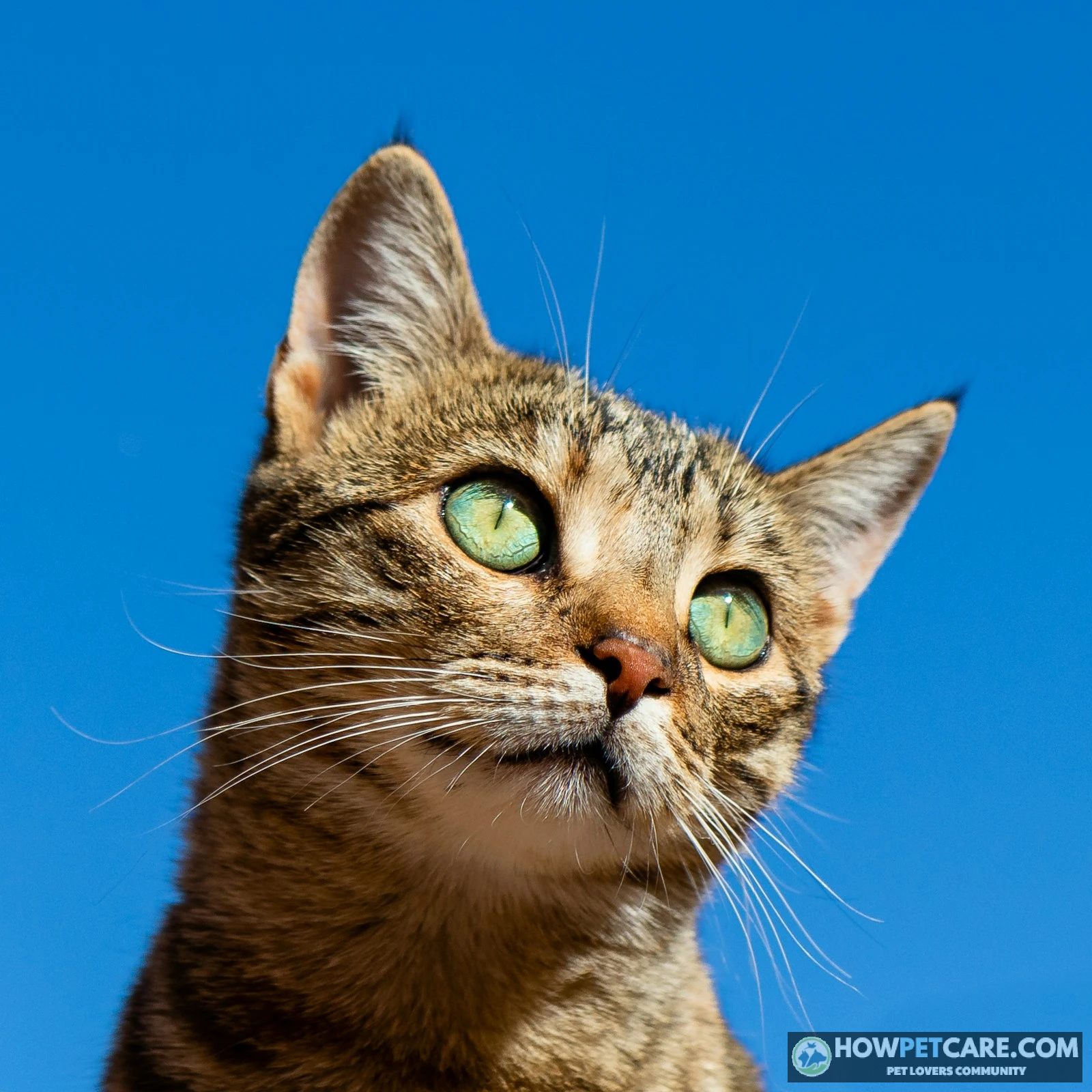
If the registry can’t confirm the records, or the trail stops before it connects to known York lines, describe the claim as unverified. A visually matching cat can still be a wonderful companion; it simply shouldn’t command a pedigree premium on appearance alone.
Pressure to pay immediately, refusal to show records, copied photos, and requests for difficult-to-reverse payments warrant caution. Ask for a live video call and independently verify the seller and paperwork.
York Chocolate Cat Price: Why Quotes Range from $600 to $2,000
Published estimates overlap rather than describe two clearly established markets: one guide quotes $600–$1,000, while a seller quotes $800–$2,000. The available evidence doesn’t explain how either range was calculated or verify recent completed sales.
A higher quote could reflect documented ancestry, health work, the seller’s costs, or a scarcity premium. It could also reflect an unsupported claim. Price alone can’t tell you which. The evidence available for this guide doesn’t establish an independently verified current market price.
What drives the price up or down
| Price tier or quote | Typical range | What drives it | What to verify |
|---|---|---|---|
| Lower published estimate | $600–$1,000 | A guide’s estimate; its underlying transactions and documentation are not specified | Whether a particular cat’s ancestry, health records, and registration are documented |
| Seller’s published estimate | $800–$2,000 | A seller’s stated range; it does not establish what other sellers charge | Exactly which papers, veterinary care, and contract terms are included |
| Individual quote outside either range | Varies | May reflect seller costs, requested terms, scarcity claims, or an unverified listing | Verify the cat and seller independently; neither a low nor a high price proves fraud or authenticity |
Ask whether the quoted kitten price includes registration papers, age-appropriate vaccinations, a microchip, a veterinary examination, and a spay/neuter procedure or agreement. Get the answer in writing. If papers will arrive later, the contract should say what happens if they don’t.
Hidden costs in year one
The purchase price is only the beginning. Budget separately for a veterinary examination, any remaining vaccines or parasite treatment your veterinarian recommends, food, litter, a carrier, scratching equipment, and grooming tools. Consider pet insurance or an emergency fund, and check whether a policy excludes preexisting conditions.
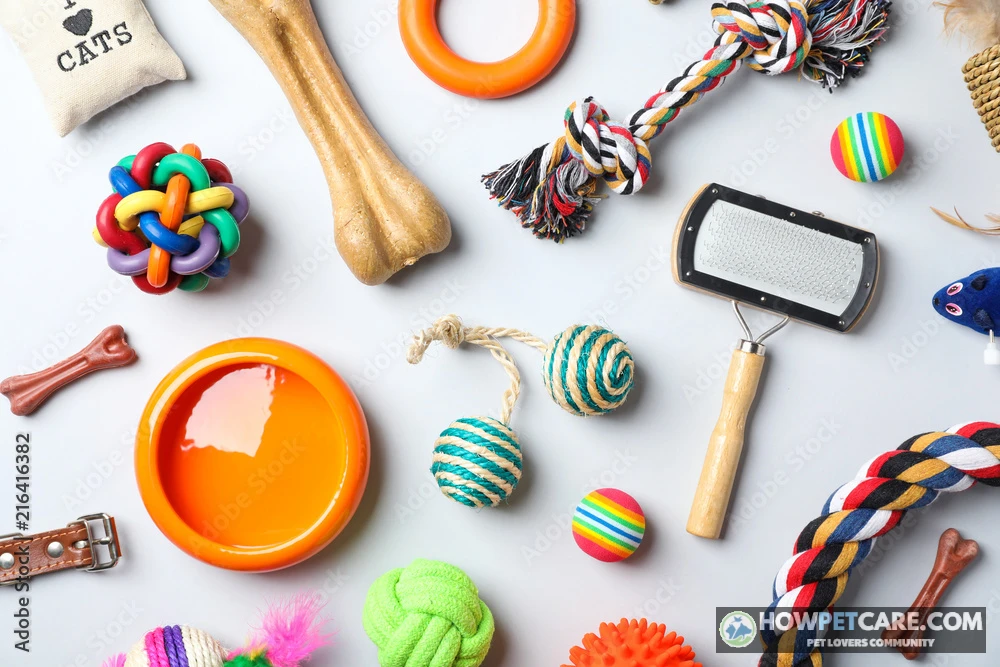
Costs differ by location, the cat’s needs, and what the seller includes. Obtain local veterinary estimates and insurance quotes before paying a deposit rather than relying on an unsourced first-year total.
Where to Get a York Chocolate Kitten: Waiting Lists, Clubs, Rescues and Alternatives
Waiting lists and breed clubs
If documented York Chocolate lineage matters to you, start with the registries named on a seller’s paperwork. Ask whether they can confirm both the records and any current breed-registration pathway. You can also ask cat clubs and registry contacts whether they know of active breeders, then independently verify any referral. A listing or referral is a lead, not an endorsement.
For a waiting list, request the expected process in writing: whether a kitten is actually planned, how selection works, the deposit amount, and whether the deposit is refundable if no suitable kitten becomes available. Don’t assume the seller’s reported one to three kittens a year represents total supply or predicts your wait.
Searches for York Chocolate cat breeders in the US may return listings that can’t be substantiated. Check a seller offering immediate shipment just as carefully as one offering a long wait. Don’t send money solely to hold a place based on a photograph or a verbal pedigree claim.
Rescues and recognized alternative breeds
A shelter or rescue is a practical option if your priority is a longhaired brown companion rather than a documented breed. Ask about the individual cat’s grooming tolerance, behavior, and known medical history. Unless an organization has verifiable pedigree records, treat a York label as a description or possibility, not a confirmed identity.
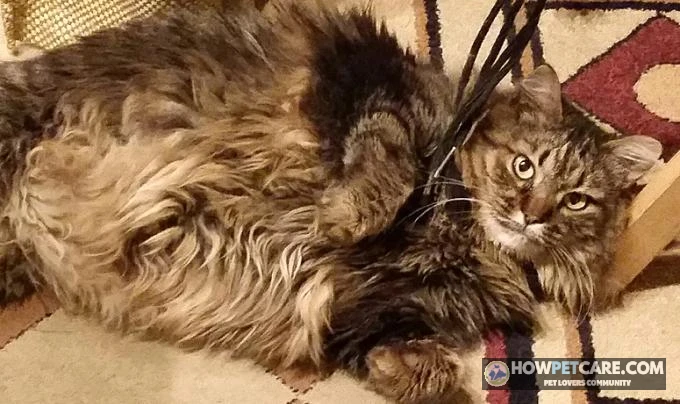
If you want a pedigreed cat, ask registries and breeders about these alternatives and confirm the colors and registration categories accepted by the particular organization:
- Havana Brown: A brown, shorthaired alternative for someone willing to give up the York’s long coat. It’s a different breed, not a shorthaired York.
- British Longhair: A possible longer-coated alternative; verify whether chocolate is accepted by the registry and available in the line you’re considering.
- British Shorthair: Another option to investigate if a shorter coat is acceptable. Ask about the individual cat’s temperament rather than assuming it will match a York description.
- Maine Coon: A longer-coated, large-breed alternative, but not a close match simply because both cats have substantial coats. Check the registry’s accepted colors and the breeder’s health-testing practices.
For any alternative, apply the same scam precautions: confirm the registry, review records and contract terms, and meet the cat or arrange a live video call before sending money.
Your Next Steps: A Decision Checklist for Prospective York Chocolate Owners
Verification checklist
If a traceable York Chocolate is essential, proceed only after the relevant registry and pedigree evidence support the seller’s specific claim. If they don’t, consider a documented alternative breed or adopt a cat you like for its individual qualities.
- ☐ Ask the named registry about its current status for the breed and what the seller’s registration documents mean.
- ☐ Review a multi-generation pedigree and independently check the kitten, litter, and parent details where records are available.
- ☐ Request veterinary and parental screening records; have your own veterinarian explain what they do and don’t show.
- ☐ Meet the kitten and mother or arrange a live video call, and ask about socialization and the other parent.
- ☐ Read the full contract, including deposit refunds, papers, health terms, and what happens if you can’t keep the cat.
- ☐ Recheck the total price and your first-year budget before committing.
Questions to ask any seller
Use these questions to start a specific, documented conversation:
- “Which registry issued the parents’ papers, and can you share their registration numbers and the kitten’s litter details?”
- “Can I see the pedigree and the records connecting this line to historical York Chocolate cats?”
- “What health examinations or tests have the parents had, and can my veterinarian review the reports?”
- “How many litters have you produced recently, and what is your process if no kitten becomes available?”
- “What does the price include, when will papers be provided, and under what circumstances is the deposit refundable?”
- “May I visit or have a live video call with the kitten and its mother? What is your return or take-back policy?”
Take time to verify the answers directly. If the seller can’t substantiate the lineage, base your decision on the cat and the evidence you have, not on the rarity of the name.
1What is the safest description of the York Chocolate cat's breed status in 2026 based on available evidence?
Historical records from past decades confirm its creation and past recognition, but current registry listings and active breeding populations cannot be verified.
2Which foundation cat and origin location are historically associated with the development of the York Chocolate breed?
Historical accounts credit founder Janet Chiefari with developing the breed in New York starting from a domestic longhair foundation cat named Brownie.
3What coat characteristic primarily distinguishes a York Chocolate cat from a Havana Brown?
York Chocolate cats are historically described as longhaired felines, whereas Havana Browns are defined by their short, smooth coats.
4Why is a registry logo on a document insufficient proof of a cat's pedigreed York Chocolate ancestry?
A registry logo certifies that a document was issued by that organization, but the specific registration class may represent non-pedigreed or household pet entries.
5What limitation exists when using an echocardiogram to screen parent cats for Hypertrophic Cardiomyopathy (HCM)?
Echocardiograms assess current cardiac anatomy and function, meaning late-onset cardiac disease can still develop after a clear result.
6Why are York Chocolate cats not considered a dependable choice for prospective owners seeking a hypoallergenic cat?
Allergens like Fel d 1 are secreted in saliva and skin dander, meaning no cat breed is completely hypoallergenic.
7What do asking prices ranging from 600 to 2,000 for a claimed York Chocolate kitten actually indicate?
Asking prices can reflect breeder costs or unsupported scarcity claims, making price an unreliable metric for pedigree verification.
8Which procedure is critical when attempting to verify a kitten's claimed York Chocolate lineage?
Direct independent verification with the registry confirms whether registration numbers represent legitimate pedigreed lines.
9If a prospective owner seeks a brown pedigreed cat but prefers a short, smooth coat, which alternative breed is suggested?
The Havana Brown is a distinct, recognized breed featuring a solid brown short coat.
10What does a seller's claim of producing one to three York Chocolate kittens per year demonstrate?
An individual breeder's production claim describes their personal operation rather than confirming breed-wide viability or active status.
| Breed Name | Coat Type & Color | Body Size & Build | Eye Color | Origin | Registry Status |
|---|---|---|---|---|---|
| York Chocolate | Described as long, with a deep brown or lavender coat; chocolate or lavender are described; historical descriptions also mention white markings | Described as large; published estimates are about 10–16 pounds | Described as gold, hazel, or green | New York, with domestic longhair ancestry | Historical registration described; current status needs independent confirmation |
| Havana Brown | Short, smooth coat; solid brown is the familiar show-breed appearance | Generally medium and muscular | Green is associated with the breed standard | Developed from planned breeding involving brown and Siamese-type cats | Check the relevant registry's current standard and listing |
| Chocolate domestic longhair | Long coat; texture varies; any color or pattern, including chocolate | Highly variable | Varies | No single breed origin | A descriptive category, not a pedigree breed |
FAQ
Are York Chocolate cats hypoallergenic?
No cat breed is truly hypoallergenic, and York Chocolates are longhaired cats that shed. People with allergies should spend time with the specific cat before committing.
How is a York Chocolate different from a Maine Coon?
Maine Coons are a large, widely recognized breed with a shaggy coat and many registered breeders. York Chocolates are rarer, with a chocolate and white coat range and little registry recognition.
Do York Chocolate cats shed a lot?
As a longhair cat, a York Chocolate sheds moderately and more heavily in seasonal coat changes. Regular brushing keeps shedding and matting manageable.
Is a York Chocolate kitten the same as any chocolate-colored longhair?
No. A chocolate coat is a common color in many cats, while a York Chocolate needs documented pedigree lineage to count as the breed.
How long do York Chocolate cats live?
There is no reliable breed-specific lifespan data. Healthy domestic longhair cats typically live about 12 to 18 years, so that is a reasonable expectation.