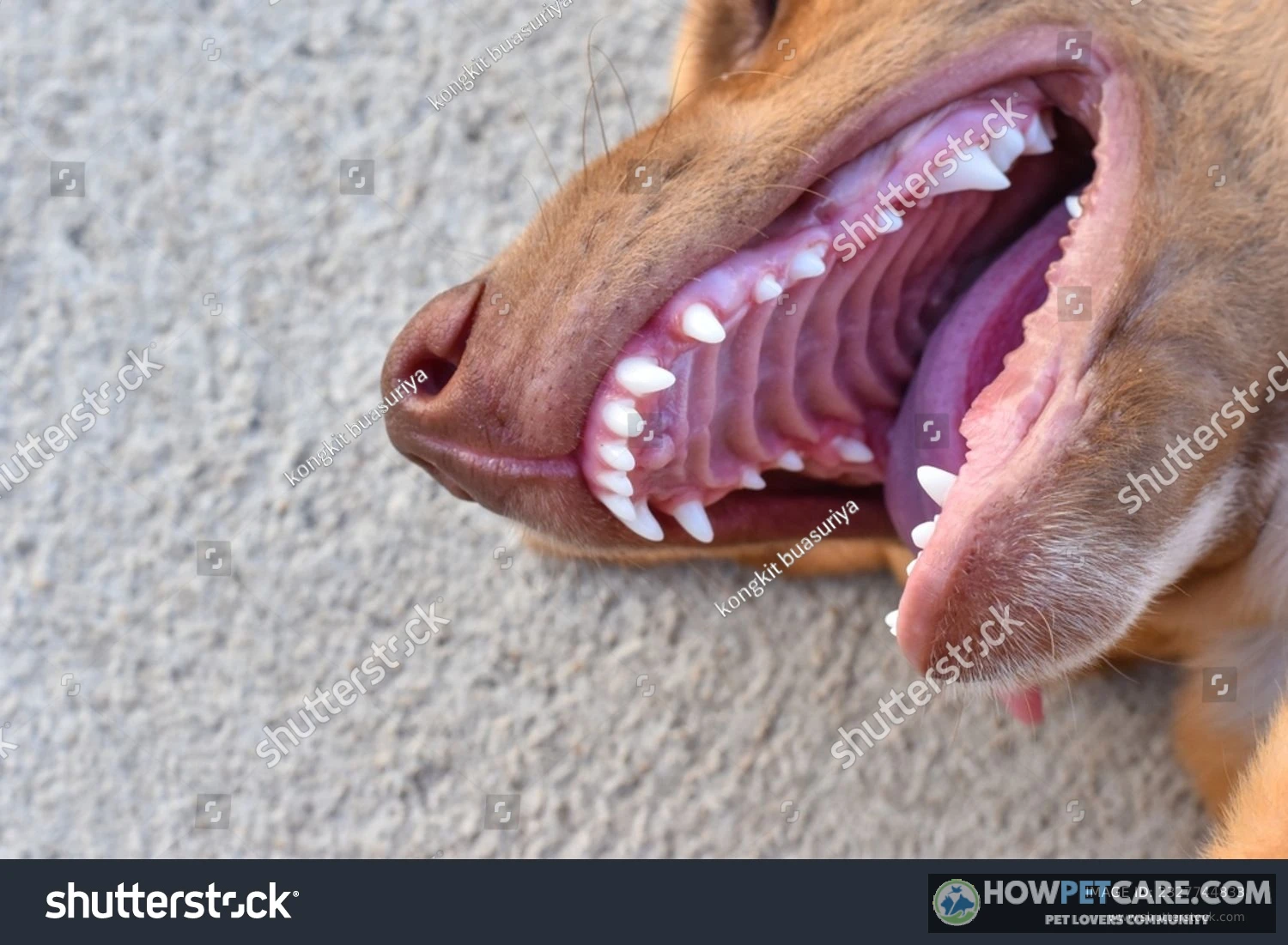

Adult dogs have 42 permanent teeth, while puppies have 28 deciduous (baby) teeth. The adult set includes 20 upper and 22 lower teeth; the puppy set is 14 upper and 14 lower, lacking molars.
Adult dogs have 42 permanent teeth—20 in the upper jaw and 22 in the lower—while puppies grow a set of 28 deciduous (baby) teeth, split evenly 14 upper and 14 lower. Those extra two lower molars give the mature canine a stronger grinding surface for bone and kibble, a feature that puppies simply lack.
Adult dogs – 42 permanent teeth (20 in the upper jaw, 22 in the lower jaw)
Puppies – 28 deciduous (baby) teeth (14 in the upper jaw, 14 in the lower jaw)
Why it matters: The extra two lower molars give adult dogs a stronger grinding surface for bone and kibble, while puppies rely on incisors, canines, and premolars only.
How Many Teeth Do Dogs Have? Adult vs. Puppy Tooth Counts

Pet parents asking how many teeth do dogs have often wonder whether their dog should have 42 teeth or fewer. The answer is simple: adult dogs contain 42 permanent teeth and puppies have 28 baby teeth. Puppies are born edentulous—completely toothless—and develop their full deciduous complement by eight weeks of age. Between three and seven months, the baby set is replaced by the adult set, completing the 42‑to‑ tooth roster.
Jaw Distribution
- Upper jaw (maxilla): 20 teeth in the adult. Each side holds three incisors, one canine, four premolars, and two molars.
- Lower jaw (mandible): 22 teeth in the adult. Each side contains three incisors, one canine, four premolars, and three molars.
Puppies split the 14‑to‑14 total because they lack molars entirely; their dental arcade includes only incisors, canines, and premolars.
The 4 Functional Types of Canine Teeth and Their Roles

Dogs have four tooth categories, each shaped for a specific dietary task.
Incisors and Canines: Grasping and Grooming
- Incisors (12 total, 6 upper / 6 lower) – Small, single‑rooted teeth at the front of the mouth. They scrape meat off bones, help with delicate grooming, and let a dog nibble soft objects.
- Canines (4 total, 2 upper / 2 lower) – Long, pointed, deep‑rooted teeth. Their primary role is to puncture and hold prey, providing the grip needed for tearing larger pieces of food.
Premolars and Molars: The Carnassial Shearing Mechanism
- Premolars (16 adult total, 8 upper / 8 lower) – Sharp‑edged transition teeth behind the canines. The fourth upper premolar and the first lower molar form the carnassial pair, acting like heavy‑duty scissors to slice meat fibers.
- Molars (10 adult total, 4 upper / 6 lower) – Broad, flat surfaces at the rear of the mouth. They crush hard kibble, bone fragments, and fibrous plant material, completing the chewing process.
| Tooth Type | Primary Function |
|---|---|
| Incisors | Nibbling, grooming, scraping meat |
| Canines | Gripping, puncturing prey |
| Premolars | Shearing & tearing (includes carnassial pair) |
| Molars | Crushing kibble, bone fragments |
Canine Dental Formula: Upper vs. Lower Jaw Anatomical Breakdown

Veterinarians record dentition with a dental formula that shows the number of each tooth type per side of the jaw, and clinicians document each tooth individually using the modified Triadan system (e.g., 100s for upper right, 200s for upper left, 300s for lower left, and 400s for lower right). The anatomical dental formula reads:
- Adult permanent formula: 2 × (I 3/3 C 1/1 P 4/4 M 2/3) = 42 teeth.
- Deciduous puppy formula: 2 × (I 3/3 C 1/1 P 3/3 M 0/0) = 28 teeth.
The notation lists “upper/lower” per side, then multiplies by two for the left and right halves. It highlights the asymmetry: the mandible carries three molars per quadrant, whereas the maxilla has only two.
| Tooth Type | Puppy Upper Jaw (Maxilla) | Puppy Lower Jaw (Mandible) | Adult Upper Jaw (Maxilla) | Adult Lower Jaw (Mandible) | Primary Function |
|---|---|---|---|---|---|
| Incisors | 3 (per side) = 6 total | 3 (per side) = 6 total | 3 (per side) = 6 total | 3 (per side) = 6 total | Nibbling, grooming, scraping meat |
| Canines | 1 (per side) = 2 total | 1 (per side) = 2 total | 1 (per side) = 2 total | 1 (per side) = 2 total | Gripping, puncturing prey |
| Premolars | 3 (per side) = 6 total | 3 (per side) = 6 total | 4 (per side) = 8 total | 4 (per side) = 8 total | Shearing & tearing (includes carnassial pair) |
| Molars | 0 | 0 | 2 (per side) = 4 total | 3 (per side) = 6 total | Crushing kibble, bone fragments |
Puppy Teething Timeline: Deciduous Emergence to Permanent Eruption

Knowing when puppies lose their baby teeth and tracking the week‑by‑week progression lets owners anticipate discomfort, offer safe chew outlets, and catch abnormalities early.
| Age Range | Teeth Erupting | Teeth Shedding | Developmental Milestone & Care Focus |
|---|---|---|---|
| Weeks 2‑4 | Deciduous incisors & canines | – | Puppies are born edentulous; check gums daily for swelling |
| Weeks 5‑8 | Deciduous premolars (complete set of 28) | – | Full baby dentition; introduce appropriate teething toys |
| Weeks 12‑16 | First adult incisors emerge | Deciduous incisors loosen | Gently massage gums; monitor for retained baby teeth |
| Months 4‑6 | Permanent canines & premolars erupt | Remaining deciduous incisors & premolars shed | Expect increased drooling & chewing; provide safe chew toys |
| Months 6‑7 | Adult molars (upper 4th premolar & lower 1st molar) appear | Any lingering deciduous teeth should be gone | Full adult set of 42 teeth; schedule first veterinary dental exam |
| >7 months | – | – | Watch for retained deciduous teeth (risk of misalignment & plaque buildup) |
A retained baby tooth often looks smaller, lighter‑colored, and may be loosely attached while neighboring adult teeth are firmly set. If you notice a wobbling tooth after seven months, schedule a veterinary check—early removal prevents crowding and plaque traps.
Deciduous Eruption: 2 to 8 Weeks
During the first two weeks, a puppy’s gums are smooth and pink. By the third week, the first incisors appear, followed quickly by the canines. This rapid eruption explains why owners often hear a “crack” as enamel breaks through the gum tissue.
The Shedding and Adult Transition Phase: 3 to 7 Months
As permanent incisors push up, the corresponding baby teeth loosen and fall out. Premolars follow a similar pattern, but the carnassial premolars (upper 4th) are the last to erupt, completing the shearing apparatus.
Persistent Deciduous Teeth: Risks and Intervention
When a primary tooth fails to shed, it can block the eruption path of its adult counterpart, leading to misalignment, trapped food, and accelerated periodontal disease. Veterinarians typically extract retained deciduous teeth under light sedation and may place a small band to guide the adult tooth.
Breed Conformation Variances: Do All Dogs Have 42 Teeth?
Most mesocephalic (e.g., Labrador, German Shepherd) and dolichocephalic (e.g., Greyhound) breeds fit the textbook 42‑tooth layout in a normal scissor bite. however, brachycephalic and toy breeds often deviate.
- Brachycephalic breeds (French Bulldog, Pug, Bulldog) have a shortened maxilla. Dental crowding, rotated premolars, and hypodontia (congenital missing teeth) are common. Some dogs may lack one or more of the upper premolars, reducing the total count.
- Toy breeds (Chihuahua, Yorkshire Terrier, Shih Tzu) show a higher incidence of impacted or unerupted teeth because the jaw size is disproportionately small for the tooth size. Retained deciduous canines and rotated molars appear frequently.
These anomalies aren’t merely cosmetic; impacted teeth can form dentigerous cysts, requiring radiographic diagnosis and surgical removal.
If you count fewer than 20 upper or 22 lower teeth in an adult dog, or notice obvious gaps, contact your veterinarian. Missing teeth often signal developmental hypodontia or prior trauma that may predispose the animal to infection.
Causes of Adult Tooth Loss and Clinical Red Flags

Adult tooth loss isn’t a normal part of aging; it signals pathology or trauma.
- Periodontal disease – The leading cause of tooth loss. It moves from gingivitis (gum inflammation) to periodontitis, where bacterial biofilm destroys supporting bone, making teeth mobile and eventually causing them to fall out.
- Carnassial slab fractures – The upper fourth premolar (the larger carnassial) is prone to fractures from chewing extremely hard objects such as antlers, hooves, or dense synthetic bones.
- Tooth root abscesses – Infections at the root tip can cause swelling, especially under the eye (sub‑orbital abscess), indicating a compromised tooth.
- Trauma – Direct blows, bite injuries, or falls can fracture or dislodge teeth.
Clinical Red Flags Demanding Immediate Veterinary Evaluation
- Unilateral chewing or favoring one side of the mouth
- Sudden drooling, pawing at the muzzle, or facial swelling
- Severe or terrible breath in dogs (halitosis) that worsens rapidly
- Bleeding gums or visible tooth mobility
- Visible cracks or missing teeth without a known dental procedure
If any of these signs appear, prompt veterinary assessment is essential to prevent pain, infection, and further tooth loss.
Preventive Dental Protocols and Post-Extraction Quality of Life
A proactive oral‑health regimen dramatically reduces the risk of periodontal disease and the need for extractions.
Daily Plaque Control
- Mechanical cleaning: Use a soft‑bristled canine toothbrush and a pet‑safe enzymatic toothpaste (human toothpaste contains xylitol and fluoride, which are toxic to dogs). Brush gently in circular motions along the gum line for 30‑60 seconds per side.
- Chew‑based adjuncts: Choose veterinary-approved dental chews for dogs that carry the Veterinary Oral Health Council (VOHC) seal of approval. These products have been scientifically shown to lower plaque and tartar buildup.
Professional Care
- Annual dental cleaning under general anesthesia: Only a full‑mouth cleaning performed while the dog is anesthetized can access subgingival calculus and perform periodontal probing. Awake cleanings cannot remove tartar below the gum line and therefore miss the majority of disease.
After Tooth Extraction
Dogs adapt remarkably well after dental extractions. Even after full‑mouth extractions, most dogs can eat standard dry kibble or softened food without discomfort because the primary chewing function—gripping and tearing—is handled by the remaining incisors and canines. Recovery is usually swift, with pain managed by NSAIDs prescribed by the veterinarian.
A dog without teeth can still enjoy a nutritious diet and a happy life. Softening kibble with warm water or low‑sodium broth eases chewing, and regular dental exams ensure no lingering infection remains.
Breed‑Specific Dental Anomaly Diagnostic Checklist
-
Assess Occlusion
Verify a normal scissor bite (upper teeth just inside lower teeth).
✅ Normal → proceed;
❌ Crowding or over‑bite → note for breed‑related anomaly. -
Count Visible Teeth
Use a flashlight to count incisors, canines, premolars, and molars on each side.
- Expected adult totals: Upper = 20, Lower = 22.
- Deviations may indicate hypodontia.
-
Look for Rotated or Impacted Teeth
Common in brachycephalic (French Bulldog, Pug) and toy breeds (Yorkshire Terrier).
- Signs: misaligned premolars, retained deciduous canines, or teeth buried in gum tissue.
-
Palpate Jaw Margins
Feel for abnormal swelling or hard spots that could be cysts from unerupted teeth.
-
Record Findings
Document breed, exact tooth numbers, and any anomalies; share with your veterinarian for radiographic planning.
If any item flags an abnormality, schedule a dental radiograph and professional evaluation.
Mastering the numbers, the developmental timeline, and the breed‑specific quirks outlined above lets you monitor your dog’s oral health from the first wobbly puppy incisor to the senior’s mature bite. Early detection of retained baby teeth, periodontal disease, or fractured carnassials not only preserves comfort but also prevents costly, invasive procedures later in life.
Take the checklist, mark each step, and schedule that first veterinary dental exam once your pup hits six months. A healthy smile signals a thriving companion—invest in it today.

| Tooth Type | Puppy Upper Count | Puppy Lower Count | Adult Upper Count | Adult Lower Count | Total Adult Count | Primary Function |
|---|---|---|---|---|---|---|
| Incisors | 6 | 6 | 6 | 6 | 12 | Nibbling, grooming, scraping meat |
| Canines | 2 | 2 | 2 | 2 | 4 | Gripping, puncturing prey |
| Premolars | 6 | 6 | 8 | 8 | 16 | Shearing & tearing (includes carnassial pair) |
| Molars | 0 | 0 | 4 | 6 | 10 | Crushing kibble, bone fragments |
FAQ
Do dogs have more teeth than humans?
Yes, adult dogs have 42 permanent teeth, whereas adult humans have 32 (including wisdom teeth). Puppies have 28 baby teeth, which is also more than human children, who have 20 primary teeth.
Can an adult dog regrow a lost tooth?
No, dogs cannot regrow teeth once their permanent adult teeth are lost or extracted. Dogs only develop two sets of dentition in their lifetime: deciduous (baby) teeth and permanent adult teeth.
How can I safely check and count my dog’s teeth at home?
Gently lift your dog’s upper lip on one side while keeping the mouth closed to inspect the outer premolars and canines. To examine inner surfaces and rear molars, place your thumb and index finger behind the upper canines to gently part the jaws in a quiet, low-stress environment.
Can a dog eat dry food with missing teeth?
Yes, many dogs eat dry kibble without issues after tooth loss because canine teeth are adapted for grasping and shearing rather than fine grinding. Most dogs either swallow small kibble whole or easily adapt to kibble softened with warm water or bone broth.