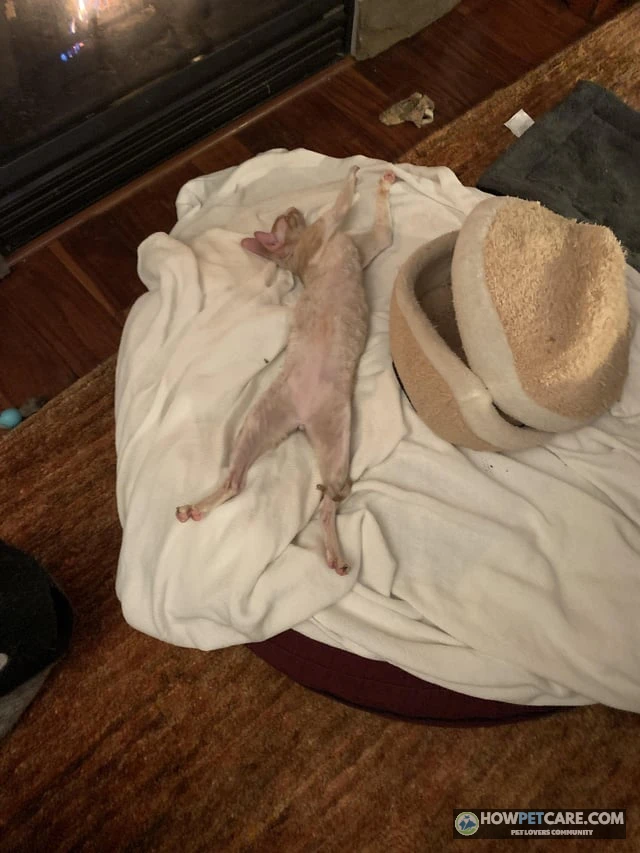

A hairless cat is an affectionate but high-maintenance companion that needs regular skin, ear and nail-fold cleaning, protection from cold and direct sun, calorie-conscious feeding, and ongoing veterinary screening. Hairless breeds still produce the Fel d 1 allergen, and ownership costs can substantially exceed those of a typical domestic shorthair.
Hairless Cat Ownership: The High-Maintenance Reality

If you picture a hairless cat as a low-maintenance novelty, you’re in for a surprise. A naked feline is a living laboratory of skin, temperature, and metabolic quirks that demand daily attention, vigilant health monitoring, and a budget that rivals many pure-bred dogs. Below is a blunt snapshot of what true ownership looks like:
- Skin care is non-negotiable. Without fur to mop up sebum, the cat’s oil and wax accumulate in skin folds, ears, and nail beds. Regular wiping, periodic sponge baths, and laundry of all bedding are required to keep the odor and skin irritation in check.
- Thermal management is essential. Hairless cats lose heat far faster than a domestic shorthair. A stable indoor temperature (70°F–75°F / 21°C–24°C) plus heated pads, warm bedding, and occasional clothing are needed to avoid hypothermia, especially in winter.
- Allergy myths are misleading. Even though they shed little, hairless cats produce the same Fel d 1 protein that triggers cat allergies. The protein is secreted by salivary and sebaceous glands, not by fur, so a hairless cat can still provoke severe reactions.
- Health screening can be costly. Hypertrophic cardiomyopathy (HCM) and certain skin disorders are more prevalent in the Sphynx and its relatives. Routine echocardiograms, dermatology visits, and genetic testing add a substantial recurring expense.
- Financial commitment extends beyond the purchase price. Premium high-protein diets, specialized grooming supplies, heated gear, and unexpected veterinary emergencies can quickly raise the annual cost well above $2,000.
The quick-look suitability matrix below helps you self-screen before you fall in love:
| Factor | What to Expect | Deal-Breaker? |
|---|---|---|
| Daily grooming time | 2–3 hours/week for skin checks, baths, ear and nail care | Yes, if you cannot commit weekly |
| Home temperature control | Must keep 70°F–75°F year-round, with backup heat sources | Yes, if you live in an unheated dwelling |
| Allergy tolerance | Fel d 1 production is unchanged; exposure trial required | Yes, if severe asthma or anaphylaxis |
| Financial cushion | $500–$1,200 extra per year for cardiology and dermatology | Yes, if budget is tight |
| Veterinary access | Needs a vet comfortable with cardiology and dermatology | Yes, if none nearby |
Hairless cats are not low-maintenance. Their exposed skin, higher caloric needs, and lifelong health monitoring require a committed, experienced owner.
Who Is—and Is Not—Well Suited to a Hairless Cat

Ideal candidates are adults (or responsible teens) who can devote time each day to skin inspections, have a climate-controlled home, and are willing to budget for specialty veterinary care. Unsuitable candidates include households with severe cat allergies, renters without permission to install heated pads, or families that travel frequently and cannot guarantee daily care.
Hairless Cat Breeds Beyond the Sphynx

When people think “hairless cat,” they almost always picture the Canadian Sphynx. The market, however, offers several distinct breeds, each with its own genetic story, coat texture, and health profile. Understanding the differences prevents surprise health issues and helps you choose a cat whose temperament matches your lifestyle. For those drawn to a sleek ebony look, the black hairless cat variety offers a dramatic option within the Sphynx breed.
Sphynx
The Sphynx emerged in Canada in the 1960s and is the most widely recognized hairless breed, accepted by the CFA, TICA, and FIFe. Its hairlessness stems from an autosomal recessive mutation in the KRT71 gene, producing a true bald phenotype, a fine “fluff” (often called “peach fuzz”), or a soft “flock” coat that may appear with age. Sphynxes are medium-built (6–12 lb) with a muscular barrel chest and a wedge-shaped head. They are famously social, vocal, and demand constant interaction. Their skin is warm to the touch and prone to oil buildup.
Donskoy (Don Sphynx)

Originating from Russia in the 1980s, the Donskoy carries an autosomal dominant mutation that yields a spectrum ranging from completely bald to brush-like coats. Their physique is sturdier and slightly larger (7–14 lb) than the Sphynx, with a rectangular body and broad chest. Donskoys can develop ectodermal dysplasia-related skin sensitivities and occasionally microphthalmia, making regular ophthalmic exams advisable.
Peterbald

A close cousin of the Donskoy, the Peterbald was bred in Russia by crossing a Donskoy with an Oriental-type cat. The dominant hairlessness gene behaves similarly, resulting in ultra-bald or partially coated cats. They possess a sleek, svelte frame (6–10 lb) and a fine-boned skull. Health concerns include feline cutaneous asthenia (skin fragility) and a predisposition to dental hypoplasia. Their coat may transition from bald to a soft velour as they mature.
Bambino
The Bambino is a cross between a Sphynx and a Munchkin dwarf, combining hairlessness with short-legged stature. The hairlessness follows the recessive KRT71 allele, while dwarfism is driven by a dominant achondroplasia mutation. Bambinos weigh 5–9 lb and have a long spine, thick chest, and very low ground clearance. Ethical breeding concerns abound: spinal lordosis, pectus excavatum, and early-onset osteoarthritis are common, and many registries refuse to recognize the breed.
Why the Lykoi Is Not Fully Hairless
The Lykoi, often dubbed the “werewolf cat,” displays a sparse, roan coat rather than true baldness. It carries a recessive mutation that causes follicular dysplasia, leaving patches of bare skin on the face, paws, and tail. Because it retains a functional coat, its grooming needs differ: seasonal shedding requires modest brushing, but it does not share the same sebum-management intensity as fully hairless breeds.
Hairless and Sparse-Coated Cat Breed Comparison
| Breed | Recognition status | Hairlessness or coat type | Mutation inheritance | Typical coat feel | Body type and size | Grooming demand | Key health considerations |
|---|---|---|---|---|---|---|---|
| Canadian Sphynx | Widely recognized (CFA, TICA, FIFe) | True hairless, flock, or fine peach fuzz | Autosomal recessive (KRT71 gene allele hr) | Warm chamois or velvety soft suede | Medium build; modified wedge head; barrel chest (6–12 lbs) | High (regular bathing, daily fold checks, weekly ear and nail cleaning) | Hypertrophic cardiomyopathy (HCM), hereditary myopathy, urticaria pigmentosa |
| Donskoy (Don Sphynx) | Recognized by TICA, FIFe; not CFA | Rubber bald, flock, velour, or brush coat | Autosomal dominant (HP gene) | Rubbery, elastic, or warm suede depending on coat variety | Medium to large; muscular, sturdy bone structure (7–14 lbs) | High for bald varieties; moderate for brush coats | Ectodermal dysplasia, microphthalmia, dental anomalies |
| Peterbald | Recognized by TICA; preliminary FIFe | Ultra-bald, flock, velour, brush, or straight-coated | Autosomal dominant (derived from Donskoy mutation) | Ranging from sticky rubber to soft velvet or wire brush | Oriental type; long, slender, fine-boned svelte frame (6–10 lbs) | High for bald; moderate for brush/velour coat stages | Feline cutaneous asthenia, dental hypoplasia, HCM monitoring |
| Bambino | Experimental/rare (TICA recorded; rejected by FIFe/GCCF) | Hairless to soft peach fuzz | Recessive hairlessness (KRT71) plus dominant dwarfism (Munchkin achondroplasia) | Soft, warm leather or chamois | Short-legged dwarf build; long back, thick-set chest (5–9 lbs) | Very high (deep skin folds require frequent wiping due to low ground clearance) | Spinal lordosis, pectus excavatum, joint osteoarthritis, ethical breed bans |
| Lykoi | Recognized by TICA, CFA (sparse-coated, not bald) | Partially hairless roan coat; bald face, paws, and ears | Autosomal recessive (distinct HR gene mutation) | Coarse, sparse bristles to soft thinning coat (molts cyclically) | Medium athletic semi-foreign body (6–10 lbs) | Moderate (seasonal molts leave bare patches requiring skin protection) | Follicular dysplasia, vulnerability to cold during naked molting phases |
Are Hairless Cats Truly Hypoallergenic?

The marketing tag hypoallergenic lures many potential owners who suffer from cat allergies. The truth lies in feline biology, not fur coverage.
How Fel d 1 Reaches the Home Without Fur
Fel d 1 is a small protein secreted by sebaceous glands in the skin and salivary glands. When the cat grooms, saliva spreads the protein across its body, and it settles on skin, ear wax, and any surface the cat contacts. Because the protein is not bound to hair, a hairless cat deposits virtually the same amount of allergen onto bedding, furniture, and the air as a furred cat. The primary difference is that hairless cats lack a pelage to trap and later release the protein in airborne particles, but the overall allergen load in a household can remain high.
How to Test Compatibility Before Adoption

- Arrange a supervised visit of at least two hours with the specific cat you are considering. Bring a clean shirt to wipe down after the visit and keep the area ventilated.
- Monitor symptoms (sneezing, itchy eyes, wheeze) during and after exposure. A delayed reaction may appear 30–60 minutes later.
- Consult an allergist to perform a skin-prick or serum IgE test using Fel d 1 extracts. Discuss whether allergy medication or immunotherapy could make cohabitation viable.
- Set up a trial period with a short-term adoption agreement (if possible) to see how your home’s allergen levels respond over several weeks.
Even with meticulous cleaning, the Fel d 1 protein can linger on fabrics for weeks. No breed can guarantee a completely allergen-free environment; responsible owners must plan for HEPA filtration, regular laundry, and possibly medication.
Hairless Cat Daily Skin Care Routine: Sebum, Ears and Nail Beds

The naked skin of a hairless cat is a living oil-sponge. Sebum, the natural skin oil, protects against microbes but also creates greasy stains and odor when it builds up. A disciplined routine keeps the skin barrier intact while preventing rebound oiliness.
Daily Two-Minute High-Friction Skin Check
- What to inspect: armpits, inguinal folds, neck roll, underside of tail, and between the paw pads.
- Tool: a soft microfiber washcloth dampened with warm distilled water (no soap).
- Method: Gently pat each area, looking for yellowish-brown oil patches or a sour smell. Wipe away excess with the cloth. Avoid scrubbing; the skin is delicate.
- When to act: If the oil feels tacky, smells sour, or the skin appears red, schedule a veterinary dermatology visit.
Step-by-Step Bathing Without Barrier Damage
-
Prepare the Bath Area
Lay a non-slip silicone mat in a sink or shallow tub. Fill with 2–3 inches of water heated to 100°F–102°F (37.8°C–38.9°C), matching feline core temperature.
-
Gather Cat-Safe Supplies
Use a fragrance-free, oat-based or ceramide-enriched feline shampoo, a small cup for rinsing, and a plush microfiber towel for drying.
-
Gentle Wetting
Place the cat gently on the mat, supporting its torso with one hand. Pour lukewarm water over the back, avoiding the head.
-
Apply Shampoo
Squirt a dime-sized amount of shampoo onto your palm, lather from neck to tail, and massage the skin folds lightly. Use a damp cloth for the face; never apply soap near the eyes.
-
Rinse Thoroughly
Rinse with a cup of clean water, ensuring no residue remains, especially in skin creases.
-
Dry and Warm
Wrap the cat in a dry microfiber towel, pat (don’t rub) until most moisture is gone, then place the cat on a low-watt heated pad until its body temperature stabilizes.
Bath frequency: Most owners bathe their hairless cat once every 1–2 weeks; however, if the skin feels especially oily, a mid-week sponge wipe may suffice. Over-bathing strips the protective lipid layer and can trigger rebound oil production.

Safe Ear-Wax Removal
Hairless cats accumulate thick cerumen on the outer pinna because the lack of hair eliminates a natural wicking effect. Use a veterinary-approved squalene-based ear wash on a sterile cotton pad. Gently wipe the visible surface of the ear flap; never insert a swab into the canal. Dark, foul-smelling discharge, redness, or the cat showing pain warrants a veterinary exam.
Cleaning Oily Nail Folds
Each toe pad has a tiny groove where sebum pools. With a warm damp cloth, press the pad gently to expose the waxy buildup, then wipe it clean. Avoid metal tools or scraping, which can damage the delicate skin.
Preventing Sebum Stains Around the Home
- Designated sleep zones: Use washable throws and replace them weekly.
- Fabric protectors: Slipcovers on sofas that can be laundered on a gentle cycle.
- Spot-cleaning: A microfiber cloth with warm water can lift fresh oil before it sets.
- Clothing caution: Sweaters are useful for warmth but should be removed after 30 minutes to prevent oil saturation.
Hairless Cat Skin, Ear and Nail Care Schedule
| Task | Typical starting frequency | Cat-safe supplies | Step-by-step method | Signs to reduce or stop | When to contact a veterinarian |
|---|---|---|---|---|---|
| Daily skin fold check | Every day (2 min) | Soft microfiber cloth, warm distilled water | Wipe armpits, groin, tail base, paw pads; look for oil buildup | If skin becomes red, swollen, or smells foul | Persistent redness, itching, or discharge |
| Sponge bath | Every 1–2 weeks (adjust per oiliness) | Fragrance-free feline shampoo, lukewarm water, silicone mat, microfiber towel | Follow the bathing protocol above | If cat shows extreme stress or skin cracks appear | Severe dryness, cracking, or persistent odor |
| Ear cleaning | Weekly (or as needed) | Veterinary squalene ear wash, sterile cotton pad | Wipe outer pinna only; avoid canal | Excessive bleeding, pain, or foul odor | |
| Nail-fold sebum wipe | Weekly | Warm damp cloth or vet-approved antiseptic pad | Press pad, wipe waxy residue, repeat for all toes | Persistent redness, swelling of toe pads | |
| Bedding and fabric laundry | Weekly (or more with heavy oil) | Mild detergent, hot water (≥130°F) | Wash throws, covers, cat shirts separately | ||
| Stubborn oil stains after multiple washes | Persistent stains despite laundering |
Body Temperature Regulation and Higher-Calorie Nutrition

Hairlessness strips a cat of its primary insulator. The result is a higher basal metabolic rate (BMR) and a greater reliance on external heat sources.
Why Hairlessness Changes Energy Needs
Without fur, heat loss occurs through convection and radiation. Studies on thermoregulation show that a naked cat can expend up to 20% more calories to maintain a core temperature of 101°F (38.3°C) compared to a shorthair of similar size. The exact percentage varies with ambient temperature, activity level, and individual metabolism.
Feeding by Body Condition Instead of a Fixed Multiplier

Instead of applying a blanket “+25% calories” rule, evaluate the cat’s body condition score (BCS) every month:
- BCS 4–5/9 (ideal): Feed the maintenance amount recommended on the food label, then add 10–15% extra calories for the hairless factor.
- BCS 3/9 (underweight): Increase daily calories by 20–30% in small increments until the cat gains 1 lb per week.
- BCS 7/9 (overweight): Reduce by 10% and monitor weight weekly.
A high-protein, calorie-dense wet food (e.g., 250–350 kcal per 85-g pouch) coupled with a premium kibble (approximately 400 kcal per cup) usually meets the needs. Avoid low-protein “grain-only” formulas, as they cannot sustain muscle mass.
Safe Heated Beds, Clothing and Sun Protection
- Heated pads: Low-watt, thermostatically controlled pads (under 50 W) placed in a quiet corner provide constant warmth without overheating.
- Clothing: Light, breathable sweaters can be used for short periods during cold snaps. Ensure they are machine-washable and free of seams that could irritate the skin.
- Sun protection: Direct UV exposure can cause erythema and even skin cancer. Keep windows shaded, provide indoor perches away from sunlight, and avoid outdoor excursions in bright midday sun.
Hairless Kitten Health Screening and Lifelong Veterinary Care

A responsible purchase starts with thorough health documentation. Because many hairless breeds carry breed-specific genetic risks, a robust screening checklist protects both the kitten and the future owner.
HCM Echocardiograms and the Limits of DNA Tests
Hypertrophic cardiomyopathy (HCM) is the leading cause of sudden death in Sphynx, Donskoy, and Peterbald cats. While DNA panels can identify known mutations, they cannot rule out all forms of HCM because many cases arise from unknown genetic variants. The gold standard remains an echocardiogram performed by a board-certified veterinary cardiologist:
- Breeding parents: Must have a recent (within 12 months) normal scan.
- Kittens: Ideally screened at 6–12 months, then annually if a family history exists.
- Cost range: $450–$900 per scan (see cost ledger).
Documents to Demand Before Buying
- Registration papers from CFA, TICA, or FIFe (if applicable).
- Pedigree showing at least two generations with documented health screenings.
- Vaccination and deworming records from a licensed vet.
- Recent physical exam report and any specialty test results (e.g., HCM echo, skin cytology).
- Breeder health guarantee that outlines return policy and any disclosed conditions.
Breeder and Rescue Red Flags
- Kittens sold before 12 weeks of age.
- Lack of parental health documentation.
- Guarantees of “zero allergy risk” or “no health problems.”
- Visible skin crusting, persistent odor, or excessive oil on the parents during the visit.
- Breeders who deny access to the kitten’s parents for visual inspection.
Hairless Cat Price and the True Cost of Ownership
Purchasing a hairless cat can feel like buying a luxury item, but the real expense unfolds over the cat’s lifetime. Below is a transparent breakdown separating one-time outlays from recurrent costs.
Purchase or Adoption Costs
- Breeder purchase: $1,800–$3,500 for a registered Sphynx or Donskoy with health clearances.
- Rescue adoption: $200–$500, often includes initial veterinary work, microchip, and spay/neuter.
- Carrier and setup gear: $150–$250 for a sturdy carrier, heated pads, and washable bedding.
Recurring Annual Care Budget
- Food: $900–$1,400 (high-protein wet food plus premium kibble).
- Routine veterinary: $350–$600 (annual exam, vaccines, parasite preventatives).
- Skincare supplies: $180–$300 (cat-specific shampoo, ear wash, wipes).
- Thermal gear maintenance: $120–$200 (replacement pads, laundry detergent).
Specialist and Emergency Cost Scenarios
- Cardiac screening (HCM echo): $450–$900 every 12–18 months.
- Dermatology visits and cultures: $250–$500 per incident.
- Pet health insurance: $600–$1,080 annually, with $250 deductible.
Five-Year Cost Projection
| Expense category | Upfront cost | Routine annual cost | Specialist or periodic cost | Five-year estimate | Cost assumptions |
|---|---|---|---|---|---|
| Acquisition and Genetic Proof | $1,800–$3,500 | $0 | $0 | $1,800–$3,500 | Ethical preservation breeder with registered lineage and negative parental HCM scans. |
| High-Calorie Complete Diet | $60 | $900–$1,400 | $0 | $4,560–$7,060 | Assumes 250–350 kcal/day (15–25% above furred baseline) of high-protein wet food and premium kibble. |
| Husbandry, Thermal Gear and Linens | $250 | $120–$200 | $150 (apparel replacement) | $1,000–$1,400 | 2 low-watt heated pads, draft-blocking bedding, 4–6 soft breathable shirts, dedicated laundry detergent. |
| Skincare, Cleansers and Ear Care | $80 | $180–$300 | $0 | $980–$1,580 | Feline-specific physiological shampoo, squalene ear wash, chlorhexidine wipes, and organic carrier oils. |
| Routine Veterinary and Vaccinations | $250 | $350–$600 | $0 | $2,000–$3,250 | Annual wellness exam, core vaccines, fecal tests, preventive blood panels, and parasite control. |
| Cardiac Screening (HCM Echocardiograms) | $0 | $0 | $450–$900 per scan (every 12–18 months) | $1,800–$3,600 | Board-certified veterinary cardiologist imaging Sphynx, Donskoy, or Peterbald stock. |
| Dermatology and Skin Cytology Reserve | $0 | $0 | $250–$500 (as needed) | $500–$1,500 | Treatment for intermittent secondary yeast (Malassezia) or bacterial folliculitis outbreaks. |
| Pet Health Insurance (Accident/Illness) | $0 | $600–$1,080 | Deductibles ($250/yr) | $3,000–$5,400 | Comprehensive policy covering cardiac conditions, foreign-body ingestion, and dermatological therapy. |
| Estimated Category Totals | $2,440–$4,140 | $2,150–$3,580/yr | Varies by health | $15,640–$27,290 | Calculations exclude catastrophic emergency surgeries outside standard insurance caps. |
Should You Get a Hairless Cat? A Pre-Adoption Checklist
The decision to bring a hairless cat home should be data-driven, not driven by Instagram aesthetics. Use the tools below to confirm you meet the non-negotiable requirements.
The 5-Factor Hairless Cat Suitability Diagnostic
- ☐ Home Thermal Baseline (70°F–75°F / 21°C–24°C minimum): Can your living space maintain a stable indoor temperature year-round without cold drafts, and are you willing to run dedicated low-watt heated pet beds continuously throughout the winter months?
- ☐ Time Commitment for Weekly Hygiene (2 to 3 dedicated hours): Do you have the schedule flexibility to perform a 2-minute daily fold check, bi-weekly or monthly baths, weekly outer-ear wax clearing, and 10-paw nail-sheath degreasing without taking shortcuts?
- ☐ Sebum Tolerance on Textiles: Are you comfortable with reddish-brown bodily sebum stains on furniture, bed sheets, and clothing? Even clean hairless cats transfer body oils to surfaces where they rest.
- ☐ Dander and Fel d 1 Protein Reality Check: If someone in your home has cat allergies, have they completed a 2-hour in-person exposure trial with an adult hairless cat? (Hairless cats produce salivary and sebaceous Fel d 1 at normal feline levels and will trigger non-hair-related feline allergies.)
- ☐ Veterinary Specialist Budget Cushion: Can you budget between $500 and $1,200 annually for preventive cardiac echocardiograms (HCM screenings) and veterinary dermatology visits on top of standard vaccinations and routine examinations?
Questions to Ask a Breeder or Rescue
- Can you provide health clearances for both parents, including the latest HCM echocardiogram?
- What is the kitten’s vaccination schedule, and are there recent fecal or blood work results?
- How do you handle skin care on the breeding adults? Do they exhibit any chronic oiliness or yeast infections?
- Are the kittens raised in a climate-controlled environment with regular grooming routines?
- Do you have a return or health guarantee, and what does it cover?
When Another Cat May Be a Better Match
- Severe allergy: If a trial exposure triggers asthma or anaphylaxis, consider a different breed or a hypoallergenic dog.
- Limited budget: If you cannot commit $500–$1,200 per year for specialist care, a low-maintenance domestic shorthair may be a wiser choice.
- Living situation: Renters without permission for heated pads or those who travel frequently should opt for a cat with a full coat that tolerates temperature fluctuations better.
Take the 10-Point Readiness Check (time, temperature, allergy, budget, veterinary access, etc.) and compare it side-by-side with the breed you favour. If any red flag remains, defer the adoption until you can resolve it—a hairless cat will thank you with a longer, healthier life.
By following this guide—understanding the true biology of Fel d 1, mastering a rigorous skin-care regimen, budgeting for high-calorie nutrition and specialist veterinary care, and selecting a breed whose genetics align with your lifestyle—you’ll be equipped to decide whether a hairless cat truly belongs in your home.

| Breed Name | Recognition Status | Coat Type and Pattern | Genetic Mutation Type | Physical Characteristics | Grooming Requirements | Key Health Issues |
|---|---|---|---|---|---|---|
| Canadian Sphynx | Widely recognized (CFA, TICA, FIFe) | True hairless, flock, or fine peach fuzz | Autosomal recessive (KRT71 gene allele hr) | Warm chamois or velvety soft suede feel; Medium build, modified wedge head, barrel chest (6–12 lbs) | High (regular bathing, daily fold checks, weekly ear and nail cleaning) | Hypertrophic cardiomyopathy (HCM), hereditary myopathy, urticaria pigmentosa |
| Donskoy (Don Sphynx) | Recognized by TICA, FIFe; not CFA | Rubber bald, flock, velour, or brush coat | Autosomal dominant (HP gene) | Rubbery, elastic, or warm suede feel; Medium to large, muscular, sturdy bone structure (7–14 lbs) | High for bald varieties; moderate for brush coats | Ectodermal dysplasia, microphthalmia, dental anomalies, hypertrophic cardiomyopathy (HCM) |
| Peterbald | Recognized by TICA; preliminary FIFe | Ultra-bald, flock, velour, brush, or straight-coated | Autosomal dominant (derived from Donskoy mutation) | Ranging from sticky rubber to soft velvet or wire brush feel; Oriental type, long, slender, fine-boned svelte frame (6–10 lbs) | High for bald; moderate for brush/velour coat stages | Feline cutaneous asthenia, dental hypoplasia, HCM monitoring |
| Bambino | Experimental/rare (TICA recorded; rejected by FIFe/GCCF) | Hairless to soft peach fuzz | Recessive hairlessness (KRT71) plus dominant dwarfism (Munchkin achondroplasia) | Soft, warm leather or chamois feel; Short-legged dwarf build, long back, thick-set chest (5–9 lbs) | Very high (deep skin folds require frequent wiping due to low ground clearance) | Spinal lordosis, pectus excavatum, joint osteoarthritis, ethical breed bans |
| Lykoi | Recognized by TICA, CFA (sparse-coated, not bald) | Partially hairless roan coat; bald face, paws, and ears | Autosomal recessive (distinct HR gene mutation) | Coarse, sparse bristles to soft thinning coat (molts cyclically); Medium athletic semi-foreign body (6–10 lbs) | Moderate (seasonal molts leave bare patches requiring skin protection) | Follicular dysplasia, vulnerability to cold during naked molting phases |
FAQ
Do hairless cats smell?
A healthy hairless cat should not have a strong persistent odor, but exposed sebum can build up on the skin, ears, nail folds, and bedding. A sour, yeasty, or unusually strong smell warrants a veterinary check rather than more aggressive bathing.
How long do hairless cats live?
Lifespan varies by breed, genetics, and preventive care, and many live into their teens. Responsible cardiac screening, indoor housing, dental care, balanced nutrition, and prompt treatment of skin disease can materially affect longevity.
Can a hairless cat go outside?
Unsupervised outdoor access is risky because limited coat protection increases vulnerability to cold, heat, sunburn, injury, and parasites. A secure enclosure or closely supervised outing in suitable weather is safer.
Can hairless cats live with other pets?
Many can live successfully with compatible cats or dogs, but introductions should be gradual and supervised. Warm resting places and escape routes are important because rough play and competition for heated beds can cause stress or skin injuries.
Do hairless cats need sweaters all the time?
No. Clothing can provide temporary warmth, but continuous wear may trap sebum, irritate skin, restrict movement, or cause overheating; warm bedding and a stable indoor environment should do most of the work.