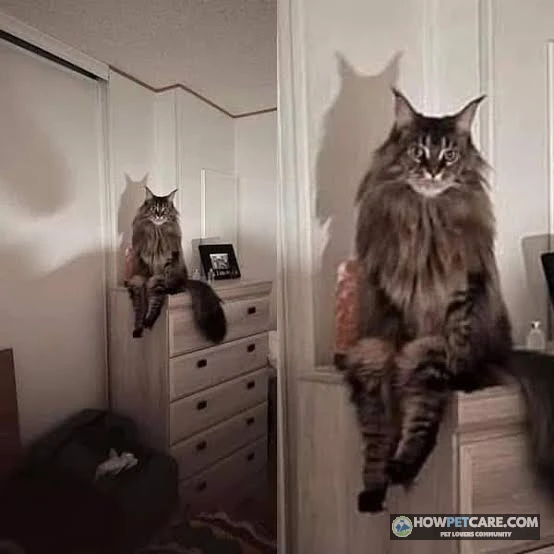

Cats stare for several common reasons: affection, hunger, curiosity, or a desire for attention. The gaze alone does not reveal its meaning, so read the eyes, ears, tail, and posture together. If staring is new, repetitive, or paired with changes in appetite, sleep, mobility, or responsiveness, contact a veterinarian.
Most staring is routine feline communication: affection, hunger cues, or attention-seeking. A stare alone does not mean aggression; the whole body and context decide the meaning. New, repetitive, or changed staring deserves closer observation rather than reassurance alone, and you should avoid assuming your cat is judging your character or showing love just from a gaze.
Why Does My Cat Stare at Me? The Short Answer
Cats stare at people for ordinary, explainable reasons. A relaxed cat may watch its owner out of affection, because it expects food, or because it wants attention, play, or access to a closed room. In many cases, the stare is simply part of how the cat monitors a familiar routine.
A stare by itself carries no fixed meaning. Cat body language must be read as a whole: eyes, ears, tail, and posture together tell you whether the gaze is soft or tense. Assuming that a long gaze proves love, guilt, dominance, or moral judgment is anthropomorphic. Cats respond to familiar cues, routines, and behavior rather than deciding whether a person is good or bad.
If the staring is new, repetitive, or different from your cat’s usual pattern, treat it as a change worth watching rather than something to dismiss. The sections below show how to read the whole cat, compare likely causes, and decide when to call a veterinarian.
Read the Whole Cat: Affectionate vs. Fearful vs. Aggressive Stares
Beginner cat owners often ask how to tell an affectionate stare from a fearful or aggressive one. The answer is to look past the eyes and compare the whole body against your cat’s normal baseline.
A soft, slow-blinking stare usually signals comfort and trust. A fixed unblinking stare with a tense body can signal stress, fear, or overstimulation. Ear position, pupil size, tail movement, and posture should be read together because no single cue has one fixed meaning.
| Stare type | Eyes | Ears | Tail | Posture |
|---|---|---|---|---|
| Affectionate | Half-closed, relaxed eyes; slow blinking | Forward or neutral | Still or loosely curved | Loose, comfortable; may lean in or approach |
| Attention-seeking | Alert, open eyes focused on you | Aimed at you | Neutral or gently swishing | Upright, oriented toward you; may rub or follow |
| Food-seeking | Fixed but not tense; focused on you or the bowl | Forward | Low and still or lightly twitching | Angled toward kitchen or food area |
| Fearful or tense | Wide eyes; dilated pupils | Flattened, sideways, or pinned back | Tucked, puffed, or rigid | Crouched, frozen, or leaning away |
| Aggressive or overstimulated | Hard, fixed, unblinking eyes | Rotated back | Lashing or puffed | Stiff, forward-leaning, or cornered |
| Newly blank or disoriented | Dull, unfocused, or asymmetrical | May not track sounds | Limb or oddly carried | Unsteady, circling, or staring at nothing |
When in doubt, give the cat space and reduce direct eye contact. Escalating a tense stare with your own hard gaze can increase fear or aggression.

Eyes and Pupils
Pupil size changes with light, excitement, fear, and pain. Dilated pupils can mean a cat is scared, playful, or in a dim room, so they must be read alongside ear and tail position. Narrowed or half-closed eyes often accompany a relaxed state, especially during slow blinking.
Ears, Tail, and Posture
Ears forward suggest interest or comfort; ears sideways or back suggest fear or irritation. A tail held high and relaxed often signals confidence, while a puffed, lashing, or tucked tail signals stress. Posture rounds out the picture: a loose, approaching cat feels safe, while a crouched or frozen cat wants distance.
Why Does My Cat Stare Without Blinking, Meow, or Watch Me Sleep?
Cat owners frequently search for explanations for unblinking stares, meowing while staring, and sleep-time watching. These patterns usually have routine explanations, but context decides.
Staring without blinking
An unblinking stare can mean focused attention, interest in movement, or predatory instincts. Cats may lock eyes on a person, toy, or insect without blinking because their visual system is built for detecting motion rather than frequent blinking. If the body is relaxed and the eyes are soft, the stare is likely curiosity. If the body is stiff, the ears are back, or the tail is lashing, the unblinking stare may be tense or fearful.
Staring and meowing
Staring with meowing often pairs hunger cues with attention-seeking. Your cat may stand near the kitchen, look at you, and vocalize before a scheduled meal. It may also want play, petting, or access to a room. The key is timing: does the meowing happen before meals, when you wake up, or when you are eating?
Watching you sleep
A cat watching while you sleep may be engaging in routine bonding, monitoring a familiar household member, or simply resting nearby. Vigilance is part of feline behavior, and a cat that slow-blinks or settles down after watching is probably comfortable. If nighttime staring comes with new vocalizing, restlessness, or disorientation—especially in an older cat—record the pattern and contact a veterinarian.

Differential Table: Behavioral vs. Medical Reasons for Staring
This section separates ordinary social or routine-driven staring from patterns that can accompany pain, vision loss, hypertension, or cognitive dysfunction. A stare alone does not diagnose illness; these are possible associations that require veterinary evaluation.
| Likely cause | Observable clues | Safe owner response | Veterinary next step |
|---|---|---|---|
| Affection or social bonding | Soft eyes, slow blinking, relaxed posture, approaches you | Slow-blink back, speak softly, allow contact or disengagement | None needed unless behavior changes suddenly |
| Hunger or attention-seeking | Stares near kitchen or bowl, meows before meals, oriented toward you | Keep scheduled meals, avoid unplanned treats, redirect with play | None needed if eating and weight are stable |
| Curiosity or alertness | Tracks movement, ears forward, loose body, brief stare | Allow investigation, provide enrichment | None needed if cat returns to normal |
| Fear or stress | Dilated pupils, flattened ears, tucked or puffed tail, crouched posture | Give space, reduce eye contact, remove the trigger if safe | Contact vet if fear is new, persistent, or worsening |
| Aggression or overstimulation | Hard fixed stare, ears rotated back, lashing tail, stiff posture | Give space, avoid eye contact, remove pressure, reassess later | Contact vet if aggression is new or paired with pain signs |
| Pain | Changed posture, reduced mobility, reluctance to jump, altered appetite | Limit handling, note onset and associated signs | Schedule veterinary evaluation; pain requires professional diagnosis |
| Vision loss | Bumping into objects, hesitation in dim light, tracking problems | Keep furniture in place, avoid startling the cat | Veterinary eye examination |
| Hypertension | Dilated pupils, blank or fixed gaze, possible disorientation | Record blood-pressure-related changes, keep environment safe | Veterinary blood pressure and organ evaluation |
| Cognitive dysfunction | Blank staring, disorientation, altered sleep-wake cycles, nighttime vocalizing | Log sleep, appetite, litter-box, and mobility changes | Senior wellness and cognitive assessment |
The 2020 University of Sussex slow-blink study found that cats are more likely to slow-blink back when a person slow-blinks at them first. That research supports slow blinking as a gentle, low-stress form of interaction. It does not prove that a stare means love, nor does it support claims that cats can judge whether someone is a good person.
Eyes, ears, tail, and posture read together
No single body cue decides the meaning of a stare. A fearful cat and an aroused cat can both have dilated pupils. A slow blink in one context may mean comfort, while in another it may simply reflect tiredness. Always compare the current stare with your cat’s own relaxed baseline.

At-Home Checklist: Is This New or Part of My Cat’s Baseline?
Use this observation process when your cat’s staring seems new or different. Focus on change from your cat’s individual normal rather than invented duration or frequency cutoffs, because no evidence supports specific minutes-per-day or episodes-per-week thresholds.
- Write the date, time, and situation when the stare happened.
- Describe the stare in plain words: soft, alert, fixed, blank, or unblinking.
- Compare eyes, ears, tail, and posture with your cat’s usual relaxed pattern.
- Note what happened immediately before and after the stare.
- Record whether your cat responded normally to its name, toys, touch, or food.
- Log appetite changes: skipped meals, begging, faster eating, or vomiting.
- Log litter-box changes: frequency, straining, accidents, or litter aversion.
- Log mobility changes: jumping less, stiffness, limping, or reluctance to move.
- Log vision clues: bumping into objects, hesitation in dim light, or tracking problems.
- Log sleep-wake changes: restlessness, nighttime crying, or sleeping in new places.
- Record any routine change, new pet, visitor, move, noise, or medication change.
- Do not use minutes-per-day or episodes-per-week cutoffs to decide urgency.
- Contact a veterinarian if the stare is new, repetitive, changed, or paired with any health or behavior sign above.
- Bring the checklist and a short video to the appointment if possible.

This checklist helps you present clear observations when contacting a veterinarian, rather than asking the clinic to interpret a stare in isolation.
Handling Food-Seeking Stares Without Reinforcing Begging
Conflicting advice exists about whether to give treats when a cat stares for food outside scheduled meals. One source suggests offering a treat if it is not yet mealtime, while another warns that feeding on demand can accidentally train begging. The safer approach for most households is to protect a predictable feeding routine.
Keep meals on a consistent schedule with measured portions. If your cat stares or meows for food outside the plan, wait for a calm moment before feeding. Avoid unplanned treats immediately after staring, because extra food right after the stare can reinforce begging. Redirect predictable pre-meal behavior with a short play session, a sniffing game, or a puzzle feeder before the scheduled meal.
Do not punish normal food communication. Do not use a product or treat as the default answer to every food stare. Do not change the diet or add supplements without veterinary guidance. Check portions with your veterinarian to adjust calories for age, weight, activity, and health status. Track progress for about seven days, noting stare intensity, mealtime behavior, and body condition.

Situational Stares: Walls, Ceilings, Mirrors, Sleep, and Litter Box
Some staring situations receive little attention in general guides. Each can be interpreted with context and baseline comparison.
Wall or ceiling staring
A cat may stare at a wall or ceiling because of light reflections, insects, sounds, moving shadows, or a familiar hunting spot. Check whether the cat tracks something real and returns to normal behavior afterward. Contact a veterinarian if the staring is new, repetitive, or paired with disorientation, circling, or bumping into objects.
Mirror staring
Mirror staring often reflects curiosity or a territorial response to movement rather than confirmed self-recognition. Watch whether the cat investigates, loses interest, or shows relaxed body language. Contact a veterinarian if stress escalates, repeated aggressive displays occur, or the behavior is new and persistent.
Litter-box staring
Staring during litter-box use can reflect normal elimination focus or dislike of the box setup. Check litter type, cleanliness, location, straining, and time spent in the box. Contact a veterinarian if you see straining, vocalizing, accidents, blood, or sudden avoidance paired with staring.
Watching a sleeping owner
Sleep-time watching usually links to bonding, routine, or vigilance. Check distance, body language, and whether the cat settles afterward. Contact a veterinarian if nighttime staring comes with new vocalizing, restlessness, appetite change, or senior-cat disorientation.
Staring at nothing visible
A blank stare at an empty corner may still involve sound or scent, but it is less clearly environmental. Log onset, responsiveness, and any sensory or mobility change. Contact a veterinarian for any new, repetitive, or changed blank stare, especially in senior cats.

Age-Aware Staring: Kittens vs. Senior Cats
Kittens may stare more while learning household routines, play behavior, and social cues. Their gazes are often part of exploring a new world and testing how people respond. Expect short attention spans, frequent shifts in focus, and intense play-related staring.
Senior cats with new disorientation, altered sleep-wake patterns, or blank gazes may need veterinary evaluation. These changes are not simply normal aging. Separate expected developmental or routine shifts from concerning new patterns by tracking them on the baseline checklist.

Your Next Steps: Respond, Record, and Call the Vet
Use these scenario scripts to decide what to do in the moment.
Soft slow blink
Your cat looks at you with half-closed eyes and blinks slowly. Respond with a slow blink of your own, speak softly, and let the cat approach or disengage. This is a gentle, low-stress interaction supported by the 2020 Sussex slow-blink research.
Food-related meow
Your cat stares and meows before dinner. Keep the meal on schedule, avoid extra treats, and redirect with play or a puzzle feeder if needed. Do not feed on demand outside the planned routine.
Tense fixed stare
Your cat freezes and stares after a startling event, with dilated pupils, flattened ears, or a rigid tail. Stop moving, soften your gaze, give space, and remove the trigger if safe. Do not stare back.
Newly blank or disoriented gaze
Your senior cat stares at walls or corners, seems confused, or wanders at night. Record onset, sleep-wake changes, appetite, litter-box habits, and mobility. Schedule a veterinary evaluation rather than waiting for a fixed cutoff.
Contact a veterinarian if staring is new, repetitive, or paired with changes in appetite, litter-box use, sleep, mobility, or responsiveness. A stare alone does not diagnose illness, but new patterns warrant a check. When you call, share your observation notes, the situations in which the stare occurs, and any accompanying signs. A short video can help the veterinary team assess the behavior.
| Stare Type or Cause | Eyes and Pupils | Ears | Tail | Posture and Body Language | Context or Associated Behavior | Recommended Owner Response | Veterinary Next Step |
|---|---|---|---|---|---|---|---|
| Affection or social bonding | Half-closed, relaxed eyes; slow blinking | Forward or neutral | Still or loosely curved | Loose, comfortable posture; may lean in or approach | Soft eyes, slow blinking, relaxed posture, approaches you | Slow-blink back, speak softly, allow contact or disengagement | None needed unless behavior changes suddenly |
| Hunger or attention-seeking | Alert, open eyes focused on you or food / bowl (fixed but not tense) | Aimed at you or forward | Neutral, gently swishing, or low and still / lightly twitching | Upright posture oriented toward you; may rub, follow, or angle toward kitchen / food area | Stares near kitchen or bowl, meows before meals, oriented toward you | Keep scheduled meals, avoid unplanned treats, redirect with play | None needed if eating and weight are stable |
| Fear or stress | Wide eyes; dilated pupils | Flattened, sideways, or pinned back | Tucked, puffed, or rigid | Crouched posture, frozen, or leaning away | Dilated pupils, flattened ears, tucked or puffed tail, crouched posture | Give space, reduce eye contact, remove the trigger if safe | Contact vet if fear is new, persistent, or worsening |
| Aggression or overstimulation | Hard, fixed, unblinking eyes | Rotated back | Lashing or puffed | Stiff posture, forward-leaning, or cornered | Hard fixed stare, ears rotated back, lashing tail, stiff posture | Give space, avoid eye contact, remove pressure, reassess later | Contact vet if aggression is new or paired with pain signs |
| Curiosity or alertness | Not in source | Ears forward | Not in source | Loose body posture | Tracks movement, ears forward, loose body, brief stare | Allow investigation, provide enrichment | None needed if cat returns to normal |
| Watching a sleeping owner | Slow-blinks | Not in source | Not in source | Settles down or rests nearby | Routine bonding, monitoring a familiar household member, or vigilance; may come with new vocalizing, restlessness, or disorientation in older cats | Check distance, body language, and whether the cat settles afterward | Contact a veterinarian if nighttime staring comes with new vocalizing, restlessness, appetite change, or senior-cat disorientation |
| Mirror staring | Not in source | Not in source | Not in source | Relaxed body language or repeated aggressive displays | Curiosity or a territorial response to movement | Watch whether the cat investigates, loses interest, or shows relaxed body language | Contact a veterinarian if stress escalates, repeated aggressive displays occur, or the behavior is new and persistent |
| Litter-box staring | Not in source | Not in source | Not in source | Straining | Normal elimination focus, dislike of box setup, straining, vocalizing, accidents, blood, or sudden avoidance | Check litter type, cleanliness, location, straining, and time spent in the box | Contact a veterinarian if you see straining, vocalizing, accidents, blood, or sudden avoidance paired with staring |
| Staring at nothing visible | Blank stare | Not in source | Not in source | Not in source | Blank stare at an empty corner involving sound or scent, less clearly environmental | Log onset, responsiveness, and any sensory or mobility change | Contact a veterinarian for any new, repetitive, or changed blank stare, especially in senior cats |
| Wall or ceiling staring | Not in source | Not in source | Not in source | Not in source | Tracking light reflections, insects, sounds, moving shadows, or a familiar hunting spot | Check whether the cat tracks something real and returns to normal behavior afterward | Contact a veterinarian if the staring is new, repetitive, or paired with disorientation, circling, or bumping into objects |
| Hypertension | Dilated pupils, blank or fixed gaze | Not in source | Not in source | Possible disorientation | Dilated pupils, blank or fixed gaze, possible disorientation | Record blood-pressure-related changes, keep environment safe | Veterinary blood pressure and organ evaluation |
| Cognitive dysfunction | Blank staring | Not in source | Not in source | Disorientation | Blank staring, disorientation, altered sleep-wake cycles, nighttime vocalizing | Log sleep, appetite, litter-box, and mobility changes | Senior wellness and cognitive assessment |
| Newly blank or disoriented | Dull, unfocused, or asymmetrical | May not track sounds | Limb or oddly carried | Unsteady, circling, or staring at nothing | Not in source | Not in source | Not in source |
| Pain | Not in source | Not in source | Not in source | Changed posture | Changed posture, reduced mobility, reluctance to jump, altered appetite | Limit handling, note onset and associated signs | Schedule veterinary evaluation; pain requires professional diagnosis |
| Vision loss | Not in source | Not in source | Not in source | Hesitation in dim light, tracking problems | Bumping into objects, hesitation in dim light, tracking problems | Keep furniture in place, avoid startling the cat | Veterinary eye examination |

FAQ
Should I stare back when my cat stares at me?
A soft, slow blink is usually a gentle response, but avoid a hard fixed stare that can feel threatening. If your cat looks tense or fearful, give space and look away instead.
Can cats sense a good person?
Cats respond to familiar cues, routines, and behavior rather than judging a person’s character. Calm voices, predictable handling, and positive associations shape their comfort.
When should I take my cat to the vet for staring?
Seek veterinary advice if staring is new, repetitive, or paired with changes in appetite, litter-box use, sleep, mobility, or responsiveness. A stare alone does not diagnose illness, but new patterns warrant a check.
Why does my cat stare at me from across the room?
Distance staring can be attention-seeking, routine monitoring, or environmental focus. Check body language and whether the cat approaches, vocalizes, or seems tense.
What does it mean when my cat stares at me while I eat?
This usually links hunger cues and attention-seeking. Keep meals predictable and avoid handing food from the table to prevent reinforcing begging.