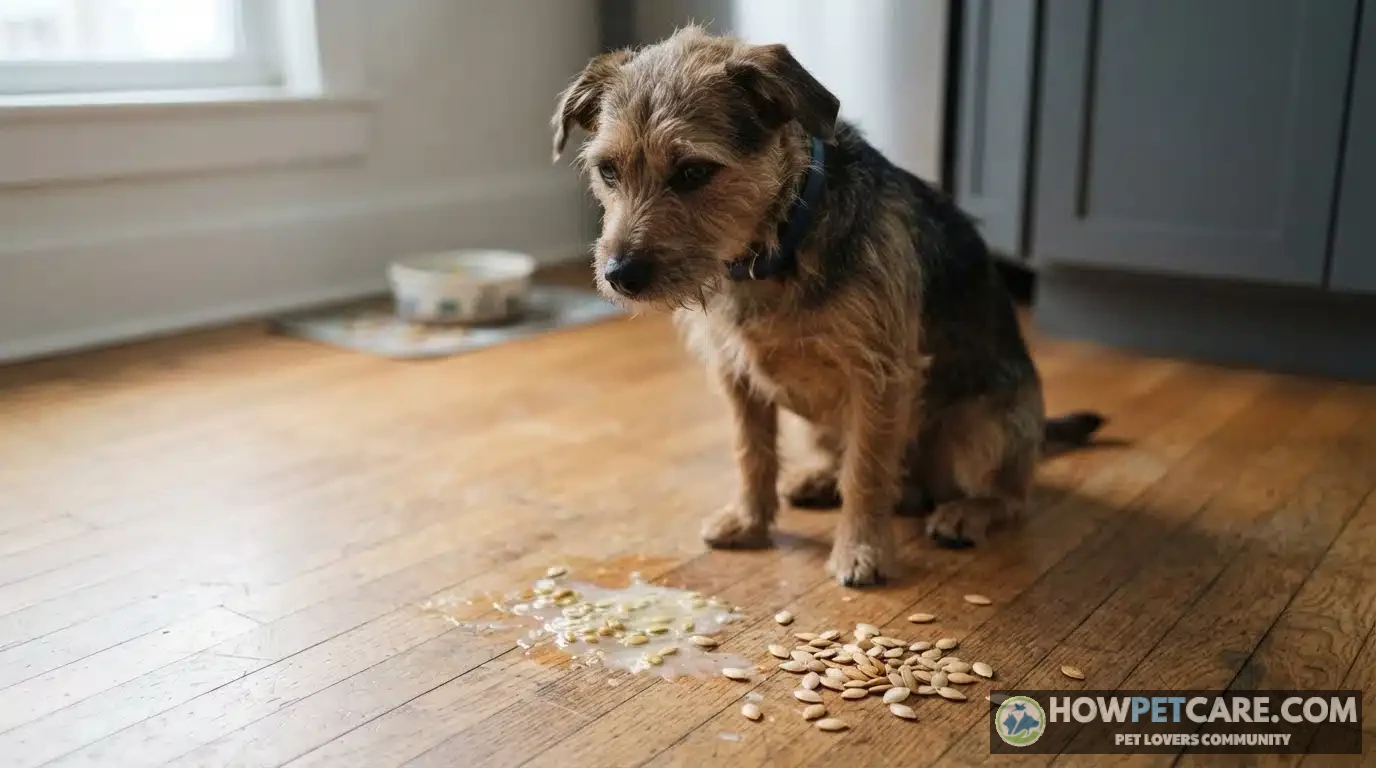

Yes, healthy dogs can eat pumpkin seeds in strict moderation. The safest option is plain, unsalted, shelled green kernels (pepitas), raw or dry-roasted, ground into food. Avoid tough outer white hulls, salt, oils, and seasonings. High fat content makes them unsuitable for dogs with pancreatitis, obesity, or sensitive digestion.
Can Dogs Eat Pumpkin Seeds? The Safe-Feeding Verdict
Yes, healthy adult dogs can eat a small amount of plain pumpkin seed as an occasional treat, but the safest choice is a cleaned, shelled green kernel (a pepita), served raw or dry-roasted without salt, oil, sugar, or seasoning. Freshly scooped seeds belong in the bowl only after you rinse away the fibrous pumpkin pulp and strip off the tough white hull. Fresh pumpkin seeds are considered safe for healthy adult dogs when fed in moderation.

Stick with ground or finely crushed pepitas for toy breeds, dogs that bolt their food, pets with missing teeth, and any dog trying them for the first time. The hard outer hull does not digest well and increases the odds of choking or a physical blockage in the gut. Pumpkin seeds also pack far more fat and calories than plain pumpkin puree, meaning they must come out of your dog’s treat allowance rather than replace a balanced meal.
Skip the seeds entirely without a vet’s sign-off if your dog deals with pancreatitis, obesity, chronic stomach issues, urinary stones, or a habit of swallowing foreign objects, or if they eat a prescription diet. Never offer salted, heavily seasoned, oily, moldy, stale, chocolate-dipped, or onion- or garlic-flavored seeds.
Safe forms: raw, plain roasted, shelled, and ground
Raw pumpkin seeds for dogs work well when they are fresh, thoroughly washed, fully shelled, and carefully portioned. Plain roasted pumpkin seeds for dogs are just as safe, provided you roast them dry with zero added oils or seasonings. Grinding the seeds does not turn them into medicine, but it does make portions easier to control and stops dogs from inhaling whole kernels.

When in doubt, remember that plain, shelled, finely ground pepitas carry the lowest risk for a healthy adult dog.
Forms to avoid: salted, seasoned, moldy, rancid, or heavily oiled
Leave commercial snack bags on the human shelf unless the label shows zero added ingredients. Excess salt can trigger sodium toxicity, while garlic, onions, chocolate, raisins, sugar‑free coatings containing xylitol, and savory spice blends carry distinct poisoning risks. Never feed your dog pumpkin seeds pulled from trail mix.

Pumpkin seeds may contain nutrients, but they do not replace a complete and balanced diet, prescribed food, parasite medication, or veterinary care.
Pumpkin Seeds for Dogs: Dosage by Weight and Life Stage
Veterinary medicine has no universally validated clinical dosage for pumpkin seeds. The figures below offer conservative starting points for healthy adult dogs, not medical prescriptions. Treat these as maximums per serving, not daily requirements. Start with half the trial amount, then keep an eye out for vomiting, diarrhea, gas, constipation, stomach discomfort, or a drop in appetite over the following 24 hours.
Keep all treats combined to about 10% or less of daily food intake. If your dog already gets training nibbles, dental chews, table scraps, or supplements, trim the seed portion back or skip it completely.
Conservative portions for toy, small, medium, large, and giant dogs
| Dog weight | Adult trial portion | Conservative serving ceiling | Suggested frequency | Puppy or senior adjustment | When veterinary approval is required |
|---|---|---|---|---|---|
| Toy: under 10 lb | 1/8 tsp ground, about 0.5 g | 1/4 tsp ground, about 1.2 g | 1-2 times weekly | Puppies: avoid. Seniors: halve the ceiling and use fine powder. | Pancreatitis history, chronic loose stool, or prescription gastrointestinal food. |
| Small: 10-24 lb | 1/4 tsp ground, about 1.2 g | 1/2 tsp ground, about 2.5 g | Twice weekly | Puppies under 6 months: veterinarian approval first. Seniors: fully grind. | Weight-loss plan, high blood fats, or urinary‑stone history. |
| Medium: 25-49 lb | 1/2 tsp ground, about 2.5 g | 1 tsp ground, about 5 g | 2-3 times weekly | Puppies: ground meal only and veterinarian‑approved. Seniors: use the lower end if digestion is delicate. | Chronic bowel disease, unexplained vomiting, or sodium‑restricted medication plan. |
| Large: 50-89 lb | 1 tsp ground, about 5 g | 2 tsp ground, about 10 g | 2-3 times weekly | Puppies: wait until at least 6 months and use ground seed only. | Bloat history, kidney disease, or frequent dietary indiscretion. |
| Giant: 90 lb or more | 1 1/2 tsp ground, about 7.5 g | 1 tbsp ground, about 15 g | 2-3 times weekly | Puppies: avoid whole seeds because rapid gulping is common. | Metabolic, endocrine, or significant digestive disease. |

Suggested feeding amounts in print range from a few seeds daily for little dogs to handfuls for large breeds, which is why simple seed counts are less dependable than a measured, ground serving. Use the table above as a strict ceiling, not a daily quota to hit.
Can puppies eat crushed pumpkin seeds?
Keep whole seeds away from puppies under 6 months old. Narrow airways, wild chewing habits, and delicate digestive tracts make choking and upset stomachs a real hazard. A puppy older than 6 months might tolerate a pinch of finely ground, plain pepita, but only after your vet signs off on how it fits their growth curve. Current evidence provides no validated safe seed dose tailored specifically for growing puppies.
Adjustments for seniors and pregnant or nursing dogs
For a healthy older dog, use a fine powder and start well below the standard adult trial amount, especially if they have tender teeth, sluggish digestion, poor appetite, or underlying health issues. Do not offer pumpkin seeds as an ad‑hoc supplement to pregnant or nursing dogs without explicit veterinary direction. Breeding and lactating dogs need carefully balanced nutrition, and no safe dosage has been established for pregnancy or nursing.
How to Prepare Pumpkin Seeds for Dogs Safely
Seeds carved fresh from a pumpkin take a bit of work compared to store‑bought pepitas. Raw pumpkin pulp rots quickly, outer hulls resist digestion, and damp seeds invite mold in storage. Taking off that fibrous white hull is the most important prep step; clinical feeding guidelines consistently recommend removing it before serving.
Cleaning and deshelling fresh pumpkin seeds

-
Separate and rinse
Scoop seeds into a colander, remove orange pulp, rinse under cool running water, and discard damaged, damp, discolored, or moldy seeds.
-
Dry completely
Pat seeds dry and leave them in a single layer until surface moisture is gone. Do not seal damp seeds in a container.
-
Remove the hull
Crack and peel away the tough white outer shell, retaining only the inner green kernel. Do not offer hulls to dogs.
-
Roast plainly if desired
Bake shelled kernels on a parchment‑lined tray at 300 F for 10‑15 minutes, shaking once halfway through. Do not use oil, butter, salt, garlic, onion, sugar, or spices.
-
Cool and grind
Cool completely, then pulse in a clean spice grinder to a coarse meal or fine powder before measuring the serving.
How to bake pumpkin seeds for dog treats
Roasting is entirely optional; plain, raw pepitas are fine for healthy adult dogs in small amounts. If you prefer to bake them, keep the oven heat low and pull the tray out before the seeds brown or scorch. Never toss them in salt, cooking oils, sweeteners, or seasonings before sharing them with your dog.
Grinding for safer serving and portion control
Ground pepita powder carries the exact same fat and calorie profile as whole kernels, but it mixes seamlessly into meals and eliminates the risk of an unchewed seed causing trouble. Pulse the seeds in short bursts instead of blending continuously so they do not warm up and turn into an oily paste. For puppies, toy breeds, and dogs that swallow treats whole, grind the kernels down to a fine dust.

Storage and spoilage checks
Let roasted seeds cool completely before putting them away. Store whole, dry‑roasted pepitas in an airtight jar in a cool, dark cabinet for up to 2 months. Keep ground meal in the refrigerator and use it within 3‑4 weeks, or freeze it for up to 3 months. Once ground, the oils interact with oxygen much faster and spoil sooner.
Throw the batch out if it smells sour, rancid, bitter, musty, or like old crayons, or if you spot clumping, dark flecks, or mold. When quality seems questionable, toss the seeds out rather than trying to wash or re‑bake them.
<!– aiseo‑needs:infographic –>
When Pumpkin Seeds Are Not Appropriate
Pancreatitis, obesity, and sensitive digestion
Dogs with active pancreatitis or a history of the condition should steer clear of pumpkin seeds unless their veterinarian explicitly clears them. Seeds concentrate high levels of fat into tiny packages, which can quickly trigger a painful flare‑up in vulnerable dogs. For dogs working to lose weight, fresh veggies like green beans or carrot treats for dogs make a much better, lower‑calorie treat.
Even dogs with cast‑iron stomachs can get sick from too many seeds, developing loose stool, gas, nausea, or stomach cramps. Introduce them gradually, avoid trying other new snacks on the same day, and stop feeding them if your dog shows digestive trouble.
Urinary stones and prescription diets
Do not rely on pumpkin seeds to treat or manage urinary tract problems. Dogs susceptible to calcium oxalate, struvite, or other urinary stones require strict medical management focused on hydration, targeted urinary pH, and therapeutic foods. Introducing extra minerals through random snacks can derail that plan, regardless of how healthy the ingredient seems on paper.
Puppies, pregnant dogs, and lactating dogs
Review this quick checklist before offering any seeds. If you answer no or feel unsure about any point, hold off and check with your vet first.
- The dog has no history of pancreatitis or recent digestive flare‑ups.
- The dog is not following a strict weight‑loss regimen.
- The dog has no past or current issues with urinary stones.
- The dog is not pregnant or nursing puppies.
- The dog has had normal stools and no unexplained vomiting lately.
- The dog is older than 6 months.
- The seeds are plain, shelled, unsalted, and free from oils, spices, or sweeteners.
Do not add pumpkin seeds to a therapeutic diet until the veterinarian who prescribed that diet approves the amount and form.
Benefits of Pumpkin Seeds for Dogs: What the Evidence Supports
Nutrients present in pumpkin seeds
Pumpkin seeds carry dietary fiber, protein, zinc, magnesium, iron, and antioxidants, along with unsaturated fats including small amounts of omega‑3 fatty acids. Those nutrients look impressive on a label, but a treat‑sized pinch will not magically overhaul a dog’s health, particularly when their commercial kibble or canned food already meets complete dietary standards.

Cucumbers as a snack also provide hydration and low calories for dogs.
The real benefit is simple: pumpkin seeds provide a crunchy texture and minor nutritional variety when fed plain and in strict moderation. Claims that they ward off chronic disease, cure urinary conditions, or dramatically boost coat health stretch well beyond what a modest snack can deliver.
Potential digestive health benefits and limitations
A little dietary fiber can help firm up an occasional loose stool, but pumpkin seeds are entirely different from plain canned pumpkin puree. Seeds are calorie‑heavy, dry, and dense with fat; canned puree is mostly water and supplies far fewer calories per spoonful. Neither option serves as an all‑purpose fix for chronic digestive distress.

Dogs also struggle to break down whole seeds in their digestive tract, which often pass through intact and show up unchanged in the yard. Grinding solves the physical breakdown issue, but it still does not turn seeds into an essential nutritional supplement.
Side effects of too many pumpkin seeds
Overfeeding seeds often causes gas, stomach cramps, vomiting, diarrhea, or temporary constipation. Whole kernels and tough hulls add the immediate physical dangers of choking and intestinal blockages. Cut the seeds out right away if your dog shows any reaction, stick to their regular food, and contact your veterinarian if symptoms linger or include obvious pain and lethargy.
Avoid feeding tomatoes as they can be toxic to dogs.
Remember that the 10% treat budget is an absolute ceiling for all daily extras combined, not a green light to feed a heavy serving of seeds.
Are Pumpkin Seeds Good for Dogs With Worms?
What cucurbitin is—and what it has not been proven to do
Cucurbitin is an amino acid found in pumpkin seeds that drives their folklore reputation as a natural dewormer. That historical reputation, however, does not prove that adding ground seeds to your dog’s dish will clear an active parasite load.

The available research does not support using seeds as an at‑home parasite cure. We have no established therapeutic dose of cucurbitin for dogs, and findings from test tubes or livestock studies do not translate into a dependable canine treatment plan.
Keep the roles clear: pumpkin seeds are an occasional snack; prescription dewormers are targeted medical treatments designed for confirmed parasites.
Why veterinary parasite treatment remains necessary
If you spot visible worms, dried rice‑like segments near the tail, stubborn diarrhea, vomiting, sudden weight loss, a potbellied appearance, or pale gums, book a visit with your vet. A simple fecal test pinpoints the exact parasite involved so your vet can prescribe the right medication and follow‑up timeline.
Do not delay proven medical care to experiment with home seed remedies. A dog that drops worms after eating a large pile of seeds is often just clearing loose stool caused by too much dietary fat; veterinary sources do not back up claims of clinical deworming efficacy.
Suspected intestinal parasites require veterinary testing and prescribed treatment, even if you choose to offer an occasional safe seed treat later.
Whole Seeds vs Ground Seeds vs Plain Pumpkin Puree
Best form for choking prevention and portion control
| Form | Relative fat and calories | Fiber and moisture | Choking or obstruction risk | Best use | Preparation and storage notes |
|---|---|---|---|---|---|
| Whole shelled seeds | Higher fat and calories per spoonful than puree | Some fiber; low moisture | Moderate, especially for small dogs or gulpers | Occasional treat for healthy dogs that chew well | Use only plain pepitas; inspect freshness and measure carefully. |
| Ground seed powder | Similar fat and calories to whole kernels | Some fiber; low moisture | Lower than whole kernels, but not zero | Portion control and mixing into food | Refrigerate or freeze because exposed oils become rancid faster. |
| Plain canned pumpkin puree | Generally lower fat and calories; high water content | More moisture; fiber varies by amount | Low when mixed into food | When moisture and a softer texture are the goal | Use plain pumpkin only, never sweetened pumpkin pie filling. |

Pumpkin seeds vs pumpkin puree for dog digestion
If you want to offer a healthy dog an occasional crunchy bite, ground pepitas are the safest format to reach for. If your goal is soothing an upset belly or adding moisture to dry kibble, plain canned pumpkin puree is by far the better tool. Neither option should replace professional care if your dog suffers from persistent diarrhea, vomiting, or abdominal pain.
Pumpkin seed oil is not a safer workaround. It delivers pure, concentrated fat with none of the helpful seed fiber, making it a bad choice for dogs prone to pancreatitis, sensitive stomachs, or weight gain.
What to Do After Salted Seeds, Choking, or Possible Obstruction
| Exposure or symptom | Key warning signs | When signs may appear | Immediate action | Emergency threshold |
|---|---|---|---|---|
| Ate salted or seasoned seeds | Excessive thirst, drooling, nausea, vomiting, restlessness | Often within hours | Remove access, keep the package, estimate amount and time, and call a veterinarian or animal poison service for individualized advice | Vomiting, weakness, tremors, confusion, seizures, or known garlic/onion/xylitol exposure |
| Swallowed whole seeds or tough hulls | Gagging, repeated throat clearing, retching, trouble swallowing | Immediately to several hours | Check that breathing is normal; do not perform a blind finger sweep or give home remedies | Continuous gagging, noisy breathing, distress, or inability to swallow |
| Possible intestinal blockage | Repeated vomiting, painful or swollen abdomen, refusal of food, straining without stool, lethargy | Often delayed, over the next day or two | Contact a veterinarian promptly; do not give laxatives, oil, or induce vomiting | Severe pain, repeated unproductive vomiting, collapse, or rapidly worsening lethargy |
| Acute choking | Inability to make sound, frantic pawing at mouth, blue or pale gums, collapse | Immediate | Go to an emergency clinic; remove only a clearly visible loose object if safe | Any breathing difficulty, blue gums, unconsciousness, or respiratory arrest |
Immediate choking signs
A dog that cannot catch their breath, displays pale or blue gums, collapses, paws frantically at their face, or cannot make a sound needs immediate emergency care. Never stick your fingers blindly down your dog’s throat, which can easily jam the seed deeper into their airway. If you know pet first aid, apply the proper canine choking maneuvers while someone else prepares the car for the clinic.
Delayed intestinal blockage signs
Tough seed hulls or a clump of unchewed seeds can settle in the digestive tract and cause a blockage hours or days later. Watch for repetitive vomiting, a bloated or painful abdomen, a hunched back, loss of appetite, straining to defecate, or sudden sluggishness. Do not wait around hoping home oils or extra roughage will push an obstruction through; call your veterinarian.
Salt toxicosis and seasoning exposure
If your dog gets into seasoned or salted snack seeds, take the bag away immediately and read the full ingredients list. Extreme thirst, persistent vomiting, diarrhea, wobbly movement, muscle tremors, or seizures can signal salt toxicosis and demand prompt veterinary attention. Never force your dog to throw up at home unless a veterinary toxicologist tells you to do so.
The before‑you‑feed checklist
Before you share pumpkin seeds, double‑check that your dog is healthy, select raw or plain roasted green pepitas, and grind them down to eliminate choking risks. Keep the portion small, and never introduce more than one new snack at a time. If your dog is under 6 months old, nursing, pregnant, or managing an ongoing medical issue, make that quick vet call before offering the first taste.

| Dog Weight Category | Adult Trial Portion | Conservative Serving Ceiling | Suggested Frequency | Puppy or Senior Adjustments | Veterinary Approval Conditions |
|---|---|---|---|---|---|
| Toy: under 10 lb | 1/8 tsp ground, about 0.5 g | 1/4 tsp ground, about 1.2 g | 1-2 times weekly | Puppies: avoid. Seniors: halve the ceiling and use fine powder. | Pancreatitis history, chronic loose stool, or prescription gastrointestinal food. |
| Small: 10-24 lb | 1/4 tsp ground, about 1.2 g | 1/2 tsp ground, about 2.5 g | 2 times weekly | Puppies under 6 months: veterinarian approval first. Seniors: fully grind. | Weight-loss plan, high blood fats, or urinary‑stone history. |
| Medium: 25-49 lb | 1/2 tsp ground, about 2.5 g | 1 tsp ground, about 5 g | 2-3 times weekly | Puppies: ground meal only and veterinarian‑approved. Seniors: use the lower end if digestion is delicate. | Chronic bowel disease, unexplained vomiting, or sodium‑restricted medication plan. |
| Large: 50-89 lb | 1 tsp ground, about 5 g | 2 tsp ground, about 10 g | 2-3 times weekly | Puppies: wait until at least 6 months and use ground seed only. Seniors: Not in source | Bloat history, kidney disease, or frequent dietary indiscretion. |
| Giant: 90 lb or more | 1 1/2 tsp ground, about 7.5 g | 1 tbsp ground, about 15 g | 2-3 times weekly | Puppies: avoid whole seeds because rapid gulping is common. Seniors: Not in source | Metabolic, endocrine, or significant digestive disease. |
FAQ
Which seeds are toxic to dogs?
Many plain edible seeds are not inherently toxic, but fruit pits and seeds such as apple seeds and stone-fruit pits can contain harmful compounds or cause obstruction. Identify the exact seed and contact a veterinarian or animal poison service if the type or amount is uncertain.
Can dogs have pumpkin seed oil?
Pumpkin seed oil is highly concentrated in fat and can cause gastrointestinal upset or create problems for dogs with pancreatitis or obesity. Do not add it as a supplement unless the dog’s veterinarian recommends a specific product and amount.
Can dogs be allergic to pumpkin seeds?
Yes, although seed allergies appear uncommon in dogs. Stop feeding them and seek veterinary advice for itching, facial swelling, hives, repeated vomiting, or diarrhea; breathing difficulty or collapse requires emergency care.
Are other ingredients in a pumpkin seed snack safe for dogs?
Do not assume they are safe: commercial mixes may contain excess salt, garlic, onion, chocolate, raisins, or xylitol-containing coatings. Keep the package and contact a veterinarian or animal poison service if a dog eats a flavored mix.