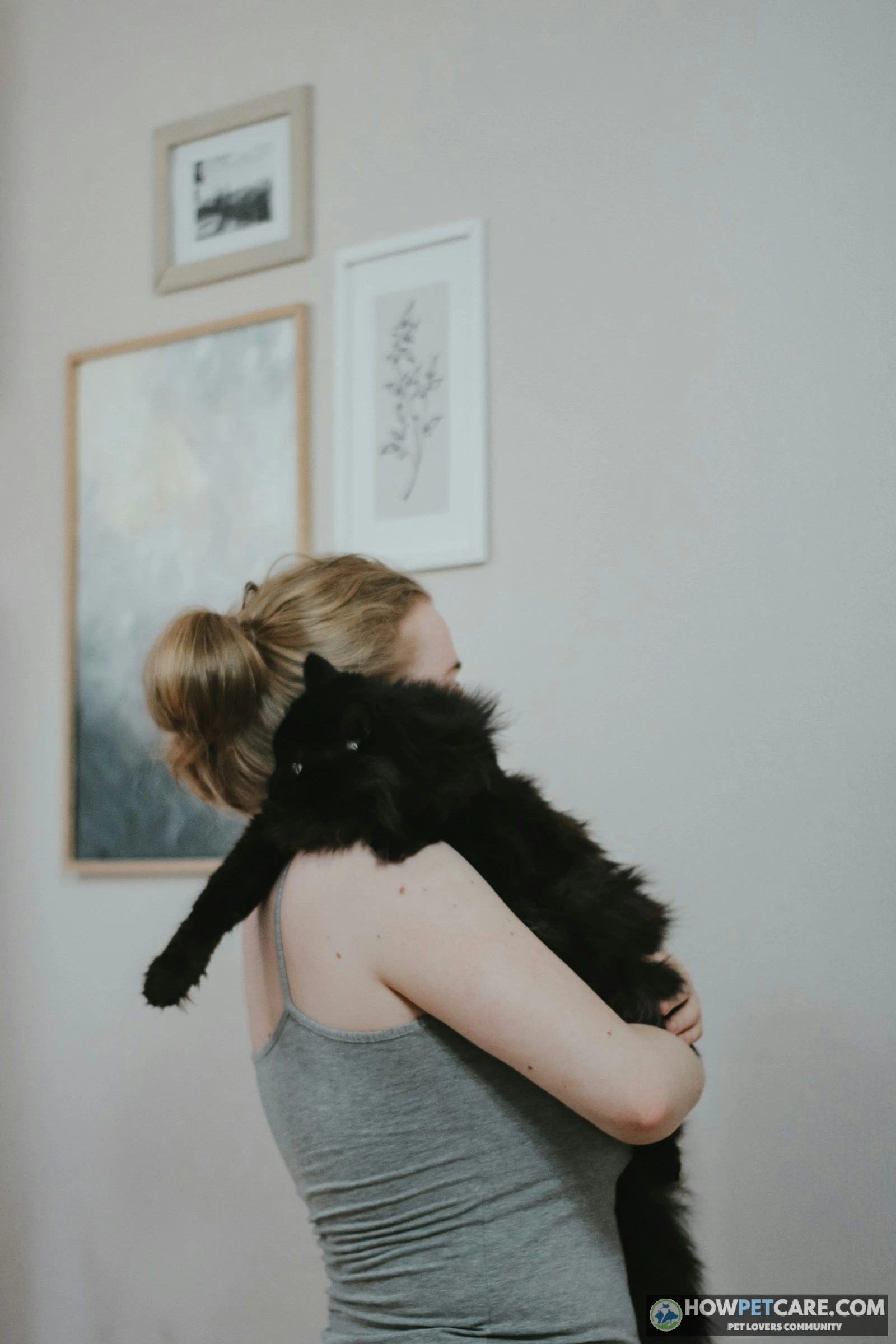

A cat hug—paws wrapped around your arm—is not the same as a human embrace. It can signal affection, comfort-seeking, or play. Some cats enjoy gentle closeness; others dislike restraint. Read your cat’s body language and always let it leave freely.
Do Cats Hug? What That Paws-Around-You Move Really Is
Cats sometimes wrap their paws around people, other animals, or objects, but a cat hug doesn’t necessarily mean the same thing as a human embrace. Some cats enjoy gentle cuddling; others dislike being held or squeezed. Your best guide is your cat’s body language and freedom to leave.
A cat curled around your arm can be wonderfully cute. It may also be settling in for a nap, kneading a soft surface, practicing a playful grab, or signaling that it’s had enough contact. Look at the whole interaction before deciding what those paws mean.
The short answer: hug-like, not human-style hugging
Cats communicate through posture, movement, vocalizations, touch, and scent. Their reasons for clasping an arm aren’t always obvious, and we can’t assume they understand an embrace as a human symbol of love. A relaxed cat leaning against you may welcome closeness. A cat gripping your arm and kicking may be playing or trying to end the interaction.
Four behaviors that look like a cat hug
- Paw wrapping: A cat rests one or both front paws around your arm or another companion.
- Kneading: A cat rhythmically presses alternating paws into a lap, blanket, or other soft surface.
- Head bunting: A cat pushes or rubs its head against you, often leaving scent from facial glands.
- Grabbing and bunny kicking: A cat clasps something with its front paws and kicks with its back feet, often during play.
Rather than deciding from the paw position alone, consider what your cat does before, during, and after the contact.
What It Means When a Cat Hugs or Grabs Your Arm
Affectionate clasp vs. kneading
If your cat wraps its paws around your arm while resting loosely beside you, the contact may feel comfortable and be part of social bonding. A soft face, head bunting, slow blinking, or a choice to stay near you adds context. None of those signals alone proves exactly what a cat feels.
Kneading looks different from holding still. It usually involves alternating paw presses, sometimes with claws extended. Kittens knead while nursing; adult cats may knead soft surfaces when comfortable, though the behavior occurs in other situations too. Cats also have scent glands in their paws, so scent marking may be part of the picture. That doesn’t mean every kneading session is an attempt at territorial marking.
Some cats clasp an arm when they want attention, food, or another round of petting. Consider what just happened, such as whether you stopped scratching their cheeks or whether a play session is overdue. The setting can help you tell a request for interaction from a grab that calls for a break.
Arm grabbing and bunny kicks during play
A cat hugging your arm and kicking with its back feet may be treating it like moving prey. Loose, bouncy movement during an active play session can suggest play rather than a request for a cuddle. Even playful bites and claws can hurt, though, so it’s best to keep hands and forearms out of the game.
Pause the movement of your arm instead of jerking it away, and give the cat a moment to release. Then offer a long kicker toy or wand toy at a safe distance. If the cat doesn’t release or you can’t safely move away, avoid escalating the struggle and seek help from a qualified professional.

When a hug turns into a bite
A cat may bite during play or when touch becomes uncomfortable or overwhelming. What is often called petting-induced aggression can follow subtle signs: a twitching tail, rippling skin, a turn toward your hand, or a suddenly tense body. Pain is another possible reason for a change in tolerance.
Stop petting at the first sign of discomfort, give the cat space, and avoid punishment. If biting is new, frequent, severe, or associated with a sensitive area, contact your veterinarian rather than assuming it’s simply a behavior problem.

 You might be wonderingCat calling soundsCat Calling Sounds: Playable Calls and What They MeanRead the answer
Do Cats Like Being Hugged by People?
Some cats seek close contact and accept being held; others prefer to sit nearby without being picked up. Even a cat that likes your lap may not enjoy a tight embrace. Research doesn’t give us a reliable percentage of cats that like hugs, so don’t treat any one response as typical of every cat.
Why restraint feels different to a cat
Being unable to move away can make an interaction uncomfortable. A cat’s approach is an invitation to interact, not automatic permission to lift or squeeze it. The American Association of Feline Practitioners and International Society of Feline Medicine’s feline-friendly handling guidance emphasizes gentle handling and minimizing restraint. At home, that means allowing a cat to choose its distance whenever possible.
Cats and dogs both form relationships with people, but they don’t all communicate closeness in the same way. One dog may lean into a person, while one cat may rub a cheek against a leg or choose a nearby chair. Don’t assume either species enjoys being hugged just because it seeks company.
Cats may also learn to associate a person’s gentle touch or familiar routine with pleasant experiences. A cuddle alone can’t establish whether they understand hugs and kisses as humans intend them. Keep your face away from a cat that’s tense or trying to leave.

Does age or breed make a cat more cuddly?
Temperament, early experiences with people, previous handling, health, and the immediate environment can all influence a cat’s response to contact. Kittens that have positive, gentle interactions with people may become more comfortable with handling, but an individual cat can still have firm preferences.
Some breeds are described as more people-oriented or lap-friendly, but what makes some cats more affectionate is a bigger question than breed alone, and it doesn’t guarantee that a particular cat will enjoy being held. Older cats can be affectionate too. If handling suddenly becomes unwelcome, ask a veterinarian about possible pain or other health changes.
Is Your Cat Enjoying the Hug? A Body-Language Consent Checklist
Before contact, notice whether your cat approaches, rubs against you, or chooses your lap. Keep checking during contact. Afterward, notice whether the cat settles nearby, walks away calmly, or hides. One movement can have several explanations, so read signals together and in context. Learning to read these cues also helps answer the broader question of whether your cat is happy overall, not just whether it wants contact right now.
Green, yellow, and red signals at a glance
This checklist follows the low-stress approach used in feline-friendly handling guidance. A yellow signal means pause and reassess; a red signal means end contact and let the cat go safely.
| Body part or signal | Relaxed (keep going briefly) | Uneasy (pause) | Stressed (stop and release) |
|---|---|---|---|
| Body | Loose muscles; weight settles comfortably | Stillness or early stiffening | Rigid body, bunched muscles, or struggling |
| Ears | Neutral or comfortably forward | Turning sideways or frequently rotating | Flattened tightly against the head |
| Eyes and face | Soft expression; eyes may be half-closed | Looking away or lip licking | Wide eyes or a fixed stare alongside tension |
| Tail and skin | Tail rests loosely; skin looks still | Tail-tip twitching or skin rippling | Tail lashing, thumping, or puffing up |
| Voice | Quiet, soft chirps, or relaxed purring | Sudden silence with other signs of tension | Hissing, growling, or yowling |
| Paws and touch | Gentle contact or kneading; leans into touch | Pulling away or bracing | Hard gripping, swatting, biting, or pushing to escape |
Dilated pupils can accompany stress, but lighting, excitement, and play can change pupil size. Claws can appear during comfortable kneading, too. Neither signal is a verdict by itself.
Cats can purr in more than one emotional or physical state, including when distressed. Look for a loose body, a relaxed face, and the ability to move away alongside purring before treating it as a sign that contact is welcome.
The pause-and-see consent test
Stop petting and loosen contact for a moment without blocking the cat’s exit. If the cat nudges your hand or clearly leans in, offer a little more gentle contact and check again. If it moves away, let it go.
A cat staying put isn’t always consent: it may be uncertain, resting, or unable to see a clear exit. Look for active, relaxed engagement rather than treating stillness as an automatic green light. If your cat bolts when released, make the next interaction shorter and less restrictive.

How to Pick Up, Hold, and Cuddle a Cat Safely
Aim for a supported, brief hold, not a squeeze. If your cat is injured, seems painful, or has just arrived in your home and is still settling in, avoid unnecessary handling and ask your veterinarian for guidance when needed. Feline-friendly handling guidance favors support, gentle movements, and the least restraint needed.
Step-by-step: lifting a cat the safe way
- Let the cat approach. Sit or crouch nearby and offer a finger to sniff. If the cat walks away, let it leave.
- Start with a little familiar touch. If the cat welcomes it, stroke a preferred spot such as the cheek. Pause if it turns away or stiffens.
- Support both ends. Place one hand under the chest, just behind the front legs, and the other under the hindquarters. Don’t lift by the scruff or leave the back end dangling.
- Lift smoothly and bring the cat close. Keep its body supported against your torso rather than letting its legs hang without support.
- Hold securely but loosely. Think of your arms as a shelf, not a clamp. Avoid squeezing the chest or preventing the cat from moving its head.
- Watch the cat. Start with only a few seconds if the cat is comfortable being lifted. Stop sooner if you see tension or other signs of discomfort.
- Lower and release. Bring the cat down to a stable surface or crouch close to the floor. If it wriggles, release promptly and safely rather than tightening your grip.

A side-by-side cuddle or a blanket on your lap may be easier for both of you than carrying. Never force a hug to test whether a cat will eventually give in.
Teaching a cat to tolerate more contact over time
Some cats can learn that brief handling predicts something pleasant, although tolerance doesn’t guarantee enjoyment. Begin with a touch the cat already accepts, then offer a small treat. Over separate sessions, you might progress to placing a hand under the chest, supporting the hindquarters, and eventually making a very brief lift. Move forward only if the cat remains comfortable at each stage.
Keep sessions short and let the cat leave. If it tenses, step back to an easier action or stop for the day. A veterinarian or qualified behavior professional can help if the cat consistently reacts fearfully or aggressively; don’t practice lifting a cat that may be in pain.

How long should a cuddle last?
There’s no universal number of minutes. For a cat unsure about handling, begin with a few seconds or skip the lift altogether. A cat that voluntarily curls up beside you may stay much longer. End while the cat is still relaxed, and always respond immediately if it asks to leave.
A cat that can end an interaction has more control over it. Offer an open lap or sit alongside your cat instead of closing your arms around it.
Why Cats Hug Other Cats, Dogs, and Objects
The shape of a clasp doesn’t tell the whole story. Who or what is on the receiving end changes the context.
| Behavior | Who or what it is directed at | Likely meaning | Context clues | What to do |
|---|---|---|---|---|
| Loose paw wrap or kneading | A person | Comfort, contact, or attention | Relaxed posture; the cat chooses to stay | Offer gentle contact and pause regularly |
| Grab and bunny kick | An arm or toy | Play or hunting-style behavior; sometimes an attempt to end contact | Timing, body tension, biting, and recent handling matter | Stop using your arm as a toy; redirect to a kicker toy |
| Resting together or mutual grooming | Another cat | Possible social bonding | Both cats appear relaxed and can move away | Let them rest undisturbed |
| Wrestling clasp | Another cat | Often play; sometimes conflict | Loose bodies and breaks versus persistent pursuit or distress | Observe; separate safely if the interaction becomes one-sided or unsafe |
| Rubbing, resting, or clasping | A familiar dog | Possible comfort or play | Both animals’ body language and ability to disengage | Supervise and give each an exit |
| Kneading or grabbing | A blanket or toy | Comfort-seeking, scent-related behavior, or play | Kneading fabric differs from biting and kicking a toy | Provide suitable fabric or a dedicated toy |
Cat-to-cat hugging: bonding or wrestling?
Cats that sleep pressed together, groom each other, or exchange head bunts may have a close social relationship. Paws wrapped around another cat during wrestling tell a different story: the cats may be playing, but a still image can’t establish that.
Look for loose movement, pauses, and both cats willingly returning to the interaction. Role reversal can be reassuring, although it won’t appear in every play session. Persistent pursuit, yowling, injuries, or one cat repeatedly fleeing and hiding suggest the interaction needs attention. Don’t reach between fighting cats; separate them using a barrier or by safely distracting them from a distance, then contact your veterinarian or a behavior professional if the problem continues. Avoid labeling every pin as “dominance.”

Cats hugging dogs
A cat sleeping against a familiar dog or rubbing along its body may be comfortable with that dog. A clasp during active movement could instead be play, and a friendly cat’s enthusiasm may not suit the dog—or vice versa.
Watch both animals, not just the cat. Interrupt gently if either becomes stiff, tries repeatedly to leave, or shows other signs of distress. Provide separate resting areas and an escape route the cat can reach without passing the dog.

Cats hugging toys and blankets
A plush toy held between the front paws and kicked with the hind legs can be an appropriate outlet for hunting-style play. A blanket receiving rhythmic kneading may serve as a comfortable resting surface. Offer an appropriate kicker toy and let the cat finish without substituting your hand for it.

Affection Alternatives for Cats Who Don’t Like Hugs
A cat doesn’t need to enjoy being carried to have a close relationship with you. Offer a choice and let its response guide the next interaction. There are plenty of ways to tell your cat you love them without picking them up.
Speak their language: slow blinks and cheek rubs
A slow blink is an easy, low-pressure way to interact: soften your gaze, close your eyes slowly, and look away without staring. Your cat may blink back, remain relaxed, or simply prefer to be left alone.
Many cats also appreciate gentle strokes around the cheeks, chin, or base of the ears. Offer a finger first and let the cat approach; stop after a few strokes to see whether it asks for more. Don’t assume an exposed belly is an invitation to touch, and treat the tail base as an individual preference rather than a default petting spot.

| Affection alternative | What it can offer your cat | How to do it | Signs your cat may like it |
|---|---|---|---|
| Slow blink | Calm, low-pressure attention | Soften your gaze and blink slowly | Relaxed face or a slow blink in return |
| Cheek or chin rub | Gentle social contact | Offer a finger; stroke briefly if welcomed | Leaning in or nudging your hand |
| Interactive play | An outlet for stalking and chasing | Move a wand toy like prey and let the cat catch it sometimes | Voluntary engagement and relaxed re-engagement |
| Brushing | Pleasant grooming for a cat that enjoys it | Introduce a soft brush briefly; pair with a treat | Staying relaxed or approaching the brush |
| Lap or nearby seat | Chosen physical closeness | Sit with a blanket and let the cat decide | Climbing up or settling nearby voluntarily |
Play, brushing, and lap choice
Keep wand play separate from your fingers, and put string toys away after use. If your cat dislikes brushing, don’t force it as a substitute for a hug; ask your veterinarian about grooming needs instead. A predictable routine and quiet time together can be valuable too. When your cat initiates head bunting or kneading, respond gently and let it decide when the interaction ends.
Teaching Kids and Guests to Interact With a Cat Without Forced Hugging
Children and visitors may see a cat’s soft fur as an invitation to pick it up. Give them an easier rule: the cat comes to you; you do not grab the cat.
House rules for kids
- Let the cat choose. Sit down, offer a low hand to sniff, and wait. Don’t chase a cat that walks away.
- Try three seconds, then pause. If the cat approaches, an adult can guide a gentle cheek or shoulder stroke. Count to three, stop, and see whether the cat nudges for more.
- Read the traffic lights. A loose body can mean continue briefly; a twitching tail or sideways ears means pause; flattened ears, struggling, hissing, or biting means hands off.
- Keep escape routes open. Don’t corner the cat, pull its tail, disturb it while sleeping, or block access to a perch or safe room.
- Ask an adult about lifting. Young children need supervision around cats; they shouldn’t carry or restrain one without adult guidance.

A useful script is: “Let’s see if the cat wants to say hello. Hold your finger out, and if the cat walks away, we let it go.”
What to tell guests
Try: “Please let the cat come to you, and don’t pick them up. If they rub against your hand, you can offer a gentle stroke and then pause.” Give the cat a quiet place to retreat, especially during busy visits.
Calmly separate the child and cat, wash the wound with soap and running water, and contact a medical professional for advice. Cat bites can become infected; a clinician can assess the wound and any need for further care.
Your Next Steps: Read Your Cat, Choose Your Approach, Build Trust
Start with the behavior in front of you, not the label “hug.” If your cat kneads or rests a paw on you with a loose body, offer gentle contact and pause to check its response. If it grabs and kicks during play, stop moving your arm and redirect to a toy once released. If it stiffens, struggles, hisses, or bites, end the interaction and give it space.
Over the next few days, notice when your cat approaches and which touches it chooses. Practice the pause test, then try one alternative—such as a slow blink, cheek rub, or wand game—and observe whether your cat returns for more. There’s no need to turn every interaction into a training session.
Contact your veterinarian if affection or handling tolerance changes suddenly, if your cat may be in pain, or if biting or aggression persists. A veterinarian can check for physical causes and recommend an appropriately qualified behavior professional when needed.
 You might be wonderingCat loafCat Loaf Meaning: Comfort Signals and Pain Warning SignsRead the answer
FAQ
Why does my cat wrap its paws around me?
Usually it is affection, comfort-seeking, or play. A relaxed body, purring, or kneading suggests contentment, while a tense body with kicking or biting suggests overstimulation or play-hunting.
How do cats show affection to humans?
Cats commonly show affection with slow blinks, head bunting, cheek rubbing, kneading, following you, purring beside you, and sleeping near you. These behaviors are often more reliable signs of affection than tolerating a hug.
Do cats understand hugs and kisses?
Cats probably do not understand them as human symbols of love, but they can learn to associate your touch, voice, and routine with safety and good experiences. Gentle handling paired with rewards helps them tolerate it.
Is it safe to hug a cat?
It can be if the cat is relaxed, chooses to be close, and is held gently without restraint. Stop right away if it stiffens, struggles, or flattens its ears, as a stressed cat may scratch or bite.
Can I train my cat to enjoy hugs?
Some cats can learn to tolerate closer contact through gradual, treat-based conditioning, though not every cat will come to enjoy it. Keep sessions short, let the cat leave at any time, and stop if stress signs persist.