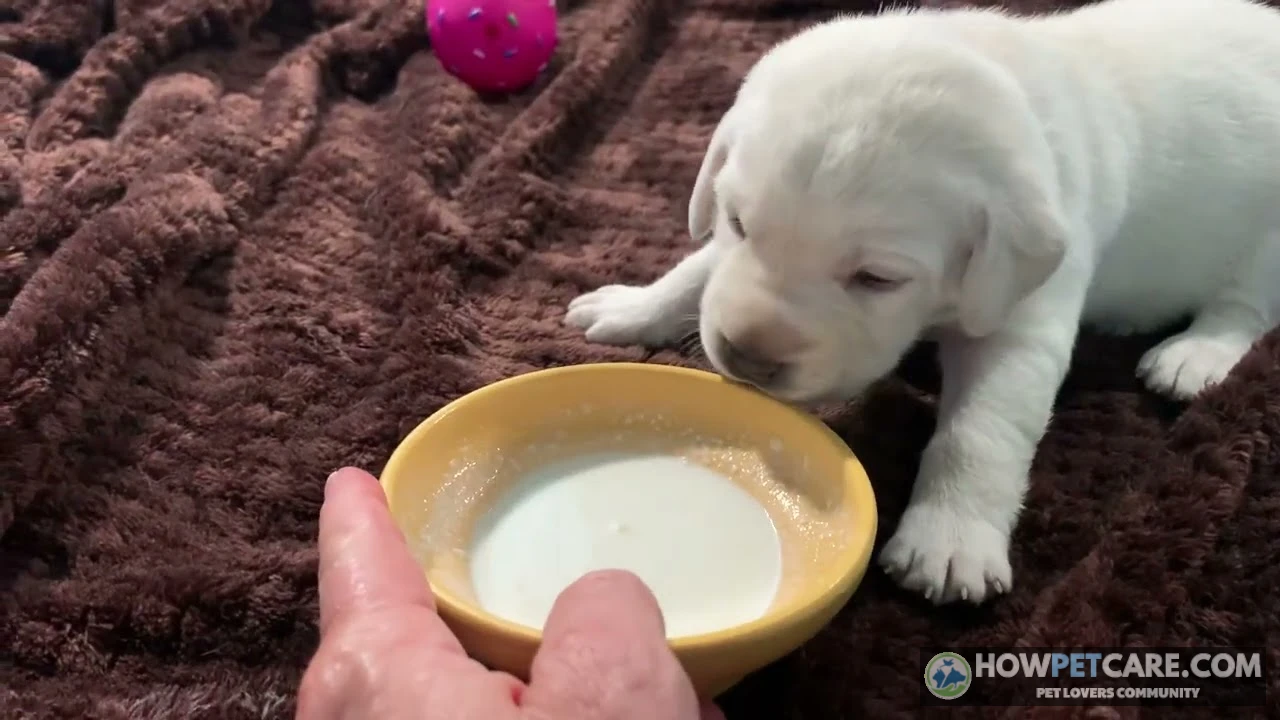

Yes, most healthy adult dogs can drink a small amount of plain cow’s milk without serious harm, but milk isn’t good for them. Many adult dogs lack the lactase enzyme needed to digest lactose, so milk often causes gas, bloating, and diarrhea. Keep servings under a tablespoon, avoid flavored milks entirely, and stick to fresh water.
Most adult dogs can drink a small splash of plain cow’s milk without serious harm, but milk is neither necessary nor particularly good for them. While plain cow’s milk is not poisonous to dogs, many adult canines digest lactose poorly, leading to gastrointestinal upset. Just because a dog drinks milk without getting sick right away does not mean it supports their gut or nutrition. Clean, fresh water is the only beverage dogs need. If your dog has a history of pancreatitis, food allergies, or medical dietary restrictions, never offer milk. If your pet just swallowed a large quantity of dairy or drank a milk beverage with added ingredients, skip directly to the accidental ingestion action plan below.
When a small accidental drink is usually a monitoring issue
If a healthy adult dog laps up a tablespoon of plain whole or skim milk spilled on the floor, the incident is rarely an emergency. Plain dairy does not contain canine toxins, so a few accidental sips generally require only basic monitoring at home. Keep fresh water available and watch for mild gas or soft stool over the next 12 to 24 hours. Unless your pet is a very young puppy, has a diagnosed dairy allergy, or struggles with chronic bowel issues, an isolated lap of plain milk usually resolves on its own.
When the ingredient label or symptoms change the urgency
The situation shifts quickly from casual monitoring to potential medical urgency if the drink was flavored, sweetened, or plant-based. Modern bottled drinks, specialty coffees, and packaged plant milks often carry ingredients that are dangerous to dogs. Sweeteners like xylitol (frequently listed as birch bark extract or wood sugar) cause life-threatening hypoglycemia and acute liver failure in dogs, even in tiny amounts. It is also the hidden danger behind checking peanut butter labels for xylitol before sharing snacks. Chocolate flavorings, cocoa powders, espresso, and macadamia nut extracts introduce toxic compounds that demand immediate professional care.
Before reading further, determine your immediate next steps using this decision guide:
Branch A: Thinking of Offering Milk as a Treat
- ☐ Check Medical History: Does your dog have a history of pancreatitis, food allergies, inflammatory bowel disease, or obesity? If yes, do not offer milk.
- ☐ Check Life Stage: Is the dog an adult on a complete, balanced diet? (Puppies should never receive grocery milk; see puppy section).
- ☐ Examine Product Label: Confirm the milk is 100% plain (no added sugars, cocoa, coffee/tea extracts, artificial flavorings, or sweeteners like xylitol/birch bark extract).
- ☐ Serving Cap: Limit to a single lick or at most 1 teaspoon (5 mL) for small dogs, or 1 tablespoon (15 mL) for medium/large dogs to test tolerance. Never treat milk as a hydration source.
- ☐ Observation Window: Monitor for 12–24 hours for flatulence, loose stool, or rumbling stomach before ever considering another taste.
Branch B: Dog Already Drank Milk Accidentally
- ☐ Identify the Product: Grab the container immediately. Check if it was plain dairy, sweetened plant milk, or contained toxic additives (xylitol, cocoa, espresso).
- ☐ Estimate Volume Relative to Size: Did a 10 lb Chihuahua drink a whole cereal bowl (approx. 240 mL), or did a 70 lb Labrador lap up a spilled tablespoon? Mark this ratio down.
- ☐ Check for Immediate Warning Signs: Note any rapid-onset distress: retching, facial swelling, pale gums, severe restlessness, or collapse.
- ☐ Route to Action: If plain milk was consumed and the dog is stable, move to standard digestive monitoring. If toxic additives are present or the dog shows severe distress, call an emergency vet immediately.

Why Dogs Drinking Milk Can Develop Gas, Diarrhea or Vomiting
Lactose is the natural disaccharide sugar found in mammalian dairy. To absorb lactose through the intestinal wall, the body must break it into two simpler sugars—glucose and galactose—using an enzyme called lactase. Nursing puppies produce abundant lactase to digest their mother’s milk. Once they transition to solid food during weaning, their intestinal lactase production drops dramatically [#N]. For many adult dogs, this natural decline leaves the digestive tract unable to break down significant amounts of dairy sugar.
When a dog lacking sufficient lactase drinks milk, the unabsorbed lactose travels straight into the colon. That high sugar concentration creates an osmotic gradient, pulling free water from surrounding body tissues directly into the bowel. At the same time, resident gut bacteria ferment the unabsorbed sugars, generating large volumes of hydrogen, carbon dioxide, and methane gas. This sudden rush of fluid and gas distension brings audible stomach rumbling, cramping, loose stools, and watery osmotic diarrhea. If the stomach lining becomes irritated, vomiting often follows.

Symptom severity depends directly on the dog’s personal digestive tolerance, the amount consumed, and the fat content of the milk. High fat levels slow stomach emptying, worsening digestive distress and raising the risk of deeper metabolic complications.
Lactose intolerance, milk-protein allergy and unrelated illness are not the same
Pet parents often mistake lactose intolerance for a true dairy allergy, but their physiological mechanisms are completely different:
- Lactose Intolerance (Enzymatic Deficiency): This is a purely digestive, mechanical issue. The dog’s gut simply lacks enough lactase enzymes to split the dairy sugar molecule. It causes localized stomach trouble—gas, gurgling, cramps, and watery diarrhea—without involving the immune system. Cutting out dairy clears up the issue.
- Milk-Protein Allergy (Immune-Mediated Reaction): This is an immune system malfunction. The dog’s immune defenses mistakenly treat dairy proteins (such as casein or whey) as dangerous foreign invaders. The reaction does not depend on lactose. It often shows up on the skin, causing intense facial scratching, inflamed ears, hives, paw chewing, or chronic skin infections, alongside sudden vomiting or breathing trouble.
- Unrelated Gastrointestinal Illness: Viral infections like parvovirus, bacterial overgrowth from Salmonella or Campylobacter, foreign body obstructions, pancreatitis, and inflammatory bowel disease can all mimic dairy-related diarrhea and vomiting.

What symptoms at home cannot diagnose
You cannot reliably distinguish between a milk-protein allergy, underlying pancreatitis, bacterial gastroenteritis, and severe lactose intolerance just by observing your dog at home. Because gut inflammation looks the same from the outside whether driven by unabsorbed sugars or an active immune response, you cannot simply assume diarrhea is an innocent reaction to milk. Never try an at-home diagnostic milk challenge by offering dairy again after an upset stomach. If symptoms show up, cut out dairy entirely and check with your veterinarian for an accurate assessment.
How Much Milk Can a Dog Have? Portion Context, Not a Universal Limit
There is no scientifically proven milliliter-per-kilogram safe feeding threshold for milk in dogs. In veterinary literature, general mentions of a "few tablespoons" exist purely as cautious upper bounds for treat allowances, not as guarantees of digestive safety. Because individual lactase levels vary widely between dogs regardless of breed or size, an amount tolerated by one pet might cause explosive diarrhea in another animal of the exact same weight.
For a healthy adult dog with no history of stomach sensitivities, any initial taste should stay limited to a single teaspoon (5 mL) for small dogs, or one tablespoon (15 mL) for medium to large breeds. If you choose to offer milk as an occasional treat, account for its dense caloric and fat profile. Standard whole cow’s milk delivers roughly 11 grams of lactose [#N] and approximately 150 calories per 8-fluid-ounce cup (240 mL), alongside 8 grams of dairy fat.
Treats should never exceed 10% of a dog’s daily caloric budget. To see how fast dairy throws off canine nutrition, consider this realistic clinical scenario:
The Scenario:
A healthy adult Cocker Spaniel weighing 30 lbs (13.6 kg) with an average daily energy requirement of approximately 700 kcal.
The 10% Treat Rule:
- Maximum daily treat allowance: 70 kcal (10% of 700 kcal).
- Regular food allowance: 630 kcal.
The Milk Arithmetic:
- Standard whole cow’s milk contains roughly 150 kcal per 8 fl oz (240 mL), which equals 18.75 kcal per fluid ounce (approx. 30 mL).
- A modest splash in a cereal bowl or small dish: 2 fl oz (60 mL).
- Calorie calculation: 2 fl oz * 18.75 kcal/fl oz = 37.5 kcal.
- Proportion of treat allowance consumed: 37.5 kcal / 70 kcal = 53.6%.
Clinical Takeaway:
In just 4 tablespoons (2 oz) of whole milk, the dog consumes more than half of its entire treat calorie allowance for the day, along with roughly 2.4 grams of fat and 3 grams of pure lactose. Crucial note: Even if a serving of milk fits within your dog’s daily calorie limits, caloric room does not equal digestive tolerance. A dog can easily stay under its daily calorie target while still suffering acute osmotic diarrhea and painful gas from unabsorbed lactose.

Diluting cow’s milk with water does not reduce the actual amount of lactose or fat your dog swallows if they lick the bowl clean. It lowers the liquid concentration per sip, but the absolute mass of gut-irritating sugars entering the stomach remains completely unchanged.
When no milk should be offered
Milk should be completely excluded from the diet of dogs falling under any of the following categories:
- History of Pancreatitis: High-fat dairy can trigger a painful, life-threatening recurrence of pancreatic inflammation.
- Prescribed Diets: Dogs on hydrolyzed protein, hypoallergenic, renal, or low-fat gastrointestinal diets should never receive dairy treats.
- Overweight or Inactive Dogs: The calorie density of dairy compounds weight gain and joint stress.
- Active Digestive Upsets: Never offer milk to soothe an unsettled stomach; dairy exacerbates acute diarrhea and vomiting.
- Pre-existing Food Allergies: Dogs prone to cutaneous or digestive allergies run a high risk of cross-reactivity to dairy proteins.
Why daily milk is a poor routine
Making milk a daily habit exposes your dog to unnecessary dietary risks. Canine nutritional needs are fully met by a complete, balanced adult dog food formulated to recognized standards. Regularly supplementing this diet with dairy adds empty sugars, raises daily saturated fat intake, and promotes dental plaque through lingering lactose. Over time, frequent milk intake increases the risk of obesity, chronic loose stool, and secondary pancreatitis. Fresh water remains the only drink your dog needs. If you want treat ideas beyond dairy, our vet-approved directory of what human food dogs can eat is a safer place to start.

| Milk Type | Lactose & Milk Proteins | Fat & Calorie Profile | Label Hazards & Formulation Notes | Practical Suitability |
|---|---|---|---|---|
| Whole Cow's Milk | High lactose (~12g/cup); contains standard bovine casein and whey | High fat (~8g/cup); energy dense (~150 kcal/cup) | Plain formulations; watch for chocolate, strawberry, or added sugars | Poor. Frequent cause of osmotic diarrhea and gas; excessive fat for sedentary dogs. |
| Skim / Low-Fat Cow's Milk | High lactose (~12-13g/cup); intact bovine proteins | Low fat (0-2g/cup); moderate calories (~80-100 kcal/cup) | Plain varieties; common base for flavored drinks containing sweeteners | Poor. Removing fat does not remove lactose; still triggers lactose-related gut upset. |
| Lactose-Free Cow's Milk | Negligible lactose (pre-treated with lactase); intact dairy proteins | Matches standard dairy fat profiles (whole vs. skim) | Watch for added flavoring or preservatives in extended-shelf-life brands | Conditional. Solves lactose intolerance, but entirely unsuitable for dogs with cow's-milk protein allergies or pancreatitis risk. |
| Goat's Milk | Moderate lactose (~9g/cup); contains caprine proteins | Naturally homogenized, smaller fat globules (~7-8g/cup) | Unpasteurized/raw versions carry bacterial pathogen risks (Salmonella, Listeria) | Overrated. Frequently marketed as hypoallergenic, but still contains significant lactose and can trigger dairy protein reactions. |
| Coconut Milk (Carton Beverage vs. Canned) | Zero lactose; zero dairy proteins | Carton drink: Diluted, low fat (~4g/cup). Canned coconut milk: Extremely high saturated fat (~45-50g/cup); high calorie (~400+ kcal/cup) | Canned versions frequently contain thickeners (guar gum) and massive fat loads | High Caution. Canned coconut milk carries high risk of triggering acute pancreatitis or severe greasy diarrhea due to concentrated saturated oils. |
| Unsweetened Almond Beverage | Zero lactose; zero dairy proteins; contains tree nut traces | Low fat; low calories (~30-40 kcal/cup) | High hazard risk: Check closely for xylitol (birch bark extract) and cocoa/chocolate flavorings | Neutral / Treat Only. Safe in tiny accidental licks if strictly unsweetened, but offers zero canine nutritional benefit. |
| Oat Milk | Zero lactose; zero dairy proteins | Moderate fat; high carbohydrate and fiber content | Often formulated with added dipotassium phosphate, oils, and added sugars | Limited. High carbohydrate load can trigger loose stools; provides excess calories without carnivore-appropriate nutrition. |
My Dog Drank Too Much Milk: A Symptom-and-Exposure Action Plan
If your dog drank a significant quantity of milk or lapped up an unknown packaged dairy drink, systematic triage helps keep them safe while avoiding risky home remedies. Follow these specific triage levels and preparation procedures:
1. Rapid Action Triage Levels
- Level 1: Immediate Emergency Care (Go to clinic immediately)
- Product contained known toxins: Xylitol (birch sweetener), chocolate, caffeine/coffee, or alcohol.
- Dog exhibits physical crisis: Collapse, unresponsiveness, facial swelling, hives, retching without vomit, severe abdominal distension, or bloody diarrhea/vomitus.

Severe symptoms or toxic ingredients mean an immediate trip to an emergency clinic. (Source: littlesilveranimalhospital) - Level 2: Prompt Veterinary Contact (Call clinic within 1–2 hours)
- Large ingestion volume relative to size (e.g., small dog drinking >1 cup of whole dairy or high-fat canned coconut milk).
- Patient is high-risk: Senior dogs, young puppies, dogs with known pancreatitis, kidney disease, or diabetes.
- Active symptoms developing: Repeated vomiting (>2 episodes), sustained watery diarrhea, painful or guarded abdomen, or noticeable lethargy.
- Level 3: Home Monitoring (Observe closely for 24 hours)
- Healthy adult dog consumed a small splash of plain milk.
- Dog remains bright, alert, responsive, and drinks water normally.
- Stool may soften slightly, but no repetitive vomiting or signs of systemic illness occur.

2. Veterinary Call-Preparation Checklist
Have the following five details ready before placing the call to your veterinary clinic or poison control line:
- ☐ Exact Product Name & Brand: (e.g., Silk Unsweetened Vanilla Almond Milk or Horizon Organic Whole Milk).
- ☐ Physical Carton/Packaging: Keep the carton in hand to read off the ingredients list, specifically checking for xylitol, cocoa, and fat percentage.
- ☐ Estimated Volume Consumed: Expressed in standard household units (e.g., "approx. 1/2 cup / 120 mL" or "spilled puddle on floor lapped for 5 seconds").
- ☐ Time of Exposure: Exact elapsed time since ingestion occurred.
- ☐ Current Vital Status: Dog’s approximate weight, current symptoms (vomiting frequency, bowel movements, energy level), and existing medical conditions.

3. Critical Warnings: Remedies to Avoid
- Do NOT induce vomiting at home using hydrogen peroxide, salt, or manual gagging unless explicitly instructed by a licensed veterinarian. Aspiration of milk products can cause life-threatening chemical pneumonitis.
- Do NOT administer human anti-diarrheals (such as Imodium/loperamide or Pepto-Bismol/bismuth subsalicylate). These can be toxic or mask worsening diagnostic signs.
What to check on the carton before calling
Inspect the packaging closely for non-dairy additives or flavor enhancers. Focus on artificial sweeteners; xylitol can hide under names like "birch sugar," "birch bark extract," or "wood sugar." Check whether the beverage contains cocoa powder, chocolate syrup, concentrated coffee or tea extracts, or elevated sodium levels. For canned coconut products, verify whether the liquid is light culinary coconut water or high-fat canned coconut cream.
Monitoring versus calling the regular veterinarian versus emergency care
Use this consolidated triage reference to determine your clinical escalation path:
| Situation | What to check | Safe immediate action | When to contact a veterinarian |
|---|---|---|---|
| Small Splash of Plain Milk | Confirm zero xylitol, zero cocoa, and normal dog behavior | Provide clean water bowl; observe energy and appetite | Stool remains watery past 24 hours, or dog starts vomiting repeatedly |
| Large Volume of Plain Milk (e.g., >1 cup in small dog) | Watch for abdominal distension, restlessness, and dehydration | Provide normal water access; withhold rich treats; rest | Abdominal pain appears, dog refuses water, or diarrhea is profuse |
| Packaged Plant Milk Ingestion | Full ingredient list: xylitol, macadamia nuts, added oils, flavorings | Secure original packaging; do not induce vomiting | Product lists xylitol/flavorings, or dog develops tremors or weakness |
| Milk Beverage with Coffee or Cocoa | Exact milligrams of caffeine or type of chocolate involved | Note time of ingestion and exact volume consumed | Immediately. Contact emergency hospital or pet poison helpline |
| Dog with Pancreatitis History Consumed Whole Milk | Fat percentage of milk; time elapsed since ingestion | Keep dog calm; remove food access; monitor closely | Immediately. High risk of acute pancreatic relapse requires clinic intervention |
Cow’s, Goat’s and Plant Milks for Dogs: Compare the Label, Not the Trend
Supermarket shelves carry dozens of dairy alternatives, but plant and specialty milks bring unique physiological concerns for dogs. Commercial alternatives are engineered for human diets, not canine biology.
| Milk Type | Lactose & Milk Proteins | Fat & Calorie Profile | Label Hazards & Formulation Notes | Practical Suitability |
|---|---|---|---|---|
| Whole Cow’s Milk | High lactose (~12g/cup); contains standard bovine casein and whey | High fat (~8g/cup) and energy dense (~150 kcal/cup) | Plain formulations; watch out for chocolate, strawberry, or added sugars | Poor. Frequent cause of osmotic diarrhea and gas; excessive fat for sedentary dogs. |
| Skim / Low-Fat Cow’s Milk | High lactose (~12-13g/cup); intact bovine proteins | Low fat (0-2g/cup); moderate calories (~80-100 kcal/cup) | Plain varieties; common base for flavored drinks containing sweeteners | Poor. Removing fat does not remove lactose; still triggers lactose-related gut upset. |
| Lactose-Free Cow’s Milk | Negligible lactose (pre-treated with lactase); intact dairy proteins | Matches standard dairy fat profiles (whole vs. skim) | Watch for added flavoring or preservatives in extended-shelf-life brands | Conditional. Solves lactose intolerance, but entirely unsuitable for dogs with cow’s-milk protein allergies or pancreatitis risk. |
| Goat’s Milk | Moderate lactose (~9g/cup; only slightly lower than cow’s); contains caprine proteins | Naturally homogenized, smaller fat globules (~7-8g/cup) | Unpasteurized/raw versions carry bacterial pathogen risks (Salmonella, Listeria) | Overrated. Frequently marketed as hypoallergenic, but still contains significant lactose and can trigger dairy protein reactions. |
| Unsweetened Almond Beverage | Zero lactose; zero dairy proteins; contains tree nut traces | Low fat and calories (~30-40 kcal/cup for plain unsweetened) | High hazard risk: Check closely for xylitol (birch bark extract) and cocoa/chocolate flavorings | Neutral / Treat Only. Safe in tiny accidental licks if strictly unsweetened, but offers zero canine nutritional benefit. |
| Oat Milk | Zero lactose; zero dairy proteins | Moderate fat; high carbohydrate and fiber content | Often formulated with added dipotassium phosphate, oils, and added sugars | Limited. High carbohydrate load can trigger loose stools; provides excess calories without carnivore-appropriate nutrition. |
| Coconut Milk (Carton Beverage vs. Canned) | Zero lactose; zero dairy proteins | Carton drink: Diluted, low fat (~4g/cup). Canned coconut milk: Extremely high saturated fat (~45-50g/cup) and high calorie (~400+ kcal/cup) | Canned versions frequently contain thickeners (guar gum) and massive fat loads | High Caution. Canned coconut milk carries high risk of triggering acute pancreatitis or severe greasy diarrhea due to concentrated saturated oils. |

Can dogs drink lactose-free milk?
Lactose-free milk is regular cow’s milk treated with lactase during processing to break down lactose into easily absorbed glucose and galactose. For an adult dog whose loose stools stem solely from lactose intolerance, small licks of lactose-free milk usually avoid digestive distress.
Even so, lactose-free milk has the exact same protein structure and fat profile as standard dairy. It carries full concentrations of bovine casein and whey, meaning it triggers identical allergic symptoms in dogs allergic to milk protein. Full-fat lactose-free varieties also present the same calorie load and pancreatitis hazards as whole milk. It should never serve as a regular food supplement; the same caution applies when asking whether dogs can eat cheese safely.
Best type of milk for dogs in the United States: usually none is needed
While marketing often frames goat’s milk or plant options as holistic wellness boosters, veterinary nutritionists generally agree that the best milk for dogs is none at all. Plain goat’s milk features smaller fat globules that may empty from the stomach slightly faster, but it still delivers roughly 9 grams of lactose per cup, making it a bad match for sensitive systems.
Plant milks like almond, oat, and soy add empty carbohydrates, vegetable oils, and food additives like dipotassium phosphate that do not improve canine health. If your dog got into the whole nuts rather than the beverage, check whether dogs can eat almonds for the specific risks. If you want to offer a safe, enticing liquid treat, use small amounts of plain, unseasoned bone broth made without onions or garlic instead.
Ingredients that need urgent veterinary or poison-control guidance
When reviewing plant-based milks and specialty dairy drinks, check the package right away for these high-risk ingredients:
- Xylitol / Birch Sugar: Extremely dangerous. Induces massive insulin release leading to hypoglycemic shock, seizures, and acute liver failure.
- Cocoa or Chocolate Extracts: Contain theobromine and caffeine, which dogs metabolize slowly, leading to cardiac arrhythmias and neurological excitation.
- Macadamia Nut Bases: Macadamia nuts cause severe weakness, hyperthermia, tremors, and posterior paresis in canines.
- Caffeine / Coffee Additions: Cause dangerous spikes in blood pressure, tachycardia, and tremors.
- Added Refined Sugars: High concentrations accelerate dental decay and cause acute osmotic diarrhea.

Gums commonly found in plant milks (such as guar gum, xanthan gum, or locust bean gum) are not canine toxins, but in large volumes they ferment rapidly in the colon, causing gas, rumbling, and soft stool.
Can Puppies Drink Cow’s Milk? Why Puppy Nutrition Needs a Replacer
Feeding cow’s milk to nursing or orphaned puppies is dangerous. A mother dog’s milk is tailored specifically for newborn carnivores, packing more than double the protein concentration of cow’s milk, richer calcium and phosphorus stores, and far less lactose [#N].

When newborn puppies drink grocery cow’s or goat’s milk, their fragile digestive systems cannot process the heavy lactose load. The resulting osmotic fluid loss leads to intense, watery diarrhea. In a tiny puppy, rapid dehydration causes dangerous drops in body temperature and blood sugar within hours. Cow’s milk also lacks the essential amino and fatty acids necessary for normal brain, eye, and skeletal development.
Never attempt to nurse orphaned puppies with grocery-store cow’s milk, plant alternatives, or makeshift online recipes. Orphaned puppies need an appropriate commercial puppy milk replacer formulated to replicate maternal canine milk.
Milk replacer is not the same as lactose-free grocery-store milk
Lactose-free milk from the supermarket cannot substitute for real puppy milk replacer. Even without the lactose, its balance of protein, fat, and micronutrients matches the needs of calves, not infant puppies. Feeding commercial lactose-free milk leaves puppies undernourished and weak. Only veterinary-formulated milk replacers supply the correct balance of amino acids, vitamins, and minerals needed to keep puppies alive.
Bottle-feeding precautions and signs to call a veterinarian
Poor bottle-feeding technique can quickly turn safe formula into an aspiration emergency. Follow these standard feeding safety steps for young puppies:

Never feed a puppy resting on its back like a human baby. Neonatal puppies must be positioned flat on their bellies (prone) in a natural nursing posture with the head held slightly elevated to ensure the liquid passes into the esophagus rather than the airway.
-
Step 1: Inspect Nipple Aperture
Invert the bottle before feeding. The milk replacer should form a slow, hanging droplet on the tip. If fluid streams freely, the aperture is too large and will flood the puppy’s lungs with liquid.
-
Step 2: Position the Puppy Prone
Place the puppy belly-down on a secure towel. Keep the neck straight and the head in a natural, forward-facing nursing position.
-
Step 3: Allow Spontaneous Latching
Bring the nipple to the puppy’s mouth at a slight angle. Never squeeze the bottle to force liquid into the mouth. The puppy must suckle and swallow spontaneously at its own pace.
-
Step 4: Monitor for Distress
If milk bubbles from the nostrils, the puppy begins coughing, or you hear clicking sounds in the chest, stop feeding immediately. Clear the mouth gently and seek immediate veterinary evaluation for potential aspiration pneumonia.
Choose the Right Next Step for Your Dog
Deciding how to handle milk comes down to understanding your dog’s health background, keeping portions tiny, and recognizing when dairy is best avoided entirely. For dogs recovering from a stomach upset, a vet-approved bland diet built on plain rice is usually a better option than dairy. Use this reference to pick the safest option for your dog:
| Dog situation | Why milk may be unsuitable | Safer next step |
|---|---|---|
| Healthy Adult Dog | High lactose can trigger unexpected digestive upset; adds unnecessary treat calories | Stick to clean water for hydration; use standard single-ingredient meat treats for rewards |
| Dog with Pancreatitis History | High fat content can trigger acute inflammation of the pancreas | Strictly avoid all dairy; offer low-fat treats approved by your vet |
| Dog with Chronic Allergies or Itching | Bovine casein and whey proteins are common canine allergens | Eliminate dairy completely; discuss novel-protein or hydrolyzed diets with your veterinarian |
| Dog with Active Diarrhea or Vomiting | Dairy sugars pull water into inflamed intestines, worsening fluid loss | Withhold dairy entirely; provide fresh water and seek veterinary advice if symptoms persist |
| Orphaned or Weaning Puppy | Cow’s milk causes severe nutritional deficits and fatal neonatal dehydration | Feed only commercial canine milk replacer under direct veterinary guidance |

A four-question check before offering any milk
Before giving your dog even a lick of milk, answer these four questions:
- Is the liquid 100% plain? Check the ingredients list for xylitol, added sugars, cocoa, coffee, or flavorings.
- Does your dog have a history of digestive distress or food allergies? If the answer is yes, skip dairy entirely.
- Is your dog on a calorie-restricted or medical diet? If your dog is managing pancreatitis, kidney disease, or weight issues, do not feed milk.
- Is this serving smaller than a tablespoon? Milk must never be served in bowls or used to hydrate a dog.
What to tell the veterinarian
If you need to contact your veterinarian or visit an emergency clinic after your dog drank milk, bring the container along or take a clear photo of the entire ingredients list and nutrition panel. Tell the staff roughly how much your pet drank, the time it happened, their current weight, and any regular medications. These concrete details help the veterinary team quickly assess toxicity risks and start the right treatment without delay.


FAQ
Can dogs drink milk every day?
Milk should not be a daily drink for dogs. It is unnecessary for hydration or nutrition, can add calories and fat, and repeated exposure may cause digestive upset in dogs that tolerate only small amounts.
Is goat’s milk better than cow’s milk for dogs?
Goat’s milk is not automatically safer. It still contains lactose and dairy proteins, so it can cause problems for dogs with lactose intolerance or suspected milk-protein allergy.
Can dogs drink milk mixed with water?
Mixing milk with water lowers the concentration in each sip, but it does not reduce the total lactose, fat, or calories if your dog drinks the entire mixture. Water alone is the better everyday drink.
What can dogs drink besides water?
Fresh water is the appropriate routine drink for nearly all dogs. If a veterinarian recommends adding fluids or a special product for a medical reason, use only the specific option and amount they advise.
Can a dog with lactose intolerance have dairy products?
Do not assume any dairy product is safe based on a label or a past mild reaction. Lactose levels vary, dairy proteins remain relevant for allergy concerns, and a veterinarian can help select treats for a dog with recurring digestive signs.