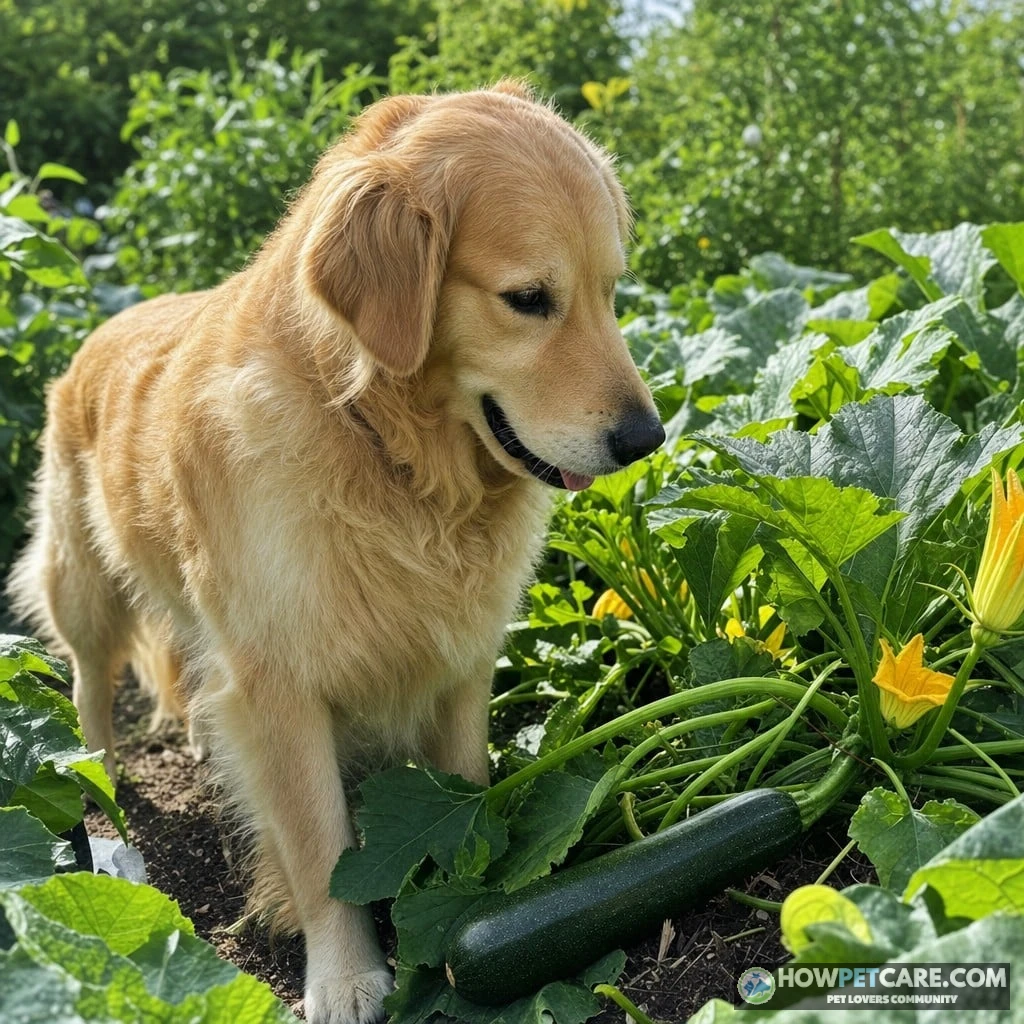

Yes, dogs can have plain zucchini raw or cooked. Serve it in small, bite-sized portions, keep it within the 10% daily treat limit, and avoid salt, oil, garlic, onions, and zucchini bread. Discard any zucchini that tastes intensely bitter because cooking does not reliably remove cucurbitacins.
Dogs can safely eat plain zucchini, whether served raw or cooked. It is non-toxic to both puppies and adult dogs, making it a hydrating, low-calorie vegetable option straight from your kitchen. Even so, safety depends on proper preparation, sensible portions, and verifying that the squash carries no toxic bitterness.
Zucchini should never replace complete, balanced commercial meals. Instead, veterinarians recommend treating it as an occasional snack that stays within the standard 10% daily caloric limit for treats.
Can Dogs Eat Zucchini? Vet Safety Verdict and Nutritional Overview
Zucchini is roughly 95% water by weight, so it provides plenty of hydration with very few calories. A 100-gram serving (roughly 3.5 ounces) contains approximately 17 calories and negligible fat. Because of that profile, it can work as a light treat for dogs on weight management plans without taking up much of their daily calorie budget.
Beyond hydration, zucchini provides soluble and insoluble fiber that can support gut health and regular bowel movements. Soluble fiber feeds beneficial gut bacteria, while insoluble plant cellulose adds bulk that helps food move through the digestive tract.

Core Nutritional Benefits: Fiber, Hydration, and Micronutrients
Dogs synthesize their own vitamin C in the liver, but dietary antioxidants can still support healthy cells and immune function. Zucchini provides several vitamins and minerals:
- Vitamin A: Supports canine cell growth, immune defenses, and retinal health.
- Vitamin C & B6: Provide antioxidant protection and assist metabolic enzyme pathways and nervous system function.
- Potassium: Supplies an essential electrolyte (approximately 261 mg per 100g) that supports heart muscle function, nerve transmission, and fluid balance.
- Magnesium: Helps drive energy transport, bone development, and protein synthesis.
Because zucchini contains little starch or free sugar, plain portions generally have a low glycemic impact.
How Zucchini Compares to Carrots and Cucumbers for Dogs
When evaluating safe fresh produce for dogs, pet parents often rotate between carrots, cucumbers, and zucchini. While all three are generally safe when prepared appropriately, their texture and carbohydrate profiles differ.
| Vegetable | Calories per 100g | Sugar / Glycemic Impact | Primary Nutritional Strength | Choking / Digestibility Risk |
|---|---|---|---|---|
| Zucchini | ~17 kcal | Very Low (GI < 15) | Balanced soluble fiber & potassium | Low when cut into appropriately sized pieces |
| Cucumber | ~15 kcal | Very Low (GI < 15) | Maximum hydration (96% water) | Moderate if served in pieces that are too large |
| Carrot | ~41 kcal | Moderate (GI ~ 35–40) | Beta-carotene & dental crunch | Higher if a dense raw carrot is left unchopped |
Carrots carry more than double the caloric density of zucchini and contain more natural sugar, so portions may require tighter control for diabetic or overweight dogs; exploring whether can dogs eat carrots safely helps clarify how density and sugar impact daily allowances. Cucumbers offer similar hydration benefits—much like how can dogs eat cucumbers as a hydrating treat—but lightly steamed zucchini is often easier for sensitive stomachs and simpler to prepare in varied textures.

Weight-Based Daily Portion Guide: How Much Zucchini Can a Dog Eat?
Veterinary clinical nutrition commonly applies the 10% treat rule: all supplementary snacks, fruits, and vegetables combined should constitute no more than 10% of a dog’s total daily caloric requirement. Feeding vegetable matter beyond this threshold can dilute essential amino acids, fatty acids, and minerals found in complete and balanced dog foods.
Even though raw or steamed zucchini contains only about 17 to 20 calories per cup, excessive plant matter can lead to gastrointestinal upset, diarrhea, and poor nutrient absorption. Daily feeding limits should scale with your dog’s ideal adult body weight and account for other treats.
| Dog Size Category | Weight Range (lbs / kg) | Max Daily Allowance (Grams) | Approximate Measurement (Slices / Tbsp) | Daily Calorie Cap (10% Rule) |
|---|---|---|---|---|
| Toy | Under 10 lbs (< 4.5 kg) | 15–20 g | 1–2 thin slices (approx. 1 tbsp chopped) | ~15–30 kcal max |
| Small | 10–25 lbs (4.5–11.3 kg) | 25–40 g | 3–4 thin slices (approx. 2 tbsp chopped) | ~30–65 kcal max |
| Medium | 26–55 lbs (11.8–24.9 kg) | 50–75 g | 5–7 standard slices (approx. 1/4 cup diced) | ~65–115 kcal max |
| Large | 56–90 lbs (25.4–40.8 kg) | 80–120 g | 8–12 slices (approx. 1/2 cup diced) | ~115–165 kcal max |
| Giant | 90+ lbs (40.8+ kg) | 130–170 g | Up to 1 whole small zucchini (approx. 3/4 cup diced) | ~165–225+ kcal max |
Note: Measurements assume raw or plain steamed zucchini (~17 kcal per 100g). Zucchini treats must not displace more than 10% of total daily metabolic intake to avoid nutrient dilution.
If you feed other fresh produce concurrently—such as blueberries, green beans, or carrots—the portions in this table must be reduced proportionally. The vegetable volume should represent the total combined plant treat allotment for that 24-hour cycle.

Toxic Squash Syndrome: Spotting Cucurbitacin Poisoning in Dogs
While supermarket zucchini is cultivated to be sweet and mild, members of the Cucurbitaceae plant family naturally produce chemical defense compounds known as cucurbitacins (principally Cucurbitacin B and E). In standard commercial farming, these bitter biochemicals are bred down to negligible levels. However, home garden crops can contain elevated cucurbitacin levels, leading to a condition known as "toxic squash syndrome" or cucurbitacin poisoning.
Why Homegrown Zucchini Carries Higher Cucurbitacin Risks
Unusually bitter fruit may be associated with growing conditions or plants produced from unsuitable seed:
- Heat and Drought Stress: Extreme heat spikes, wide day-night temperature swings, or irregular garden watering may contribute to stress in zucchini plants.
- Wild Cross-Pollination: If a domestic garden squash is pollinated by insects carrying pollen from nearby ornamental gourds or wild cucurbits, seeds saved from that fruit may produce plants with unexpectedly bitter fruit in a later crop.
- Plant Damage: Severe insect damage or mechanical injury to young vines can add further plant stress.
Cooking, steaming, boiling, or peeling does not reliably deactivate, degrade, or dilute cucurbitacin compounds. If a zucchini is intensely bitter, no amount of culinary preparation makes it safe for your dog.
Before chopping or cooking zucchini for your dog—especially garden-grown produce—perform this quick safety screen to reduce the risk of toxic cucurbitacin poisoning (Toxic Squash Syndrome):
The Stem Cut & Sniff Test
Trim off the stem end of the zucchini by approximately 1/2 inch. Inspect the exposed flesh. An unusual sharp, stinging, or acrid odor is a reason to discard the squash, although smell alone cannot confirm that it is safe.The Human Tongue-Tip Bitterness Test
Touch a raw slice directly to the tip of your tongue for 3 seconds (do not chew or swallow). Cucurbitacins are intensely bitter even in small amounts. If the flesh tastes sweet, neutral, or watery, it has passed this bitterness screen. If you detect distinct, sharp bitterness:- Discard the entire squash immediately.
- Cooking, boiling, or peeling does not reliably degrade or eliminate cucurbitacin toxins.
Inspect Flesh Density and Overgrowth
Discard or heavily core giant, overgrown marrow squash (greater than 8–10 inches long or woody in texture). Over-mature squash develops tough, fibrous seed cores that can cause mechanical gut irritation; discard any squash that is also bitter, regardless of its size.
Homegrown zucchini should be checked for excessive bitterness before serving.

Clinical Signs of Bitter Zucchini Toxicity vs. Simple Digestive Upset
It is critical to distinguish between mild digestive discomfort (caused by feeding too much raw fiber) and possible cucurbitacin poisoning. Mild dietary indiscretion may manifest as slight flatulence or loose, soft stool that resolves within 12 to 24 hours.
By contrast, cucurbitacin poisoning is an acute intoxication that can affect the gastric and intestinal linings. Clinical signs may manifest within 15 to 90 minutes of ingestion:
- Profuse hypersalivation and foaming at the mouth
- Sudden, repetitive retching and vomiting
- Severe, watery, or visibly bloody diarrhea
- Marked abdominal pain (splinting, arched back, guarding behavior)
- Lethargy, weakness, and potential hypovolemic shock in small dogs
If you suspect your dog has eaten bitter zucchini, do not attempt to induce vomiting at home, as regurgitation can further irritate esophageal tissues. Contact your veterinarian, the ASPCA Animal Poison Control Center, or the Pet Poison Helpline immediately.

Safe Preparation: Raw vs. Cooked Zucchini, Skin, Seeds, and Flowers
Preparing zucchini safely comes down to processing its physical structures properly and keeping it free from dangerous kitchen additives.
Raw Matchsticks vs. Steamed Puree: Best Methods by Dog Age
Both raw and cooked preparations can be suitable, but texture requirements shift across life stages:

- Raw Preparation: Raw zucchini offers a satisfying crunch. However, dogs may not efficiently break down rigid plant cell walls (cellulose). If fed raw, dice it into small, pea-sized cubes or grate it finely over meals to reduce choking risk and improve digestibility.
- Cooked Preparation: Lightly steaming, boiling, or baking zucchini softens the cellulose matrix, making the vegetable easier on a dog’s gastrointestinal tract. Steaming avoids added fats or oils while limiting prolonged water exposure. For senior dogs with missing dentition or puppies learning to process solid additions, steamed and pureed zucchini is a practical entry point.
Handling Overgrown Garden Zucchini: Thick Skins and Mature Seeds
In standard grocery-store zucchini (typically 6 to 8 inches long), the thin green skin and immature, translucent seeds are safe for most dogs when served in appropriately sized portions. The skin contains lutein, zeaxanthin, and fiber.
However, garden zucchini left on the vine can quickly grow into massive marrows. These overgrown squash present two potential mechanical hazards:
- Woody, Fibrous Skin: As zucchini swells past 10 inches, the rind thickens and hardens. Thick rind may be difficult to digest and can cause stomach irritation or loose stool in sensitive dogs. Always peel overgrown squash before serving.
- Mature Seeds: Immature, jelly-like seeds pose little concern. In contrast, large, white, calcified seeds in overgrown squash have tough outer shells. In toy breeds, puppies, or dogs under 15 pounds, these hard seeds may cause mechanical irritation or intestinal transit problems if ingested in volume. Always scoop out and discard the fibrous seed core of overgrown marrow squash.
Fresh zucchini flowers (blossoms) are non-toxic and can be finely chopped and served raw or steamed as a meal topper. If harvesting home vines, avoid feeding the prickly, fibrous main stems, which contain rough microscopic plant hairs (trichomes) that can irritate canine oral mucosa.
Kitchen Scraps to Avoid: Fried Zucchini, Bread, and Seasoned Medleys
While plain zucchini is generally safe, human culinary preparations may contain dangerous or toxic ingredients. Dogs should never be fed kitchen scraps containing:

- Alliums (Garlic, Onions, Leeks, Chives): Frequently cooked into zucchini side dishes, alliums contain organosulfur compounds that can cause oxidative damage to canine red blood cells and trigger hemolytic anemia. Powdered forms (garlic powder, onion salt) are more concentrated and can be especially dangerous.
- Heavy Butter, Cooking Oils, and Bacon Grease: Zucchini readily absorbs cooking fats. Ingesting fatty vegetable sautés or fried zucchini can trigger acute pancreatitis in susceptible dogs.
- Zucchini Bread, Cakes, and Muffins: Baked goods contain excessive refined sugars, processed fats, and may include spices like nutmeg, which contains myristicin. Crucially, some baked products use xylitol (birch bark extract / wood sugar), an artificial sweetener that can induce severe hypoglycemia and acute hepatic failure in dogs.
- Excessive Sodium: Salted or soy-sauced zucchini dishes can contribute to dehydration and electrolyte imbalances.
Zucchini for Dogs with Medical Conditions: Diabetes, Kidney Disease, and Weight Loss
When a dog manages a chronic illness, every dietary addition must be evaluated against the dog’s specific diagnosis, laboratory results, and prescribed diet. Unseasoned zucchini may be suitable for some dogs with medical conditions, but it is not a treatment.
| Chronic Medical Condition | Clinical Safety Verdict | Metabolic Mechanism | Safe Serving Rule |
|---|---|---|---|
| Canine Diabetes Mellitus | Generally Suitable (Green / Caution) | Low glycemic index (GI < 15); soluble fiber may slow carbohydrate absorption. | Feed plain steamed in a consistent portion; coordinate treats and meal timing with the dog’s prescribed insulin plan. |
| Pancreatitis (Acute or Chronic) | Veterinary Approval Needed (Yellow) | Very low fat content (approx. 0.3g fat per 100g) may fit some prescribed low-fat diets. | Serve strictly boiled or steamed with zero added oils, butter, or cooking fats, and only if the treating veterinarian approves. |
| Calcium Oxalate Bladder Stones | Good (Green / Caution) | Low-to-moderate oxalate profile (approx. 4–5 mg per 100g), significantly lower than spinach, sweet potatoes, or beets. | Ask the treating veterinarian whether it fits the dog’s stone-prevention diet, and maintain total daily moisture intake to dilute urine. |
| Chronic Kidney Disease (CKD) | Moderate Caution (Yellow) | Contains approx. 261 mg potassium per 100g. Some dogs in Stage 1–2 CKD may tolerate it, but Stage 3–4 dogs with hyperkalemia may need tighter potassium control. | Boil zucchini in water and discard the cooking water (which may leach out up to 50% of potassium) before feeding. Consult vet. |
| Known Food Sensitivities / IBD | Individual Tolerance Varies (Yellow) | Its water and fiber may aid gut motility, but sensitive dogs can react to any new ingredient. | Puree and feed as a single-ingredient additive; do not combine with new proteins. |
For dogs with acute or chronic pancreatitis, zucchini is only appropriate if it fits the veterinarian-prescribed diet. Plain boiled or steamed zucchini contains little fat, but fried zucchini, butter, oil, cheese, and bacon grease can make a serving unsafe. Do not use zucchini to replace a therapeutic low-fat food.
Blood Sugar Stability in Diabetic Dogs
Canine diabetes mellitus requires careful post-meal glucose management. Some vegetable treats—such as cooked sweet potatoes, peas, and large portions of carrots—contain more sugar or starch than zucchini and may need closer portion control within a prescribed feeding plan; pet owners often wonder can dogs eat sweet potatoes safely given their higher starch concentration.
Plain zucchini has a low glycemic impact. Its soluble fiber may slow the transit and absorption of dietary carbohydrates. It can be incorporated as a low-calorie reward for some diabetic dogs, but portions and timing should remain consistent and should not be changed alongside insulin dosing without veterinary guidance.
Managing Renal Diets: Potassium and Oxalate Considerations
For dogs with calcium oxalate urolithiasis (bladder stones), vegetables must be evaluated within the complete stone-prevention diet. Zucchini is relatively low in oxalates (averaging 4 to 5 mg per 100g), but suitability still depends on the dog’s prescribed mineral and urine-management targets.
In chronic kidney disease (CKD), dietary needs depend on the disease stage and current bloodwork. Early-stage renal patients may tolerate zucchini’s 95% water content. However, in advanced CKD (IRIS Stages 3 and 4), some dogs develop impaired potassium regulation, including hyperkalemia. If your dog has advanced renal failure, ask the treating veterinarian before serving zucchini; boiling it in excess water and discarding the broth may leach out up to half of the squash’s natural potassium content. Always verify home vegetable additions with your veterinary nephrologist or internal medicine specialist.

Step-by-Step Feeding Protocol: Introducing Zucchini to Puppies and Sensitive Dogs
Introducing any novel food—even a safe, low-calorie vegetable—can cause transient gastrointestinal upset if introduced too quickly. Puppies over 12 weeks of age and adult dogs with sensitive stomachs benefit from a gradual introduction process.
Use this structured 3-day timeline to introduce plain zucchini to puppies (over 12 weeks old) or dogs with sensitive digestive systems:
-
Day 1: Micro-Dose Introduction
Steam a small piece of zucchini until fork-tender and thoroughly mash it. Feed exactly 1/2 teaspoon (toy/small breeds or puppies) or 1 teaspoon (medium/large breeds) mixed into their regular meal. Watch for flatulence, gut gurgling, or facial itching over the next 4–6 hours.
-
Day 2: Baseline Stool & Volume Check
Inspect the morning stool. It should remain firm, well-formed, and free of mucus. If stool is normal, double the dose: 1 teaspoon for small dogs/puppies, 1 tablespoon for larger dogs. If stool softens significantly, hold at this level for an extra 24 hours; do not increase.
-
Day 3: Target Portion Ramp-Up
If bowel movements remain firm and consistent, increase to 50% of the dog’s target daily portion from the Weight-Based Portion Guide. Gradually increase to full target portion by Day 4 or 5. If watery diarrhea, vomiting, or lethargy occurs at any point, withhold zucchini completely and return to the baseline diet.
Safe Serving Ideas for Daily Routine
Once your dog demonstrates good digestive tolerance, try these practical preparation methods:

- Pureed Interactive Toy Filler: Steam plain zucchini, blend it into a smooth puree, spoon it into an interactive rubber toy or lick mat, and freeze it. This creates a long-lasting, hydrating, low-fat enrichment option for hot days.
- Dehydrated Crunch Chips: Slice fresh zucchini into 1/4-inch rounds and place them in a food dehydrator or an oven set to 150°F (65°C) for several hours until crisp. These provide a crunchy, shelf-stable, single-ingredient training reward without added oils or sodium.
- Warm Satiety Meal Topper: For overweight dogs on a calorie-restricted weight loss protocol, steam diced zucchini and mix it directly into their kibble. The fiber and moisture add food volume without substantial calorie density, but zucchini should not replace a veterinarian-formulated weight-loss diet.
| Vegetable | Calories per 100g | Sugar / Glycemic Impact | Primary Nutritional Strength | Choking / Digestibility Risk |
|---|---|---|---|---|
| Carrot | ~41 kcal | Moderate (GI ~ 35–40) | Beta-carotene & dental crunch | Higher if a dense raw carrot is left unchopped |
| Zucchini | ~17 kcal | Very Low (GI < 15) | Balanced soluble fiber & potassium | Low when cut into appropriately sized pieces |
| Cucumber | ~15 kcal | Very Low (GI < 15) | Maximum hydration (96% water) | Moderate if served in pieces that are too large |
FAQ
Can dogs eat yellow squash and zucchini together?
Yes. Yellow summer squash, including straightneck and crookneck varieties, belongs to the same botanical family and shares similar nutritional and safety guidelines with green zucchini. Both can be mixed and served plain and unseasoned.
Does zucchini help dogs with constipation or diarrhea?
Zucchini may help mild constipation because its high water content and soluble fiber can soften dry stool. If your dog has active watery diarrhea, however, stop new foods and follow a bland veterinary diet until digestion normalizes.
Can dogs eat zucchini bread or muffins?
No. Zucchini bread and muffins can contain excessive sugar, fat, butter, nutmeg, or xylitol. Xylitol is especially dangerous and can cause severe hypoglycemia and liver failure, so contact a veterinarian immediately if your dog eats a product containing it.
Can dogs eat frozen raw zucchini?
Yes, frozen zucchini can be an occasional cooling treat for puppies and adult dogs. Cut it into appropriately sized pieces and supervise your dog so a hard chunk is not swallowed whole or inhaled.