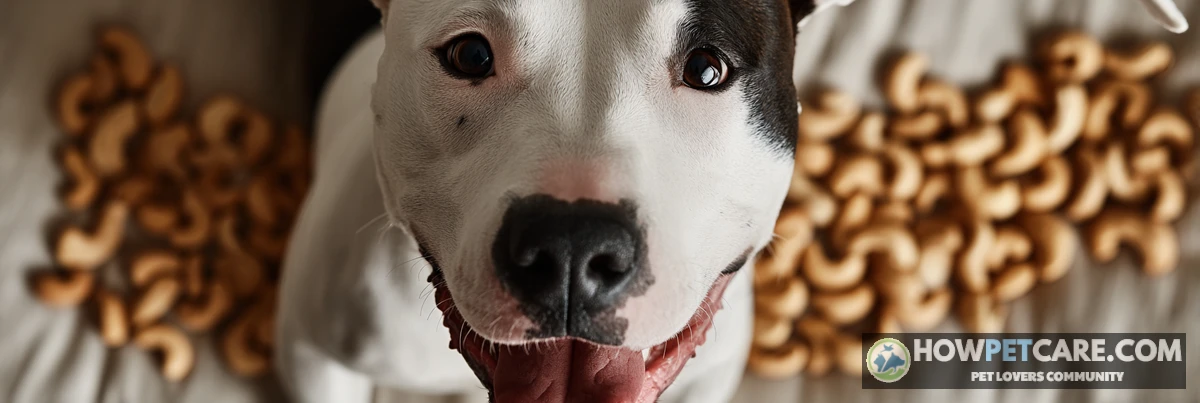

Dogs can eat plain, unsalted, roasted cashews occasionally in small portions. Cashews are not toxic to dogs, but their high fat content can cause stomach upset, weight gain, and pancreatitis. Avoid seasoned nuts and cashew butter containing xylitol, and contact a veterinarian if your dog eats a large amount.
Yes, dogs can safely eat plain, roasted cashews in strict moderation. Unlike deadly macadamia nuts, cashews are not toxic to dogs, but they are not an essential treat. Their exceptionally high fat content means that eating too many can trigger acute pancreatitis, severe gastrointestinal upset, and rapid weight gain. Never feed raw cashews to pets.
An occasional fallen nut is unlikely to harm your dog, but cashews should never become a regular part of the canine diet. The difference between a harmless bite and a medical emergency depends on preparation, portion size, your dog’s size, and any added ingredients.
Plain, dry-roasted cashews do not contain systemic toxins that poison canine organs. If your dog just vacuumed a single plain cashew off the kitchen floor, there is no need to panic or rush to the emergency room. Still, the nutritional benefits cashews offer humans do not transfer neatly to dogs.
Cashews are dense in calories and fat. A dog’s digestive tract is better suited to animal proteins and controlled amounts of fat than to concentrated plant lipids. Even a modest handful delivers enough fat to strain the canine pancreas. That stress can inflame the organ and cause its digestive enzymes to activate prematurely, leading to life-threatening complications.
Genuinely raw cashews carry additional chemical hazards. Completely unprocessed raw cashews belong to the Anacardiaceae plant family and contain anacardic acid, an urushiol-like compound chemically similar to the irritating toxin found in poison ivy. Eating unprocessed raw shells or unroasted nuts can cause severe mucosal irritation, mouth blisters, and intense gastric inflammation. Commercial tree nuts may also harbor aflatoxins—toxic compounds produced by Aspergillus molds that cause severe liver damage in dogs. For canine safety, offer only fully cooked, steamed, or dry-roasted varieties.
Commercially packaged cashews sold for human snacking are almost always steamed or roasted, rendering anacardic acid harmless. However, never feed foraged, unshelled, or genuinely raw agricultural cashews to dogs due to extreme chemical burn and aflatoxin risks.
How Many Cashews Can a Dog Eat? Safe Limits by Body Weight
For dog-safe treats, veterinary nutritionists use the universal 10% treat rule: all snacks, treats, and table scraps combined must never exceed 10% of a dog’s total daily caloric intake. One single cashew kernel contains roughly 10 calories and nearly an entire gram of fat, so that allowance disappears quickly.
Vague advice such as "feed in moderation" can put pets at risk. A toy breed may develop gut distress from a serving that a retriever handles without an obvious problem. Follow strict weight-based limits to protect your pet.
| Weight Category | Dog Weight Range | Maximum Daily Cashew Count | Estimated Fat Content (g) | Safety Recommendation |
|---|---|---|---|---|
| Toy | Under 10 lbs (<4.5 kg) | 1/2 nut (crushed) | ~0.5g | Do not feed whole; choke risk. Limit to a rare high-value training crumb. |
| Small | 10 to 25 lbs (4.5–11 kg) | 1 to 2 nuts | ~0.9g–1.8g | Cut into quarters. Safe as an occasional treat once or twice a week. |
| Medium | 26 to 55 lbs (12–25 kg) | 2 to 3 nuts | ~1.8g–2.7g | Feed whole only if dog chews food; otherwise split to prevent gulped blockages. |
| Large & Giant | 56+ lbs (26+ kg) | 3 to 5 nuts | ~2.7g–4.5g | Never exceed 5 nuts per 24-hour cycle to avoid triggering digestive hyperlipidemia. |
Serving Sizes for Toy and Small Dogs
For toy breeds such as Chihuahuas, Yorkies, and Pomeranians, a whole cashew can become a choking hazard or cause a mechanical obstruction. These dogs have narrow esophagi and pyloric sphincters, so swallowing a hard, curved cashew whole may lead to esophageal lodgment or an intestinal blockage. If you give cashews to a dog under 10 pounds, crush half of a single unsalted nut into fine granules and scatter them over the dog’s kibble as an infrequent reward.
For small breeds weighing between 10 and 25 pounds, limit the portion to one to two nuts per day and cut them into quarters. Dogs in this size range remain vulnerable to acute stomach upset from rich fats. Don’t offer cashews more than once or twice a week.
Serving Sizes for Medium, Large, and Giant Breeds
Medium breeds, including standard Bulldogs, Australian Shepherds, and Spaniels, can safely tolerate two to three plain cashews. Split each nut in half if your dog tends to gulp snacks without chewing. Whole nuts may pass through the stomach undigested, irritating the intestinal lining without providing any dietary benefit.
Large and giant breeds such as Golden Retrievers, German Shepherds, and Mastiffs can digest three to five cashews without mechanical difficulty. Even so, don’t treat the upper limit of five nuts as a daily supplement. Repeatedly giving large dogs calorie-dense tree nuts raises blood triglyceride levels and contributes directly to canine obesity.
No, puppies should not be fed cashews. A puppy’s developing digestive tract is exceptionally sensitive to high-fat foods, easily triggering dehydrating diarrhea. Furthermore, whole or fragmented nuts pose a critical choking and intestinal blockage risk in small, rapidly growing bodies.
Salted, Spiced, or Buttered: Dangerous Cashew Varieties to Avoid
Plain cashews are manageable within strict limits, but human snack mixes contain additives that can turn an otherwise non-toxic food into a medical hazard.
The Dangers of Salted and Seasoned Cashews
Commercial snack nuts often come coated in heavy sodium, spice rubs, or sugar glazes. Dogs tolerate far less dietary salt than humans. Salted cashews can cause osmotic fluid shifts that draw moisture from tissues into the gut and bloodstream. The result may be rapid dehydration, polydipsia (excessive thirst), and polyuria (excessive urination). In severe scenarios—such as a small dog raiding an entire bowl of heavily salted party nuts—the animal may develop sodium toxicity (salt poisoning). Symptoms include ataxia (loss of balance), involuntary muscle spasms, vomiting, seizures, and dangerous brain swelling.
Different seasonings bring their own toxic effects:
- Garlic and Onion Powders: Frequently dusted over savory roasted nuts, allium species contain toxic disulfides and thiosulfates. These compounds cause oxidative damage to canine red blood cells, leading to Heinz body hemolytic anemia.
- Spicy Coatings and Chili Powder: Capsaicin severely irritates the canine gastrointestinal mucosa, causing intense abdominal pain, persistent vomiting, and explosive diarrhea.
- Glazes and Chocolate: Candied or honey-roasted cashews add unnecessary sugars that damage teeth and disrupt the microbiome, while chocolate-covered cashews introduce theobromine and caffeine, which are cardiotoxic and neurotoxic to dogs.

Can Dogs Eat Cashew Butter? Ingredient Red Flags
Pure cashew butter is technically safe in tiny quantities (such as half a teaspoon to hide a pill), but commercial nut butters may contain dangerous additives. Boutique and health-focused brands often replace sugar with artificial sweeteners that are fatal to dogs.
Before offering cashew butter, check the container for these non-negotiable red flags:
- Xylitol / Birch Bark Extract / Wood Sugar: A deadly compound for dogs. It triggers massive, rapid insulin release, leading to profound hypoglycemic shock within 30 minutes and acute hepatic (liver) failure within hours.
- Added Salt / Sodium Content: Avoid if sodium exceeds trace levels. High-sodium nut butters accelerate dehydration.
- Hydrogenated Vegetable or Palm Oils: Emulsifiers added for texture drastically elevate fat concentrations, substantially raising the risk of pancreatitis.
- Cocoa Swirls or Flavorings: Introduces theobromine poisoning risks.
- Syrups and Cane Sugars: Concentrated sweeteners cause digestive dysbiosis and contribute to obesity.
Vet Rule of Thumb: If you feed cashew butter, the ingredient panel must contain only one item: 100% dry-roasted cashews.

Mild Stomach Upset vs. Acute Pancreatitis: How to Tell the Difference
After a dog eats fatty food, recognizing the difference between simple dietary indiscretion and life-threatening acute pancreatitis can be critical. The table shows how the conditions differ in timing, symptoms, and the care they require.
| Clinical Indicator | Mild Dietary Upset | Acute Pancreatitis | Recommended Intervention |
|---|---|---|---|
| Onset Window | 2 to 6 hours post-ingestion | 24 to 72 hours post-ingestion | Note the exact time the nuts were consumed to calculate this window. |
| Stool Consistency | Soft stool, mild diarrhea, or transient flatulence | Greasy, yellowish, or watery diarrhea; potentially bloody (hematochezia) | Pancreatitis stools reflect unabsorbed dietary fats and intense bowel inflammation. |
| Vomiting Pattern | Isolated episode (1–2 times); vomits undigested nuts | Intractable, repetitive retching; bile or foam; inability to keep water down | Repeated vomiting quickly causes severe systemic dehydration. |
| Postural Behavior | Normal posture; dog remains relaxed or slightly lethargic | "Prayer position" (front paws and chest flat on floor, hindquarters elevated) | The prayer position indicates severe, agonizing cranial abdominal pain. |
| Appetite & Energy | Mild hesitation, but drinks water and accepts bland food | Total anorexia, profound depression, fever, shivering, refusal to move | Stop all food immediately; pancreatitis requires aggressive IV fluid therapy. |
| Action Required | 12-hour food fast, followed by boiled chicken and white rice | Immediate veterinary emergency visit. Do not wait for symptoms to resolve. | Call ahead to the nearest veterinary clinic or 24/7 animal ER. |
Pay close attention to changes in posture. A dog in the "prayer position" or "downward dog" pose rests the chest and elbows on the floor while keeping the rear end in the air. The dog is trying to relieve excruciating pressure in the upper abdomen. This unmistakable clinical sign of acute abdominal pain requires urgent emergency veterinary care.
Some dogs face a much higher risk of acute pancreatitis after eating high-fat nuts. Miniature Schnauzers have a well-documented genetic predisposition to altered lipid metabolism and hyperlipidemia, which makes any cashew consumption ill-advised. Cocker Spaniels, Yorkshire Terriers, Shetland Sheepdogs, overweight dogs, and pets with a prior history of pancreatitis must never be fed cashews.

True tree nut allergies are rare in dogs but do occur. Watch for signs of an allergic reaction within 1 to 2 hours of ingestion: facial swelling, urticaria (hives), persistent pawing at the muzzle, reddened inner ears, or sudden respiratory distress. Mild hives warrant immediate veterinary guidance; breathing difficulty requires emergency intervention.
Cashews vs. Other Tree Nuts: Recognizing Safe and Lethal Varieties
Cashews are often sold in party mixes and assorted nut containers rather than on their own. If your dog scavenged from a mixed bowl, you need to know which nuts are relatively harmless and which can be deadly.
| Nut Type | Toxicity Level | Primary Toxic Mechanism / Hazard | Safe to Feed? |
|---|---|---|---|
| Cashews | Non-Toxic (High Fat) | High lipid density (acute pancreatitis trigger); physical choking hazard | Yes, with strict limits (plain, roasted only) |
| Peanuts | Non-Toxic (High Fat) | High fat content; susceptible to aflatoxin mold contamination | Yes, with strict limits (unsalted, raw or dry-roasted) |
| Macadamia Nuts | DEADLY / TOXIC | Unknown neurotoxin causing hind-limb paresis, tremors, hyperthermia | NO — NEVER FEED (requires immediate ER care) |
| Black Walnuts | DEADLY / TOXIC | Juglone toxin and high susceptibility to tremorgenic mycotoxins | NO — NEVER FEED (causes severe neurological distress) |
| Pecans | Dangerous | High juglone and aflatoxin risk; intestinal obstruction hazard | NO (avoid entirely due to mold and digestive risks) |
| Almonds | Low Toxicity / Mechanical Hazard | Rigid shape resists canine chewing; frequent cause of esophageal tears and blockages | NO (high choking and impaction risk) |

| Nut Type | Toxicity Level | Primary Hazard or Mechanism | Safe to Feed | Daily Portion or Limit |
|---|---|---|---|---|
| Cashews | Non-Toxic (High Fat) | High lipid density (acute pancreatitis trigger); physical choking hazard | Yes, with strict limits (plain, roasted only) | Toy (<10 lbs): 1/2 nut (crushed); Small (10–25 lbs): 1–2 nuts; Medium (26–55 lbs): 2–3 nuts; Large & Giant (56+ lbs): 3–5 nuts |
| Peanuts | Non-Toxic (High Fat) | High fat content; susceptible to aflatoxin mold contamination | Yes, with strict limits (unsalted, raw or dry-roasted) | Not in source |
| Macadamia Nuts | DEADLY / TOXIC | Unknown neurotoxin causing hind-limb paresis, tremors, hyperthermia | NO — NEVER FEED (requires immediate ER care) | Not in source |
| Black Walnuts | DEADLY / TOXIC | Juglone toxin and high susceptibility to tremorgenic mycotoxins | NO — NEVER FEED (causes severe neurological distress) | Not in source |
| Pecans | Dangerous | High juglone and aflatoxin risk; intestinal obstruction hazard | NO (avoid entirely due to mold and digestive risks) | Not in source |
| Almonds | Low Toxicity / Mechanical Hazard | Rigid shape resists canine chewing; frequent cause of esophageal tears and blockages | NO (high choking and impaction risk) | Not in source |
Macadamia nuts are extraordinarily toxic to dogs. Ingesting as little as 0.7 grams of macadamias per pound of body weight can cause severe clinical poisoning. Signs appear within 12 hours and include profound hind-limb weakness, ataxia, severe tremors, persistent vomiting, and hyperthermia. For another fruit-related toxic emergency, cherry pit toxicity and emergency action deserve the same urgency.
Black walnuts, along with moldy English walnuts and pecans, may carry dangerous mycotoxins in addition to naturally occurring juglone. These compounds can cause neurological deficits, muscle tremors, seizures, and severe liver toxicity. If the cashews your dog ate were mixed with macadamias or walnuts, treat the incident as an acute toxic emergency, even if the total amount was small.
Emergency Triage: What to Do If Your Dog Ate a Bag of Cashews
If your dog raided the pantry, tore into a bulk sack of cashews, or grabbed a bowl of spiced party mix, follow this clinical sequence immediately:
-
Contain the Scene and Audit the Packaging (0–5 minutes)
Separate your dog from the food immediately and secure them in a quiet room. Retrieve the remaining packaging and determine three vital facts: the total weight of nuts missing, the exact seasoning used (looking specifically for salt, onion powder, or garlic), and whether the product was a mixed-nut blend containing macadamias, raisins, or chocolate.
-
Do NOT Induce Vomiting at Home
Never administer 3% hydrogen peroxide, table salt, or physical gagging without an explicit direct order from a licensed veterinarian. Inducing vomiting with home remedies can cause chemical aspiration pneumonia, severe esophageal ulceration, and fatal salt poisoning—complications that often carry a higher mortality rate than cashew ingestion itself.
-
Call Professional Triage (Have Bag in Hand)
Immediately contact your local veterinary clinic, an animal emergency hospital, or an accredited poison control center:
- ASPCA Animal Poison Control Center (APCC): (888) 426-4435
- Pet Poison Helpline: (855) 764-7661
Provide your dog’s estimated body weight, the timeframe of ingestion, and the exact ingredients listed on the packaging.
-
Execute the 48-Hour Clinical Watchlist
If your veterinarian clears you to monitor your dog at home, track their vital signs and behavior every 4 hours over the next 48 hours. Watch for intense, unquenchable thirst (sodium toxicity), abdominal guarding (snapping or whimpering when the stomach is touched), intractable dry-heaving, or the prayer position. Report any of these signs to your vet immediately.

Store high-fat tree nuts in sealed, airtight containers on high pantry shelves. Plain cashews won’t poison your dog, but they should remain an exceptionally rare, carefully measured treat. Strict portions let your pet enjoy an occasional change without creating the risk of an unexpected trip to the veterinary emergency room.

FAQ
Can puppies eat cashews?
No, puppies should not be fed cashews. Their developing digestive tracts are sensitive to high-fat foods, and whole or fragmented nuts pose choking and intestinal blockage risks.
Can dogs eat raw cashews safely?
Dogs should not eat genuinely raw, unprocessed agricultural cashews because their irritating compounds can cause mouth and stomach irritation. Commercial cashews labeled raw are generally heat-processed; choose plain, unsalted, cooked cashews if offering this occasional treat.
What are the signs of an allergic reaction to cashews in dogs?
Signs can include facial swelling, hives, persistent pawing at the muzzle, reddened ears, and respiratory distress. Contact a veterinarian immediately for guidance about hives or swelling; breathing difficulty requires emergency veterinary care.
What happens if a dog eats cashews from a mixed nut container?
Check the ingredient list immediately for macadamias, raisins, chocolate, and garlic or onion seasoning. If any are present, contact a veterinarian or animal poison control center immediately with your dog’s weight, the estimated amount eaten, and the packaging.