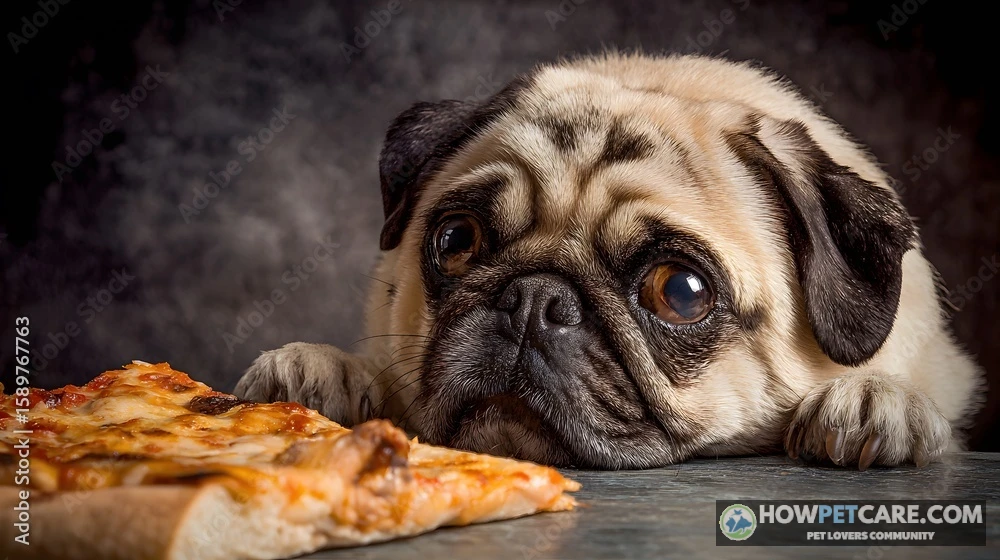

No—dogs should not eat pizza. A small bite of plain cooked crust is rarely an emergency for a healthy dog, but onion, garlic, and raw yeast dough are toxic hazards. Fatty toppings like cheese and pepperoni can trigger pancreatitis, so never offer pizza as a treat.
Can dogs eat pizza? The short answer: dogs should not eat pizza—it’s not a safe food or a good treat—but a small amount of cooked pizza is usually not an emergency for a healthy dog. The risk depends on the toppings, how much your dog ate, your dog’s size, and any existing health problems. Onion, garlic, and raw yeast dough are more urgent concerns than a small bite of plain cooked crust.
Can Dogs Eat Pizza? The Immediate Safety Verdict
Pizza combines ingredients that can upset a dog’s stomach with possible toxins such as onion and garlic. Cheese and processed meats add fat and salt. A tiny piece of plain, fully cooked crust is generally less concerning than a loaded slice, but there’s no established safe serving of pizza for dogs. Don’t offer it as a treat.
Quick decision: call a veterinarian now or monitor at home
Call a veterinarian or animal poison service promptly if your dog ate raw yeast dough, may have eaten onion or garlic (including powders), ate a large amount for their size, or has symptoms. Call, too, if your dog has a condition such as diabetes, kidney or liver disease, or a history of pancreatitis. Use a lower threshold for calling about small dogs, puppies, seniors, and sick dogs.
Monitoring may be reasonable if a healthy dog ate a small bite of cooked pizza with no likely onion, garlic, or raw dough and is acting normally. If you’re unsure about the ingredients or amount, call for individualized advice rather than waiting for symptoms.
Pizza Ingredients for Dogs: Toxic, Risky, or Lower Concern
A toxic ingredient isn’t the same as an unhealthy one. Not every stolen bite is an emergency, but some ingredients warrant prompt veterinary advice even before symptoms appear.
| Ingredient or food | Main concern | Relative risk | What to do |
|---|---|---|---|
| Plain cooked crust, small bite | Refined flour, salt, possibly oil | Lower concern, not a treat | Monitor a healthy dog; call sooner for a large amount or a small dog |
| Fully cooked plain dough or base | Oil and salt; low nutritional value | Lower concern, but rich | Monitor for stomach upset |
| Raw yeast dough | Expands and can produce alcohol in the stomach | Urgent hazard | Call a veterinarian now |
| Tomato pizza sauce | May contain garlic, onion, salt, or other seasonings | Often risky | Check the label or recipe; call if alliums may be present in a meaningful amount |
| Cheese | Fat, salt, and lactose | Unhealthy | A few shreds may only cause mild upset; a large cheesy portion deserves a call, especially for a small or susceptible dog |
| Pepperoni, sausage, or bacon | Fat, sodium, and seasonings | Unhealthy, potentially high risk in quantity | Estimate the amount and check seasonings; call for a large portion or symptoms |
| Ham or deli meat | Fat, sodium, possible seasoning | Unhealthy | Monitor after a small amount; call for a large exposure or symptoms |
| Onion, shallot, leek, chive, or onion powder | Can damage red blood cells | Toxic | Contact a veterinarian or poison service promptly |
| Garlic or garlic powder | Allium toxicity; powder may be concentrated | Toxic | Call promptly, especially for powder, small dogs, or repeated exposure |
| Plain store-bought mushrooms | Usually not the main concern; toppings may add butter or garlic | Lower concern if plain and cooked | Check for seasoning; seek advice if wild mushrooms were involved |
| Plain bell pepper or other vegetables | Oil, spice, or digestive upset | Lower concern if plain | Monitor for mild stomach signs |
| Pineapple or olives | Sugar, salt, or oil | Lower to unhealthy | Small accidental amounts are usually less concerning; avoid offering them as regular treats |

Onion, garlic, and raw dough: hazards that change the urgency
Onion and garlic belong to the allium family and can damage a dog’s red blood cells. Fresh, cooked, and powdered forms can all be dangerous; cooking doesn’t reliably remove the risk. The amount in a slice can be hard to judge, and seasoning powders may be concentrated. If onion or garlic is listed or likely, call a veterinarian with the package or recipe details rather than trying to calculate safety at home.
Raw yeast dough is a separate emergency concern. It can expand in the stomach and produce ethanol, which can cause alcohol poisoning. If your dog ate uncooked pizza dough, contact a veterinarian immediately—even if your dog seems normal.

Cheese, sauce, crust, and meat toppings: unhealthy does not always mean toxic
Pizza cheese can cause digestive upset, particularly in dogs with lactose intolerance; if you’re weighing dairy snacks generally, see which cheeses dogs can eat before treating them as harmless. Its fat content can also contribute to pancreatitis risk. High-fat cheese and processed meats such as pepperoni and sausage may trigger acute pancreatitis in dogs. No reliable amount of pizza fat predicts whether a particular dog will develop pancreatitis.
Tomato isn’t usually the main concern in pizza sauce. The recipe may contain garlic, onion, salt, sugar, or other seasonings that irritate a dog’s digestive system. Read the label or check the recipe if you can.
A small piece of plain, fully cooked pizza crust is different from raw dough. It’s usually a lower-concern exposure, though crust may still contain oil, salt, garlic, or other seasonings. Pizza crust isn’t a nutritious dog treat, and there’s no established safe serving size.
How Much Onion, Garlic, or Pizza Is a Concern?
Veterinary references often discuss onion-related red blood cell damage at about 15–30 grams of onion per kilogram of body weight. That’s a reported risk range, not a safe cutoff. Individual sensitivity, the form of onion, and repeated exposure can change the risk. If the amount or ingredients are uncertain, don’t wait for a dog to reach the range before calling.
Use dose per kilogram as a triage clue, not a home safety guarantee
To estimate grams per kilogram, divide the estimated grams eaten by your dog’s weight in kilograms. For example, a 10-pound dog weighs about 4.5 kilograms, so the cited onion range corresponds to roughly 68–136 grams of onion. An 80-pound dog weighs about 36.3 kilograms; the same range corresponds to roughly 544–1,089 grams. The same bite represents a larger dose per kilogram for the smaller dog.
| Dog weight | Approx. weight in kg | Onion amount at the cited 15–30 g/kg range | What the comparison means |
|---|---|---|---|
| 10 lb | 4.5 kg | 68–136 g | Call sooner if the amount or seasoning is uncertain |
| 15 lb | 6.8 kg | 102–204 g | Do not use the range to rule out risk from powders or repeated exposure |
| 30 lb | 13.6 kg | 204–408 g | Estimate ingredients and amount, not just slice count |
| 50 lb | 22.7 kg | 340–681 g | Larger size does not remove allium or high-fat-food risk |
| 80 lb | 36.3 kg | 544–1,089 g | Symptoms, raw dough, and health conditions still warrant prompt advice |

These examples use the reported 15–30 g/kg range; they aren’t permission to feed onion or a guarantee that smaller amounts are harmless. Garlic is also potentially toxic, and there’s no established safe amount to use as a home threshold. Take particular care with powders and concentrated seasonings.
Why there is no reliable pancreatitis threshold for pizza fat
There’s no established pizza, cheese, or fat dose that predicts pancreatitis for every dog. A rich meal may be more concerning for a dog with prior pancreatitis or another health problem, even if the portion seems small. If your dog ate a large fatty portion or has a history of pancreatitis, call a veterinarian for advice instead of relying on a universal number.
My Dog Ate Pizza: A First-Hour Action Plan
Act promptly, but don’t panic. The ingredient, amount, timing, and your dog’s weight can help a veterinarian assess the exposure.
0–60 minutes: identify the exposure and make the call
- Remove the remaining food. Take away the pizza, box, wrappers, and any raw dough so your dog can’t eat more.
- Record what happened. Note when your dog ate it, the type of pizza, likely toppings, estimated amount, and whether raw dough was involved.
- Save the evidence. Photograph the ingredient label, recipe, packaging, or leftovers. Look specifically for onion, garlic, and their powders.
- Estimate your dog’s weight and health risks. The same portion gives a small dog a larger dose per kilogram. Note any diabetes, kidney or liver disease, pancreatitis history, or other relevant condition.
- Check for urgent signs. Choking, repeated vomiting, a swollen or painful belly, weakness, distress, or inability to keep water down requires prompt veterinary advice.
- Call when any red flag applies. Contact your veterinarian or an emergency clinic for raw dough, possible onion or garlic, a large portion for your dog’s size, symptoms, or a pre-existing condition.
- Follow professional instructions. Keep water available if your dog can drink normally. Don’t induce vomiting or give home remedies unless a veterinary professional specifically directs you to.
- If advised to monitor, keep a log. Write down symptoms and when they occur, and call back if they worsen or new signs appear.

In the United States, the ASPCA Animal Poison Control Center can be reached at 888-426-4435, and Pet Poison Helpline at 855-764-7661; fees may apply. Confirm contact details and availability when you call. Have your dog’s weight, exposure time, ingredient information, and estimated amount ready.
What to tell the veterinarian
Share your dog’s approximate weight and age, any medical conditions or medications, when the pizza was eaten, how much is missing, and what ingredients may be involved. If you don’t know whether the sauce had garlic or onion, say so. The veterinarian can assess whether the exposure needs an examination, treatment, or monitoring. Don’t attempt decontamination at home unless instructed.
Symptoms and Timing: From Stomach Upset to Pancreatitis
A dog may look fine at first and develop signs later. Timing varies, so use this as a guide, not a guarantee that a symptom-free period means the risk has passed.
| Time after eating | Possible signs | When to contact a veterinarian |
|---|---|---|
| 0–2 hours | Choking, gagging, repeated vomiting, bloating, distress, or signs after raw dough | Immediately for choking, a swollen or painful belly, raw dough, severe distress, or known onion or garlic exposure |
| 2–12 hours | Gas, soft stool, vomiting, diarrhea, or reduced appetite after a rich meal | Call if vomiting repeats, diarrhea is severe or bloody, your dog seems painful, or the portion was large for their size |
| 12–24 hours | Persistent diarrhea, lethargy, dehydration, refusal to eat, or worsening belly discomfort | Seek same-day advice for persistent or worsening signs, especially for small, young, senior, or chronically ill dogs |
| 24–72 hours | Repeated vomiting, marked lethargy, weakness, painful or hunched posture, or inability to keep water down | Contact a veterinarian promptly; delayed illness, including pancreatitis, may become apparent after the meal |

When monitoring is reasonable—and when symptoms are not
Brief gas or one mild loose stool in an otherwise bright, comfortable dog may be less concerning than repeated vomiting or worsening symptoms. Monitor only when the exposure itself is low concern and the dog has no relevant health conditions. If your dog is small, ill, or has a history of pancreatitis, call sooner.
Pancreatitis warning signs after high-fat foods
Pancreatitis is inflammation of the pancreas. A high-fat meal can trigger it in dogs, but no single portion size predicts who will become ill. Repeated vomiting, significant abdominal pain, a hunched or “prayer” posture, marked lethargy, weakness, or refusal to eat are more concerning than brief gas. Contact a veterinarian promptly for these signs, particularly if your dog can’t keep water down.

Pizza Risks for Small Dogs and Dogs With Health Conditions
The same slice can matter more to a small dog because it represents more food per kilogram of body weight. If you can’t estimate how much a small dog ate or can’t rule out onion, garlic, or raw dough, call a veterinarian rather than relying on a large-dog example.
Pre-existing disease also changes the decision. An unplanned meal rich in carbohydrates and fat can complicate diabetes management. Kidney or liver disease may make a dog less able to tolerate dietary changes or other stressors. Dogs with a prior pancreatitis diagnosis shouldn’t be assessed using the same watch-and-wait rule as a healthy dog. For any of these conditions, contact the dog’s care team about the specific exposure—even when the amount seems small.
| Exposure or situation | Why it matters | Recommended response |
|---|---|---|
| Small bite of plain cooked crust; healthy dog acting normally | Lower concern than a topped slice, but still may cause upset | Monitor if the ingredients are known and no symptoms appear |
| Any raw yeast dough | Expansion and ethanol production can cause serious harm | Call a veterinarian immediately |
| Pizza with possible onion or garlic | Alliums can damage red blood cells; powders may be concentrated | Contact a veterinarian or poison service promptly |
| Same portion eaten by a small dog | Higher dose per kilogram | Use a lower threshold to call, especially if amount is uncertain |
| Large, fatty portion or prior pancreatitis | Fat may trigger pancreatitis in a susceptible dog | Call for individualized advice and watch for pain or repeated vomiting |
| Diabetes, kidney disease, liver disease, or other significant illness | The dog’s condition may change how the exposure should be managed | Contact the dog’s veterinarian promptly for guidance |
| Any portion followed by repeated vomiting, weakness, severe pain, or inability to drink | Could indicate a serious complication | Seek urgent veterinary care |

Pizza Rolls, Garlic Bread, and Other Pizza-Adjacent Foods
The shape of a snack doesn’t make it safe. Check the ingredient list and consider the amount relative to your dog’s size.
- Pizza rolls and pizza bites — risky: They can combine cheese, fat, salt, onion, garlic, or concentrated seasoning. If the label lists alliums or your dog ate a large amount, call a veterinarian.
- Garlic bread — toxic-ingredient concern: Garlic and added fat raise the risk. Contact a veterinarian or poison service if your dog ate more than a trace or the amount is uncertain, especially for a small dog.
- Cheese sticks — unhealthy: These mainly add dairy, fat, and salt. A small accidental bite may only cause digestive upset, but a large amount or a dog with pancreatitis history calls for veterinary advice.
- Raw pizza dough — urgent: Yeast dough can expand and produce ethanol in the stomach. Call a veterinarian immediately after ingestion.
- Cheese-only pizza — still not suitable: It avoids some meat toppings, but the cheese, salt, fat, crust, and any seasoning in the sauce remain concerns.

How to assess a packaged snack by its ingredient label
Look for onion, garlic, onion powder, garlic powder, and other seasonings. Note the serving or package size and estimate how much is missing. If you find an allium ingredient, don’t assume the exposure is safe because the food was baked or the amount looks small. Call with the package details and your dog’s weight.
Safer Treats and a Dog-Safe Pizza Alternative
Instead of table scraps, offer a small amount of plain cooked chicken or turkey, carrot, green beans, cucumber, or a veterinarian-approved commercial dog treat. For a broader vet-approved directory of human foods dogs can eat, check portions before sharing. Keep treats modest and account for your dog’s normal diet. A dog with diabetes, kidney or liver disease, a history of pancreatitis, allergies, obesity, or a prescribed diet needs a veterinarian’s approval before trying a new food.
Simple dog-safe pizza-style treat
- Choose a small base: Use a little plain whole-wheat pita, a baked sweet-potato round, or another base your veterinarian has approved.
- Add a simple topping: Spread 1–2 teaspoons of plain, unsalted pumpkin or mashed sweet potato—never marinara sauce.
- Add protein: Top with a few small pieces of plain cooked chicken, without seasoning, garlic, or onion.
- Skip or limit cheese: Leave it off if your dog doesn’t tolerate dairy. If dairy is tolerated, a tiny pinch of low-fat mozzarella is optional.
- Serve cooled and small: Treat it as a snack, count it toward daily calories, and check with your veterinarian first if your dog has a medical condition or prescribed diet.


| Ingredient or Food | Main Concern | Relative Risk | What to Do |
|---|---|---|---|
| Raw yeast dough | Expands and can produce alcohol in the stomach | Urgent hazard | Call a veterinarian now |
| Garlic or garlic powder | Allium toxicity; powder may be concentrated | Toxic | Call promptly, especially for powder, small dogs, or repeated exposure |
| Onion, shallot, leek, chive, or onion powder | Can damage red blood cells (allium toxicity) | Toxic | Contact a veterinarian or poison service promptly |
| Tomato pizza sauce | May contain garlic, onion, salt, or other seasonings | Often risky | Check the label or recipe; call if alliums may be present in a meaningful amount |
| Pepperoni, sausage, or bacon | Fat, sodium, and seasonings | Unhealthy, potentially high risk in quantity | Estimate the amount and check seasonings; call for a large portion or symptoms |
| Ham or deli meat | Fat, sodium, and possible seasonings | Unhealthy | Monitor after a small amount; call for a large exposure or symptoms |
| Cheese | Fat, salt, and lactose | Unhealthy | A few shreds may only cause mild upset; a large cheesy portion deserves a call, especially for a small or susceptible dog |
| Pineapple or olives | Sugar, salt, or oil | Lower concern to unhealthy | Small accidental amounts are usually less concerning; avoid offering them as regular treats |
| Cooked crust or plain dough base | Refined flour, oil, and salt; low nutritional value | Lower concern, but rich; not a treat | Monitor for stomach upset; call sooner for a large amount or a small dog |
| Plain store-bought mushrooms | Usually not the main concern; toppings may add butter or garlic | Lower concern if plain and cooked | Check for seasoning; seek advice if wild mushrooms were involved |
| Plain bell pepper or other vegetables | Oil, spice, or digestive upset | Lower concern if plain | Monitor for mild stomach signs |
FAQ
Can dogs eat pizza crust safely?
A small piece of plain, fully cooked crust is usually less risky than pizza with toppings, but it is not a recommended treat and has no established safe serving. Raw dough, seasoned crust, and crust with garlic, onion, or other toppings require a different risk assessment.
Is pizza sauce toxic to dogs?
Tomato itself is not the main concern in typical pizza sauce, but many sauces contain garlic, onion, powders, salt, or other seasonings. Check the ingredient list and contact a veterinarian if a meaningful amount containing onion or garlic was eaten.
Can dogs eat pepperoni pizza?
No; pepperoni pizza is not a suitable dog food because it can be high in fat and sodium, and the sauce or seasoning may contain garlic or onion. A small accidental bite is not automatically an emergency, but assess the ingredients, amount, dog size, and symptoms.
What does a veterinarian do if a dog eats pizza with garlic or onion?
The veterinarian will assess the dog’s weight, amount and timing of exposure, ingredients, and symptoms, then decide whether decontamination, examination, or monitoring and testing are appropriate. Do not try to induce vomiting at home unless the veterinarian directs you.
Are pizza rolls or pizza bites safer than a slice?
Not necessarily: these snacks can contain concentrated seasoning, including onion or garlic, along with cheese, fat, and salt. Use the package ingredients and the amount eaten to judge risk, and call a veterinarian if toxic ingredients may be involved.