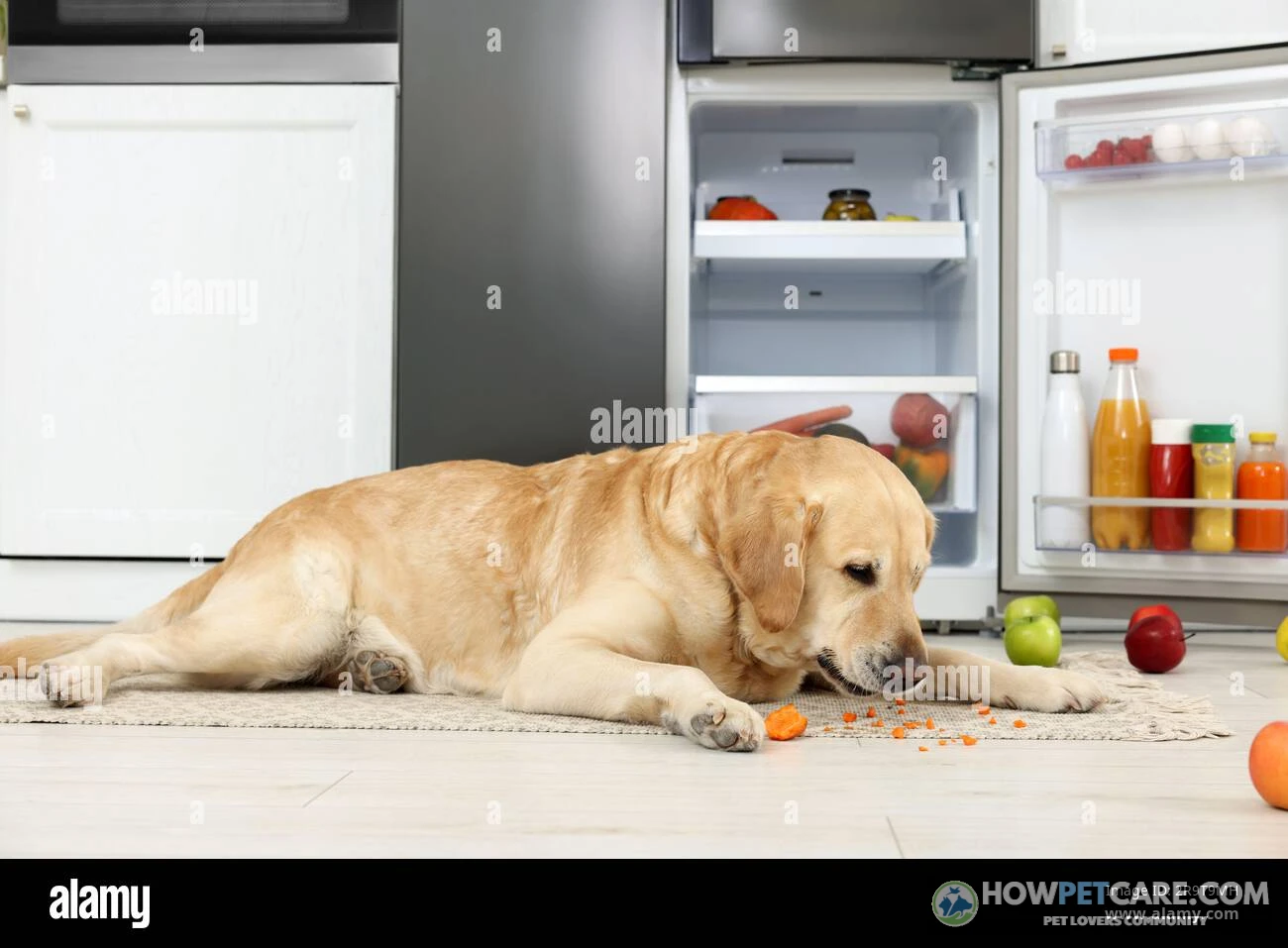

Yes, dogs can safely eat both raw and cooked carrots. Carrots are a low-calorie, nutrient-dense treat packed with fiber, potassium, and beta-carotene (vitamin A). To feed them safely, cut carrots into vertical matchsticks or bite-sized pieces to prevent choking, serve them completely unseasoned, and limit portions to under 10% of your dog’s daily calories.
Can dogs eat carrots? Dogs can safely eat carrots as a nutritious, low-calorie treat when prepared correctly and fed within strict daily portion limits. Both raw and cooked carrots provide dietary fiber, potassium, vitamin K, and beta-carotene, which canine metabolic pathways convert into active vitamin A. However, feeding carrots safely requires more than tossing a whole root vegetable to your dog. The shape of the cut, the dog’s chewing habits, and strict adherence to the 10% daily treat rule dictate whether a carrot serves as a healthy snack or becomes an emergency room hazard.
Can Dogs Safely Eat Carrots – Raw vs. Cooked Verdict
Veterinarians widely approve carrots for canine diets because they are non-toxic, low in fat, and naturally low in calories. A standard 100-gram serving of raw carrot delivers roughly 41 calories, while an average medium carrot (about 61 grams) contains only 25 to 30 calories. This profile makes carrots an ideal substitute for energy-dense commercial biscuits, especially for dogs requiring careful weight management.

Nutrient snapshot: fiber, beta-carotene, vitamin A, calories
Carrots deliver distinct physiological benefits through their nutrient composition:
- Beta-Carotene and Vitamin A: Beta-carotene acts as an antioxidant and the primary dietary precursor to vitamin A. Dogs convert beta-carotene into vitamin A in the intestinal mucosa. Vitamin A supports retinal health, cellular differentiation, immune competence, and coat condition. While carrots support everyday ocular function, they do not reverse established cataracts or repair inherited degenerative eye conditions.
- Dietary Fiber: Carrots contain both soluble and insoluble fiber. Soluble fiber draws water into the stool and fuels beneficial gut microbiota through fermentation into short-chain fatty acids. Insoluble fiber adds mechanical bulk, supporting normal peristalsis and regular bowel movements. Excessive raw fiber, however, accelerates transit time and can lead to osmotic loose stools if introduced too rapidly.
- Vitamins and Minerals: Carrots provide potassium, which assists nerve transmission and fluid balance, as well as vitamin K, essential for blood coagulation cascades.

When raw is best and when cooking adds value
Neither raw nor cooked carrots are universally superior; their benefits depend on your dog’s physiological needs:
- Raw Carrots: Raw pieces offer a satisfying crunch that provides mild mechanical abrasion against the canine tooth crown. While gnawing on dense raw root vegetables can rub away superficial soft plaque, it does not replace routine veterinary dental scalings or subgingival cleanings. The dense cellulose walls of raw carrots also resist canine digestive enzymes. If fed in solid chunks, raw carrots frequently pass through the gastrointestinal tract intact, emerging as bright orange fragments in the stool without releasing their full micronutrient payload.
- Cooked Carrots: Steaming or boiling breaks down rigid cellular walls, dramatically increasing the bioavailability of beta-carotene and antioxidants. Lightly cooked carrots are far gentler on sensitive gastrointestinal tracts and present a much lower choking risk for senior dogs or rapid eaters. The trade‑off is minor: heat processing slightly reduces water‑soluble vitamin C concentrations, though dogs synthesize their own vitamin C endogenously, making this loss nutritionally negligible.

Other low‑calorie vegetables, such as dogs can eat cucumbers, may also be suitable snack options for dogs.
Exact Portion Sizes: Grams, Calories, and Baby-Carrot Equivalents
Online feeding guides frequently contradict each other, with recommendations ranging from a single thin slice to six whole carrots daily. This discrepancy stems from ignoring dog body weight and the established veterinary standard: the 10% treat rule. Under this nutritional guideline, treats, chews, and fresh vegetable snacks must never exceed 10% of a dog’s total daily metabolizable energy (ME) requirement. The remaining 90% of daily calories must come from a complete and balanced, age‑appropriate commercial or veterinary‑formulated diet.
Because raw carrots contain approximately 41 kcal per 100 grams, feeding multiple whole carrots can quietly overwhelm a small dog’s daily caloric budget and displace vital minerals, essential amino acids, and fatty acids.
Portion chart (see Table 1)
The table below outlines daily maximum carrot allocations across five canine weight brackets. If you feed other treats, dental chews, or training rewards during the day, reduce the carrot portion proportionally to keep total supplemental calories under the 10% ceiling.
| Dog Weight Bracket | Daily Treat Calorie Budget (10% ME) | Max Daily Carrot Allowance | Baby Carrot Equivalent (10g each) | Whole Medium Carrot Equivalent (61g each) |
|---|---|---|---|---|
| Toy (Under 10 lbs) (e.g., Chihuahua, Yorkie) | 20–35 kcal | 15–25 grams (6–10 kcal) | ½ to 1 baby carrot | ¼ medium carrot |
| Small (10–25 lbs) (e.g., French Bulldog, Boston Terrier) | 35–75 kcal | 30–50 grams (12–20 kcal) | 1 to 2 baby carrots | ½ medium carrot |
| Medium (26–55 lbs) (e.g., Australian Shepherd, Beagle) | 75–130 kcal | 60–90 grams (25–37 kcal) | 2 to 3 baby carrots | 1 whole medium carrot |
| Large (56–90 lbs) (e.g., Golden Retriever, German Shepherd) | 130–190 kcal | 100–140 grams (41–57 kcal) | 3 to 4 baby carrots | 1½ to 2 medium carrots |
| Giant (91+ lbs) (e.g., Great Dane, Mastiff) | 190–260+ kcal | 150–200 grams (61–82 kcal) | 4 to 6 baby carrots | 2 to 3 medium carrots |

Note: Baseline calculated at 41 kcal per 100 grams of raw carrot. Carrots should comprise only a fraction of the full 10% daily treat budget if other treats are fed.
If you’re considering other vegetables like dogs have tomatoes, remember they contain compounds that need careful handling.
How to measure carrots at home
Estimating portions by eye often leads to overfeeding. A single "medium" carrot pulled from a garden or grocery bin can vary from 45 grams to over 90 grams. To establish an accurate routine:
- Use a standard digital kitchen scale set to grams.
- Weigh the raw trimmed carrot before cooking or slicing.
- Deduct the carrot’s calories from your dog’s daily treat allowance.

If you do not own a kitchen scale, use commercial pre‑cut baby carrots as a rough standard unit. A standard baby carrot weighs approximately 10 to 12 grams and provides roughly 4 to 5 kcal. Feeding three baby carrots to an 8‑pound toy dog accounts for nearly half of its entire daily discretionary treat allowance.
Prep & Cutting Matrix: Preventing Choking for Puppies, Small Dogs, and Gulpers
Choking is the most significant hazard associated with feeding carrots to dogs. The most dangerous way to prepare a carrot is slicing it into horizontal round coins.
Circular carrot discs match the diameter of the canine trachea. If a dog swallows a firm carrot disc without chewing, the smooth circular piece can drop into the airway, forming an airtight suction seal over the windpipe. Never serve round carrot coins to any dog.
Knife-cut guide with visual cues
Prepare carrots based on your dog’s specific eating mechanics and chewing style rather than visual habit:
- For "The Gulper" (Inhales treats without chewing):
- Risk: Solid pieces lodge in the pharynx or esophagus.
- Prep Method: Steam until fork‑tender and mash coarsely, OR grate raw carrots into 3 mm shreds over their standard kibble. If fed raw as a chew, offer a whole, large, unpeeled carrot that exceeds the dog’s mouth width while holding one end securely with your hand.
- For "The Teething Puppy" (Sore gums, prone to swallowing odd shapes):
- Risk: Hard raw chunks break off abruptly; choking or intestinal blockage.
- Prep Method: Soak whole large carrots in low‑sodium bone broth and freeze solid. The frozen texture numbs inflamed gums while natural thawing prevents splintering off hard, jagged wedges.
- For "The Methodical Chewer" (Takes time, grinds food with molars):
- Risk: Minimal airway obstruction, but large flat chunks pass undigested.
- Prep Method: Cut raw carrots lengthwise into quarters to form long matchsticks (¼‑inch wide × 2‑to‑3 inches long). This forces bilateral molar mastication and breaks down cellular walls.
- For "The Senior Dog" (Worn dentition, missing premolars, or jaw weakness):
- Risk: Tooth fracture on dense raw root vegetables.
- Prep Method: Boil or steam diced cubes (¼‑inch) until completely soft when pressed between your thumb and forefinger. Feed at room temperature.

Cooking methods that retain safety
How you cook carrots determines both their nutrient retention and physical safety profile. Always prepare them plain, without butter, cooking oils, salt, or seasoning.
| Preparation Type | Texture Profile | Digestibility & Nutrient Release | Airway Obstruction Hazard | Safe Feeding Protocol |
|---|---|---|---|---|
| Raw (Whole or Sticks) | Firm, crunchy, fibrous | Low cellular breakdown; beta‑carotene poorly absorbed; visible orange flecks in stool. | High if cut into round coins; Low if fed as lengthwise matchsticks or grated. | Grate over food or cut into long vertical batons. Excellent for mechanical tooth wiping (does not replace brushing). |
| Steamed or Boiled | Soft, yielding, tender | High; breaks down cellulose walls, significantly increasing beta‑carotene and antioxidant bioavailability. | Very Low; collapses under minimal tongue or dental pressure. | Steam for 8–10 minutes with plain water. Discard cooking water if monitoring dietary potassium. Serve unseasoned. |
| Frozen (Raw or Blanched) | Rock‑hard, crystalline | Medium; slows consumption rate, giving salivary enzymes time to soften fragments. | Moderate; dangerous if a small frozen chunk breaks off and is swallowed whole. | Use only full‑sized, thick carrots for supervised gnawing. Never freeze small baby carrots for gulpers. |
| Canned (Commercial) | Mushy, waterlogged | Pre‑digested texture; fiber structure heavily broken down. | Very Low | Avoid standard canned carrots. Commercial canning introduces sodium levels exceeding 200–350 mg per serving. Use only "no salt added" varieties packed in 100% water. |


Carrot Parts & Flavor Boosters: Skins, Greens, Baby Carrots, and Toppings
Dog owners often wonder which parts of the carrot plant are safe and whether they can pair carrots with tasty dips or table scraps.
Carrot skins, leafy greens, and baby carrots
- Carrot Skins: Carrot peels are non‑toxic, edible, and hold concentrated dietary fiber and phytonutrients. However, the rough outer epidermis traps soil residues, agricultural fertilizers, and pesticide traces. Always scrub whole unpeeled carrots thoroughly under cold running water with a vegetable brush before serving.
- Carrot Greens / Leafy Tops: The feathery green tops are safe for dogs in small quantities. They provide vitamin C, potassium, and phytonutrients. However, carrot tops carry a bitter flavor profile due to natural oxalates and furocoumarins. Limit greens to a finely minced pinch (under one teaspoon) mixed into meals. Avoid feeding carrot tops to dogs with a history of calcium oxalate urinary stones.
- Baby Carrots: Commercial baby carrots are simply mature field carrots mechanically carved into uniform, rounded two‑inch plugs. They share an identical nutritional profile with whole carrots. However, because their smooth, rounded shape makes them easy to inhale whole, always split baby carrots lengthwise into thin matchsticks before offering them to small dogs or hurried eaters.

Peas are another dog‑friendly legume that can be mixed into meals, see if dogs can eat peas for guidance.
Condiments, dips, and holiday table scraps
Carrots are naturally healthy, but human additions can quickly make them dangerous. Before sharing a dressed carrot or holiday scrap, run down this safety check:
- Peanut Butter Coating: Check the ingredient label for xylitol (also listed as birch bark extract or wood sugar). This sugar substitute causes acute hepatic necrosis and life‑threatening hypoglycemia in dogs. Even when using 100% pure roasted peanut butter, proceed with caution: a single tablespoon packs roughly 95 calories and 8 grams of fat. Adding peanut butter will exhaust a small‑to‑medium dog’s entire daily treat budget instantly.
- Ranch Dressing and Veggie Dips: Never feed. Commercial dressings contain concentrated garlic powder, onion powder, or chives. All members of the Allium botanical family cause oxidative damage to canine erythrocytes (red blood cells), resulting in Heinz body hemolytic anemia. Furthermore, the high dairy‑fat emulsion can trigger acute gastrointestinal inflammation or pancreatitis.
- Holiday Roasted Carrots (Brown Sugar, Honey, or Maple Glaze): Never feed. Glazed side dishes contain concentrated simple sugars that trigger rapid osmotic shifts within the canine colon, resulting in severe cramping, gas, and profuse diarrhea.
- Pan‑Dripping or Butter Glazes: Never feed. Carrots roasted alongside meat absorb heavy animal fats, high concentrations of table salt, and black pepper. High‑fat table scraps are a primary clinical trigger for acute canine pancreatitis, a painful and potentially fatal condition.
Special Health Situations: Diabetes, Overweight, and Therapeutic Diets
Calculating carb impact for diabetic pups
Carrots contain natural sugars (sucrose, glucose, and fructose), giving raw carrots a modest glycemic index of approximately 35. For a healthy dog, this carbohydrate level is harmless. For a diabetic dog receiving twice‑daily exogenous insulin, however, irregular carbohydrate spikes disrupt blood glucose stabilization.
If your dog has diabetes mellitus, keep carrot treats strictly under 10 grams per day, serve them only raw or lightly steamed to preserve fiber structure, and always feed them alongside the primary scheduled meal rather than as an isolated midday snack. Never introduce carrots without first reviewing your dog’s serial blood glucose curves with your veterinarian.
Weight management and therapeutic kibble plans
For overweight or obese dogs, carrots provide a clinically useful tool for calorie restriction. Substituting high‑fat commercial biscuits with raw carrot matchsticks preserves the behavioral reward routine while cutting treat‑based calories by up to 80%. The bulk fiber also promotes postprandial satiety, helping hungry dogs feel full between meals.
For a higher‑carb alternative, many owners wonder if dogs can eat sweet potatoes are appropriate for weight‑controlled diets.
If your dog eats a therapeutic diet for specific medical issues, observe these safety boundaries:
- Chronic Kidney Disease (CKD): Renal diets strictly limit dietary phosphorus and potassium. Because raw carrots contain roughly 320 mg of potassium per 100 grams, consult your veterinarian before feeding them. Boiled carrots are safer, as boiling leaches a significant portion of free potassium into the discarded cooking water.
- Calcium Oxalate Bladder Stones: Dogs with a history of calcium oxalate urolithiasis must avoid carrot greens entirely due to their oxalate content, though moderate portions of the orange root flesh remain acceptable.
- Acute or Chronic Pancreatitis: Plain raw or steamed carrots are practically fat‑free (less than 0.2 grams of fat per 100 grams), making them one of the few completely safe rewards for dogs with pancreatitis, provided they are served without butter or oils.
When Things Go Wrong: Recognizing & Responding to Digestive Upset or Choking
Most adverse reactions to carrots involve either mechanical choking in the upper airway or mild gastrointestinal irritation from excess dietary fiber. Knowing how to identify and handle these situations protects your dog’s health.
Step-by-step choking rescue
A dog with a carrot lodged in its upper airway will show clear signs of distress: violent coughing, productive gagging, exaggerated neck extension, pawing frantically at the mouth, or silent respiratory panic with blue or pale gums.

-
Assess Airway and Consciousness
If the dog is actively coughing forcefully, stay calm and encourage them to cough the fragment out naturally. Do not shove your fingers blindly down the throat, as this can push the carrot wedge deeper into the larynx.
-
Inspect the Oral Cavity
If the dog cannot breathe, opens its mouth in distress, or loses consciousness, pull the tongue forward and shine a light into the pharynx. If a carrot chunk is clearly visible, perform a careful finger sweep from the side of the cheek inward to hook and dislodge the obstruction.
-
Administer the Canine Heimlich Maneuver
For a small dog, hold their spine against your chest with their head downward, place a fist just below the ribcage in the soft abdomen, and deliver 4 to 5 rapid, upward abdominal thrusts. For a medium or large standing dog, place your arms around their abdomen just behind the ribcage, form an upward fist, and pull firmly up and forward toward the chest.
-
Transport to Emergency Care
Even if you successfully dislodge the carrot, transport the dog to an emergency veterinary clinic immediately to evaluate for tracheal trauma, soft tissue swelling, or secondary aspiration pneumonia.
When to call the vet for digestive issues
If your dog eats too many carrots, you may notice changes in their digestion. It helps to differentiate harmless symptoms from true medical emergencies:
- Harmless Passage (Monitor at Home): Finding bright orange flecks, granules, or small chunks in an otherwise firm, normal stool simply means your dog did not chew the raw carrot thoroughly. Canine digestive tracts lack the specialized cellulase enzymes needed to break down raw vegetable walls. If your dog shows normal energy, an eager appetite, and comfortable posture, simply cut the carrot into finer shreds next time.
- Mild Gastrointestinal Upset: Soft stool, mild flatulence, or an isolated bout of loose stool indicates that the influx of dietary fiber overwhelmed the colon’s water absorption capacity. Withhold carrots for 48 hours, ensure fresh water is available, and verify that stools return to a normal consistency.
- Intestinal Obstruction (Seek Immediate Care): If a small dog swallows a large, solid chunk of raw carrot, that piece can pass through the stomach and lodge tightly in the narrow duodenal or ileal lumen. Contact an emergency veterinarian immediately if your dog displays repetitive non‑productive vomiting, persistent refusal to eat, painful abdominal guarding, restlessness, or a complete absence of bowel movements for more than 24 hours. A complete mechanical obstruction requires rapid diagnostic imaging and surgical or endoscopic intervention.
Your Daily Carrot Routine: Quick-Start Checklist
To integrate carrots safely into your dog’s regular routine without causing digestive upset or weight gain, follow these steps:
- Check Your Dog’s Weight: Determine your dog’s current, healthy target weight.
- Set the Treat Allowance: Review the portion chart to find your dog’s maximum daily limit in grams and baby carrot equivalents.
- Select the Texture: Choose raw matchsticks for chewing engagement, or steam plain diced carrots to maximize beta‑carotene bioavailability and ease digestion.
- Cut for Safety: Never cut round circular coin slices. Cut the carrot into thin vertical matchsticks, grate it into 3 mm shreds, or cook and mash it thoroughly.
- Introduce Gradually: Start with a quarter of the calculated daily maximum over the first three days to let your dog’s gut microflora adjust smoothly to the extra fiber.
- Serve 100% Plain: Ensure the carrot contains no butter, cooking oil, salt, garlic, onion, or seasonings.
- Supervise the Snack: Always observe your dog while they chew to verify they bite the carrot down into manageable pieces rather than attempting to swallow long sticks whole.
FAQ
Do carrots improve a dog’s eyesight?
Carrots supply beta-carotene, a precursor to vitamin A that maintains normal retinal function and ocular health. However, feeding extra carrots will not restore vision loss or cure degenerative eye diseases such as cataracts.
Why do different pet sites recommend anywhere from a quarter carrot to six whole carrots per day?
Conflicting advice happens when sources ignore body weight and the 10% daily treat rule. A safe portion depends entirely on caloric needs, ranging from a fraction of a baby carrot for toy breeds to two or three medium carrots for giant breeds.
Can I give my dog canned carrots from a grocery store?
Standard canned carrots are safe only if they contain no added salt or seasonings, as typical canning liquids are high in sodium. Always choose "no salt added" varieties packed in plain water and rinse them before serving.
Why are there orange chunks in my dog’s stool after eating carrots?
Canine digestive tracts lack cellulase enzymes to break down tough plant cell walls, so unchewed raw carrot pieces pass through undigested. To improve nutrient absorption, lightly steam or finely grate carrots before feeding.