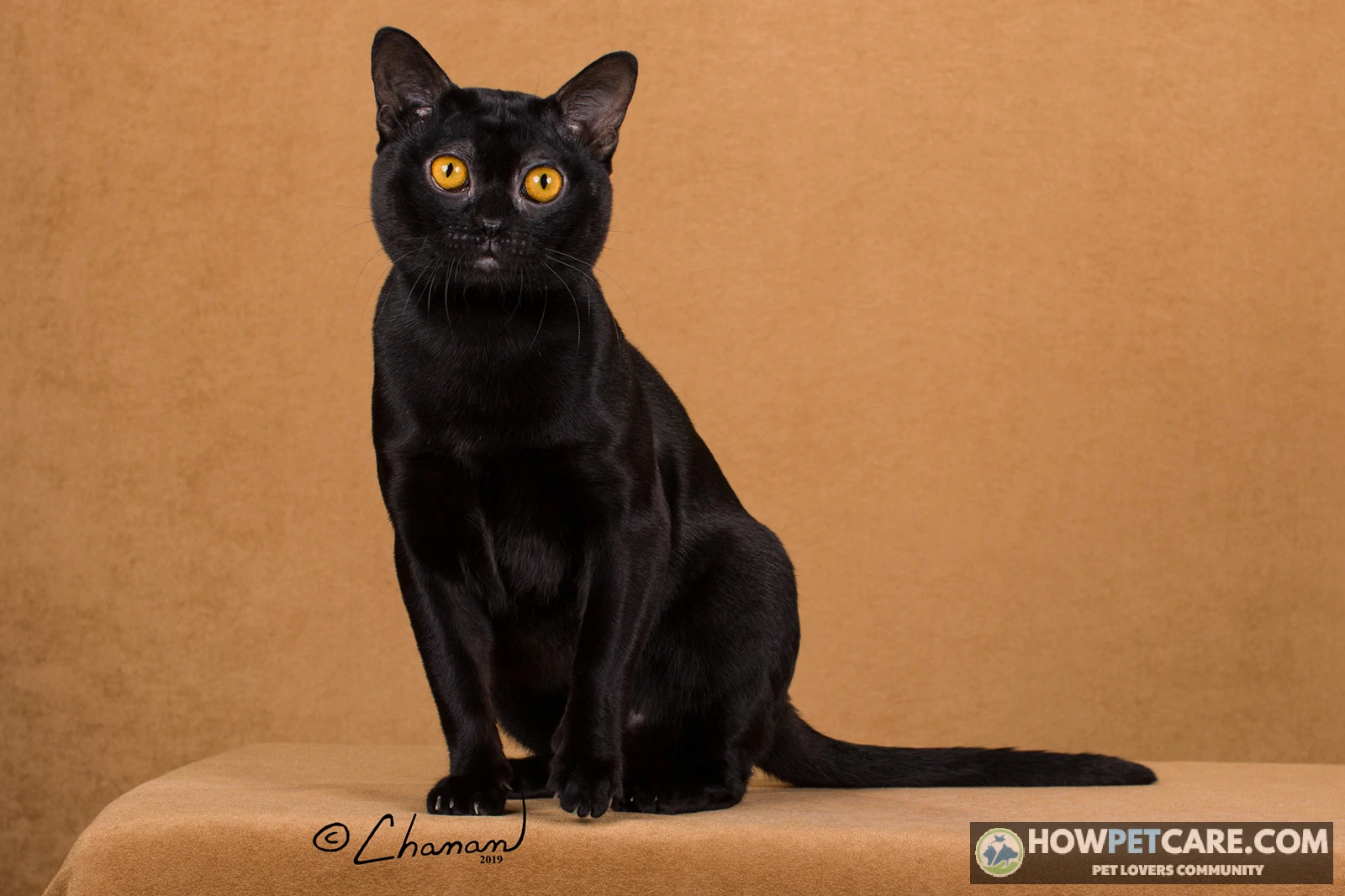

A Bombay cat typically lives 12–16 years, and indoor-only cats with good preventive care often reach 18–20. No peer-reviewed, breed-specific study sets an official median, so published estimates range from 9 to 18 years. Genetics, weight management, dental care, and an indoor lifestyle have the biggest influence on how long an individual Bombay lives.
Online estimates of how long a Bombay cat will live can be confusing. You’ll often see ranges of 9–15, 12–16, or 12–18 years. A practical planning estimate for the breed is 12–16 years, with indoor-only, well-cared-for Bombays frequently reaching 18–20 years [#2, #3]. No peer-reviewed, breed-specific study has established a median lifespan for the Bombay cat. These figures are informed estimates based on the breed’s Burmese ancestry and general feline longevity data.
Bombay cat lifespan: a realistic range, not a settled average
Published estimates for the Bombay vary because sources often rely on different anecdotal observations rather than standardized longitudinal studies. There is currently no peer-reviewed data establishing a precise "average" lifespan for the breed. Bombays are relatively uncommon compared with domestic shorthairs, and many large-scale veterinary population studies exclude them.
Why published estimates range from 9 to 18 years
The three main ranges cited in pet care literature offer different ways to think about a Bombay’s potential lifespan.
| Source or evidence type | Reported figure | Population and measure | Limitations |
|---|---|---|---|
| Conservative editorial | 9–15 years | Broad estimate | Lacks underlying data; assumes potential for early-onset health issues |
| Practical planning estimate | 12–16 years | Middle-band expectation | Reflects standard companion cat lifespan; no breed-specific median study |
| Longevity-focused | 12–18 years | Optimized conditions | Reflects high-quality indoor care; not a baseline average |
What the available evidence does—and does not—say
There’s no single, scientifically verified lifespan for a Bombay. Genetics, environment, and preventive veterinary care all play a part. The "12–16 year" window is a reasonable range for long-term planning, but individual health outcomes vary considerably.

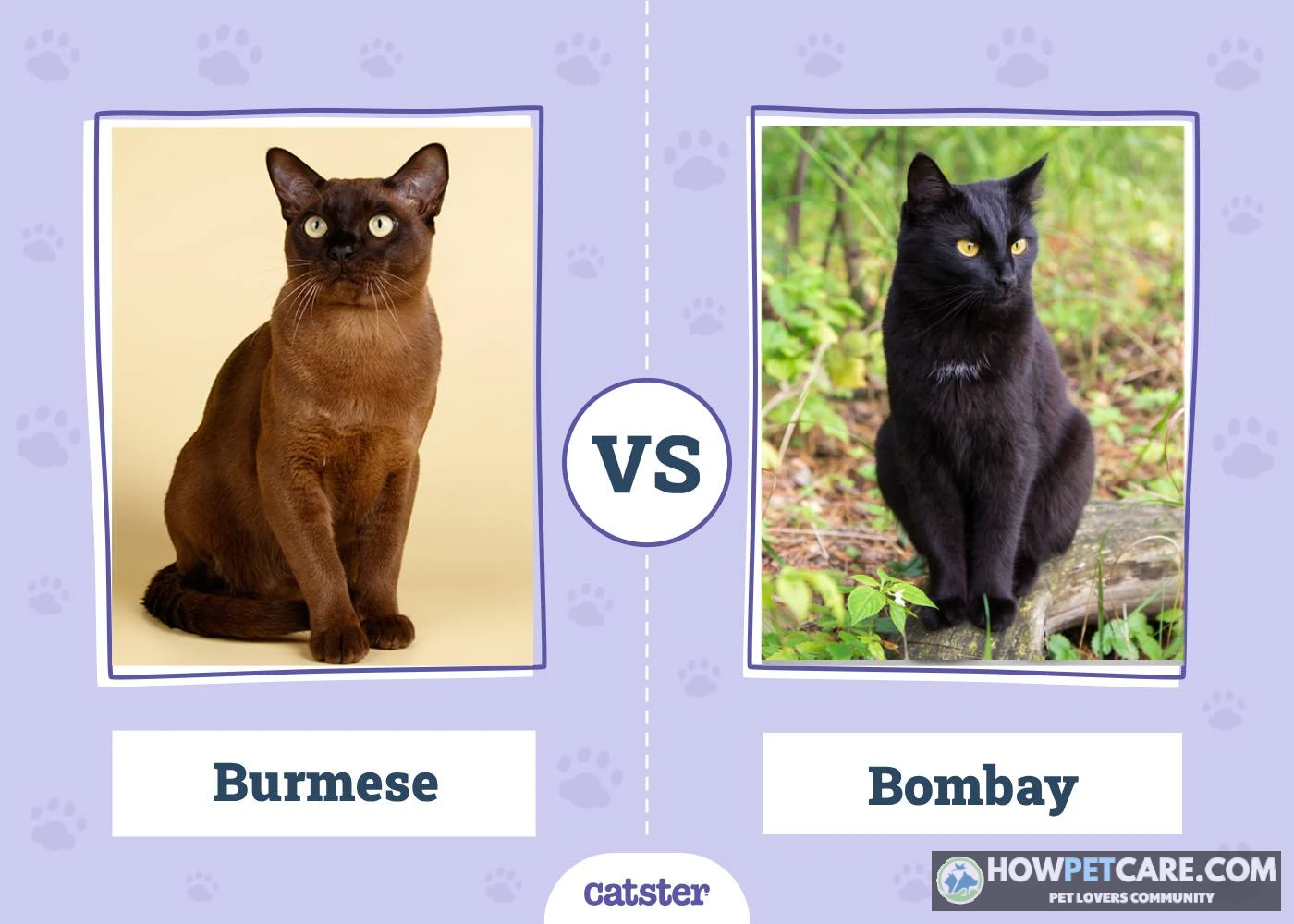
The Bombay was developed by crossing the sable Burmese with the American Shorthair, so its genetic health profile is linked to those lineages. Sources that claim a specific lifespan often extrapolate from Burmese or general cat life-table data. Give more weight to your individual cat’s health status, monitored through vet visits, than to breed-average projections.
Bombay cat health problems that can affect life expectancy
The Bombay is a sturdy breed, but its pedigree carries inherited risks worth monitoring. Knowing about these conditions can help you plan your cat’s care.
HCM and inherited health conditions
Hypertrophic cardiomyopathy (HCM) is the most significant cardiac concern in the Bombay breed. It causes the heart muscle to thicken and can eventually lead to heart failure if left unmanaged. HCM can be "silent": a cat may appear healthy until a sudden cardiac event. Veterinary cardiologists therefore recommend periodic auscultation (listening for murmurs) and, where indicated, echocardiogram screenings.
Because of their Burmese ancestry, Bombays may also carry the potential for Burmese hypokalemic polymyopathy (a result of a WNK4 mutation) and the Burmese craniofacial defect (related to the ALX1 gene). Not all Bombays carry these, but responsible breeders use DNA testing to screen for the markers. If you’re working with a breeder, ask for documentation of the test results.

Weight, dental health, and preventable risks
Obesity is a major but manageable factor in feline longevity. Excess weight contributes to diabetes, arthritis, and general systemic stress, which can shorten the lifespan of any cat, including the Bombay. Dental disease is also easy to overlook. It can lead to systemic infections that affect heart and kidney function. Regular oral hygiene, including professional cleanings and home brushing, is an important part of geriatric care.
 You might be wonderingCat breed nebelungNebelung Cat Breed Guide: Price, Temperament & CareRead the answer
Indoor versus outdoor life: the lifespan difference we can quantify
Keeping your Bombay strictly indoors is one of the most effective ways to influence their life expectancy. No study quantifies the "years gained" solely for Bombays, but general feline data shows a stark difference.
What general-cat data can tell us
Cats that live strictly indoors have an expected lifespan ranging from 12 to 18+ years, whereas outdoor or free-roaming cats often have an average lifespan of only 2 to 5 years. Outdoor hazards include traffic, predators, infectious diseases (such as FeLV or FIV), and accidental ingestion of toxins.
Keeping a cat indoors is safer, but it isn’t a "set and forget" solution. An indoor-only cat can still become sedentary and obese without exercise, mental stimulation, and a healthy diet. Pair a protected indoor life with high-quality feline nutrition, daily interactive play, and careful weight management to support longevity.
Safer enrichment for indoor cats
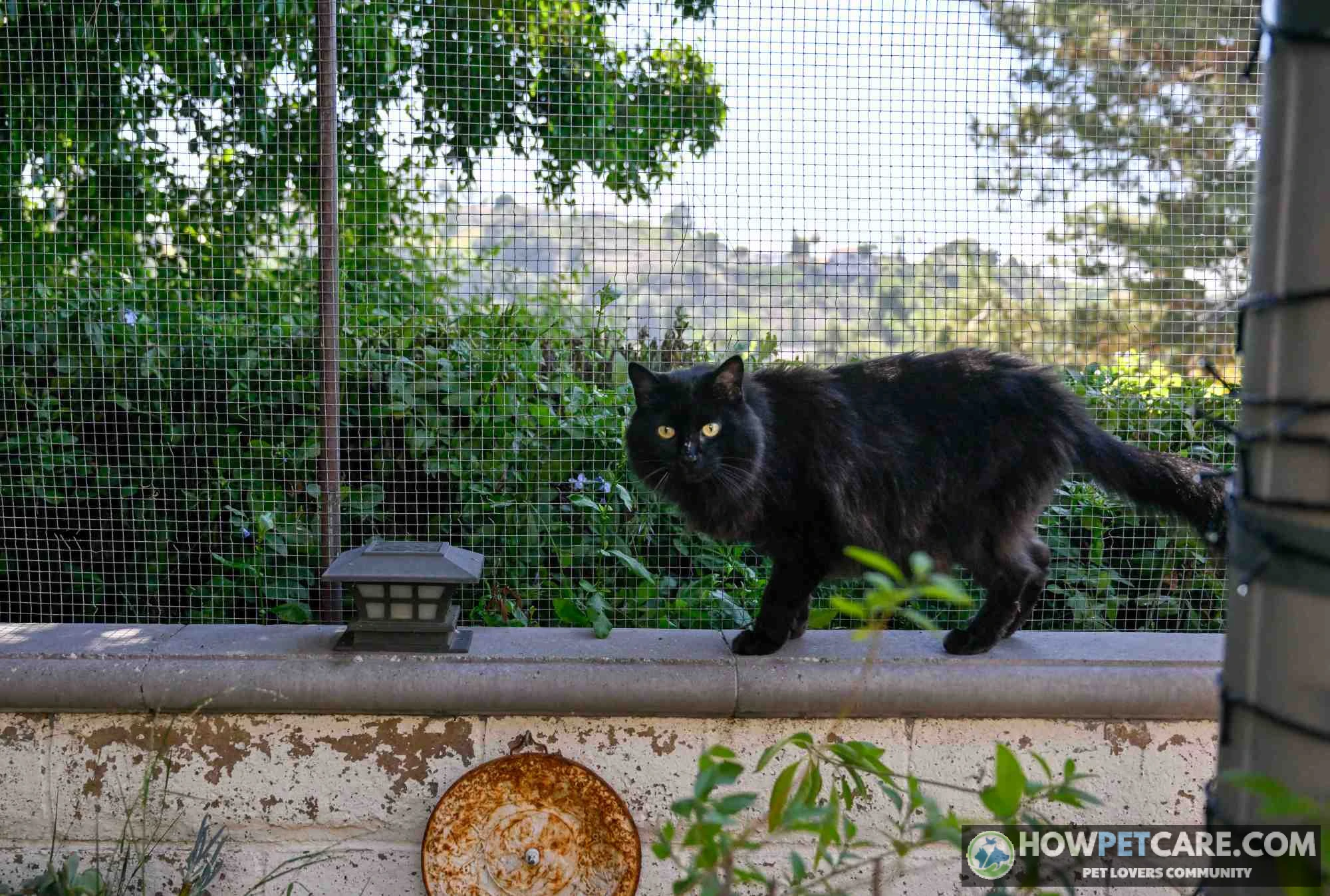
For some of the benefits of the outdoors without the risks, consider building a secure catio (a screened outdoor enclosure) or training your cat to walk on a harness. Both give your cat opportunities for sensory exploration while keeping them under your direct protection.
Bombay lifespan compared with other breeds—and the limits of the data
Comparisons with more common breeds need statistical context. The table below shows published median lifespans from recent large-scale UK data. The figures apply to the breed populations listed and do not include the Bombay, which has historically been under-represented in such studies.
How to read breed life tables without overclaiming
| Breed or group | Reported median lifespan | Study population and period | Does the data include Bombays? |
|---|---|---|---|
| Burmese | 14.42 years | UK primary vet data (2019–2021) | No — though this is the Bombay’s direct ancestor |
| Siamese | 11.7 years | UK primary vet data (2019–2021) | No |
| Persian | 12.2 years | UK primary vet data (2019–2021) | No |
| Mixed-breed | 11.89 years | UK primary vet data (2019–2021) | No |
| Bombay | Not reported | Absent from the dataset | No |
Do sex or American and British Bombay varieties change lifespan?
Owners may wonder whether male or female Bombays, or American or British varieties, live longer. Currently, there’s no scientific evidence of a statistically significant difference in longevity based on these factors.
Lifespan differences are rarely driven by sex or the specific "variety" (American vs. British). Instead, they depend on the individual cat’s genetic load, the quality of their upbringing, and the veterinary care their owner provides. Spaying and neutering are recommended as standard practice because they eliminate the risks of reproductive cancers and behavioral stresses associated with mating instincts.
A life-stage care timeline for a longer, healthier Bombay life
| Life stage | Approximate age | Care priorities | Longevity relevance |
|---|---|---|---|
| Kitten | 0–1 year | Vaccinations, spay/neuter, microchipping, establishing diet | Baseline health and weight management |
| Young adult | 1–3 years | Annual wellness exams, dental checks, activity tracking | Preventing weight creep before it starts |
| Adult | 3–7 years | Annual bloodwork, dental cleanings, metabolic monitoring | Identifying slow-developing issues early |
| Senior | 7–12 years | Bi-annual exams, BP checks, senior blood panels | Managing age-related conditions like CKD |
| Geriatric | 12+ years | Frequent vet contact, mobility monitoring, sensory checks | Quality-of-life adjustments and support |
Senior years: around age 7 and beyond
A Bombay is typically considered "senior" at approximately 7 or 8 years of age. At this stage, care should shift from active prevention toward active monitoring. That includes more frequent checkups—ideally every six months—and baseline bloodwork to check that kidney and thyroid function remain within normal parameters.
For context in human terms, a widely used conversion counts a cat’s first year as roughly fifteen human years, the second as about nine more, and approximately four human years for every year after that. On that scale, a seven-year-old Bombay is in its mid-forties, and a sixteen-year-old Bombay is in its eighties.
Practical longevity checklist: screenings, costs, and next steps
Planning for a long life involves logistics as well as biology. Use this checklist to help organize your Bombay’s care.
Questions to ask your veterinarian or breeder
- Veterinarian: "Does my cat show any signs of a heart murmur that require an echocardiogram?" (Budget: $300–$600+ for standard diagnostics).
- Veterinarian: "Can we establish a baseline senior blood panel and blood pressure reading this year?" (Budget: $150–$350).
- Breeder: "Do you have documentation of parent testing for WNK4 (hypokalemia) and ALX1 (craniofacial defect)?"
Pet insurance premiums for a young Bombay are significantly lower than for a senior. If you plan to use high-end diagnostics such as echocardiograms or specialty treatments later in life, enrolling while your cat is a kitten can prevent pre-existing condition exclusions and help manage lifetime costs.
-
Step 1: Establish a Veterinary Baseline
Schedule an initial wellness exam to record your Bombay’s weight and cardiac health status. This establishes what’s ‘normal’ for future comparisons.
-
Step 2: Control Weight Early
Use a digital scale to weigh your cat every month. Even a 0.5-pound gain can be significant for a medium-sized breed.
-
Step 3: Commit to Dental Hygiene
Make tooth brushing or vet-approved dental treats part of your weekly routine to help avoid advanced periodontal disease.
-
Step 4: Transition to Senior Screening
At age 7, move to twice-yearly exams to detect thyroid and kidney changes before they cause symptoms.
 You might be wonderingSmartest cat breedSmartest Cat Breeds Ranked: 15 Breeds Scored + Lifestyle MatchRead the answer
FAQ
How old is a Bombay cat in human years?
A common estimate is that a cat’s first two years equal about 24 human years, with each additional cat year adding roughly four human years. These are approximate comparisons, not a precise measure of health or development.
Do Bombay mixes live longer or shorter than purebred Bombays?
There is no reliable Bombay-specific evidence establishing that mixes live longer or shorter. A mixed ancestry may change an individual cat’s inherited risks, but health history, environment, and veterinary care matter more than the label alone.
Does how often a Bombay sees the vet measurably change its lifespan?
No study establishes a specific number of years gained for Bombays from a particular visit schedule. Regular preventive visits can identify disease and support timely treatment; a veterinarian can recommend frequency based on age and health.
Should I get pet insurance for a Bombay cat?
Insurance may help manage unexpected illness or injury costs, but value depends on premiums, exclusions, deductibles, and your ability to self-fund care. Compare current quotes and check how pre-existing conditions and hereditary conditions are covered before enrolling.