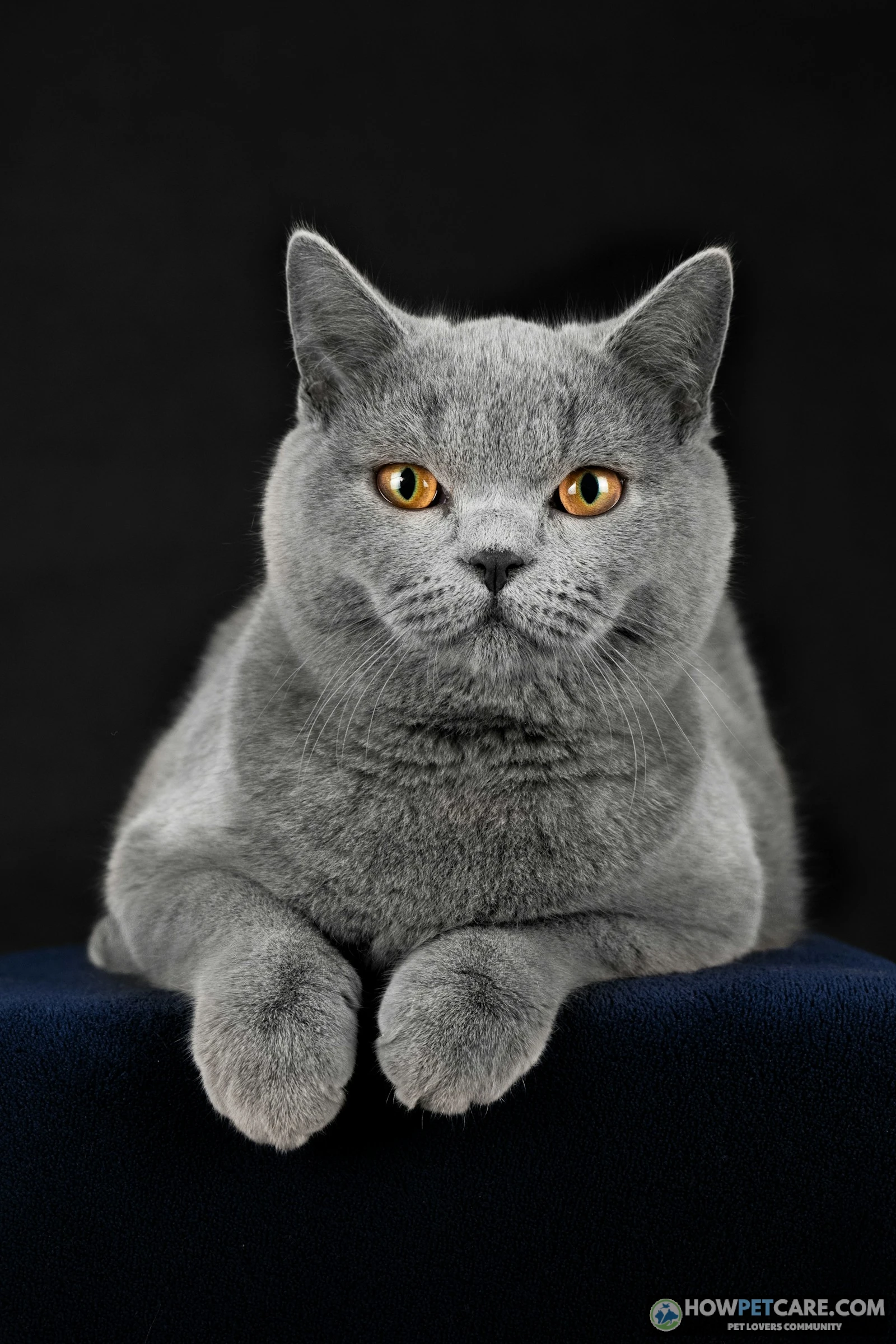

The Nebelung is a rare, semi-longhaired pedigree cat developed in the United States and recognized by TICA as a separate breed since 1997. It has a silver-tipped blue coat, green adult eyes, and a loyal but reserved temperament. Expect an illustrative kitten budget of $600–$1,200 or more, plus likely waiting lists.
The Nebelung cat breed is a rare, semi-longhaired pedigree cat developed in the United States. It has a silvery blue coat, green adult eyes, and a reputation for bonding closely with familiar people. A calm home, including an apartment, can suit this breed. Because Nebelungs are rare, prospective owners should prepare for a wait, investigate health records, and budget beyond the purchase price.
Nebelung Cat Breed at a Glance: Quick Facts and Who It Suits
The International Cat Association, or TICA, recognizes the Nebelung as a separate breed, not simply a Russian Blue with long hair. TICA granted the breed championship status in 1997. Each cat is different, but a patient household that offers routine, play, and a quiet retreat is a sensible starting point.
Nebelung quick facts
| Attribute | Typical value or note | Source or confidence |
|---|---|---|
| Size and build | Medium-sized, long and muscular | General breed description; individuals vary |
| Weight | Approximately 8–16 pounds | GCCF breed profile; varies by individual |
| Lifespan | Often reported as 11–16 years; some estimates are higher | Breed profiles differ; long-term data are limited |
| Coat | Semi-long, blue-gray with silver tipping | Breed description |
| Eyes | Green in adults | Breed description; kitten eye color changes as they mature |
| Shedding | Sheds; expect more loose hair during seasonal coat changes | Practical expectation; varies by cat |
| Grooming | Comb weekly as a starting point; increase during shedding or if tangles form | Care guideline, not a fixed breed requirement |
| Hypoallergenic? | No; all cats produce allergens, including Fel d 1 | Individual allergy responses vary |
| Alone time | An enriched adult may manage a standard workday; assess the individual | Practical planning guidance, not a tested breed limit |
| Kitten price | Budget roughly $600–$1,200 or more | Illustrative planning range, not a verified market average; obtain current quotes |
| Registry | Recognized by TICA as a breed | Championship status granted in 1997 |
How big do Nebelung cats get, and how long do they live?
GCCF describes a weight range of about 8–16 pounds, though sex, frame, age, and body condition matter more than a number alone. Lifespan reports vary: some breed profiles give 11–16 years, while others suggest 15–18 years. Treat either range as an estimate, not a promise for an individual cat.
Is a Nebelung right for you? A short verdict
A Nebelung may be a good match if you want a companion that’s affectionate at home but reserved with visitors, and you can maintain a predictable routine. It’s a less obvious match for a constantly noisy home, frequent travel, or someone who expects every cat to greet strangers enthusiastically.
No cat is allergen-free. Nebelungs produce Fel d 1, a major cat allergen, and their coat is no guarantee of allergy safety.
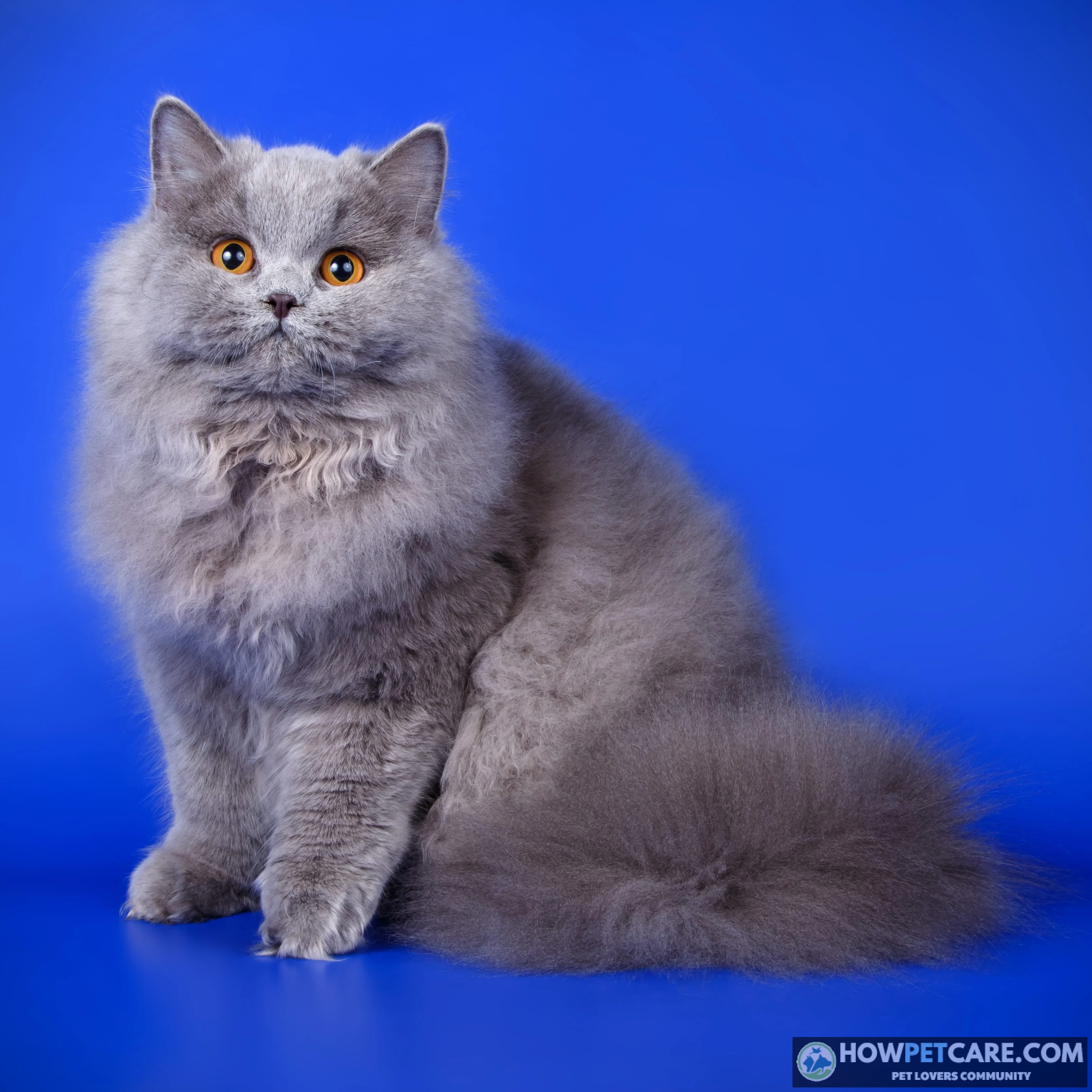
Where the Nebelung Came From: Cora Cobb’s Breeding Program vs. the 1889 Harrison Weir Story
Which origin story holds up?
Cora Cobb developed the modern Nebelung breed in the United States using two foundation cats: Siegfried, born in 1984, and Brunhilde, born in 1985. The name draws on the German word Nebel, meaning mist, and the epic Nibelungenlied.
Dr. Solveig Pflueger helped Cobb develop the breed standard. The foundation cats came from domestic-cat parentage; Russian Blue cats were later associated with the breed’s development. A resemblance or reported ancestral connection doesn’t, however, make every blue longhaired cat a Nebelung.
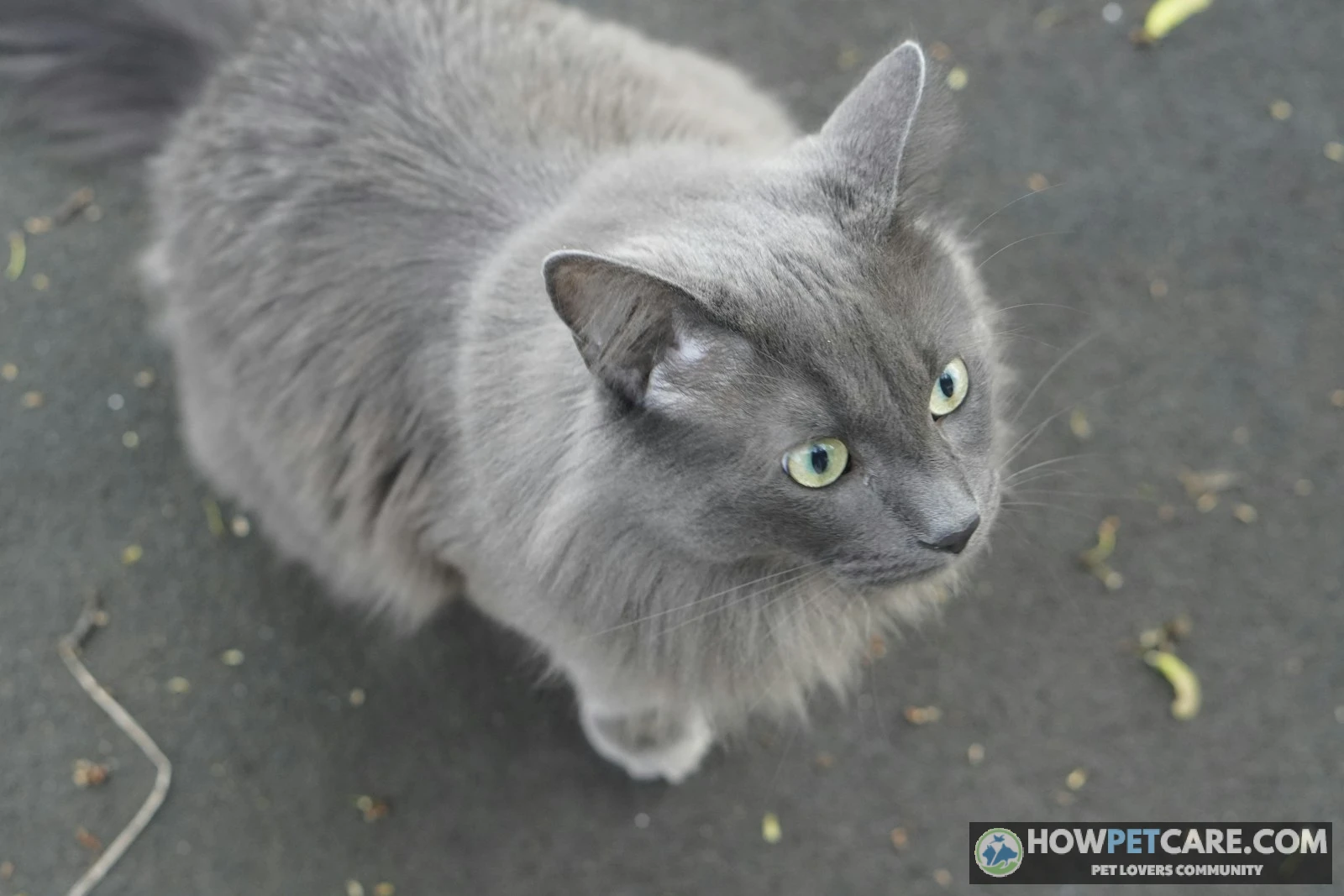
Some accounts point to an 1889 illustration by Harrison Weir as evidence of an earlier Nebelung. An illustration or description of a similar-looking blue longhaired cat is a historical curiosity, not evidence of an unbroken pedigree connecting it to Cobb’s modern breeding program. The stories can describe an earlier look and a later breed without proving they share a lineage.
Which registries recognize the Nebelung: TICA, CFA, and FIFe?
TICA accepted the Nebelung for new-breed status in 1987 and granted championship status in May 1997. The UK’s Governing Council of the Cat Fancy, or GCCF, classifies the Nebelung in its Russian breed section. That classification reflects its relationship to the Russian Blue, not a universal rule that the two are the same breed.
Recognition and show eligibility depend on the registry. The Cat Fanciers’ Association, or CFA, does not list the Nebelung among its recognized breeds; check FIFe’s rules and breed lists directly before assuming a particular registration or show status. Registry lists and categories can change, and registration, recognition, and championship eligibility aren’t interchangeable terms.
For a buyer, the distinction affects which papers a kitten can receive and which shows it may enter. Before paying a deposit, ask the breeder to identify the registry and explain the status of the kitten’s paperwork.
Nebelung Cat Temperament and Personality: Kids, Other Pets, Apartments, and Alone Time
Personality: loyal, quiet, and slow to warm up
Nebelungs are commonly described as affectionate with trusted people and cautious with newcomers. A cat may watch visitors from a perch or retreat until the room is quiet. That tendency can make the Nebelung seem like a shy cat breed, but it doesn’t predict how every kitten or adult will behave.
Give a new cat time to approach on its own instead of pulling it out of hiding. A sudden change in appetite, persistent hiding, or excessive grooming can signal stress or illness. Contact a veterinarian rather than assuming the behavior is just the cat’s temperament.
Is a Nebelung a good family pet? Children and other pets
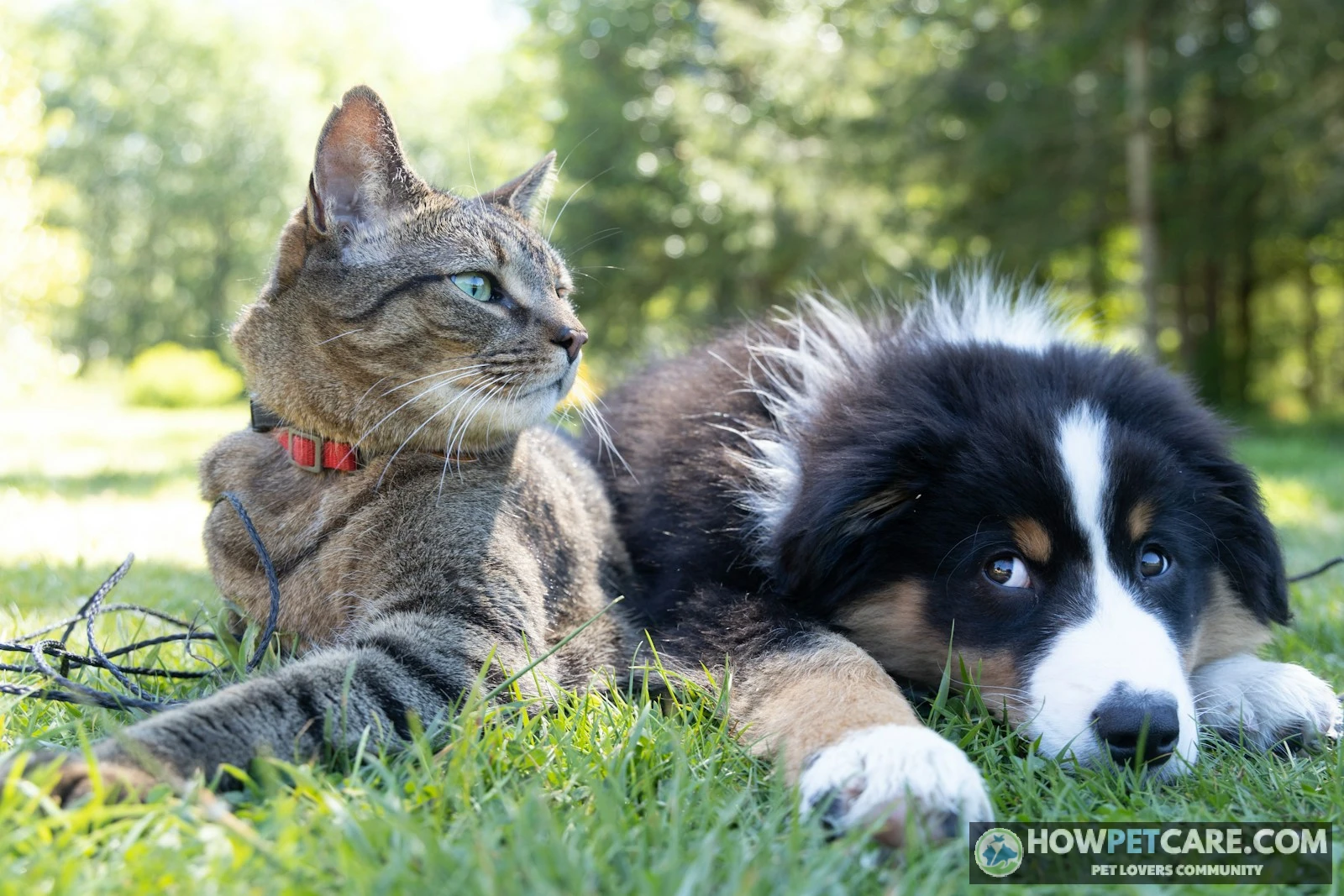
Yes, potentially. Some sources recommend Nebelungs for families, while others caution against young children. The difference comes down to the household, not a universal age cutoff. A gentle school-age child who recognizes when a cat wants space may be a good companion. A toddler who grabs, chases, or makes sudden noise needs close adult supervision and may overwhelm a sensitive cat.
Teach children to let the cat leave and avoid disturbing it while it eats or sleeps. Keep a retreat accessible to the cat but off-limits to children. Introduce other pets gradually, too: use separate spaces and controlled scent exchanges before direct meetings with a resident cat or cat-friendly dog. Compatibility depends on both animals, not the breed label alone.
How many hours can a Nebelung be left alone?
There’s no evidence-based number of hours that fits every Nebelung. An adult accustomed to a stable routine may manage a standard workday if its needs for food, water, litter, play, and companionship are met. A kitten, a newly adopted cat, or a cat showing distress needs closer attention.
Descriptions of Nebelungs as both independent and people-oriented aren’t necessarily contradictory. A cat can rest comfortably during the day and still need meaningful interaction when its people return. Repeated absences of 10 hours or more are a poor starting assumption for a social, routine-sensitive cat. If that’s your normal schedule, arrange a sitter or reconsider the match.
A second cat isn’t an automatic cure for loneliness. Consider both personalities, the introduction process, and the cost of caring for two animals.
Living in an apartment as an indoor cat
A well-arranged apartment can work. Provide a sturdy climbing tree or window perch, scratching surfaces, daily interactive play, and a quiet hiding place. Vertical space lets a cautious cat observe activity without being in the middle of it.
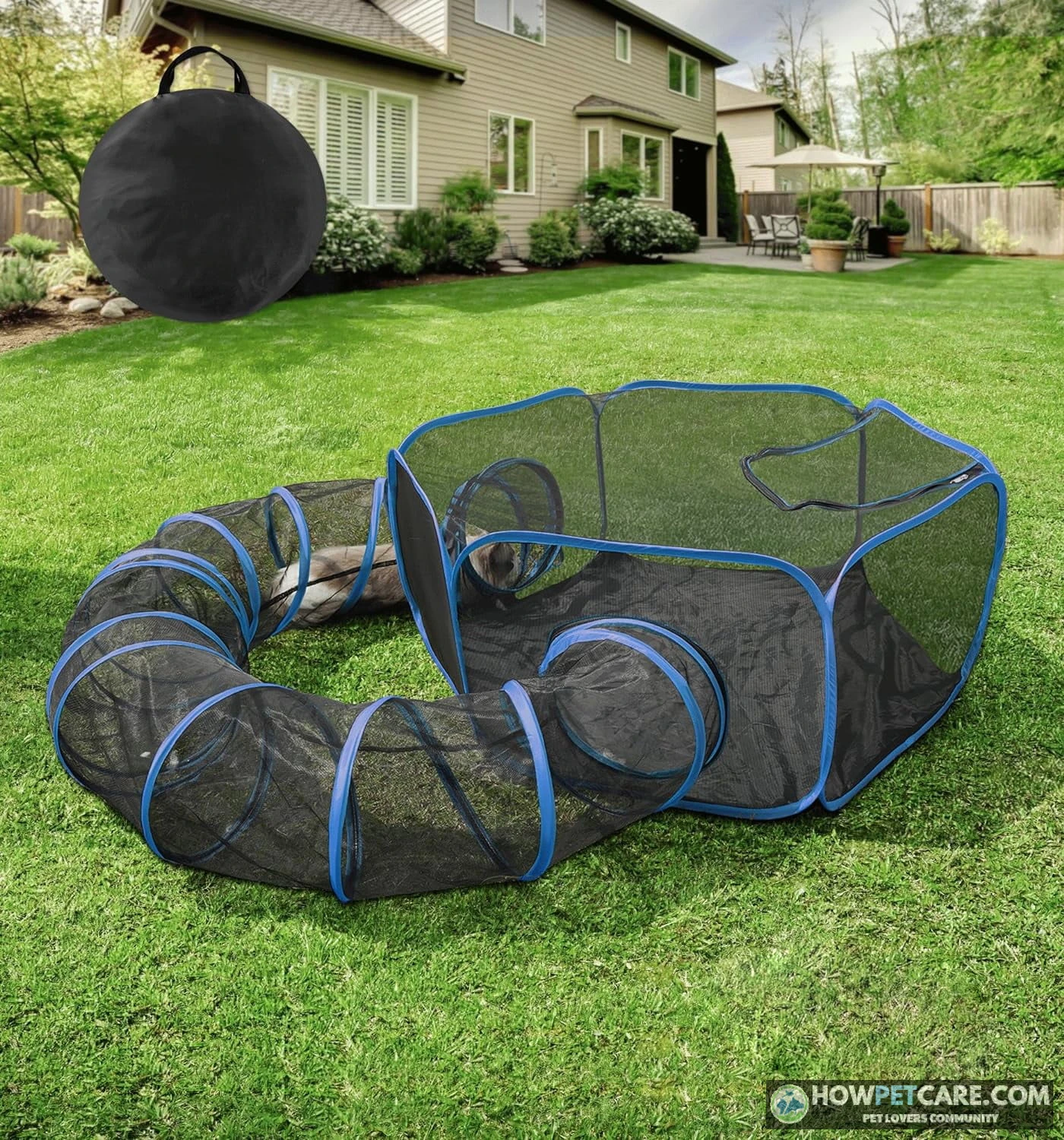
An indoor home also avoids many outdoor hazards. For fresh air, consider a secure catio or supervised harness outings if the individual cat accepts them. Don’t force an anxious cat outside.
Nebelung vs. Russian Blue: Separate Breed or Long-Haired Variant?
The verdict: TICA recognizes the Nebelung as its own breed. The phrase “long-haired Russian Blue” can be a useful visual shortcut, but it doesn’t replace a registry’s breed classification or a documented pedigree. TICA’s championship recognition of the Nebelung dates to 1997.
Nebelung vs. Russian Blue side by side
| Feature | Nebelung | Russian Blue |
|---|---|---|
| Coat | Semi-long double coat; often a plumed tail | Short, dense double coat |
| Color and sheen | Blue-gray with silver tipping | Blue with a silvery appearance |
| Adult eyes | Green | Green |
| Build | Medium, long and muscular | Slender, fine-boned and muscular |
| Temperament | Often described as bonded to familiar people and reserved with strangers | Often described as quiet and reserved; individuals vary |
| Grooming | Weekly combing baseline; more when shedding or tangling | Shorter coat generally needs less frequent brushing |
| Registry status | Separate breed under TICA; also classified by GCCF in its Russian section | Separate, widely recognized breed |
| Price | Illustrative pet-kitten budget: $600–$1,200 or more; request quotes | Prices vary by breeder and region; request quotes rather than assuming parity |
| Availability | Rare; a waiting list may be necessary | More established, though responsible breeders may also have waits |
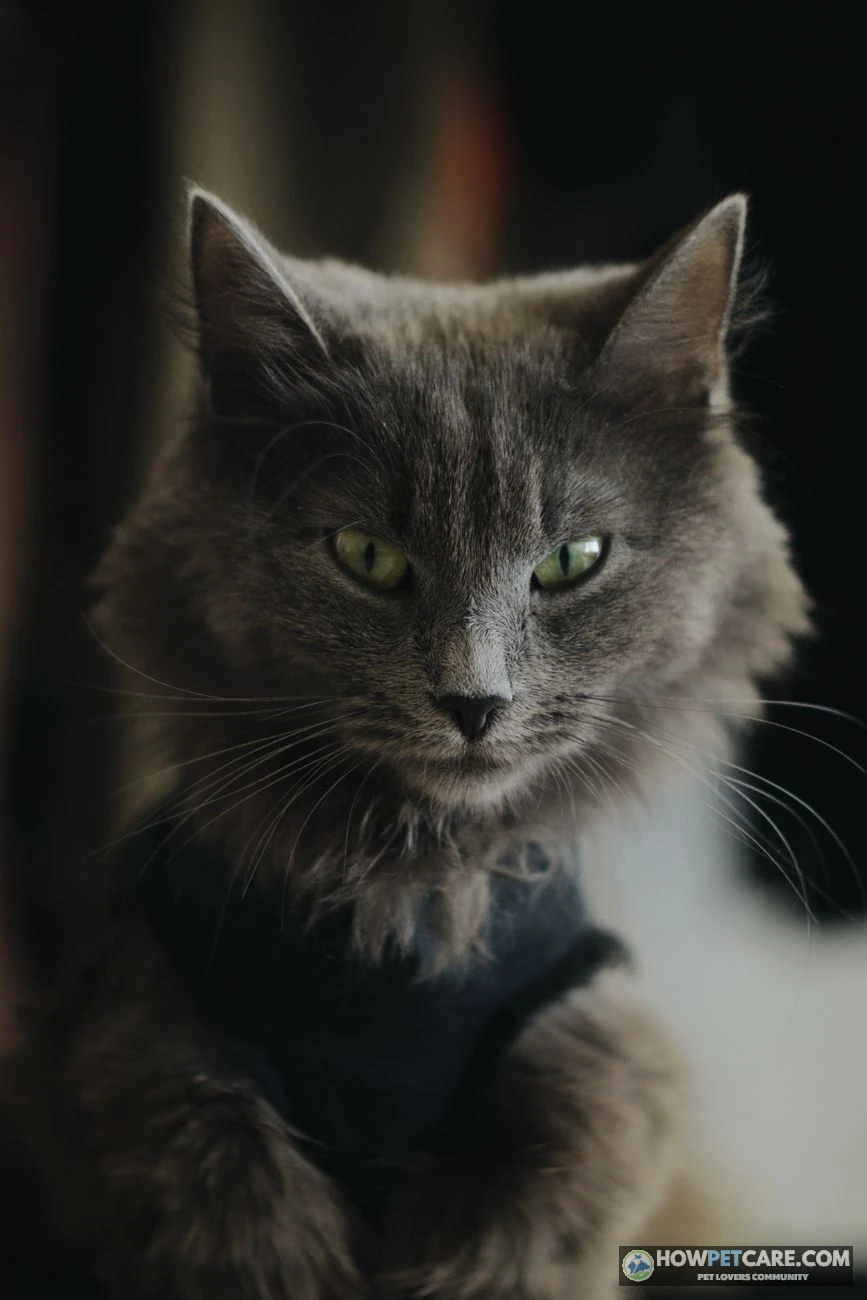
Breed profiles describe the Nebelung’s semi-long coat, silver-tipped blue coloring, and green adult eyes. Neither coat length nor temperament alone establishes breed identity, and there’s no reliable basis for promising that one breed will be more adaptable than the other.
How can you tell if a cat is really a Nebelung?
Ask for registration records and a pedigree showing the parents and their ancestry. A semi-long blue coat, plumed tail, and green adult eyes can make a cat look like a Nebelung, but cats without documented Nebelung ancestry can have these features, too. Kittens’ eyes also change as they mature.
A shelter label such as “Nebelung mix” is usually a visual description, not confirmation. Without reliable pedigree records, describe the cat as a blue domestic longhair or a Nebelung-type cat. Commercial DNA tests have limitations, particularly for rare breeds; don’t treat a result as equivalent to verified registry papers.
A blue longhaired lookalike can be an excellent companion. Ask shelter staff about the individual cat’s behavior, medical history, and comfort with your household rather than choosing on the label alone.
How Much Does a Nebelung Cat Cost? Kitten Prices, Adoption Fees, and Yearly Expenses
Nebelung kitten price range
For preliminary budgeting, allow roughly $600–$1,200 or more for a pet-quality Nebelung kitten. This illustrative planning range is not a verified 2026 market average or a quote from a specific breeder. Rare-breed prices can fall outside it. Before deciding what you can afford, ask breeders for current prices in writing and find out what each price includes.
A pet kitten may come with registration, initial vaccinations, a microchip, or spay/neuter already completed. A show or breeding prospect may cost more and come with different contract terms. Travel, transport, deposits, and veterinary care after collection may be extra.
Adoption fees vs. buying from a breeder
For a shelter or rescue cat, an illustrative adoption-fee budget is $50–$300, though local fees and included services vary. Ask whether the fee includes sterilization, vaccines, and a microchip. A documented purebred Nebelung may be difficult to find in rescue; a blue longhaired cat listed as a Nebelung may simply resemble one.
Breeder-assisted rehoming of an adult cat is another possibility. Request the same medical and ownership records you’d want for any other adoption.
First-year and ongoing yearly costs
The figures below are planning assumptions in US dollars, not surveyed prices. Local veterinary fees, food choices, insurance coverage, and travel can substantially change the total. Don’t count a service twice if it’s already included in the kitten price.
| Cost item | One-time or yearly | Estimated range | Notes |
|---|---|---|---|
| Pet-quality kitten | One-time | $600–$1,200 or more | Illustrative range; verify with breeders |
| Initial vet visits and vaccines | One-time | $100–$300 | Some services may already be included |
| Spay/neuter, if needed | One-time | $150–$400 | Check the contract and local clinic prices |
| Carrier, litter box, bowls, and scratching supplies | One-time | $100–$300 | Replace items as needed |
| Cat tree or secure perches | One-time | $80–$250 | Useful vertical space for an indoor cat |
| Food | Yearly | $250–$600 | Depends on diet and portions |
| Litter | Yearly | $150–$300 | Depends on product and household |
| Routine veterinary care | Yearly | $100–$300 | Exams and preventive care; local costs may be higher |
| Grooming tools | Yearly allowance | $20–$80 | Initial purchase and occasional replacement |
| Pet insurance | Yearly, optional | $150–$500 | Get an individual quote; policies vary |
| Pet-sitter or boarding | Yearly, if needed | $0–$400 | Frequent travel can cost more |
Using the low and high ends of every row, the illustrative first-year total is $1,700–$4,630, including insurance and an allowance for sitting. The listed recurring costs total $670–$2,180 per year. These are arithmetic examples, not estimates of a typical bill. They exclude emergency treatment, dental procedures, and major illness.
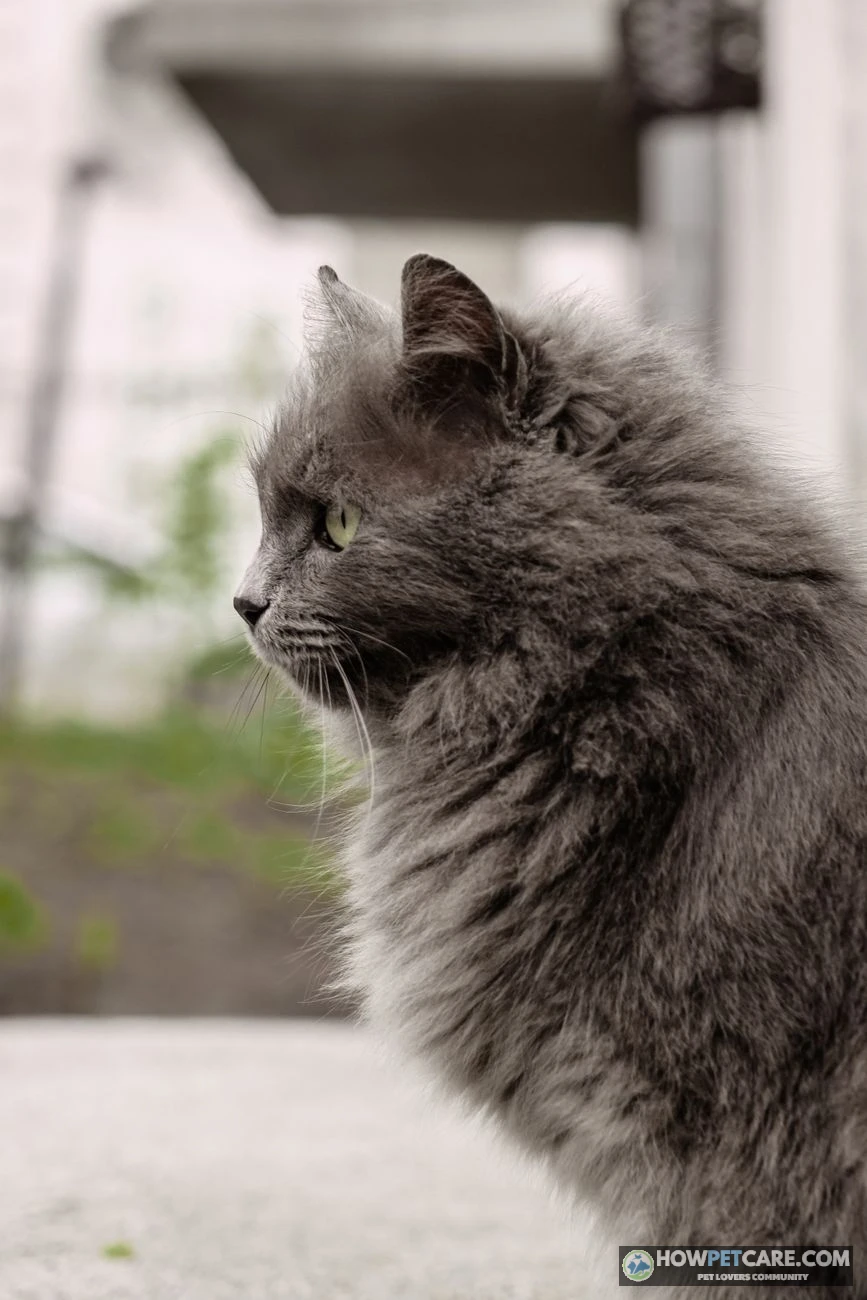
Compare insurance exclusions, deductibles, waiting periods, and coverage limits before enrolling. Whether or not you buy insurance, keep an emergency fund; screening a breeding cat does not guarantee that a kitten will never need expensive care.
Nebelung Cat Health Problems: What the Evidence Says and What to Ask About Screening
Nebelung cat lifespan and health problems
Nebelungs are often described as healthy, but the absence of a widely established breed-specific disorder doesn’t prove that inherited disease can’t occur. The breed is rare and relatively recent, and published long-term population data are limited. Reported lifespan ranges differ among breed profiles, too.
As with other cats, discuss weight, dental health, and urinary changes with a veterinarian. Difficulty urinating, repeated unproductive litter-box visits, or obvious distress warrants urgent veterinary attention. Arrange an initial veterinary examination soon after bringing a kitten home, ideally within the first week, and take the records supplied by the breeder or rescue.
Should breeders screen for HCM and PKD?
It’s reasonable to ask about hypertrophic cardiomyopathy, or HCM, a heart condition seen in cats, and whether breeding cats have had an echocardiogram—a heart ultrasound. Ask for the date and result, who performed it, and whether the breeder follows up over time. A normal scan reduces uncertainty at that point; it can’t guarantee that a cat or its offspring will never develop heart disease.
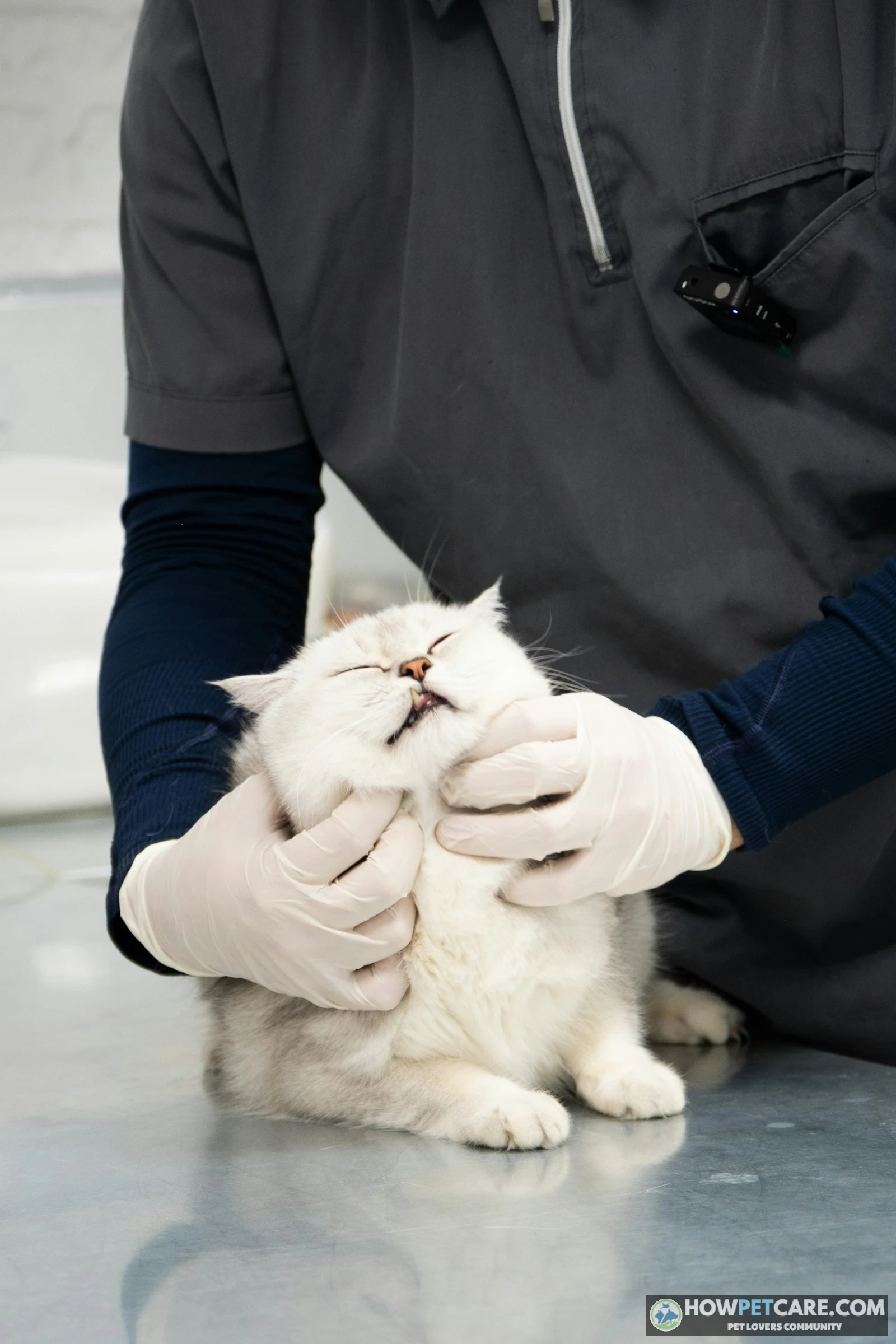
Also ask about polycystic kidney disease, or PKD, and the ancestry of the specific line. The best-known inherited form is associated particularly with Persian-related cats; it isn’t established here as a common Nebelung disease. If relevant ancestry or family history exists, discuss appropriate testing with a veterinarian and ask the breeder what results are available.
These are sensible screening conversations, not claims that Nebelungs have a proven high rate of HCM or PKD. A DNA test detects only the variants it was designed to assess; it isn’t a blanket health certificate.
Health questions to put in writing before you pay a deposit
- Have the breeding cats had heart ultrasounds? May I see the reports and dates?
- Is there Persian-related ancestry or a family history of kidney disease, and what PKD testing is relevant to this line?
- What DNA tests have been performed, and what do they cover?
- What health problems or causes of death are known among close relatives?
- What does the written health guarantee cover, and what happens if I cannot keep the cat?
A responsible discussion may include limitations and unknowns. Be cautious of a seller who guarantees that a kitten will never develop a disease.
Nebelung Cat Care Checklist: Grooming, Ears, Teeth, Nails, Feeding, and Home Setup
Daily or weekly grooming? Why sources disagree
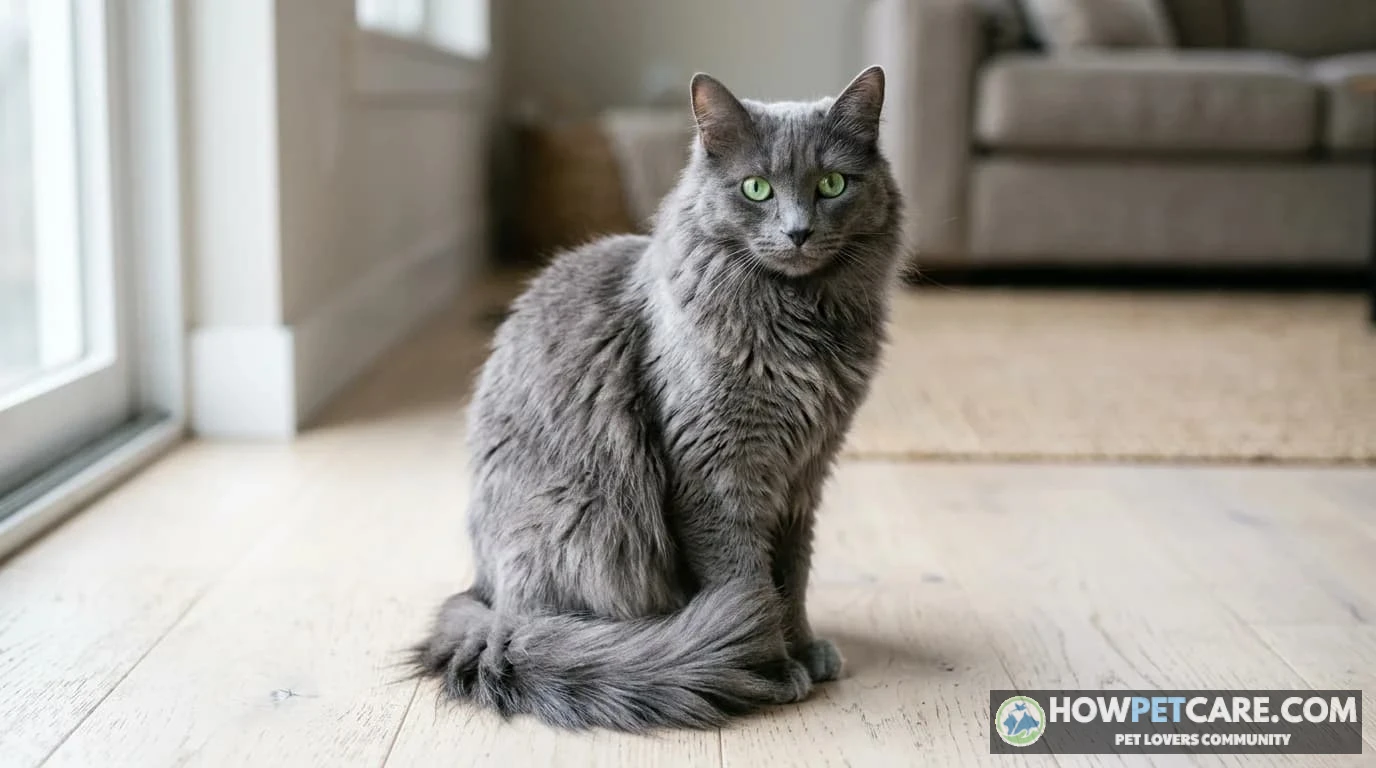
Start with a thorough weekly combing. Increase to several sessions a week when the coat is shedding heavily or you find tangles; a cat that mats easily may need brief daily attention. Different advice can reflect coat conditions and seasons, rather than one universally correct schedule.
Work gently with a wide-toothed comb, paying attention behind the ears, under the legs, and around the longer fur on the hindquarters. Don’t pull on mats or cut close to the skin with scissors; ask a veterinarian or experienced groomer for help. The coat can take around two years to develop fully, so a kitten’s grooming needs may change as it matures.
The weekly Nebelung care checklist
- Coat: Comb at least weekly as a starting point; check for tangles more often during shedding. Bathe only when needed or as advised by a veterinarian.
- Ears: Look weekly for redness, odor, or discharge. Clean the visible outer ear only if needed, using a veterinarian-recommended product; don’t insert swabs into the ear canal.
- Teeth: Aim for daily brushing with cat-safe toothpaste, building up gradually. Ask your veterinarian about a dental-care plan.
- Nails: Check regularly and trim approximately every two to four weeks, adjusting to growth and activity.
- Eyes: Check for persistent discharge or squinting; ask a veterinarian about changes rather than treating them yourself.
- Litter box: Scoop daily and clean the box regularly. Watch for changes in urine output or litter-box habits.
- Diet and weight: Measure meals and check body condition with your veterinarian. If weight increases, discuss portions rather than relying on an unrestricted food bowl.
- Food transition: Ask what the kitten has been eating and change foods gradually, unless your veterinarian advises otherwise.
- Environment: Provide a quiet retreat, vertical perches, scratching surfaces, and daily interactive play to suit a cautious, routine-oriented cat.
Nebelungs shed, and grooming doesn’t make them hypoallergenic. Fel d 1 comes from the cat, not simply from hair length; allergens can spread on saliva and skin particles. If someone in the home has allergies, spend time with the specific cat before committing and discuss management with an allergy professional. A visit may help assess a reaction but can’t guarantee future tolerance.
Setting up a home for a shy, sensitive cat
Prepare a quiet starter room with food, water, litter, a bed, a hiding place, and a scratching surface. Let the cat expand its territory gradually. Place perches where it can observe the room, and keep daily feeding and play reasonably predictable.
How to Find a Reputable Nebelung Breeder or Rescue, and the Red Flags to Avoid
Where to find Nebelung kittens for sale in the US
Start with TICA’s breeder resources and other relevant registry listings, then independently verify any breeder you contact. A listing is a lead, not an endorsement or a guarantee of welfare standards. Because the breed is rare, you may need to join a waiting list or travel rather than find a kitten immediately nearby.
Availability in the United States varies by breeder and breeding plans. If you’re searching in Canada, the United Kingdom, or Australia, contact the relevant national registry and ask about active breeders, registration status, travel, and import requirements. Confirm availability directly rather than relying on an old advertisement.
Breeder interview questions
Use these questions before sending money:
- Registration: Which registry will register the kitten? Can I see both parents’ registration numbers and pedigree records?
- Health: What heart screening and other tests have the parents had? Can you share dated results and explain the line’s health history?
- Care: When can the kitten go home? Can I see vaccination and deworming records and meet the mother, or understand why that is not possible?
- Terms: Is this a pet or breeding placement? What is included in the price, and what do the health guarantee, deposit, and return policy say?
- Support: What food is the kitten eating, how has it been socialized, and whom should I contact if a problem arises?
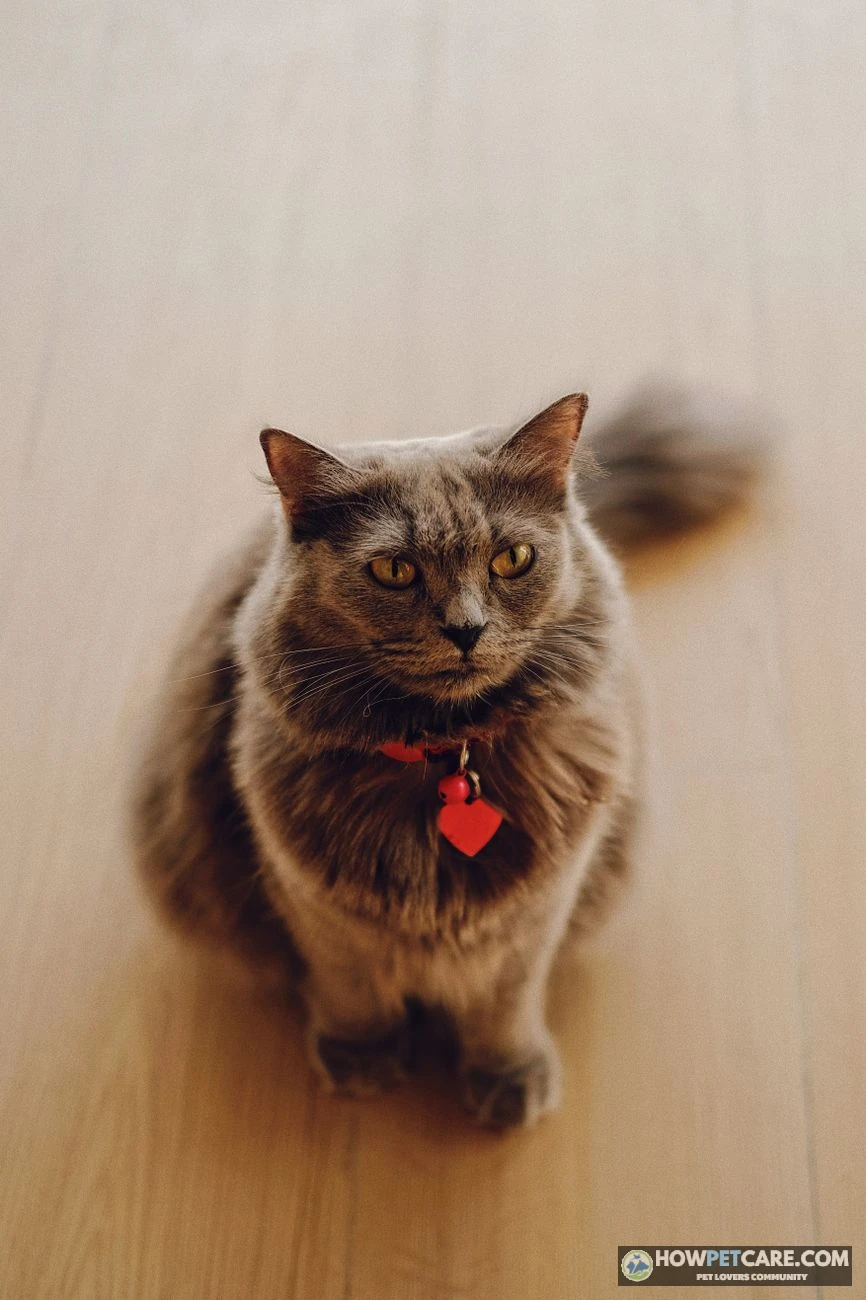
A kitten leaving before 12 weeks deserves particular scrutiny; ask why and consult your veterinarian. Read the contract before paying, including whether a deposit is refundable and under what conditions.
Red flags and scam warning signs
Walk away from pressure to pay immediately, refusal to provide records, vague parentage, or a seller who accepts only gift cards or irreversible transfers. Be skeptical of copied-looking photos, implausibly low prices, and claims that kittens are always available for immediate shipment.
Multiple breeds or a waiting list alone don’t prove a problem or establish quality. Look at the full picture: living conditions, transparent records, thoughtful matching, and willingness to answer questions. Verify the seller independently, and don’t send a deposit solely because an online profile looks polished.
Adopting a Nebelung or a Nebelung-type cat
Ask shelters and rescues about calm blue semi-longhaired cats, and ask breeders whether they assist with adult rehoming. Be open about your household, children, other pets, and schedule. If a cat lacks documented ancestry, treat the breed label as a description rather than a guarantee. Judge the potential match on the individual cat’s needs and behavior.
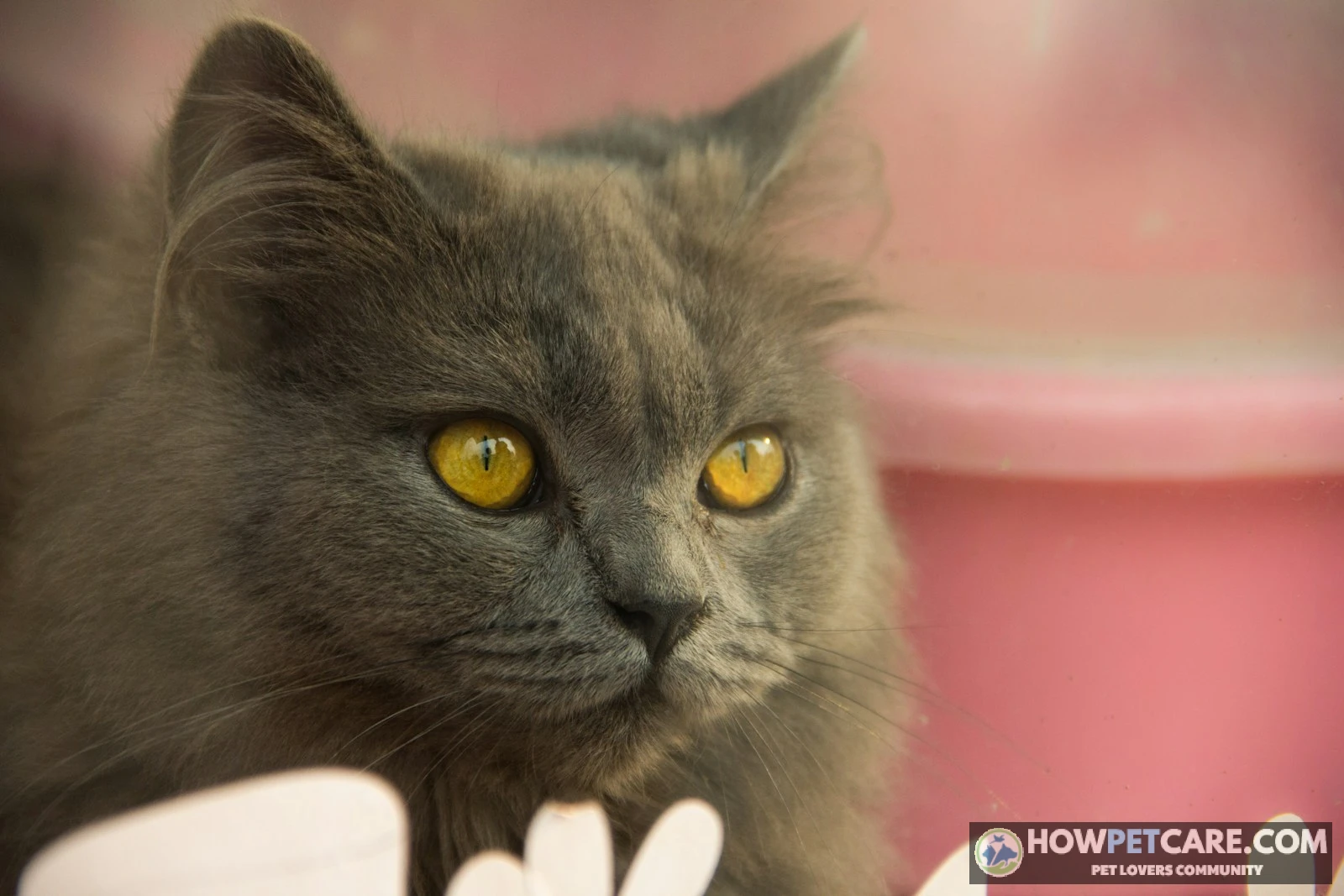
Is a Nebelung Right for Your Household? A Decision Checklist and Next Steps
- Good fit: Your home is reasonably predictable; you can provide regular companionship, play, weekly grooming, veterinary care, and a quiet retreat. You’re comfortable with a cat that may take time to trust visitors.
- Possible with adjustments: You work a standard day, have children or other pets, or live in a busy apartment, but can arrange gradual introductions, supervision, enrichment, and reliable care during longer absences.
- Consider another match: Your household is frequently away for long periods, can’t accommodate a retreat space, has unresolved cat allergies, or needs a reliably outgoing cat. A shorthaired Russian Blue may appeal if coat maintenance is the main concern, though its individual personality and allergy considerations still matter. A calm adult shelter cat may offer a more predictable behavioral match.
Before committing, set a budget that includes emergencies, check registry resources and rescue options, and request pedigrees, screening records, and contract terms. Be prepared to wait. Once you’ve chosen a cat, set up its quiet room and book the first veterinary visit rather than rushing to secure a rare breed name.
1Which two foundation cats were used by Cora Cobb in the 1980s to develop the modern Nebelung breed in the United States?
Cora Cobb established the modern breed using Siegfried (born in 1984) and Brunhilde (born in 1985).
2What does an 1889 illustration by Harrison Weir depict regarding the history of the Nebelung cat?
Historical drawings demonstrate that blue longhaired cats existed earlier, but they do not establish an unbroken pedigree to modern breeding programs.
3How does the Cat Fanciers' Association (CFA) currently classify the Nebelung breed?
Recognition varies by organization, and the CFA does not include the Nebelung on its list of recognized breeds.
4What is the most reliable way to confirm whether a cat is a true Nebelung rather than a blue domestic longhair?
Pedigree paperwork from an established registry is the definitive confirmation of a cat's breed lineage.
5Which screening procedure should potential owners ask breeders about regarding hypertrophic cardiomyopathy (HCM)?
An echocardiogram directly evaluates heart muscle health to detect HCM in breeding stock.
6Why is it inaccurate to label the Nebelung as a hypoallergenic cat breed?
No cat breed is allergen-free because Fel d 1 is produced in dander, saliva, and skin particles regardless of coat type.
7What is the recommended baseline coat care routine for a Nebelung cat?
A thorough weekly combing maintains the semi-long coat, with extra sessions added during heavy seasonal shedding.
8Which scenario represents a primary warning sign or red flag when evaluating a prospective kitten seller?
Pressure for non-traceable payment methods and lack of medical or genealogical documentation indicate dishonest practices.
9When introducing a sensitive or cautious Nebelung cat to a new home environment, which practice supports a smooth transition?
A small, quiet territory allows a cautious cat to feel secure before exploring the rest of the home.
10How do physical build and coat characteristics differentiate the Nebelung from the Russian Blue?
Coat length and frame structure are key physical differentiators between the two breeds.
| Category | Attribute / Item | Typical Value / Specification | Frequency / Duration | Cost / Budget Range | Key Considerations & Notes |
|---|---|---|---|---|---|
| Physical Characteristics | Size and Build | Medium-sized, long and muscular, plumed tail | Lifetime | Not in source | Individuals vary; sex, frame, age, and body condition affect size. |
| Physical Characteristics | Weight | Approximately 8–16 pounds | Lifetime | Not in source | GCCF weight range; varies by individual, sex, frame, age, and body condition. |
| Physical Characteristics | Lifespan | 11–16 years (some estimates 15–18 years) | Lifetime | Not in source | Treat ranges as estimates; breed profiles differ and long-term population data are limited. |
| Physical Characteristics | Coat Type & Color | Semi-long double coat, solid blue-gray with silver tipping | Lifetime (takes ~2 years to fully develop) | Not in source | Standard calls for solid blue coat with silver-tipped sheen; other colors are not accepted in show ring. Full coat development takes ~2 years. |
| Physical Characteristics | Eye Color | Green in adults | Lifetime | Not in source | Kitten eye color changes as they mature. |
| Health & Allergies | Hypoallergenic Status & Allergens | Not hypoallergenic; produces Fel d 1 allergen | Lifetime | Not in source | All cats produce Fel d 1 allergen spread via saliva and skin particles. Coat length does not guarantee allergy safety. |
| Health & Allergies | Health Screening & Vet Care | Initial vet exam within first week; ask breeder for heart ultrasound (HCM) and PKD history | Initial checkup + yearly routine vet exams | Not in source | Screening reduces uncertainty but DNA tests do not cover all health risks; monitor weight, teeth, and urinary health. Ask breeders for heart ultrasound (echocardiogram) dates/results and relevant testing details if Persian ancestry exists. |
| Care & Grooming | Coat Combing / Brushing | Comb with a wide-toothed comb behind ears, under legs, and hindquarters | Weekly baseline; several times a week or daily during heavy shedding or tangles | Not in source | Shedding increases seasonally. Do not pull mats or cut close to skin with scissors. |
| Care & Grooming | Ear Check & Cleaning | Check for redness, odor, or discharge; clean visible outer ear as needed | Weekly check | Not in source | Use vet-recommended products; do not insert cotton swabs into ear canal. |
| Care & Grooming | Dental Care | Brushing with cat-safe toothpaste | Daily (aim / building up gradually) | Not in source | Build up gradually; discuss dental care plan with vet. |
| Care & Grooming | Nail Trimming | Check and trim nails | Every 2–4 weeks | Not in source | Adjust based on growth and cat's activity. |
| Care & Grooming | Litter Box Maintenance | Scoop daily and clean box regularly | Daily / Regular | Not in source | Watch for changes in urine output or litter-box habits. |
| Care & Grooming | Alone Time Tolerance | Adults can manage a standard workday | Daily routine | Not in source | Repeated absences of 10+ hours are a poor assumption; kittens and newly adopted cats need closer attention. |
| Expenses | Pet-Quality Kitten Purchase | Purebred Nebelung kitten purchase price from breeder | One-time | 600–1,200 or more | Illustrative range; verify with breeders. May include registration, initial vaccines, microchip, or spay/neuter. |
| Expenses | Adoption Fee (Shelter/Rescue) | Shelter or rescue cat adoption fee | One-time | 50–300 | Documented purebreds are rare in rescues; shelter cats listed as Nebelung may be lookalikes. Check if fee includes sterilization, vaccines, and microchip. |
| Expenses | Initial Vet Visits & Vaccines | Exams and early vaccinations (first-year setup expense) | One-time | 100–300 | Some services may already be included in the initial kitten price. |
| Expenses | Spay / Neuter | Sterilization surgery if not already done | One-time | 150–400 | Check breeder contract terms and local clinic pricing. |
| Expenses | Basic Supplies (Carrier, Bowls, Scratching) | Carrier, litter box, bowls, scratching supplies | One-time (replace as needed) | 100–300 | Essential start-up items for setting up room; replace individual items as needed. |
| Expenses | Cat Tree / Secure Perches | Vertical perches / climbing tree equipment | One-time | 80–250 | Provides necessary vertical space for indoor enrichment and apartment living. |
| Expenses | Food | Daily dietary needs | Yearly | 250–600 | Cost depends on chosen diet selection and portions. |
| Expenses | Litter | Cat litter supplies | Yearly | 150–300 | Cost depends on litter product choice and household size. |
| Expenses | Routine Veterinary Care | Annual exams and preventive care | Yearly | 100–300 | Local costs may be higher; excludes emergency treatment, dental procedures, and major illnesses. |
| Expenses | Grooming Tools Allowance | Combs and brushes | Yearly allowance | 20–80 | Covers initial purchase and occasional replacements. |
| Expenses | Pet Insurance (Optional) | Optional medical health insurance policy | Yearly (optional) | 150–500 | Requires individual quote; policies, deductibles, and exclusions vary. |
| Expenses | Pet-Sitter or Boarding | Care during travel | Yearly (if needed) | 0–400 | Frequent travel will increase this cost further. |
| Expenses | First-Year Total Cost Range | Combined initial and recurring first-year costs | First year | 1,700–4,630 | Includes low to high bounds for kitten, supplies, insurance, and sitting allowance; excludes emergency care. |
| Expenses | Ongoing Yearly Cost Range | Recurring annual maintenance total | Yearly | 670–2,180 per year | Arithmetic total of listed recurring items; excludes emergency treatment, major illness, and dental procedures. |
| Breed History | Origin & Modern Breed Foundation | Developed in the US using foundation cats Siegfried (born 1984) and Brunhilde (born 1985) | One-time historical event | Not in source | Developed by Cora Cobb; breed standard developed with Dr. Solveig Pflueger; named from German 'Nebel' (mist) and Nibelungenlied. |
| Breed History | Registry Recognition & Classification | TICA Championship status (1997); GCCF classification in Russian section | Historical event / Ongoing | Not in source | Accepted by TICA for new-breed status in 1987 (Championship in May 1997) as a separate breed, not just a longhaired Russian Blue. GCCF classifies it in its Russian breed section. CFA does not list the breed; check FIFe rules directly. |
FAQ
Are Nebelung cats rare?
Yes. The Nebelung is a small, relatively new breed with few breeders, so kittens are often available only through waiting lists. Availability is usually better in North America than in other regions.
Do Nebelung cats shed a lot?
Nebelungs have a semi-long double coat and shed, with heavier shedding during seasonal coat changes. Regular brushing keeps loose hair and tangles manageable, but the cat is not low-shedding or hypoallergenic.
Can a Nebelung go outside?
Most breeders recommend keeping Nebelungs indoors or giving them supervised outdoor time in a harness or an enclosed catio. This protects them from traffic, disease, and theft, which is a particular concern for rare pedigree cats.
What does ‘Nebelung’ mean?
The name comes from the German word ‘Nebel’, meaning fog or mist, and refers to the cat’s silvery-blue coat.
Is a Nebelung a good first cat?
It can be, if you can offer a calm routine, weekly grooming, and a patient approach to a cat that may be shy at first. First-time owners who want a very outgoing, easygoing cat may find another breed easier.
What colors can a Nebelung be?
The Nebelung breed standard calls for a solid blue coat with a silver-tipped sheen. Other colors are not accepted in the show ring, so a cat of another color is not a standard Nebelung.