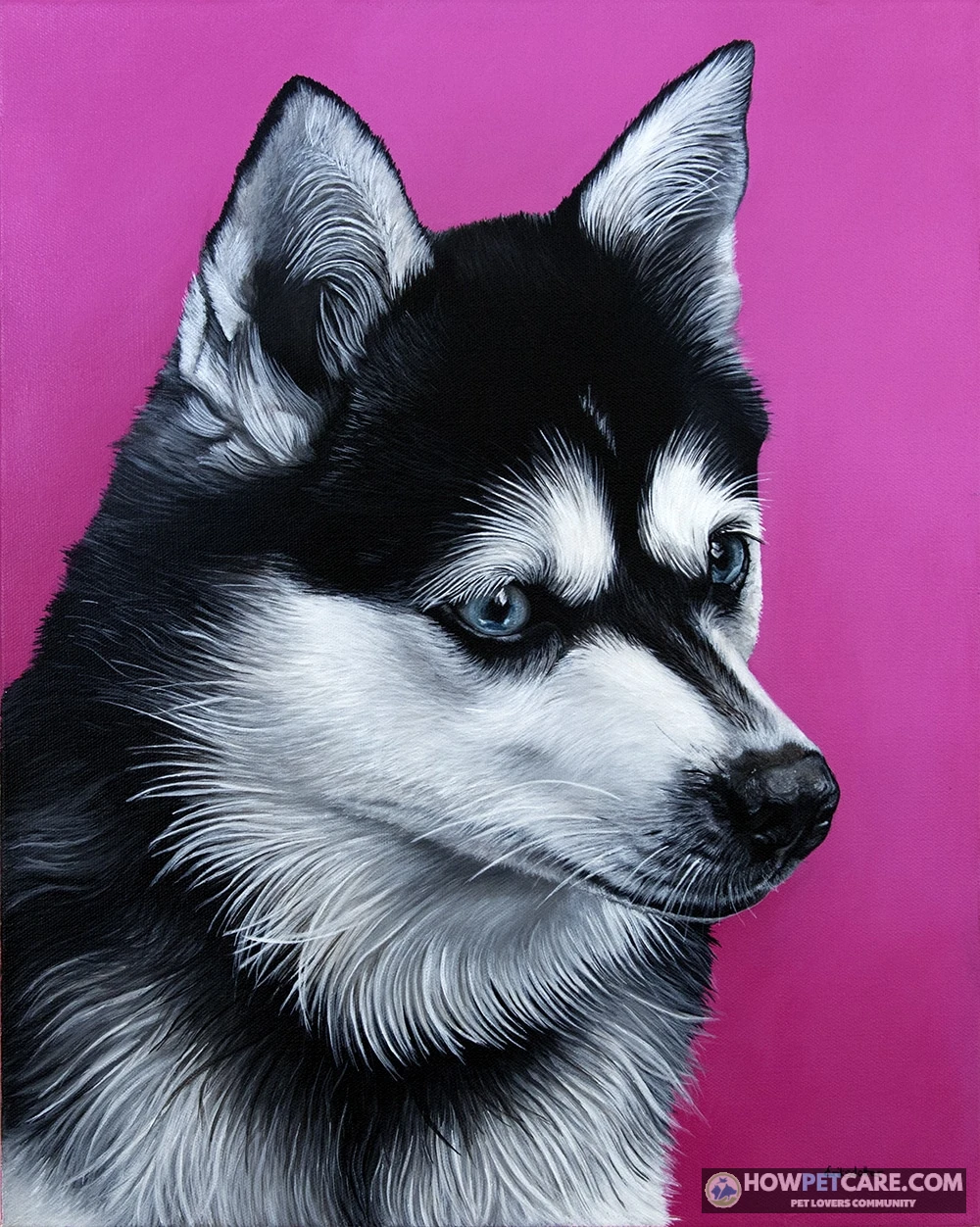

“American Klee Kai” is an informal label for the Alaskan Klee Kai, not a separate recognized breed. It is a small husky-like companion dog developed in Alaska, roughly 12–17 inches tall and 6–25 pounds. A listing using the name alone does not prove a dog’s pedigree—verify the parents’ registered records.
“American Klee Kai” generally refers to the Alaskan Klee Kai, not a separate recognized breed. Alaskan Klee Kai is the established breed name; “American Klee Kai” is an informal label. A listing that uses it does not, on its own, prove a dog’s ancestry.
This small, husky-like companion can be affectionate with its household, but it isn’t simply a Siberian Husky in a smaller package. Expect a watchful dog that may be reserved with strangers, vocal, and difficult to leave alone. Its size can suit apartment living; training, noise management, and a realistic care schedule make that arrangement workable.
American Klee Kai and Alaskan Klee Kai: the same breed
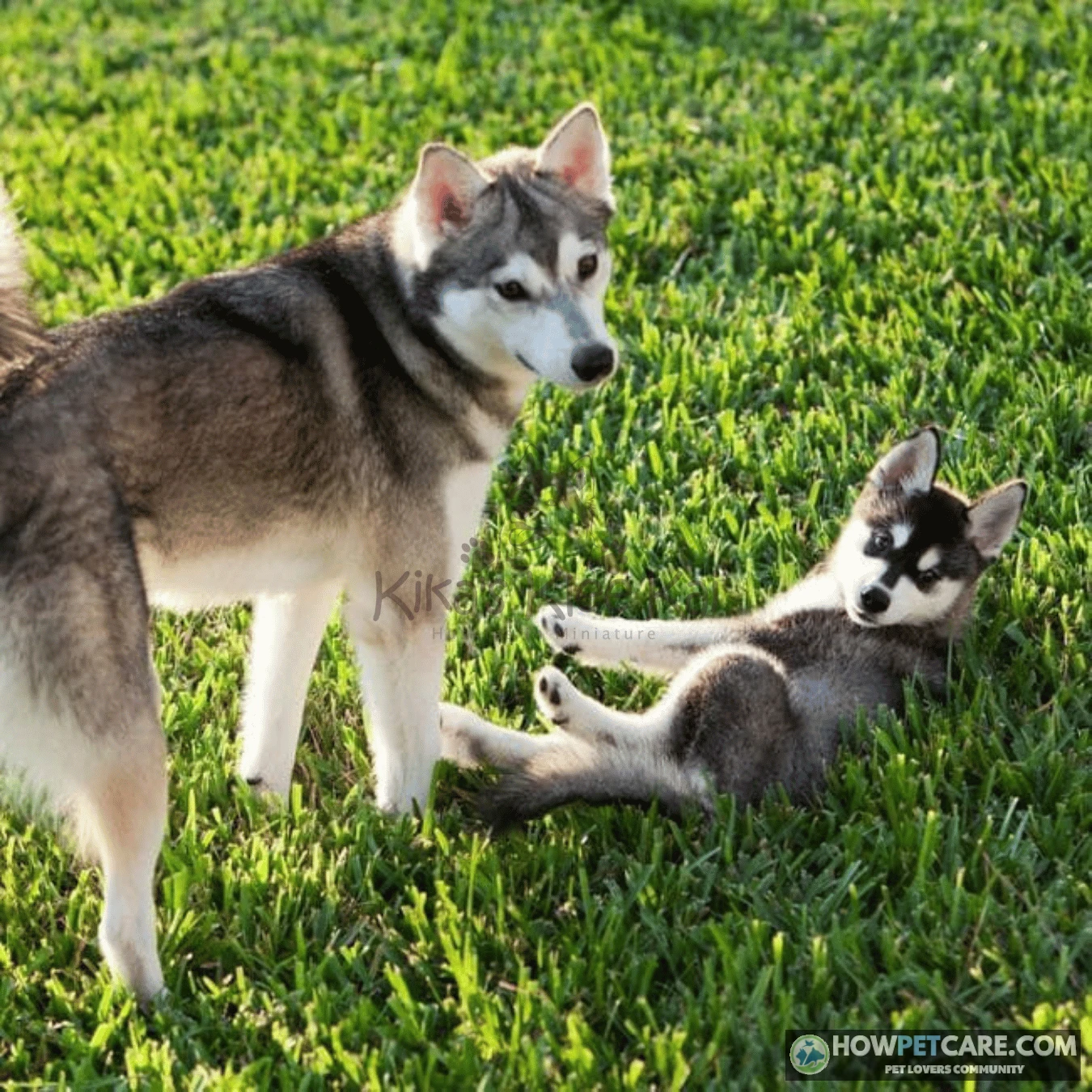
Linda Spurlin developed the Alaskan Klee Kai in Alaska as a smaller companion dog with Alaskan Husky ancestry. Its name means “little dog.” The breed is known for a distinctive facial mask, erect ears, a curled tail, and a double coat.
The difference between American Klee Kai and Alaskan Klee Kai is a matter of naming, not an established breed division. “Mini husky,” by contrast, is a loose description that can apply to several kinds of dogs, including mixes. Neither appearance nor a seller’s label can establish pedigree on its own.
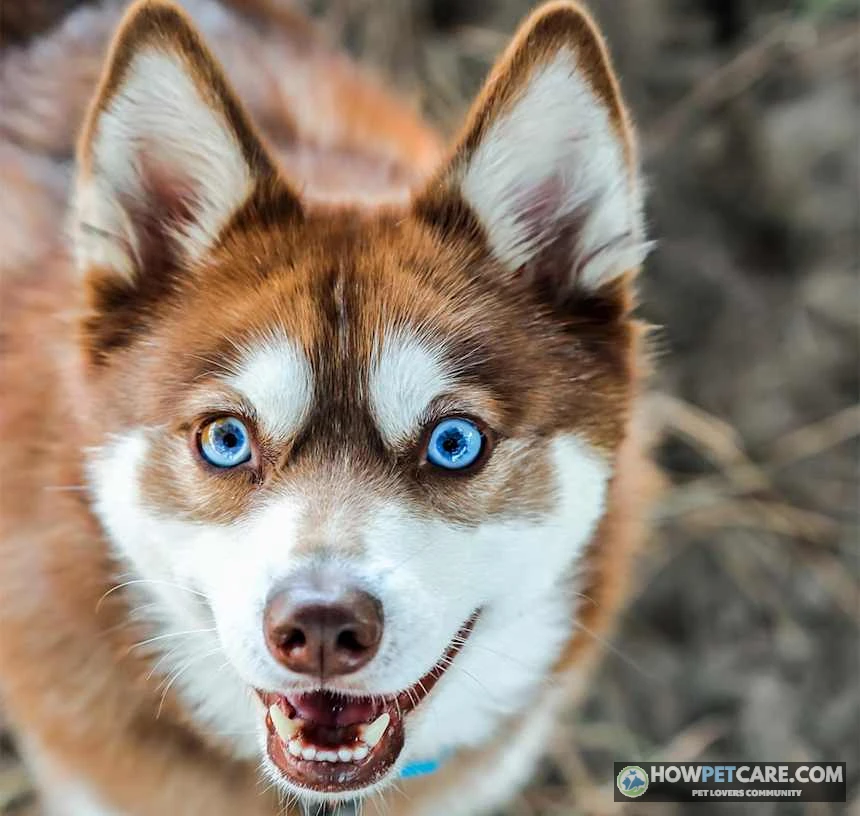
A listing for an “American Klee Kai” or “mini husky” may describe a purebred dog, a mix, or a dog of uncertain ancestry. Ask for the parents’ registered names and numbers, then verify the records with the relevant registry before paying a deposit.
American Klee Kai size, lifespan, and care at a glance
Small stature doesn’t necessarily mean minimal care. The figures below are planning estimates, not promises about an individual puppy. The breed standard defines size by height and proportion rather than fixed weight classes.
| Variety | Height at the shoulder | Approximate weight | Typical lifespan | Exercise planning estimate | Grooming | Trainability | Household considerations |
|---|---|---|---|---|---|---|---|
| Toy | Up to 13 inches | Roughly 6–10 pounds | About 13–16 years | Start with 30–60 minutes daily, plus enrichment | Weekly brushing; more during heavy shedding | Responds best to patient, reward-based training | Small enough for compact spaces, but still needs training and company |
| Miniature | Over 13 and up to 15 inches | Roughly 10–15 pounds | About 13–16 years | Around 30–60 minutes daily, plus enrichment | Weekly brushing; more during heavy shedding | Reward-based training; may test boundaries | Active companion; noise and alone time need planning |
| Standard | Over 15 and up to 17 inches | Roughly 15–25 pounds | About 13–16 years | Around 30–60 minutes daily, plus enrichment | Weekly brushing; more during heavy shedding | Reward-based training; may test boundaries | May need more room and activity than its smaller relatives |
A size category won’t tell you how trainable or suitable a particular dog will be. All three varieties benefit from patient, reward-based training. Any may be challenging around strangers or other animals, or when left alone; noise can also be a concern. Individual dogs vary.
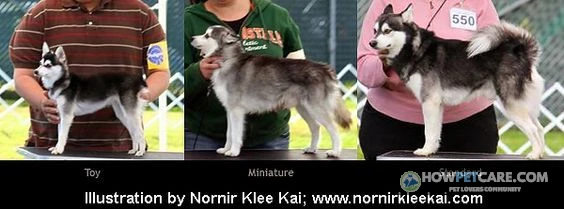
Toy, miniature, and standard size
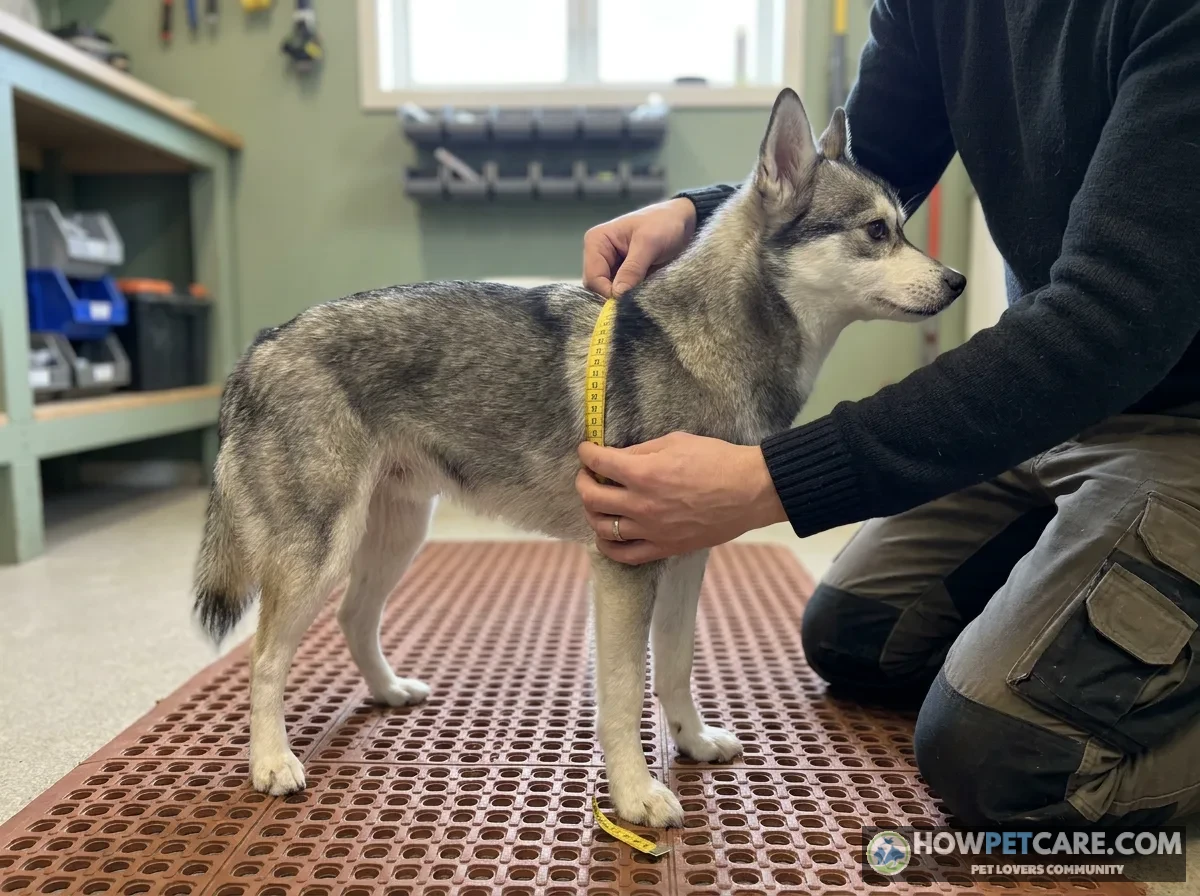
The varieties are based on shoulder height, not weight. The breed standard describes dogs as generally 12–17 inches tall; height over 17.5 inches is a disqualification in conformation showing. A dog between 17 and 17.5 inches falls above the stated standard-size range. That doesn’t change its value as a companion.
Weight estimates are less precise than height categories because build, age, and body condition all matter. Ask a breeder about the size of related adult dogs, but don’t expect a puppy to finish at an exact weight or height.
Exercise, grooming, and everyday care
Plan on daily walks, play, and mental work, such as food puzzles or short training sessions. The time ranges in the table are starting points, not prescriptions. Puppies, senior dogs, and dogs with medical conditions need routines suited to their age and health. Ask your veterinarian how to exercise a growing puppy safely.
The double coat sheds, sometimes heavily during a coat change. Brush at least weekly, and more often when loose hair builds up. Check nails, teeth, and ears regularly. The breed is not hypoallergenic. If allergies are a concern, spend time around individual dogs and discuss your situation with an allergist before committing.
Feed a complete diet suited to the dog’s life stage and keep it lean. Your veterinarian can help set portions and a preventive-care schedule.
 You might be wonderingAmerican shepherdAmerican Shepherd Dog: Size, Care & Costs (2026)Read the answer
Klee Kai temperament: vocal, watchful, and prone to separation stress
Klee Kai often form close bonds with family while remaining cautious around unfamiliar people. Many are reserved rather than eager to greet every visitor. If you’re picturing a small dog that welcomes attention from strangers, choose an individual for the temperament you can live with—not for its mask or eye color.
Some bark, howl, or vocalize in other ways in response to activity. Individual dogs may also struggle when separated from their people. These traits don’t mean every dog will develop separation anxiety, but they’re good reasons to prepare before bringing one home.

Barking and separation anxiety
For a quieter home, start by identifying what triggers the noise. If hallway traffic sets a dog off, move its bed away from the door, add a visual barrier where appropriate, and reward calm behavior before barking escalates. Punishment isn’t a reliable solution: it doesn’t teach the dog what to do instead and can add stress.
Practice departures gradually. Begin with absences the dog can handle comfortably, then build up as it relaxes. A camera can show whether the dog paces, vocalizes repeatedly, or seems distressed after you leave. If those signs persist, contact a veterinarian and a qualified reward-based behavior professional. A dog in distress may need a tailored plan, not repeated long absences.
A full workday alone won’t suit every dog. Arrange a trusted sitter, walker, family member, or other care if yours can’t manage your schedule.
Prey drive, escape prevention, and training
A strong prey drive can make chasing squirrels, birds, or small pets tempting. Use a well-fitted harness or collar and leash outside securely enclosed areas. Check gates, fencing, and door routines; a small dog may slip through a surprisingly small gap.
Teach recall with rewards in a safe enclosure, but don’t count on it to overcome the urge to chase in an open area. Give visitors clear instructions not to force interactions. Pair new people and environments with treats and choice. Socialization should be positive and gradual; greeting everyone isn’t the goal.
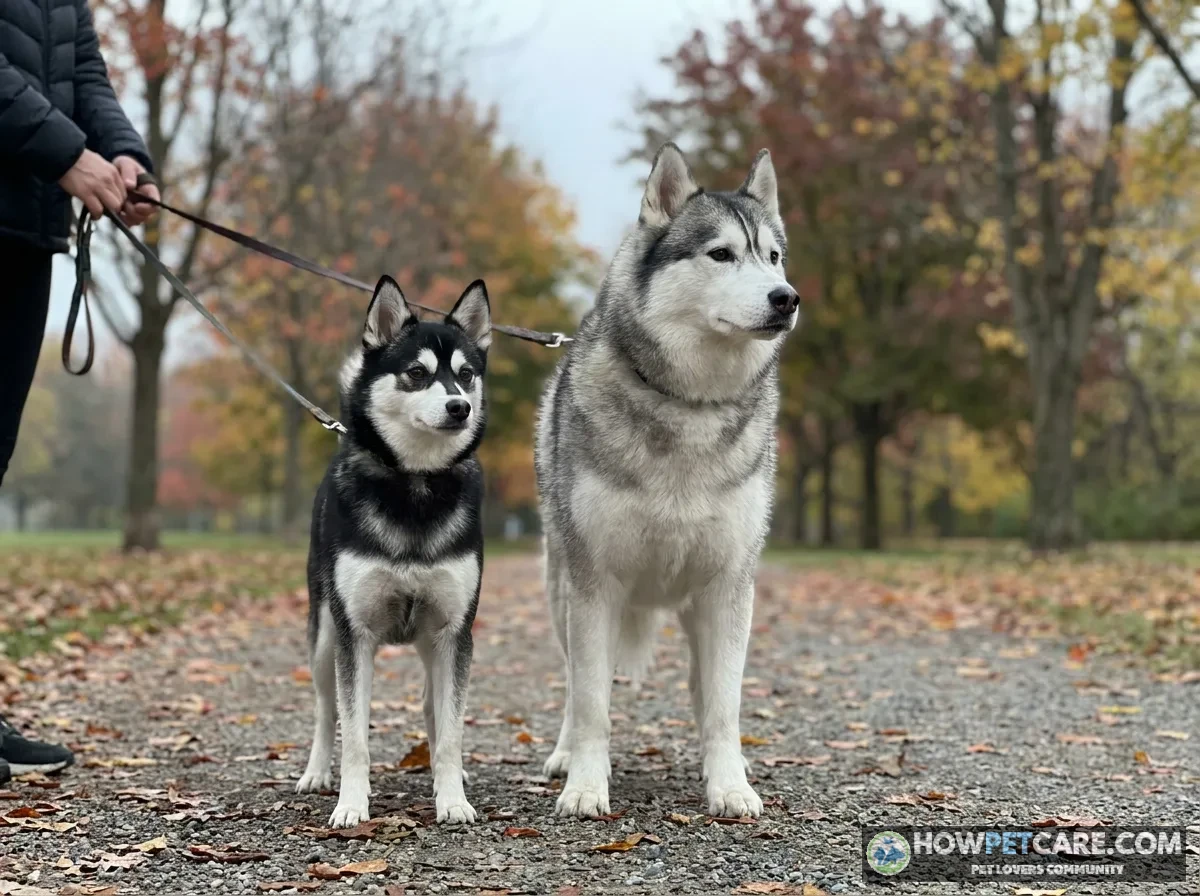
Klee Kai vs. Husky, mini husky, Pomsky, and Shiba Inu
A similar silhouette doesn’t mean the same ancestry, adult size, or temperament. Use the comparison as a starting point. A mix can inherit traits unpredictably from either parent.
| Dog or label | Breed status | Typical size | Temperament considerations | Key distinction |
|---|---|---|---|---|
| Alaskan Klee Kai | Established breed; AKC Miscellaneous Class | Small; approximately 6–25 pounds | Often reserved with strangers; can be vocal and strongly attached to family | Developed as a small companion dog |
| Siberian Husky | Separate established breed | Medium to large; often around 35–60 pounds | Generally social and energetic; secure containment matters | A much larger sled-dog breed with substantial exercise needs |
| “Mini husky” | Informal description, not one standardized breed | Varies with ancestry | Cannot be predicted from the label | May describe a Klee Kai, a cross, or another small husky-like dog |
| Pomsky | Pomeranian–Siberian Husky cross | Variable; often small to medium | Energy, sociability, and vocalization vary | A cross rather than another name for a Klee Kai |
| Shiba Inu | Separate established Japanese spitz breed | Small; often around 17–23 pounds | Often independent and reserved; recall may require work | Different breed and lineage, despite a similar spitz appearance |
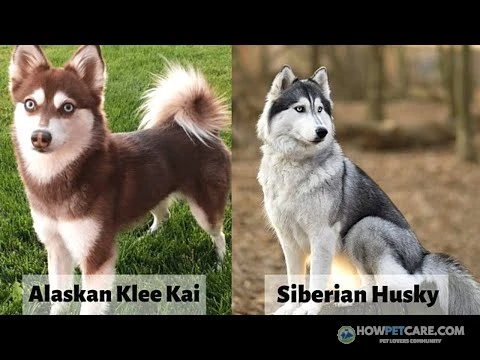
All can shed and need exercise, though activity and grooming needs depend on the individual dog and its coat. A Siberian Husky generally calls for more space and exercise management because of its size and working background. Without reliable information about the parents, a Pomsky or dog advertised as a mini husky can be particularly hard to predict.
Prices also vary widely by breeder, location, pedigree, and demand. A low or high price doesn’t prove breed identity or quality. For any dog, verify health records and consider lifetime care costs rather than choosing on appearance alone.
Is an American Klee Kai a fit for apartments, families, and first-time owners?
A Klee Kai can suit several kinds of homes, but square footage isn’t the best predictor of fit. Consider whether your household can meet the dog’s activity needs, provide company, and accommodate its cautious nature and potential for noise.
Apartment and rental realities
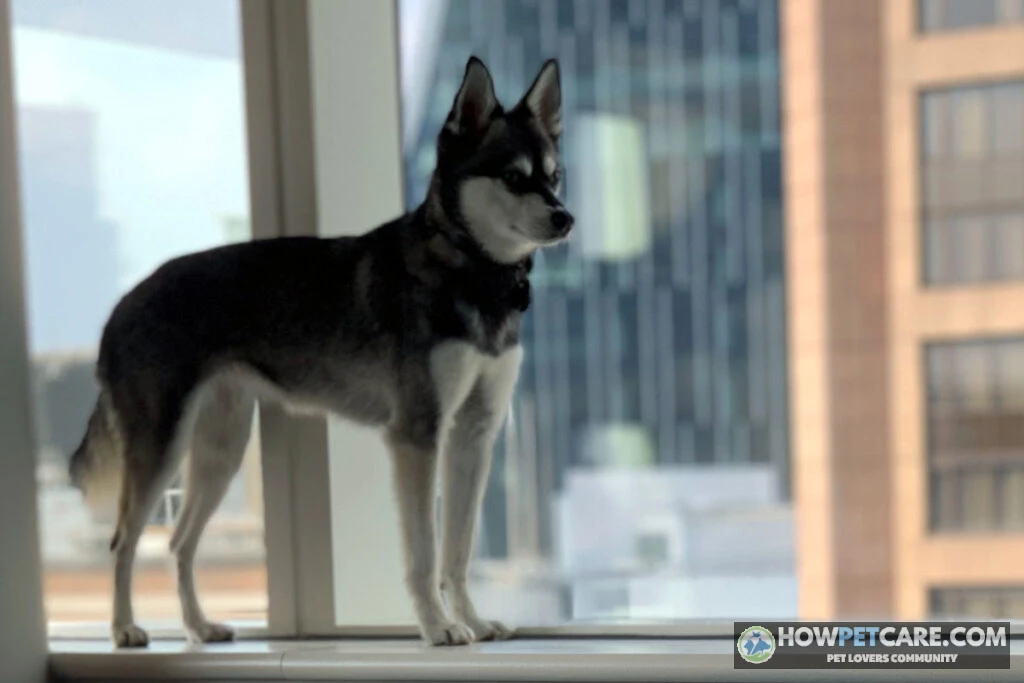
Verdict: possible, with a plan. A small dog can live comfortably in an apartment with daily activity and enrichment. The harder parts may be barking at shared-hallway sounds, managing time alone, and finding safe places to exercise.
Before committing, check the lease and pet fees, choose a walking route, and plan how to prevent door-dashing. Think about whether your neighbors can tolerate a vocal dog while you work on training. If everyone in the household is away for long stretches, arrange dependable care or consider a dog known to be comfortable alone.
Children, other pets, and owner experience
Children: potentially suitable, with supervision. Look for a dog whose known temperament fits the children’s ages and behavior. Teach children not to disturb the dog while it eats, sleeps, or retreats, and supervise their interactions. Rough handling can injure a small dog; unpredictable attention can also stress a reserved one.
Other pets: individual assessment required. Some Klee Kai live well with other dogs or cats, especially with thoughtful introductions. Prey drive makes small animals a particular concern; never assume a rabbit, bird, or rodent is safe unsupervised with a dog. Use barriers and separate spaces during introductions, and ask about the individual dog’s history.
First-time owners: possible, but not the easiest choice. A novice willing to invest in training, enrichment, grooming, and behavior support can succeed. If you want a reliably quiet, outgoing, low-maintenance dog that tolerates long workdays alone, consider a different individual or breed.
Map out a normal workday, including walks, breaks, training, and who will help if the dog cannot be left alone. A manageable plan on paper is more useful than assuming the puppy will adapt to any schedule.
Klee Kai health risks, lifespan, and breeder health testing
A lifespan of roughly 13–16 years is a useful planning estimate, not a guarantee. Budget for preventive care and unexpected illness or injury throughout that time. No breeder can promise that a puppy will never develop a health problem.
Health concerns and preventive care
Discuss several conditions with a veterinarian. Patellar luxation occurs when the kneecap slips out of its normal position. Other concerns include thyroid disease, cardiac problems, and Factor VII deficiency, an inherited bleeding disorder. Liver concerns may also merit discussion, particularly with a relevant family history or if a veterinarian recommends investigation. These are topics to look into, not a prediction that any particular dog will be affected.
Ask about the health and longevity of close relatives, including any history of bleeding, abnormal bloodwork, knee problems, heart disease, or liver problems. Routine veterinary examinations, vaccinations and parasite prevention as advised locally, dental care, and weight management still matter when parents have reassuring test results.
Health-test records to request
Ask for copies of actual results for both parents where applicable. A claim that the dogs are “health tested” or “vet checked” isn’t enough. Ask your veterinarian and the current breed health program which evaluations are recommended, how recently they should have been done, and how to interpret the results.
- Patellas: Ask for a documented knee evaluation for each parent.
- Thyroid: Ask whether a thyroid panel was performed and request the results and date.
- Factor VII: Ask for DNA test results or documentation supporting a clear-by-parentage claim, and discuss how the pairing was planned.
- Cardiac: Ask for the heart evaluation, the examiner’s credentials, and any follow-up findings.
- Liver: Ask about relevant family history and whether a veterinarian recommended liver testing; clarify what any test actually assessed.
When results are publicly recorded, verify the dog’s identity and results in the relevant health database. Otherwise, request documentation from the examining veterinarian or laboratory. A routine physical examination is useful, but it doesn’t replace specific inherited-disease testing.
Puppy price, breeder waitlists, and safer adoption options
A commonly quoted planning range for an Alaskan or American Klee Kai puppy is $1,500–$3,000 or more. Treat that as a rough benchmark, not a verified current quote: price varies by region, size, breeder, and individual circumstances. Ask for a written total and a breakdown of what it includes.
The purchase price is only the start. Budget for veterinary visits, preventive medication, food, equipment, grooming supplies, training, boarding or pet care, and emergency treatment. Getting an insurance quote or setting aside an emergency fund can help you plan ahead.
Questions to ask before paying a deposit
Responsible breeders may have a waitlist, sometimes for months. Timing can shift if a litter is delayed or no puppy is a suitable match. Deposit amounts and refund policies vary, so get the terms in writing rather than assuming money is refundable or transferable.
Use this checklist before committing:
- Health: Can the breeder provide and explain verifiable patella, thyroid, Factor VII, cardiac, and relevant liver records or discussions for the parents?
- Identity: What are the parents’ registered names and numbers, and what registration or pedigree documentation will accompany the puppy? Verify it independently; papers establish recorded ancestry, not a health guarantee.
- Puppy care: Where are the puppies raised, what experiences have they had, and when can they leave the litter? Puppies should remain with their mother and littermates until at least eight weeks; local law may impose additional requirements.
- Contract: Does the written agreement explain the total price, deposit, refund or transfer conditions, health provisions, and any spay/neuter terms?
- Support: Will the breeder answer questions after placement and take the dog back or help rehome it if you can’t keep it?
Ask to meet the mother and see where the puppies are raised, either in person or through a meaningful live video visit when travel, disease prevention, or safety makes an in-person visit impractical. Ask what accommodations are available and why.
Breeder red flags and rescue alternatives
Walk away if you’re pressured to send money immediately, health claims can’t be verified, paperwork is inconsistent, or the breeder won’t explain the contract. Be skeptical of premiums for “teacup” size or a supposedly rare color when the seller can’t explain the dog’s pedigree and health. Multiple breeds or frequent litters warrant more questions, but aren’t proof of wrongdoing on their own.
A seller’s use of “mini husky” or “American Klee Kai” does not verify ancestry. Missing paperwork does not prove a dog is a mix, but it does mean you should not rely on an unverified purebred claim.
Adoption is another route. Ask the national breed club about rescue referrals, and check shelters and reputable rescue organizations for Klee Kai or similar dogs. Adults may have an established history with children, pets, noise, and time alone, though a rescue may not know every detail. Before adopting, ask about behavior, medical records, and the organization’s return policy.
AKC and UKC recognition: what the current status means for owners
The Alaskan Klee Kai Club of America reports that the breed entered the American Kennel Club’s Foundation Stock Service in October 2020 and was approved to move to the AKC Miscellaneous Class effective June 25, 2025. The United Kennel Club also lists the Alaskan Klee Kai as a breed. Its registration and event rules are separate from the AKC’s.
Foundation Stock Service provides a way to record pedigrees for developing breeds; it isn’t the same as full AKC breed recognition. Miscellaneous Class is a further step: eligible dogs can compete in that class at AKC conformation events, subject to event and registration rules. Some dogs may also qualify for companion events and titles, depending on the dog, event, and registration pathway. Full AKC recognition and assignment to a breed group are separate steps, with no guaranteed date.
For pet owners, these distinctions affect paperwork and possible competition opportunities, not whether a dog will fit a particular household. Before choosing a puppy or entering an event, check the AKC’s and UKC’s current breed listings and eligibility rules directly. Verify the individual dog’s records with the relevant organization.
 You might be wonderingAmerican water spanielAmerican Water Spaniel: Fit, Care, Buying & ComparisonsRead the answer
FAQ
How much exercise does an American Klee Kai need each day?
Plan for daily walks, active play, and mental enrichment, adjusting the routine for the dog’s age, health, and individual energy. A small size does not mean the dog needs little stimulation.
Do American Klee Kai shed a lot?
They have a double coat and shed, with heavier seasonal shedding possible. Regular brushing helps manage loose hair, but the breed is not hypoallergenic.
Can an American Klee Kai be left alone during a workday?
Some Klee Kai struggle with being left alone and may develop separation-related behaviors. Build alone time gradually and arrange companionship or care if the dog cannot comfortably manage your schedule.
Can American Klee Kai be trusted off leash?
Do not assume reliable off-leash recall: prey drive, independence, and escape tendencies can make unsecured areas risky. Use a leash outside secure, enclosed spaces unless an individual dog has demonstrated dependable recall in safe conditions.
Are American Klee Kai good with children?
They can be, with supervision. Choose a dog whose known temperament fits the children’s ages and behavior, teach children not to disturb the dog while it eats or sleeps, and supervise all interactions—rough handling can injure a small dog.