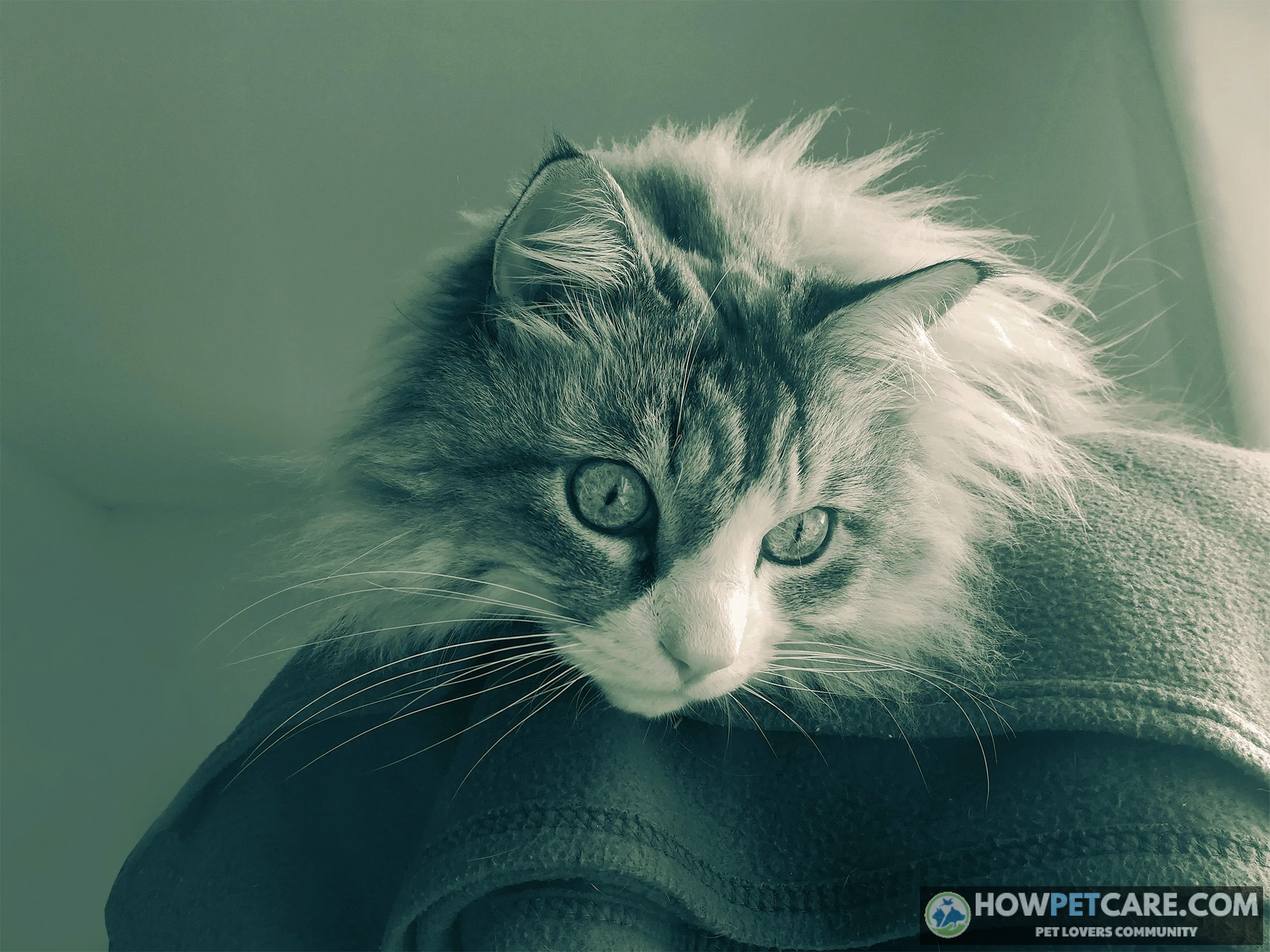

A healthy indoor Norwegian Forest Cat typically lives 12 to 16 years, and 14 to 15 is the most realistic planning average. Exceptional cats can reach 18 to 20, but that is an outlier, not an expectation. Indoor living, weight control, and screening for GSD IV and HCM matter most.
A healthy, well-cared-for indoor Norwegian Forest Cat typically lives between 12 and 16 years. For planning purposes, 14 to 15 years is the most realistic average.
Some veterinary sources cite conservative ranges of 10 to 12 years, while others suggest lifespans extending up to 20 years. Across veterinary networks and breed records, 12 to 16 years is the best-supported consensus. Reaching the upper end depends heavily on factors owners can influence: keeping a cat indoors, managing their weight, and arranging regular veterinary screenings for breed-specific genetic conditions.
The breed’s dense, water-repellent double coat and sturdy frame give the Norwegian Forest Cat, affectionately called the "Wegie," a rugged appearance. But the same biological realities that affect other domestic cats also govern their longevity. Knowing why published estimates differ can help you plan for your cat’s care and protect their health as they age.
10-12 vs 14-16 vs 15-20 Years: Which Lifespan Figure Is Right?
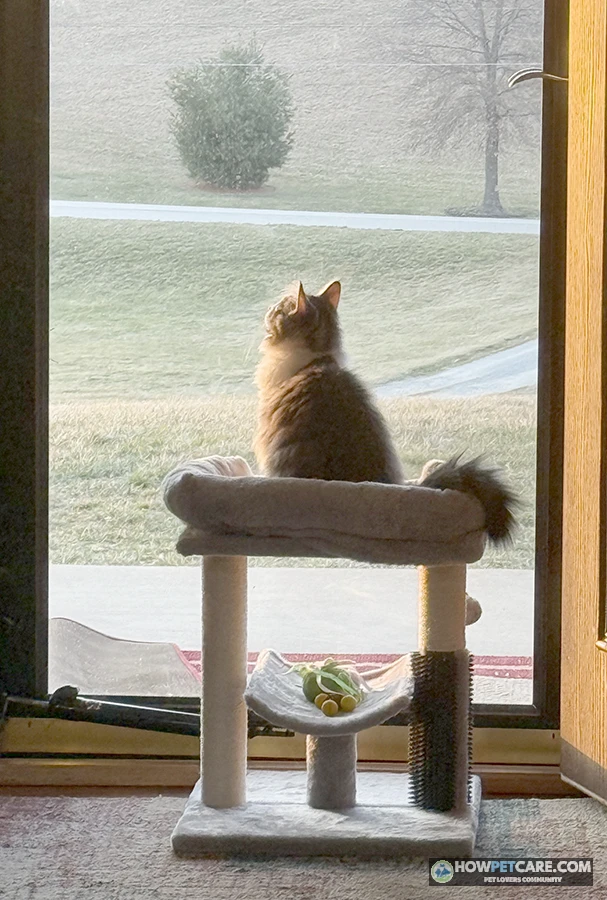
Search for Norwegian Forest Cat life expectancy and you’ll find several different figures, often without an explanation. Some sites claim a modest 10 to 12 years. Others cite 14 to 16 years. Large veterinary portals occasionally state that the breed can reach 15 to 20 years.
The figures differ because they describe different measures across different populations.
| Figure Claimed | Source or Type of Source | What It Measures | Evidence Quality | Our Reading |
|---|---|---|---|---|
| 10–12 years | Early pet portals, general encyclopedias | Conservative baseline or unmanaged population | Low — rarely cites verified veterinary databases | Understates lifespan; applies an arbitrary discount based on large breed size without empirical backing |
| 12–15 years | Insurer records (e.g., Swedish Agria data), clinical surveys | Actuarial median of insured purebred populations | Moderate — based on verified clinical outcomes, though small sample sizes | The most statistically defensible central range for the overall breed population |
| 14–16 years | Breed registries (CFA, FIFe), specialized cat publications | Average lifespan of healthy, cared-for indoor cats | Moderate — widely reported by breed clubs; aligns with domestic indoor averages | Plausible target for a well-maintained indoor cat; reflects typical owner experience |
| 15–20 years | Large veterinary hospital chains (e.g., VCA) | Theoretical ceiling under exceptional care | Low as an average — describes the maximum achievable age | Accurate as a maximum possible ceiling; highly misleading if interpreted as an average |
Where the 14-16 year number actually comes from
The widely quoted "14 to 16 years" figure is the standard consensus maintained by major cat fancy registries, including the Cat Fanciers’ Association (CFA) and the Fédération Internationale Féline (FIFe). Pet nutrition brands such as Royal Canin and Purina also cite it.
That figure doesn’t come from a double-blind, lifelong epidemiological trial tracking thousands of microchipped cats from birth to death. It comes instead from long-term self-reporting by registered catteries, breed preservation clubs, and owner registries monitoring indoor purebreds. Registered breeding cats and pedigree pets are typically kept strictly indoors, given prompt medical attention, and fed high-quality diets. In that context, 14 to 16 years represents what a healthy indoor Wegie can achieve when spared trauma and preventable illnesses.
Is 15-20 years realistic or an outlier?
When veterinary hospital groups list a lifespan extending to 20 years, they’re describing what’s biologically possible, not what’s statistically probable. A Norwegian Forest Cat can live to 19 or 20, but that isn’t an appropriate baseline for an owner to expect.
Large-scale feline longevity studies, including data compiled through the UK VetCompass program (analyzing hundreds of thousands of companion animals), show that reaching age 20 is rare across all feline breeds. Only a small single-digit percentage of domestic cats achieve two full decades. Large purebred cats, which carry higher genetic predispositions to specific cardiac and orthopedic conditions, face even narrower odds of reaching that threshold. Treating 15 to 20 years as typical sets unrealistic expectations; 18 to 20 years is better understood as an exceptional ceiling.
Our verdict and how confident the evidence is
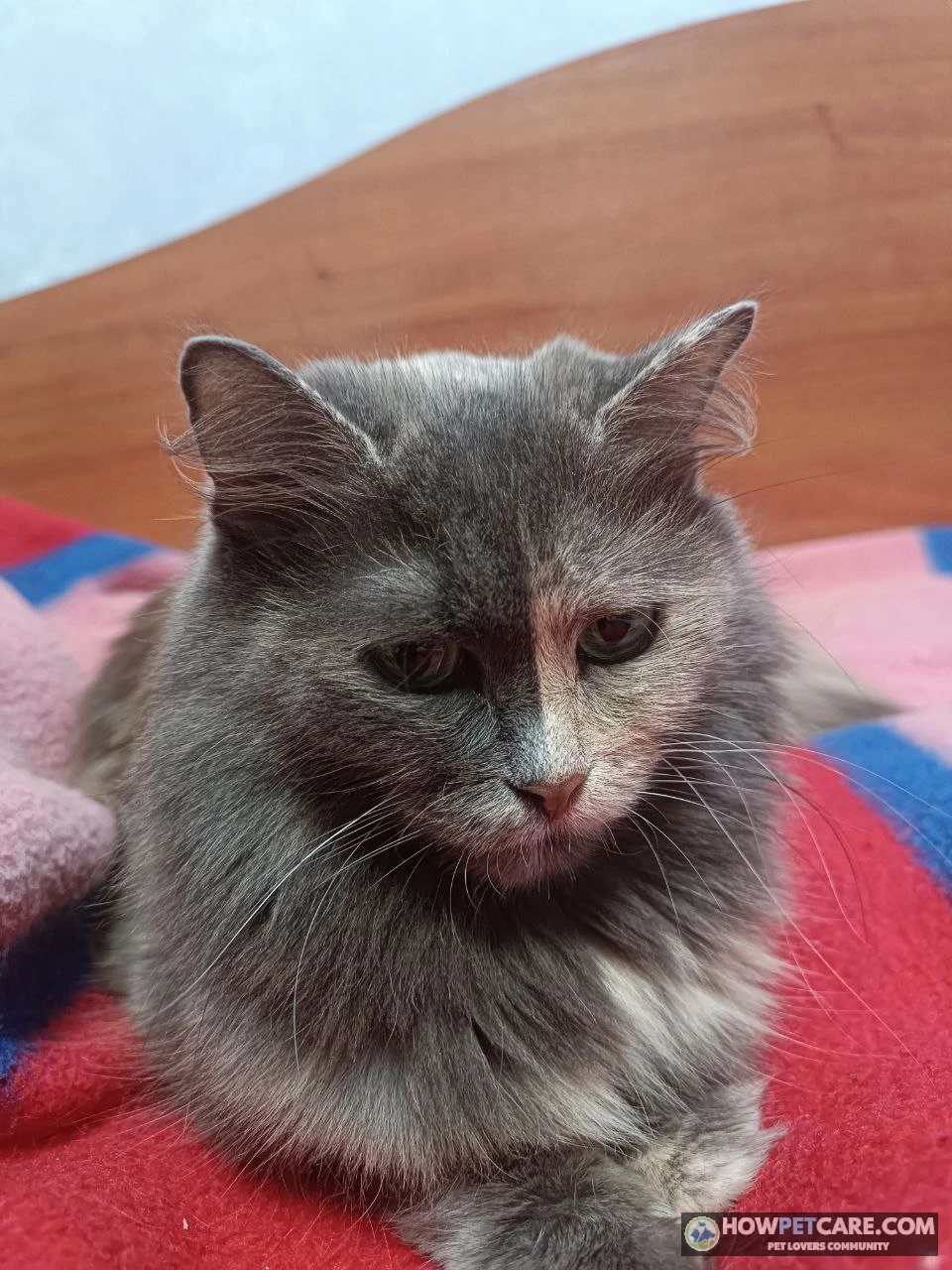
Our verdict: Plan on 12 to 16 years for an indoor Norwegian Forest Cat receiving modern veterinary care. If your cat avoids early hereditary disorders and maintains a lean body condition, reaching 14 or 15 years is a realistic and attainable milestone.
Confidence in this assessment is moderate. Purebred cats represent only a small fraction of the total feline population in clinical databases. Mixed-breed domestic cats number in the tens of thousands in research cohorts, while Norwegian Forest Cat samples typically number in the hundreds. Exact population medians therefore have wider margins of error than those for domestic shorthairs.
Health Problems That Shorten a Norwegian Forest Cat’s Life
The Norwegian Forest Cat developed as a landrace breed through natural selection in harsh Scandinavian climates, giving it a broader genetic base than many artificially created pedigree breeds. Even so, specific hereditary conditions and chronic degenerative illnesses can significantly shorten their life expectancy.
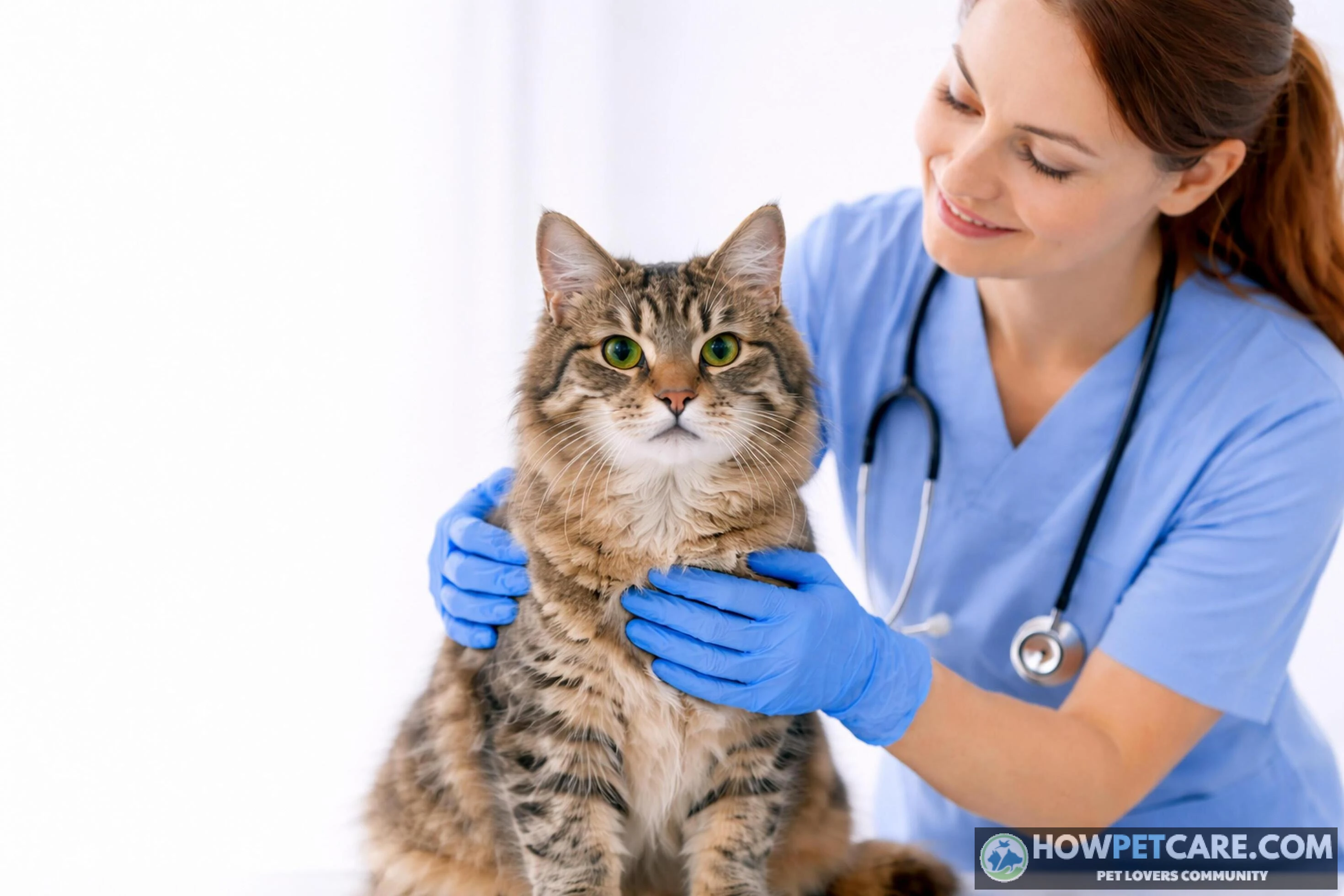
This guide provides educational information on breed genetics and lifespan. It is not a diagnostic tool. If your cat displays lethargy, difficulty breathing, altered gait, or changes in thirst, consult a licensed veterinarian immediately.
GSD IV and HCM: what to test for before you buy
Two primary genetic conditions have a direct, measurable impact on the Norwegian Forest Cat lifespan:
Glycogen Storage Disease Type IV (GSD IV): This inherited, autosomal recessive disorder of glucose metabolism is unique to the Norwegian Forest Cat line. Affected kittens lack an essential branching enzyme, which prevents cells from properly storing and using glycogen.
- Impact on Longevity: Devastating. Affected kittens often die shortly after birth or develop severe neuromuscular degeneration, muscle tremors, fever, and progressive paralysis around 4 to 5 months of age. Death usually occurs before 12 to 15 months of age.
- Prevention: A definitive DNA test is widely available. Because the condition is recessive, kittens must inherit a defective copy of the gene from both parents to develop the disease. Carrier cats (those with one defective gene) live normal lifespans. Ethical breeders test all breeding stock to prevent carrier-to-carrier pairings, effectively eliminating the risk of lethal cases.
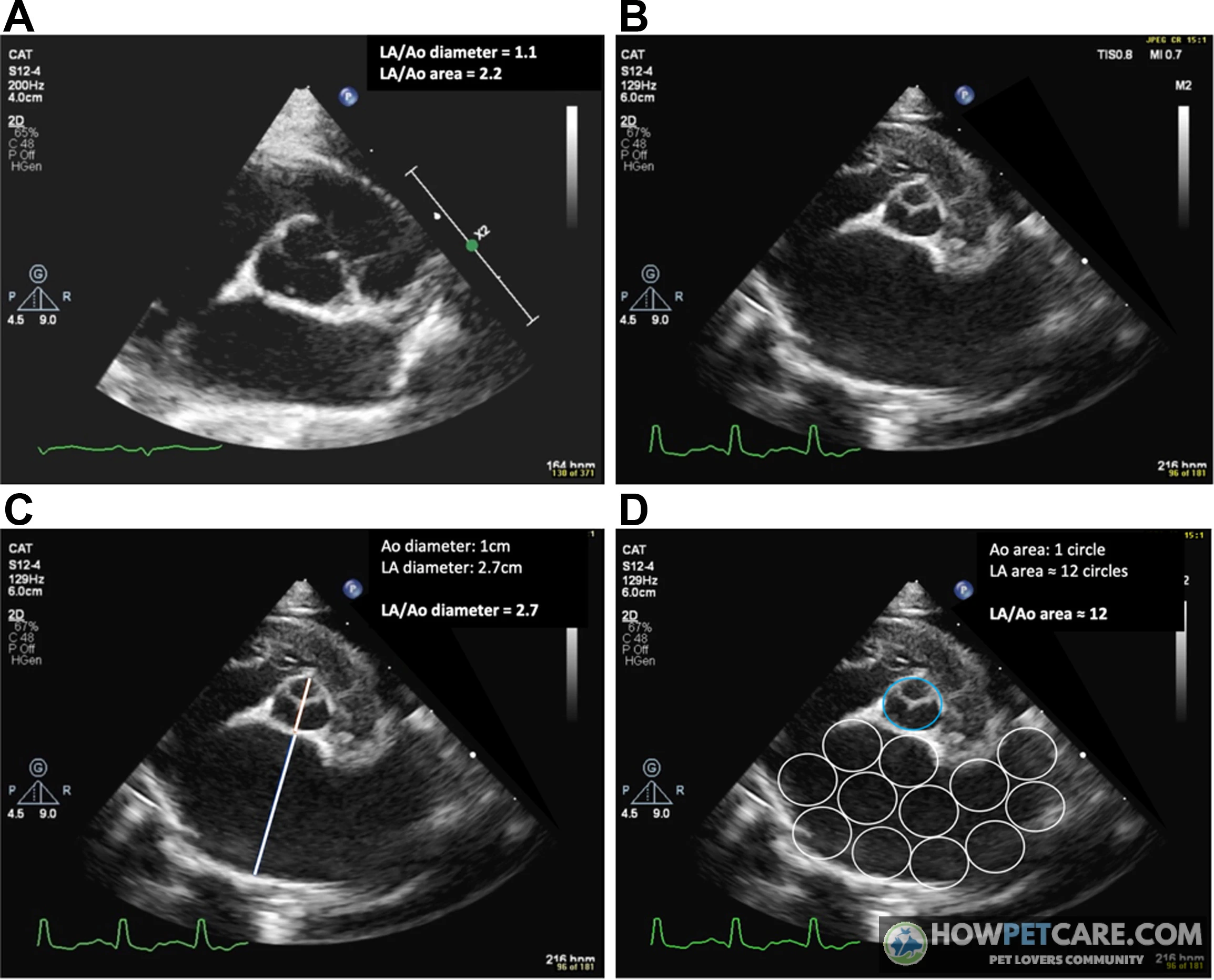
Hypertrophic Cardiomyopathy (HCM): The most common heart disease diagnosed in domestic cats, HCM causes the muscular walls of the heart’s left ventricle to thicken abnormally. Over time, the thickening reduces ventricular volume, restricts blood flow, and can cause congestive heart failure, fluid accumulation in the lungs, or fatal aortic thromboembolisms (saddle thrombi).
- Impact on Longevity: Highly variable. Acute cases can lead to sudden cardiac arrest in young adults. Slower-progressing forms can be managed with ACE inhibitors, beta-blockers, and diuretics, allowing cats to live comfortably well into senior age.
- Detection: Unlike Maine Coons, which have an identified genetic mutation associated with HCM, the Norwegian Forest Cat lacks a single, definitive DNA test for the condition. A normal stethoscope examination isn’t enough to rule it out: many cats with severe HCM don’t have heart murmurs. The gold standard for screening is a periodic Doppler echocardiogram evaluated by a board-certified veterinary cardiologist.
Hip dysplasia and joint problems in a large cat
Norwegian Forest Cats are heavy-boned, large-framed animals, and they share a vulnerability to hip dysplasia that is rarely observed in small domestic cats. Hip dysplasia occurs when the ball-and-socket joint of the hip develops abnormally, leading to joint laxity, cartilage erosion, and severe secondary osteoarthritis.
Hip dysplasia is rarely a direct cause of death, but it is a significant contributor to secondary euthanasia in senior cats. Chronic joint pain reduces mobility, makes climbing into litter boxes painful, and leads to progressive muscle atrophy. When severe arthritis limits a cat’s ability to walk, groom, or eliminate cleanly, their quality of life diminishes rapidly. Managing weight and monitoring joint health from an early age helps protect their mobility as seniors.
Beyond these breed-specific conditions, Wegies face the same health challenges as other aging cats: chronic kidney disease (CKD), dental disease, and diabetes mellitus. Polycystic kidney disease (PKD), primarily a concern in Persian-derived breeds, occasionally appears in breed literature. It is not, however, considered a primary hereditary threat in verified Norwegian Forest Cat lineages today.
How long do Norwegian Forest Cat mixes live?
Many owners who believe they have a Norwegian Forest Cat actually own a long-haired domestic cat mix with similar physical traits. Norwegian Forest Cat mixes typically live as long as, or slightly longer than, their purebred counterparts: approximately 13 to 17 years.
First-generation and multi-generation mixes benefit from hybrid vigor (heterosis). Mixing genetically distinct lines significantly reduces the probability of inheriting the identical recessive alleles responsible for GSD IV. Polygenic conditions like HCM and physical predispositions like hip dysplasia can still affect mixes, however, if one parent passes on vulnerable structural traits.
 You might be wonderingBombay cat lifespanBombay Cat Lifespan: Realistic Ranges and How to Extend ItRead the answer
Norwegian Forest Cat Lifespan Compared to Other Breeds
Prospective owners often compare the Norwegian Forest Cat with other natural and large-format breeds, particularly the Maine Coon, Ragdoll, and Siberian. Their reported life expectancies offer a way to set long-term expectations.
| Breed | Reported Lifespan (Years) | Primary Sources | Key Breed-Linked Health Risks | Evidence Confidence |
|---|---|---|---|---|
| Norwegian Forest Cat | 12–16 | Veterinary databases, CFA, FIFe | GSD IV, HCM, hip dysplasia | Moderate (small purebred sample sizes) |
| Domestic Shorthair (Mixed) | 12–15 (median ~11–12 across all demographics) | UK VetCompass (O’Neill et al., 2023) | Chronic kidney disease, diabetes, lymphoma | Very High (hundreds of thousands of records) |
| Maine Coon | 11–14 | Breed registries, insurer studies | HCM, hip dysplasia, spinal muscular atrophy (SMA) | Moderate (higher prevalence of known HCM mutations) |
| Ragdoll | 12–15 | Registry averages, clinical surveys | HCM, feline infectious peritonitis (FIP) susceptibility | Moderate to Low |
| Siberian | 12–15 | Breed clubs, registry reports | HCM, polycystic kidney disease | Low (limited distinct veterinary dataset entries) |
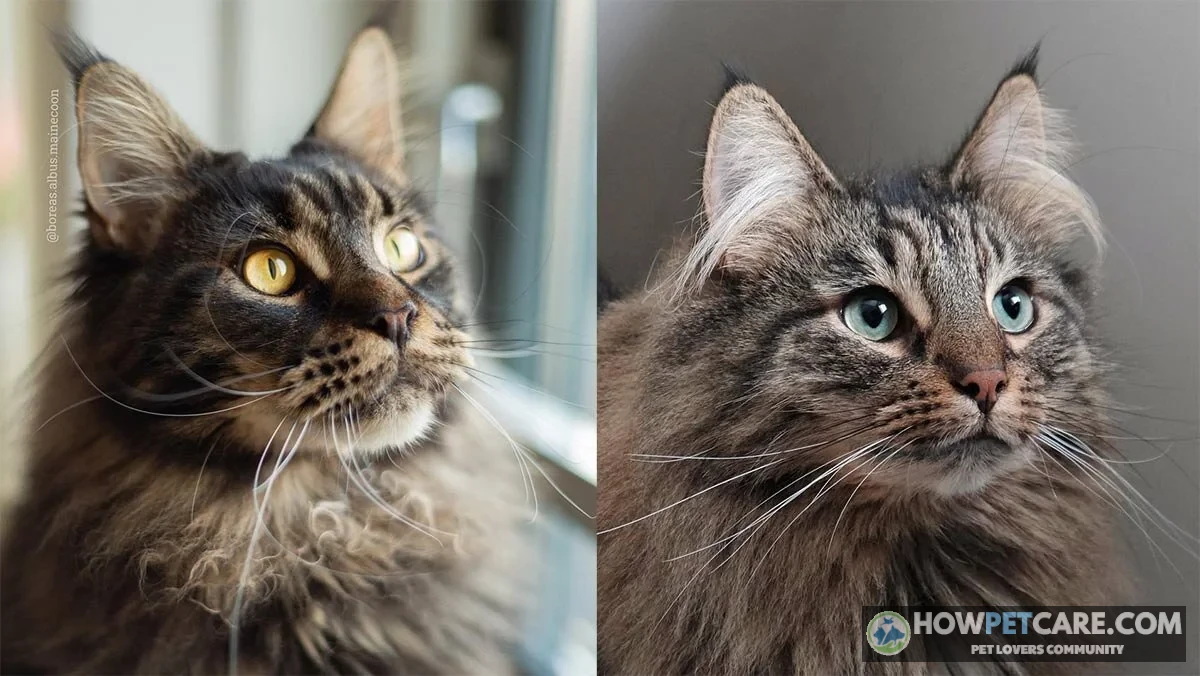
Norwegian Forest Cat vs Maine Coon: which lives longer?
Norwegian Forest Cats and Maine Coons are frequently compared because they look so similar, with bushy tails, tufted ears, muscular frames, and thick winter coats. In head-to-head longevity, the Norwegian Forest Cat holds a modest statistical edge.
Maine Coons have an exceptionally high prevalence of hypertrophic cardiomyopathy, driven partly by a known genetic mutation (the A31P mutation in the MYBPC3 gene). In actuarial studies of Swedish insured cats, the Maine Coon consistently ranks among the purebreds with higher early cardiac mortality.
The Norwegian Forest Cat’s population-level cardiac mortality appears slightly lower. Its natural development and strict modern GSD IV eradication programs give it a typical survival profile of 12 to 16 years, compared to 11 to 14 years for the Maine Coon. When both breeds come from lines rigorously screened for HCM via regular echocardiograms, however, their lifespans overlap almost completely.
Purebred vs mixed-breed longevity
In domestic dogs, large size correlates strongly with a shorter lifespan: a Mastiff lives far fewer years than a Chihuahua. In domestic cats, the size correlation is substantially weaker. An adult male Norwegian Forest Cat can weigh up to 16 to 20 pounds—more than double the size of a standard 7-pound Siamese—yet their baseline longevity remains close to that of the general domestic cat population.
Large-scale population studies, including those by the Royal Veterinary College’s VetCompass initiative, confirm that crossbred domestic cats have a slightly higher overall median survival rate than purebred cats as a whole. Closed studbooks can inadvertently concentrate deleterious mutations in purebred cats. The Norwegian Forest Cat, however, was historically a free-roaming farm and forest cat in Scandinavia before formal pedigree recording began. It exhibits greater overall vitality than many younger, intensively selected breeds.
Indoor vs Outdoor and Male vs Female: What Actually Moves the Number
Genetics sets the biological ceiling for how long a Norwegian Forest Cat can live. Daily care influences whether the cat reaches it.
How much longer do indoor Norwegian Forest Cats live?
Claims about indoor versus outdoor living are often exaggerated. One statistic repeated across pet blogs asserts that outdoor cats live only 2 to 5 years, while indoor cats live 15 or more.
The widely circulated figure that outdoor cats survive only 2 to 5 years is drawn primarily from studies on unowned feral cat colonies, not owned pets with outdoor access. Feral cats face unmanaged starvation, untreated trauma, and zero medical care. For an owned cat allowed outdoors, life expectancy is reduced, but usually due to acute events (vehicular trauma, poisoning, animal attacks) rather than systemic illness.
For owned pet cats, the gap is smaller than the feral-derived myth suggests but still substantial: veterinary literature generally estimates that unrestricted outdoor access shortens an owned cat’s expected lifespan by several years, though no controlled study fixes an exact figure.
Veterinary mortality records show that the indoor survival advantage is real and pronounced. Outdoor cats face three primary life-shortening hazards:
- Blunt Force Trauma: Vehicular collisions are the single greatest cause of sudden, premature death in young adult cats with outdoor access.
- Infectious Disease: Unrestricted roaming brings cats into contact with outdoor felines carrying Feline Leukemia Virus (FeLV) and Feline Immunodeficiency Virus (FIV), transmitted via territorial fighting.
- Toxins and Predation: Antifreeze ingestion, rodenticide-poisoned prey, and native predators (such as coyotes, large raptors, and stray dogs) present continuous threats.
Keeping a Norwegian Forest Cat indoors removes these primary drivers of early mortality. Indoor life has a secondary risk, though: sedentary behavior can lead to severe feline obesity. Wegies have powerful hunting instincts and exceptional climbing abilities, so they need vertical climbing structures, heavy scratching posts, and active daily play sessions to remain healthy indoors.
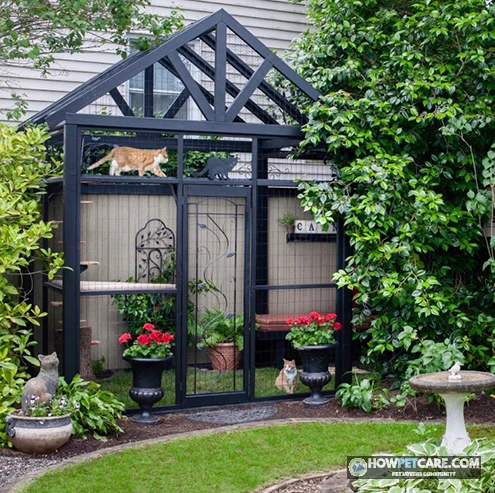
If your cat shows intense frustration indoors, there are safer alternatives. An enclosed outdoor "catio," a fully escape-proof fenced perimeter, or harness training can provide mental enrichment without exposing your Wegie to traffic or disease.
Do male or female Norwegian Forest Cats live longer?
Many owners wonder whether male or female Norwegian Forest Cats live longer. In broad feline population datasets like VetCompass, female domestic cats show a slight statistical advantage, living an average of roughly one to one-and-a-half years longer than males.
There is no reliable, peer-reviewed, breed-specific data confirming that female Norwegian Forest Cats outlive males. The general feline gap is largely explained by behavior and anatomy:
- Intact or free-roaming males have wider territorial boundaries and higher aggression, resulting in more traumatic injuries and infectious bite wounds.
- Male cats have a narrower, longer urethra, making them much more susceptible to life-threatening acute urethral obstructions from urinary crystals or mucus plugs.
When cats are neutered, kept strictly indoors, and monitored for urinary tract symptoms, this longevity difference largely disappears. Biological sex is an insignificant predictor of lifespan compared with body condition, preventive medicine, and genetic screening.
Does spaying or neutering extend lifespan?
Yes. Surgical sterilization is one of the most reliable, evidence-backed interventions available to extend a Norwegian Forest Cat’s life.
- Prevention of Reproductive Cancers: Spaying female cats before their first heat cycle virtually eliminates the risk of mammary gland tumors (which are malignant in over 85% of feline cases) and entirely eliminates pyometra, an acute and potentially fatal uterine infection.
- Mitigation of Trauma and Roaming: Neutered males lose the hormonal drive to wander, fight for mates, and spray urine. They experience dramatically lower rates of bite-induced abscesses and viral infections.
- Selection Confounders: Veterinary epidemiologists note that owners of sterilized cats typically provide regular preventive medical care, vaccinations, and high-quality nutrition, compounding the measured lifespan advantage.
For a slow-maturing breed like the Norwegian Forest Cat, consult your veterinarian about the optimal surgical timeline. Most practitioners recommend sterilization between 5 and 9 months of age, before hormonal maturity occurs.
How to Help Your Norwegian Forest Cat Live Longer
Helping your Norwegian Forest Cat live longer takes more than affection. The breed’s physical build and dense coat make particular routines useful for monitoring health.
Weight and body condition for a thick-coated cat
Obesity is the single most pervasive, preventable condition shortening feline lives. Studies confirm that overweight cats face significantly higher risks of developing Type 2 diabetes mellitus, hepatic lipidosis, and urinary tract disease. For a Norwegian Forest Cat, excess weight also accelerates the breakdown of joints already vulnerable to hip dysplasia.
The Norwegian Forest Cat’s dense, woolly undercoat and water-repellent guard hairs easily conceal an extra two to three pounds of fat. A visual check alone is useless. Place your hands on either side of your cat’s ribcage and apply gentle pressure. You should easily feel individual ribs covered by a thin layer of fat, similar to the feel of the back of your hand. If you have to press firmly into the fur to locate the ribs, your cat is carrying excess weight.
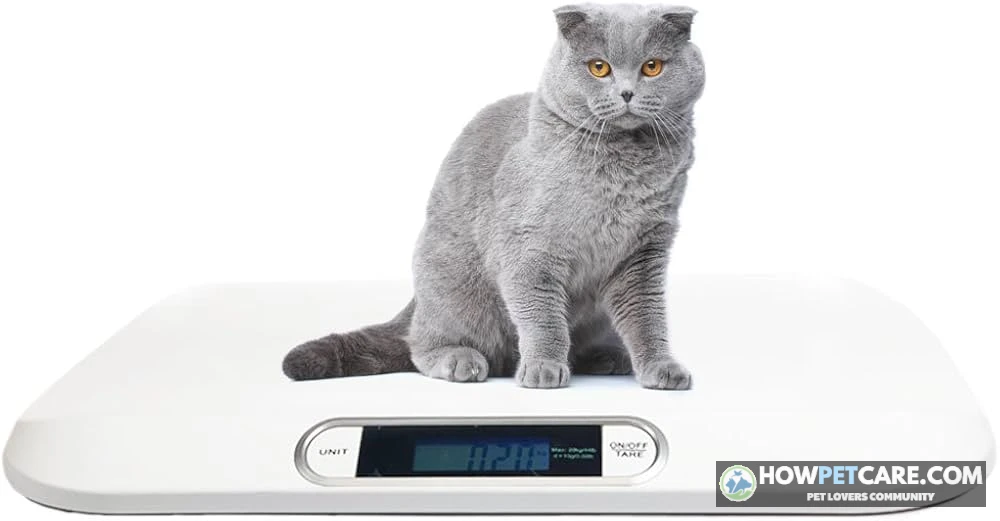
Weigh your Wegie once every month using a digital pet scale. You can also hold your cat while standing on a bathroom scale, then subtract your own weight. Track the number in a health journal; an unintended gain or loss of just 8 ounces represents a significant percentage of a cat’s total body mass.
Diet and hydration specifics
Cats are obligate carnivores requiring high levels of dietary animal protein, moderate fat, and minimal carbohydrates. To support longevity:
- Incorporate Wet Food Daily: Cats naturally have a low thirst drive, having evolved to obtain moisture from their prey. Feeding exclusively dry kibble chronically concentrates urine, increasing the risk of kidney strain and lower urinary tract disease. A diet incorporating 50% to 100% moisture-rich wet food promotes renal flushing and long-term kidney function.
- Portion Control: Free-feeding (leaving a bowl of dry food out constantly) is the primary driver of feline obesity. Measure every meal using a gram scale rather than an imprecise measuring cup, and adjust caloric intake based on your cat’s body condition score.
- Meet Life-Stage Standards: Check that the food carries a nutritional adequacy statement from the Association of American Feed Control Officials (AAFCO) or the European Pet Food Industry Federation (FEDIAF), verifying that it is formulated for maintenance or senior life stages.
Screening and vet schedule
Preventive diagnostic care can catch progressive conditions while they’re still treatable. Follow this diagnostic progression:
- Years 1 to 7: Comprehensive annual wellness examination, core vaccinations, dental evaluation, and fecal screening.
- Age 4 to 5 (Maturity Milestone): Schedule a baseline cardiac echocardiogram. Norwegian Forest Cats finish developing around age 5, making this the ideal time to evaluate heart wall thickness and rule out early-onset HCM.
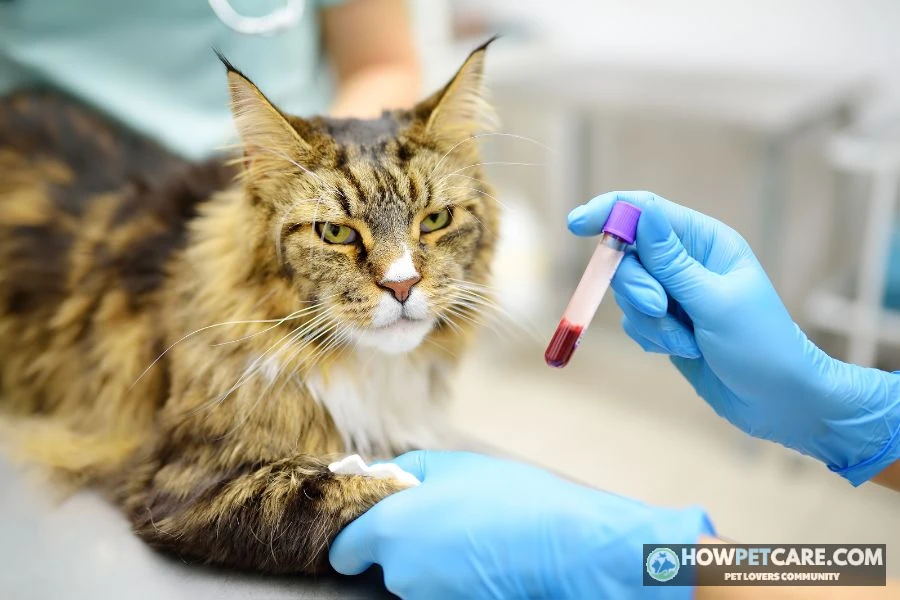
- Years 7 to 10: Annual exams with the addition of baseline senior lab panels, including a complete blood count (CBC), serum biochemistry profile (monitoring kidney and liver enzymes), and urinalysis.
- Years 10 and Beyond: Transition to biannual (every six months) veterinary visits. Include blood pressure checks, as hypertension is common in older cats with advancing kidney or thyroid disease.
Life Stages of a Wegie: When Is a Norwegian Forest Cat a Senior?
The American Animal Hospital Association (AAHA) and the American Association of Feline Practitioners (AAFP) divide the feline lifespan into distinct stages. Norwegian Forest Cats mature unusually slowly, taking 4 to 5 full years to reach adult muscle mass and skeletal frame. Owners often wonder if their senior life stages are similarly delayed.
Veterinary medicine treats internal organ aging independently of muscular growth. A Wegie may remain playful through its fifth year, but their cellular aging aligns with standard feline physiology.
| Life Stage | Approximate Age | What to Monitor | Veterinary Visit Frequency | Primary Care Priorities |
|---|---|---|---|---|
| Kitten | Birth to 1 year | Growth milestones, bite alignment, testicle descent | Every 3–4 weeks for initial vaccines; then at 6 months | Core immunization series, spay/neuter, microchipping, early socialization |
| Young Adult | 1 to 6 years | Ongoing skeletal growth, coat development, weight | Annual | Baseline echocardiogram at 4–5 years, monthly weight checks, dental home care |
| Mature Adult | 7 to 10 years | Early joint stiffness, subtle weight shifts, dental tartar | Annual | Baseline blood chemistry and urinalysis, calorie adjustment for slowing metabolism |
| Senior | 10 to 14 years | Water consumption, litter box habits, coat matting | Every 6 months | Comprehensive senior bloodwork, blood pressure screening, joint mobility support |
| Geriatric | 15+ years | Cognitive function, muscle wasting, sensory deficits | Every 3–6 months | Palliative comfort, environmental adaptations (low-sided boxes, ramps), hydration support |
Life-stage timeline for a Norwegian Forest Cat
A 4-year-old Norwegian Forest Cat is still completing its physical maturation rather than entering mid-life, a useful perspective when planning their care. Don’t transition them to restrictive senior diets prematurely, but don’t skip regular veterinary checkups on the assumption that a growing cat is immune to disease.
Aging signs that should prompt a vet visit
Cats are adept at concealing pain and weakness. Watch for these subtle early signs of age-related disease:
- Changes in Water Consumption or Urination: An empty water bowl or larger, more frequent litter box clumps is the classic early indicator of chronic kidney disease or diabetes.
- Hesitation to Jump or Climb: If your Wegie suddenly stops perching atop the refrigerator or hesitates before leaping onto the sofa, don’t attribute it simply to "slowing down." This is a direct sign of joint pain from osteoarthritis or hip dysplasia.
- Coat Deterioration and Matting: Norwegian Forest Cats take great pride in grooming their double coats. When dental pain or spinal arthritis makes twisting difficult, mats quickly form along the lower back, flanks, and hindquarters.
- Unexplained Weight Loss: Gradual loss of muscle mass along the spine (sarcopenia) often signals hyperthyroidism, gastrointestinal disease, or renal compromise, even if the cat’s appetite appears normal.
- Persistent Coughing or Rapid Breathing: Any increase in resting respiratory rate (greater than 30 breaths per minute while sleeping peacefully) warrants immediate cardiac evaluation for HCM.
Senior cat care: what changes year by year
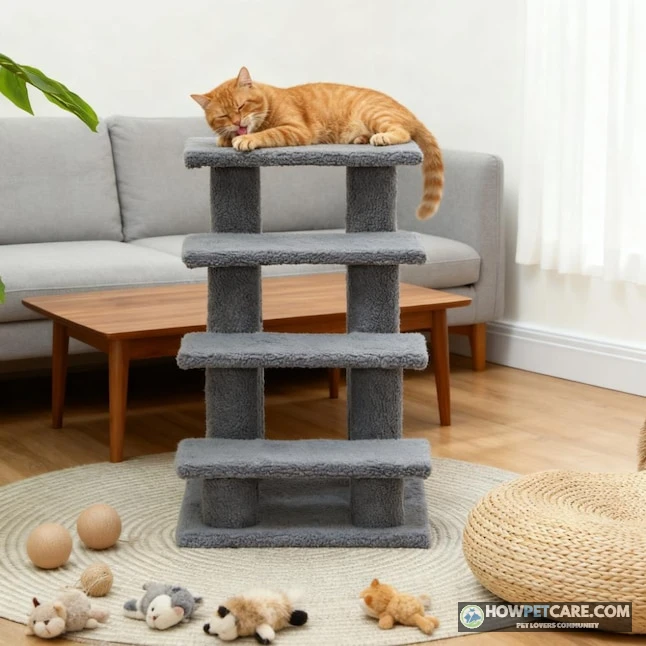
As your Norwegian Forest Cat crosses the 10-year threshold, adapt their living environment to their changing physical capacity. Provide wide, carpeted ramps or step stools leading to their favorite high perches. Replace high-sided litter boxes with low-entry models so stiff hips don’t make elimination painful.
Senior long-haired cats need hands-on grooming assistance. Use a wide-toothed metal comb daily to prevent painful skin pulling. Discuss quality-of-life frameworks with your veterinarian, too. Tools like the HHHHHMM Scale (evaluating Hurt, Hunger, Hydration, Hygiene, Happiness, Mobility, and More Good Days than Bad) provide objective metrics for assessing comfort in their final years.
Your Longevity Plan: A Checklist and the Number to Budget For
When calculating the financial and emotional commitment of adding a Norwegian Forest Cat to your household, budget for a 15-year lifespan. An individual cat may live 12 years or 17 years, but 15 years represents the realistic planning median for an indoor, well-managed purebred. Over that span, expect health care costs to rise significantly during the final four to five years.
-
1. Verify Genetic Clearance Before Adopting
If buying a kitten, insist on seeing official laboratory documentation proving that both parents tested negative (normal) for Glycogen Storage Disease Type IV (GSD IV). Confirm that the cattery performs routine veterinary echocardiograms on breeding stock to screen for Hypertrophic Cardiomyopathy (HCM).
-
2. Secure Comprehensive Pet Insurance Early
Enroll your kitten in an accident-and-illness pet insurance policy during their first months of life. Large-breed purebreds face expensive diagnostic evaluations later in life (cardiac ultrasounds, orthopedic radiographs, dental surgeries); securing coverage before any health condition is noted in veterinary records ensures claims will not be denied as pre-existing.
-
3. Establish a Dedicated Indoor Territory
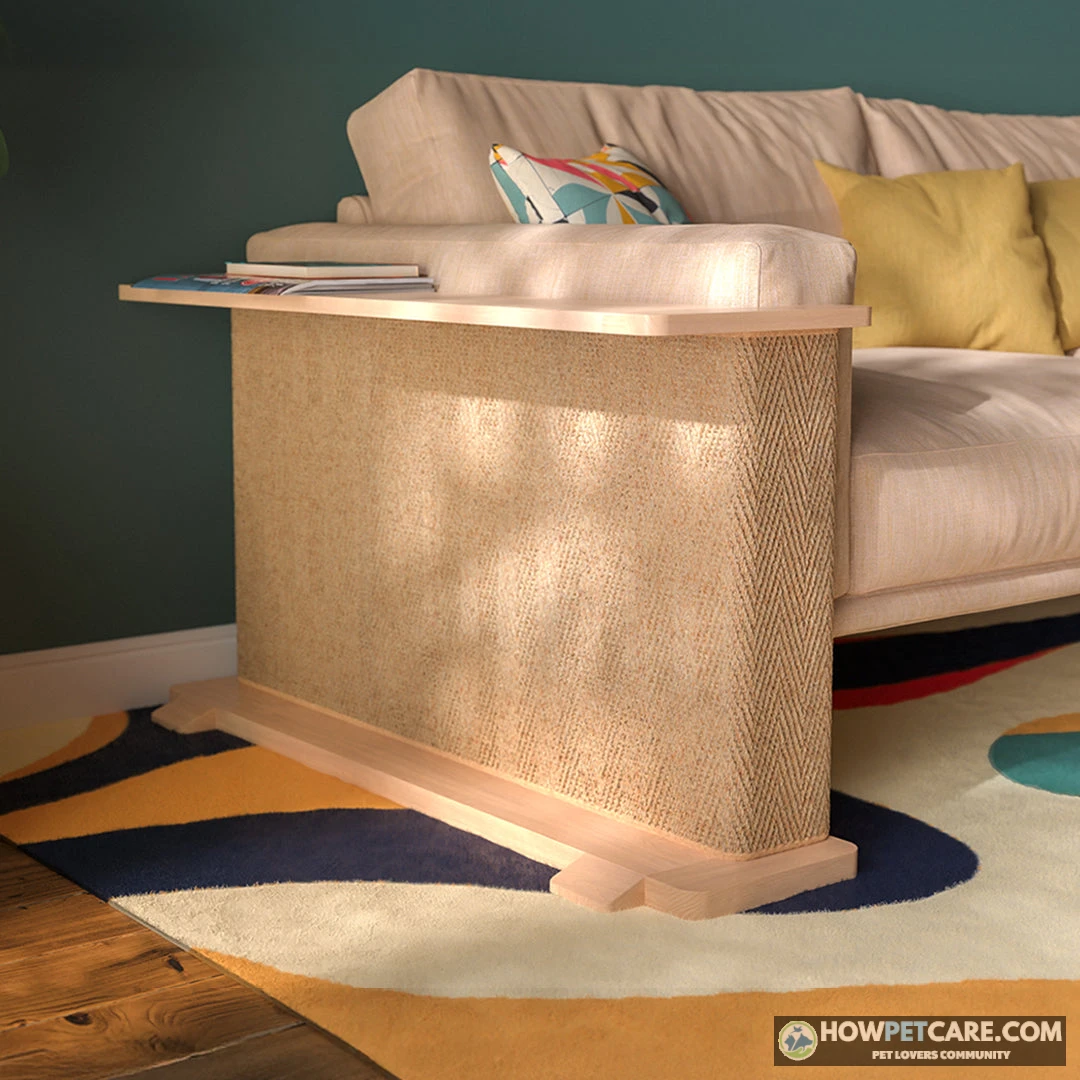
Equip your home with heavy, wide-based cat trees that support a 15- to 20-pound adult cat. Provide safe vertical climbing outlets and mental puzzle toys to satisfy their strong hunting instincts while eliminating the hazards of free-roaming outdoor life.
-
4. Implement Hands-On Body Condition Scoring
Commit to a monthly hands-on rib assessment and weight check. Because the breed’s dense double coat conceals early fat deposits, proactive calorie restriction and controlled portion feeding are necessary to keep your cat at an ideal Body Condition Score of 4 to 5 on a 9-point scale.
-
5. Complete a Maturity Cardiac Screening
Between ages 4 and 5—when your cat reaches full physical maturation—consult your veterinarian regarding a baseline echocardiogram. Documenting normal cardiac wall thickness establishes an invaluable reference point for their senior years.
-
6. Transition to Senior Diagnostic Protocols at Age 10
At age 10, shift your veterinary routine to twice-yearly wellness checks. Ensure every visit includes blood pressure measurement, a complete senior chemistry panel, and thorough dental probing to detect and treat age-related conditions early.
If you are choosing a kitten
If you’re selecting a Norwegian Forest Cat kitten:
- Avoid breeders who claim their lines are "100% free of all heart disease" without providing veterinary echocardiogram reports; no breeder can make that guarantee.
- Request written health contracts with replacement or reimbursement provisions should a genetic condition like GSD IV or juvenile HCM appear within the first two to three years.
- Observe the living environment to make sure kittens are raised indoors with rich social interaction, as behavioral stress compromises early immune function.
If you already own a Norwegian Forest Cat
If you already share your home with a Wegie:
- Schedule an overdue veterinary exam if your cat hasn’t had comprehensive bloodwork in the past twelve months.
- Introduce wet food into their daily feeding routine if they’re currently eating dry kibble exclusively.
- Run your fingers firmly over their ribcage today to assess their body condition under the water-resistant coat.
Good nutrition, weight management, and stress-free vertical territory support the lifespan your cat’s genetics provide. Consistent preventive care gives your Norwegian Forest Cat the best opportunity to share your home for 14, 15, or even 16 happy years.
 You might be wonderingManx cat life expectancyManx Cat Life Expectancy: Realistic Range by Tail Type & HealthRead the answer
FAQ
What is the oldest Norwegian Forest Cat on record?
No widely verified record exists for the Norwegian Forest Cat specifically. The oldest verified cat overall was Creme Puff, a domestic cat that reached 38 years and 3 days according to Guinness World Records.
Does a Norwegian Forest Cat’s late maturity mean it lives longer?
Slow maturity (full size at about 4-5 years) does not by itself prove a longer life, and no breed-specific study confirms the link. What it does mean is that senior-care timing should be judged by your vet from age and health, not from size alone.
Is there a DNA test for Norwegian Forest Cat health problems?
Yes, a DNA test exists for glycogen storage disease type IV, and responsible breeders use it to avoid affected litters. HCM has no definitive DNA test for this breed, so screening relies on echocardiograms.
How can I tell if my Norwegian Forest Cat is overweight under all that fur?
Feel along the ribs and look from above. You should be able to feel the ribs under a thin fat layer and see a waist behind the ribcage. Ask your vet to score body condition at each visit, since the double coat hides fat.
Do Norwegian Forest Cats have more health problems than other breeds?
They carry a few breed-linked risks, notably GSD IV, HCM, and hip dysplasia, but they are generally regarded as a fairly robust breed. Health-tested parents and weight control are the biggest factors you can influence.