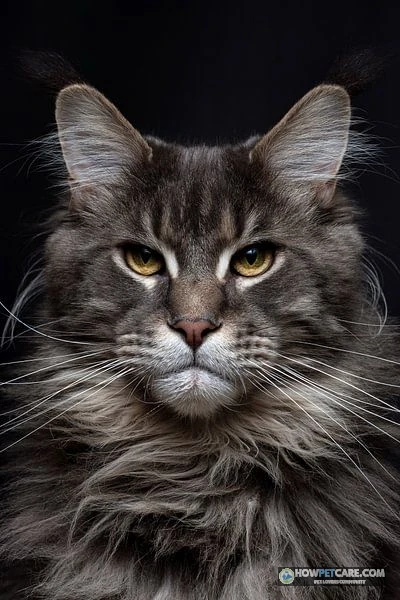

The Maine Coon cat is one of the largest domestic long-haired breeds — a sociable, dog-like companion native to Maine. Adult males typically weigh 13–18 lb and females 8–12 lb, with a shaggy water-resistant coat, a lifespan of roughly 12–15 years, and US kitten prices around $1,000–$2,500.
The Maine Coon cat is one of the largest domestic long-haired cat breeds. It’s known for its sociable, dog-like personality, tufted ears, and shaggy, water-resistant coat. Officially recognized as Maine’s state cat, this native American breed is easygoing and family-friendly, but its size and coat call for regular grooming and space accommodations. Owners should also be aware of breed-linked health risks, including hypertrophic cardiomyopathy and hip dysplasia. Maine Coons reach full physical maturity between 3 and 5 years of age. Adult males typically weigh 13 to 18 pounds, with some healthy individuals exceeding 20 pounds, while adult females range from 8 to 12 pounds.
In the United States, a Maine Coon kitten from an ethical breeder typically costs $1,000 to $2,500. Annual ownership costs also range from $1,000 to $2,500, covering large-breed nutrition, specialized gear, routine veterinary care, and preventive health monitoring.
Maine Coon Cat at a Glance: Size, Lifespan, Temperament, and Cost
Major feline registries worldwide recognize the Maine Coon, including the Cat Fanciers’ Association (CFA) and The International Cat Association (TICA). Established over a century ago, the breed developed as a hardy working cat adapted to harsh New England winters. Today, it’s among the most popular pedigreed companion cats in North America and often does well in active households looking for an affectionate, interactive companion.
| Trait | What to expect | Notes or source |
|---|---|---|
| Origin | United States (Maine); natural long-haired breed | Recognized by CFA and TICA |
| Adult weight — males | ~13–18 lb (5.9–8.2 kg); some exceed 20 lb | Typical range; individual cats vary |
| Adult weight — females | ~8–12 lb (3.6–5.4 kg) | Typical range; body condition matters more than the number |
| Height at shoulder | ~10–16 in (25–40 cm) | Larger than most domestic cats |
| Full size reached | ~3–5 years | Much slower than the ~1 year typical of other breeds |
| Lifespan | ~12–15 years commonly cited | Varies with genetics, diet, and vet care |
| Coat | Long, shaggy, water-resistant; shorter on shoulders, fuller on ruff and belly | Seasonal shedding; heavy winter undercoat |
| Temperament | Sociable, easygoing, playful into adulthood; vocalizes with chirps and trills | Usually tolerates kids and other pets well |
| Grooming load | Brushing several times per week | Daily during seasonal coat blowouts |
| Kitten price (breeder, US) | ~$1,000–$2,500 commonly reported; show/breeding quality higher | Estimates only — verify with current breeder listings (2026) |
| Good fit for | Families, multi-pet homes, owners wanting an interactive indoor cat | See the fit checklist at the end of this guide |
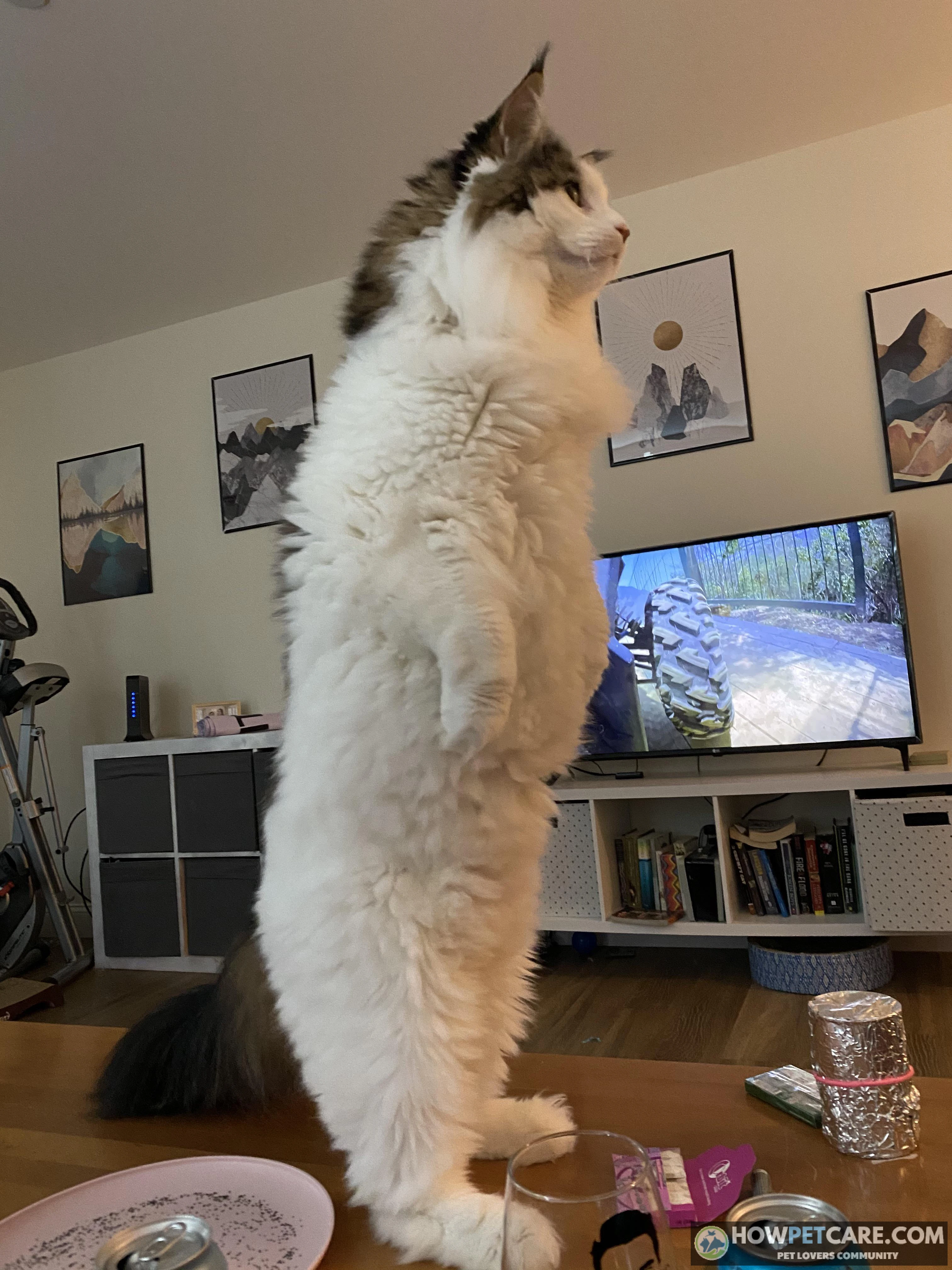
Maine Coons can be a good fit for families, multi-pet homes, and people who want an affectionate indoor cat involved in daily routines. They’re less suited to people who travel constantly without arranging pet care, dislike regular brushing, or want a low-cost, low-maintenance pet.
If you’re considering the breed, the sections below cover adult size, temperament, health screening, ownership costs, and how to assess a breeder.
How Big Do Maine Coon Cats Get? Size, Growth Timeline, and Appearance
The Maine Coon’s size draws many prospective owners to the breed. But it’s worth looking beyond viral claims of forty-pound cats and considering registry data and the breed’s gradual growth.
Maine Coon size and weight by sex
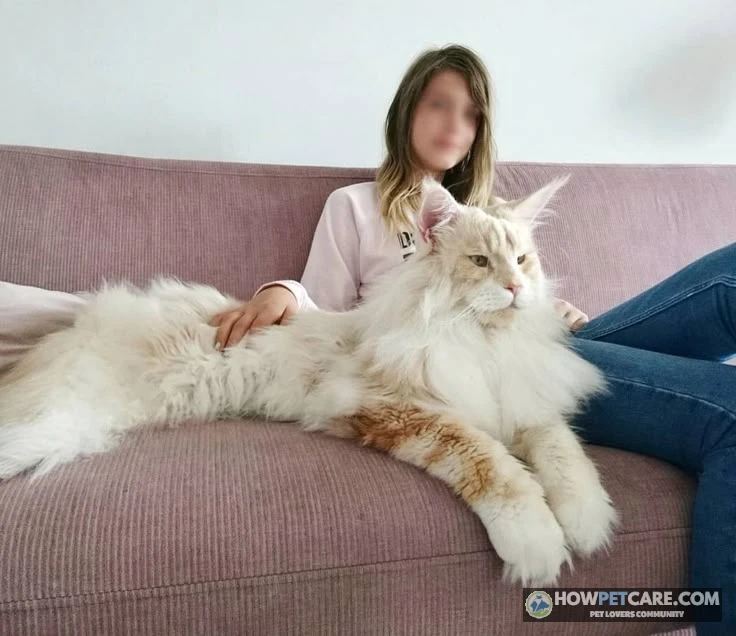
Maine Coons are longer and taller than virtually any other domestic feline. Adult males typically weigh 13 to 18 pounds (5.9 to 8.2 kg), though particularly large, well-muscled cats occasionally reach 20 to 22 pounds without being overweight. Adult females are smaller but still substantial compared with average domestic cats, typically weighing 8 to 12 pounds (3.6 to 5.4 kg).
A full-grown Maine Coon stands approximately 10 to 16 inches tall at the shoulder and can measure up to 40 inches from nose to tail tip. A lean body condition matters: excess fat on a large frame increases strain on joints and metabolic vulnerability. Use body condition, assessed with a light rib check, to guide weight management rather than relying on scale numbers alone.
How long Maine Coons take to reach full size
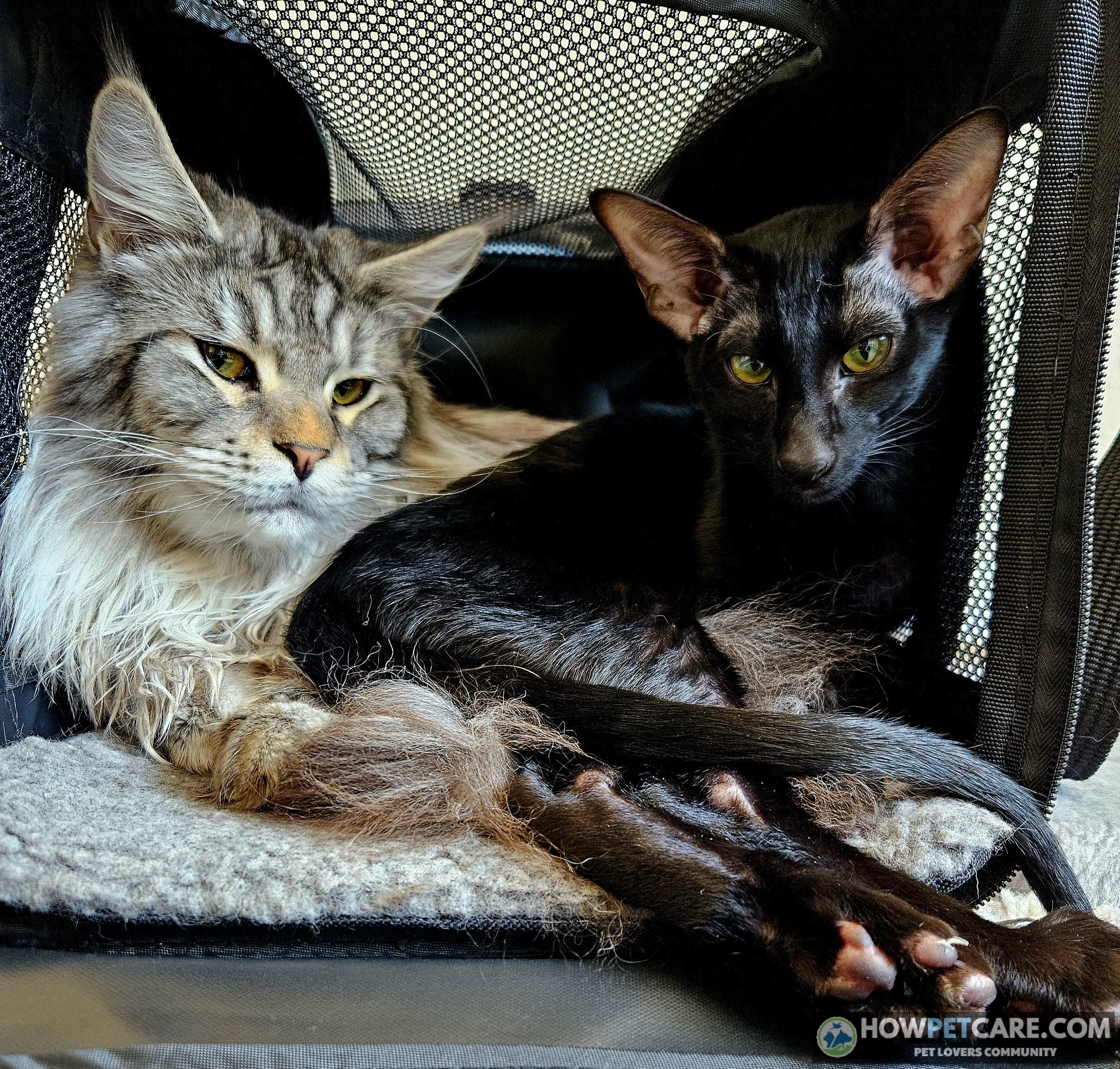
Unlike standard domestic shorthairs, which complete their growth within 9 to 12 months, Maine Coons develop slowly. Kittens grow rapidly in length during their first 12 to 18 months and often look like leggy, uncoordinated adolescents. Muscular breadth, chest development, facial bone maturity, and full coat density take between 3 and 5 years to stabilize.
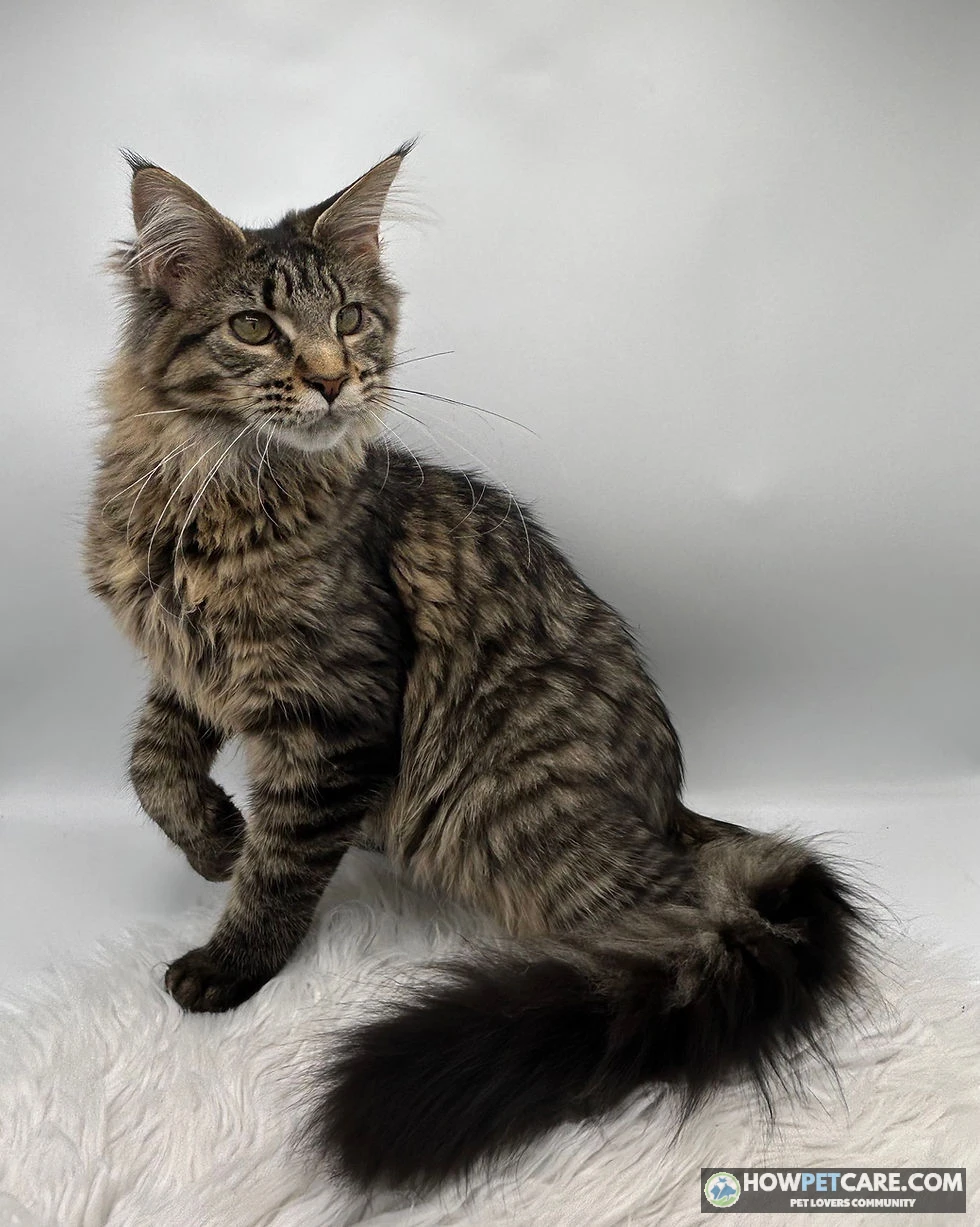
A one-year-old Maine Coon weighing 11 pounds is completely normal and shouldn’t be power-fed to accelerate growth. Overfeeding during development strains growth plates and increases the risk of juvenile bone disorders. Give this slow-maturing breed time to grow.
Sales listings advertising "guaranteed 30-pound giants" or "XXL Maine Coon kittens" use misleading marketing. Reputable breeders prioritize structural health, balanced proportions, and cardiac soundness over exaggerated size. Rapid weight gain from overfeeding can harm a young cat’s developing joints.
Coat, tufted ears, tail, and extra toes
The historical Maine Coon’s physical traits reflect its adaptation to northern climates. The breed likely originated from crosses between local domestic shorthairs and overseas longhairs, possibly Angora types brought across the Atlantic by New England seamen or early Scandinavian voyagers. Over generations of harsh winters, natural selection preserved a heavy, glossy, water-resistant coat that falls in uneven, shaggy layers. Fur is shorter over the neck and shoulders to prevent snagging in brush, with an insulated belly apron, full britches along the thighs, and a neck ruff that helps deflect freezing winds.
The large ears are broad at the base, with internal furnishings and lynx-like tips that protect the ear canals from frostbite. A long, bushy tail, often as long as the torso, can wrap around the paws and face for warmth on frozen ground. Broad paws act as natural snowshoes, with thick tufts of hair between the toe pads.
Historically, a substantial portion of the native Maine Coon population was polydactyl, with extra digits on the front or rear paws. Polydactyly is a benign genetic trait caused by a dominant gene, and it produces wider, paddle-like paws. The standard CFA show ring historically excluded polydactyl cats from championship status. Dedicated breed groups maintain pedigree lines through TICA, which recognizes the Maine Coon Polydactyl for championship competition, and celebrate the trait as part of the breed’s working heritage.
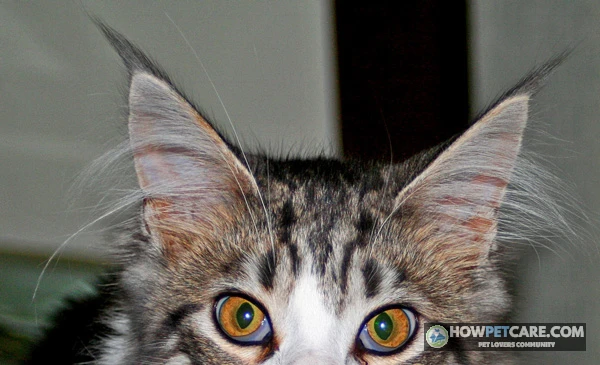
Maine Coon colors and patterns explained simply
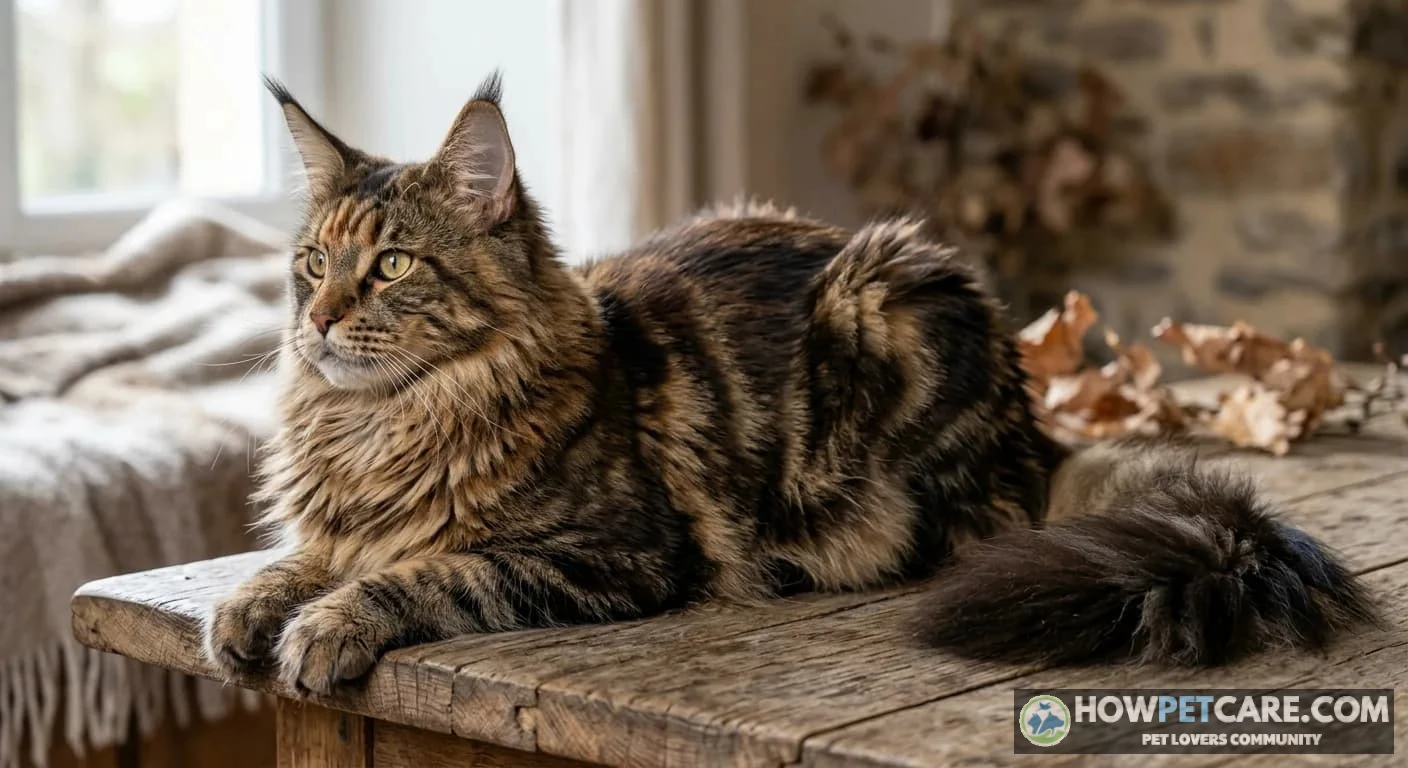
The brown classic tabby, with bold dark swirls over a warm agouti background, is the most recognizable coat, but Maine Coons come in a wide range of colors and patterns. Registries recognize solid coats, including black, white, red, and blue/cream; bi-color combinations such as black and white tuxedo or red and white; tortoiseshells; and silver or smoke shades with a white root on the hair shaft.
Distinct pattern categories include:
- Classic Tabby: Symmetrical "butterfly" markings across the shoulders and wide bullseye swirls on the flanks.
- Mackerel Tabby: Narrow, parallel stripes down the body, resembling a fish skeleton.
- Torbie (Patch Tabby): Tabby stripes overlaid with red or cream patches.
- Smoke and Shaded: Solid or tabby surface coloring that parts to reveal a silver-white underlayer.
Registry standards disallow colors resulting from hybridization with pointed breeds: chocolate, lavender/lilac, cinnamon, fawn, and Himalayan-style pointed coloration, such as Siamese patterns. A seller advertising a "purebred lilac point Maine Coon" is offering a mixed-breed cat or an unverified cross.
Maine Coon Personality and Temperament: Are They Good Pets?
Often called the "dog of the cat world," the Maine Coon is attentive and sociable, unlike the stereotype of the solitary cat. Former working farm mousers, Maine Coons remain loyal, intelligent companions that fit into active households.
Many prefer to stay close rather than sit confined on a lap. They may follow family members from room to room, settle near a desk, or lounge at the foot of the bed. They communicate with chirps, soft trills, and chortles, rarely making harsh, loud meows. Their playfulness can last into their senior years. Adults often play fetch, retrieve soft toys, and enjoy interactive wand games.
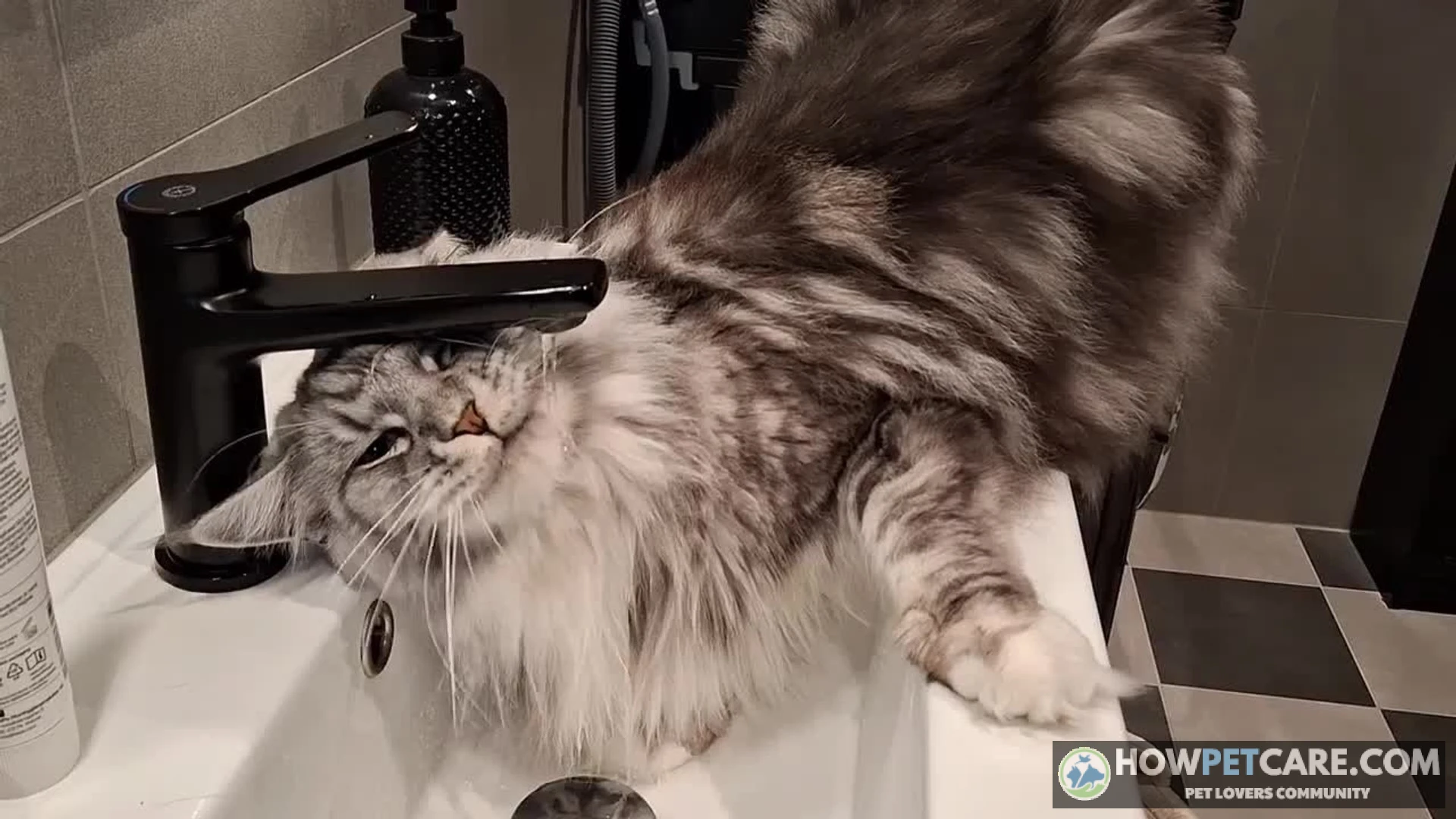
Many Maine Coons are fascinated by water. You may see one paw at a running bathroom faucet, scoop water from a bowl with a curved paw, or inspect the edge of a filled bathtub.
Are Maine Coons good with children and other pets?
Maine Coons often interact with the whole family rather than bonding exclusively with one person. Their calm demeanor and substantial build can make them tolerant of respectful children. They’re often less flighty than smaller, skittish cats and may watch household activity with steady curiosity.
They can also live well with other companion animals, including cat-friendly dogs. Their size can command a dog’s respect without provoking aggression, while their social instincts help them share territory with other cats. Even so, introduce a new cat gradually, using scent-based introductions over a two-week transition period.
Can a Maine Coon live in an apartment?
Maine Coons can adapt well to apartments if their environment makes up for limited floor space. Staying indoors protects them from traffic, predators, infectious diseases, and accidental loss. A confined space without stimulation, however, can lead to boredom, nighttime vocalizations, or destructive scratching.
To help a Maine Coon thrive in an apartment:
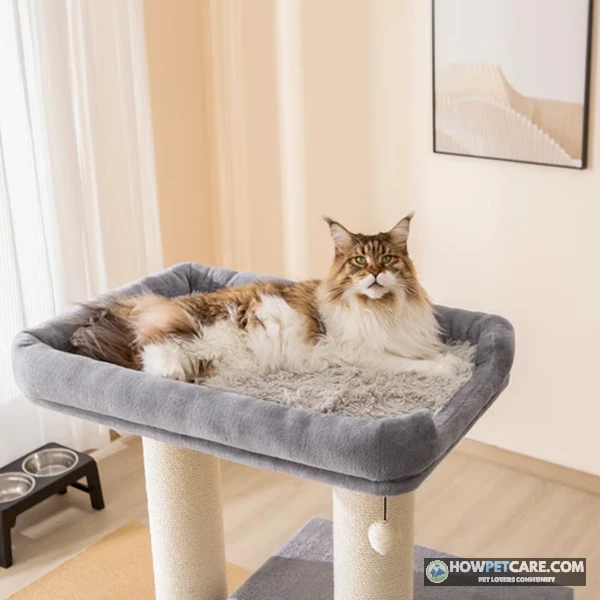
- Install heavy-duty, wall-anchored cat trees that can handle a 15-to-20-pound landing.
- Set up window perches overlooking bird feeders or outdoor streetscapes.
- Provide daily 15-minute interactive play sessions with feather wands or laser toys.
- Offer food puzzles and snuffle mats to engage their working instincts.
For outdoor access, consider a secure, enclosed catio or harness training with an escape-proof, large-breed cat harness.
Who this temperament does not suit
Maine Coons aren’t suited to every lifestyle. They don’t thrive when left entirely alone for 10 to 12 hours every day; chronic isolation can show up as separation distress and behavioral lethargy. Their large bodies and sweeping tails can nudge delicate tabletop glassware, and their thick double coat sheds noticeably on upholstered furniture year-round. If you want an unobtrusive, self-sufficient cat that needs zero daily interaction, this breed is unlikely to meet your expectations.
Maine Coon Health Problems in Plain English: HCM, Hip Dysplasia, and Lifespan
Maine Coons descend from hardy northern farm stock, but selective breeding and closed gene pools have concentrated certain hereditary health risks. Owners should understand those risks and the screening available for them.
How long do Maine Coons live?
The commonly cited life expectancy for a Maine Coon cat is approximately 12 to 15 years. Individual longevity depends on inherited cardiac and orthopedic genetics, adult nutrition, obesity prevention, and routine veterinary screening. Senior wellness panels starting at age seven can help identify common feline conditions such as chronic kidney disease and hyperthyroidism early.
What HCM means for your cat
Hypertrophic cardiomyopathy (HCM) is the most common heart disease diagnosed in domestic cats and the primary genetic health risk in Maine Coons. With HCM, the muscular walls of the heart’s left ventricle thicken abnormally, a change called hypertrophy. As the muscle thickens, the chamber’s interior volume decreases. The heart has more difficulty relaxing and pumping oxygenated blood efficiently through the body.
HCM can remain silent for years, with no outward warning until severe congestive heart failure, fluid accumulation in the lungs, or an aortic thromboembolism occurs. The latter is a paralyzing blood clot lodged in the hind limbs. A known mutation in the MYBPC3 gene is directly associated with HCM in Maine Coons. A DNA test using blood or a buccal saliva swab can identify whether a cat carries zero, one, or two copies of this mutation.
A negative DNA test doesn’t guarantee that a cat is free from HCM. Other unmapped genetic variants and environmental factors can also cause the disease. Comprehensive cardiac screening therefore requires an echocardiogram, or cardiac ultrasound, performed and interpreted by a board-certified veterinary cardiologist. The scan measures ventricular wall thickness, blood flow velocity, and chamber dimensions. Breeding cats should have repeated echocardiograms every one to two years throughout their active reproductive careers.
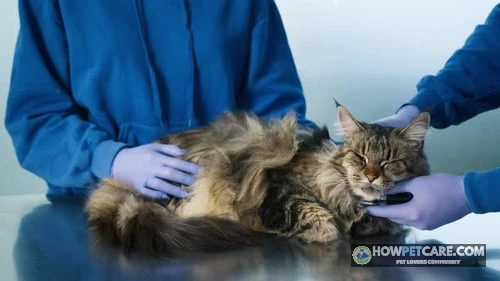
A negative genetic DNA swab alone isn’t proof of cardiac health. Because non-MYBPC3 mutations exist, ethical breeders combine genetic testing with regular echocardiographic ultrasounds performed by veterinary cardiologists.
Hip dysplasia and joint health
Hip dysplasia is a progressive orthopedic malformation. The femoral head, or ball at the top of the thigh bone, doesn’t fit snugly into the acetabulum, or hip socket. The loose joint experiences friction instead of moving smoothly, leading to painful cartilage degradation, bone spurs, and degenerative osteoarthritis.
Although often considered a canine disorder, hip dysplasia occurs with documented frequency in Maine Coons because of their substantial bone structure and heavy adult frame. Affected cats rarely cry out. Instead, signs can include:
- Reluctance to jump onto favorite perches or beds.
- A stiff, swaying gait in the rear legs.
- Less grooming of the lower back and hindquarters because of discomfort.
- Irritability when touched along the hips or lower spine.
Definitive screening requires pelvic radiographs (X-rays) evaluated by veterinary orthopedic registries such as the Orthopedic Foundation for Animals (OFA) or PennHIP. Maintaining an optimal body weight is the most effective non-surgical way to reduce symptoms by keeping unnecessary load off the hip joints.
Health tests a breeder should show you
Ask breeders for documented medical records rather than relying on verbal assurances. Responsible breeders provide certified copies of health clearances for both the sire and dam:
- HCM DNA Certification: Laboratory documentation showing testing for the MYBPC3 mutation.
- Cardiology Echocardiogram Reports: Dated ultrasound records from a board-certified veterinary cardiologist completed within the preceding 12 to 24 months.
- Hip Evaluation Records: Radiographic hip scoring from OFA or an equivalent recognized orthopedic screening body.
- Spinal Muscular Atrophy (SMA) Test: DNA testing for this recessively inherited motor neuron disease affecting trunk and limb muscles.
Seek immediate veterinary attention if your cat has rapid or labored breathing at rest, sudden weakness or paralysis in the rear legs, persistent limping, or abrupt lethargy. Feline cardiology and orthopedic diagnosis and treatment can be expensive. A comprehensive pet insurance policy secured during kittenhood, before clinical signs appear, can be a prudent financial decision.
How to Care for a Maine Coon: Grooming, Diet, and Daily Routine
A Maine Coon’s daily and weekly care needs reflect its large size and heavy coat.
How often to brush a Maine Coon and prevent mats
Regular grooming prevents painful mats and minimizes hairballs. Thoroughly comb a Maine Coon’s coat two to three times per week under normal conditions, moving to daily sessions during seasonal spring and autumn coat blowouts.
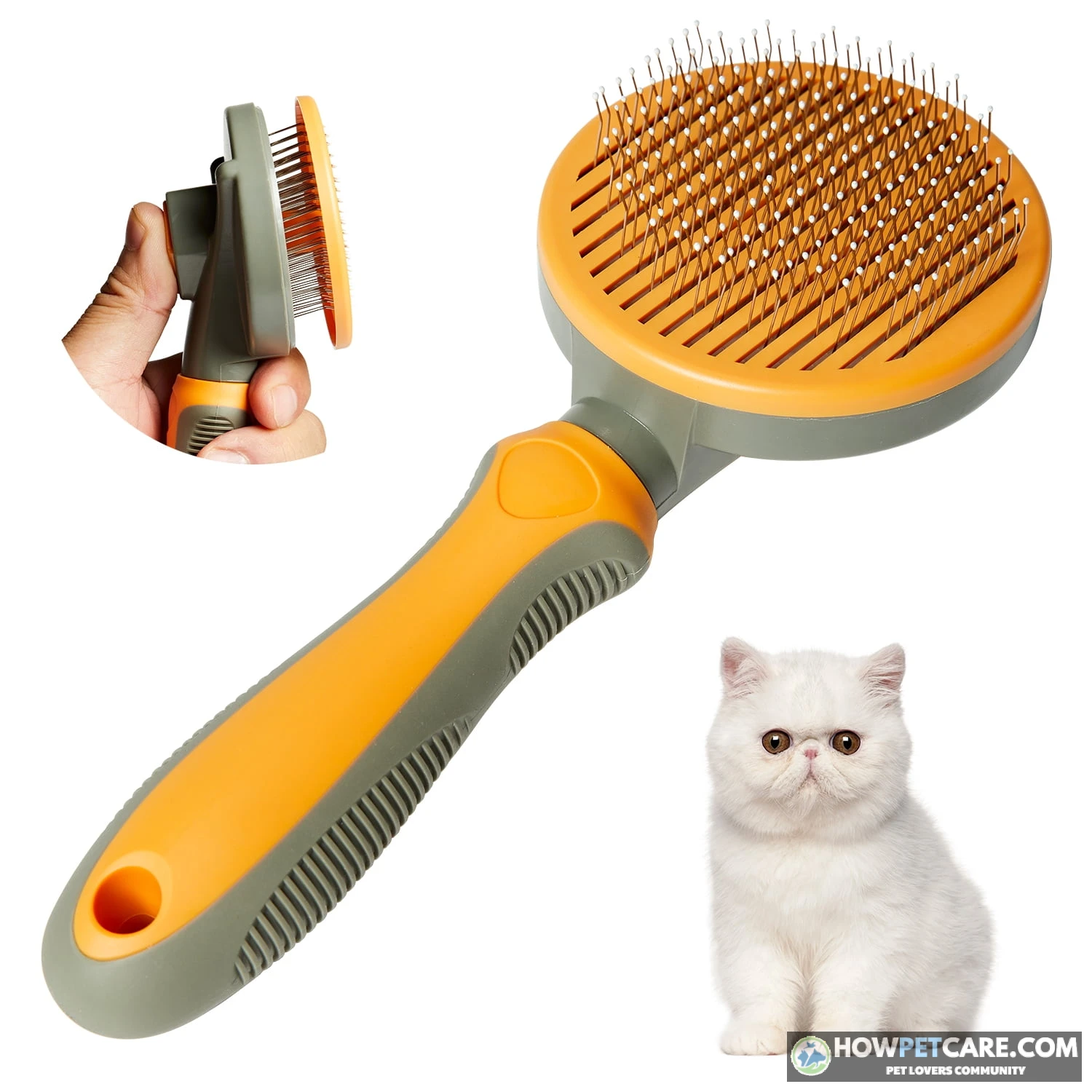
A basic soft bristle brush alone will skim the surface without reaching the dense undercoat. Two useful tools are:
- A dual-length, smooth-tipped steel greyhound comb to reach the skin and find early tangles.
- A high-quality undercoat rake or slicker brush with flexible, protected pins.
Pay particular attention to friction areas: behind the ears, deep in the armpits beneath the front legs, around the groin, and in the dense rear britches. If you find a small mat, gently separate the hairs with your fingers, support the coat near the skin to avoid pulling, and tease the knot apart with the outer teeth of your steel comb. Never cut mats away from the skin with kitchen scissors. Feline skin is thin, elastic, and easily severed. For a severely felted coat, seek help from a certified feline master groomer.
Start handling routines in kittenhood. Gently touch your kitten’s paws, extend their claws, examine their ears, and introduce a finger-cot toothbrush with poultry-flavored feline enzymatic toothpaste. Large cats that resist nail trims and dental care can be difficult to handle safely as twenty-pound adults.
Do Maine Coons shed a lot?
Yes. Maine Coons shed a moderate to high volume of hair year-round, with pronounced bi-annual seasonal coat changes. They shed their dense winter undercoat in spring, then shed again in autumn as their protective seasonal coat regenerates. Regular brushing catches dead fur in your tools before it accumulates on carpeting, clothing, and furniture.
Feeding a large, slow-growing breed
Maine Coons take up to five years to reach full physical maturity, so their diet needs to support sustained musculoskeletal development without encouraging excess fat. They don’t need proprietary "breed-specific" kibble, but they do need high-protein, moisture-rich, complete and balanced feline nutrition formulated to meet Association of American Feed Control Officials (AAFCO) standards.
Kittens should eat a high-quality kitten formula for their first 12 to 18 months to support skeletal growth. Your veterinarian can guide the transition to an adult maintenance diet based on the cat’s frame and body condition. Cats have a low natural thirst drive, so wet canned food or balanced raw formulations can provide dietary hydration that protects long-term kidney and urinary tract health. Adjust portions to the individual cat’s activity level and metabolism rather than allowing unrestricted free-feeding.
Gear and home setup for a large cat
Accessories made for an average domestic cat are often too small for a Maine Coon. Plan for larger equipment when preparing your home:
- Extra-Large Litter Boxes: Standard litter pans can be cramped for a cat measuring over three feet in length. Choose a jumbo-sized pan or a 30-gallon shallow storage tote with an entry doorway cut into one side. The box should measure at least 1.5 times the cat’s length from nose to base of tail.
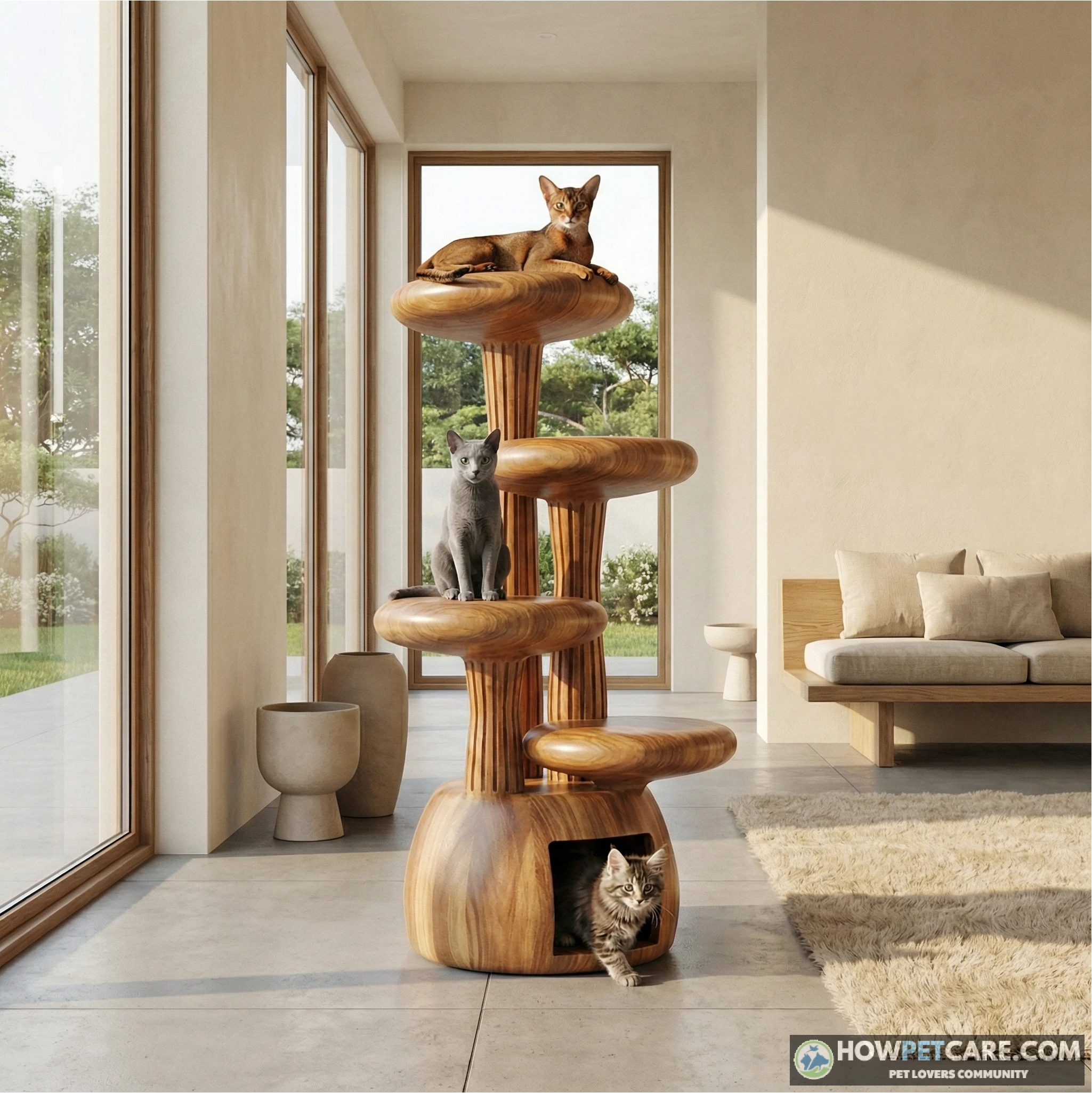
- Heavy-Duty Climbing Trees: Look for broad, weighted bases (at least 24×24 inches) and solid wood posts measuring 4 to 6 inches in diameter. These help prevent tipping when an adult cat leaps onto the furniture.
- Oversized Scratchers: A vertical scratching post should let the cat stretch to its full body length, so choose one at least 32 to 36 inches high.
- Wide Bedding and Perches: Window hammocks and resting cradles should be structurally rated to support 25 to 30 pounds.
How Much Does a Maine Coon Cost? Kitten Prices and Yearly Ownership Costs
A Maine Coon budget needs to cover the initial acquisition price and the ongoing cost of caring for a large cat over a fifteen-year lifespan.
All figures below are estimates compiled from commonly reported US price ranges. Actual costs vary by region, breeder, and veterinarian, so use them as budgeting guides rather than quotes.
Maine Coon kitten price range and what drives it
In the United States, a pedigreed Maine Coon kitten from a certified, health-testing cattery typically costs $1,000 to $2,500. Kittens with rare coat colors, imported European bloodlines bred for an exaggerated wild-looking face, or active show/breeding rights often exceed $3,000 to $4,000.
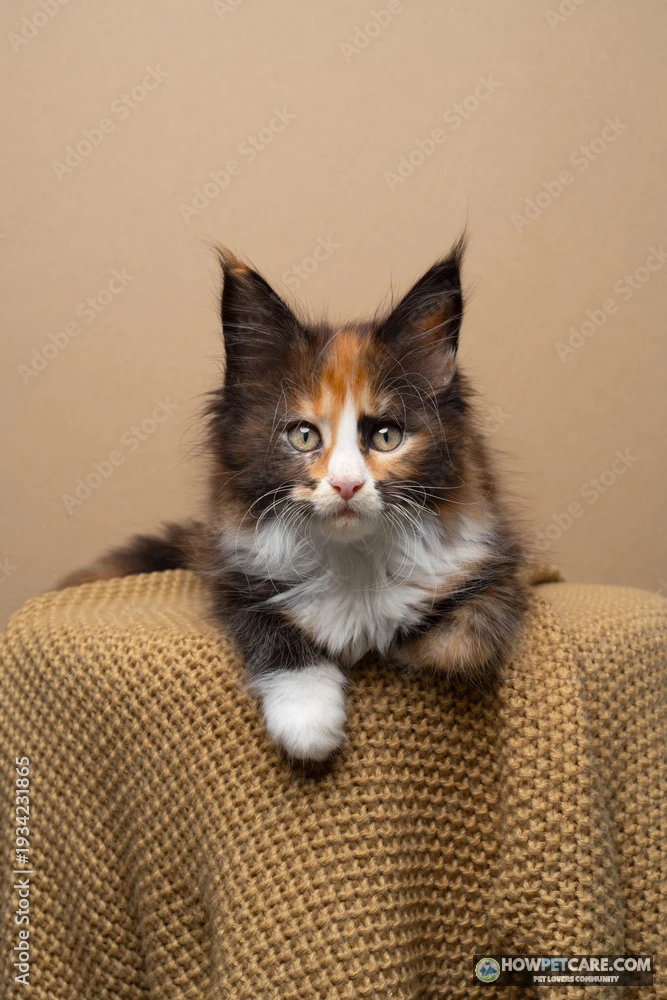
In the United States, a pedigreed Maine Coon kitten from a certified, health-testing cattery typically costs $1,000 to $2,500. Kittens with rare coat colors, imported European bloodlines bred for an exaggerated wild-looking face, or active show/breeding rights often exceed $3,000 to $4,000.
,000–,500. (Source: abposters)
| Cost item | One-time or annual | Estimated range | What affects it |
|---|---|---|---|
| Kitten from a health-testing breeder | One-time | ~$1,000–$2,500 | Pedigree, color, location, pet vs. show quality; often includes spay/neuter and first vaccines |
| Rescue or shelter adoption fee | One-time | ~$75–$400 | Organization, age of cat, included vet work |
| Carrier, large litter box, cat tree, scratching posts, bowls | One-time setup | ~$250–$600 | A large cat needs XL sizes, which cost more |
| Initial vet visit and baseline bloodwork | One-time | ~$100–$300 | Clinic pricing, tests performed |
| Food (wet and/or dry, large-cat portions) | Annual | ~$400–$900 | Diet type, brand tier, cat’s size |
| Litter | Annual | ~$150–$300 | Litter type, number of boxes |
| Routine vet care, vaccines, parasite prevention | Annual | ~$200–$500 | Clinic rates, indoor/outdoor status |
| Grooming supplies (or occasional professional grooming) | Annual | ~$30–$150 DIY; ~$300–$600 if using a groomer | Coat condition, matting, your tolerance for brushing |
| Pet insurance | Annual | ~$200–$600 | Coverage level, deductible, cat’s age at enrollment |
| Periodic echocardiogram for HCM monitoring | Every 1–2 years if indicated | ~$400–$800 per scan | Specialist cardiology fees |
Realistic annual total: roughly $1,000–$2,500 excluding insurance and emergencies.
Lifetime framing: over a ~12–15 year lifespan, expect a total cost in the range of $15,000–$35,000+ once food, routine care, monitoring, and a modest emergency reserve are included. Set aside an emergency fund of at least $1,000–$2,000 — a single cardiac or orthopedic workup on a large cat can exceed that quickly.
Veterinary expenses are among the legitimate factors behind higher kitten prices. A single reproductive cycle involves parental genetic screening, bi-annual cardiac ultrasounds ($400 to $800 per cat), pregnancy ultrasounds, high-calorie lactation nutrition, kitten deworming, microchipping, core vaccinations, and early alter surgeries (spay/neuter) before placement.
Listings for Maine Coon kittens at $400 to $600 are a serious red flag. They can point to payment scams, commercial kitten mills that cut corners on hygiene and welfare, or backyard breeders who omit essential screening. Buyers may face both emotional distress and substantial veterinary expenses.
Annual cost of owning a Maine Coon
Daily care for a large breed costs more than care for a standard-sized cat. A 16-pound cat consumes roughly 50% more calories daily than a 9-pound domestic feline, increasing monthly food and litter purchases. Routine preventive care, including annual examinations, core vaccine boosters, and broad-spectrum parasite preventatives, typically totals $200 to $500 annually. Professional grooming costs between $80 and $150 per session if you have someone else maintain the coat.
One-time setup costs
Before your kitten arrives, budget $250 to $600 for initial equipment. Essentials sized for an adult Maine Coon include a high-capacity, reinforced carrier, such as a hard-sided canine travel crate; heavy ceramic or stainless steel food dishes; extra-large litter pans; durable grooming combs; and commercial-grade scratching structures.
How to Find a Reputable Maine Coon Breeder or Rescue (and Avoid Scams)
Finding a Maine Coon takes careful vetting. High demand has attracted unlicensed backyard breeders, deceptive pet mills, and fraudulent wire-transfer websites.
Start with official breeder referral directories from the Cat Fanciers’ Association (CFA) or The International Cat Association (TICA), as well as established regional breed clubs. A directory confirms that a cattery has registered its prefix with an authorized governing body. It isn’t an endorsement of the cattery’s operations, however, so independently check its health protocols and conditions.
Always check a breeder’s claims against official registry records. Before paying a deposit, confirm that the cattery name matches current registrations on the CFA or TICA platforms.
Breeder-vetting checklist
Print or copy this list. A reputable breeder should answer each item willingly. Evasiveness on any point is a reason to walk away.
Documentation to request (documented, not verbal):
- ☐ Registration papers and pedigree for the kitten (CFA, TICA, or equivalent registry)
- ☐ HCM DNA test results for both parents (the known Maine Coon MYBPC3 variant)
- ☐ Recent echocardiogram reports for both parents, performed by a veterinary cardiologist — a negative DNA test alone does not rule out HCM
- ☐ Hip evaluation results for the parents (OFA, PennHIP, or equivalent X-ray screening)
- ☐ Vaccination and deworming records for the kitten
- ☐ Written contract including a health guarantee and a take-back/return policy
Questions to ask, by topic:
- ☐ Health: What health problems have appeared in your lines? What happens contractually if my kitten is later diagnosed with HCM or hip dysplasia?
- ☐ Socialization: Where are the kittens raised — in the home or in a separate cattery building? How are they handled and exposed to household noise?
- ☐ Timing: At what age do kittens go home? (Expect roughly 12–13 weeks or later — earlier release is a red flag.)
- ☐ Support: Are you available for questions after the sale? Will you take the cat back at any point if I can’t keep it?
- ☐ Viewing: Can I visit the cattery or do a live video call to see the kittens and at least the mother?
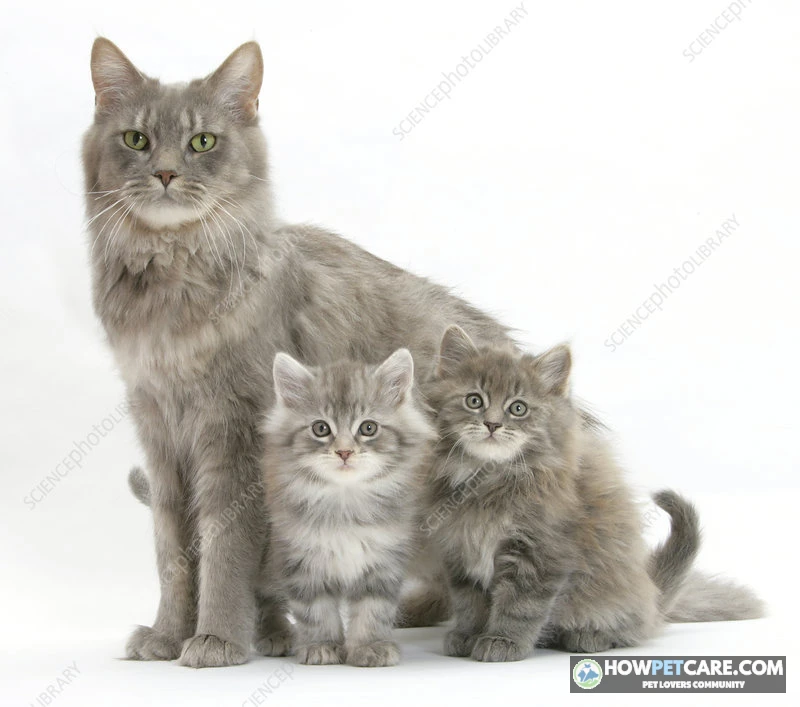
Red flags that point to a kitten mill or scam
Watch for these warning signs in local classifieds and on social media:
Scam red flags — any one of these should end the conversation:
- ☐ No video call or visit possible before payment
- ☐ Pressure to send a deposit immediately
- ☐ Payment requested only by gift card, wire transfer, or crypto
- ☐ Many litters always available, or several different breeds sold at once
- ☐ Price far below the typical $1,000–$2,500 breeder range
- ☐ Photos that fail a reverse image search (stolen from other breeders’ sites)
- ☐ No verifiable registry listing for the cattery name
When reviewing listings for "Maine Coon kittens for sale near me," run a reverse image search on the photographs to check whether they were stolen from established cattery galleries. Insist on a live video call so you can see the kitten interacting with its mother in a genuine domestic environment.
Adopting a Maine Coon or Maine Coon mix
An adult Maine Coon or Maine Coon mix from a breed rescue network, local humane society, or platform such as Petfinder can be a rewarding alternative to buying a kitten. Adoption fees generally range from $75 to $400 and cover veterinary evaluations, core vaccinations, microchipping, and spay/neuter surgery.
Shelter labels such as "Maine Coon mix" are almost always informal visual estimates based on traits like long fur, large paws, or tufted ears. Without verified pedigree documentation, a large long-haired cat is biologically classified as a domestic longhair. For people who value temperament over pedigree, these cats can make affectionate household companions.
Maine Coon vs Norwegian Forest Cat vs Siberian: How to Tell Them Apart
People researching cold-hardy, semi-longhaired cats often confuse Maine Coons with the Norwegian Forest Cat ("Wegie") and the Russian Siberian. All three have water-repellent coats, tufted paws, large bone structure, and a history as working cats. Their physical features offer some useful distinctions.
Side-by-side comparison
| Feature | Maine Coon | Norwegian Forest Cat | Siberian |
|---|---|---|---|
| Head and face | Squarish muzzle, high cheekbones, gentle concave curve in profile | Triangular head with a long, straight nose line in profile — the clearest visual tell | Rounded head and muzzle, softer overall expression |
| Ears | Large, wide at the base, tall, usually with prominent tufts | Medium-large, tufted, set so they continue the triangular head line | Medium, slightly rounded tips, moderate tufts |
| Body build | Long, rectangular body; substantial bone; males commonly 13–18 lb | Sturdy and muscular but slightly shorter in body; hind legs taller than front legs | Compact, barrel-chested, powerful hindquarters built for jumping |
| Coat | Shaggy and uneven: shorter on shoulders, full ruff and belly, bushy tail | Dense double coat with a very full ruff and pronounced britches; waterproof top layer | Dense triple coat; full ruff; plush rather than shaggy texture |
| Temperament | Sociable, follows people room to room, chirps and trills, playful into adulthood | Friendly but somewhat more independent; loves high perches | Affectionate and people-oriented; agile, active, often fearless |
| Grooming load | Brushing several times a week; mats behind ears, armpits, belly, britches | Heavy seasonal shedding; coat resists matting more than expected but still needs weekly-plus care | Weekly brushing, more during seasonal coat blow |
| Allergen note | No reduced-allergen reputation | No reduced-allergen reputation | Often marketed as lower-allergen — but no breed is guaranteed hypoallergenic; test with the actual cats first |
| US availability | Widely available; largest breeder base of the three | Less common; expect waitlists | Least common; waitlists and prices often higher |
| Typical breeder price | ~$1,000–$2,500 | ~$900–$1,500 commonly reported | ~$1,200–$4,000 commonly reported (scarcer supply) |
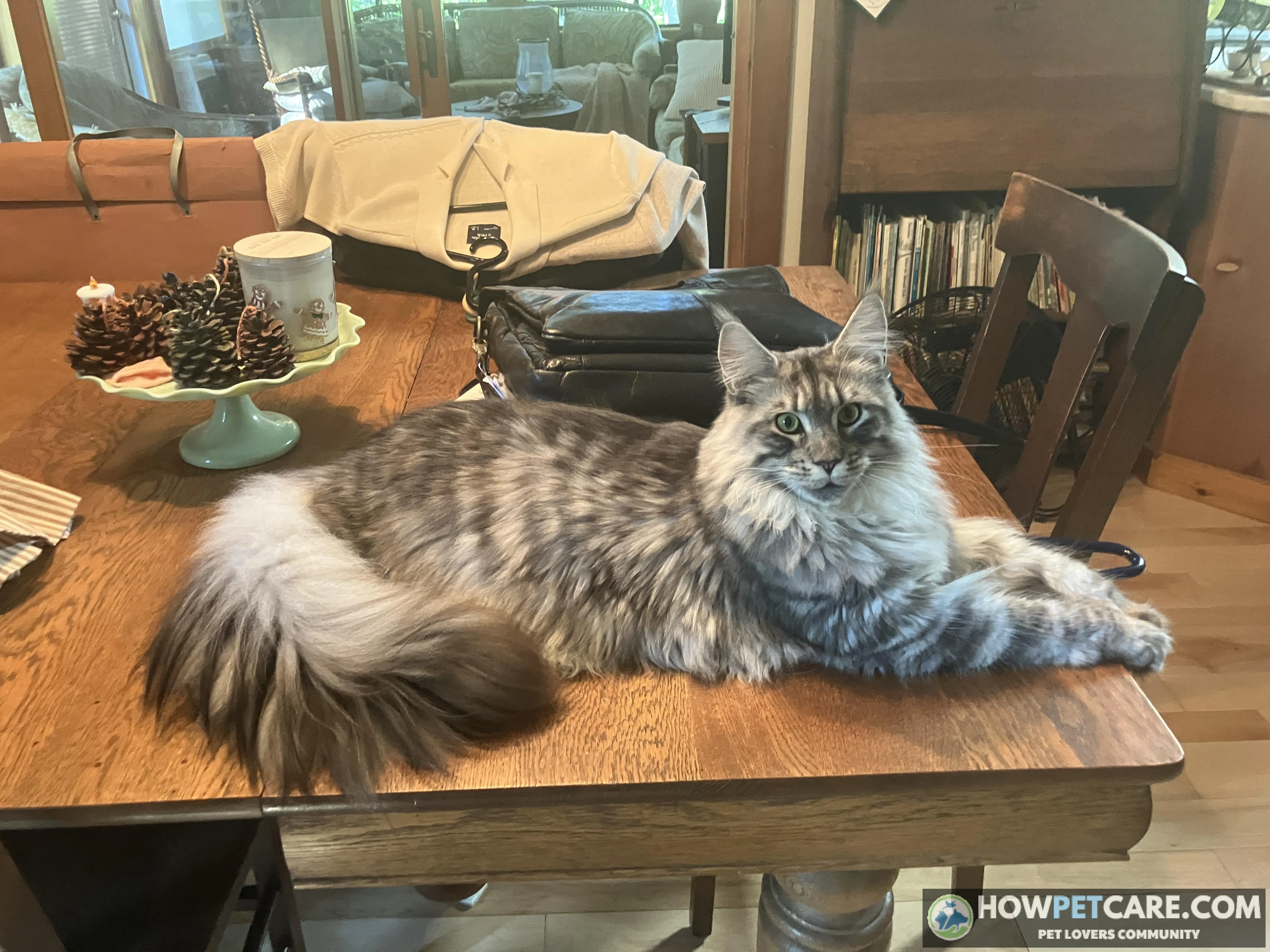
Price and availability figures are general, commonly reported ranges. Check current breeder listings in your region, and consult current CFA/TICA breed standards before relying on physical descriptions to identify a particular cat.
The face offers the clearest visual distinction. In profile, a Maine Coon has a gentle concave dip between the eyes and forehead and a square, boxy muzzle. A Norwegian Forest Cat has a flat, straight nasal profile from forehead to nose tip, without a break, and an equilateral triangle shape when viewed from the front. The Siberian has softer, barrel-like facial planes and rounded contours.
Ragdolls also share an affectionate, relaxed demeanor with Maine Coons. Their silky, single-layer pointed coat lacks the Maine Coon’s dense undercoat and water-resistant texture, however. Ragdolls have blue eyes and color point patterns that are disqualified under Maine Coon breed standards.
Which lookalike breed fits your household?
- Choose the Maine Coon if you want an interactive, dog-like companion that follows family members, chirps constantly, and takes part in an active home.
- Choose the Norwegian Forest Cat if you prefer a somewhat more independent, athletic cat that enjoys climbing and has a hardy double coat needing slightly less dematting between seasonal transitions.
- Choose the Siberian if you want an affectionate, devoted cat and need to assess your tolerance to cat dander. Siberians are often marketed as producing lower levels of the salivary protein Fel d 1, but no cat breed is hypoallergenic. People with allergies should spend focused time in a Siberian cattery before committing.
Is a Maine Coon Right for You? A Decision Checklist and Next Steps
Bringing a Maine Coon home is a substantial 12-to-15-year commitment. Use this self-assessment before you decide.
1Unlike standard domestic shorthairs that reach full physical maturity around one year of age, at what age range does a Maine Coon typically achieve full physical maturity (including muscular breadth, chest development, and coat density)?
Maine Coons are slow-maturing cats whose structural breadth, bone maturity, and full coat take several years past early growth to stabilize completely.
2An owner orders a DNA test for a Maine Coon kitten, and the laboratory reports zero copies of the known MYBPC3 gene mutation associated with Hypertrophic Cardiomyopathy (HCM). Why is regular echocardiographic screening still necessary for breeding adults?
A DNA test only detects a specific known mutation, whereas an echocardiogram directly measures physical heart chamber walls and blood flow parameters to catch cardiac disease caused by unmapped genes.
3Because hip dysplasia is a progressive joint malformation that causes friction in the hip socket, affected Maine Coons often adapt their behavior to avoid discomfort. Which of the following behavioral or physical changes are signs of potential hip dysplasia in this breed?
Altered leg alignment and altered motion reduce friction in the malformed joint socket during movement.
4When viewing a semi-longhaired cold-hardy cat in profile, how can a Maine Coon be distinguished from a Norwegian Forest Cat?
The subtle curve at the bridge of the nose and broad square muzzle define the Maine Coon profile, distinguishing it from the unbroken, flat nose line of the Norwegian Forest Cat.
5Feline registry standards for purebred Maine Coons disallow specific coat colors that indicate historic hybridization with pointed breeds. Which of the following coat colorations would indicate a mixed-breed or unverified cross rather than a purebred Maine Coon?
Coloration resulting from crosses with pointed breeds like the Siamese (such as chocolate, lilac, cinnamon, or pointed patterns) is disqualified under official breed standards.
6Which of the following statements correctly describes polydactyly in the Maine Coon breed?
Polydactyly is an inherited dominant trait causing extra toes, forming broad, paddle-like paws without causing structural harm.
7Because Maine Coons are large, active, and social indoor cats, adapting a smaller living space like an apartment requires specific home modifications. Which of the following setup choices accommodate a Maine Coon's size and behavioral needs?
Large adult Maine Coons exert significant force when jumping, requiring weighted or anchored structures to prevent dangerous tipping.
8Prospective buyers researching Maine Coon breeders must evaluate catteries carefully. Which of the following situations represent major red flags indicating a potential scam, backyard breeder, or commercial kitten mill?
Legitimate breeders encourage prospective owners to see the kitten interacting with its mother in its home environment.
Quick fit checklist
Answer honestly. This breed can be rewarding, but it asks more of its owner than an average cat.
- ☐ Space: Do you have room for an extra-large litter box, a tall and sturdy cat tree rated for a 15+ lb cat, and vertical climbing space? (Small apartments can work, but only if you add vertical territory.)
- ☐ Grooming commitment: Will you brush a long coat several times a week — and daily during seasonal shedding? If brushing sounds like a chore you’ll skip, a Maine Coon will mat.
- ☐ Budget: Can you comfortably cover ~$1,000–$2,500 per year for food, litter, vet care, and supplies, plus a $1,000–$2,000 emergency reserve and possible ~$400–$800 echocardiograms?
- ☐ Time at home: Is someone home most days? Maine Coons are highly social and do poorly when left alone for long stretches — consider a second pet if you work long hours.
- ☐ Allergies: Has everyone in the household spent time around cats? No breed is hypoallergenic — arrange a trial visit before committing.
- ☐ Tolerance for chaos: Are you okay with a large, curious cat that follows you everywhere, sits on counters, and can knock things off shelves?
- ☐ Long view: Can you commit to roughly 12–15 years of care, including the reality that vet costs rise as the cat ages?
How to read your answers: 6–7 checks — a Maine Coon is likely a strong fit. 4–5 — workable, but address the gaps first (for example, a cat companion for alone-time, or a grooming routine). Fewer than 4 — consider an adult rescue Maine Coon mix, a lower-maintenance breed, or waiting until your situation changes.
Your step-by-step plan to get a Maine Coon responsibly
If you’ve decided a Maine Coon fits your household, use this plan to prepare and assess your options:
-
Establish Your Financial Boundaries and Household Allergy Baseline
Make an initial budget that covers a $1,000 to $2,500 kitten acquisition fee, $400 for oversized setup equipment, and an annual reserve of at least $1,500 for large-breed nutrition and preventive health care. Arrange for everyone in the household to spend time with adult longhaired cats to check their dander tolerance.
-
Identify and Screen Ethical Sources
Check official CFA or TICA cattery directories for certified breeders within reasonable driving distance, or contact breed-specific rescue networks. Avoid unverified social media sellers and marketplace listings offering immediate availability at bargain prices.
-
Verify Comprehensive Parental Health Testing
Request and review laboratory certificates confirming the parents’ negative status for the MYBPC3 HCM mutation, veterinary cardiology echocardiogram clearance reports from the past 12 to 24 months, and OFA/PennHIP orthopedic screening evaluations. Don’t pay a deposit if a breeder offers only verbal assurances.
-
Conduct a Facility Inspection or Live Video Verification
Visit the cattery in person or arrange a live video call. Check that kittens are raised in a clean indoor environment with ongoing human socialization. Observe the mother’s behavior and look for a kitten that is lively, bright-eyed, and free of eye or nasal discharge.
-
Review the Contract and Prepare Your Home
Read the written sales agreement carefully. It should contain explicit genetic health warranties covering HCM for at least 2 to 3 years and an unconditional lifetime return clause. Prepare an extra-large litter pan, a weighted 36-inch scratching post, a steel greyhound comb, and high-protein kitten food.
-
Schedule the Initial Post-Arrival Veterinary Examination
Take your kitten to your family veterinarian within 48 to 72 hours of pickup. The visit can establish a baseline medical record, verify microchip registration, complete required booster inoculations, and activate your pre-arranged pet insurance coverage.
Careful preparation and vetting give you a foundation for bringing a Maine Coon into your family and supporting its health throughout its life.
| Breed | Head and Face | Ears | Body Build | Coat | Temperament | Grooming Load | Typical Breeder Price |
|---|---|---|---|---|---|---|---|
| Maine Coon | Squarish muzzle, high cheekbones, gentle concave curve in profile | Large, wide at the base, tall, usually with prominent tufts | Long, rectangular body; substantial bone; males commonly 13–18 lb | Shaggy and uneven: shorter on shoulders, full ruff and belly, bushy tail | Sociable, follows people room to room, chirps and trills, playful into adulthood | Brushing several times a week; mats behind ears, armpits, belly, britches | ~1,000–2,500 |
| Norwegian Forest Cat | Triangular head with a long, straight nose line in profile — the clearest visual tell | Medium-large, tufted, set so they continue the triangular head line | Sturdy and muscular but slightly shorter in body; hind legs taller than front legs | Dense double coat with a very full ruff and pronounced britches; waterproof top layer | Friendly but somewhat more independent; loves high perches | Heavy seasonal shedding; coat resists matting more than expected but still needs weekly-plus care | ~900–1,500 commonly reported |
| Siberian | Rounded head and muzzle, softer overall expression | Medium, slightly rounded tips, moderate tufts | Compact, barrel-chested, powerful hindquarters built for jumping | Dense triple coat; full ruff; plush rather than shaggy texture | Affectionate and people-oriented; agile, active, often fearless | Weekly brushing, more during seasonal coat blow | ~1,200–4,000 commonly reported (scarcer supply) |
FAQ
Are Maine Coons hypoallergenic?
No. No cat breed is truly hypoallergenic, and Maine Coons produce the same main cat allergen (Fel d 1) as other cats. If you have allergies, spend time with the breed and talk to an allergist before committing.
Are all Maine Coons polydactyl?
No. Extra toes occur in some Maine Coons, and the trait is not required for the breed. Polydactyl cats are generally healthy, but it is not a reliable sign of purity.
Are Maine Coons loud or vocal?
They are known more for soft chirps and trills than loud meowing. Vocal habits vary between individual cats.
What is the difference between a Maine Coon and a Ragdoll?
Both are large, long-haired and sociable. Maine Coons usually have a shaggier, water-resistant-looking coat and more playful energy, while Ragdolls have a silkier coat and are known for going limp when held.
Do Maine Coons like water?
Some do. Many are curious about running or dripping water and will paw at it, but this is a personality trait and not a breed guarantee. Do not force a cat into a bath.