

A healthy Manx cat typically lives about 12–16 years with good care. Published estimates range from 8–14 to 14–16 years because no large survival study exists. Severe Manx syndrome can limit life to 3–4 years, but most healthy Manx cats reach the low-to-mid teens.
Manx cat life expectancy is commonly about 12–16 years with good care for a healthy cat without significant spinal or neurological problems. Published figures differ: Petrebels gives 12–15 years, Purina Pro Plan gives 8–14, and WebMD gives 14–16. No large survival study settles the disagreement, so these are estimates—not guarantees. The lower range may include early losses from severe Manx syndrome, while the higher figures describe healthy cats; that explanation is a reasonable interpretation, not a measured comparison.
For a cat with severe Manx syndrome, the outlook can be very different: WebMD reports that severely affected kittens may not live beyond 3–4 years, and some are humanely euthanized earlier when their condition cannot be managed. The condition is not the fate of every Manx. An individual cat’s health, veterinary care, weight, and living environment matter more than a breed-wide number.
How Long Do Manx Cats Live? The Realistic Range and Why Sources Disagree
The short answer: a healthy Manx lifespan range
For planning purposes, use 12–16 years for a Manx with no serious congenital spinal problems, while recognizing that some cats live shorter or longer lives. This range aligns the published estimates for healthy cats without pretending the evidence supports a precise breed average.
The difference between sources is not necessarily a disagreement about the same group of cats. A range that includes cats with severe Manx syndrome may be lower than one focused on healthy, well-cared-for individuals. Indoor access, veterinary care, and the mix of cats behind each estimate can also vary. There is no large published Manx survival study that can separate these effects, so treat every figure as a broad estimate.
Why you see 8–14, 12–15, and 14–16 years
Myth: One of these lifespan ranges must be wrong. The reality is that the sources may be describing different populations—and none should be read as a guaranteed lifespan for an individual cat.
Purina Pro Plan lists 8–14 years, Petrebels lists 12–15, and WebMD lists 14–16. An informed, but unproven, way to reconcile the spread is that the lower figure may include early losses linked to severe Manx syndrome, while the higher figures may better reflect healthy cats receiving ordinary good care.
A practical expectation for a kitten with a reassuring veterinary examination is the low-to-mid teens, with 12–16 years as a reasonable working range. This is not a measured lifespan by tail type or health status. A single unexplained number hides the most important distinction: the risks are not shared equally by every Manx.
What a Manx’s age looks like in human years
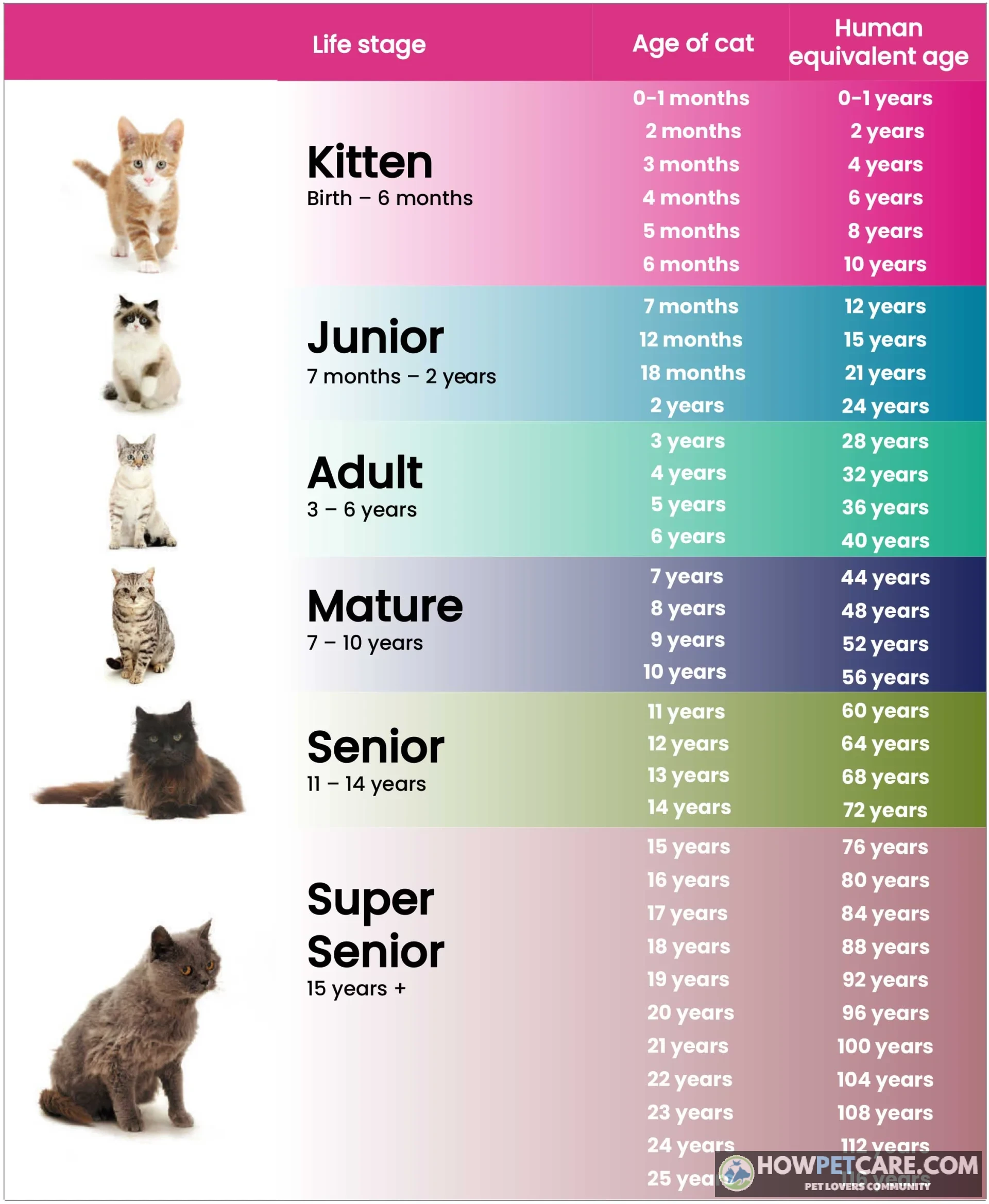
A common cat-to-human age conversion puts a cat at about 15 human years after its first year, 24 after its second, and roughly four additional human years for each cat year after that. On this approximation, a 12-year-old cat is about 64, a 14-year-old about 72, and a 16-year-old about 80. These are comparisons, not exact biological equivalents.
No authoritative oldest-Manx record is identified in the evidence for this article, so a record age should not be presented as verified. Individual owners may report exceptionally old cats, but anecdotes are not the same as a documented breed record.

Manx Syndrome and Life Expectancy: How Much Does It Actually Shorten Life?
What Manx syndrome is and how the tailless gene causes it
Manx syndrome is a group of spinal and neurological problems associated with the gene that shortens or removes the tail. In affected cats, spinal bones, the sacrum, or the spinal cord may develop abnormally; related nerve effects can interfere with hind-limb movement, bowel function, and bladder control.
Possible signs include a weak or uncoordinated hind-leg gait, constipation, urine or stool leakage, and difficulty using the litter box. Some cats develop severe problems; others show few or no clinical signs. The visible tail alone cannot establish whether a cat has spinal abnormalities.
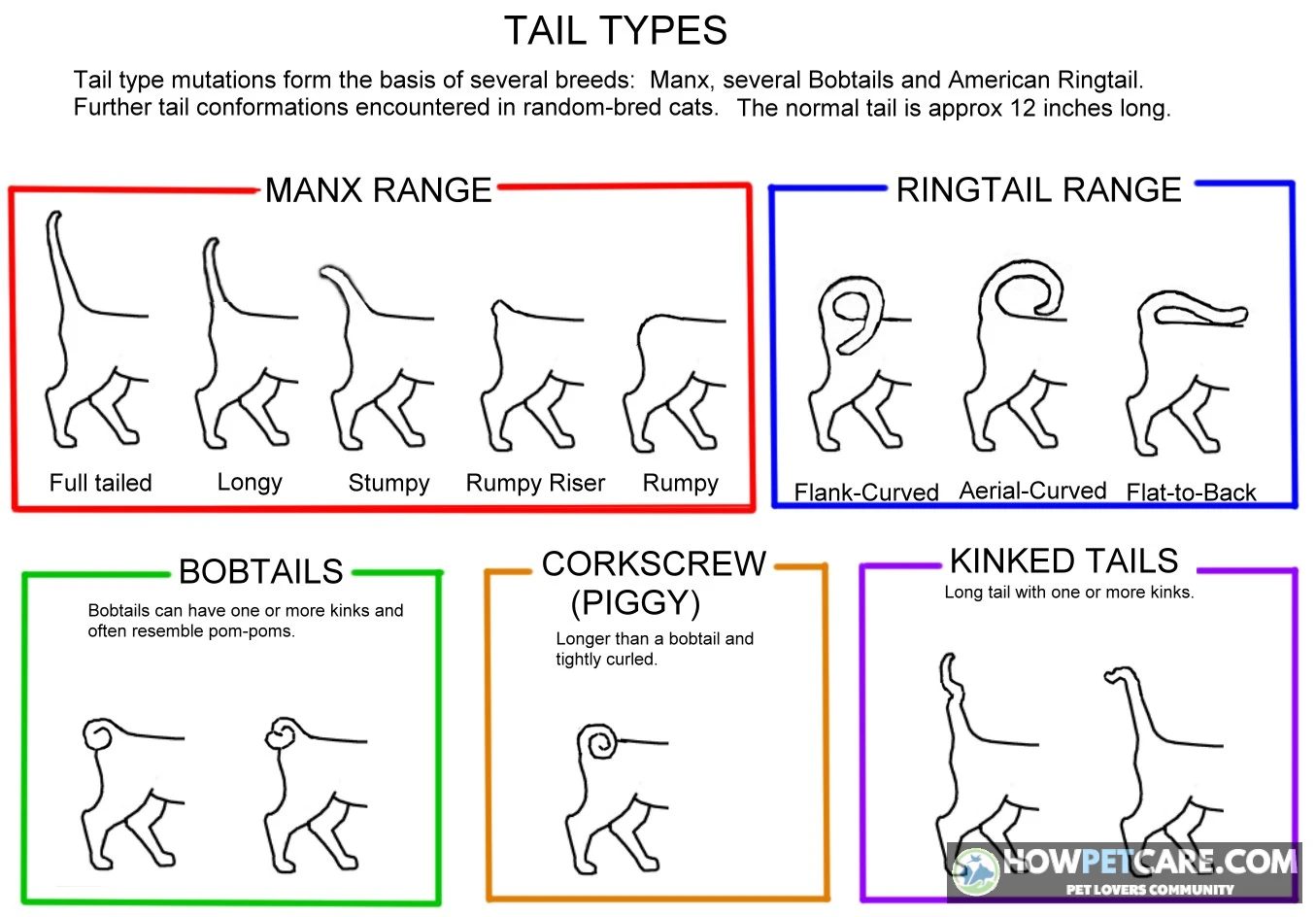
The tailless trait is dominant, and inheriting two copies is lethal before birth. This is one reason breeders avoid mating two tailless Manx cats; reputable breeding programs may pair a rumpy with a stumpy instead. The genetic risk makes careful breeding and kitten assessment important, but does not mean every tailless cat is ill.
Severe vs. mild Manx syndrome: what survival looks like
Severely affected kittens often show problems early, in the first weeks or months. When spinal or neurological impairment prevents normal movement or control of elimination and the kitten cannot be kept comfortable, survival may be short. WebMD reports a life expectancy no longer than about 3–4 years for severe cases; some kittens die earlier or are humanely euthanized because of their welfare.
Mildly affected cats may live for years if constipation, incontinence, or mobility problems can be managed. There is no reliable lifespan figure for this group. The relevant question is not just whether a cat has a diagnosis, but whether its symptoms can be controlled and whether it can maintain a good quality of life with veterinary support.
Manx syndrome is therefore not a death sentence for the breed. Severe problems are concentrated in affected individuals and commonly become apparent early, while many healthy Manx cats can reach the low-to-mid teens.

What we don’t know: the missing prevalence data
No reliable public figure in the available evidence establishes what percentage of Manx kittens develop Manx syndrome or how many die or are euthanized early. Do not rely on a precise percentage without a traceable study and a clear definition of what counts as affected.
If you are considering a kitten, ask the breeder about the outcomes of previous litters, including affected kittens and littermates. A breeder’s history is useful context, not a substitute for an examination by a veterinarian who can assess the individual kitten.
 You might be wonderingHow long do golden retrievers live?How Long Do Golden Retrievers Live? Lifespan, Cancer Risk & CareRead the answer
Rumpy, Rumpy Riser, Stumpy or Longy: Does Tail Type Change Lifespan?
The four tail types and what the gene does
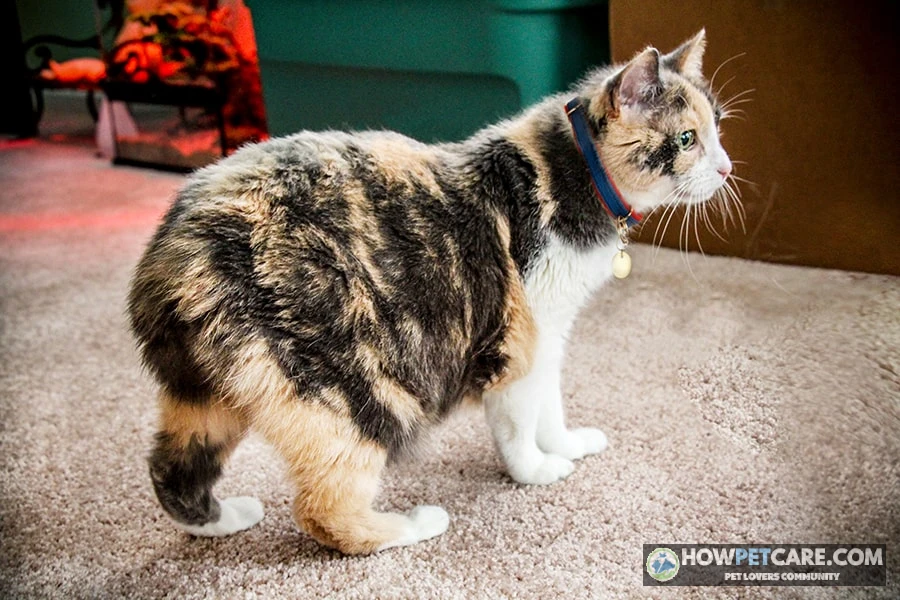
Manx cats are described by how much tail is present: a rumpy has no visible tail; a rumpy riser has a small bump or a few tail vertebrae; a stumpy has a short tail; and a longy has a near-normal tail. These names describe appearance, not a diagnosis.
Relative risk and lifespan expectation by tail type
Shorter tails are associated with stronger expression of the tailless trait and greater concern about spinal malformation. Rumpies and rumpy risers are generally treated as higher-risk than stumpy or longy cats. But there are no measured survival data by tail type; the lifespan implications below are informed expectations, not established averages.
| Tail type | What the tail looks like | Relative Manx syndrome risk | Expected lifespan implication | What to check |
|---|---|---|---|---|
| Rumpy | No tail, sometimes a dimple | Higher relative concern | A healthy exam can still be consistent with a lifespan in the low-to-mid teens; no tail-specific lifespan figure exists | Gait, bowel and bladder control, and veterinary neurological assessment |
| Rumpy riser | Small bump or a few vertebrae | Higher relative concern | Similar caution to a rumpy; lifespan cannot be predicted from the bump | Gait, elimination, and littermate history |
| Stumpy | Short tail or stub | Lower relative concern than rumpies | A normal examination is reassuring, but does not establish a distinct lifespan | Litter habits and mobility as the kitten grows |
| Longy | Near-normal or slightly shortened tail | Lower relative concern | No measured tail-specific range; a healthy cat may follow the usual Manx expectation | Routine wellness checks and any emerging symptoms |
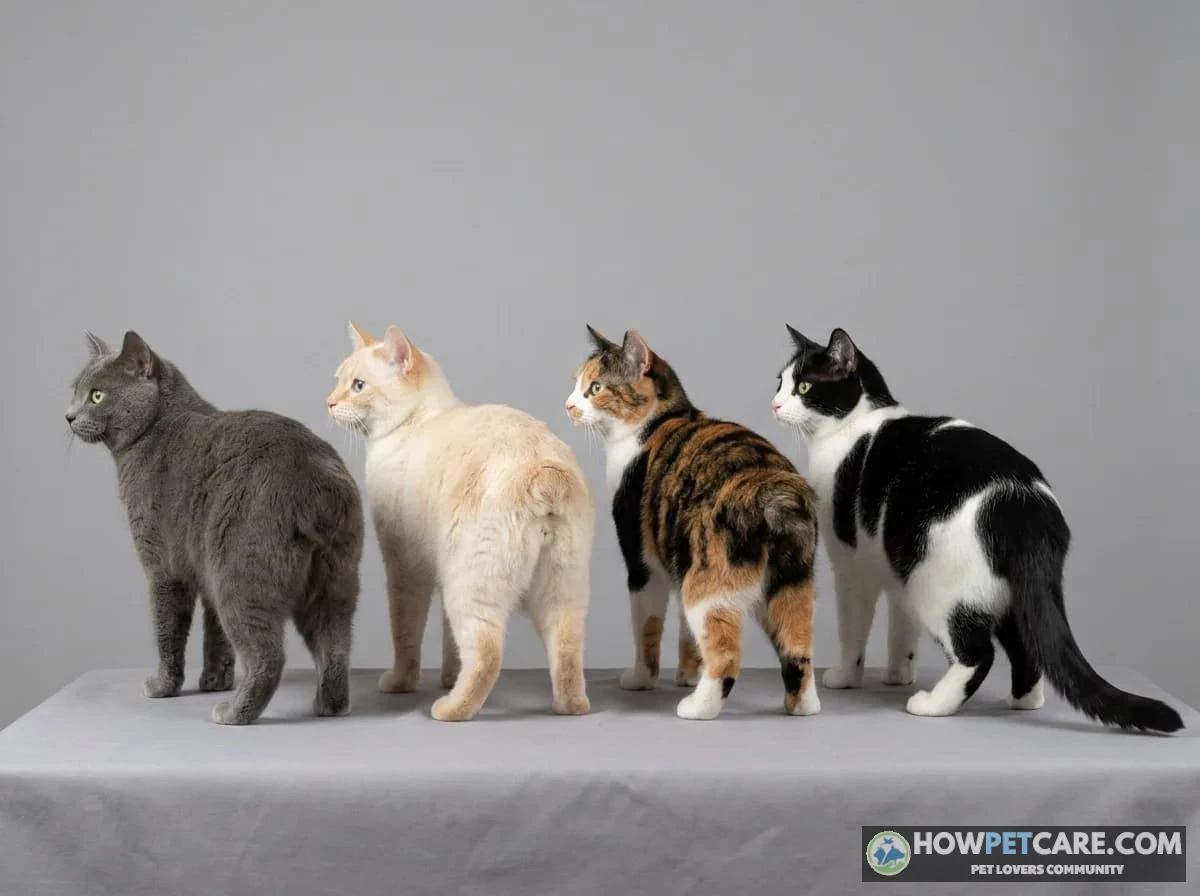
The risk and lifespan columns are not research-derived comparisons: no study in the available evidence tracks survival by these four tail types. Tail length alone cannot predict an individual cat’s health; a rumpy can be healthy. The kitten’s neurological examination, bowel and bladder function, and family history are more useful than appearance alone.
Why a kitten’s exam beats its tail length as a predictor
Ask a veterinarian to assess gait and hind-limb strength, the spine and tail area, anal tone, and bowel and bladder control. If the examination raises concerns, the vet can advise whether further testing is appropriate. Imaging is not a routine substitute for an individual clinical assessment.
The Cymric is the longhaired variety of the Manx and shares the same tailless-gene risks. The same cautions about tail type, screening, and uncertainty apply.
Manx vs. Domestic Cats and Other Breeds: A Lifespan Comparison
Manx vs. the average domestic cat
A healthy Manx’s estimated 12–16 years sits in the same broad range often used for domestic cats, but comparisons should not imply that Manx cats have a proven breed-specific survival advantage or disadvantage. The evidence available here does not provide a sourced, consistent lifespan range for the average domestic cat or other breeds, so those figures should not be invented to fill a table. For common breeds, the honest answer is that a healthy Manx is not shown to be unusually short-lived, but neither is a precise advantage proven.
Manx vs. other popular breeds
| Cat or breed | Typical lifespan range (years) | Main longevity risks | Source |
|---|---|---|---|
| Manx, healthy | 12–16 | Manx syndrome risk varies; general health and care also matter | Petrebels, WebMD; healthy-cat interpretation |
| Manx, severe Manx syndrome | Often short; WebMD reports no more than about 3–4 years | Spinal or neurological problems affecting mobility and elimination | WebMD |
| Manx, overall published estimates | 8–14, 12–15, or 14–16 | Estimates may reflect different populations and health status | Purina Pro Plan, Petrebels, WebMD |
| Average domestic or mixed-breed cat | Not established in the evidence available for this article | Individual health and living conditions | No sourced range available |
| Siamese | Not established in the evidence available for this article | Breed-specific risks not assessed here | No sourced range available |
| Maine Coon | Not established in the evidence available for this article | Breed-specific risks not assessed here | No sourced range available |
| British Shorthair | Not established in the evidence available for this article | Breed-specific risks not assessed here | No sourced range available |
| Persian | Not established in the evidence available for this article | Breed-specific risks not assessed here | No sourced range available |
This comparison is deliberately transparent: a table of unsupported breed numbers would create a false sense of precision. The available estimates support a conditional answer to “do Manx cats live long?” Yes—many healthy Manx cats can live into the low-to-mid teens, while severe Manx syndrome can shorten life substantially.
Breed averages are also affected by whether cats live indoors, how they receive veterinary care, and which cats are included in the source. Without comparable data collected in the same way, small differences between breed ranges are not meaningful proof that one breed outlives another.
Indoor vs. Outdoor Manx Cats: Does Where They Live Change How Long They Live?
Indoor, indoor-outdoor, and outdoor: what changes
There is no Manx-specific study in the available evidence comparing indoor and outdoor survival. In general, living indoors or in a secure enclosure reduces exposure to traffic, fights, predators, parasites, and infectious disease. That makes an indoor or enclosed lifestyle the prudent default for a Manx, especially if the cat has hind-limb weakness or trouble moving quickly.
Indoors, owners can also notice changes in stool, urine, or mobility sooner. That matters when a cat is prone to constipation or incontinence. However, indoor life does not automatically mean a longer life if inactivity leads to excess weight. Obesity adds strain to joints and the spine, so enrichment and portion control remain important.
Safer ways to give a Manx outdoor time
A catio, a secure outdoor enclosure, or supervised harness time can provide stimulation without free roaming. Manx cats can be agile and strong jumpers, but that does not make outdoor hazards safer—particularly for an individual with impaired coordination or mobility.
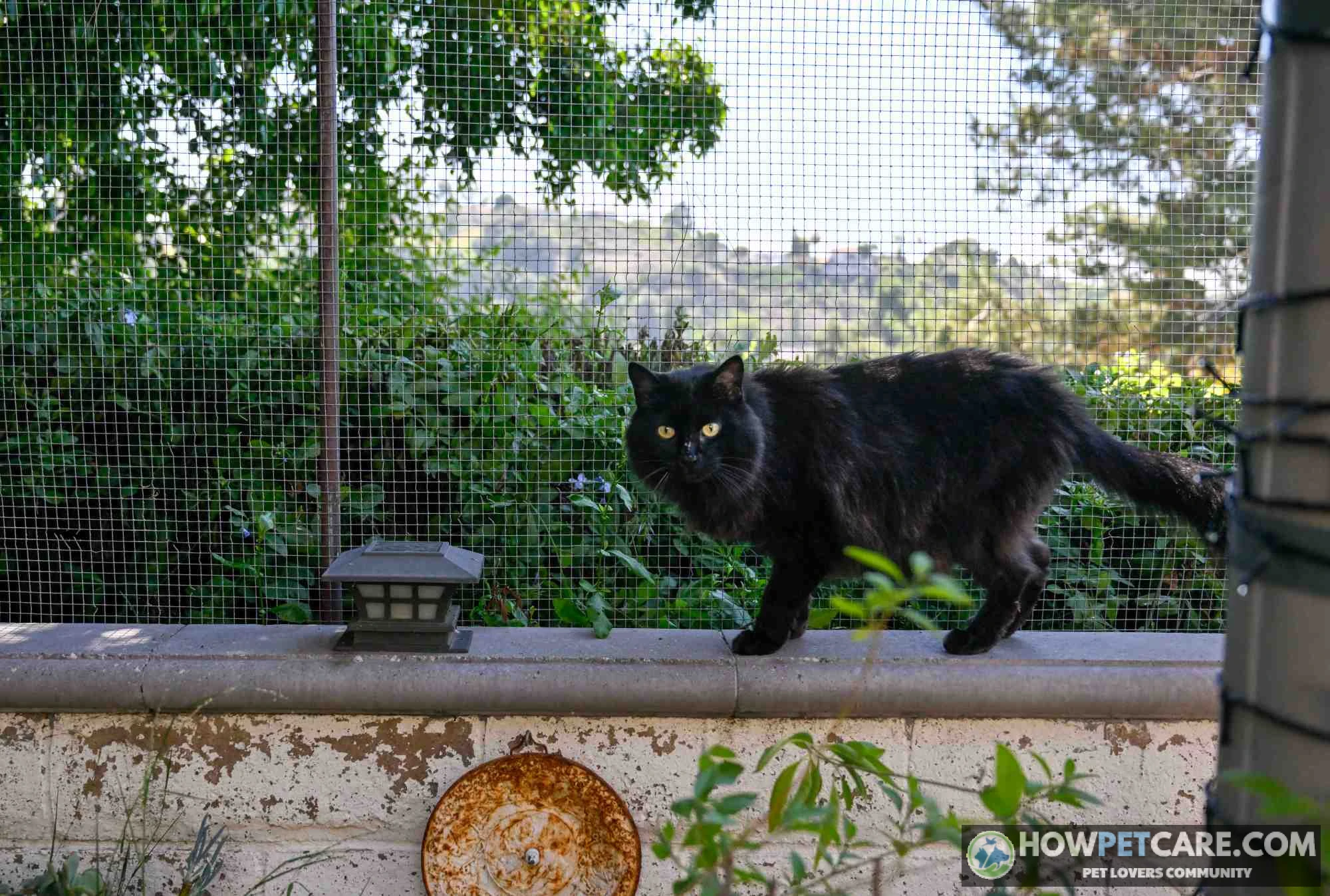
For “how long do Manx cats live indoors,” the best-supported answer remains the general healthy-Manx estimate of about 12–16 years; there is no separate indoor-only Manx lifespan figure. A safe, enriched home and regular preventive care can help a healthy cat reach the upper end, but no lifestyle guarantees a particular age.
Manx Health Problems That Affect Lifespan, by Life Stage
The ages below are a practical guide, not a prediction. Some Manx-related signs emerge in kittenhood, while other problems may develop later or never occur. The available evidence does not establish precise ages of onset for every condition.
| Life stage | Typical age window | Conditions to watch | Warning signs | Recommended action |
|---|---|---|---|---|
| Kitten | 0–4 months | Manx syndrome, including spinal or neurological abnormalities | Weak or stiff hind-leg gait, difficulty coordinating movement, urine or stool leakage, persistent constipation | Arrange a veterinary examination; ask about a neurological assessment and litter habits |
| Kitten | 4–12 months | Ongoing bowel, bladder, gait, or tail-area issues | Soiled rear, straining, difficulty using the litter box, sore or draining tail area | Follow up with the vet if signs persist or appear; discuss testing if indicated |
| Adult | 1–7 years | Chronic constipation or megacolon, urinary problems associated with incontinence, obesity; corneal dystrophy has been associated with Manx cats | Small or hard stools, straining, urine changes, weight gain, changes in eye appearance | Keep annual visits; seek veterinary advice for persistent changes rather than treating them at home |
| Mature or senior | About 7 years and older | Arthritis or spinal wear, plus common feline concerns such as kidney, thyroid, and dental disease | Reluctance to jump, stiffness, thirst or urination changes, weight loss, bad breath | Discuss exams every six months and age-appropriate testing with the veterinarian |
Severe Manx syndrome can be life-limiting, and untreated megacolon can become serious. Mild arthritis and manageable incontinence may primarily affect comfort and daily care rather than directly shorten life. Warning signs deserve timely veterinary attention, but this overview cannot diagnose their cause.
Kittenhood (0–12 months): spinal and neurological red flags
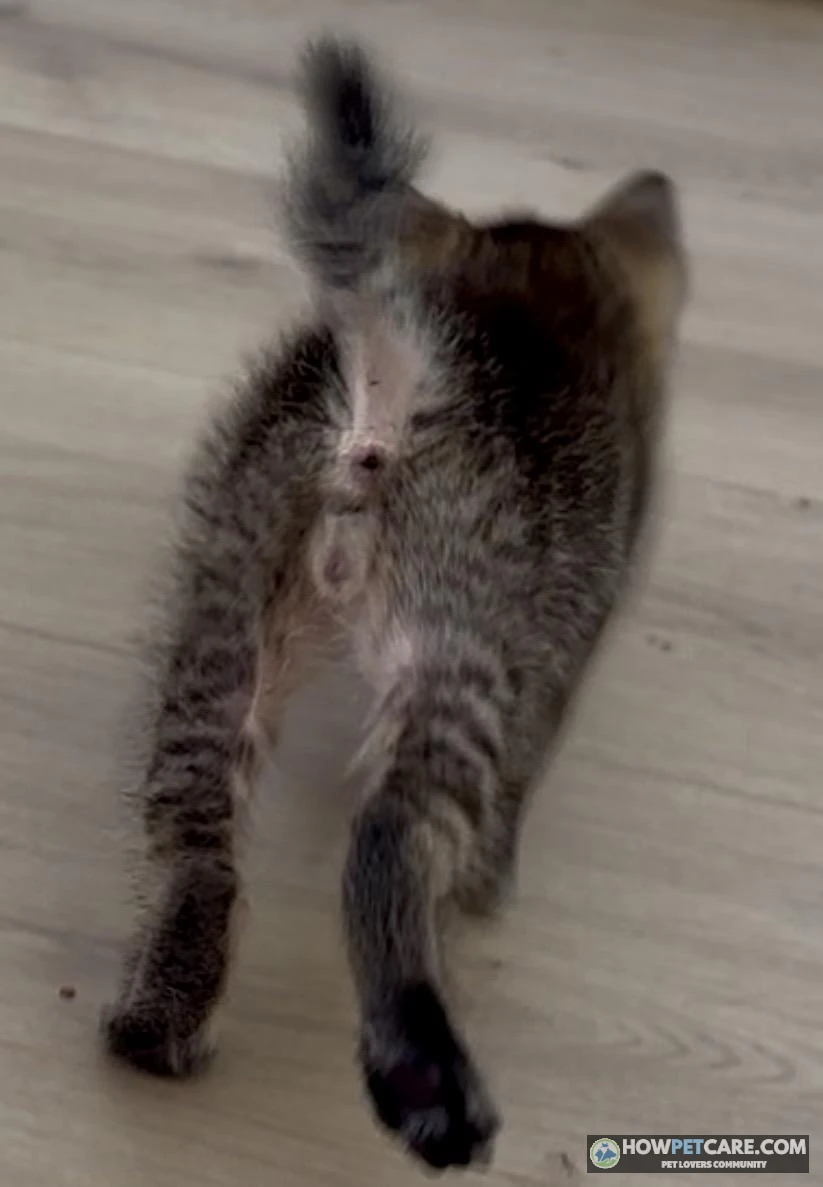
Watch for a hind-leg gait that seems weak or poorly coordinated, repeated constipation, urine or stool leakage, or trouble learning to use the litter box. A playful hop by itself does not establish a problem; look for stiffness, weakness, dragging, or difficulty coordinating movement. Report persistent signs to a veterinarian.
Adulthood (1–7 years): megacolon, urinary issues, weight, and eyes
Constipation that repeatedly returns deserves attention, particularly if stools are small and hard or the cat strains. Incontinence can contribute to hygiene and urinary concerns. Corneal dystrophy is a Manx-associated eye condition, but the available evidence does not support a precise age when it typically begins. Ask the veterinarian to check the eyes during routine examinations and report new cloudiness or discomfort.
Senior years (7+): arthritis and spinal wear
Older cats may become stiff, hesitate before jumping, or have difficulty entering a high-sided litter box. Arthritis is a concern for Manx cats, but mobility changes can have several causes. A veterinary assessment can guide pain management and practical home changes such as ramps and an easy-entry litter box.
What Chronic Manx Conditions Cost, and Whether Pet Insurance Is Worth It
Where the money goes over a Manx’s lifetime
The available evidence does not support reliable Manx-specific lifetime cost totals. Costs depend on the cat’s condition, location, tests, treatment, and insurance. A cat with chronic constipation may need repeated appointments, diagnostics, medication, and a diet plan. Urinary problems can mean testing and treatment; suspected spinal disease may prompt imaging or specialist care. Arthritis can require ongoing monitoring and management.
Plan for both routine costs and the possibility of unexpected care. Ask your veterinarian for an estimate before non-emergency tests or treatment, and request an itemized plan so you can distinguish one-time diagnostics from recurring medication or follow-up visits.
Insurance: what it covers and what it excludes
Insurance can help with eligible future accidents and illnesses, but policies differ. Congenital or hereditary conditions may be excluded, and a condition noted before enrollment may be treated as pre-existing. Read the policy’s hereditary-condition wording, exclusions, waiting periods, annual limits, and reimbursement rules before buying. Enrolling while a kitten is healthy may preserve more options, but does not guarantee coverage for Manx-related conditions.

Compare the premium and deductible with what you could set aside in a dedicated veterinary savings fund. For a higher-risk kitten, insurance may be worth considering, but the policy’s exact terms matter more than the breed label. A savings fund is an alternative—or a supplement—for expenses insurance does not cover.
Manx Longevity Checklist: How to Help Your Manx Live Longer
No checklist can prevent every inherited condition. These steps help detect problems early and reduce avoidable risks.
Vet visit schedule by age
- Kitten: Keep vaccination and wellness visits on the veterinarian’s schedule through the kitten series. Ask for an assessment of hind-limb gait, spine and tail area, anal tone, and bowel and bladder control. WebMD reports that reputable breeders hold Manx kittens until about 4 months, in part because signs may not be reliable in younger kittens.
- Breeding and screening history: If you are selecting a kitten, ask what health and genetic screening the breeder used for the parents and litters; use it together with an individual veterinary exam, not as a guarantee.
- Adult: Arrange a full wellness examination once a year. Bring up changes in stool, urination, mobility, vision, or weight rather than waiting for the next appointment.
- Mature and senior: Ask your veterinarian whether six-monthly examinations are appropriate, especially from around age 7–10. Discuss a baseline and follow-up bloodwork and urinalysis based on your cat’s age and health.
- Any age: Testing or imaging should follow a veterinary exam and clinical concern; it is not necessary for every cat simply because it is a Manx.
Weight, diet, and litter-box monitoring
- Keep your cat at a body condition score of about 4–5 on the 9-point scale: ribs should be easy to feel without a thick fat covering, with a visible waist from above. Ask your vet to set an individual target; body weight alone is not enough to judge condition.
- Weigh your cat monthly at home if practical and record weight at veterinary visits. Look for a trend rather than reacting to a single reading.
- Feed a complete-and-balanced diet appropriate to life stage, with portions measured according to your veterinarian’s guidance. Avoid unrestricted feeding if it leads to weight gain.
- For a cat prone to constipation, discuss hydration strategies such as wet food and multiple water sources. Add fiber or supplements only with veterinary direction.
- Keep the cat indoors or in a secure enclosure. Provide play and climbing opportunities appropriate to the cat’s mobility so a safer lifestyle does not become a sedentary one.
- Check the litter box daily for straining, hard or unusually small stools, stool leakage, or changes in urination. Note changes in jumping, stairs, or grooming.
- Ask the vet about eye checks for corneal dystrophy and a plan for joint comfort if stiffness develops.

Warning signs that need a vet visit this week
Contact your veterinarian promptly about new urine or stool leakage, repeated straining, a sudden change in mobility, or a new cloudy area on the eye. If your cat cannot pass stool, appears painful, stops eating, or becomes suddenly weak, seek urgent veterinary advice rather than waiting for a routine visit.
Before You Buy a Manx Kitten: A Health-Check Checklist and Why Breeders Hold Kittens to 4 Months
Why reputable breeders hold kittens until about 4 months
Some spinal or neurological signs, including problems with gait and bowel or bladder control, may not be clear in a very young kitten. WebMD gives about 4 months as the age reputable breeders hold Manx kittens to observe for Manx syndrome. Waiting does not guarantee a healthy kitten, but it gives more time to see whether movement and elimination are developing normally. Ask the breeder and your veterinarian what assessment has been completed; age alone is not a health certificate.
Kitten health-check checklist
Observe the kitten
- Watch the kitten walk calmly. Look for smooth, coordinated hind-leg movement; stiff weakness, dragging, or persistent difficulty deserves a veterinary opinion.
- Check that the area beneath the tail is clean and dry, without signs of leakage or irritation.
- Ask about normal litter-box use and whether the kitten has had persistent constipation or accidents.
- Look at the tail stump or dimple for soreness, discharge, or sensitivity. Do not press or manipulate it.
- Check that the eyes look clear and the kitten appears alert and in appropriate body condition.

Verify the records
- Request the kitten’s veterinary examination record, including any assessment of gait or neurological concerns.
- Review dated vaccination and deworming records.
- Read the written health guarantee, including how it handles congenital or hereditary conditions.
- Confirm the kitten’s age and ask why the breeder believes it is ready to leave.
Questions to ask the breeder, and red flags to walk away from
Ask how often the breeder has seen spinal, bowel, bladder, or gait problems in their litters and what happened to affected kittens. Ask about the parents’ tail types and health histories, and whether your own veterinarian can examine the kitten before the purchase is final. Responsible breeders should be willing to discuss health concerns honestly; no answer can guarantee a kitten’s future health.
Walk away from pressure to take a kitten before it is ready, refusal to share veterinary records or litter history, or a seller who will not allow an independent veterinary examination. Do not treat a particular tail type as proof of health or illness.
If you proceed, arrange a veterinary visit soon after bringing the kitten home, review insurance exclusions before enrolling, and keep copies of the contract and health records. Adopting an older Manx from a rescue can also make it easier to assess established gait, litter habits, and health history before making a decision.
 You might be wonderingHow long do hedgehogs live?How Long Do Hedgehogs Live? Pet vs. Wild LifespanRead the answer
FAQ
Why do Manx cats have longer back legs?
The Manx breed standard calls for hind legs longer than the front legs, with a rounded rump. This gives the cat its rabbit-like hop and strong jumping ability. It is a breed trait, and it is not a sign of illness in itself.
Is a Cymric cat’s lifespan the same as a Manx’s?
The Cymric is the longhaired variety of the Manx and carries the same tailless gene. It faces the same Manx syndrome risk and a similar lifespan range. The coat is the only major difference.
How old is a 14-year-old Manx in human years?
By the common conversion, a 14-year-old cat is about 72 in human years. That is 15 for the first year, 24 at two years, and roughly four per year after that. The figure is an approximation, and it doesn’t vary by breed.
Can a Manx with Manx syndrome have a good quality of life?
Some mildly affected cats do, particularly when incontinence and constipation are managed with diet, medication and regular vet care. Severely affected kittens often can’t be kept comfortable. A vet exam of the individual cat is the only reliable way to judge.
Is a Manx a good pet for families?
Manx cats are generally described as social, playful and people-oriented, so they suit many households. The main family consideration is health: choose a kitten with a clean veterinary exam and a transparent breeder, and budget for possible chronic care.