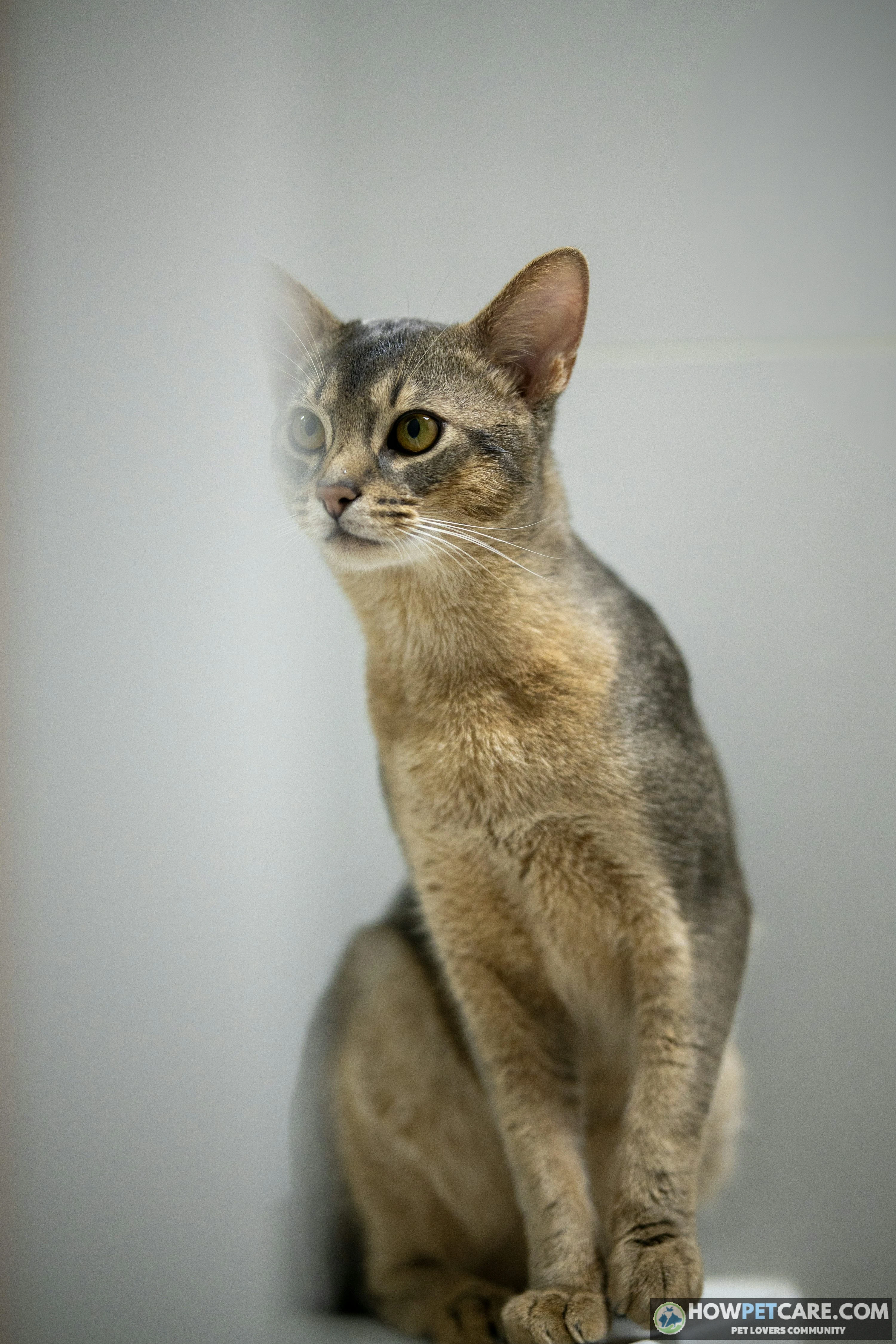

The top-scoring cat breeds in this five-criteria evaluation are:
- Abyssinian — 4.8/5
- Siamese — 4.7/5
- Bengal — 4.6/5
- Cornish Rex — 4.4/5
- Savannah — 4.3/5
- Burmese — 4.1/5
- Devon Rex — 4.0/5
The Abyssinian is widely considered the smartest cat breed because of its spatial problem-solving skills, persistent curiosity, and ability to learn household routines and manipulate objects quickly. In an auditable evaluation across five cognitive and behavioral dimensions, the Abyssinian earns the highest composite score (4.8 out of 5), closely followed by the Siamese (4.7) and the Bengal (4.6).
No single breed is universally "the smartest" in every aspect of animal cognition, though. Feline intelligence has several dimensions. A Siamese may outperform an Abyssinian in vocal communication and reading human social cues, while a Bengal excels at mechanical manipulation, such as opening cabinet latches or turning on water faucets. A clever cat isn’t necessarily an easy companion, either. High intelligence often comes with substantial stimulation and exercise needs, as well as creative mischief when a cat is under-stimulated.
If you’re considering adoption or trying to understand the domestic shorthair already resting on your sofa, this guide explains cat cognition, ranks and scores the 15 smartest cat breeds, and matches their profiles to household lifestyles.
Which Cat Breed Is the Smartest? Abyssinian Leads, Siamese and Bengal Follow
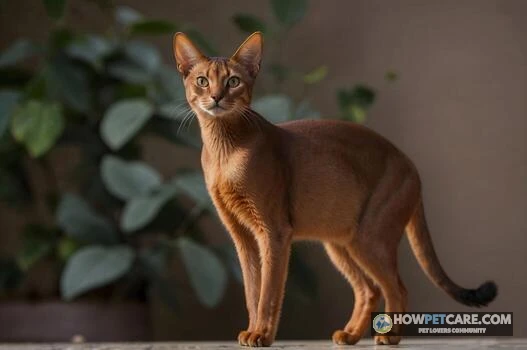
The Abyssinian takes first place in this structured evaluation of physical problem-solving, trainability, and environmental adaptability. Affectionately known in feline circles as the "clowns of the cat kingdom," Abyssinians are persistent, investigative acrobats. They quickly learn complex layouts, solve interactive puzzles with little guidance, and watch people closely enough to replicate door-opening or latch-sliding actions.
The ranking uses an explicit, weighted scoring rubric detailed later in this guide. Searches often ask "what is the smartest cat breed in the world" or "are Siamese cats the smartest breed," but the answer depends on the traits you value. Siamese cats are especially strong in social responsiveness, vocal syntax, and direct human interaction. The Abyssinian edges ahead in independent physical problem-solving, environmental tenacity, and spatial deduction.
No university laboratory or peer-reviewed animal behavior study has published an empirical, head-to-head cognitive ranking of all domestic cat breeds. This ranking is a structured, auditable synthesis of published ethology research, veterinary behaviorist evaluations, registry temperament profiles, and standardized owner-reported trainability metrics.
The top 5 at a glance
- Abyssinian (Score: 4.8 / 5) — A physical problem-solver that quickly analyzes multi-step mechanisms, fetches objects, and navigates vertical terrain.
- Siamese (Score: 4.7 / 5) — A vocal, socially astute cat that reads human gestures, excels at clicker training, and thrives on communicative routines.
- Bengal (Score: 4.6 / 5) — An inquisitive hybrid derivative with agile paws; it manipulates light switches, unlatches drawers, and routinely masters leash walking.
- Cornish Rex (Score: 4.4 / 5) — An agile acrobat with strong associative memory that retrieves thrown items and interprets hand signals.
- Savannah (Score: 4.3 / 5) — A high-drive, persistent problem-solver capable of opening doors and leaping up to eight feet from a standstill.
What ‘smartest’ does and doesn’t mean here
In this guide, "smart" describes a cat that shows rapid associative learning, independent physical problem-solving, high working memory, and social observation. The term reflects how quickly a cat works out cause and effect (e.g., "prying this rubber flap releases kibble" or "pressing this lever opens the pantry").
"Smart" does not mean:
- Obedient: A clever cat may use its abilities to bypass household rules rather than follow them.
- Low maintenance: High intelligence directly correlates with vulnerability to boredom. Without stimulation, clever cats may vocalize incessantly, shred upholstery, or systematically empty closets.
- Superior to mixed-breed cats: A random-bred domestic shorthair or shelter rescue can display problem-solving skills equal to or exceeding those of any purebred cat.
If you already share your home with a cat and want to assess its abilities or address chronic boredom, jump to the at-home intelligence checklist or clicker-training protocol.
How Cat Intelligence Is Measured and How This Ranking Was Scored
A defensible ranking needs more than subjective impressions. It should draw on verifiable cognitive ethology and make its scoring criteria clear.
What cat cognition research actually shows
Comparative canine cognition has received extensive institutional funding, but feline cognition research has also grown significantly over the past two decades. Peer-reviewed studies confirm that domestic cats have sophisticated cognitive abilities:
- Name Recognition: Research led by Atsuko Saito (published in Scientific Reports, 2019) showed that domestic cats distinguish their own names from phonetically similar nouns and other cats’ names, even when unfamiliar people speak them.
- Voice Recognition and Social Bond: Earlier research by Saito and Shinozuka (2013) showed that cats distinguish their owner’s voice from a stranger’s without visual cues. A landmark study led by Kristyn Vitale (published in Current Biology, 2019) confirmed that cats form secure attachments to human caregivers in proportions strikingly similar to human infants and domestic dogs (approximately 65% secure attachment).
- Object Permanence and Working Memory: Domestic cats consistently pass Stage 4 and Stage 5 object permanence assessments. They understand that an object hidden behind an opaque screen still exists and can track its invisible displacement when simple trajectories are involved.
- Human Cue Following: Controlled trials show that cats can follow human pointing gestures to find hidden food rewards, showing social communicative comprehension. Their willingness to participate, however, depends heavily on comfort in their surroundings and motivation.
Cats are harder to evaluate in laboratories than dogs because they’re facultative social carnivores. They evolved as solitary hunters without an innate evolutionary drive to appease human handlers. Testing stress, displacement from their territory, and low food drive can cause cats to freeze or disengage in a lab. Walking away from an apparatus can signal independence or wariness of the environment, not a lack of cognitive capacity.
Two popular claims that don’t hold up: cat ‘IQ’ and ‘toddler minds’
Some claims repeated on pet blogs and social media don’t stand up to scientific scrutiny.
One is that cats have a standardized "IQ of 1 to 1.71". Comparative psychology has no scientifically validated IQ quotient, scale, or numerical distribution for domestic cats. The "1 to 1.71" metric appears to be an unattributed number repeated without verification across internet forums.
Another claim is that "a cat thinks exactly like a 2- to 3-year-old child". Cats share specific developmental milestones with young children, including basic object permanence and rudimentary cause-and-effect reasoning. But their sensory processing, predatory instincts, and spatial cognition operate within an entirely different evolutionary framework. Assigning feline intelligence a fixed human toddler age oversimplifies how cats perceive their world.
Breed-specific behavioral differences are largely recorded through large-scale owner surveys and breed registries, such as the Cat Fanciers’ Association, or CFA, rather than controlled laboratory comparisons. CFA breed standards describe physical conformation and general temperament, not tested cognitive metrics.
The scoring rubric, criterion by criterion
For this auditable ranking, each breed was evaluated on a 1-to-5 scale across five weighted criteria. The total composite score is out of 5.0.
| Criterion | What it measures | Observable behavior scored | Weight | Evidence basis |
|---|---|---|---|---|
| Trainability | Speed and reliability of acquiring cued behaviors | Learns target touch, sit, recall, fetch, or leash walking; responsiveness to clicker conditioning | 25% | Veterinary behaviorist reports, owner-reported training logs |
| Problem-Solving | Resolving environmental obstacles independently | Manipulating latches, opening closed containers, completing multi-step puzzle toys | 25% | Breed registry profiles, clinical behavioral case studies |
| Social & Communicative Responsiveness | Processing and sending human communicative signals | Vocal adjustments, tracking pointing gestures, reading human emotional states, seeking interactive play | 20% | Feline ethology studies, breed club temperament archives |
| Curiosity & Adaptability | Environmental investigation and novelty tolerance | Exploring unfamiliar objects/spaces willingly, low neophobia, inventing novel play sequences | 20% | Standardized behavioral profiles, owner surveys |
| Evidence Quality | Volume and consistency of available behavioral records | Breadth of documented owner surveys, veterinary literature, and historical registry data | 10% | Depth and consistency of published behavioral documentation |
Worked Example — Abyssinian:
- Trainability: 5.0 × 0.25 = 1.25
- Problem-Solving: 5.0 × 0.25 = 1.25
- Social Responsiveness: 4.5 × 0.20 = 0.90
- Curiosity & Adaptability: 5.0 × 0.20 = 1.00
- Evidence Quality: 4.0 × 0.10 = 0.40
- Composite Score: 4.8 / 5.0
How to interpret these scores: Composite scores within 0.1 to 0.2 points of one another represent practical parity. An individual cat’s lineage, early socialization during the critical 2-to-9-week window, and daily household enrichment affect its real-world intelligence far more than breed averages.
The 15 Smartest Cat Breeds, Ranked With Scores, Evidence and Downsides
1. Abyssinian
- Composite Rubric Score: 4.8 / 5.0
- Dominant Intelligence Type: Physical problem-solver
- Documented Behaviors: Abyssinians routinely dismantle mechanical puzzle toys, learn to operate cabinet door catches, and invent aerial games using household architecture. They show rapid associative memory during clicker training and often teach themselves to retrieve discarded toys.
- Ideal Owner: An active household with plenty of vertical climbing infrastructure (floor-to-ceiling cat trees, shelving runs) and owners committed to daily interactive play.
- Watch Out For: Restlessness when confined or left alone. Abyssinians need substantial enrichment; without it, their curiosity can lead them to unroll toilet paper, knock over decorative glass, and raid cupboards.
2. Siamese
- Composite Rubric Score: 4.7 / 5.0
- Dominant Intelligence Type: Social and communicative
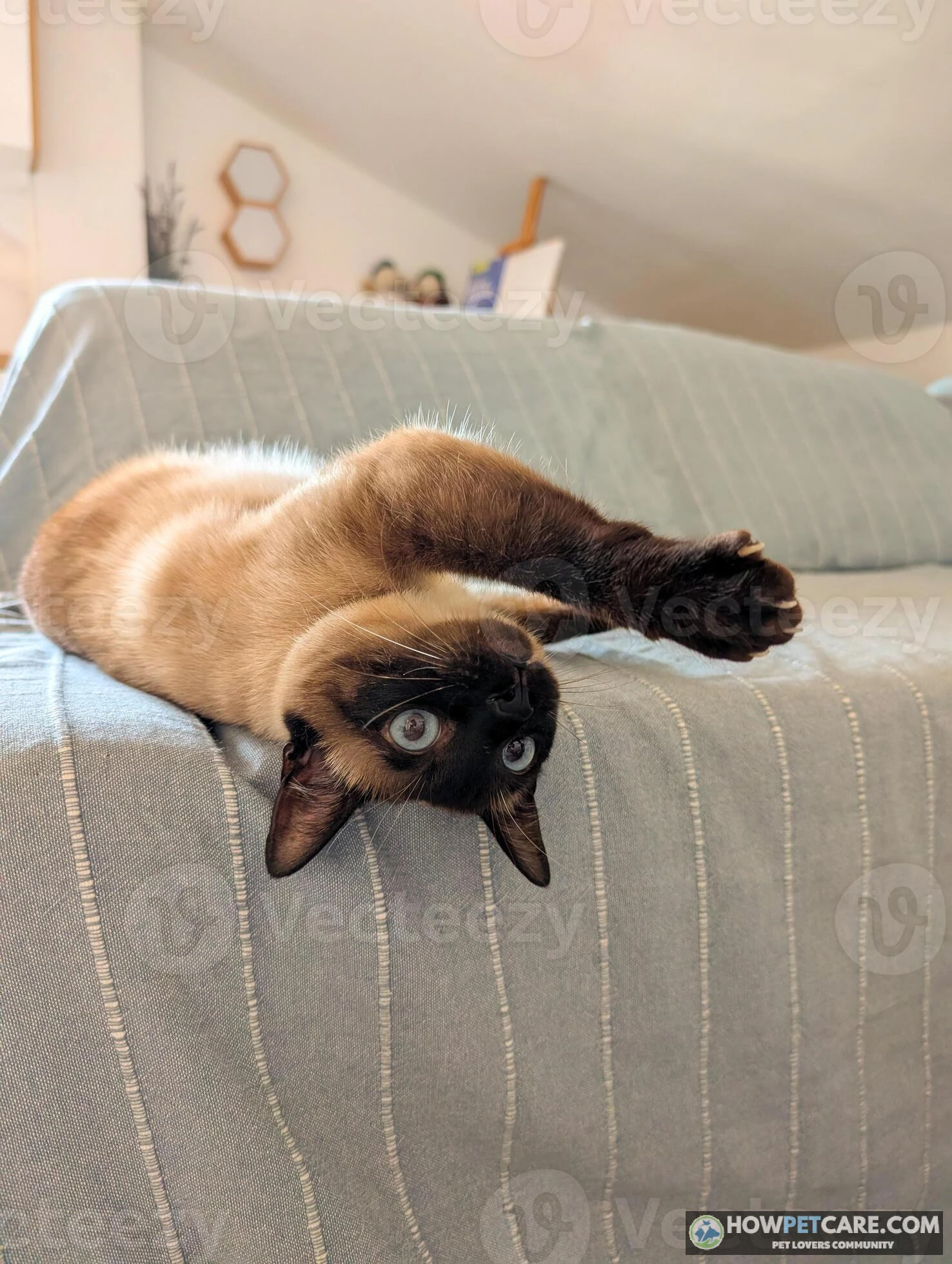
- Documented Behaviors: Siamese cats have an extensive vocal syntax, changing pitch, volume, and cadence to convey specific wants to their owners. They’re sensitive to human cues, follow pointing gestures, and quickly learn clicker cues such as "sit," "high-five," and harness walking.
- Ideal Owner: Someone who works from home or a family looking for an engaged companion that converses throughout the day.
- Watch Out For: Separation anxiety and vocal volume. A bored or lonely Siamese may vocalize at piercing volumes for hours and can develop compulsive behavioral issues if neglected.
3. Bengal
- Composite Rubric Score: 4.6 / 5.0
- Dominant Intelligence Type: Physical problem-solver
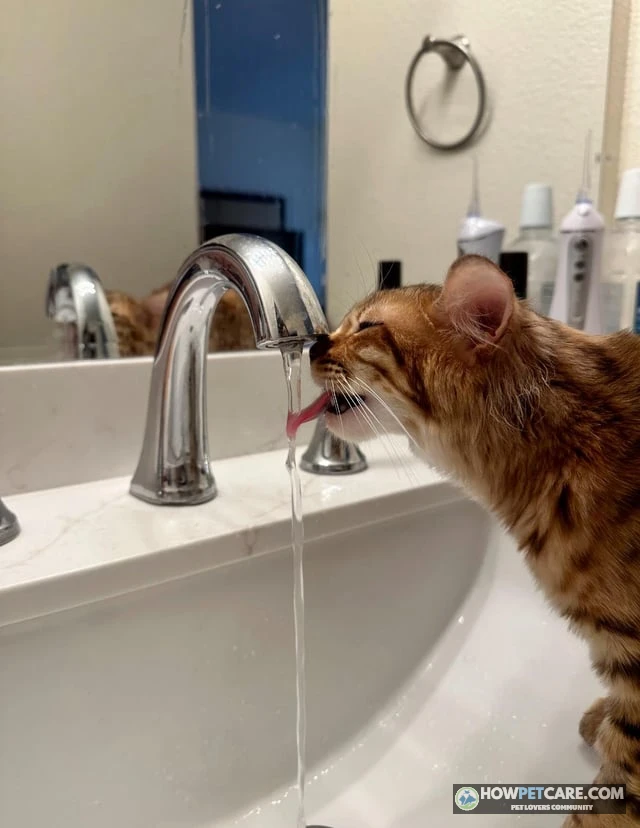
- Documented Behaviors: Developed by crossing domestic cats with the Asian Leopard Cat (Prionailurus bengalensis), Bengals retain strong predatory focus and dexterity. They routinely learn to flip light switches, open lever-style door handles, turn on sink faucets, and play vigorous games of fetch.
- Ideal Owner: An experienced cat owner who can offer a stimulating environment, ideally with a large exercise running wheel, cat-proofed outdoor enclosures (catios), and structured harness walks.
- Watch Out For: High prey drive and destructive territorial marking if under-exercised. Bengals stand roughly 10 to 16 inches tall and are powerful athletes; they must be screened for hypertrophic cardiomyopathy (HCM) and progressive retinal atrophy (PRA).
4. Cornish Rex
- Composite Rubric Score: 4.4 / 5.0
- Dominant Intelligence Type: Trainable performer
- Documented Behaviors: With an average lifespan of 9 to 20 years, the Cornish Rex keeps its kitten-like problem-solving habits well into adulthood. These cats use their agile paws like miniature hands to manipulate small objects, open drawers, and toss toys for themselves.
- Ideal Owner: Someone seeking an affectionate, active lap cat that enjoys agility obstacles, fetch routines, and close physical warmth.
- Watch Out For: Constant demands for companionship and coat care. Their fine, short curly undercoat and lack of guard hairs mean they need protection from cold drafts and sunburn, plus regular skin cleaning to manage cutaneous sebum buildup.
5. Savannah
- Composite Rubric Score: 4.3 / 5.0
- Dominant Intelligence Type: Physical problem-solver
- Documented Behaviors: Created by crossing domestic cats with the African Serval, Savannah cats weigh from 9 to 30 pounds depending on their filial generation. They routinely figure out childproof latches, enthusiastically plunge into running bathtubs, and need challenging food puzzles to satisfy their curiosity.
- Ideal Owner: A highly experienced owner with dedicated space, secure outdoor enclosures, and several hours a day for direct engagement.
- Watch Out For: Complex legal restrictions and substantial pricing. Early generation Savannahs (F1–F3) are prohibited or heavily restricted across numerous US states, counties, and municipalities. They need specialized diets and high-level veterinary care, and can overpower normal domestic boundaries.
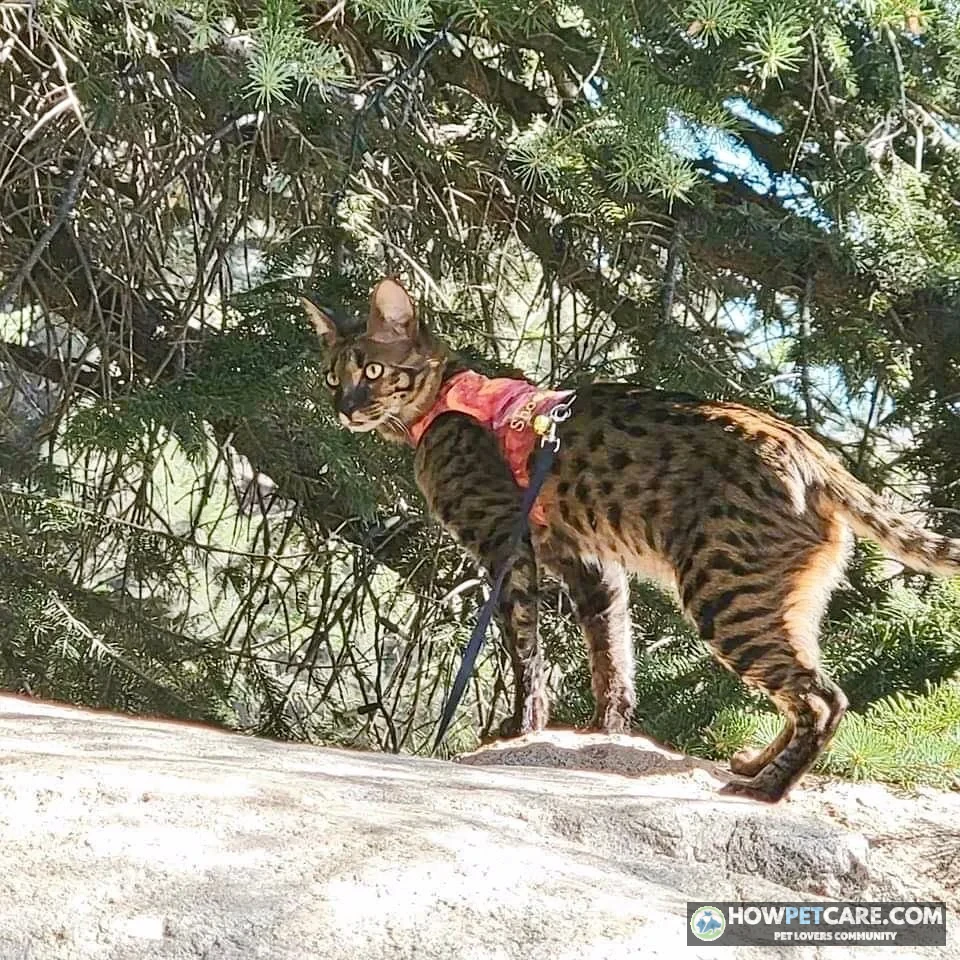
Savannah cats and early-generation Bengal crosses are subject to varying ownership laws across the United States. States such as California, Georgia, Hawaii, Massachusetts, and New York, alongside cities like New York City, maintain specific bans or generation-tier licensing requirements (often requiring F4 or F5 generations and later). Always check your municipal and state wildlife statutes before acquiring an exotic hybrid cat.
6. Burmese
- Composite Rubric Score: 4.1 / 5.0
- Dominant Intelligence Type: Social and communicative
- Documented Behaviors: Burmese cats are socially attuned. They watch human routines closely, anticipating when a laptop is about to close or dinner preparations are about to begin. They readily learn fetch and retrieve commands and thrive on reciprocal vocalizations.
- Ideal Owner: A busy family with children and other friendly pets that can provide an interactive environment where the cat isn’t isolated.
- Watch Out For: Intense emotional dependence. Burmese cats tolerate isolation poorly. Leaving an only-pet Burmese alone for consecutive 10-hour workdays frequently leads to depression, anorexia, or overgrooming.
7. Devon Rex
- Composite Rubric Score: 4.0 / 5.0
- Dominant Intelligence Type: Trainable performer
- Documented Behaviors: The Devon Rex readily learns target training and shoulder-riding routines. These cats perch on their owners’ shoulders to watch household tasks from human eye level and quickly connect appliance noises with expected treats or activities.
- Ideal Owner: Someone looking for an inquisitive cat that enjoys taking part in cooking, working, and folding laundry.
- Watch Out For: Food theft. Devon Rexes are known scavengers that can figure out bread boxes, zip-top bags, and loose food pantry bins.
8. Maine Coon
- Composite Rubric Score: 3.8 / 5.0
- Dominant Intelligence Type: Trainable performer (calm/deliberate)
- Documented Behaviors: Maine Coons are methodical and patient. They routinely learn harness walking and fetch, communicate through trills and chirps, and use their paws to inspect the surface of water bowls.
- Ideal Owner: A family with children and dogs seeking an intelligent, trainable cat with a relaxed demeanor.
- Watch Out For: Size and grooming needs. Their heavy, water-repellent coats need weekly detangling. Health screening is critical for hypertrophic cardiomyopathy (HCM), hip dysplasia, and spinal muscular atrophy (SMA).
9. Turkish Angora
- Composite Rubric Score: 3.7 / 5.0
- Dominant Intelligence Type: Physical problem-solver
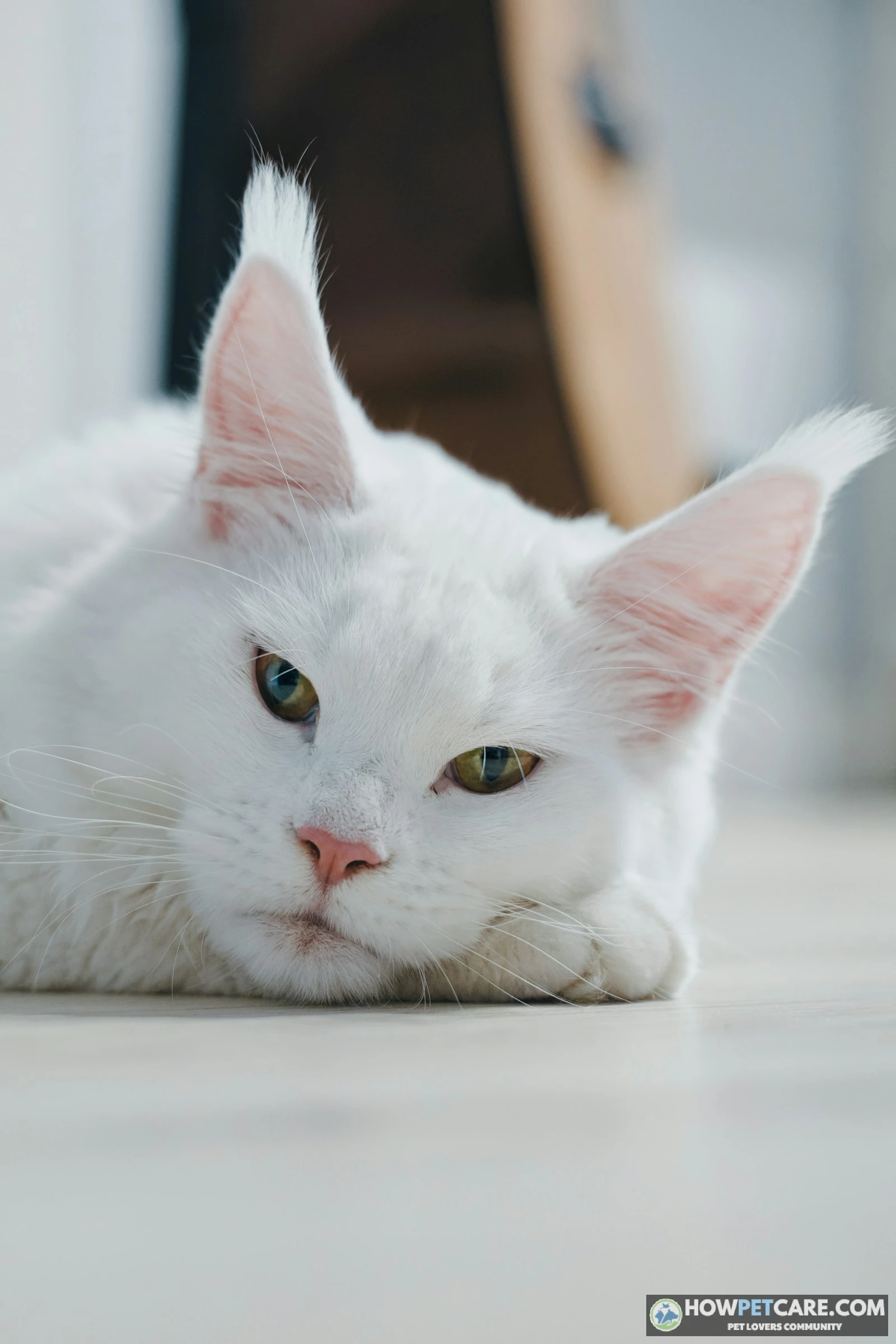
- Documented Behaviors: Turkish Angoras are elegant and persistent, systematically testing door cracks, sliding closet doors, and tap valves. In keeping with documented breed tendencies, they often seek out and play in running water.
- Ideal Owner: A seasoned cat owner who appreciates an independent, high-energy problem-solver and can provide high perches.
- Watch Out For: Stubbornness. An Angora that wants access to a closed room may scratch, vocalize, and pry at the barrier until redirected.
10. Japanese Bobtail
- Composite Rubric Score: 3.5 / 5.0
- Dominant Intelligence Type: Social and communicative
- Documented Behaviors: This ancient breed communicates through an expressive range of melodic chirps. Japanese Bobtails are keen students of cause and effect, mastering paw-tossing games, carrying objects in their mouths, and responding to complex verbal sound cues.
- Ideal Owner: A multi-pet household or family wanting an active, playful cat that travels well and interacts comfortably with visitors.
- Watch Out For: The need for ongoing social engagement. Though less manic than a Bengal, a bored Bobtail may entertain itself by digging into potted plants or rearranging small household trinkets.
11. Sphynx
- Composite Rubric Score: 3.4 / 5.0
- Dominant Intelligence Type: Social and communicative
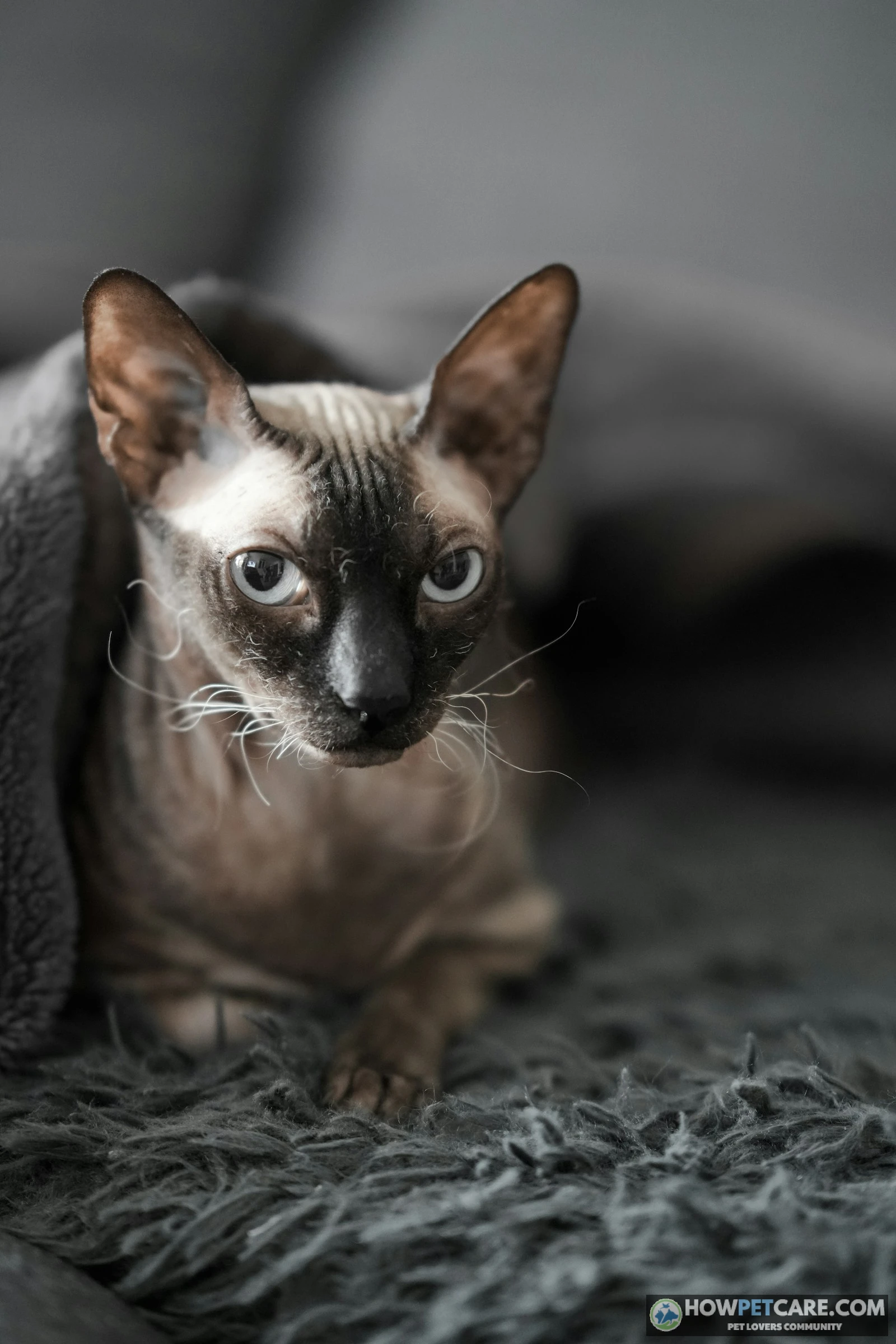
- Documented Behaviors: Motivated by physical warmth and human contact, the Sphynx quickly solves puzzle feeders to access the calories needed to sustain its high metabolic rate. These cats rapidly learn clicker targets and agility courses when rewarded with warm blankets and high-value treats.
- Ideal Owner: Someone willing to make daily grooming, weekly sponge baths, and plenty of heated nesting beds part of the routine.
- Watch Out For: Substantial grooming needs and sensitivity to temperature swings. Without fur to absorb skin oils, Sphynx cats need frequent care to prevent skin infections and stained furniture.
12. Ragdoll
- Composite Rubric Score: 3.3 / 5.0
- Dominant Intelligence Type: Trainable performer (low-key)
- Documented Behaviors: Ragdolls are emotionally perceptive and readily learn basic cues such as coming when called, sitting for food, and walking on a harness. They score lower on our composite because they lack the aggressive exploratory drive and mechanical curiosity of breeds like the Abyssinian or Bengal.
- Ideal Owner: Apartment dwellers, first-time owners, and families seeking a gentle, trainable cat without chaotic physical acrobatics.
- Watch Out For: A naive temperament. Their docile, trusting nature makes them ill-suited to unsupervised outdoor environments where predators or vehicles pose immediate threats.
13. Scottish Fold
- Composite Rubric Score: 3.2 / 5.0
- Dominant Intelligence Type: Social and observant
- Documented Behaviors: Scottish Folds are observant, quiet problem-solvers. They often sit upright on their haunches ("the Buddha pose") to scan their surroundings, closely track human patterns, and calmly work out stationary food labyrinths.
- Ideal Owner: A quiet household looking for an observant companion that prefers gentle mental enrichment to intense physical runs.
- Watch Out For: Serious hereditary orthopedic conditions. The genetic mutation responsible for folded ear cartilage also causes osteochondrodysplasia, a painful systemic cartilage and bone deformity affecting the tail, ankles, and knees.
14. Balinese
- Composite Rubric Score: 3.1 / 5.0
- Dominant Intelligence Type: Social and communicative
- Documented Behaviors: The longhaired Balinese shares direct ancestry with the Siamese and matches it in communicative ability, acrobatic skill, and clicker trainability. Its lower composite score is primarily an artifact of our "Evidence Quality" criterion: fewer independent behavioral studies isolate Balinese lines compared with Siamese populations.
- Ideal Owner: Someone who admires the verbal, communicative nature of the Siamese but prefers a softer, semi-long plush coat.
- Watch Out For: Vocal insistence and high social expectations. Balinese cats dislike being shut out of bedrooms and want to be central participants in family affairs.
15. Egyptian Mau
- Composite Rubric Score: 3.0 / 5.0
- Dominant Intelligence Type: Physical problem-solver
- Documented Behaviors: The Egyptian Mau is among the fastest domestic cat breeds, capable of sprinting up to 30 miles per hour. Its intelligence is distinctly predatory: Maus respond rapidly, track complex moving visual stimuli, and easily open drawers or cabinets containing wand toys.
- Ideal Owner: A dedicated hobbyist who can provide running space, high-speed chase games, and structured agility runs.
- Watch Out For: Sensitivity to sudden environmental disruption and loud noises. If stressed or under-stimulated, Maus can become skittish or defensively territorial.

Smart Cat Breeds Compared Side by Side: Intelligence Type, Energy, Noise and Alone-Time Tolerance
A numerical score tells only part of the story when you’re choosing an intelligent cat. How that intelligence shows up—through vocal conversation, physical acrobatics, or calm observation—helps determine whether a breed will thrive in your home.
| Rank | Breed | Rubric Score | Primary Intelligence Type | Energy Level | Vocalness | Shedding & Coat Care | Kid-Friendliness | Alone-Time Tolerance | Cost Tier | Year 2026 Price Range |
|---|---|---|---|---|---|---|---|---|---|---|
| 1 | Abyssinian | 4.8 | Physical problem-solver | Very High | Low–Moderate | Low shedding; minimal brush | Good (older kids) | Poor–Moderate |
| $1,000–$2,000 | ||||||||
|---|---|---|---|---|---|---|---|---|
| 2 | Siamese | 4.7 | Social & communicative | High | Very High | Low shedding; minimal brush | Good | Poor |
| $600–$1,200 | ||||||||
| 3 | Bengal | 4.6 | Physical problem-solver | Very High | Moderate–High | Low shedding; weekly brush | Good (older kids) | Poor |
–
$
| $1,500–$3,500 | ||||||||
|---|---|---|---|---|---|---|---|---|
| 4 | Cornish Rex | 4.4 | Trainable performer | High | Moderate | Minimal shed; skin care needs | Good | Poor–Moderate |
| $1,000–$2,000 | ||||||||
| 5 | Savannah | 4.3 | Physical problem-solver | Very High | Moderate | Low–Moderate; minimal brush | Experienced only | Moderate |
| $1,500–$25,000 | ||||||||
| 6 | Burmese | 4.1 | Social & communicative | High | High | Low shedding; weekly wipe | Very Good | Poor |
| $1,000–$2,200 | ||||||||
| 7 | Devon Rex | 4.0 | Trainable performer | High | Moderate | Minimal shed; skin care needs | Good | Moderate |
| $1,200–$2,200 | ||||||||
| 8 | Maine Coon | 3.8 | Trainable performer | Moderate | Moderate (chirps) | High shed; bi-weekly brush | Excellent | Good |
| $1,200–$2,500 | ||||||||
| 9 | Turkish Angora | 3.7 | Physical problem-solver | High | Moderate | Moderate shed; weekly comb | Good | Moderate |
| $1,000–$2,000 | ||||||||
| 10 | Japanese Bobtail | 3.5 | Social & communicative | Moderate–High | Moderate | Low–Moderate; weekly brush | Very Good | Moderate–Good |
| $1,000–$1,800 | ||||||||
| 11 | Sphynx | 3.4 | Social & communicative | High | Moderate–High | Hairless; weekly bathing | Good | Poor |
$
| $1,800–$3,500 | ||||||||
|---|---|---|---|---|---|---|---|---|
| 12 | Ragdoll | 3.3 | Trainable performer | Low–Moderate | Low | High shed; regular comb | Excellent | Good |
| $1,200–$2,500 | ||||||||
| 13 | Scottish Fold | 3.2 | Social & observant | Low–Moderate | Low–Moderate | Moderate shed; weekly brush | Good | Good |
–
$
| $1,500–$3,000 | ||||||||
|---|---|---|---|---|---|---|---|---|
| 14 | Balinese | 3.1 | Social & communicative | High | High | Low–Moderate shed; weekly comb | Good | Poor |
| $1,000–$2,000 | ||||||||
| 15 | Egyptian Mau | 3.0 | Physical problem-solver | High | Moderate | Low–Moderate; weekly brush | Good (older kids) | Moderate |
–$$$ | $1,200–$2,200 |
Reading the comparison matrix
The matrix shows a clear trade-off: the highest-scoring cognitive breeds are among the most demanding to live with. Breeds scoring 4.3 or higher generally rate "Poor" or "Poor-to-Moderate" on alone-time tolerance, while the Savannah rates "Moderate." If your household is empty for ten hours a day, an Abyssinian, Siamese, or Bengal may develop behavioral problems.
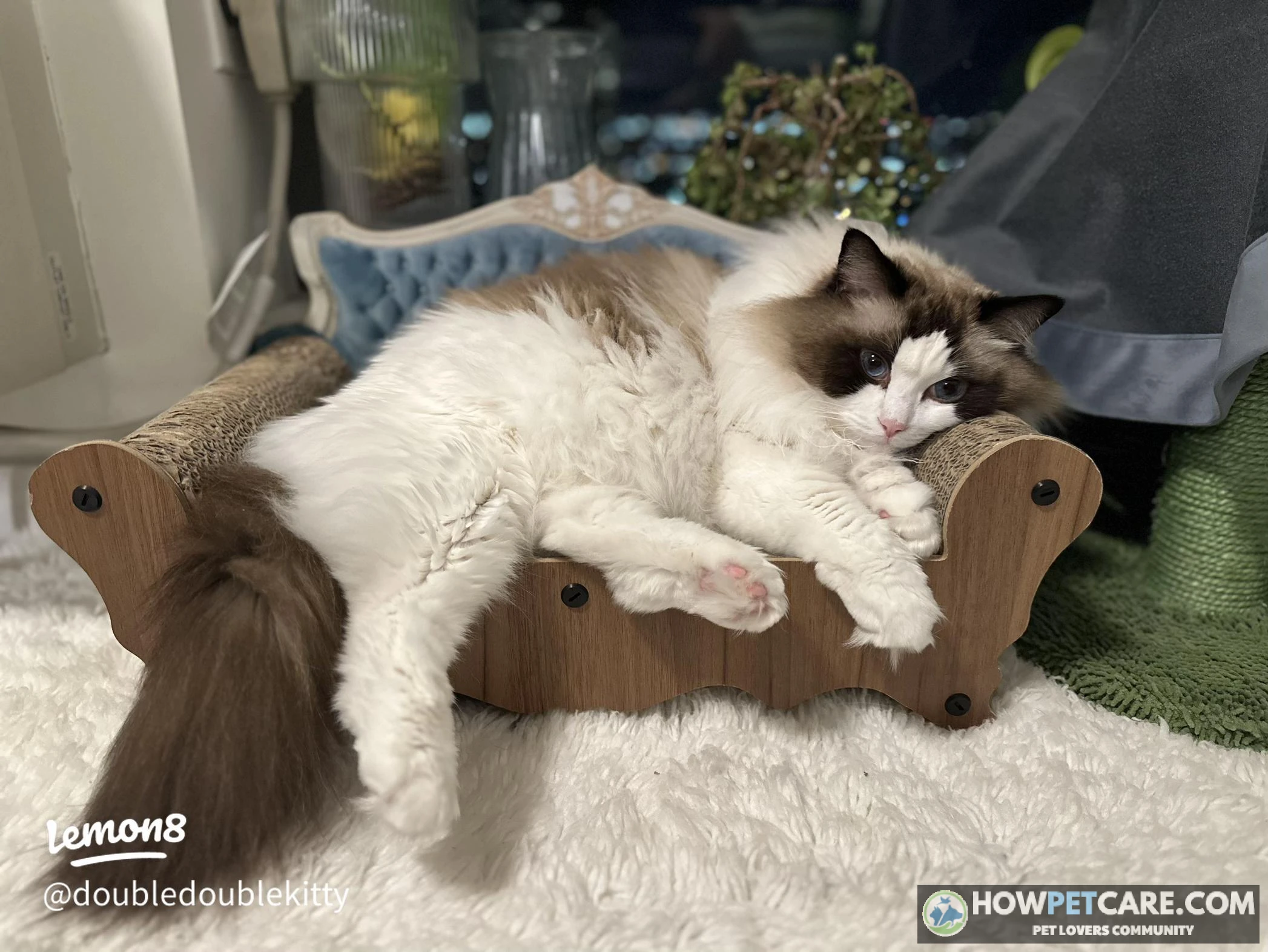
If you want a trainable companion less likely to tear down your window drapery while you’re out for an afternoon, consider the "smart but calm" cluster: the Maine Coon, Japanese Bobtail, and Ragdoll. These breeds offer trainability and human responsiveness with stable temperaments, without relentless destructive energy.
Matching a Smart Breed to Your Household: Apartments, Kids, Long Workdays, First-Timers and Allergies
Choosing a cat purely because it ranks near the top of an intelligence list can be a mistake. Match the breed’s needs to your living space and daily schedule instead.
Apartment dwellers
- Recommended Breeds: Japanese Bobtail, Cornish Rex, Ragdoll.
- Breeds to Avoid: Bengal, Savannah, Egyptian Mau.
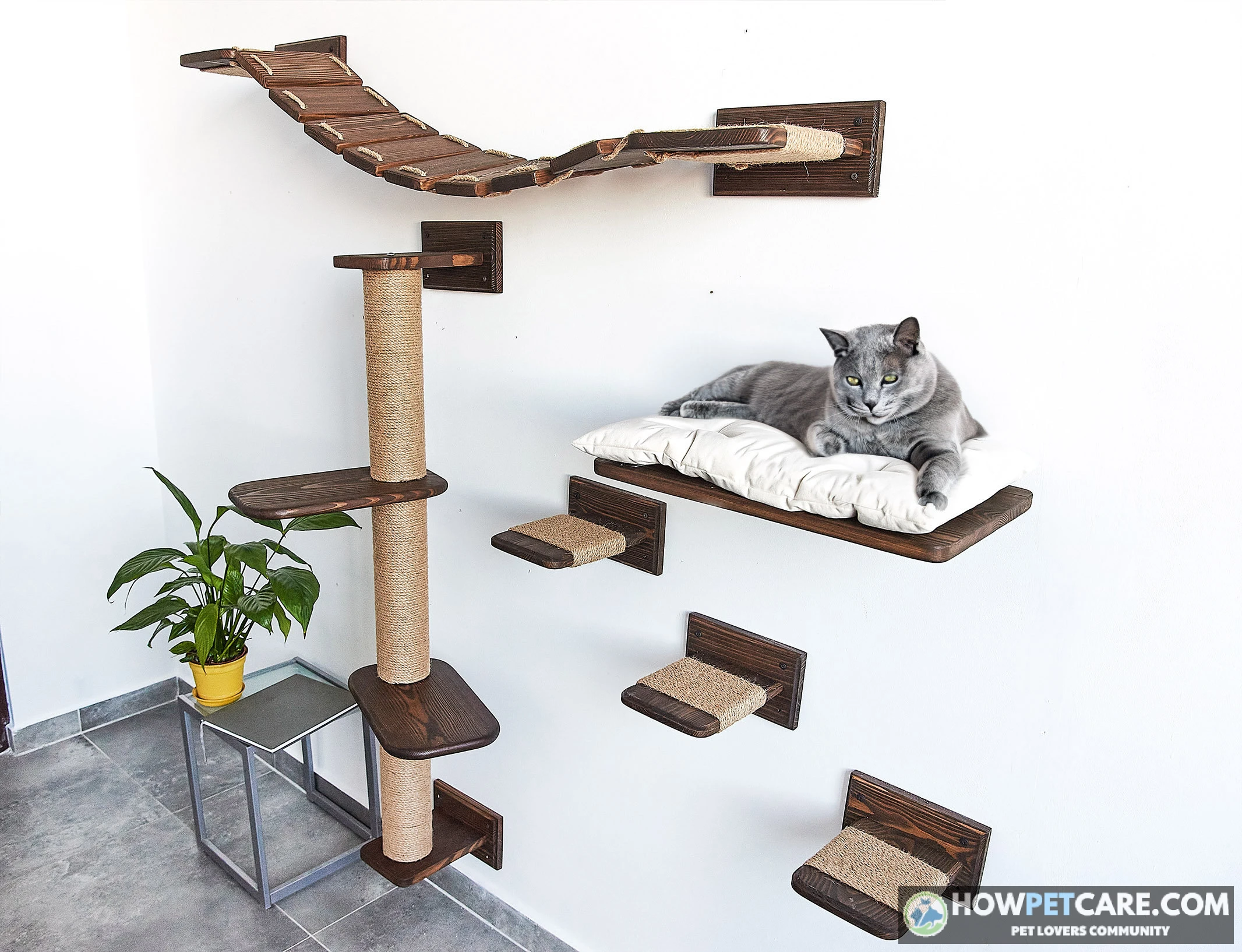
- Why: High-drive problem-solvers like Bengals and Savannahs may find an 800-square-foot apartment confining and resort to pacing, door-banging, and nighttime vocalization. Cornish Rexes and Japanese Bobtails, by contrast, can burn energy vertically with modular cat trees, wall-mounted climbing bridges, and target-touch training sessions without disturbing downstairs neighbors.
Families with kids and dogs
- Recommended Breeds: Maine Coon, Burmese, Ragdoll.
- Breeds to Avoid: Egyptian Mau, early-generation Savannah.
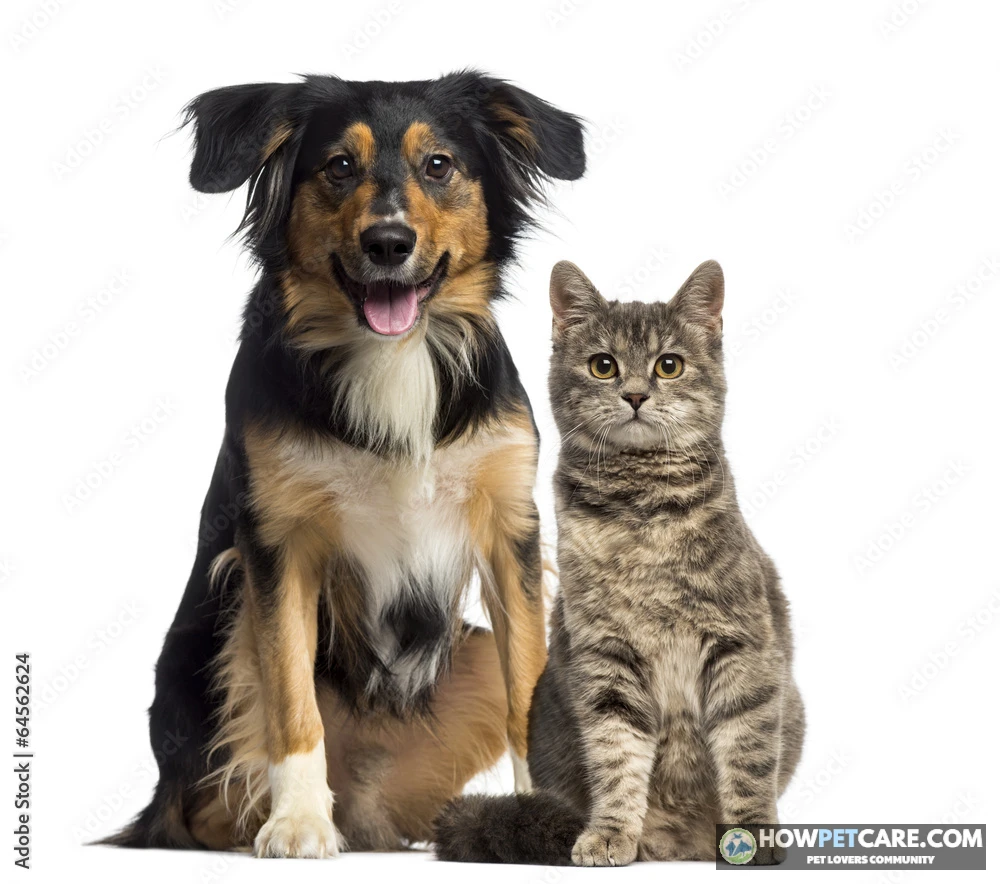
- Why: Maine Coons and Ragdolls have the physical size and emotional resilience to handle the unpredictable noises and movements of young children and boisterous family dogs. Burmese cats actively join play groups. Egyptian Maus and high-strung hybrids, in contrast, may develop fear-induced reactivity or hide when startled by household commotion.
Owners away 8–10 hours a day
- Recommended Breeds: Scottish Fold, Maine Coon, Japanese Bobtail.
- Breeds to Avoid: Siamese, Abyssinian, Burmese, Sphynx.
- Why: Highly social, vocal breeds can experience prolonged daily isolation as severe sensory deprivation. A Maine Coon or Japanese Bobtail can rest comfortably during an on-site shift, provided it gets structured interactive play when you return. Consider adopting a bonded pair if your schedule requires extended absences.
First-time owners
- Recommended Breeds: Maine Coon, Ragdoll, Cornish Rex.
- Breeds to Avoid: Bengal, Savannah, Abyssinian.
- Why: First-time owners may struggle to distinguish playful curiosity from escalating behavioral distress. A Bengal or Abyssinian can exploit inconsistent boundaries, escaping through open exterior doors or learning to pry open food pantries. A Maine Coon or Ragdoll combines trainability with an adaptable, forgiving temperament.
Allergy sufferers
- Recommended Breeds (Manage Expectations): Balinese, Cornish Rex, Devon Rex, Sphynx.
- Breeds to Avoid: Longhaired double-coated breeds with heavy dander distribution (Maine Coon, Persian).
- The Scientific Reality: No cat breed is truly 100% hypoallergenic. The primary feline allergen is Fel d 1, a protein produced in the salivary, sebaceous, and perianal glands, not the fur itself. When a cat grooms, Fel d 1 transfers to the fur, dries, and becomes airborne dander. Balinese cats are reported to produce lower concentrations of Fel d 1, and Cornish/Devon Rexes shed fewer allergen-laden hairs, but individual sensitivities vary widely. Spend several hours in direct contact with a specific adult cat before finalizing an adoption.
What Smart Breeds Really Cost: Purchase Prices, Adoption Options, Health Risks and Legal Limits
Intelligent purebred cats can involve substantial initial and ongoing costs. Consider the full financial commitment before bringing one home.
| Breed | Typical Purchase Price (2026) | Adoption / Rescue Options | Genetic & Clinical Health Concerns | Legal & Ethical Considerations |
|---|---|---|---|---|
| Abyssinian | $1,000–$2,000 | Purebred rescue networks; regional shelters | Pyruvate kinase (PK) deficiency; Progressive retinal atrophy (PRA); Renal amyloidosis | Clean legal status; verify parentage health testing |
| Siamese | $600–$1,200 | High availability in dedicated Siamese rescues | Amyloidosis; Asthma / bronchial disease; Hypertrophic cardiomyopathy (HCM) | Clean legal status; high shelter cross-mix availability |
| Bengal | $1,500–$3,500 | Bengal rescue groups; frequent owner surrenders | HCM; PRA; Erythrocyte pyruvate kinase deficiency | Ownership bans or permits in select US states/cities |
| Savannah | $1,500–$25,000 | Specialized hybrid rescues; rare in shelters | HCM; Hybrid anesthetic sensitivity; Dietary deficiencies | Heavily regulated/prohibited (F1–F4) across multiple jurisdictions |
| Maine Coon | $1,200–$2,500 | Moderate shelter availability; breed rescues | HCM (MYBPC3 gene mutation); Hip dysplasia; Spinal muscular atrophy | Ethically bred lines require documented echocardiograms |
| Scottish Fold | $1,500–$3,000 | Occasional rescue surrender | Osteochondrodysplasia; Polycystic kidney disease (PKD) | Banned from registration by several European veterinary boards |
Purchase and adoption price ranges
Purebred kittens from responsible, health-testing breeders range from $600 to well over $3,000. Savannah cats are an outlier: early-generation foundation kittens (F1 females) frequently sell for $10,000 to $25,000, while later pet-quality generations (F4–F6) cost closer to $1,500 to $3,000. For another intelligent companion option, Tonkinese kittens typically sell for $1,000 to $3,000.
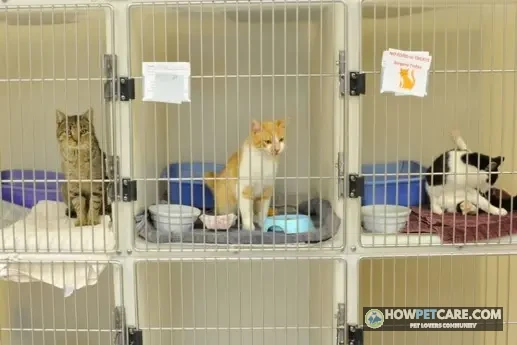
Adoption through a breed-specific rescue, such as a dedicated Siamese or Bengal network, or a municipal shelter typically costs between $100 and $350. Fees usually include core vaccinations, microchipping, and spay/neuter surgery, saving hundreds in immediate clinical expenses.
Lifetime health and vet cost drivers
The cost of a purebred cat extends beyond routine food and litter:
- Genetic Screening: Responsible breeders test breeding pairs using DNA panels and annual veterinary echocardiograms. If you’re acquiring a Bengal, Sphynx, or Maine Coon, request written proof of parental HCM screening.
- Pet Insurance Premiums: Insuring high-energy purebreds typically runs $30 to $70 per month. Without coverage, diagnosing and managing conditions like chronic feline asthma or renal disease costs thousands.
- Enrichment Equipment: High-energy problem-solvers need equipment such as sturdy cat running wheels ($200–$500), complex vertical scratching poles ($150–$300), and a continuing supply of rotating puzzle feeders ($20–$60 each).
Savannah legality and Scottish Fold breeding ethics
Exotic hybrid cat ownership comes with legal restrictions. Hybrid lines crossing wild felids with domestic cats, specifically Savannahs and early-generation Bengals, face prohibitions or generation bans in states like Hawaii, Massachusetts, and Georgia, as well as municipalities like New York City. Check local municipal ordinances before purchasing a hybrid kitten.
Scottish Fold breeding raises a significant ethical controversy. The single dominant gene responsible for their folded ear cartilage causes osteochondrodysplasia throughout the skeletal system. Affected cats suffer progressive arthritis, fused ankle joints, and chronic pain. The British Veterinary Association (BVA) and major European registries discourage or refuse to register Scottish Folds on welfare grounds. Prospective buyers must weigh whether the distinctive appearance justifies propagating chronic skeletal pain.
Mixed-Breed and Domestic Shorthair Cats Are Smart Too: How to Test Your Own Cat at Home
More than 80% of domestic cats across the United States are non-pedigreed domestic shorthairs, domestic longhairs, or random-bred mixed breeds ("moggies"). Despite a common myth, a cat doesn’t need a pedigree certificate to match the cognitive ability of an Abyssinian or Siamese.
Why a mixed-breed cat can match a purebred
Comparative cognition research relies primarily on ordinary household cats, not pedigree champions. University studies around the world evaluating voice discrimination, name comprehension, and object permanence study common domestic felines.
Domestic shorthairs come from diverse, unconstrained genetic pools and avoid the hereditary bottlenecks and inbreeding depressions that occasionally affect purebred health. A random-bred cat can inherit the communicative enthusiasm of an Oriental lineage, the hunting tenacity of an Abyssinian, and the physical hardiness of natural selection. Individual variation within any breed is wider than the statistical variation between distinct breeds.
The at-home intelligence test checklist
To gauge your cat’s cognitive strengths, try this six-step informal assessment. Conduct each test in a quiet, familiar room when your cat is alert and mildly hungry (ideally 30 to 60 minutes before a scheduled meal). Use pea-sized, high-value treats, such as freeze-dried chicken or tuna bites.
- ☐ Test 1 — Name Response (Social Conditioning): At an unexpected moment when no food is in sight, stand approximately 8 to 10 feet away. Call your cat’s name once in a neutral tone. Repeat across five separate occasions throughout the day.
- Pass: Turns head directly, rotates ears forward, or walks toward you on 3 out of 5 trials.
- Partial: Ear flick or brief pause without orienting.

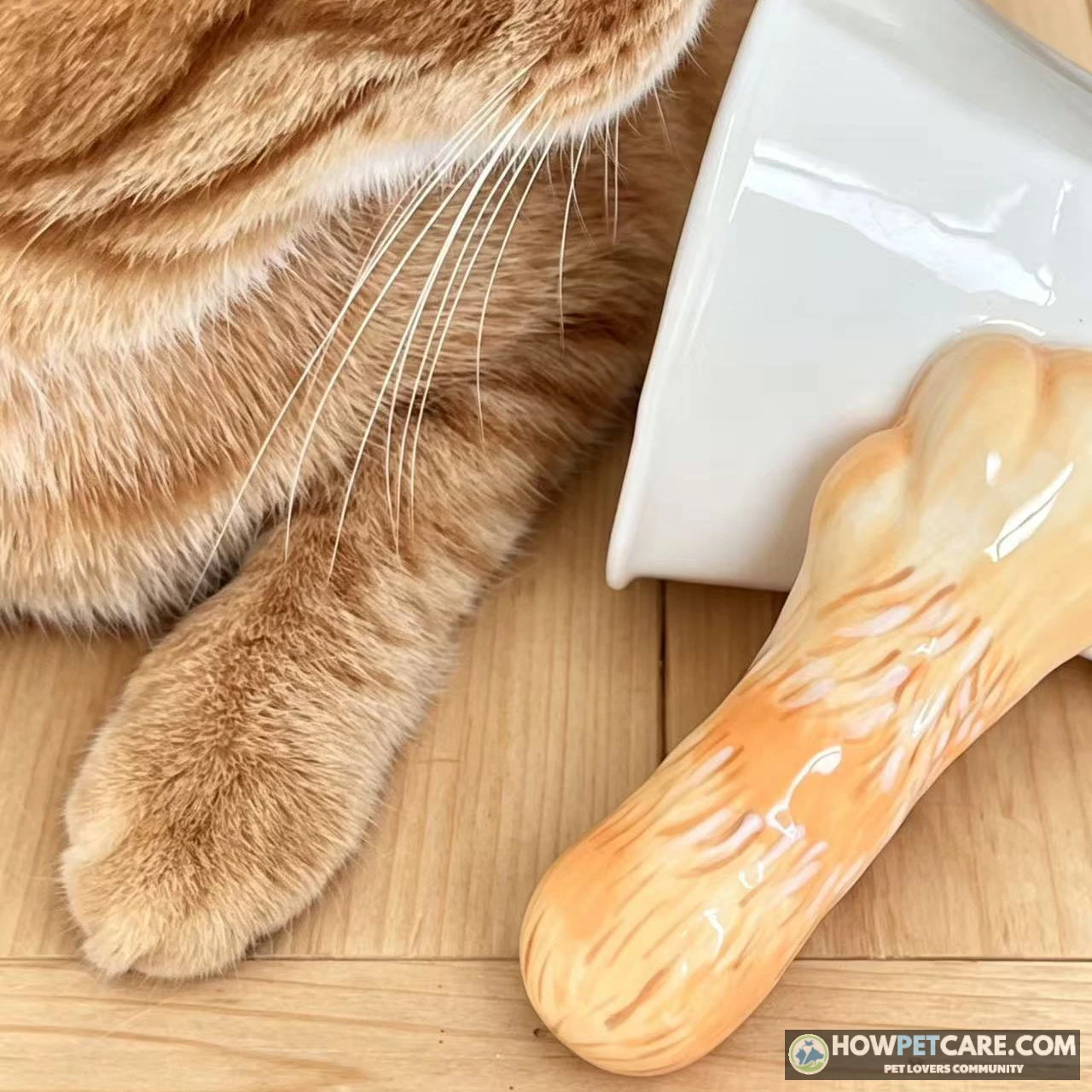
The cup-tracking test measures object permanence and working memory. (Source: meowceramics) - ☐ Test 2 — Object Permanence (Cup Tracking): While your cat watches attentively, place a high-value treat on the floor and cover it with an opaque plastic cup.
- Pass: Knocks over, slides, or flips the cup with paw or nose within 30 seconds across 2 out of 3 trials.
- Partial: Sniffs persistently around the base of the cup for 30 seconds without knocking it over.
- ☐ Test 3 — Point Following (Human Gesture Comprehension): Sit quietly 4 feet from your cat. Place a treat 3 feet away to the side, then point your arm and index finger directly at the treat while making eye contact.
- Pass: Looks toward or approaches the pointed location within 10 seconds.
- Partial: Looks at your outstretched hand/finger rather than following the trajectory to the food.
- ☐ Test 4 — Target Touch (Rapid Associative Learning): Hold a chopstick or pencil tip 4 inches from your cat’s face. If your cat’s nose touches the tip, immediately mark it with the word "Yes!" (or click) and give a treat. Present the target 10 times in a single session.
- Pass: Deliberately taps the target tip on 7 or more out of 10 presentations by the second session.
- Partial: Touches the target 4 to 6 times, but shows inconsistent focus.
- ☐ Test 5 — Novel Puzzle Feeder (Spatial Deduction): Place a portion of your cat’s meal inside an unfamiliar puzzle toy or an empty egg carton with the lid open.
- Pass: Successfully hooks out kibble with a curved paw within 90 seconds.
- Partial: Solves the problem between 90 seconds and 5 minutes.
- ☐ Test 6 — Container Obstacle (Mechanical Persistence): Place a favorite toy or treat inside a loosely folded paper lunch bag or a cardboard shoe box with an unlatched lid.
- Pass: Uses paws or teeth to open the flap or extract the prize within 2 minutes.
- Partial: Attempts to pry at the edges persistently for over 2 minutes without accessing the contents.
Interpreting Your Cat’s Score:
- 5–6 Passes: A high-drive, highly trainable cat that needs structured mental challenges, trick training, and rotating puzzle feeders to prevent boredom.
- 3–4 Passes: Standard, healthy feline intelligence. The cat is capable of learning routines, clicker cues, and basic puzzle solving.
- 0–2 Passes: Low food drive, heightened environmental anxiety, or testing fatigue. This doesn’t indicate low intelligence. Try testing with an interactive feather wand instead of food treats.
Keeping a Smart Cat Stimulated: Clicker Training Steps, a Daily Enrichment Schedule and Boredom Fixes
Cats of any breed can learn cues, retrieve thrown items, or walk outside on a harness through reward-based positive reinforcement. Success depends on precise timing, high-value rewards, and brief sessions.
Clicker training: a step-by-step starting protocol
A mechanical clicker, or a crisp, repeatable marker word like "Yes!", bridges the gap between your cat performing an action and receiving a reward. The click marks the exact moment the cat gets it right.
-
Step 1: Charge the Clicker (Days 1–2)
Sit with your cat and a dish of 15 pea-sized treats. Click the device once, then immediately deliver a treat within one second. Do not ask for any behavior. Repeat 10 to 15 times per session, twice daily. The clicker is "charged" when your cat’s ears prick and it looks expectantly at your treat hand the moment it hears the click.
-
Step 2: Establish Target Touching (Days 3–4)
Hold a target stick (a chopstick or wooden spoon) roughly 3 to 4 inches from your cat’s nose. Natural curiosity will cause the cat to sniff it. The precise millisecond its nose contacts the tip, click and deliver a treat. Repeat for 10 trials. Never chase the cat’s nose with the stick; let the cat close the distance.
-
Step 3: Introduce the Verbal Cue (Days 5–7)
Once your cat reliably seeks out the stick, begin saying the verbal cue "Touch" one second before presenting the target. Click and reward every successful contact. Gradually move the target higher, lower, and slightly to the left and right, teaching the cat to follow the marker.
-
Step 4: Shape First Trick — The 'Sit' (Days 8–10)
Hold a high-value treat slightly above your cat’s brow, moving it backward toward its ears. As the head tilts back, its rear naturally lowers to the floor. The exact instant its pelvis touches the ground, click and reward. Once predictable, add the verbal cue "Sit" just before luring.
-
Step 5: Generalize and Branch to Advanced Cues (Days 11–14)
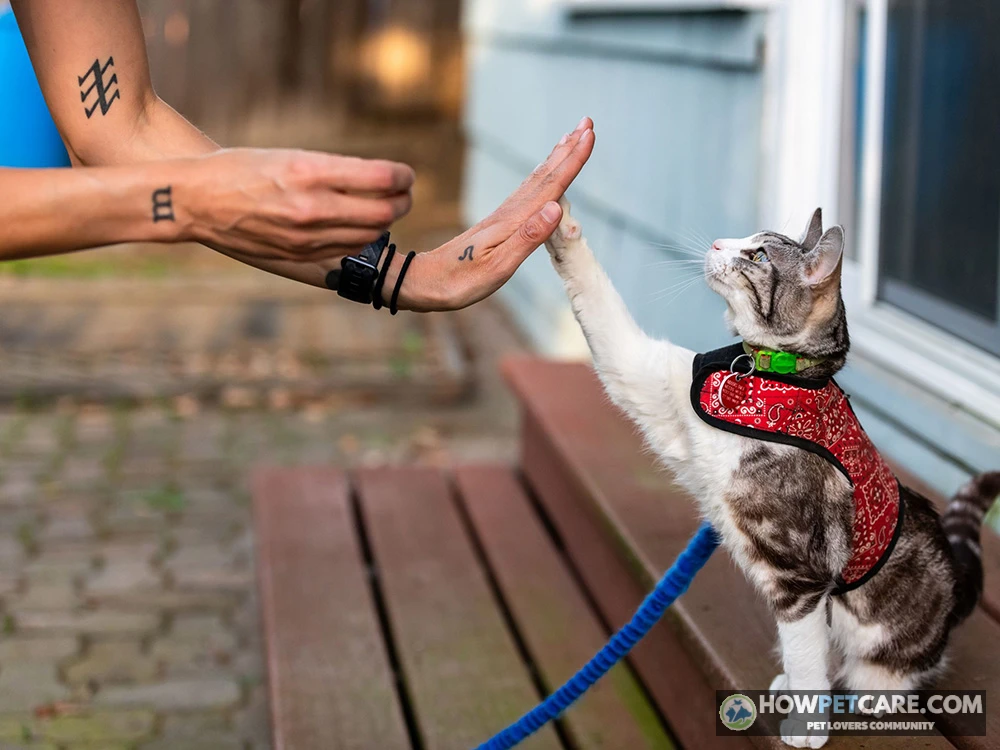
Practice the acquired cues in different rooms and at different times of day. From target touching, you can guide your cat into an open travel carrier, lead it over an agility hurdle, or transition to "high-five" by raising the target stick above paw level. Always keep training sessions under 5 minutes and conclude on a successful repetition.
A sample daily enrichment schedule for a high-energy cat
High-energy breeds like Bengals, Abyssinians, and Savannahs need predictable outlets for their predatory drive. Without a schedule, they may make their own entertainment at 3:00 AM.
| Time of Day | Enrichment Activity | Cognitive & Physical Target | Duration |
|---|---|---|---|
| 7:00 AM | Interactive wand chase (Pounce-Catch-Kill sequence) | Aerobic exercise; predatory drive fulfillment | 10–15 mins |
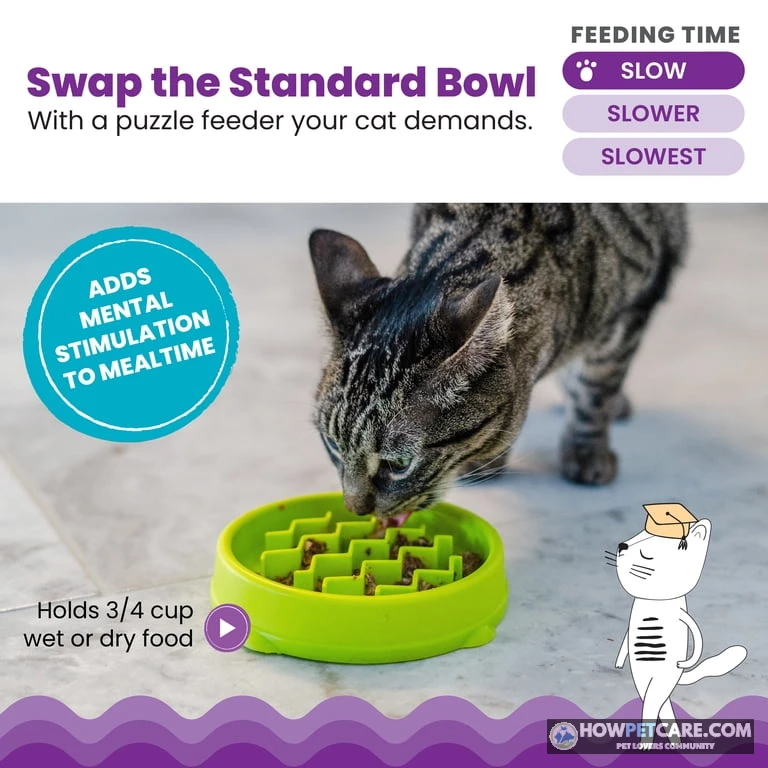
| 7:15 AM | Breakfast served via multi-chamber puzzle feeder | Spatial reasoning; slowing rapid ingestion | 15–20 mins |
| 12:30 PM | Midday novel sensory toy rotation or catio access | Novelty investigation; olfactory stimulation | 15–30 mins |
| 6:00 PM | Target training or clicker session (fetch, sit, agility) | Associative learning; cooperative communication | 5 mins |
| 6:15 PM | Main dinner served in hidden foraging cups around room | Foraging instincts; spatial working memory | 10 mins |
| 9:30 PM | Final calming play session followed by high-protein treat | Circadian rhythm reset; settling for sleep | 10 mins |
For lower-energy breeds, such as Maine Coons, Scottish Folds, or older domestic shorthairs, scale down the schedule. Replace high-speed running sessions with gentle floor-level wand play and simple foraging mats.
Warning signs of boredom and how to fix them
A bright, active cat without enough mental challenges may show distinct behavioral problems:
- Targeted Destructive Scratching: Prying carpet seams or scratching door moldings can indicate excess energy and frustration with the environment.
- The Fix: Install vertical sisal scratching posts directly beside damaged areas; redirect the cat immediately using target sticks and positive reinforcement.
- Repetitive Nocturnal Vocalization: Howling or trilling at night typically reflects daytime under-stimulation and unmet hunting sequences.
- The Fix: Move the main interactive play session to 30 minutes before bedtime, followed immediately by a protein-rich meal to trigger natural post-prandial sleepiness.
- Psychogenic Alopecia (Overgrooming): Licking belly or foreleg fur down to bare skin without an underlying dermatological cause can be a stress response to sustained boredom.
- The Fix: Introduce novel sensory toys and wall-mounted window bird feeders, and consult a veterinary behaviorist to rule out underlying pain or feline idiopathic cystitis.
- Door Dashing and Cabinet Raiding: A cat may methodically slide its paws under doors or pop cabinet doors open.
- The Fix: Install mechanical childproof magnetic latches, offer dedicated closed-box food foraging games, and use your clicker to train a reliable "mat stay" cue.
Sudden behavioral changes—such as new vocalization patterns, litter box avoidance, or abrupt aggression—must never be dismissed as mere boredom. Systemic conditions such as feline lower urinary tract disease (FLUTD), hyperthyroidism, dental disease, or arthritis mimic behavioral distress. Always schedule a comprehensive veterinary exam before implementing behavioral modifications.
Your Next Step: Pick the Right Breed, Adopt Smartly, or Upgrade Your Current Cat’s Day
Start with an honest assessment of your schedule and household space. Choose the path that fits your situation:
1According to research led by Kristyn Vitale (2019) cited in the text, what percentage of domestic cats form secure attachments to their human caregivers?
Empirical testing demonstrated that roughly 65% of domestic cats form secure attachments, mirroring proportions observed in domestic dogs and human infants.
2In the weighted 5-criterion scoring rubric used to evaluate breed intelligence, which two criteria are weighted highest at 25% each?
These two foundational dimensions assess fast cued learning and independent obstacle resolution, together comprising half of the total composite score.
3Why do comparative animal cognition researchers reject the popular claim that cats possess a standardized 'IQ of 1 to 1.71'?
The numerical metric is an unverified internet myth with no standing in peer-reviewed comparative psychology literature.
4Which cat breed earned the highest composite score (4.8 out of 5.0) in the evaluation, categorized primarily as a physical problem-solver?
The Abyssinian took first place due to exceptional spatial deduction, mechanical problem-solving, and environmental adaptability.
5What primary skeletal condition creates significant ethical concerns surrounding the selective breeding of Scottish Folds?
The single dominant gene responsible for folded ear cartilage also causes systemic osteochondrodysplasia, leading to severe arthritis and joint deformities.
6What is the scientific reality regarding claims of 'hypoallergenic' cat breeds?
Fel d 1 is produced in salivary, sebaceous, and perianal glands; grooming spreads it to hair where it dries into airborne dander.
7If an owner works away from home 8 to 10 hours daily, which cluster of breeds is recommended over high-drive breeds like the Siamese or Abyssinian?
These breeds combine trainability and human engagement with stable temperaments and good alone-time tolerance.
8What behavioral modification fix is recommended for a cat experiencing repetitive nocturnal vocalization due to daytime under-stimulation?
Completing a predatory chase sequence followed by feeding satisfies circadian hunting cycles and promotes post-prandial sleepiness.
9What is the specific focus during Step 1 (Days 1–2) of the 5-step clicker training protocol outlined in the text?
Step 1 establishes classical conditioning by pairing the click marker with a treat within one second without asking for any behavior.
10Why are domestic cats typically more challenging to evaluate in laboratory cognition settings than domestic dogs?
Solitary hunting ancestry means cats lack pack-based motivation to perform cues for human handlers, making lab displacement stress cause disengagement.
Path A: You are selecting an intelligent purebred
If you want to bring home a particularly clever cat, assess your household against this pre-commitment checklist:
- ☐ Daily Time Budget: Do you have at least 45 to 60 minutes daily dedicated to interactive play, clicker training, and grooming?
- ☐ Household Absence: Will the cat be left completely alone for more than 6 to 8 hours daily? (If yes, eliminate Siamese, Burmese, Abyssinian, and Sphynx, or plan to adopt a bonded pair).
- ☐ Physical Space: Can your home accommodate vertical climbing networks, sturdy scratchers, and window lookouts?
- ☐ Financial Cushion: Can your budget manage potential $1,500 to $3,500 purchase costs alongside routine pet insurance and genetic screening panels?
- ☐ Local Ordinances: If considering a hybrid breed (Savannah or Bengal), have you verified municipal and state wildlife ownership regulations?
If you meet these criteria, find a reputable preservation or show breeder affiliated with the CFA or TICA. Ask to view the premises, meet the queen on-site, and review documented veterinary health clearances, specifically clear HCM echocardiogram scans and DNA panels, before placing a deposit.
Path B: You want an intelligent rescue or shelter companion
Visit local municipal shelters or search breed-specific rescue networks. Ask adoption counselors to identify cats that:
- Readily interact with puzzle feeders in their enclosures.
- Approach the front of the kennel to inspect visitors rather than retreating.
- Track toys or pointing gestures attentively through the kennel door.
Shelters regularly care for Siamese-mixes, Oriental-type cats, and domestic shorthairs with exceptional problem-solving abilities at a fraction of the cost of a pedigree kitten.
Path C: You want to enrich the cat already sleeping on your couch
You don’t need to buy specialized equipment before giving your cat more mental stimulation. Start this 7-Day Enrichment Starter Plan today:
- Days 1–2: Transition from bowl-feeding to scatter-feeding kibble or using an empty cardboard egg carton as an impromptu puzzle feeder.
- Days 3–4: Charge your clicker using the five-minute protocol outlined in this guide.
- Day 5: Run the six-step At-Home Intelligence Test to establish your cat’s baseline cognitive strengths.
- Days 6–7: Introduce target stick training for three minutes prior to dinner.
A highly intelligent cat is an active partner in the household. Mental stimulation, predictable structure, and respect for its needs can ease everyday behavioral friction and make your companionship more rewarding.
| Rank | Breed | Rubric Score | Primary Intelligence Type | Energy Level | Vocalness | Shedding & Coat Care | Kid-Friendliness | Alone-Time Tolerance | Year 2026 Price Range |
|---|---|---|---|---|---|---|---|---|---|
| 1 | Abyssinian | 4.8 | Physical problem-solver | Very High | Low–Moderate | Low shedding; minimal brushing | Good (older kids) | Poor–Moderate | 1,000–2,000 |
| 2 | Siamese | 4.7 | Social & communicative | High | Very High | Low shedding; minimal brushing | Good | Poor | 600–1,200 |
| 3 | Bengal | 4.6 | Physical problem-solver | Very High | Moderate–High | Low shedding; weekly brushing | Good (older kids) | Poor | 1,500–3,500 |
| 4 | Cornish Rex | 4.4 | Trainable performer | High | Moderate | Minimal shedding; skin care needs | Good | Poor–Moderate | 1,000–2,000 |
| 5 | Savannah | 4.3 | Physical problem-solver | Very High | Moderate | Low–Moderate shedding; minimal brushing | Experienced only | Moderate | 1,500–25,000 |
| 6 | Burmese | 4.1 | Social & communicative | High | High | Low shedding; weekly wiping | Very Good | Poor | 1,000–2,200 |
| 7 | Devon Rex | 4.0 | Trainable performer | High | Moderate | Minimal shedding; skin care needs | Good | Moderate | 1,200–2,200 |
| 8 | Maine Coon | 3.8 | Trainable performer | Moderate | Moderate (chirps) | High shedding; bi-weekly brushing | Excellent | Good | 1,200–2,500 |
| 9 | Turkish Angora | 3.7 | Physical problem-solver | High | Moderate | Moderate shedding; weekly combing | Good | Moderate | 1,000–2,000 |
| 10 | Japanese Bobtail | 3.5 | Social & communicative | Moderate–High | Moderate | Low–Moderate shedding; weekly brushing | Very Good | Moderate–Good | 1,000–1,800 |
| 11 | Sphynx | 3.4 | Social & communicative | High | Moderate–High | Hairless; weekly bathing required | Good | Poor | 1,800–3,500 |
| 12 | Ragdoll | 3.3 | Trainable performer | Low–Moderate | Low | High shedding; regular combing | Excellent | Good | 1,200–2,500 |
| 13 | Scottish Fold | 3.2 | Social & observant | Low–Moderate | Low–Moderate | Moderate shedding; weekly brushing | Good | Good | 1,500–3,000 |
| 14 | Balinese | 3.1 | Social & communicative | High | High | Low–Moderate shedding; weekly combing | Good | Poor | 1,000–2,000 |
| 15 | Egyptian Mau | 3.0 | Physical problem-solver | High | Moderate | Low–Moderate shedding; weekly brushing | Good (older kids) | Moderate | 1,200–2,200 |
FAQ
Can older cats still learn tricks, or is training only for kittens?
Adult and senior cats can learn with reward-based methods such as clicker training. Keep sessions short, use treats the cat finds appealing, and adjust for arthritis or other health limits.
Can I adopt a smart cat breed from a shelter instead of buying from a breeder?
Yes. Breed-specific rescues exist for Siamese, Bengals, Abyssinians and others, and general shelters often have Siamese-type or Oriental-type mixes. Adoption fees are usually lower than breeder prices, though you get less pedigree and health-screening history.
Does a bigger cat, like a Maine Coon, mean a smarter cat?
No study shows that body size predicts intelligence in cats. Maine Coons are large and often trainable, but their rank comes from behavior, not size.
Do highly intelligent cats need a second cat for company?
Not always. Some social, vocal breeds do better with a companion when left alone, but a poorly matched second cat can add stress. Judge by your cat’s temperament and introduce new cats gradually.