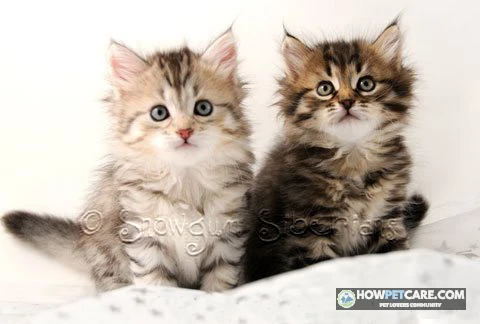

No domestic cat is 100% hypoallergenic. The primary allergen is Fel d 1, a protein produced in feline saliva, sebaceous skin glands, and dander—not hair. While breeds like the Siberian, Balinese, and Russian Blue often produce lower protein levels or shed less dander, allergen output varies significantly between individual cats.
No cat breed is 100% hypoallergenic or completely non-allergenic. If you experience cat allergies, marketing claims that promise zero-allergen pets are biologically false. The term "hypoallergenic cats" simply means cats that have a lower potential to trigger allergic symptoms, not that they produce no allergens at all. Because individual cats produce widely divergent levels of the proteins that cause human reactions, selecting a pet requires an evaluation based on direct biological exposure, individual animal chemistry, and a strict home management plan rather than coat length or breed pedigree alone.
For anyone considering adopting low allergy cats, success depends on understanding your specific biological thresholds. Individuals dealing with severe feline-induced asthma, a history of anaphylaxis, or uncontrolled lower-respiratory wheezing face genuine medical risks and should not adopt any cat breed without formal evaluation and clearance from an allergist. For prospective owners with mild to moderate symptoms, however, choosing the right individual cat, confirming compatibility through exposure trials, and using modern allergen-neutralizing protocols can make pet ownership feasible.
When evaluating allergy friendly cats, treat every breed label as an unverified starting point. The primary culprit behind human reactions is not the animal’s fur; it is a microscopic protein known as Fel d 1, which cats shed through their saliva, skin oils, and dander. While certain breeds—such as the Siberian, Balinese, or Russian Blue—frequently exhibit lower baseline concentrations of this protein or disperse less of it into living spaces, variations among individual cats within the same breed can easily dwarf theoretical breed averages.
Before spending thousands of dollars with a cattery or committing to an adoption, make your decision through a structured pre-adoption exposure protocol. This hands-on process tests your immune response against the specific animal you plan to bring home, ensuring you do not rely on generalized breed reputation.
Why a low-shedding cat is not automatically a low-allergy cat
One of the most persistent myths in the pet world is that cats that don’t cause allergies are simply breeds that do not shed fur. Prospective owners routinely seek out hypoallergenic cat breeds that don’t shed, assuming that a hairless cat or a short-coated Rex will automatically keep their immune systems quiet. This assumption conflates visible hair with microscopic allergens.
Cat hair functions as a passive transit mechanism for dried saliva, glandular secretions, and microscopic flakes of dead skin (cat dander). While heavy-shedding cats distribute allergen-laden hair across carpets and upholstery, low-shedding or hairless breeds continuously produce the allergen at its biological source. A hairless cat still produces saliva allergens, secretes natural oils across its skin, and rubs those concentrated proteins onto human skin and household surfaces. Reducing visible fur in your apartment does not guarantee a safe home environment if your immune system reacts strongly to airborne dander or direct skin secretions.

What Causes Cat Allergies: Fel d 1 in Saliva, Dander and Skin Oils
To critically assess claims about non allergenic cat breeds, you need to understand the biological mechanism behind feline allergies. For roughly 95% of people suffering from cat allergies, the primary driver is Fel d 1, a secretoglobin protein produced naturally by all domestic cats. While felines secrete other minor allergens (such as Fel d 2 through Fel d 8, which originate in serum albumin, urinary lipocalins, and minor sweat components), Fel d 1 drives the overwhelming majority of ocular, nasal, and respiratory reactions.
Fel d 1 is generated primarily within a cat’s sebaceous glands (the microscopic glands in the skin that secrete protective oils), salivary glands, and perianal glands. Because cats dedicate anywhere from 30% to 50% of their waking hours to grooming, they systematically coat their entire fur and epidermis with saliva laden with Fel d 1. Once this saliva dries, it flakes off the hair shafts alongside microscopic particles of dead skin to form airborne cat dander.
[Feline Sebaceous & Salivary Glands]
            │
            ▼
Produces Fel d 1 Protein
            │
            ▼
Transferred to Skin & Fur via Self-Grooming
            │
            ▼
Dries into Microscopic Airborne Dander (< 5 Microns)
            │
            ▼
Suspends in Indoor Air & Crosses Mucous Membranes
These dander particles are exceptionally small—frequently measuring under 5 microns in diameter, which is roughly one-tenth the width of a human hair. Because they are so light, these particles do not drop immediately to the floor. They remain suspended in indoor air currents for days, effortlessly penetrating standard HVAC filters, settling deep into upholstery, mattress ticking, and drapery, and readily bypassing the upper respiratory tract to enter the lungs.
Why the Sphynx is not a non-allergenic cat
The hairless Sphynx is widely marketed as a clean slate for allergic owners, but it proves that fur is not the root cause of the problem. A Sphynx possesses salivary and sebaceous glands that produce standard volumes of Fel d 1.
Without a protective coat of fur to absorb its natural sebaceous secretions, a Sphynx’s skin oils accumulate directly on its epidermis. When the cat licks itself, it spreads concentrated salivary Fel d 1 over this oily layer. Petting a hairless cat or sitting where it has rested transfers these concentrated proteins directly to your hands and clothes. Furthermore, a Sphynx requires frequent bathing to prevent painful sebum buildup, an intensive maintenance routine that exposes the owner to heavy, repeated wash-water concentrations of allergens. The Sphynx is a distinctive, affectionate pet, but it is fundamentally not a non-allergenic cat.
How cat grooming spreads Fel d 1 through the home
When a cat grooms, its barbed tongue acts like a high-efficiency fluid applicator. Saliva containing Fel d 1 is brushed across every square inch of its coat and skin. As the liquid component evaporates, the protein crystallizes onto loose dander and microscopic hair fragments. Normal household movement—such as a cat jumping onto a sofa, rubbing against a door frame, or scratching its neck—instantly aerosolizes these crystallized proteins.
Because dried Fel d 1 molecules possess an inherently "sticky" structural exterior, they cling stubbornly to walls, soft furnishings, carpet fibers, and clothing. Even in an empty room where a cat has not set foot for several months, undisturbed Fel d 1 levels can remain high enough to trigger acute symptoms in sensitive individuals. Overcoming this reality requires managing the protein directly at its source and using verified environmental filtration, rather than assuming light shedding will solve the problem.

Best Hypoallergenic Cat Breeds Compared by Fel d 1, Shedding, Grooming and Cost
While do truly hypoallergenic cats actually exist? No. However, certain cat breeds for people with allergies have gained reputations for being easier to live with. These breeds generally fall into two distinct groups:
- True Protein Outliers: Breeds that may produce lower biological baselines of Fel d 1 in their saliva and skin.
- Distribution Reducers: Breeds whose unique coat structures shed minimally or trap loose dander, reducing the volume of airborne allergens dispersed into your living spaces.
When researching the best hypoallergenic cat breeds, remember that individual protein levels vary significantly across lines and individual cats. The following comparative data matrix details how the most common low-allergen candidates compare across scientific evidence, grooming workload, shedding, and realistic acquisition costs in the United States in 2026.
| Breed | Low-Allergen Evidence & Biological Reality | Shedding & Dander Spread | Grooming & Skin Maintenance | Apartment Fit | Estimated Breeder Cost (2026) | Typical Rescue Cost |
|---|---|---|---|---|---|---|
| Siberian | Anecdotal lower salivary Fel d 1 variants; high individual variance confirmed by lab tests. Not inherently allergen-free. | Moderate-to-high seasonal coat blow; spreads saliva-coated dander on guard hairs. | High: comb 2–3x weekly; daily dematting during spring shedding. | High; calm, steady energy. | $1,800–$3,500 | $150–$400 |
| Balinese | Natural mutation causing reduced Fel d 1 production; no dense undercoat means less dander entrapment. | Low-to-moderate; single coat sheds far less than standard longhairs. | Moderate: brush weekly; lack of undercoat prevents severe matting. | Moderate-to-High; vocal and needs stimulation. | $1,500–$3,000 | $100–$300 |
| Russian Blue | Dense double coat traps dander against the skin rather than shedding lower protein levels. | Low seasonal shed; thick undercoat holds loose hairs until brushed out. | Low-to-moderate: brush 1–2x weekly with a rubber curry brush. | High; quiet, reserved, adaptable. | $1,200–$2,600 | $100–$250 |
| Devon Rex | Produces standard Fel d 1 volumes, but short, rippled coat drops minimal shed hair into home air. | Extremely low; fine down-fur sheds minimally onto furniture. | Moderate: prone to earwax and sebaceous skin buildup; needs monthly baths. | High; energetic, perches on shoulders. | $1,500–$2,800 | $150–$350 |
| Cornish Rex | Lacks guard hairs entirely; short undercoat minimizes airborne hair shed; normal glandular Fel d 1 output. | Extremely low shed volume; low aerial distribution of dander. | Moderate: daily damp-cloth wipe-downs; gentle sponge baths to lift oil. | High; active, playful, seeks warmth. | $1,300–$2,500 | $150–$350 |
| Sphynx | Zero fur, but produces normal salivary and sebaceous Fel d 1. Skin oils transfer concentrated protein directly to skin and surfaces. | No shedding hair; high direct transfer of sebaceous dander through contact. | Extreme: full bath every 1–2 weeks; daily ear cleaning and sebum wiping. | High; indoors only, requires heated beds. | $2,000–$4,000 | $200–$500 |
Never pay a deposit to any breeder or cattery that guarantees an animal is 100% hypoallergenic. Reputable preservation breeders test their lines and discuss realistic limitations, whereas zero-allergen guarantees are marketing fabrications.

Cat breeds for people with allergies: how to read the comparison
When evaluating this matrix, distinguish clearly between biological protein production and mechanical shedding. Breeds like the Devon Rex and Cornish Rex do not produce less Fel d 1; they simply shed far less hair, which reduces the amount of dander drifting through your living spaces. Conversely, breeds like the Balinese possess a documented genetic mutation that lowers baseline Fel d 1 concentrations in their saliva, even though they carry longer fur.
Other breeds frequently mentioned in search listings include the Oriental Shorthair, Javanese, and Bengal. The Oriental Shorthair and Javanese feature fine, single coats that shed sparingly and require minimal brushing, though both breeds carry higher risks of obesity that demand strict dietary monitoring. The Bengal carries a unique pelt-like coat that requires minimal self-grooming, which can reduce the total volume of dried saliva deposited on its fur. However, none of these breeds bypass feline biology: without individual testing, any one of them can trigger severe allergic reactions.
Are Siberian cats really hypoallergenic?
The Siberian cat holds an almost legendary reputation among allergy sufferers, leading many to ask: are siberian cats really hypoallergenic? The answer is nuanced. Independent laboratory testing of Siberian lineages has identified specific genetic variants that correlate with lower salivary Fel d 1 concentrations compared to standard domestic shorthairs. Certain Siberian catteries selectively breed lines that exhibit lower protein output, occasionally backing their claims with lab-tested saliva samples.
However, this does not mean every Siberian cat is safe for every allergic person. Protein output within the breed follows a broad curve. While a subset of Siberians produce exceptionally low Fel d 1 levels, others produce standard feline quantities. Furthermore, the Siberian is a heavy, semi-longhaired forest cat equipped with a triple coat designed for harsh winters. When a Siberian blows its dense undercoat in the spring, it releases a massive volume of dander-bearing hair into the living space. If you react to an individual Siberian that happens to produce average protein levels, its heavy coat will make your home environment significantly harder to manage than a short-coated breed.

Best hypoallergenic cats for apartments
Prospective pet owners living in smaller spaces often ask: what are the best hypoallergenic cats for apartments? In an apartment, dander concentrations accumulate rapidly due to lower total air volume and shared ventilation pathways. The optimal apartment cat must combine low dander dispersion with an adaptable, calm temperament.
The Russian Blue is frequently an exceptional choice for apartment living. Beyond its dense double coat, which traps shed dander against the skin until it can be systematically brushed away, the Russian Blue is celebrated for its quiet, gentle, and undemanding personality. It rarely vocalizes and adapts happily to moderate square footage without destructive behavior.
If you prefer an active, highly engaging pet, the Devon Rex thrives in smaller spaces thanks to its fascination with vertical territory. Devon Rexes love perching on tall cat trees, doors, and human shoulders, and their fine, rippled coats shed almost imperceptibly onto upholstery. However, they are high-energy pets that demand mental engagement. If an apartment-dwelling Devon becomes understimulated, its vocalizing and mischievous climbing will quickly make small-space living challenging.


Why Allergen Levels Vary: Sex, Neutering, Color and the Individual Cat
Breed standards provide rough baselines, but the specific biology of an individual cat dictates your real-world allergic reaction. Two kittens from the same litter can produce dramatically different concentrations of Fel d 1 protein. Understanding these biological modifiers allows you to make strategic choices when screening potential pets at a cattery or rescue shelter.
Are male or female cats more hypoallergenic?
Biological sex and hormonal status directly influence feline allergen production. Intact male cats consistently produce the highest levels of Fel d 1 among all domestic felines. Testosterone directly stimulates the sebaceous glands, triggering an upsurge in both skin sebum and salivary protein secretion.
Castrating a male cat eliminates this primary testosterone driver. Within two to four weeks following neutering, a male cat’s Fel d 1 output drops significantly, frequently reaching levels comparable to intact females. Female cats—both intact and spayed—naturally exhibit lower baseline Fel d 1 production than intact males because they lack high testosterone levels. However, spaying a female remains vital for health and behavioral stability. As a general rule, when choosing between adult cats of unknown protein output, a spayed female or a neutered male offers a much lower starting allergen load than an intact animal.
When evaluating cats, weigh their biological traits in this order: sterilization status exerts the highest impact on Fel d 1 secretion; age exerts a moderate impact; and coat color has no dependable impact.
Age also introduces a critical testing trap. Kittens under six months of age naturally produce significantly lower volumes of Fel d 1 than fully mature adults. Prospective owners frequently visit an eight-week-old litter, experience zero allergic symptoms, sign an adoption agreement, and discover six months later that their symptoms surge as the kitten reaches sexual maturity and its adult sebaceous glands activate. When testing biological tolerance, always prioritize interacting with an adult cat or spending time with the kitten’s biological parents.
Coat pigmentation claims should be viewed with skepticism. Early preliminary observations in the late 1990s suggested that dark-colored cats might secrete higher levels of Fel d 1 than light-colored cats. However, subsequent peer-reviewed trials evaluated wider feline populations and found no statistically significant correlation between coat color and allergen output. Selecting a light-colored or white cat will not protect you from allergic reactions. Base your decisions on hormonal status, age, and direct exposure testing rather than coat color.

Why individual testing matters more than a breed label
Because baseline protein production is driven by complex genetics, relying solely on a breed label is risky. A standard domestic shorthair from a local rescue can naturally produce less Fel d 1 than a high-cost purebred cat whose lineage has not been selectively tested for protein output. Individual testing bridges the gap between marketing claims and biological reality.
When screening a breeder or rescue, use this structured inquiry template:
- "Has this cat been fully spayed or neutered, and how many weeks have passed since the procedure?"
- "What is the confirmed adult age of the cat?"
- "If evaluating a kitten, are both biological parents available on-site for independent saliva and dander contact trials?"
- "Do you offer a written, multi-day trial period or an allergy-return clause in your adoption contract?"
The 72-Hour Pre-Adoption Allergy Exposure Trial
Never adopt an animal based on a brief, five-minute greeting in an open shelter lobby or an outdoor run. Executing a standardized, step-by-step tolerance protocol is the only reliable way to confirm whether your immune system can handle an individual cat’s biological output before you sign a binding contract.
If your past reactions to cats have included acute bronchospasm, asthma attacks requiring an emergency inhaler, or facial swelling, do not conduct an unmonitored home exposure trial. Consult an allergist for professional clinical testing.
Before initiating the trial, consult your physician about pausing oral antihistamines for 48 hours prior to contact, provided it is medically safe to do so. Masking early immune responses with medication can produce a false sense of security that breaks down once the pet moves into your home permanently.
| Stage | Exposure Activity | Suggested Duration | Symptoms to Record | Stop or Escalation Trigger |
|---|---|---|---|---|
| Phase 1: Supervised Direct Handling | Direct physical interaction at cattery or foster home; stroking coat down to skin, petting muzzle. | Minimum 1 hour | Sneezing fits, nasal congestion, eye itching, skin hives at contact points. | Immediate coughing, audible wheezing, chest tightness, or respiratory distress. |
| Phase 2: Worn-Fabric Sleep Challenge | Sleeping with a cotton t-shirt or cloth kept in the cat’s bed for 72+ hours inside your pillowcase. | Overnight (6–8 hours) | Nocturnal nasal blockage, eye swelling upon waking, morning scratchy throat. | Waking with shortness of breath or persistent asthma symptoms. |
| Phase 3: Delayed Reaction Window | Remote observation period tracking delayed cell-mediated immune responses. | 24 to 72 hours | Low-grade eczema flare-ups, chronic sinus pressure, secondary lethargy. | Progressive respiratory decline or persistent hives requiring steroids. |
-
Phase 1: Supervised Direct Contact (Day 1)
Visit the specific cat in its current living environment for a minimum of 1 full hour. Spend the first 20 minutes actively handling the cat, petting its coat down to the skin, and holding it against your chest. Lightly stroke the cat’s muzzle, where salivary glands deposit fresh protein, and then touch your fingers to your own neck or forearm (avoid rubbing your eyes or nose directly). Spend the remaining 40 minutes sitting inside that enclosed room. Monitor for immediate nasal pruritus, sneezing fits, or skin irritation.
-
Phase 2: The Worn-Fabric Challenge (Day 2)
Request a breathable cotton washcloth or t-shirt that has been kept inside the cat’s primary bedding for at least 72 hours without washing. Take this fabric home in a sealed plastic bag. Place the unwashed item directly inside your personal pillowcase and sleep on it for one full night (6 to 8 hours). This tests whether concentrated dander and dried saliva touching your face and entering your airways overnight will trigger an allergic response.
-
Phase 3: The Delayed Reaction Window (Day 3)
Many allergic reactions are not immediate. While histamine-driven sneezing happens within minutes, late-phase inflammatory reactions can take several hours to manifest. Monitor your breathing, sinus pressure, skin inflammation, and eye irritation throughout the entire 24- to 72-hour window following the fabric test. If your symptom score remains at zero or produces only minor, stable nasal dryness, the animal is a viable candidate for adoption.
Cattery visit and direct-contact checklist
When visiting a cattery or foster home, maintain strict observational control. Do not visit multiple facilities on the same day, as cross-contamination from other cats will invalidate your results.
Focus your contact entirely on the specific cat you intend to adopt. If you are screening a young kitten, spend equal time handling the mother, as her adult coat provides a far more accurate representation of the kitten’s future protein output. Keep a detailed log noting the exact time physical contact began, the onset of any minor nasal or ocular symptoms, and the duration of any localized skin reactions.
T-shirt and pillowcase exposure testing
The worn-fabric sleep test is often the most revealing phase of pre-adoption screening. While an active cattery visit involves broad air exposure, sleeping on a concentrated dander sample replicates the real-world conditions of sharing a bed or sofa with your pet.
Ensure the fabric sample comes from an unwashed bed the specific cat has slept on exclusively for several days. If you wake up during the night with persistent coughing, wheezing, or tightness in your chest, immediately remove the fabric from the bedroom, wash your bedding in hot water, and acknowledge that this specific cat poses an unacceptable respiratory risk.

What to put in an allergy-safe adoption contract
Before transferring funds or paying a non-refundable deposit, secure an allergy-specific return clause in writing. Ethical preservation breeders and reputable rescue organizations will happily accommodate an allergy trial because their primary objective is preventing pet surrenders or abandonment.
Your adoption contract should explicitly outline:
- Trial Window: A defined foster-to-adopt or medical return window of 14 to 30 days.
- Financial Terms: A clear refund structure (e.g., full refund of adoption fee minus a reasonable administrative or quarantine fee, rather than outright forfeiture of a multi-thousand-dollar purchase price).
- Cat Welfare Plan: A contractual agreement that the breeder or rescue will take the cat back immediately if the placement fails, eliminating any pressure on the adopter to rehome the pet independently.
- Medical Verification: A clause stating that an allergist’s or physician’s written assessment confirming unmanageable respiratory symptoms qualifies as immediate grounds for return.
Lowering Fel d 1 at Home: Diet, HEPA Filtration and Exposure Controls
Once an individual cat passes your exposure trial, you must establish an integrated environmental control plan. Relying on basic cleaning routines is inadequate for managing microscopic Fel d 1. You need an environmental strategy that targets the allergen at its biological source, filters it from the air, and protects sensitive recovery spaces within your home.
| Breed | Low-Allergen Evidence & Biological Reality | Shedding & Dander Spread | Grooming & Skin Maintenance | Apartment Fit | Estimated Breeder Cost (2026) | Typical Rescue Cost |
|---|---|---|---|---|---|---|
| Siberian | Anecdotal lower salivary Fel d 1 variants; high individual variance confirmed by lab tests. Not inherently allergen-free. | Moderate-to-high seasonal coat blow; spreads saliva-coated dander on guard hairs. | High: comb 2–3x weekly; daily dematting during spring shedding. | High; calm, steady energy. | 1,800–3,500 | 150–400 |
| Balinese | Natural mutation causing reduced Fel d 1 production; no dense undercoat means less dander entrapment. | Low-to-moderate; single coat sheds far less than standard longhairs. | Moderate: brush weekly; lack of undercoat prevents severe matting. | Moderate-to-High; vocal and needs stimulation. | 1,500–3,000 | 100–300 |
| Russian Blue | Dense double coat traps dander against the skin rather than shedding lower protein levels. | Low seasonal shed; thick undercoat holds loose hairs until brushed out. | Low-to-moderate: brush 1–2x weekly with a rubber curry brush. | High; quiet, reserved, adaptable. | 1,200–2,600 | 100–250 |
| Devon Rex | Produces standard Fel d 1 volumes, but short, rippled coat drops minimal shed hair into home air. | Extremely low; fine down-fur sheds minimally onto furniture. | Moderate: prone to earwax and sebaceous skin buildup; needs monthly baths. | High; energetic, perches on shoulders. | 1,500–2,800 | 150–350 |
| Cornish Rex | Lacks guard hairs entirely; short undercoat minimizes airborne hair shed; normal glandular Fel d 1 output. | Extremely low shed volume; low aerial distribution of dander. | Moderate: daily damp-cloth wipe-downs; gentle sponge baths to lift oil. | High; active, playful, seeks warmth. | 1,300–2,500 | 150–350 |
| Sphynx | Zero fur, but produces normal salivary and sebaceous Fel d 1. Skin oils transfer concentrated protein directly to skin and surfaces. | No shedding hair; high direct transfer of sebaceous dander through contact. | Extreme: full bath every 1–2 weeks; daily ear cleaning and sebum wiping. | High; indoors only, requires heated beds. | 2,000–4,000 | 200–500 |
How IgY egg-protein diets neutralize salivary Fel d 1
One of the most significant modern breakthroughs in feline allergy management is dietary allergen neutralization. This approach does not alter the cat’s internal genetics, suppress its immune function, or compromise its natural grooming behaviors. Instead, it utilizes specialized egg-derived antibodies to neutralize Fel d 1 directly in the cat’s mouth.
When laying hens are naturally exposed to feline environments, they develop polyclonal antibodies against Fel d 1, which they pass into their egg yolks as immunoglobulins (specifically, anti-Fel d 1 IgY). When these egg ingredients are incorporated into a specialized cat food—such as Purina Pro Plan LiveClear—the dietary IgY antibodies bind actively to Fel d 1 molecules within the cat’s saliva as it chews.
[Specialized Diet Containing Anti-Fel d 1 IgY Egg Antibodies]
                        │
                        ▼
Cat Consumes Kibble; IgY Binds to Active Fel d 1 in Saliva
                        │
                        ▼
Neutralized Protein Spreads via Grooming Without Allergic Binding Affinity
                        │
                        ▼
Average 47% Reduction in Active Airborne Fel d 1 from Week 3 Onward
This binding action neutralizes the primary allergen’s ability to trigger IgE antibodies in allergic humans. When the cat grooms itself, the neutralized Fel d 1 is distributed onto its fur and skin. Multiple peer-reviewed clinical feeding trials confirm that exclusive feeding of an anti-Fel d 1 diet reduces active salivary allergen levels by an average of 47% starting in the third week of continuous use.
However, this dietary intervention requires total consistency. If the cat is fed treats, wet food, or table scraps that do not contain the active IgY protein, salivary allergen levels will quickly rebound to baseline. While an allergen-reducing diet is a powerful management tool, it should be used alongside environmental controls rather than as an excuse to eliminate other protective measures.

HEPA air purifier standards that matter
Because microscopic cat dander remains suspended in indoor air currents indefinitely, running a true High-Efficiency Particulate Air (HEPA) purifier is essential. Generic air fresheners and ionic air cleaners do not capture sub-micron feline dander; you need verified mechanical HEPA filtration.
To ensure your HEPA system effectively cleans the air, follow these quantitative requirements:
- Air Changes Per Hour (ACH): Your purifier must deliver a minimum Clean Air Delivery Rate (CADR) for dust and smoke sufficient to recycle the entire room’s air volume at least 5.0 times per hour.
- Sizing Formula: Calculate your target room volume in cubic feet (Length × Width × Ceiling Height). Multiply that volume by 5, then divide by 60 to determine the minimum required CFM (Cubic Feet per Minute) rating:
Required CADR (CFM) = (Room Volume in cu. ft. × 5) ÷ 60 - Continuous Operation: Run the purifier 24 hours a day, 7 days a week. Running units on low or intermittent "sleep modes" drops the air exchange rate well below the 5.0 ACH threshold, allowing airborne dander to accumulate overnight.
- True HEPA Specification: Ensure the unit uses certified HEPA H13 filters (capturing 99.97% of particles down to 0.3 microns). Replace pre-filters monthly and replace the main HEPA filters strictly according to manufacturer timelines, as saturated filters lose their electrostatic capture capabilities.
A realistic allergen-reduction routine
Managing feline allergens requires combining daily environmental controls with practical personal boundaries. Use this quantifiable blueprint to keep your home comfortable:

- Maintain a Zero-Tolerance Bedroom Perimeter: The allergic person’s bedroom must remain a secure recovery zone. Keep the bedroom door closed 24/7. Fit the mattress, box spring, and all pillows with zippered, micro-porous allergen covers boasting a pore size under 6 microns. Install a rubber sweep under the bedroom door to block wandering dander.
- Surface and Dust Management: Vacuum carpets, rugs, and upholstered furniture twice weekly using a sealed-system vacuum equipped with an exhaust HEPA filter. Non-sealed vacuums blow microscopic dander straight through the motor housing back into your living room air. Wipe down hard surfaces and baseboards weekly using damp microfiber cloths; dry feather dusters merely kick settled allergens back into the air.
- Coat Maintenance and Grooming: Never brush your cat inside your primary living areas or bedroom. Comb the coat outdoors or in an isolated bathroom equipped with an exhaust fan. Better yet, have a non-allergic family member handle all coat brushing. Apply a veterinarian-approved dander-reducing surfactant wipe (such as Allerpet) to the cat’s coat once a week. Do not submerge the cat in frequent water baths; overwashing strips natural skin oils, accelerating skin dryness and increasing dander production.
- Medical Symptom Management: Over-the-counter antihistamines, nasal corticosteroids, and saline rinses can help manage minor symptoms, but they are maintenance tools rather than permanent solutions. If you experience persistent symptoms despite following this environmental blueprint, consult your physician or allergist to evaluate whether targeted allergen immunotherapy (allergy shots or sublingual drops) is appropriate for your situation.
Choose a Cat With an Allergy-Safe Budget and Adoption Plan
Bringing a low-allergen cat into your home requires planning for both upfront acquisition costs and ongoing environmental maintenance. Hypoallergenic claims carry substantial price premiums in the pet market. Budgeting realistically ensures you can maintain both your financial stability and your health over the long term.
| Item or Clause | What to Verify | Typical Cost or Timeframe (2026) | Why It Protects the Adopter and Cat |
|---|---|---|---|
| Acquisition (Breeder) | Pedigree papers, Fel d 1 parental lab tests, cattery health registration. | $1,200–$4,000+ upfront | Ensures you receive a genuine breed lineage from health-tested parents rather than a backyard cross. |
| Acquisition (Rescue) | Spay/neuter confirmation, behavioral history, veterinary health clearance. | $100–$500 upfront | Delivers a fully altered pet with a documented medical history at a fraction of the cost. |
| Allergy Trial Clause | Written 14- to 30-day return policy specifying refund terms and intake protocol. | Documented prior to deposit | Prevents an allergic owner from being trapped with an intolerable pet or resorting to rehoming. |
| Specialty IgY Diet | Veterinary-approved anti-Fel d 1 formulas (e.g., Purina LiveClear). | $60–$95 monthly per cat | Delivers sustained, biological salivary Fel d 1 reduction at the source. |
| Air Purification Setup | True HEPA H13 units sized for 5.0 ACH in bedroom and living room. | $250–$600 upfront; $100–$200/year for filters | Continuously clears suspended microscopic dander from shared indoor air. |
| Sealed HEPA Vacuum | Fully sealed canister or upright system meeting HEPA exhaust standards. | $300–$900 upfront | Prevents settled dander from aerosolizing across the house during cleaning. |
Breeder versus rescue: costs and paperwork to review
If you choose to work with a preservation breeder for a Siberian, Balinese, or Russian Blue, expect initial costs between $1,200 and $4,000 in 2026. For this investment, demand complete transparency. Ask to review the cattery’s health testing documentation, proof of genetic screening, and any independent laboratory saliva testing performed on the breeding line.
Ensure your purchase contract clearly distinguishes between a non-refundable reservation deposit and an allergy trial clause. Reputable breeders are confident in their lines and will outline an explicit return procedure in writing. If a breeder refuses to discuss return policies or claims their cats are guaranteed safe for severe asthmatics, walk away immediately.
Adopting through a rescue organization or shelter is significantly more affordable ($100 to $500) and offers meaningful benefits. Rescue cats are almost always already spayed or neutered, vaccinated, and microchipped. Adult rescue cats also offer an established baseline for protein output, eliminating the kittenhood testing trap.
Many rescues offer structured foster-to-adopt programs that allow prospective owners to live with an adult cat for two to four weeks. This real-world window provides an ideal, low-risk way to confirm biological tolerance while offering a safe home to an animal in need.

Pre-adoption checklist for severe cat allergies
Before finalizing your adoption, verify that every item on this preparation checklist is complete:
- ☐ Clinical Safety Confirmation: You have discussed your adoption plans with a board-certified allergist and confirmed that you do not have a history of feline-triggered asthma or life-threatening reactions.
- ☐ Specific-Animal Exposure: You have completed the 72-Hour Pre-Adoption Allergy Exposure Trial with the specific cat you plan to adopt—not just an unrelated kitten or an online photo—and experienced no lower-respiratory symptoms.
- ☐ Written Contract Safeguards: Your adoption agreement or purchase contract includes an explicit return period of at least 14 to 30 days with a clear refund policy.
- ☐ Secured Bedroom Recovery Zone: High-density, micro-porous allergen covers are zipped onto your mattress and pillows, and a solid-door, closed-room policy is established.
- ☐ Environmental Systems Operational: True HEPA air filtration is installed and running continuously at a minimum of 5.0 Air Changes per Hour in your primary living zones.
- ☐ Cleaning Infrastructure Ready: You own a sealed-system HEPA vacuum and damp-wiping microfiber tools, avoiding dry-dusting materials.
- ☐ Nutritional Strategy Established: An anti-Fel d 1 egg-protein diet has been selected and budgeted for exclusive daily feeding under veterinary guidance.
Adopting a cat when you live with allergies requires careful preparation, clear-eyed science, and commitment. If a pre-adoption trial triggers wheezing, shortness of breath, or unmanageable symptoms, make the responsible choice to delay adoption. Protecting your respiratory health while preventing a future shelter surrender is the best outcome for both you and the animal.
FAQ
What is the #1 most hypoallergenic cat breed?
There is no universally best hypoallergenic breed because Fel d 1 production varies substantially from cat to cat. Siberian, Balinese, Russian Blue, Devon Rex, Cornish Rex, and Sphynx are common candidates, but direct testing with the individual cat is more reliable than a ranking.
Do hypoallergenic cats cost more?
Often, yes. Reputable breeders of breeds marketed as low-allergen may charge more than many general-adoption options, while rescue fees are usually lower. Budget for ongoing allergen-control costs too, including HEPA filters, cleaning supplies, and potentially specialty food.
Can allergy shots help someone live with a cat?
Allergen immunotherapy may reduce symptoms for some people over time, but suitability and results vary. An allergist should determine whether it is appropriate; it should not be used as a reason to skip individual-cat testing or home allergen controls.
Does bathing a cat make it hypoallergenic?
No. Bathing may temporarily reduce allergens on the coat and skin, but the cat continues producing Fel d 1 in saliva and skin secretions. Frequent bathing can also stress cats or worsen skin issues, so use a veterinarian-approved grooming plan instead.