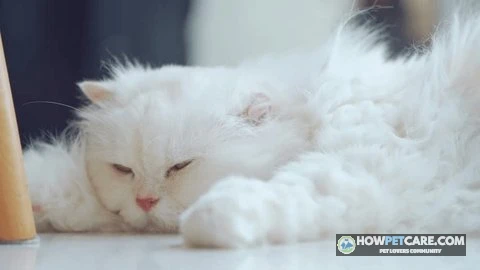

A long-haired Persian cat requires 15 to 20 minutes of daily line-combing with steel combs, regular facial fold wiping to prevent dermatitis, and documented DNA testing for Polycystic Kidney Disease (PKD). Expect ongoing maintenance costs between $2,280 and $5,040 annually for food, specialized grooming, and proactive veterinary care.
Adopting a long-haired Persian cat brings an affectionate, placid presence into your home, but it also requires daily, hands-on maintenance. Unlike short-haired domestic breeds, a long-haired Persian cannot manage its dense double coat or flat facial anatomy alone. You need to budget 15 to 20 minutes each day for detangling, coat line-combing, and facial hygiene. Skipping this routine quickly leads to painful matting, skin yeast infections, and chronic eye issues.
Long‑Haired Persian Cat Overview: Temperament, Activity & Lifestyle Fit
Persians rank among the most recognizable and popular pedigreed cat breeds in the United States. Their round heads, large expressive eyes, and flowing coats give them a distinct look matched by an exceptionally mellow disposition.
Temperament Snapshot
The temperament of a long-haired Persian is quiet, sweet, and undemanding. While many cat breeds scale high bookshelves or demand constant attention, Persians prefer lounging on plush rugs, staying low to the ground, and watching household activities from a quiet spot. They welcome gentle petting, but they startle easily around loud noises, rough handling, and erratic activity. Because of this sensitivity, they do best in peaceful apartments, quiet adult households, or calm family homes with predictable routines.

Activity Level & Space Requirements
Persians have a low to moderate energy level. Short play sessions—batting at wand toys or chasing small plush mice—are usually followed by hours of deep rest. Most weigh between 7 and 12 pounds and stand 10 to 15 inches tall, carrying a stocky cobby frame on short, sturdy legs. Their average lifespan ranges between 10 and 17 years.
A long-coat Persian kitten requires an indoor-only lifestyle. The breed’s dense undercoat acts like a sponge for outdoor debris, twigs, and burrs. Outside, their trusting nature and heavy build also put them at a severe disadvantage against predators or traffic. Indoors, their compact physical needs suit apartment living well, provided they have soft bedding and floor space for brief daily play.
Doll‑Face (Traditional) vs. Peke‑Face (Extreme) Persians – Physical Traits & Health Implications
When researching long-haired Persians, you will find two distinct head shapes: Traditional (often called Doll Face) and Extreme (known as Peke-face or Show style). These labels do not describe different breeds. Both are recognized varieties of the Persian breed registered by groups like the Cat Fanciers’ Association. Still, their structural differences substantially alter daily grooming routines and lifelong veterinary risks.
Facial Structure & Brachycephaly
All Persian cats have some degree of brachycephaly, meaning a shortened skull and flattened facial profile.
- Traditional (Doll Face): A doll face Persian long hair has a classic, moderate profile. The muzzle projects outward, leaving clear separation between the nose leather and the eyes. While the head stays rounded, the nasal passages remain longer and more functional.
- Peke-Face (Extreme): Bred heavily for competitive show rings, the Peke-face variety features an intensely compressed skull. The nose sits high on the face, often aligned directly between the lower rims of the eyes. This creates a flat facial plane with deep, recessed skin folds.

Health Trade‑offs Between Face Types
Compressing the feline skull introduces physical trade-offs that dictate daily owner workload and respiratory health.
| Attribute | Doll-Face (Traditional) | Peke-Face (Extreme) |
|---|---|---|
| Muzzle length | Visible, projecting muzzle with more space between the nose and forehead | Very short muzzle; nose may align closely with the eyes |
| Tear-duct clearance | More open drainage path; staining can still occur but is often easier to manage | Compressed drainage path increases tear overflow and persistent staining |
| Eye exposure | Eyes are prominent but usually less exposed | Greater exposure can increase irritation, incomplete lid closure, and corneal injury risk |
| Airway resistance | Generally lower, although any Persian can have narrowed nostrils or noisy breathing | Generally higher because shortened nasal passages and stenotic nares are more common |
| Facial hygiene workload | Usually one careful eye-and-muzzle cleaning daily | Often needs cleaning and complete drying twice daily, especially around tear channels and folds |
| Coat friction around the face | Ruff tangles mainly under the chin and behind the ears | Tears and food moisture can bind facial hair into crusts in addition to ordinary ruff tangles |
| Grooming difficulty | High because of the dense double coat, but facial access is usually easier | Very high: the same dense coat plus restricted facial contours and moisture-prone creases |
| Practical warning sign | New staining, squinting, discharge, or noisy breathing warrants a veterinary check | Open-mouth breathing at rest, blue or pale gums, collapse, or marked breathing effort requires urgent veterinary care |
Face shape does not determine Polycystic Kidney Disease (PKD) status. Always require documented PKD DNA test results for the individual cat or its certified parents rather than assuming a doll-face Persian is genetically free of hereditary renal conditions.

Step‑by‑Step Daily Grooming Routine for the Double Coat
Persian cat long hair care is mandatory. The Persian coat pairs a long, silky guard layer with a woolly, dense undercoat. If you do not comb out dead undercoat hair daily, shed fur wraps around emerging strands. It quickly forms hard, skin-tight mats that pull the tissue and trap moisture against the skin.
Essential Grooming Tools
To work through the double coat without scratching skin or breaking fur, assemble these core tools before your cat arrives:
- Wide-tooth stainless steel comb (Greyhound comb): Reaches straight to the skin to untangle the dense undercoat.
- Fine-tooth steel comb: Catches fine tangles, dead loose hairs, and flea dirt.
- Soft slicker brush: Uses coated, angled wire pins to smooth surface guard hairs and capture loose flyaways.
- Cat-safe detangling spray: Neutralizes static and prevents hair breakage during daily combing.
- De-shedding glove or damp rubber mitt: Gathers loose guard hair and polishes high-friction zones.
- Blunt-end safety shears or professional feline mini-clippers: Keeps the sanitary zone around the hindquarters clean and short.

Never attempt to cut out tight mats with standard household scissors. Feline skin is exceptionally thin and stretches upward inside mats; cutting mats blindly with household scissors frequently results in severe lacerations requiring emergency sutures.
15-Minute Daily Brushing Sequence
Keep your cat comfortable by following this predictable daily workflow:
-
Map the coat with your fingers (2 minutes)
Place the cat on a nonslip mat and gently separate the fur with your fingers. Feel through high-friction zones: behind the ears, beneath the collar, throughout the armpits, across the groin, and inside the neck ruff. A developing mat feels like a firm, flat felt pad rather than an ordinary knot.
-
Open the undercoat with a wide-tooth comb (5 minutes)
Working from the rear legs forward toward the shoulders, part the hair down to the skin line. Comb gently in the direction of hair growth, starting at the outer ends and easing downward toward the roots. Support the base of the hair with your free hand to avoid pulling the skin. When working around delicate armpits and groin folds, lift the cat’s limbs only to natural angles.
-
Clear and verify each section (5 minutes)
Gently stroke a soft slicker brush across the coat to lift loose surface hair. Follow immediately with a fine-tooth steel comb, gliding from the skin line to the tips. The section is completely groomed only when the comb moves through the coat without snagging. Part the thick chest ruff into thirds, combing outward and downward from the chin.
-
Address friction and hygiene zones (3 minutes)
Comb the delicate fur behind both ears, between the rear thighs, and around the perianal area. Wipe away shed coat using a damp rubber grooming glove. If you locate a knot that is too tight to comb out safely, make a note of its position rather than yanking the hair.
Weekly Deep Dematting Protocol
Dedicate 20 to 30 minutes once a week to a thorough line-comb inspection. Mist each coat section lightly with detangling spray so the fur feels slightly cool, not wet. Part the hair and comb from the skin outward, checking the teeth for dandruff, flea dirt, or red skin. Use your fingers to tease apart small surface knots before running the wide-tooth comb through the ends.

A bath every 4 to 6 weeks strips away accumulated skin sebum that cements mats together. Use a mild cat-specific shampoo, rinse thoroughly to prevent dry, itchy residue, and dry the fur entirely with a low-heat pet dryer while combing the coat flat.
To curb hairballs, pair this physical combing routine with a high-moisture, fiber-balanced diet and feline hairball paste recommended by your veterinarian.
Facial Fold & Eye Care: Managing Tear Staining, Yeast, and Brachycephalic Sensitivity
A Persian’s short facial bones often compress or kink its tear ducts. When tears cannot flow down through the nasal passage, they spill across the face and pool inside deep facial folds. This steady moisture breeds bacteria and yeast, while oxidized porphyrins in the tears stain the surrounding fur a dark reddish-brown.
Daily Fold Cleaning Protocol
Daily cleaning keeps the skin dry and prevents fungal dermatitis:
- Prepare clean supplies: Use sterile gauze squares or lint-free cotton rounds with lukewarm water or sterile feline eyewash. Skip fibrous cotton balls that leave lint in the eyes. Never use alcohol, human makeup wipes, hydrogen peroxide, or contact lens fluid.
- Inspect the eyes: Check for warning signs before wiping: squinting, cloudy corneas, inflamed tissue, or thick yellow or green discharge. Call your vet if you notice any of these symptoms.
- Soften accumulated crusts: Hold a damp gauze pad against the tear path for 15 seconds to loosen dried debris. Wipe outward from the inner corner of the eye. Switch to a clean pad for the other eye to avoid spreading bacteria.
- Clean the skin creases: Gently pull back the fold beside the nose to reach the skin beneath. Wipe along the groove with light pressure, staying clear of the eyeball.
- Dry the skin completely: Pat the folds and tear tracks thoroughly with dry gauze. Trapped moisture quickly causes raw, infected skin, so ensure the folds are dry to the touch.
Tear‑Stain Removal Techniques
Tear stains settle deep into pale fur over time. Avoid aggressive scrubbing, which only inflames thin facial tissue. Instead, apply a vet-approved enzymatic tear stain wipe once daily to break down pigment build-up. Always keep topical products outside the eyelid margins.
Preventing Yeast & Skin Irritation
Doll-face Persians generally need one facial wipe-down a day, whereas extreme Peke-face cats often need care morning and night. A sour, doughy smell or bright red skin inside the folds points to a cutaneous yeast infection. This requires a prescription topical antifungal from your vet. In dry climates, running a cool-mist humidifier near their main resting area also keeps exposed corneas moist and comfortable.


Health Screening & Lifespan: PKD, HCM, Respiratory Issues, and Ongoing Vet Care
Persian cats carry known genetic risks. Protecting their health means choosing kittens from screened bloodlines and keeping up with targeted diagnostic exams.
Genetic Tests Overview
- Polycystic Kidney Disease (PKD): PKD is an inherited condition common in Persian lines. Fluid-filled cysts form in renal tissue before birth, gradually expanding over several years until they destroy functional kidney tissue and cause renal failure. Breeders must provide documentation showing both parents tested PKD-negative via a certified DNA cheek swab. A negative DNA swab proves the cat lacks the mutated gene and cannot pass it down.
- Hypertrophic Cardiomyopathy (HCM): HCM thickens the muscular walls of the feline heart, reducing its ability to pump blood effectively. Because researchers have not isolated all Persian-specific genetic markers for HCM, breeding stock and mature cats should receive regular screening echocardiograms from a board-certified veterinary cardiologist.
Routine Veterinary Exams
Get baseline health data early. Kittens need standard wellness checks and core vaccines across their first 16 weeks. At 12 months, your vet should run a baseline complete blood count (CBC) and serum chemistry panel. Adult Persians need annual checkups that include blood pressure checks and urinalysis, increasing to twice-yearly visits after age seven.
Persians show a lower reported incidence of feline hyperthyroidism than many other breeds. Even so, senior blood profiles remain necessary to monitor baseline kidney and liver values as your cat ages.
Monitoring Respiratory & Ocular Health
Extreme brachycephaly often brings Brachycephalic Obstructive Airway Syndrome (BOAS). Structural issues include pinched nostrils (stenotic nares), an elongated soft palate, and a narrow trachea. Listen for labored breathing, constant heavy snoring, snorting, or sudden exercise fatigue. Open-mouth panting in any cat is an emergency that demands immediate veterinary intervention.
Check eyes daily for scratches or corneal ulcers. Because flat-faced cats have shallow eye sockets and blink less completely, their eyes are prone to minor surface trauma. Prescription eye drops can treat these ulcers early, preventing permanent scar tissue.

Budget Blueprint: Itemized Monthly & Annual Costs for a Long‑Haired Persian
Owning a long-haired Persian costs substantially more than keeping a short-haired cat, primarily due to regular grooming tools, professional coats trims, and specialized organ screenings.
| Expense Category | One-Time Cost | Monthly Avg | Annual Total |
|---|---|---|---|
| Adoption or breeder acquisition | $100–$5,000 | — | — |
| Mandatory grooming kit: two steel combs, soft slicker, grooming glove, nail clippers, detangling spray, nonslip mat | $120–$220 | — | — |
| Carrier, litter setup, bowls, bed, and scratching surface | $180–$400 | — | — |
| Food | — | $40–$80 | $480–$960 |
| Litter and routine consumables | — | $25–$50 | $300–$600 |
| Facial-care and grooming replacements | — | $10–$20 | $120–$240 |
| Hairball support, if recommended | — | $0–$15 | $0–$180 |
| Pet insurance | — | $25–$70 | $300–$840 |
| Professional hygiene groom every two months: 6 visits at $75–$125 | — | $38–$63 | $450–$750 |
| Annual wellness exam, vaccines, dental and eye assessment | — | $15–$35 | $180–$420 |
| PKD DNA test, if no verifiable result exists | $50–$100 | — | — |
| Kidney monitoring: blood pressure, chemistry panel, and urinalysis when veterinarian recommends | — | $13–$29 | $150–$350 |
| Baseline or follow-up HCM echocardiogram when veterinarian recommends | — | $25–$58 | $300–$700 |
| Estimated routine recurring total | — | $191–$420 | $2,280–$5,040 |
| Estimated first year, including acquisition and starter items | $450–$5,720 | — | $2,730–$10,760 |
Note: These figures reflect typical United States costs as of 2026. Routine recurring totals exclude emergency veterinary care, advanced dental extractions, and elective airway surgeries.

Owner Decision Checklist – Matching Your Lifestyle, Budget, and Commitment
Bringing a long-haired Persian into your home is a major, decade-long commitment. Review these practical requirements to confirm the breed fits your schedule and finances.
Self‑Assessment Quiz
- Daily Availability: Can you consistently set aside 15 to 20 uninterrupted minutes every single day for combing and facial care?
- Sensory Tolerance: Are you willing to wipe eye drainage, swab deep face folds, and clean messy hindquarters?
- Living Environment: Is your home quiet enough to keep an easily startled, low-stress cat comfortable?
- Coat Maintenance Commitment: If the coat ever gets away from you, will you pay a professional groomer for a sanitary shave or lion trim instead of letting mats pull the skin?
Budget Alignment Worksheet
Compare your disposable monthly income to expected pet expenses. If an ongoing baseline budget of $2,300 to $5,000 per year stretches your finances too thin, consider adopting a short-haired cat with lower maintenance needs.
Adoption & Price Overview
When buying a long coat Persian kitten, reputable breeders registered with the Cat Fanciers’ Association (CFA) or The International Cat Association (TICA) usually charge between $1,500 and $3,500 for pet-quality kittens. Show-quality lines run higher. Always ask for written proof that both parents tested negative for PKD before paying a deposit.
Adoption is another practical route. Dedicated Persian rescues and municipal shelters regularly care for adult cats surrendered by owners overwhelmed by daily grooming. Adoption fees run between $100 and $400, providing an affordable way to bring home a companion while giving a displaced Persian a stable environment.

| Expense Category | One-Time Cost | Monthly Avg | Annual Total |
|---|---|---|---|
| Adoption or breeder acquisition | 100– 5,000 | Not in source | Not in source |
| Mandatory grooming kit | 120– 220 | Not in source | Not in source |
| Carrier, litter setup, bowls, bed, and scratching surface | 180– 400 | Not in source | Not in source |
| Food | Not in source | 40– 80 | 480– 960 |
| Litter and routine consumables | Not in source | 25– 50 | 300– 600 |
| Facial-care and grooming replacements | Not in source | 10– 20 | 120– 240 |
| Hairball support | Not in source | 0– 15 | 0– 180 |
| Pet insurance | Not in source | 25– 70 | 300– 840 |
| Professional hygiene grooming | Not in source | 38– 63 | 450– 750 |
| Annual wellness exam, vaccines, dental and eye assessment | Not in source | 15– 35 | 180– 420 |
| PKD DNA test | 50– 100 | Not in source | Not in source |
| Kidney monitoring | Not in source | 13– 29 | 150– 350 |
| HCM echocardiogram | Not in source | 25– 58 | 300– 700 |
| Estimated routine recurring total | Not in source | 191– 420 | 2,280– 5,040 |
| Estimated first year total | 450– 5,720 | Not in source | 2,730– 10,760 |
FAQ
Do long‑haired Persian cats shed a lot?
Yes, they shed heavily because of their dense double coat, especially during seasonal changes, making daily brushing essential to control loose hair.
What is the best brush for a long‑haired Persian cat?
A wide-tooth stainless steel greyhound comb paired with a soft slicker brush works best; the comb reaches the skin to untangle the dense undercoat while the slicker gathers loose surface fur.
How often should you bathe a long‑haired Persian cat?
Bathing every 4 to 6 weeks removes accumulated skin sebum that causes severe mats; always use cat-specific shampoo and blow-dry the coat thoroughly on low heat.
What distinguishes a long‑coat Persian kitten from other long‑haired breeds?
Persian kittens have a distinct cobby build, a plush double coat, and a rounded, brachycephalic facial structure that demands lifelong daily eye and facial fold hygiene unlike Maine Coons or Ragdolls.
Can a long‑haired Persian live happily in an apartment?
Yes, their low-to-moderate activity level, quiet temperament, and strict indoor-only requirements make them well suited for apartment life.