

Russian Blue cats commonly live an estimated 12–20 years, with indoor safety, healthy weight, preventive veterinary care, and genetics shaping where an individual cat lands. Treat the range as a planning baseline, not a proven breed average or a promise.
Russian Blue cats commonly live an estimated 12–20 years. Indoor safety, weight control, preventive veterinary care, and individual genetics all influence where a cat falls within that range.
That range is an estimate, not a measured breed average or a promise. Published figures vary: WebMD gives 12–15 years, while other breed profiles report ranges extending to 18 or 20 years. The difference reflects a thin evidence base, not a dependable formula for predicting when an individual cat will die. An indoor Russian Blue lifespan of 12–20 years remains a sensible planning baseline.
How Long Do Russian Blue Cats Live?
The Russian Blue life expectancy most often quoted is 12–20 years. Treat it as a broad published estimate rather than a proven average. The 15–20-year figure repeated by some breed references and pet resources is not supported by a published Russian Blue survival study, and a precise average such as 17.5 years should not be mistaken for one.
A large study of veterinary records can estimate survival patterns for broader cat populations, but current veterinary evidence does not establish a Russian Blue-specific median lifespan or a percentage breakdown of the breed’s causes of death. The age range is best used to plan care across a cat’s life, not as a countdown.
Claims that the oldest Russian Blue lived past 25 years circulate online, but no independently verified record exists in the veterinary literature. Without reliable clinical records or official registration, these stories remain purely anecdotal. A Russian Blue may reach 20 or older, but exceptional cases are not a sound basis for setting baseline expectations.
“12–20 years” is a widely repeated estimate, not a measured breed-wide average. Higher figures such as 15–20 years are optimistic published estimates, while claims of 25 years or more remain unverified anecdotes. The evidence does not support a reliable Russian Blue-specific median or a definitive oldest-cat record.
Russian Blue Health Problems That Can Shorten Life
A Russian Blue is not immune to common feline diseases. Obesity, dental disease, chronic kidney disease, and heart conditions can diminish quality of life and may become life-threatening if they go unnoticed. Available evidence does not establish these conditions as a ranked list of Russian Blue causes of death, nor does it provide breed-specific risk percentages.
Weight and dental health
Russian Blues can be highly food-motivated, and excess calories quickly lead to weight gain. Obesity increases the risk of diabetes and strains joints, making normal movement uncomfortable. Ask your veterinarian to assess your cat’s body condition and recommend an appropriate daily portion rather than relying solely on a food label or a single scale reading. Monthly weigh-ins at home help catch gradual upward trends early.
Dental disease is another practical concern. Sore gums or broken teeth can make eating painful and affect a cat’s overall well-being. Get your cat accustomed to gentle mouth handling and toothbrushing early in life if tolerated, and ask your veterinarian how often the mouth needs an exam and whether professional cleaning is appropriate. Daily home care is valuable, but it does not replace veterinary assessment.
Kidney and heart disease
Kidney disease is a common concern in older cats, including Russian Blues. Changes in thirst, urination, appetite, or weight warrant prompt veterinary discussion, particularly if they are new or persistent. Kidney screening typically includes blood chemistry panels and urinalysis; in senior cats, your veterinarian may also recommend SDMA testing as part of the assessment.
Hypertrophic cardiomyopathy (HCM) is a heart condition that owners often encounter when researching Russian Blue health. The evidence supports monitoring for HCM, but not the claim that Russian Blues have a known breed-wide rate or that every cat requires routine cardiac screening. A veterinarian may recommend further diagnostic evaluation based on a heart murmur, active symptoms, examination findings, or known family history. Urolithiasis—stones in the urinary tract—is another condition to watch for; trouble urinating requires urgent veterinary advice.
Open-mouth breathing or obvious respiratory distress is an acute medical emergency. Contact an emergency veterinary hospital immediately rather than waiting for a regular appointment. For slower changes, such as reduced activity, appetite shifts, or unexplained weight loss, call your regular veterinary clinic and explain when the change began.
What is known about genetic health
Current epidemiological evidence is insufficient to identify the leading causes of death in Russian Blues or quantify inherited risks for the breed. Broad claims that the breed has “no genetic health problems” are overstated: any individual cat can develop inherited or acquired disease, and a breed registry cannot guarantee immunity. Ask about family health history whenever it is available, but never assume that the absence of a published breed risk ranking equals zero genetic vulnerability.
 You might be wonderingRhodesian ridgeback life expectancyRhodesian Ridgeback Lifespan: Average, Risks & How to Extend ItRead the answer
What Influences Whether a Russian Blue Lives Longer?
The difference between a cat living near the lower or upper end of a published lifespan range cannot be traced to a single intervention. Indoor or outdoor exposure, body condition, preventive care, spay or neuter status, genetics, age, and simple chance all play a part. Research does not support assigning a specific number of extra years to any single lifestyle choice.
| Factor | Practical action | What the evidence can say | Limitations |
|---|---|---|---|
| Indoor or outdoor access | Keep your cat indoors, or use supervised outdoor time such as a secure enclosure or leash if suitable. | Indoor living avoids some outdoor hazards, including traffic injuries, predators, and exposure to infectious disease. | No Russian Blue-specific estimate of years gained is established. Risks also vary by location and how outdoor access is managed. |
| Diet and body condition | Measure portions, monitor weight, and offer interactive play or food puzzles. | Weight control matters because obesity can contribute to diabetes and joint strain. | No reliable figure says how many years a Russian Blue loses per extra pound. |
| Spay or neuter status | Discuss timing and individual health considerations with your veterinarian. | A U.S. veterinary-record report found longer lifespans among neutered male and spayed female cats than among intact cats. | This is a general-cat observational association, not a Russian Blue result or proof that the procedure alone caused the difference. |
| Preventive veterinary care | Keep vaccinations and parasite prevention current and schedule routine exams. | Regular care can help identify health changes and supports vaccination against core diseases, including those covered by FVRCP and rabies vaccination as advised. | No controlled result here isolates a particular number of years gained from visit frequency. |
| Dental care | Introduce home dental care and have the veterinarian check the mouth. | Early attention can help identify painful dental problems. | Added lifespan from brushing or dental treatment has not been quantified for Russian Blues. |
| Genetics and chance | Share known family history with your veterinarian and monitor your cat as an individual. | Genetics and other individual factors can affect health and longevity. | There is no validated Russian Blue genetic-risk ranking or way to predict a specific cat’s lifespan. |

Indoor safety and outdoor exposure
Keeping a cat indoors avoids exposure to road traffic, predators, and several infectious diseases. These are significant safety benefits, yet there is no credible breed-specific calculation showing how many years an indoor Russian Blue gains. A catio or supervised leash walk can provide sensory enrichment with far lower risk than free roaming, although no setup eliminates every hazard.
Diet, activity, and body condition
Serve measured meals rather than free-feeding if your cat tends to overeat. Food puzzles and interactive play sessions encourage daily exercise without relying on outdoor access. Monitor your cat’s body shape and weight regularly, asking your veterinarian to adjust calorie intake if your cat gains or loses weight. The goal is a lean, sustainable body condition rather than hitting an arbitrary target weight from a breed description.
Spay or neuter status and preventive care
Spaying and neutering correlate with longer life in general feline records, but that relationship does not prove the surgery itself accounts for the entire difference. Altered cats often receive different care, indoor housing, and preventive attention. Discuss surgical timing and individual considerations with your veterinarian rather than treating a population-wide trend as a certainty for your cat.
Vaccination schedules, parasite control, and wellness checks must be tailored to your cat’s age, overall health, and environment. Core vaccines generally cover FVRCP and rabies, with timing determined by a veterinarian based on local regulations and lifestyle risk. Adult cats typically require an annual veterinary examination; senior cats and those managing chronic conditions need more frequent visits.
Genetics and factors owners cannot control
Age, inherited traits, and random chance remain outside your control. What you can control is providing a secure environment, tracking changes in health, and scheduling care before mild symptoms escalate. No combination of nutrition, indoor living, or screening can guarantee that a Russian Blue will live to 20 years.
Russian Blue Lifespan Compared With Other Cats
Breed comparisons provide helpful context, but published breed ranges are not equivalent to empirical survival studies. The strongest figures in this table are measured population medians for large feline cohorts; the breed-specific rows are published estimates and should not be compared directly to study data.
| Breed or cat group | Reported lifespan and measure | Source and population | Comparability or evidence caveat |
|---|---|---|---|
| Russian Blue | 12–20 years, estimated range | Repeated breed-profile and pet-resource estimates. | No reliable breed-specific median is established here. |
| Domestic shorthair or crossbred | About 14 years, median | VetCompass study of veterinary records from cats in English primary-care practices. | A measured population figure, but from a particular country, study period, and care setting. |
| Purebred cats overall | About 12.5 years, median | The same broad English primary-care population. | Pooled across breeds; not a Russian Blue-specific result. |
| Siamese | 12–20 years, estimated range | Published breed estimates. | Not a comparable study-derived median; sources and methods vary. |
| British Shorthair | 12–17 years, estimated range | Published breed estimates. | Estimate only; the evidence here does not establish a breed median. |
| Chartreux | 11–15 years, estimated range | Published breed estimates. | Estimate only; direct comparison with measured population medians is not valid. |
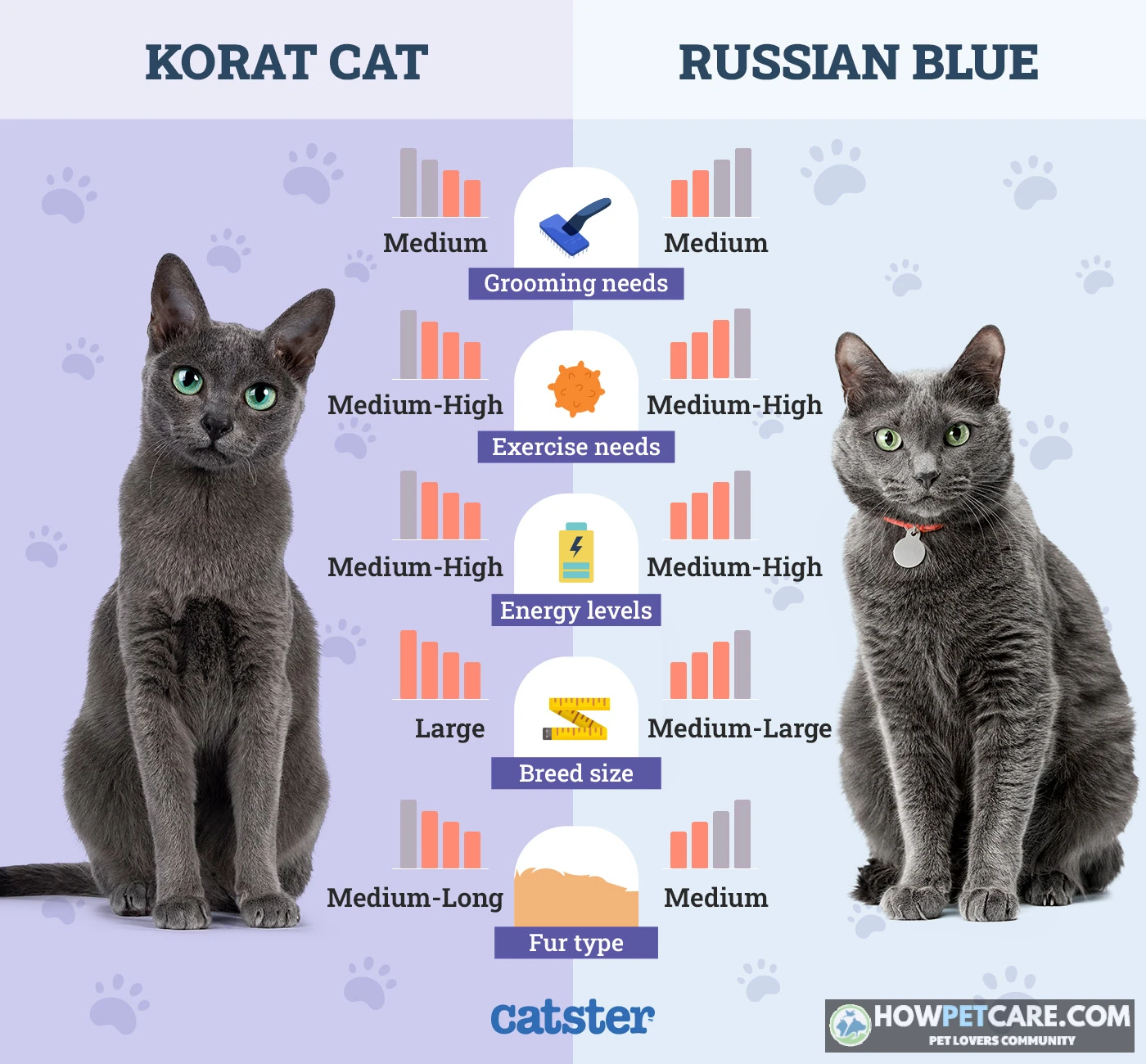
This data does not show that Russian Blues reliably outlive Siamese, British Shorthairs, Chartreux, or domestic shorthairs. The Russian Blue range is an informal estimate, while the domestic shorthair and purebred figures are medians drawn from a specific primary-care cohort. Broad estimates cannot forecast an individual cat’s lifespan.
Male, female, and mixed Russian Blues
No reliable veterinary evidence demonstrates that male Russian Blues outlive females or vice versa. Lifespan differences linked to neuter status across broader cat populations should not be misread as an innate sex advantage within this breed. Individual health status, indoor management, and preventive medical care are far more informative than sex alone.
A Russian Blue mix may live within a similar broad lifespan range, but no clinical studies directly compare Russian Blue mixes with purebreds. Mixed ancestry does not guarantee longevity, and a pedigree does not dictate an individual cat’s lifespan. Evaluate your cat’s specific health needs and background rather than relying on purebred or mixed status as a longevity forecast.
Russian Blue Care by Life Stage
Care requirements change as a cat matures. These life stages serve as practical guideposts rather than rigid biological transitions; your veterinarian can tailor recommendations to your cat’s ongoing health and lifestyle.
| Life stage and approximate age | Care priorities | Veterinary discussion |
|---|---|---|
| Kitten: birth to adulthood | Build comfort with handling, measured feeding, dental care, and safe indoor routines. | Vaccination and parasite-prevention plan; spay or neuter timing; nutrition and growth. |
| Adult: roughly 1–9 years | Maintain healthy body condition, indoor enrichment, and predictable preventive care. | At least annual exams, dental checks, vaccination, and any screening indicated by history or symptoms. |
| Senior: approximately 10–11 years and up | Make food, water, litter, and resting spots easy to reach; track weight, appetite, and behavior. | Discuss twice-yearly exams and individualized kidney, blood pressure, thyroid, and heart assessment. |
Kitten: build preventive habits
Partner with a veterinarian on core vaccinations, parasite prevention, balanced nutrition, and spay or neuter timing. The exact plan reflects the kitten’s age, health status, and living environment. Gentle handling exercises make future examinations and grooming easier. Introduce toothbrushing gradually if tolerated, and establish measured feeding routines early to avoid habitual overeating.
Adult: maintain weight and routine care
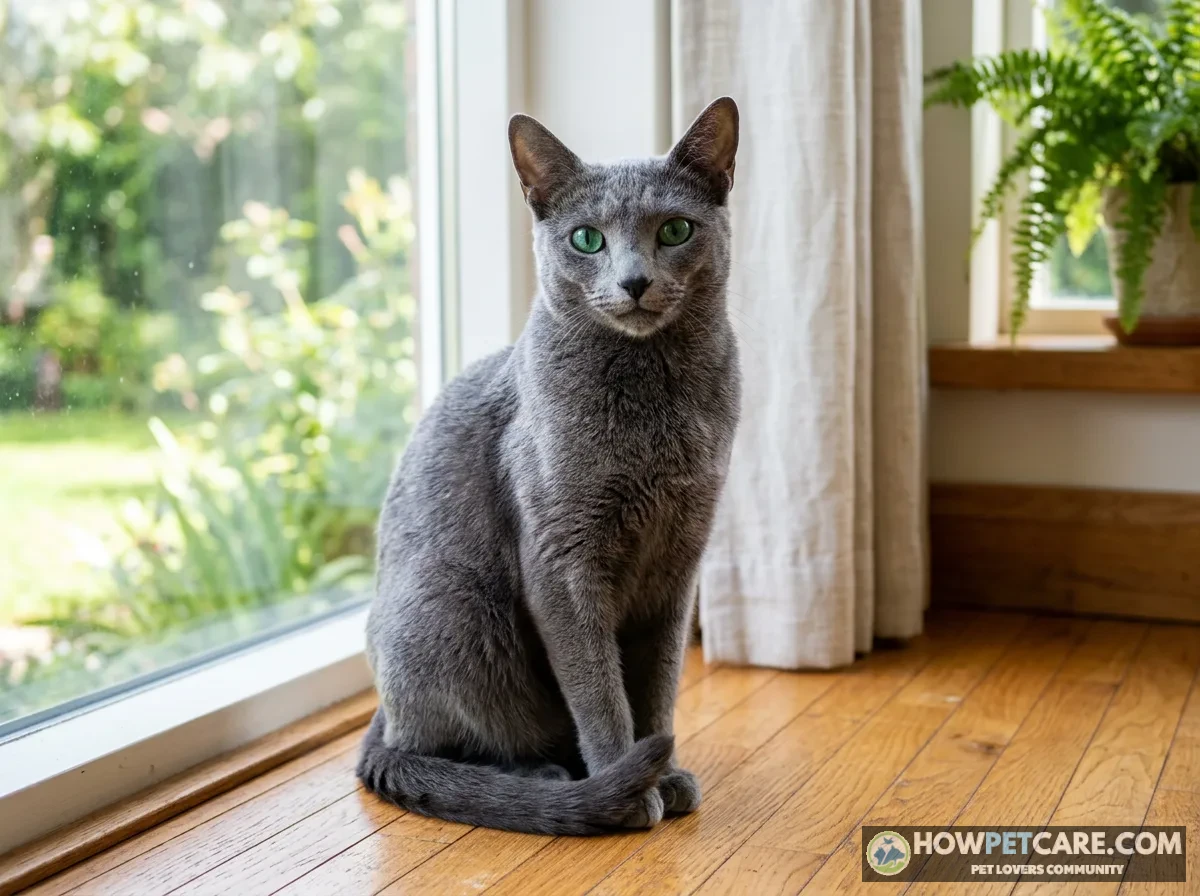
For an adult Russian Blue, keep daily portions measured and provide regular indoor play and environmental enrichment. Schedule wellness exams at least once a year, or more frequently if your veterinarian recommends closer monitoring for an emerging concern. Report changes in body weight, thirst, urination, appetite, or activity during routine visits rather than waiting for problems to worsen.
Around age 10–11: transition to senior cat care
Veterinary guidelines commonly classify cats as senior around age 10 or 11, though clinical definitions vary. As mobility slows, adapt the living space: keep core resources on a single level, choose a litter box with a lower entry, and offer warm, supportive resting spots. Ensure food and clean water are accessible without requiring jumps or stairs.
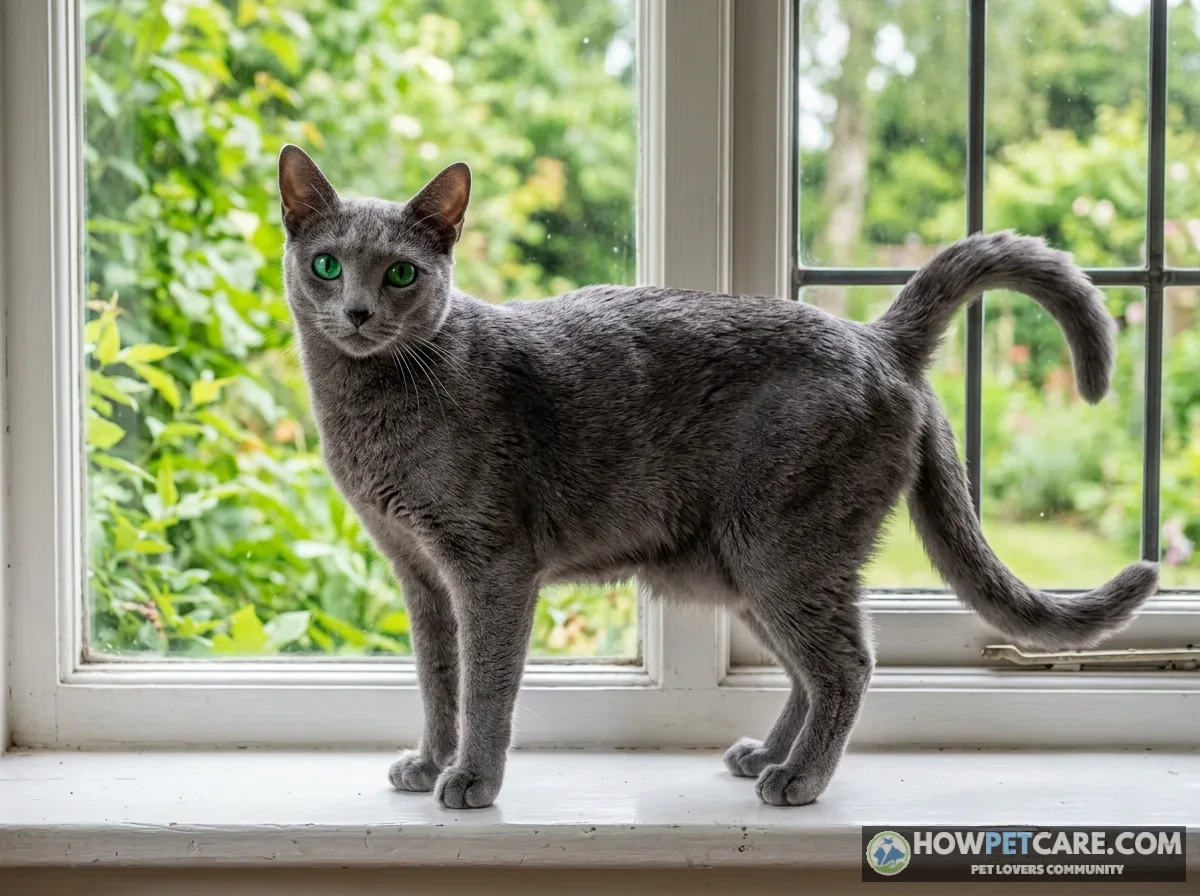
Translating cat years into human years provides only a rough comparison, not a method for predicting lifespan. A standard rule of thumb equates a cat’s first year to about 15 human years, the second to roughly nine more, and each subsequent year to around four human years. Have your veterinarian evaluate age-related changes directly rather than relying on an age chart.
Senior Russian Blue Screening and Checkup Schedule
Around age 10–11, ask your veterinarian whether moving to exams about every six months makes sense. Twice-yearly visits allow earlier detection of gradual age-related changes, though the schedule should reflect your cat’s current health and clinical history. Any cat with an identified condition or new symptoms may need evaluation much sooner.
During senior checkups, review weight and body condition trends, oral health, joint mobility, and blood pressure. Baseline blood tests and urinalysis help track organ function over time. Kidney screening often pairs serum creatinine and urinalysis with SDMA; SDMA is a tool to evaluate alongside the full clinical picture, not a standalone diagnostic result.
Ask whether thyroid screening is indicated, particularly if an older cat drops weight despite maintaining a strong appetite. For cardiac health, the veterinarian will check for murmurs or arrhythmias and may discuss NT-proBNP testing if clinical signs point toward heart disease. NT-proBNP is not routinely needed for every healthy senior Russian Blue; physical exam findings and history guide whether advanced imaging or specialized referral is warranted.
Use this as a conversation guide, not a test prescription. Your veterinarian can decide which tests to run and how often based on your cat’s examination, history, and prior results. Open-mouth breathing or obvious breathing distress is an emergency, not a symptom to wait and review at a routine visit.
A useful senior-visit checklist:
- Schedule exams about six months apart if your veterinarian recommends twice-yearly senior visits.
- Review weight and body-condition trends, including any unexplained gain or loss.
- Discuss kidney screening with creatinine, urinalysis, and SDMA where appropriate.
- Ask about blood pressure and thyroid testing as part of the overall senior assessment.
- Have the veterinarian check oral health and mobility.
- Discuss NT-proBNP or further cardiac evaluation if examination findings or symptoms raise concern.
- Track appetite, drinking, litter-box habits, activity, and monthly weight at home.
Behavior Changes, Comfort, and End-of-Life Care
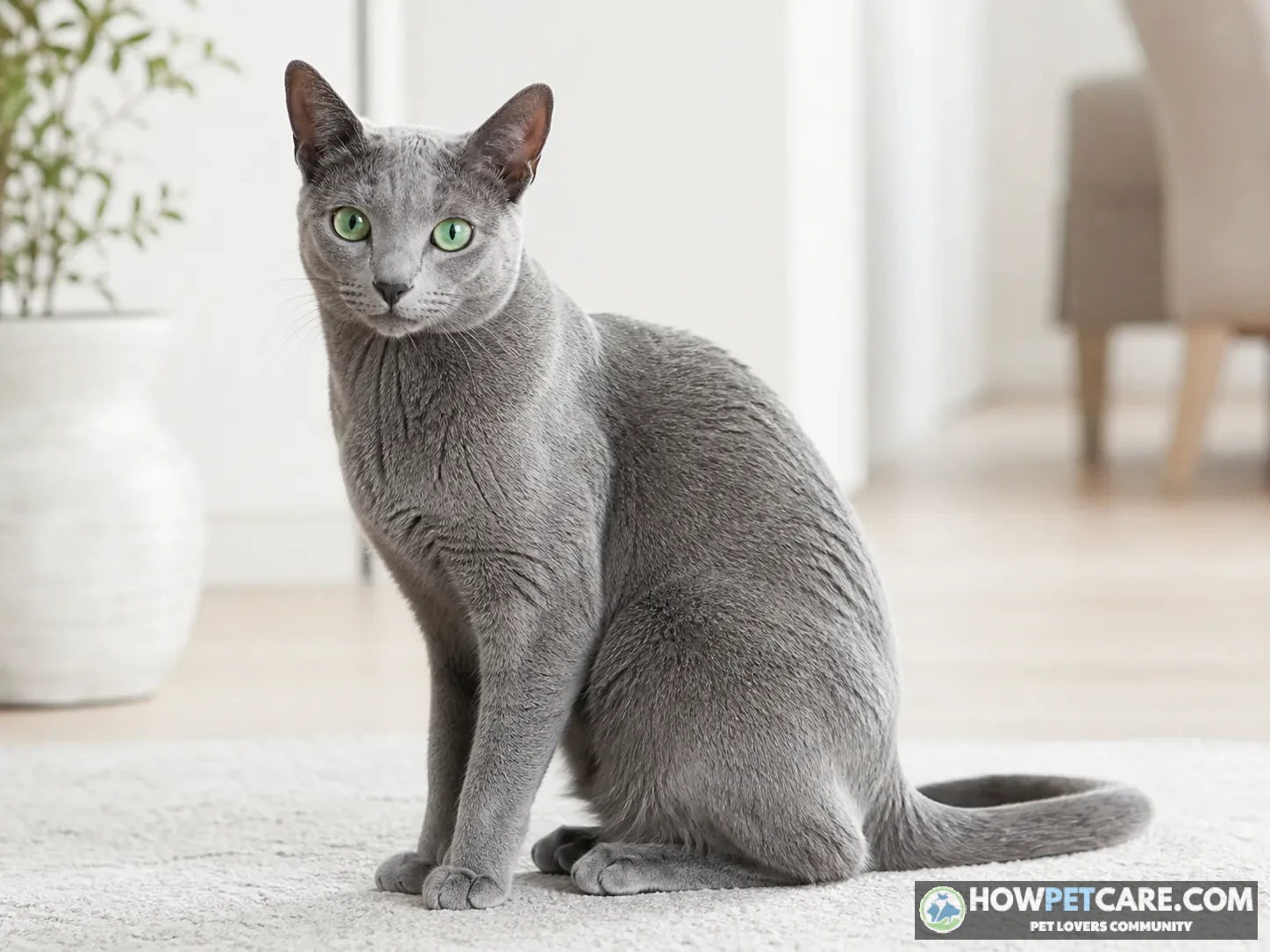
Russian Blues are often naturally reserved around unfamiliar people, but individual personalities differ. A cat that hides during loud gatherings and reappears once guests leave is demonstrating baseline shyness. A cat that suddenly avoids familiar family members, appears disoriented, or wanders aimlessly is showing a notable deviation from normal behavior. The key consideration is whether a behavior marks a clear change from your cat’s established baseline.
Reserved personality or cognitive decline?
New disorientation, disrupted sleep patterns, nighttime vocalizing, aimless wandering, or litter-box lapses can reflect cognitive dysfunction in older cats. However, these signs may also stem from arthritis pain, sensory decline, or underlying metabolic illness. Avoid writing off new behaviors as simple aging or breed temperament; outline the specific changes to your veterinarian for an objective medical evaluation.
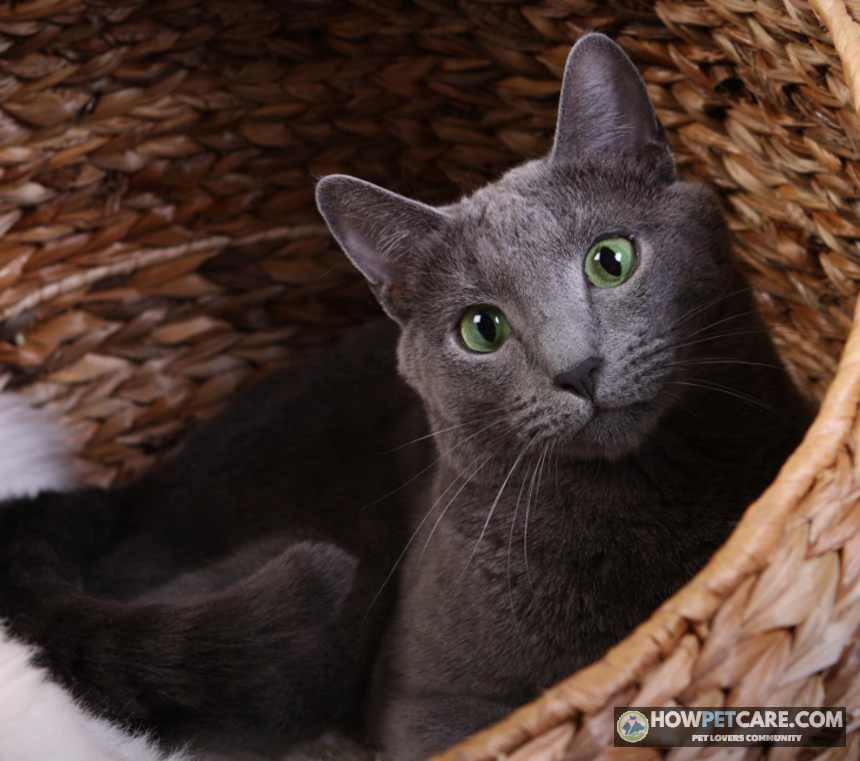
The critical distinction is behavioral stability. A longstanding, predictable trait is typically part of a cat’s baseline personality, whereas a new or progressively worsening behavior warrants clinical attention. Sudden, severe symptoms require prompt veterinary care.
Recognizing declining quality of life
Unmanaged pain, difficulty eating, compromised mobility, and a persistent withdrawal from everyday activities indicate that a cat’s comfort plan needs reevaluation. Maintain a simple log tracking comfortable days versus difficult days, noting appetite, movement, self-grooming, and social engagement. Concrete observations help you and your veterinarian assess whether current medical management is maintaining adequate quality of life.
Palliative care may involve targeted pain management, treatment for nausea, easier access to daily essentials, and adjustments to bedding or litter setups. The right care plan depends on your cat’s specific diagnosis and overall comfort. Speak with your veterinarian about hospice care and the signs indicating when humane euthanasia is the most compassionate choice; having this conversation early allows you to make thoughtful, informed decisions before a crisis occurs.
Your Russian Blue Longevity Checklist
- Choose indoor living or controlled outdoor access to reduce exposure to preventable hazards.
- Measure food, monitor body condition, and provide regular play and enrichment.
- Keep vaccination and parasite-prevention plans current with veterinary guidance.
- Ask about spay or neuter timing and dental care, and book routine exams appropriate to your cat’s age.
- Around age 10–11, discuss a senior screening plan, including whether twice-yearly exams and kidney or cardiac tests are appropriate.
- Record weight, appetite, drinking, litter-box habits, and behavior so you can report changes promptly.
Start with one practical next step: book or keep your cat’s next veterinary exam, bring a short list of any changes you have noticed, and ask what care makes sense for this cat’s age and health.
FAQ
Are Russian Blue cats hypoallergenic?
No cat is completely hypoallergenic. People can react to allergens produced by Russian Blues even if they shed relatively little, so spend time with an individual cat before adoption if allergies are a concern.
Can a Russian Blue live past 20 years?
A Russian Blue may live past 20, but such ages are exceptional rather than guaranteed. Claims about individual cats reaching 25 or being the oldest need independent documentation.
Does a Russian Blue’s coat color affect its lifespan?
Coat color alone is not a reliable way to predict an individual Russian Blue’s lifespan. Health, genetics, environment and preventive care are more useful considerations.
What should I ask a breeder about Russian Blue longevity?
Ask for documented family health history, including heart, kidney, urinary, and dental disease, plus ages and causes of death when known. A pedigree or registry name cannot guarantee an individual cat’s lifespan.